

Balsam Fir Tree, Fir Plant: Essential Climate Role in 2026
Table of Contents
- Trivias: The Balsam Fir in Facts
- Introduction: The Vital Role of Balsam Fir Tree, Fir Plant in 2026
- Ecological and Biological Profile of Balsam Fir Tree
- Balsam Fir Tree and Climate Resilience
- Balsam Fir Tree, Fir Plant and Carbon Sequestration
- Economic & Timber Importance in 2026 Forestry Sector
- Sustainable Forestry and Management Programs
- Challenges, Conservation, and Ecological Balance
- Non-Timber Uses and Community Benefits
- Comparative Impact Table: Balsam Fir & Other Forestry Species
- Farmonaut: Satellite Monitoring & Sustainable Forestry
- Callout Highlights for Forestry & Geospatial Audiences
- Key Benefits, Data Insights, and Visual Lists
- Frequently Asked Questions (FAQ) on Balsam Fir Climatic Role
- Conclusion: The Lasting Significance of Balsam Fir Tree
“Balsam fir forests can sequester up to 50 metric tons of CO₂ per hectare annually, aiding climate resilience in 2026.”
Introduction: The Vital Role of Balsam Fir Tree, Fir Plant in 2026
The balsam fir tree, fir plant (Abies balsamea) remains a cornerstone of sustainable forestry and climate action in the northeastern United States and much of Canada. As we look ahead to 2026 and beyond, the ecological and economic importance of this coniferous, evergreen species is only growing. Rooted in cold, moist boreal climates, the balsam fir stands out for its adaptability, carbon sequestration, timber value, and the essential role it plays in ecosystem resilience.
With society’s increasing emphasis on sustainable management practices, green construction materials, and climate mitigation, the balsam fir is now recognized as a vital resource for both present and future generations. This blog offers a comprehensive, 2025-2026-focused perspective—covering its profile, contributions to climate, timber sector insights, sustainability interventions, and tools (such as Farmonaut’s satellite-based solutions) that aid in maximizing its positive impact.
“By 2025, sustainable balsam fir harvesting supports over 60% of eco-friendly timber production in North American forestry practices.”
Ecological and Biological Profile of Balsam Fir Tree
The balsam fir, or Abies balsamea, is a medium-sized coniferous evergreen tree native to the northeastern United States and Canada. It is renowned for:
- Typically reaching heights: 40–70 feet (12–21 meters)
- Thriving in: Cold, moist climates, particularly within boreal forests
- Dense, soft needles: Giving the tree an aromatic, characteristic fragrance
- Popular uses: Chosen for holiday decorations—especially Christmas trees—due to its long-lasting needles and symmetrical shape
- Ecological importance: Provides shelter and food for deer, moose, and various bird species
Balsam Fir’s Critical Habitat and Biodiversity Role
Balsam fir forests contribute to ecological stability. Their dense canopies regulate local climates, reduce snow melt rates in winter, and foster understory growth that is vital for wildlife. These forests act as biodiversity hotspots, supporting:
- Rare mosses and lichens
- Numerous fungal species that aid in soil fertility and regeneration
- Migratory birds and small mammals, especially during harsh winter months

Balsam Fir Tree and Climate Resilience: An Essential Perspective for 2026
The balsam fir tree plays a key role in enhancing the climate resilience of boreal forests across the northeastern United States and Canada. In the context of climate change, this species’ adaptive biological traits make it particularly well-suited to:
- Coping with severe cold and moisture-driven conditions prevalent in northern climates
- Rapid post-disturbance regeneration: Allowing quick recovery after windthrow or moderate fire events, thus supporting forest cover continuity
- Providing shelter and habitat for wildlife under changing environmental conditions
Balsam fir’s persistence helps maintain ecological balance and resource continuity, supporting both native species and timber-dependent communities in a warming world.

Balsam Fir Tree, Fir Plant and Carbon Sequestration
How the Balsam Fir Tree Sequesters Carbon
The balsam fir forest acts as a substantial carbon sink. Through photosynthesis, these trees absorb significant amounts of atmospheric CO₂, converting it to biomass (wood, bark, roots) and enhancing climate mitigation efforts. By 2026, with pressure mounting for measurable carbon sequestration to meet global climate targets, balsam fir-dominated landscapes offer tremendous potential.
Key Features:
- Annual sequestration rates: Up to 50 metric tons CO₂ per hectare (see impact table below)
- Soil carbon retention: Understory mosses and decaying needles contribute further to buried carbon pools
- Sustainable harvesting: Managed cutting and replanting programs ensure a continuous carbon cycle within productive forests




Economic & Timber Importance in 2026 Forestry Sector
Balsam Fir’s Timber Value in Forestry Industry
The balsam fir is a prized source of softwood timber, valued for its:
- Lightweight, yet durable nature: Makes it suitable for construction, furniture, and crates
- Softwood properties: Essential in pulpwood, paper manufacturing, and engineered wood products like oriented strand board (OSB)
- Low carbon footprint CLT panels: Gaining traction in green construction when compared to steel and concrete materials
- Renewable building materials: In 2025 and beyond, there’s growing demand for sustainable wood supplies—balsam fir is at the center of this shift
Foresters in regions like Maine, Quebec, and Nova Scotia actively manage vast stands of balsam fir for both economic yield and ecological sustainability. Selective cutting and managed regeneration ensure ongoing productivity for decades to come.

Sustainable Forestry and Management Programs: 2025–2026 Perspective
Promoting sustainable forestry practices is at the heart of maintaining balsam fir’s ecological value and economic significance. Industry-accepted certification—such as FSC or PEFC—now requires active engagement in:
- Selective cutting to maintain stand health and biodiversity
- Continuous regeneration programs after each harvest cycle
- Soil protection and erosion minimization—vital in maintaining long-term forest productivity
- Forest carbon reporting and monitoring (see Farmonaut’s Carbon Footprinting Page for affordable monitoring solutions)
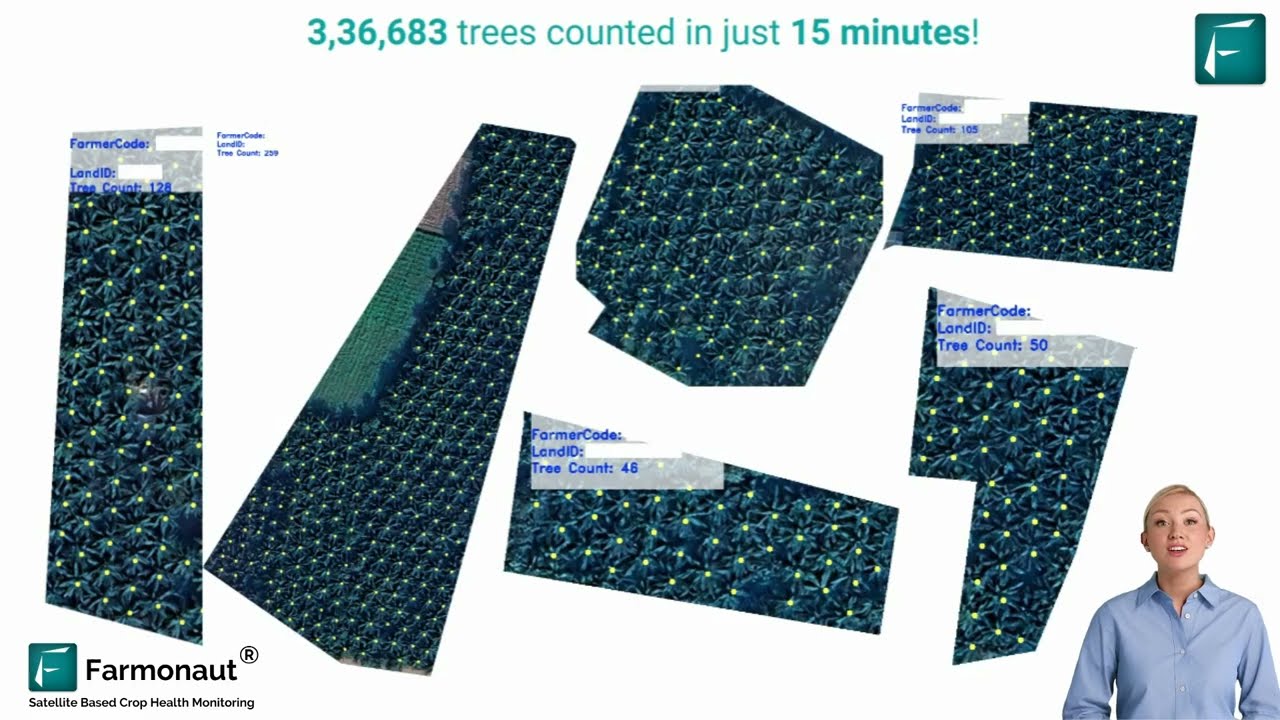
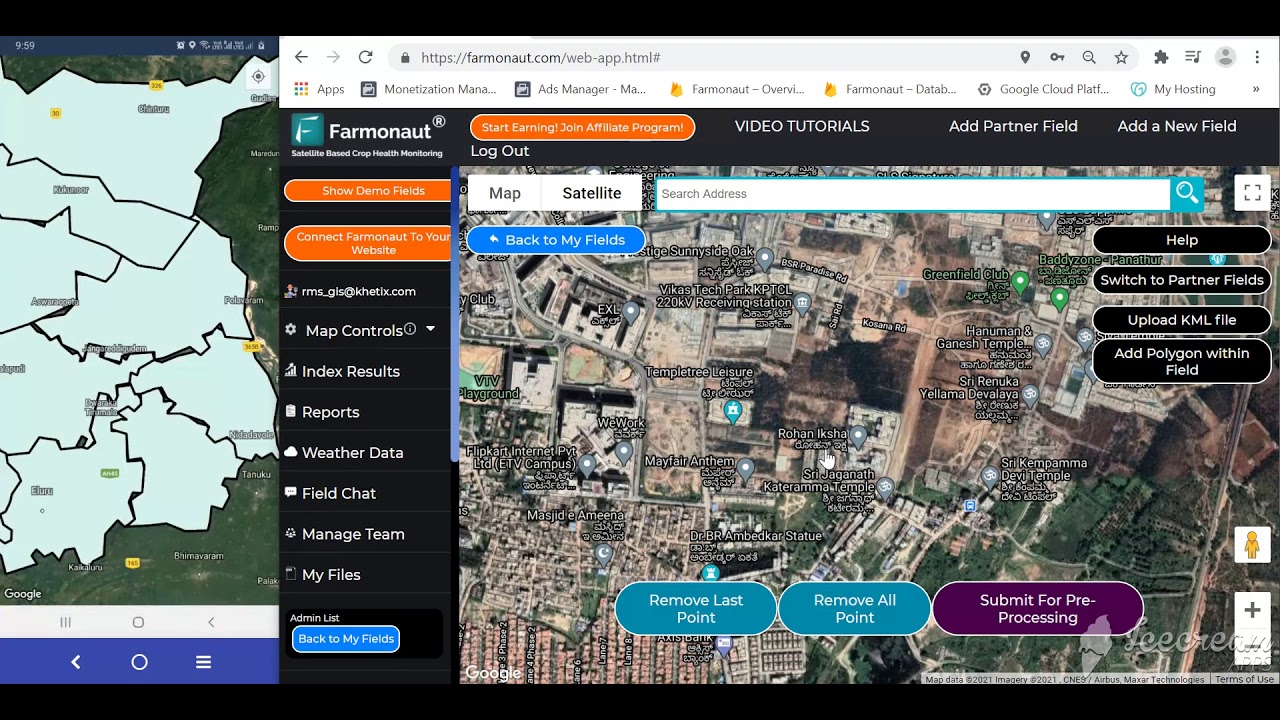
Farmonaut’s platform allows forestry professionals to access resource monitoring, AI-based forest health reporting, and track the effectiveness of regeneration programs—ensuring resilience against pests, disease, and climate-induced challenges.
Challenges, Conservation, and Ecological Balance
Key Threats to Balsam Fir Forests in 2025-2026
- Adelgid infestations: The balsam woolly adelgid—an invasive insect—has intensified, especially as winters warm, threatening vast tracts of fir forests
- Climate change: Shifts in suitable habitat, erratic precipitation, and increased wildfire risk challenge natural regeneration cycles
- Forest fires: While balsam fir can regenerate after light fires, severe blazes pose long-term compositional risks
- Fragmentation and unsustainable harvesting: Threaten habitat quality for native wildlife and plant species
To address these challenges, forestry management now integrates:
- Biological research: On predator insects to control adelgid spread
- Assisted migration trials: Planting balsam fir in newly suitable northern or higher-elevation sites
- Adaptive management: Using satellite monitoring solutions to detect risks, track regeneration, and optimize intervention
Non-Timber Uses and Community Benefits of Balsam Fir Tree, Fir Plant
Beyond its value as a timber resource, balsam fir offers essential non-timber economic opportunities:
- Resin extraction: Yields aromatic oils used in traditional medicines, fragrances, and natural insect repellents
- Needles and branches: Sought after for holiday decorations, wreaths, and aromatherapy products
- Essential oils: Increasing demand in eco-friendly cosmetic and wellness sectors
By 2026, community agroforestry projects incorporating balsam fir help diversify rural incomes, support women’s cooperatives, and promote local resilience—uniting economic vitality with ecosystem stewardship.

Comparative Impact Table: Balsam Fir and Other Common Forestry Species
| Tree Species | Estimated Annual Carbon Sequestration (tons CO₂/ha) |
Climate Resilience Level | Suitable for Sustainable Timber Practices | Biodiversity Support (Scale 1–5) |
|---|---|---|---|---|
| Balsam Fir (Abies balsamea) | ~50 | High | Yes | 5 |
| Douglas Fir (Pseudotsuga menziesii) | ~45 | Medium | Yes | 4 |
| Eastern White Pine (Pinus strobus) | ~38 | Medium | Yes | 3 |
| Norway Spruce (Picea abies) | ~41 | Medium | Yes | 4 |
Summary: Balsam fir’s superior climate resilience and biodiversity support, together with high carbon sequestration rates, reinforce its essential role in future-focused sustainable forestry.
Farmonaut: Satellite Monitoring & Sustainable Forestry for Balsam Fir Tree, Fir Plant
At Farmonaut, we provide real-time, satellite-driven tools and resource management systems that empower forestry professionals and land managers to:
- Monitor balsam fir stands for disease, mortality, or pest outbreaks
- Map tree health and regeneration patterns using AI-based advisory and analytics
- Track carbon sequestration and environmental impact for compliance and certification
By integrating blockchain, AI, and geospatial technologies, we also enable traceability of timber products—boosting transparency, supporting sustainable export, and bolstering community trust.
Visit Farmonaut’s API to integrate real-time satellite insights into your forest management software.
|
Optimize forestry vehicle and equipment deployment in remote balsam fir regions with Farmonaut’s Fleet Management tools.

Balsam fir’s superior climate resilience and high carbon sequestration rates make it a flagship species for carbon-neutral forestry in 2026 and beyond.
Integrate AI-based satellite monitoring (such as Farmonaut’s NDVI data) to detect pest outbreaks or regeneration failures promptly, maximizing balsam fir stand productivity.
Overharvesting without adaptive regeneration or monitoring can rapidly degrade balsam fir forests’ ecological and economic value.
Carbon credits and ecosystem services in balsam fir forests are rapidly gaining value as global carbon markets expand, making sustainable management an attractive long-term investment.
Community-driven balsam fir plantations not only boost local economies but substantially enhance soil health, biodiversity, and climate adaptability.
Key Benefits, Data Insights, and Visual Lists for Balsam Fir Tree, Fir Plant in Forestry
- ✔ Essential carbon sink: Balsam fir absorbs immense CO₂, vital for climate action.
- 📊 Supports bioeconomy: Timber and non-timber products drive local and national forestry economies.
- ⚠ Climate adaptation: Resilient to changing winters, provided proactive management addresses pest threats like adelgid insect.
- 🌲 Biodiversity boost: Underpinning complex food webs for moose, deer, birds, and unique plant species.
- 🔗 Traceable, green timber: Modern blockchain-enabled tracking ensures transparent, fraud-resistant balsam fir supply chains.
- Seedling establishment: Germination in moist, shaded forest floor environments
- Juvenile growth: Dense needle clusters provide resistance against browsing
- Mature phase: Maximum height and carbon storage; thriving in stable boreal climates
- Old-growth cycle: Supports rare fungi, mosses, and provides vital habitat refugia
- Natural regeneration/harvest: Managed via selective cutting to ensure landscape resilience
- Forestry sector: Renewable, eco-friendly, low-carbon timber products
- Agroforestry: Combines with crops for diversified farm landscapes
- Wildlife corridors: Interconnected stand mosaics aid species migration and adaptation
- Climate buffer zones: Reduces wind, snowmelt rates, and soil erosion across northern regions
- Eco-tourism and recreation: Iconic, fragrant forests draw visitors and support local businesses
Frequently Asked Questions (FAQ)
What makes the balsam fir tree, fir plant essential for climate mitigation?
The balsam fir tree, fir plant is one of the most effective native North American coniferous species for carbon sequestration, storing up to 50 metric tons CO₂ per hectare annually. Its resilience, rapid regeneration, and climate regulation properties position it as a natural solution to offset greenhouse gas emissions.
How does sustainable management ensure balsam fir forest health?
Sustainable practices—like selective cutting, soil protection, and continuous regeneration—help maintain forest productivity, biodiversity, and minimize pest/disease risks. Tools such as Farmonaut’s Agro Admin App can enhance landscape-scale decision-making and monitoring.
What threats does the balsam fir face in 2025–2026?
Key challenges include climate-driven pest outbreaks (notably the balsam woolly adelgid insect), habitat shifts, unsustainable harvesting, and increased fire risk. Monitoring and adaptive management are crucial for long-term resilience.
What are the non-timber benefits of balsam fir?
Balsam fir resins and essential oils are valuable for medical, cosmetic, and traditional uses. Needles and branches support craft industries, and agroforestry systems use the tree to increase farm resilience and biodiversity.
How do satellite and tech solutions help manage balsam fir forests?
Real-time satellite platforms, such as those offered by Farmonaut, monitor forest health, predict risks, assist in regeneration mapping, and enhance resource allocation, ensuring modern, sustainable, and profitable forestry.
Conclusion: The Lasting Significance of Balsam Fir Tree, Fir Plant in Climate and Forestry
The balsam fir tree, fir plant remains an essential asset for sustainable forestry, climate resilience, and eco-friendly timber practices as we approach 2026. Its ability to sequester carbon, regenerate rapidly, and support rich biodiversity underscores its pivotal role in climate adaptation and the green economy. Responsible management, ongoing research, and advanced monitoring tools—such as those provided by Farmonaut—are vital to maintaining its vital ecological and economic contributions far into the future.
In summary, as environmental challenges intensify, safeguarding the balsam fir’s future means investing in resilient, evidence-based forestry and leveraging technology to optimize outcomes. The path is clear: active stewardship and scientific innovation will keep the balsam fir a beacon of sustainable, restorative forestry for decades ahead.

 Agro La Gándara
 Global Agrifood
 Cazlv
Cazlv HIPSAC
 ZOL Zimbabwe
 Juligerm
 AdBio
AdBio MISE Maroc
 NWNS
NWNS Red August Group
 Farm Inc
 WeMe Global
 Agrotoken
 Blue BearX
 Insignito
 Croptimum
 DnCubed
 Field Capacity
 Indosistim Teknologi
