

Agriculture in Italy 2026: Innovations & Sustainability
“By 2026, over 40% of Italian farms are expected to adopt smart farming technologies for increased efficiency.”
Table of Contents
- Introduction: Agriculture in Italy 2026
- Geographical and Climatic Diversity in Italy
- Economic Significance of Agriculture in Italy
- Main Agricultural Products by Region
- Smart Farming Innovations and Technological Advancements
- Sustainable Farming Practices in Italy
- Comparative Overview Table: Smart Farming & Sustainability by Region
- Key Challenges Facing Italian Agriculture
- EU Policy and Sector Outlook to 2030
- Farmonaut: Empowering Smart, Sustainable Agriculture
- FAQ About Agriculture in Italy 2026
- Conclusion
Agriculture in Italy 2026: Trends, Challenges, and Innovations
The agriculture sector in Italy remains a central pillar of the nation’s economy and cultural identity as we look toward 2026. Italy’s globally renowned heritage in food, wine, and traditional farming is facing rapid transformation. This evolution is powered by the integration of technological innovation, the drive for sustainability, and the necessity to adapt to environmental challenges such as climate change.
From the fertile Po Valley in the north to the sun-soaked coasts of southern Italy and Sicily, the diverse landscapes and climatic conditions allow for an extraordinary range of crops, farming systems, and world-famous products—including olives, wines, cheeses, wheat, fruits, and vegetables.
In 2026, the main story is not only about what is grown, but how. Agriculture Italy is embracing digital tools, precision farming, and sustainable methods to boost yields, preserve resources, and future-proof the sector. Yet the path is not without obstacles: shifting trade patterns, labor shortages, and the realities of a changing climate all pose significant challenges to both traditional and modern Italian farming operations.

Why Focus on Italian Agriculture in 2026?
- Cornerstone of Economy: With about 2% of Italy’s GDP derived from agriculture, plus countless rural jobs and indirect support for food, tourism, and exports, agriculture in Italy remains vital.
- Global Competitiveness: Italy is the world’s largest exporter of products such as olive oils, DOCG wines, and various fruits and cheeses. Consumer demand for high-quality, traceable, and sustainably produced foods is growing worldwide.
- Responsiveness to Environmental Concerns: As climate change disrupts Mediterranean weather, Italian farmers and agri-businesses are piloting new forms of resilience, from soil management to smart irrigation.
“Italy aims to reduce agricultural carbon emissions by 20% through digital innovations and sustainable practices by 2026.”
Geographical and Climatic Diversity in Italy: Foundation of Agricultural Excellence
Agriculture of Italy is shaped by the country’s varied geography: the snow-capped Alps in the north, the extensive Po Valley plains, the rolling central hills, and the warm, sun-drenched southern coasts. This kind of topographical variety, combined with distinct climatic conditions, allows an exceptional range of crops and farming systems that are rare in other parts of Europe—and indeed the world.
Major Regions and Their Agricultural Strengths
- Po Valley (Val Padana) – Northern Italy: One of the most fertile and productive agricultural regions in Europe, producing wheat, maize (corn), rice, dairy, and sugar beet.
- Central Hills (Tuscany, Umbria, Marche, Lazio): Ideal for vineyards (particularly Tuscany’s famous wines), olive groves, and various grains.
- Southern Italy & Mediterranean Coasts (Sicily, Apulia, Calabria, Campania): Known for citrus fruits, tomatoes, artichokes, eggplants, olives, and an array of vegetables cultivated in the region’s warmer climatic conditions.
Italy’s agriculturally-rich diversity not only meets local demand but plays a vital role in global food markets, consistently supplying high-value products such as Parmigiano-Reggiano cheese, Prosecco, wines, and premium olive oils.
Economic Significance: Why Agriculture Continues to Matter in Italy
Italy’s agricultural sector may account for approximately 2% of the country’s GDP, but its influence runs much deeper. It sustains millions of rural jobs, directly and indirectly supporting a wide spectrum of related industries—from food processing and packaging to distribution and export.
With its deeply rooted traditions, Italy’s farming scene is modernizing to remain globally competitive and to meet the strong international demand for authentic, high-quality foods.
Agriculture’s Ripple Effect: Beyond The Fields
- Rural Communities & Heritage: Farming is the cornerstone for thousands of rural towns and family enterprises that help maintain regional traditions and local economies.
- International Influence: Italy is a leading global producer of renowned olive oils, DOCG-certified wines (like Barolo and Brunello di Montalcino), cheese, prosciutto, fruits, and vegetables.
- Tourism and Culinary Arts: Agritourism, wine tours, and farm-to-table movements directly rely on the continuity and innovation of agricultural practices.
The ongoing challenge is to maintain productivity and competitiveness while embracing sustainable, environmentally responsible practices in response to both local and global pressures—from consumer preferences to climate change.

Main Agricultural Products by Region
Northern Italy: Po Valley & Lombardy
- Major Crops: Rice, wheat, maize, barley, soya beans
- Livestock/Dairy: Cattle and dairy farms yielding world-renowned cheeses (e.g., Grana Padano, Gorgonzola)
- Specialty: Sugar beet, apples (Alto Adige), pears, peaches
Central Italy: Tuscany, Umbria, Marche, Lazio
- Major Crops: Grapes (Chianti, Montepulciano), olives, wheat, truffles
- Livestock: Sheep and goats—important for Pecorino cheese production
- Fruits/Vegetables: Tomatoes, artichokes, beans
Southern Italy & Islands: Sicily, Apulia, Calabria, Campania, Sardinia
- Major Crops: Citrus fruits (lemons, oranges), olives (including for oil), durum wheat
- Vegetables: Aubergine, peppers, tomatoes
- Specialty: Almonds (Sicily), grapes for Marsala and Nero d’Avola wines
In all regions, small and medium-sized family farms predominate, often blending deeply rooted traditions with a growing openness to new technologies and sustainable practices.
Smart Farming Innovations and Technological Advancements
Italy’s agricultural sector in 2026 is increasingly defined by the rise of digital agriculture, or “smart farming.” This innovation wave is accelerating the adoption of technologies such as GPS-guided tractors, drones for crop health monitoring, soil sensors, and AI-powered advisory platforms. These tools help enhance productivity, reduce resource waste, and minimize environmental impacts.
- Precision Agriculture: Uses satellite imagery, weather data, and field sensors to allow targeted application of water, fertilizer, and crop protection, optimizing use and lowering environmental footprint.
- Drones & IoT Sensors: Enable efficient monitoring of large tracts of fields for pests, diseases, and soil conditions, providing real-time insights for proactive management.
- Robotic and Automated Machinery: Self-driving tractors, robotic weeders, and automated irrigation systems contribute to reducing labor demand and increasing efficiency.
- AI-Based Advisory Systems: Platforms like Farmonaut’s Jeevn AI analyze satellite data and local conditions to provide micro-level recommendations for irrigation, fertilization, planting, and harvesting.
Explore Jeevn AI for smart farming:
Watch Jeevn AI: Smart Farming with Satellite & AI Insights.
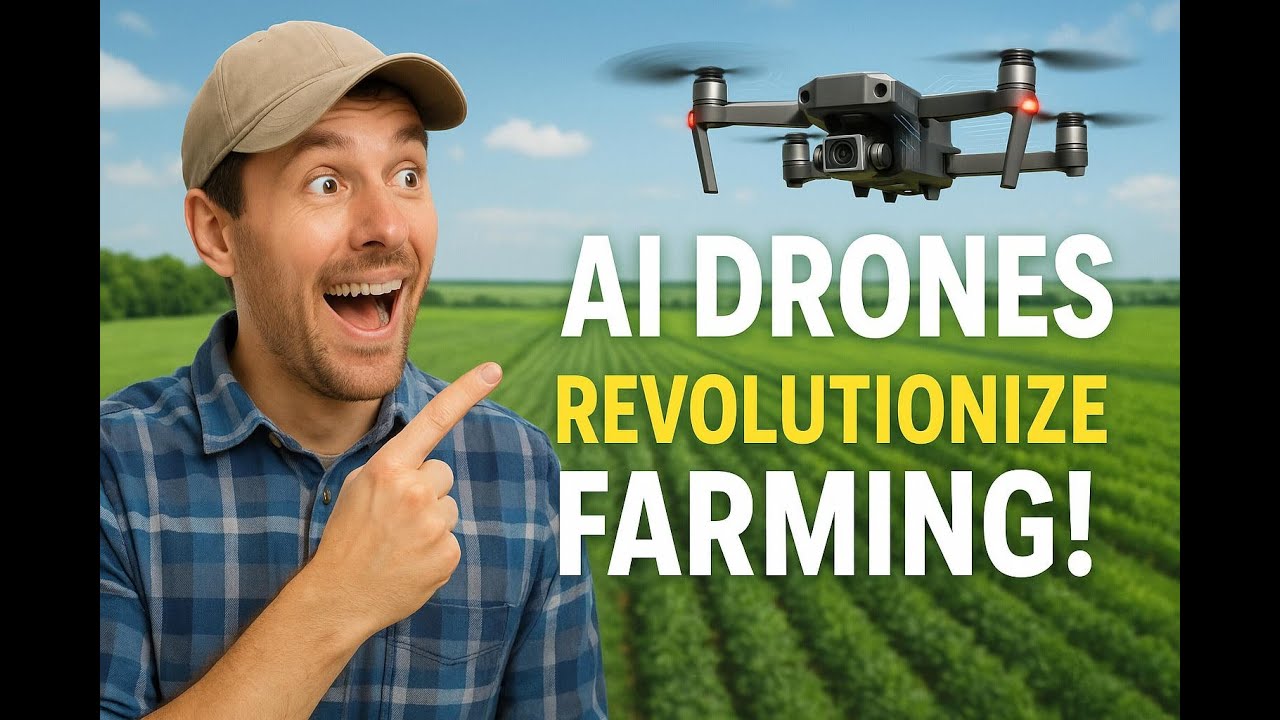
With over 40% of Italian farms expected to deploy smart farming technologies by 2026, Italy is at the European forefront for digital agriculture transformation.
Key Smart Farming Tools Used in Agriculture Italy
- Satellite-Based Crop Monitoring: Provides regional overviews and plot-level insights, helping optimize irrigation schedules and detect early crop stress or disease.
- Soil and Weather Data Platforms: Such as Farmonaut, which enable real-time, data-driven decisions on farm operations.
- Blockchain Traceability: Vital for product authenticity and access to global export markets. (Learn about Farmonaut Product Traceability—ensuring transparency from field to fork.)
Sustainable Farming Practices in Italy
Italy’s agricultural sector is steadily embracing sustainable practices in response to mounting climate change pressures and rising consumer demand for ethical, eco-conscious foods. By 2026:
- More than 16% of Italy’s arable land is dedicated to certified organic farming, one of Europe’s highest rates.
- Agroecological and regenerative practices (polyculture, crop rotation, use of natural pest controls, minimal-till) are widely adopted to boost soil health, reduce chemical inputs, and foster biodiversity.
- Circular economy and waste reduction measures are implemented, from composting to upcycling byproducts.
- Climate-Smart Approaches: Efficient water-saving irrigation systems (drip, micro-irrigation), drought-tolerant crop varieties, and adaptive planting schedules enhance resilience in the face of unpredictable weather.
- Carbon Footprinting: Digital tools, such as offered by Farmonaut, help farmers and cooperatives track and reduce their carbon emissions. (Learn more: Carbon Footprinting Tools by Farmonaut.)

Organic Farming and Agroecology
Organic farming coverage keeps expanding, spurred by EU policy incentives and export demand. Producers are integrating new practices that prioritize soil restoration, pollinator protection, and natural ecosystem services.
Agroforestry, crop-livestock integration, and low-input systems align well with Italy’s diverse farming landscapes and cultural traditions.
Sustainability Benefits and Consumer Appeal
- Reduces soil erosion, protects groundwater
- Enhances farm biodiversity and ecosystem resilience
- Increases exports by meeting strict global standards for eco-labels and traceability
- Strengthens rural economies by boosting the value of Italian products
Adoption of Smart Farming Technologies and Sustainable Practices by Region in Italy (Estimated, 2026)
The following table summarizes the estimated adoption of digital agriculture technologies and sustainability initiatives across Italy’s main agricultural regions for 2026.
| Region | Major Crop(s) | Estimated % Farms Using Smart/Digital Tools | Estimated % Farms Adopting Sustainable Practices | Key Environmental Challenge | Example of Innovation Implemented |
|---|---|---|---|---|---|
| Lombardy (Po Valley) | Rice, wheat, maize, dairy | ~55% | ~22% | Pesticide runoff, soil compaction | Precision irrigation & crop monitoring via satellite and sensors |
| Emilia-Romagna | Wheat, sugar beet, tomato, fruit | ~49% | ~28% | Flooding, water management | Automated flood sensors & blockchain traceability |
| Sicily | Citrus fruits, olives, grapes | ~38% | ~24% | Drought, desertification | Drip irrigation and carbon footprint monitoring |
| Apulia (Puglia) | Olives, durum wheat, vegetables | ~44% | ~30% | Xylella fastidiosa (olive tree disease), drought | Disease modeling/early warning using AI |
| Veneto | Grapes, maize, vegetables | ~50% | ~25% | Vineyard soil erosion, flooding | AI-based vineyard management; satellite weather monitoring |

Key Challenges Facing Italian Agriculture in 2026
While agriculture in Italy continues to advance, the sector must confront complex, contemporary challenges threatening the resilience and sustainability of its vast agricultural heritage.
- Climate Change: Increasingly erratic rainfall, rising temperatures, and extreme events (droughts, floods, late frosts) are impacting crop yields and soil health across all regions, particularly the Mediterranean south and islands.
- Desertification and Water Scarcity: Southern Italy and Sicily are especially vulnerable, reducing the viability of traditional olive and cereal production.
- Labor Shortages & Aging Workforce: The rural population continues to decline, and the average age of Italian farmers remains among the highest in Europe. Attracting a new, tech-savvy generation is crucial.
- Infrastructure Gaps: Especially in remote, rural and mountainous regions, limitations in transportation, storage, and irrigation systems impede efficiency.
- Plant Diseases: Xylella Fastidiosa (affecting olive trees) and new fungal/bacterial infestations challenge both traditional and organic farming systems.
- Policy & Market Uncertainty: Compliance with the European Union’s Common Agricultural Policy (CAP) and adapting to changing trade rules adds complexity for small and mid-sized producers.
Tech solutions, modernization of rural infrastructure, and worker incentives are amongst the sector’s urgent priorities.
Digital Solutions for Modern Challenges
-
Carbon Footprinting Tools: Digital monitoring platforms like those from Farmonaut enable continuous tracking of a farm’s emissions, helping meet Italy’s goal to reduce carbon emissions by 20% by 2026.
Read more about Farmonaut’s carbon footprint solutions. -
Traceability: Complete, blockchain-driven product traceability not only enables compliance with EU food safety laws but significantly builds trust with global customers.
Explore product traceability by Farmonaut. -
Farm Loan and Insurance Support: With climate risk mounting, farmers benefit from satellite-verified farm risk assessments for loan and crop insurance.
Find out how satellite insights empower crop loans and insurance with Farmonaut. -
Fleet Management: Optimize rural logistics and reduce costs with AI-powered fleet monitoring.
Fleet management solutions from Farmonaut. -
Large Scale Farm Management: For cooperatives or businesses managing hundreds of parcels, systems like Farmonaut’s Agro Admin App centralize monitoring and resource allocation.
Manage large-scale operations with Farmonaut Agro Admin. -
Crop Plantation & Forest Management: Satellite-driven, real-time monitoring supports reforestation and sustainable plantation projects that boost carbon sequestration.
See Farmonaut App for crop plantation advisory.
EU Policy and Sector Outlook to 2030
The European Union’s Common Agricultural Policy (CAP) continues to steer investments in Italian farming. Recent reforms prioritize green transition goals—including environmental sustainability, digital transformation, and rural development. Italy utilizes CAP funds for:
- Research in smart and sustainable agriculture
- Training the next generation of tech-enabled farmers
- Modernizing rural infrastructure (roads, irrigation, digital connectivity)
- Supporting transitions to organic and carbon-efficient systems
By 2030, the vision is a technologically advanced yet deeply traditional sector: leveraging Italy’s cultural identity while integrating the latest digital tools and climate-resilient practices to maintain a leading role in the global food economy.
API Access, Developer Tools, and Remote Operations
Italy’s agricultural businesses and tech startups increasingly require flexible digitization tools that integrate with their unique workflows. Farmonaut’s public API and developer documentation provide open access for integrating data driven insights into farm management systems, insurance platforms, food processors’ traceability, and beyond.
Farmonaut: Empowering Smart, Sustainable Agriculture in Italy
As a satellite technology pioneer, we at Farmonaut are dedicated to making data-driven insights widely accessible for the agriculture sector—not only in Italy, but across Europe and the globe. Our platform offers tools for crop monitoring, AI-based advisory, blockchain traceability, and environmental impact tracking via web platform, Android and iOS apps, or programmatic API access.
- Real-Time Monitoring: We utilize multispectral satellite imagery to help farmers, cooperatives, and agri-businesses monitor crop health, soil conditions, and resource use, enhancing decisions and supporting sustainability efforts.
- Jeevn AI Advisory: Our AI delivers field-level insights and weather-adaptive strategies to maximize productivity.
- Blockchain Traceability: We provide digital lifecycle documentation for crops, ensuring product authenticity for domestic and international markets.
- Environmental Compliance: With real-time carbon footprint monitoring, we help users align with Italy’s ambitious sustainability targets.
- Cost-Effective, Scalable Access: Our affordable subscription model ensures even small farms or local authorities can benefit from satellite-powered agriculture.



Access Farmonaut—your gateway to Italy’s digitized, sustainable agriculture future.
FAQ About Agriculture in Italy 2026
Q1: What are the main crops grown in Italy in 2026?
A: The leading Italian crops include grains (wheat, rice, maize), olives (for oil), grapes (wines), citrus fruits, tomatoes, artichokes, and various vegetables. Each region specializes based on climate and geography.
Q2: How is smart farming changing agriculture in Italy?
A: Smart farming integrates digital tools—like satellite imagery, drones, sensors, and AI—to optimize resource application, reduce waste, and improve productivity and sustainability. Over 40% of Italian farms are projected to use these technologies by 2026.
Q3: What role does sustainability play in Italian agriculture?
A: Sustainability is at the core of new Italian farming practices. Major actions include expanding organic farming (now around 16%+ of arable land), reducing emissions, promoting biodiversity, and adopting climate-resilient techniques.
Q4: What challenges does agriculture Italy face going forward?
A: The primary challenges are climate change (drought, flooding), rural labor shortages, aging farmer demographics, diseases (e.g., olive tree blight), and the need to upgrade infrastructure and meet strict EU policies.
Q5: Where can I access satellite and AI-powered tools for Italian agriculture?
A: Farmonaut offers affordable, real-time monitoring, AI advisory, traceability, and impact tracking through our web, Android, and iOS apps, along with APIs for developers and businesses.
Conclusion: The Road Ahead for Agriculture in Italy
Agriculture Italy in 2026 is creative, resilient, and firmly embedded in Europe’s landscape of innovation and sustainability. The sector balances deep-rooted traditions with modern technological strides to confront economic and environmental headwinds.
As global demand for traceable, sustainable products grows, Italy’s agriculture continues its transformation—embracing smart farming, empowering rural communities, adapting to climate realities, and maintaining its proud legacy on the global stage.
For all stakeholders—from family farmers to agri-tech firms, policy makers to international buyers—the story of Italian agriculture in 2026 underscores a critical truth: innovation and sustainability are not just trends, but the new cornerstones for food security, rural vitality, and cultural continuity for generations to come.
Discussion
Questions, corrections or field experience? Share them below. First-time comments are reviewed before they appear, and your email is never published.
No comments yet. Be the first to add a question or your experience.

 KJBN Labs
 SFX
SFX BACF Africa
 Doodlakine
 Exurbia Geospatial
 FieldZero
 Indico Company
 Kubota
 FFBS
FFBS Jontra
 Tucor
Tucor
