

Norway Salmon Farming 2026: Cutting-Edge Practices & Growth
“Norway produces over 1.3 million tons of farmed salmon annually, using advanced technology for sustainable aquaculture.”
Introduction: Norway Salmon Farming 2026
Norway salmon farming stands as a global synonym for sustainable aquaculture, advanced technological integration, and environmental stewardship in 2026. Cutting-edge practices in this sector are not just transforming seafood production, but also positioning Norwegian salmon farming at the vital intersection of agriculture, forestry (in terms of landscape management and habitat considerations), and coastal regional infrastructure.
With a continuous focus on animal protein production, climate resilience, and stringent regulatory expectations, Norwegian salmon farming practices are charting the roadmap for how modern fish farming adapts to environmental, technological, and market challenges.



Norway’s salmon sector is pioneering global aquaculture by integrating AI, precision environmental monitoring, and blockchain traceability—shaping both sustainability and competitive advantage for the future.
The Geographic and Economic Context of Norwegian Salmon Farming
Norway salmon farming is deeply embedded in the country’s unique geography. The fjords that define Norway’s almost infinite coastline—spanning from Troms og Finnmark in the north to Rogaland in the southwest—offer pristine, cool, and exceptionally clean waters essential for Atlantic salmon (Salmo salar) growth. Here, the interplay between long daylight hours, low pollution, and consistent water temperatures enables rapid and efficient scale of farming operations, making Norway the global leader in marine aquaculture.
In 2025-2026, the industry remains the backbone of the Norwegian animal protein production economy and regional development. The intensive coastal activity, rigorous environmental management, and high-value export sector continue to drive infrastructure advancements and community growth. The rising focus on ecosystem stewardship has further interwoven forestry and landscape management with aquaculture to protect wild habitat and sustain rural livelihoods.
- ✔ Norway salmon farming centers on coastal marine aquaculture
- 📊 Distributed farms from Troms og Finnmark (north) to Rogaland (southwest)
- ⚠ Key challenges: Managing sea lice, algal blooms, and localized carrying capacity
- ✔ Strict regulatory frameworks: Focused on environmental stewardship & public transparency
- 📊 Export-driven activity: Norwegian salmon remains a premium global product
“By 2026, over 90% of Norway’s salmon farms will implement automated environmental monitoring systems for ecosystem protection.”
Systems and Scale of Norwegian Salmon Farming
The backbone of Norwegian salmon farming practices in 2026 is the open-net pen system, custom-engineered for the country’s fjords and sheltered marine zones. These pens support the intensive growth cycle of Atlantic salmon, with biosecurity protocols and environmental sensors integrated by default.
Yet, innovation continues as closed- and semi-closed containment systems, offshore pens, and integrated multi-trophic aquaculture (IMTA) pilots expand. Farming licenses are now consolidated, often spanning larger zones to optimize carrying capacity and minimize wild population impact. The Norwegian approach allows for rapid shift of production zones in response to climate signals and market demand, maintaining both flexibility and responsible intensity.
When analyzing Norway salmon farming, always include monitoring data on environmental parameters (oxygen, temperature, salinity) as they directly affect fish health, feed efficiency, and regulatory compliance.
Salient Features of Scale & Distribution
- ✔ Marine pens clustered in high-productivity fjords (high nutrient and oxygen turnover).
- ✔ Intensifying production zones with consolidated licenses for maximized output, reduced overlap on wild stocks.
- ✔ Investment in offshore and closed-system infrastructure—reducing seabed impact and optimizing site productivity.
- ✔ Data-driven site selection considering carrying capacity, local hydrology, and biodiversity preservation.
- ✔ Continuous monitoring and fallowing cycles to mitigate disease and maintain environmental capacity.

Cutting-Edge Technological Innovations in Norwegian Salmon Farming
Innovation is the heartbeat of norway salmon farming. The integration of artificial intelligence (AI), precision sensors, big data analytics, and blockchain-based traceability is transforming every step of the salmon life cycle and supply chain.
- ✔ Telemetry-guided feeding: Sensors and AI algorithms optimize feed conversion ratios, monitor fish appetite, and minimize nutrient waste.
- ✔ AI-driven health and welfare monitoring: Continuous data feeds track indicators such as behavior, color, and swimming patterns, enabling early detection of anomalies.
- ✔ Blockchain traceability: Digital ledgers document the salmon journey—hatchery, pen, harvest, and logistics—providing verifiability from farm to market.
- ✔ Autonomous drones and underwater robots: Assist in net inspections, sea lice counting, and environmental sampling.
- ✔ IMTA and closed containment pilots: Demonstrations of reduced effluent and lower disease transfer between farmed and wild populations.
The rapid deployment of AI-driven automation and environmental management technologies is a major value driver for investors seeking long-term returns and ESG alignment in the seafood sector.
Farmonaut’s Role in Modern Fish Farming
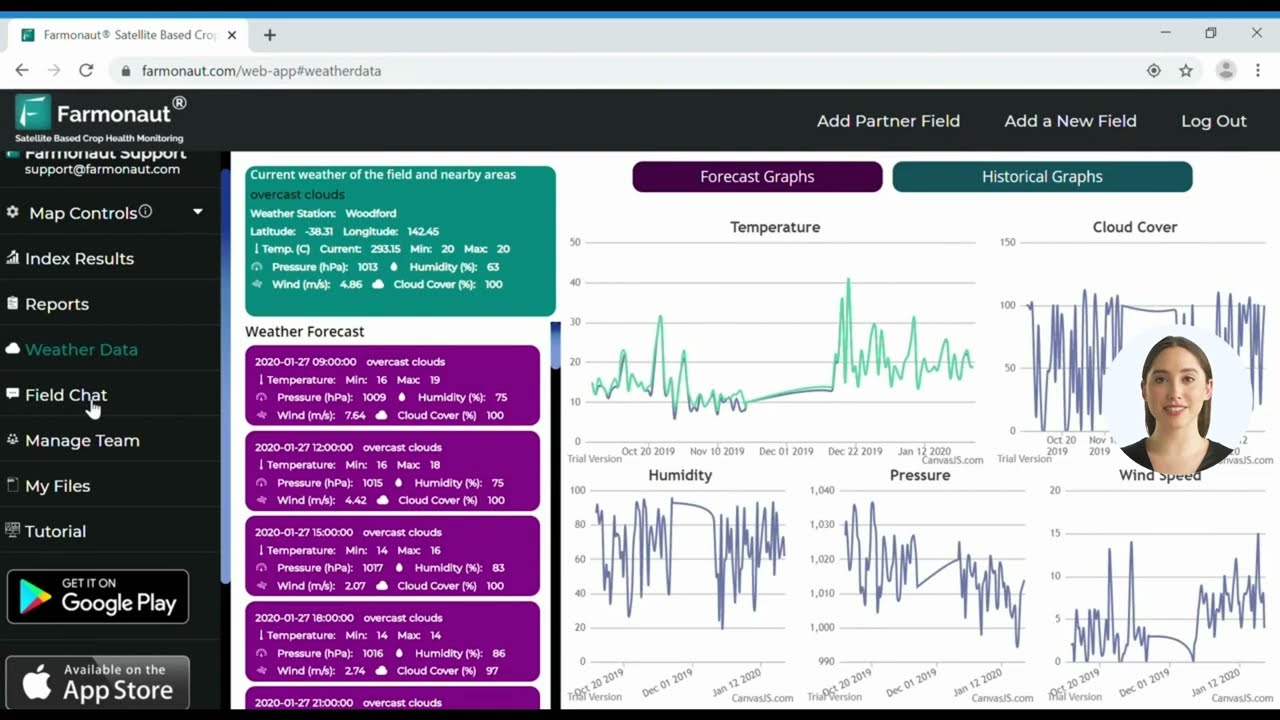
As a leading satellite technology platform, Farmonaut empowers stakeholders in the global aquaculture sector with real-time, AI-powered monitoring and data-driven decision support. Our solutions for resource management, blockchain-based traceability, and environmental tracking—accessible via app, API, or web—bring deep insights for salmon farmers, authorities, and supply chain managers. By integrating NDVI and custom environmental analytics, we help monitor both land and marine conditions, detect anomalies in coastal habitats, and support responsible, sustainable farming operations.
How Farmonaut Solutions Enhance Norwegian Salmon Farming:
- ✔ Satellite-based monitoring for coastal and marine habitat health
- ✔ AI-powered analytics for disease risk and welfare anomalies
- ✔ Blockchain-driven traceability to meet evolving market demands for supply chain transparency
- ✔ Environmental impact tracking—such as carbon footprinting—supports sustainable certifications and compliance
- ✔ Fleet and logistics management via the Farmonaut Fleet Management Platform for optimizing cost and operational efficiency in salmon handling
Sustainable Husbandry & Best Practices in Norway Salmon Farming 2026
Norwegian salmon farming in 2026 is based on responsible, rigorous husbandry—balancing intensive animal protein production with ecosystem considerations and high welfare standards. Modern operations focus on reducing disease risk, minimizing waste, and enhancing productivity through:
- Responsible stocking densities: Reduces stress and aggression; enables robust growth and robust production cycle.
- Rigorous veterinary oversight: Specialized aquatic animal health teams perform continuous monitoring and swift response to disease signals.
- Precision feeding programs: Guided by real-time data (sensors & telemetry), fish are fed to appetite; minimizing excess feed and effluent discharge.
- Genetic selection and innovation: Selective breeding for disease resistance, rapid growth, and environmental resilience; always balanced by biodiversity safeguards.
- Closed and semi-closed containment: Reduces interaction with wild populations and controls environmental variables for improved survival and growth.
Stocking densities are regulated below 20kg/m3 in many Norwegian regions, a practice that has shown up to 30% reduction in disease outbreaks and improves final fish quality at harvest.
Visual List: Key Best Practices in 2026
- 🐟 Continuous welfare monitoring
- 🦠 Vaccination and genetic programs
- 🌱 Alternative, eco-friendly feeds
- 🛰 Digital pen surveillance and anomaly alerts
- 🔒 Strengthened anti-escape measures
Underestimating the value of continuous environmental monitoring. Infrequent checks can amplify risks of disease or escape events—integrate real-time satellite and sensor data for effective management.
Veterinary Oversight and Fish Welfare Monitoring
The industry follows a multi-layered veterinary oversight regime with daily health statuses tracked for large cage populations. Fish health teams leverage AI-driven diagnostics, underwater cameras, and remote sensor feeds to flag behavioral or clinical anomalies instantly. Rapid outbreak response—including pen isolation and targeted treatments—has significantly curtailed the scale and frequency of disease-related losses.
- ✔ Comprehensive vaccination schedules covering primary pathogens
- ✔ Genetically robust fish strains for better disease resilience
- ✔ End-to-end welfare data reported both to authorities and the public
Biosecurity, Disease, and Escape Prevention
Stringent biosecurity protocols are fundamental in Norwegian salmon farming practices for controlling disease transmission and safeguarding wild populations. By 2026, escape occurrences are at record lows (<1% per annum nationwide), thanks to:
- Reinforced nets and mooring—capable of withstanding both predators and severe Norwegian weather regimes.
- Automated monitoring drones—spotting net breaches before escapes escalate.
- Contingency planning—all farms maintain rapid-response protocols for detected escapes, including public notification and fish recovery systems.
- Biosecurity zoning—minimizing cross-contamination between sites through controlled movement and disinfection protocols.

Environmental and Ecosystem Considerations in Norwegian Salmon Farming
The Norwegian regulatory frameworks—among the world’s strictest—require not only routine monitoring of benthic impact and nutrient discharge, but also adherence to ecological carrying capacity and restoration duties. Farms are regularly audited for seabed impacts, nutrient loading, sea lice counts, and wild fish population effects.
- ✔ Integrated Multi-Trophic Aquaculture (IMTA) pilots utilize waste for macroalgae or shellfish culture, reducing nutrient discharge.
- ✔ Sea-lice mitigation through cleaner fish and alternating production cycles.
- ✔ Comprehensive habitat restoration protocols after farm fallowing or decommissioning.
- ✔ Immediate public reporting of environmental incidents and sea lice outbreaks.
- ✔ Climate resilience measures include water quality buffering, relocation strategies, and risk analysis using long-term satellite data.
- 🌊 Reduced seabed impact via fallowing cycles and IMTA adoption
- ⏱ Continuous, real-time water quality monitoring for regulatory compliance
- 🔬 Science-backed assessment of carrying capacity and benthic ecology
- 🦐 Wild salmon protection through lice containment and cleaner fish usage
- 🌱 Adoption of eco-friendly feed alternatives lowering marine ingredient footprints
Comparison Table of Key Technologies & Environmental Impact in Norwegian Salmon Farming (Estimated Values, 2026)
| Technology/Practice | Description | Estimated Adoption Rate (%) | Projected Productivity Increase (%) | Estimated Reduction in Environmental Impact (%) | Notable Implementing Regions |
|---|---|---|---|---|---|
| Automated Feeding Systems | Precision AI-driven feed delivery based on real-time appetite and environmental data | 93% | 15-24% | 20-30% | Rogaland, Troms og Finnmark |
| AI-driven Health Monitoring | Sensors/cameras + AI analytics for instant disease and welfare status | 91% | 10-20% | 15-25% | Trøndelag, Vestland |
| Closed-Containment Systems | Full/partial containment to control all environmental variables and limit escapes | 25% | 22-40% | 80%+ | Pilot sites in Møre og Romsdal, Nordland |
| Eco-friendly Feed Alternatives | Plant-based/insect meal diets reduce reliance on marine fish ingredients | 67% | 8-15% | 30-40% | National |
| Advanced Waste Management | IMTA, biofilters, and sediment handling technologies | 54% | 10-18% | 38-55% | Vestland, Rogaland |
*Estimated values for 2026; actual outcomes may vary based on regional legislation, site-specific conditions, and ongoing R&D.
Policy, Labor and Economic Highlights in the Sector
Norwegian policy around salmon farming is rigorously performance-based and adaptive. Licenses are coupled with sustainable practices and site capacity, requiring periodic re-evaluation and full digital traceability reporting. In 2026, profitability is driven not only by productivity and cost management, but also by the documented achievement of sustainability and welfare KPIs dictated by regulatory frameworks.
- 📊 Diverse labor force supports farming, processing, and logistics in both urban and rural regions.
- ⚠ Key risk: Export demand volatility linked to exchange rates, trade barriers, and shifting global market policies.
- ✔ Public reporting requirements ensure environmental and welfare transparency for all licensed operators.
- ✔ Wealth distribution policies channel a portion of national salmon revenue to coastal communities and ecosystem restoration.
Explore Farmonaut’s blockchain-based traceability solutions for transparent documentation in the aquaculture supply chain—enhancing Norwegian salmon’s premium market positioning and meeting future regulatory mandates.
The Global Market and Norwegian Salmon
Norwegian salmon holds a reputation for quality, safety, and sustainable farming practices worldwide, especially in EU and Asian markets where consumer demand for traceability and sustainability continues to surge. The 2026 market is characterized by:
- ✔ Growth in consumer demand for protein—driven by health, sustainability, and ethics
- 📊 Competitive pressure from land-based and alternative protein systems (e.g., recirculating aquaculture systems, cultured seafood)
- ✔ Scientific advances enabling lower feed conversion ratios and improved ecological footprint
- ✔ Continuous public scrutiny and regulatory tightening—prompting further sectoral investment in technology and stewardship
- ✔ Digital and blockchain documentation increasingly required by retailers and end consumers worldwide
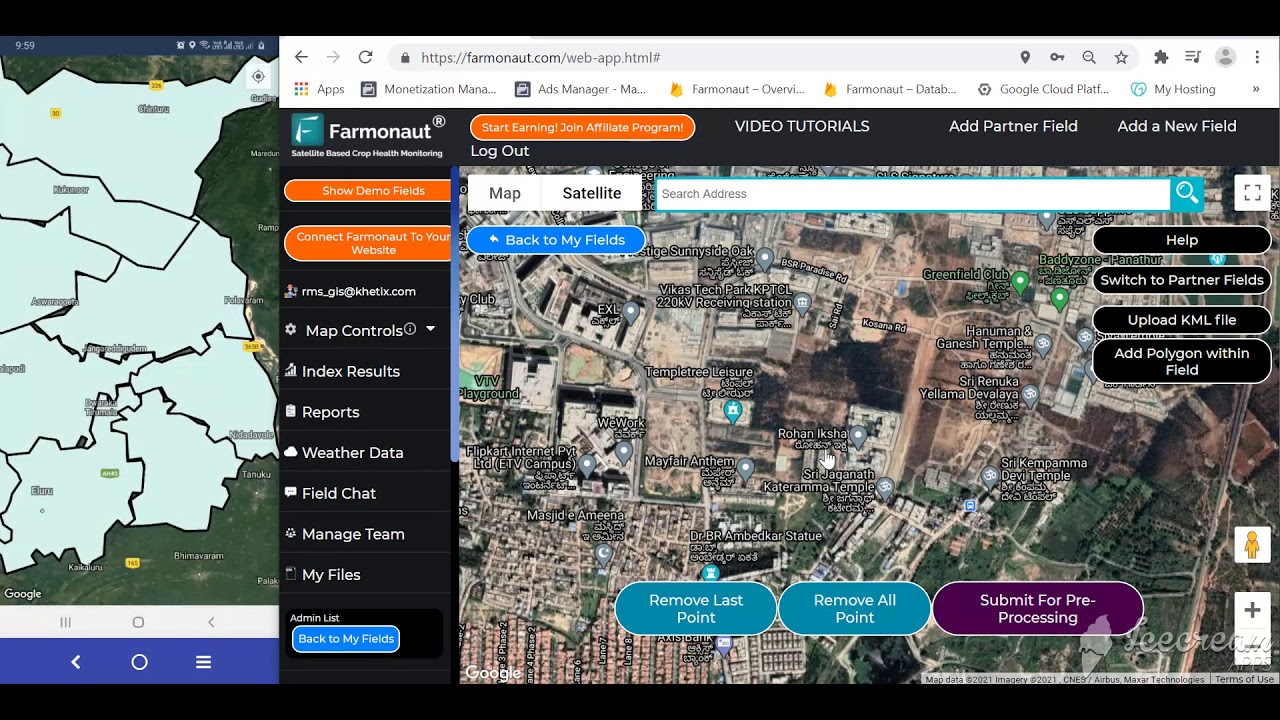
Seamlessly connect to Farmonaut’s API for live aquaculture, climate, and landscape insights. Access developer docs here.
Future Challenges and Opportunities Beyond 2026
The future of Norwegian salmon farming is both promising and complex. Key opportunities and risks include:
- ✔ Adapting to climate variability: Flexible zoning and advanced water treatment—powered by satellite and AI data—will be critical as marine conditions fluctuate.
- ✔ Managing public expectations: Growing scrutiny around escape risks, sea lice, and seabed impact must be addressed with transparency and science-backed improvement.
- ⚠ Ensuring genetic diversity and ecosystem balance: Aggressive genetic selection for growth or disease resistance must be balanced with wild population integrity.
- ✔ Leveraging technology for supply chain security: Blockchain-based traceability and real-time reporting will become non-negotiable for premium market access.
- ✔ Innovating sustainable feeds and closed systems: Ongoing R&D will reduce marine inputs and expand high-productivity, fully-contained facilities.
- 🌍 Large Scale Farm Management tools for fish farms, plantations, and forest advisory—enabling holistic monitoring and operational oversight.
- 🛰️ Real-time environmental tracking for compliance and optimization
- 🔗 Full chain-of-custody documentation for regulatory and market assurance
- 📱 App-based access for remote teams and facility management
Don’t miss Farmonaut’s satellite-based loan and insurance verification services. Next-gen aquaculture will increasingly rely on geo-spatial data for risk reduction and faster access to capital.
FAQs on Norway Salmon Farming 2026
- What makes Norwegian salmon farming sustainable in 2026?
- Norwegian salmon farming emphasizes technology-led environmental management, strict stocking densities, welfare monitoring, and rigorous biosecurity—ensuring responsible production and minimal impact on wild populations and ecosystems.
- How is AI and automation used in Norwegian fish farming?
- AI powers automated feeding, health tracking, and environmental sensors for real-time adjustments and early disease detection, reducing resource waste and elevating fish welfare.
- What are the primary challenges facing Norway salmon farming today?
- Managing sea lice and disease, maintaining genetic diversity, adapting to climate-driven marine changes, and responding to public scrutiny of environmental and animal welfare issues remain top challenges.
- Does Norway use sustainable feeds for salmon production?
- Yes, Norway is pioneering alternative feeds—including plant-based, insect meal, and residual marine byproducts—to reduce pressure on wild fish stocks and decrease the industry’s overall environmental footprint.
- What traceability standards apply to Norwegian salmon?
- Norwegian regulation and industry best practices require end-to-end digital traceability—including blockchain solutions—documenting the journey from farm to plate for food safety, market, and sustainability compliance.
Conclusion: Norwegian Salmon Farming and the Evolving Landscape
In 2026 and beyond, Norway salmon farming continues to redefine the global aquaculture landscape through its marriage of intensive agricultural techniques, forestry-informed habitat management, advanced technology, and rigorous environmental policy. The sector’s growth and long-term viability will hinge on maintaining this delicate balance—delivering high-quality, sustainable protein to the world, while minimizing impact on the natural systems that support it.
With digital innovation—from AI-driven monitoring and robotics to blockchain traceability and satellite-based ecosystem assessment—Norwegian salmon farming sets the global benchmark for responsible, scalable, and resilient seafood production. Public trust, ecosystem health, and market adaptability remain at the core of future strategies—and knowledgeable, forward-looking solutions like those offered by Farmonaut will play an ever-increasing role in supporting this transformation.
For farmers, industry professionals, policymakers, and the public, staying updated on emerging practices, regulatory changes, and technological innovations is essential for navigating the evolving demands of sustainable aquaculture in Norway and beyond.
Discover how Farmonaut’s satellite technology platform can support your aquaculture, agriculture, or environmental initiatives here.
The future of Norwegian salmon farming is built on innovation, stewardship, and data-driven decision-making. Bookmark this blog for ongoing updates—including new breakthroughs in climate resilience, feed conversion, and digital compliance!
Discussion
Questions, corrections or field experience? Share them below. First-time comments are reviewed before they appear, and your email is never published.
No comments yet. Be the first to add a question or your experience.

 Hiteshi Infotech
 Clubhouse OS
 Progenseed
 SkyHarvest
 Polaris Digitech
 Teledarbas
 Wild Oak Farm
 SFX
SFX BACF Africa
 Doodlakine
 Exurbia Geospatial
 FieldZero
 Indico Company
 Licence holder · Niger · Gold










