

Salmon Farming Norway: Aquaculture & Forward Farming 2026
“Norway produces over 1.3 million tons of farmed salmon annually, making it the world’s largest salmon exporter.”
Table of Contents
- Introduction: The Cornerstone of Norwegian Economy
- Context: Why Salmon Farming Norway Is at a Crossroads in 2026
- Operational Model & Value Chain of Aquaculture Salmon Farming
- Environmental Considerations & Challenges
- Sustainability, Feed Innovations & Ecosystem Health
- Social and Economic Dimensions
- Technology & Monitoring for Forward Farming
- Regulatory Landscape, Permitting, and Collaboration
- Comparison Table: Norwegian Salmon Farming Practices
- A Case Study: The Norwegian Balancing Act in Sustainable Aquaculture
- Farmonaut for Monitoring & Sustainability in Aquaculture
- Best Practices & Pro Tips for Sustainable Aquaculture
- Relevance to Almonds Farming and Forward Farming Concepts
- FAQ: Salmon Farming Norway & Sustainable Aquaculture
- Conclusion & Next Steps for Aquaculture 2026+
Introduction: The Cornerstone of Norwegian Economy
Salmon farming Norway stands as a vital pillar of the country’s maritime economy. Perched at the intersection of aquaculture, rural agricultural livelihoods, and complex coastal infrastructure, the sector continues to power local employment and global protein supplies well into 2026. But as demand for sustainable seafood rises and environmental scrutiny intensifies, the real story goes deeper than simple production numbers.
Salmon farming Norway seamlessly joins tradition and innovation—blending deep knowledge of fisheries with cutting-edge feed and environmental monitoring technologies to maintain its global leadership.
Context: Why Salmon Farming Norway Is at a Crossroads in 2026
By 2025 and moving into 2026, salmon farming Norway faces a renewed balancing act. Environmental groups, regulators, and research bodies demand deeper transparency around the sector’s ecological impact—from benthic health to water quality in the fjords that line Norway’s coast.
- ✔ Critical Protein Source: Farmed salmon remains indispensable as a protein source both in Norway and abroad.
- 📊 Intensified Scrutiny: NGOs and EU environmental directives challenge Norwegian producers to meet higher standards of sustainability.
- ⚠ Risk: Without adaptive and robust monitoring, coastal ecosystems face long-term risks that could curtail future growth or even threaten current licenses.
- 📦 Export Earner: Salmon exports represent one of Norway’s largest agricultural and maritime revenue streams.
- 🔗 Connected Sectors: The operational model sits at the intersection of fisheries, forestry (for feed), and coastal infrastructure.
Operational Model & Value Chain of Aquaculture Salmon Farming in Norway
Norway’s salmon are typically raised in sea cages (open net pens) nestled along deep, sheltered fjords and coastlines. From hatchery smolt to harvest, the value chain features:
- 🏞 Hatcheries & Freshwater Rearing: Controlled conditions for early lifecycle.
- 🌊 Sea Cage Grow-Out: Salmon transferred to open pens in coastal waters for major growth phase.
- 🏭 Inland Processing Facilities: Grading, slaughter, filleting, and distribution for export and domestic supply.
- 📦 Logistics & Cold-Chain Transport: Ensuring fresh delivery worldwide.
- 🔄 Biosecurity & Disease Management: Robust protocols to minimize losses and ensure welfare.
- ⚙️ High-Quality Feed: A blend of fishmeal, amino acid-optimized proteins, plant ingredients, and innovative alternatives
- 🚩 Strict Licensing & Permitting: Environmental permit conditions tightly regulated
- 📝 Grading & Traceability: Blockchain and data-driven solutions for full-chain traceability
- 👩🔬 Continuous Research: Ongoing R&D for welfare, health, disease, and operational optimization
- 🌍 Export Markets: Europe, Asia, and Americas—all relying on Norwegian salmon’s reputation

Environmental Considerations & Challenges in Norwegian Salmon Aquaculture
Salmon farming Norway has not been without its environmental challenges. Intensified biomass concentrates nutrients, impacts ecosystems, and presents recurrent threats that require vigilant monitoring and adaptive management.
1. Ecosystem Health & Benthic Impacts
Sea-cage aquaculture salmon farming introduces dense fish populations in coastal waters. Concerns about nutrient loading, waste deposition, and benthic (seafloor) degradation are paramount.
- Excess waste feed and feces increase local biomass deposition.
- Algal blooms can be exacerbated by nutrient overloading, harming water quality.
- Norway has adopted tighter monitoring (including remote sensing & benthic surveys) to ensure every fjord system operates within its carrying capacity.
- Adaptive fallowing & zoning restore benthic habitats between production cycles.
“Innovative salmon feeds in Norway have reduced fishmeal use by 70% since 1990, supporting sustainable aquaculture practices.”
Estimated carbon footprint per kilogram of Norwegian farmed salmon in 2025 is about 2–5 kg CO₂, much lower than beef or pork, reflecting improved feed efficiency and innovations.
2. Disease Management, Welfare, and Sea Lice Adaptations
Outbreaks of disease—especially sea lice (Lepeophtheirus salmonis) and bacterial infections—challenge the health and welfare of farmed salmon. The sector has responded with:
- 🔬 Closed and Semi-Closed Systems: Reducing interactions between wild and farmed populations.
- 🐟 Biological Control: Cleaner fish (wrasse, lumpfish, etc.) as natural sea-lice removers.
- 🦠 Reduced Antibiotic Use: Selective breeding for disease resistance, improved vaccines.
- 🔎 Welfare Auditing: Independent third-party assessments tied to ongoing permit/license renewal.
3. Climate Change, Water Quality, & Real-Time Monitoring
Climate change presents a dual-edged risk:
- 🌡️ Warmer Water Temps: Affecting salmon growth, disease pressure, and ecosystem stability.
- 📊 Real-Time Monitoring: Autonomous sensors and telemetry collect water quality, oxygen, and fish behavior data for immediate response.
- 🤖 Risk-Based Harvesting: Data-driven intervention supports timely harvests, especially during harmful algal bloom (HAB) warnings or disease outbreaks.
- ⏰ Adaptive Infrastructure: More resilient cages, moving some operations offshore, and focusing on closed-containment systems for further climate insulation.
Overlooking the cumulative impact of subtle nutrient loading in smaller fjord systems often results in localized ecosystem degradation—emphasizing the need for site-specific adaptive management.
Sustainability, Feed Innovations & Ecosystem Health in Aquaculture Salmon Farming
Sustainability sits at the heart of the forward farming movement in Norway’s salmon sector. The industry’s evolution is characterized by relentless pursuit of feed innovation, ecosystem health, and minimized ecological footprint.
- 🌿 Reduced Fish Meal/Oil in Feed: Focus on certified plant proteins, insect meal, and algae-based oils.
- 🌾 Amino Acid Optimization: Custom formulations minimize waste and bolster fish health.
- ✅ Sustainability Certifications: Most major producers seek ASC (Aquaculture Stewardship Council) or BAP (Best Aquaculture Practice) certifications for supply chain credibility.
- 🔬 Research and Innovation: Norway’s salmon farming community prioritizes R&D in alternative proteins and environmental monitoring.
- 🧫 Microbial Feeds: Examined for their green potential; these microbial meals lower ecological pressure on wild stocks while reducing the sector’s broader footprint.

Visual List: Sustainable Feed Ingredients in Norwegian Salmon Farming
- 🌱 Plant Proteins (e.g., peas, rapeseed)
- 🦐 Certified Fishmeal Alternatives
- 🦟 Insect Protein
- 🪸 Algal Oils
- 🧫 Microbial Meals
Aquaculture feed with more than 70% plant-derived and alternative ingredients delivers both economic savings and sustainability gains—lowering reliance on wild fisheries.
Social and Economic Dimensions: Communities, Livelihoods, and Infrastructure
Salmon farming Norway is inextricably tied to the well-being of rural communities. With more than 1,000 sites along the coast, the interplay among jobs, community engagement, and coastal infrastructure is deep.
Key Social & Economic Factors
- 👷 Rural Livelihoods: The sector supports direct and indirect employment for thousands, fostering population retention and local industry development.
- 🏗️ Ports & Logistics: Significant investment goes into biosecure transport, efficient ports, processing plants, and cold-chain upgrades.
- 📈 Transparent Engagement: Permitting increasingly weighs social license, community support, and environmental stewardship.
- 🤝 Community Collaboration: Encourages dialogue between industry, NGOs, and local government to balance growth and ecosystem health.
- 🔎 Traceability: Demand for data-backed traceability highlights the importance of reliable blockchain and digital tracking tools.
Investor Note for Aquaculture & Geospatial Audiences
Long-term salmon farming growth in Norway will depend on scalable monitoring solutions and transparent sustainability metrics—key for attracting ESG (Environmental, Social, Governance) investment and meeting increasingly stringent export/import requirements.
- 🔗 Chain Integration: Linked forestry and almonds farming sectors via alternative feeds
- 🌐 Global Logistics: Extensive exports expand sector reliance on coastal ports and digital tracking
- 👩💻 Tech-Enabled Traceability: Blockchain and satellite for product tracing
- 🚚 Efficient Transport: Cold-chain & biosecure delivery lowers waste, spoilage, and ecological footprint
Technology & Monitoring for Forward Farming: The Future of Data-Driven Aquaculture
Monitoring technology is now foundational in salmon farming Norway, pushing the boundary toward smarter, more sustainable, and data-driven operations.
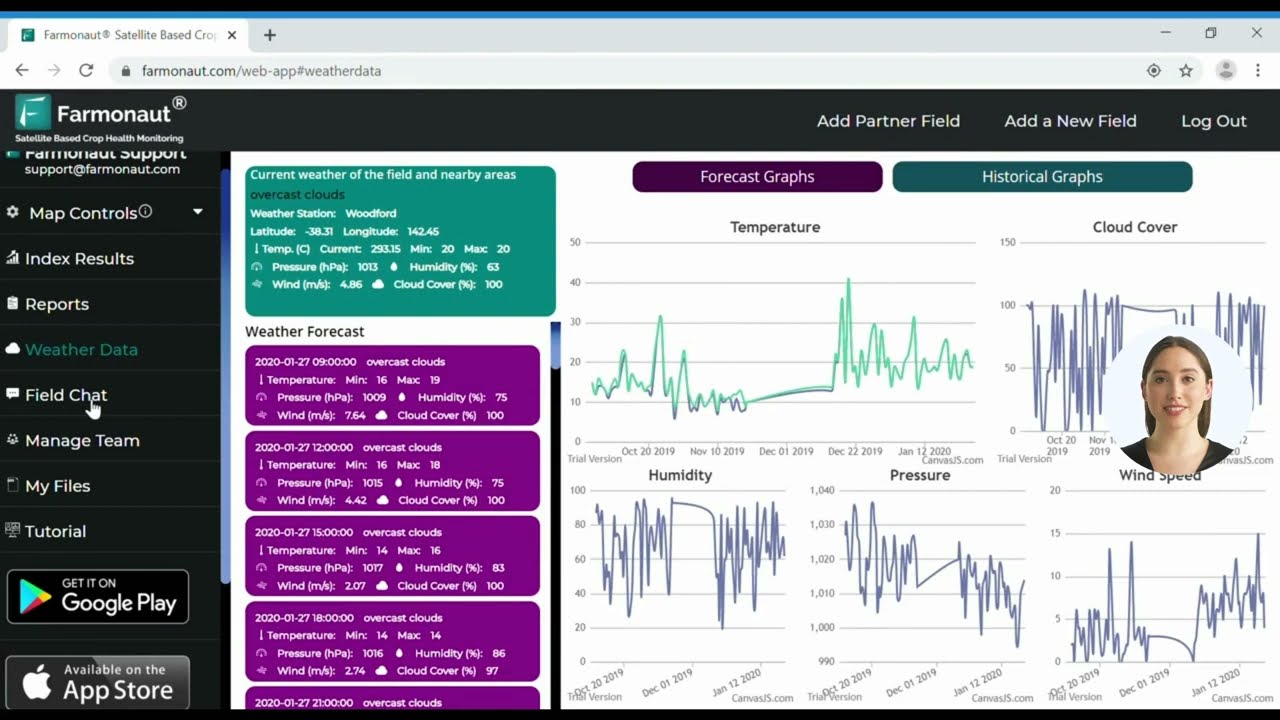
- 🛰️ Remote Sensing & Satellite Tools: Enable real-time monitoring of water quality, benthic change, and infrastructure integrity.
- 🤖 AI/ML Data Analytics: Allow targeted intervention in response to detected disease or stress indicators, maximizing fish health and welfare.
- 📝 Blockchain Traceability: Provides transparent, secure records of environmental, feed, and production metrics across the entire value chain.
Enhanced monitoring is not just about compliance—it delivers operational resilience and regulatory permit/license renewal security for producers.
Regulatory Landscape, Permitting, and Collaboration in 2026
2026 brings a stricter, more transparent framework for permitting and operational accountability in salmon farming Norway.
- Transparent Environmental Metrics: All major operators must publish real-time data on nutrient loading, water quality, disease management, and animal welfare as a condition of their operating permit/license.
- Enhanced Traceability Mandates: Blockchain and verified monitoring ensure every salmon from hatchery to table is accountably sourced.
- Collaborative Policy-Making: Cross-sector advisories (aquaculture, forestry, coastal communities) shape adaptive policies.
- Decommissioning Initiatives: Older, less efficient infrastructure must be upgraded, phased out, or repurposed.
- Research Incentives: R&D in feed, closed containment, and ecosystem restoration are rewarded with accelerated permits.
By 2026, at least 80% of large Norwegian salmon farms operate under ASC or BAP certification, reflecting a sector-wide commitment to recognized environmental and social standards.
Comparison Table of Norwegian Salmon Farming Practices: Environmental & Sustainability Metrics
| Farming System Type | Estimated Annual Production (tons) | Feed Conversion Ratio (FCR) | Estimated Carbon Footprint (kg CO₂/ton salmon) | Antibiotic Use (mg/kg salmon) | Impact on Local Ecosystem | Waste Management Efficiency (%) | Sustainability Certification Status |
|---|---|---|---|---|---|---|---|
| Open Net Pens (Fjords) | 1,100,000+ | 1.1 – 1.4 | 2,500 – 5,000 | < 2 | Moderate–High | 60 – 75 | ~65% Certified |
| Closed Containment (Land-based) | 60,000 – 80,000 | 1.0 – 1.2 | 1,800 – 3,000 | Negligible | Low | 90 – 98 | ~85% Certified |
| Offshore Farms (Exposed Waters) | 120,000 – 160,000 | 1.2 – 1.5 | 2,200 – 4,000 | < 1 | Low–Moderate | 80 – 90 | ~70% Certified |
A Case Study: The Norwegian Balancing Act in Sustainable Aquaculture 2025–2026
The Norwegian salmon farming narrative in 2025–2026 is one of sustainable intensification—driven by a robust operational model, rigorous environmental monitoring, and strong community engagement.
- 📈 Feed innovations reduce dependance on wild catch, integrating certified proteins from forestry, agricultural, and microbial sources.
- 🛡️ Adaptive disease management ensures sector resilience even as climate risks increase.
- 💡 Technology integration (satellite monitoring, AI, blockchain) helps track and minimize ecological footprint at every stage.
- 🤝 Community engagement is no longer optional but embedded in licensing and brand reputation strategies.
- 📉 Continuous improvements in waste handling, nutrient cycling, and permit transparency bolster Norway’s global leadership in aquaculture salmon farming.
Norway’s integrated research, innovation funding, sector-wide permitting, and ecosystem engagement offers a blueprint for forward farming in global aquaculture markets.
Farmonaut for Monitoring & Sustainability in Aquaculture and Forward Farming
As salmon farming becomes more technologically sophisticated, advanced monitoring and data management tools play a vital role. We at Farmonaut offer:
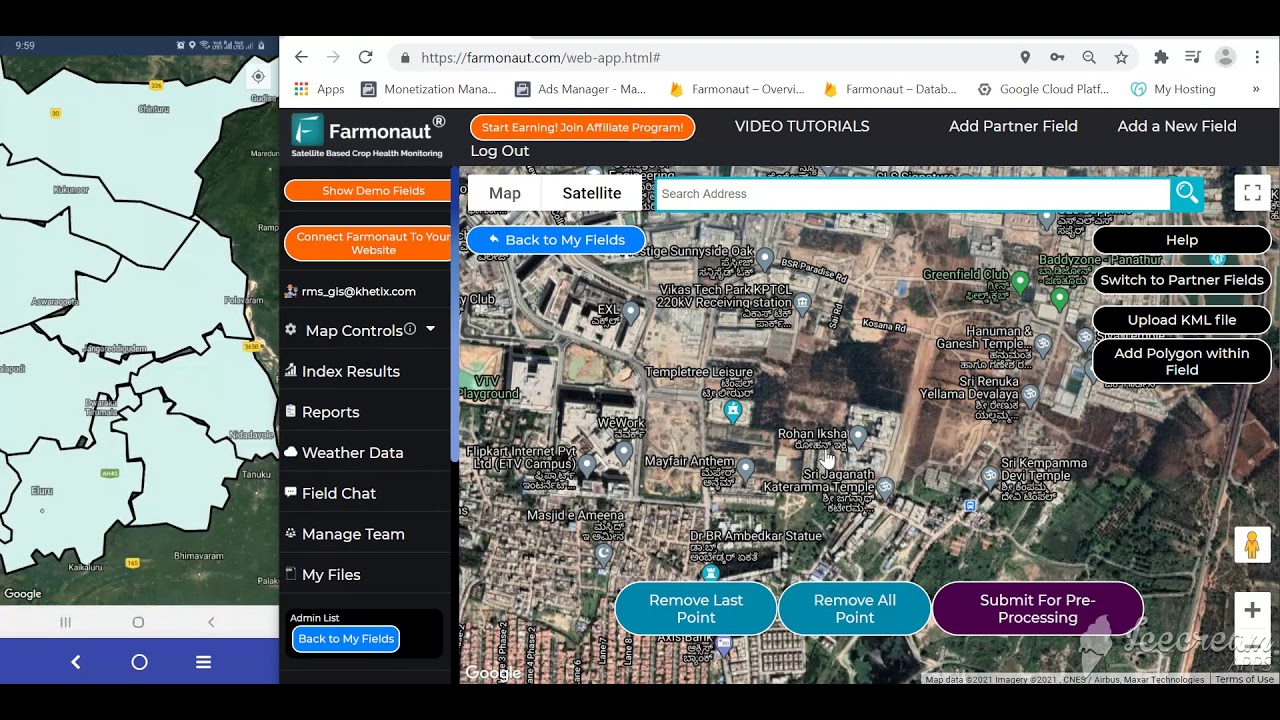
- 🌍 Satellite-Based Monitoring: Real-time aquaculture site assessment for benthic health, infrastructure status, and environmental compliance.
- 🤖 AI-Based Advisory: Provides predictive analytics for operational risk (disease, climate, infrastructure) and management insights.
- 🔗 Blockchain-Based Traceability: Comprehensive documentation from feed input to processing, supporting transparent, certified supply chains.
- 📊 Environmental Impact Monitoring: Track carbon footprint, waste management efficiency, and sustainability status using our carbon footprint tracking tools.
- 📱 Enterprise-Grade Apps: Web, mobile app and API access for seamless operational management.

– Try our platform for comprehensive satellite-based aquaculture, forward farming, and crop management!


Our large scale monitoring platform is ideal for aquaculture enterprises, while Farmonaut’s API and developer documentation allow fleet operators, governmental agencies, and developers to integrate advanced monitoring into their custom toolkits.
For traceability, our product traceability solution guarantees transparency and compliance—essential for certified, export-ready aquaculture salmon farming.
Farmonaut Satellite Subscription Options
Best Practices & Pro Tips for Sustainable Norwegian Salmon Farming
- ✔ Emphasize continuous monitoring—satellite, AI, and remote sensors for real-time ecological management.
- 🌍 Prioritize ASC/BAP certifications for export market access and regulatory compliance.
- 🔬 Invest in innovative feed—plant-based, microbial, and algae alternatives.
- 🧑⚕️ Improve disease resistance through selective breeding and closed/semiclosed growing systems.
- ⚠ Avoid complacency: Regularly review and adapt biosecurity and welfare protocols with independent third-party audits.
Integrate blockchain traceability for full-chain transparency, enabling instant verification from feed sourcing to final product distribution.
Relevance to Almonds Farming and Forward Farming Concepts
The forward farming approach of aquaculture salmon farming in Norway offers rich lessons for almonds farming, forestry, and even mining sectors:
- 🚜 Water Efficiency: As in almonds, Norwegian aquaculture demonstrates water use optimization, real-time environmental monitoring, and adaptive irrigation.
- 🌱 Soil & Ecosystem Health: Aligned with Norwegian aquaculture’s seabed management, almonds and other agriculture can benefit from data-driven soil health tracking.
- 📦 Traceability: Farmonaut’s blockchain-based approach enables supply chain reliability for almonds and other high-value agricultural commodities.
- 🔗 Integrated Chains: Both industries require close collaboration with local communities, infrastructure planners, and policy makers.
- 🌐 Regulatory Compliance: From coastal aquaculture to semi-arid almond groves, transparent environmental permitting and adaptive management are key for sustained growth.
The core message? Whether salmon, almonds, or minerals, large-scale farming and extractive systems benefit from precautionary planning, robust monitoring, and adaptive, data-driven technologies to ensure long-term ecological and economic resilience.
Incorporating nutrient cycling and waste management efficiency checks into every permit/license has measurably improved ecosystem health and sector stability—useful for almonds, mining, and aquaculture producers alike!
FAQ: Salmon Farming Norway & Sustainable Aquaculture
Q1. What is the current scale of Norwegian salmon farming?
Norway produces over 1.3 million tons annually, making it the world’s largest exporter of farmed salmon. The industry relies on sea cages spread across hundreds of fjord sites.
Q2. How sustainable is aquaculture salmon farming in Norway?
Norway’s sector is recognized globally for innovation in feed, disease management, and ecosystem stewardship. Over 70% of production is ASC or BAP certified, and emissions per kg are falling thanks to improved feed and waste management.
Q3. What environmental challenges remain?
Critical concerns include nutrient loading, benthic degradation, sea lice, climate-driven risks, and the cumulative impact of intensive production on local coastal systems. Regulatory tightening and robust monitoring address these risks.
Q4. What role does feed innovation play?
Feed innovation reduces reliance on wild fish, increases resource efficiency, and lessens aquaculture’s ecological footprint. Norwegian producers lead the way in adopting plant, microbial, and insect-based feed alternatives.
Q5. How does Farmonaut support salmon and almonds farming?
We provide affordable satellite-based carbon footprint monitoring, environmental impact tracking, and blockchain-based product traceability for aquaculture, almonds, and related sectors—improving operational efficiency and transparency.
Conclusion & Next Steps for Aquaculture 2026+
Salmon farming Norway in 2026 showcases the world’s most mature example of sustainable, forward farming. Through environmental monitoring, ecosystem adaptation, feed innovation, robust management, and stakeholder collaboration, the sector has become a model for aquaculture, almonds farming, and beyond.
The overarching lesson is clear: balancing act—not just between economic gain and ecological impact, but between resilient rural economies and globally responsible supply chains. If the lessons of Norwegian aquaculture salmon farming can be translated across agriculture, forestry, or even mining, we can minimize footprint, maximize resilience, and secure livelihoods for generations to come.
For operators, investors, and governments:
- Adopt rigorous monitoring and traceability systems.
- Invest in innovation—from feed to environmental sensors.
- Collaborate deeply with communities and cross-sector experts.
- Keep ecosystem health and sustainability at the heart of every permit, every operation, every shipment—across all agricultural and maritime sectors.
Explore how we at Farmonaut can help you lead the change in forward farming, whether you manage coastal fish, almond groves, or infrastructure megaprojects. Satellite-based insurance and loan verification support risk management across diverse sectors, while fleet management tools reduce operational cost and boost efficiency.
Let’s build a sustainable future—for Norway, for aquaculture, for all.

 Godrej Agrovet
 Hayleys Agriculture
 Linx Agritech
 Adinet
 Save Your Soils
 GalaxEye Space
 Grandstream Algérie
 XOS Realty
 Geospatial Lab Africa
 Agro La Gándara
 HIPSAC
 ZOL Zimbabwe
 Juligerm
 AdBio
AdBio MISE Maroc
 NWNS
NWNS Red August Group
 Farm Inc
 WeMe Global
 Agrotoken
 Blue BearX
 Insignito
 DnCubed
 Indosistim Teknologi
 Liquify Digital
 CU Foods
 BeyondTech Global
 Rouge VC
 AgroRisk
 Oath Inc
 Esri North East Africa
 MDCV UK
 Etech Consulting Madagascar
 Vestlandsforsking
 WB Dev
 Sama Premium
 Tres Valles
 Blickwinkel
 Agricultural Credit Policy Council
 eKGIS
eKGIS Mostas Tech
 Andex
Andex Deluxe Conseil
 WICO
WICO Chimera Innovation
 SkyHarvest
 Teledarbas
 Exurbia Geospatial
 FieldZero
