

InSAR in Monitoring Subsurface Movements for Roads
“InSAR detects ground movements as small as 1 millimeter, revolutionizing road stability monitoring worldwide.”
Introduction: The Role of InSAR in Monitoring Subsurface Movements Impacting Roads
In the modern era of infrastructure development and maintenance, ensuring the stability and safety of our road networks is a critical concern. One of the greatest challenges faced by civil engineers and planners is identifying subsurface movements—such as soil subsidence, gradual landslides, and underground water flow changes—before they cause visible damage to roads. The advent of Interferometric Synthetic Aperture Radar (InSAR) is revolutionizing how we detect, observe, and understand these movements.
InSAR allows us to monitor ground deformation affecting roads with minute-level accuracy. This technology, which compares radar signals reflected from the Earth’s surface over time, is especially vital in sensitive contexts—like agricultural regions and forestry sectors—where road stability is often compromised by natural and human-driven activities. By 2025 and beyond, InSAR has emerged as a transformative tool for routine monitoring and proactive infrastructure management.
What is InSAR Technology?
InSAR (Interferometric Synthetic Aperture Radar) is an advanced remote sensing technology that leverages radar satellite images taken at different times to measure changes in the Earth’s surface with extreme precision. By analyzing phase differences in the returning radar signals (the “interferometry” aspect) between satellite passes, InSAR can detect ground deformation on the scale of millimeters.
- Synthetic Aperture Radar (SAR): A form of radar that uses antenna motion to create high-resolution 2D or 3D images of the Earth’s surface, regardless of clouds or daylight.
- Interferometry: The core InSAR process wherein two or more SAR images are combined to detect tiny surface changes over time.
- Ground Movements: By capturing the subtle change in elevation between image acquisitions, InSAR reveals subsurface movements that, if left unchecked, may affect key road infrastructure.
Key attributes of InSAR:
- Detects movements as small as 1 mm over large areas
- Works in all weather and lighting conditions
- Non-intrusive and does not require physical access to the terrain
- Monitors vast networks, including urban, rural, forestry, and cross-country infrastructure
InSAR is widely used in agriculture, forestry, infrastructure monitoring, and disaster mitigation, making it particularly valuable for road stability management.
Why Subsurface Monitoring Matters for Road Stability
Roadways are the backbone of vital infrastructure networks, connecting urban centers, supporting agricultural output, facilitating forestry operations, and driving rural economic activity. Yet, their stability is often threatened by subsurface movements due to natural and anthropogenic processes including:
- Soil Subsidence: Lowering of the ground’s surface, commonly due to the extraction of groundwater or natural degradation of soil structure.
- Compaction: Soil compressed by heavy machinery or agriculture, reducing its capacity to support infrastructure.
- Underground Water Flow Changes: Fluctuating water tables and moisture content cause soil swelling, shrinking, or heaving beneath key road sections.
- Landslides & Slope Destabilization: Particularly relevant in forestry regions and hilly terrain where logging disrupts root systems.
Subsurface movements often precede visible signs of road damage such as cracking, sinking, or buckling. Early detection and timely action are thus critical for minimizing maintenance costs, ensuring safety, and preventing network disruption.
Comparison of Road Monitoring Methods
For infrastructure and road maintenance planners, choosing the right monitoring approach can make or break the efficacy of early detection strategies. The table below compares InSAR with traditional and other remote sensing methods on key aspects for subsurface road stability monitoring:
| Method | Detection Depth | Spatial Coverage | Temporal Resolution | Cost | Data Accuracy | Suitability for Subsurface Monitoring |
|---|---|---|---|---|---|---|
| InSAR | ~5–20 meters (varies by conditions and data stack) | Very High (100s–1000s km2/snapshot) | Days to weeks (depending on satellite revisit frequency) | Low–Medium (per area basis) | Millimeter scale | Yes |
| Visual Inspection | Surface only | Very Low (site-by-site) | Months or years (dependent on routines) | Medium–High (labor-intensive) | Centimeter scale (affected by human error) | No |
| Geotechnical Sensors (e.g., inclinometers) | Up to 100m (localized) | Very Low (point-based, not area-wide) | Continuous where installed | High (equipment + maintenance) | Millimeter scale (locally) | Partial |
| LiDAR (Airborne Laser Scanning) | Surface only | High (10s–100s km2 per flight) | Months to years (airborne survey schedule) | High | Centimeter scale | Partial |
Key takeaway: InSAR offers unparalleled spatial coverage, superior temporal granularity, and exceptional data accuracy for subsurface monitoring over large and dispersed road networks.
How InSAR Enables Precise Detection of Subsurface Movements
InSAR operates by comparing the phase of reflected radar signals off the Earth’s surface at different times. Digital elevation maps are produced, revealing even minute displacements (down to 1mm!). Over continuous monitoring periods, deformation patterns emerge, highlighting early warning signs—ahead of visible road damage like cracking, sinking, or buckling.
- Acquisition: Satellites equipped with synthetic aperture radar (SAR) capture sequential images over the region of interest.
- Phase Comparison: Phase differences are measured pixel by pixel to pinpoint deformation due to subsurface movements.
- Time Series Analysis: Long-term stacking and analysis of images uncover trends (eg. gradual subsidence vs. sudden landslides).
- Output: The results are provided as deformation maps, actionable for infrastructure maintenance planners and engineers.

Image ALT: ‘The Role of InSAR in Monitoring Subsurface Movements Impacting Roads — how InSAR processes reveal ground elevation and subsurface movement.’
Applications of InSAR in Road Networks: Infrastructure, Rural & Forestry
InSAR’s role in monitoring subsurface movements impacting roads is crucial across all domains, but especially in rural, agricultural, and forestry contexts where road stability is vital but hard to maintain due to:
- Rural Roadways: Farmers, transporters, and rural communities rely on roads that frequently traverse ground prone to compaction, irrigated land, or shifting water tables.
- Agricultural Zones: Fluctuating soil moisture content caused by excessive irrigation or dewatering can subtly alter the ground beneath road sections, leading to heave or settlement.
- Forestry Access: Logging operations can destabilize slopes, especially where roots are removed and soil becomes exposed.
- Vital Infrastructure Corridors: Major highways, logistics routes, and supply chains that are critical for commerce and regional development.
Why is InSAR valuable? Because it:
- Detects early movements—often long before surface damage appears
- Allows for timely safety interventions: road closures, weight restrictions, or preemptive repairs
- Supports cost-effective routine monitoring for both minor and major road networks
- Informs adaptive engineering designs tailored to subsurface hydrological and geotechnical behavior
“Over 70% of global road networks can be monitored remotely using advanced InSAR satellite technology.”

Integration of InSAR Data in Modern Infrastructure Planning and Maintenance
The integration of InSAR into road design, monitoring, and maintenance routines is changing the way government agencies and private sector planners approach infrastructure. By fusing InSAR-derived data with Geographic Information Systems (GIS), hydrological models, and engineering tools, a holistic understanding of subsurface risk is achieved.
How InSAR Data Powers Infrastructure Decision Support Systems:
- Risk Mapping: Identify and prioritize at-risk road sections based on recent or ongoing subsurface movements.
- Predictive Maintenance: Leverage trend analysis to anticipate future deformation hotspots, optimizing budget allocation for repairs.
- Engineering Adaptations: Enable more resilient road designs—adaptive foundations, geosynthetics, or controlled drainage—tailored to local movement patterns.
- Disaster Prevention: Rapid alerts for landslide-prone corridors or rapidly subsiding terrain, enhancing public safety.
- Sustainable Resource Use: In agriculture and forestry, ensure transportation arteries do not fail during peak harvest or logging operations.
InSAR’s value is magnified by integrating it into powerful platforms that allow asset managers and public works bodies to visualize and respond to changes in near real-time. This is especially critical as 2025 approaches, with road maintenance, climate adaptation, and resource optimization driving demand for cost-effective remote monitoring.
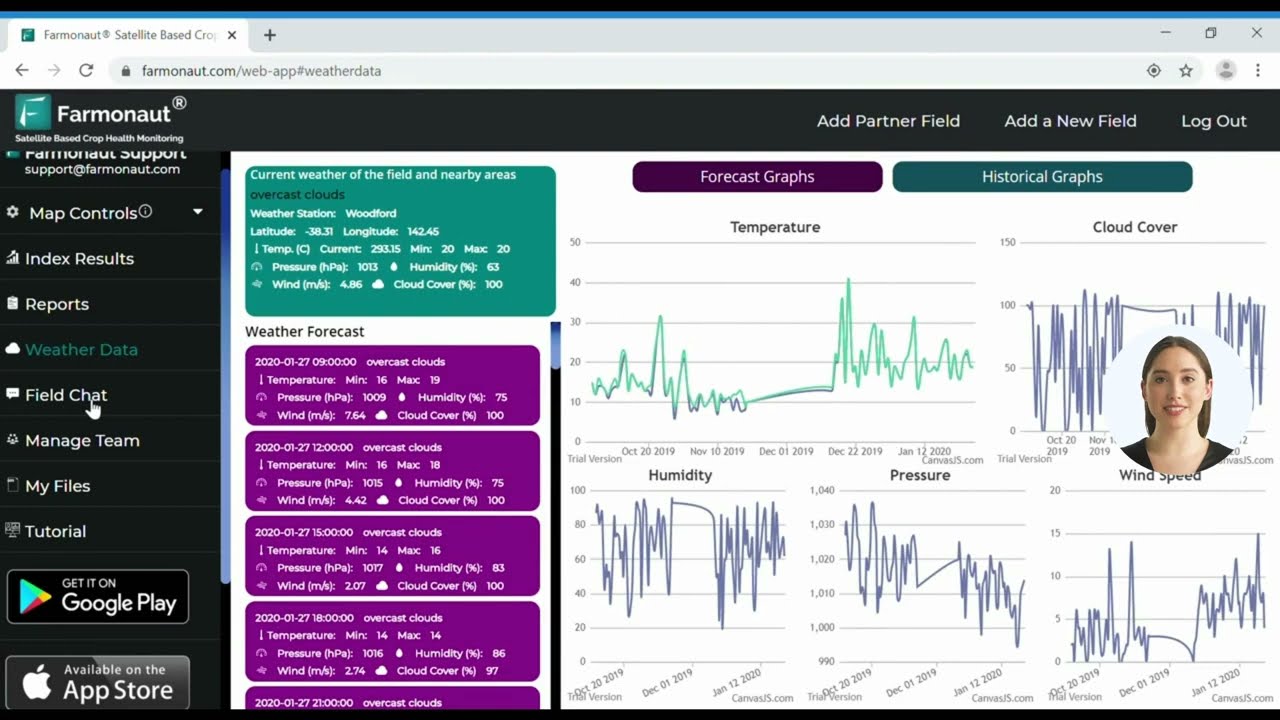
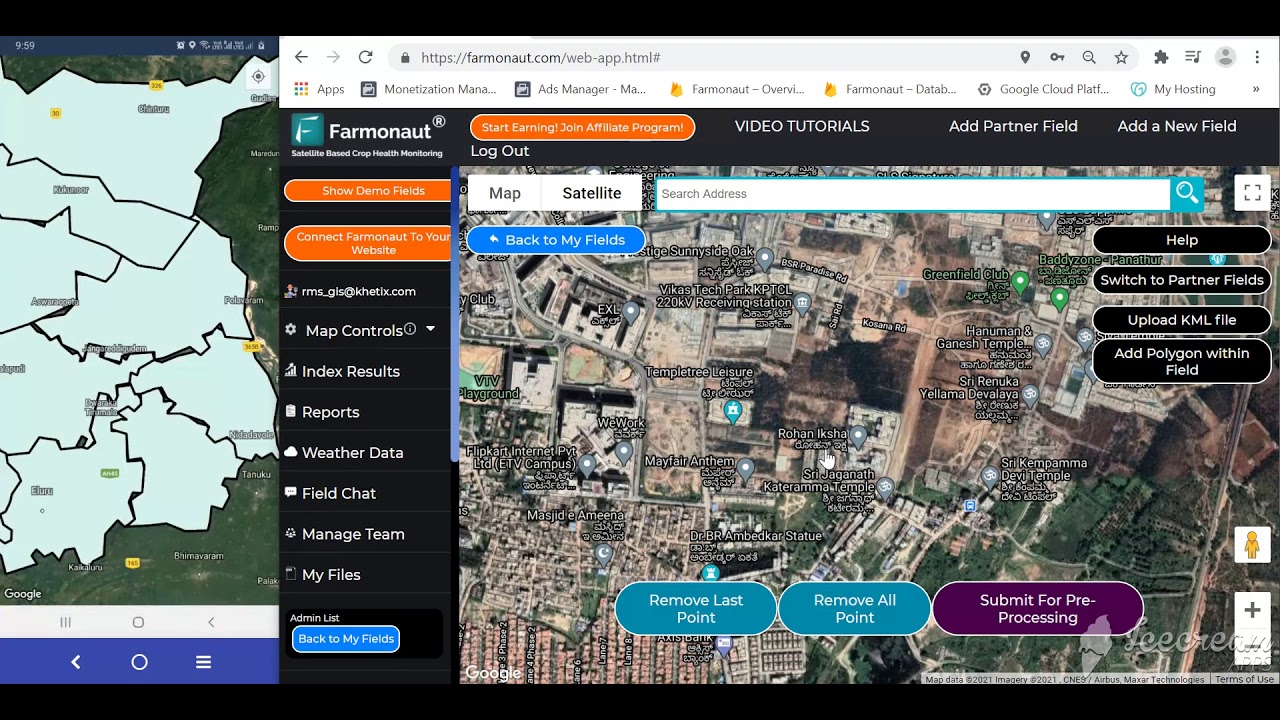
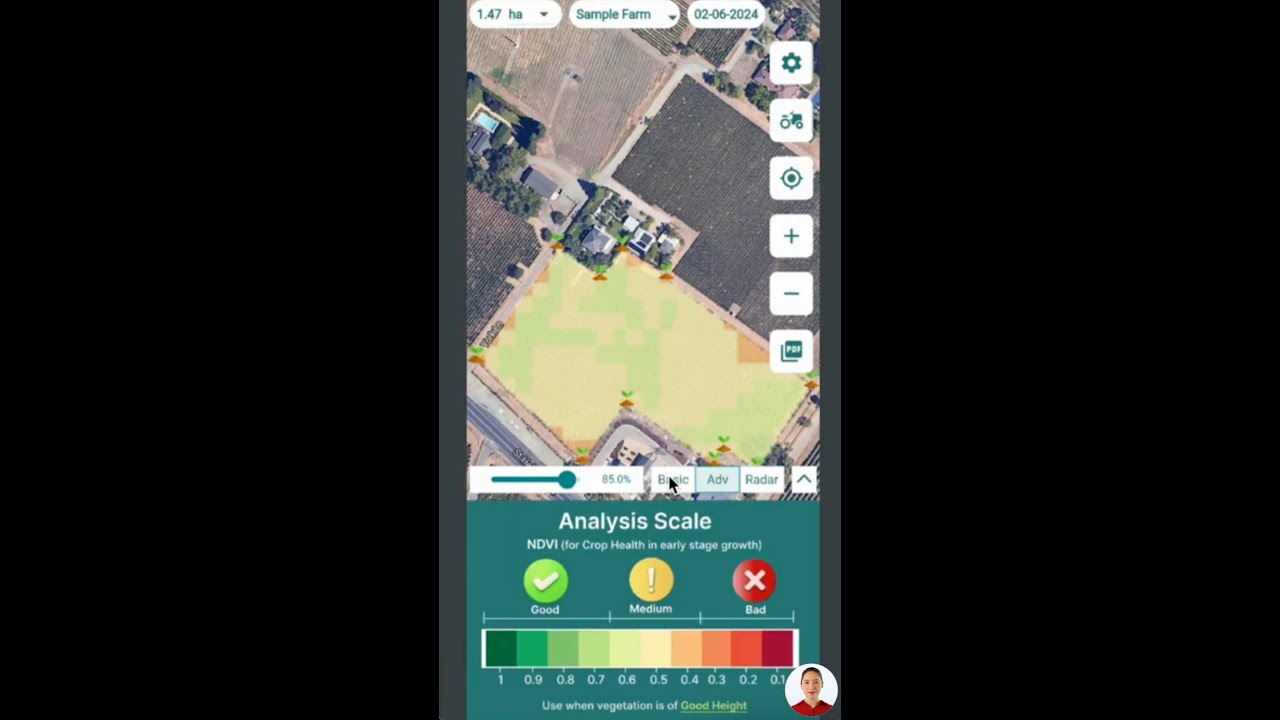
For an end-to-end solution, Farmonaut provides seamless integration of InSAR and satellite-driven insights through our  web & app platforms and API.
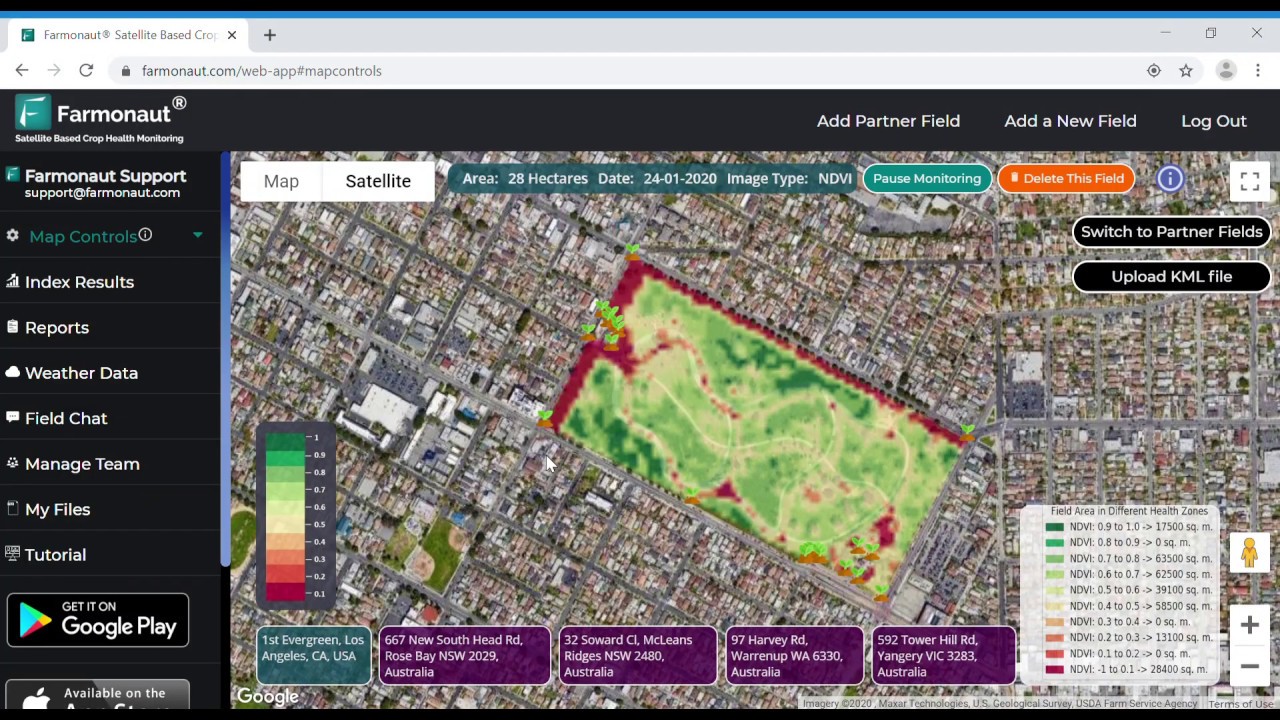
Our platform delivers real-time, GIS-enabled monitoring and reporting, which is critical for road infrastructure stability in rural, agricultural, and forestry sectors.
For developers and analysts, Farmonaut provides comprehensive documentation and flexible API access to integrate InSAR, radar, and multispectral satellite data into custom workflows: API Developer Docs

Farmonaut Solutions: Enabling Seamless InSAR Data Integration
At Farmonaut, we are committed to making advanced satellite technologies like InSAR accessible and affordable for all users—governments, businesses, and individuals—across agriculture, infrastructure, forestry, and beyond. Our distinctive approach integrates:
- Satellite-Based Monitoring: Leveraging multi-spectral imagery and InSAR data to monitor infrastructure stability, detecting ground deformation that can affect road networks.
- Real-Time Alerts & AI Advisory: Our Jeevn AI system delivers tailored, data-driven advisories based on up-to-the-minute satellite observations, supporting timely interventions in infrastructure and road management.
- Resource & Fleet Management: Our fleet management tools optimize logistics and machinery deployment across extensive road and transportation corridors, which is vital for agriculture and forestry-driven rural networks.
- Blockchain-Based Traceability: We deliver trust and transparency in infrastructure and farming product supply chains, powered by secure blockchain technology. Learn how our traceability solutions deliver authenticity for critical agricultural and infrastructure resources.
- Large Scale Infrastructure and Farm Management: For organizations looking to manage thousands of hectares, our large-scale farm/infrastructure management suite streamlines everything from satellite monitoring to reporting and compliance.


Unlock the power of InSAR and other satellite-derived insights for road infrastructure safety, agricultural productivity, resource traceability, and environmental compliance with Farmonaut.
Interested in sustainability? Our carbon footprinting solutions provide live tracking of emissions and resource use across agriculture and infrastructure projects—helping you comply with environmental regulations and build a more responsible road network.
For those seeking rapid access to agricultural or forestry advice (especially relevant in areas where ground stability can influence plantation success), discover our dedicated crop, plantation, and forest advisory solutions.
Looking for satellite verification for crop loan or insurance? Read how Farmonaut streamlines financial processes for agriculture and mining with secure, satellite-based verification.
Emerging Trends in InSAR and Road Monitoring Beyond 2025
By 2025, InSAR’s integration into routine road and infrastructure monitoring is set to become even more transformative, owing to advances such as:
- Higher Frequency Satellite Constellations: Multiple satellites working in tandem enable more frequent imaging—providing near real-time ground movement data during construction, disaster, or high-activity seasons.
- Enhanced Data Processing: Leveraging machine learning and artificial intelligence for automatic detection of anomalous movement patterns, thus reducing the workload on analysts and accelerating response time.
- Broadband and Mobile Integration: Consistent, live monitoring via tablets or mobile apps—increasing accessibility for on-ground teams and decision-makers.
- Better Integration With IoT Systems: Hybrid approaches combining InSAR with ground-based IoT sensors for unparalleled accuracy and redundancy in infrastructure risk monitoring.
- Open Data Ecosystems and Greater Affordability: Cost reductions and democratized access to InSAR and multi-spectral products, making satellite-based road safety monitoring feasible for even the most resource-constrained rural communities.
The long-term trends suggest that InSAR will not only be critical for detecting subsurface movements impacting roads, but will also play a foundational role in predictive infrastructure maintenance systems that learn and adapt from decades of high-resolution satellite data.

Farmonaut Subscriptions — Access Cutting-Edge Satellite & InSAR Insights
Ready to experience real-time road monitoring, ground stability alerts, crop and infrastructure tracking, and AI-based advisories?
Explore our subscription options directly below:
FAQ: InSAR in Monitoring Subsurface Movements for Roads
1. What are the main benefits of using InSAR for road monitoring?
InSAR offers high-resolution spatial and temporal monitoring of subsurface movements. Its remote, non-intrusive approach means large networks can be routinely surveyed without site visits, supporting early warning, predictive maintenance, and enhanced safety.
2. How accurate is InSAR in detecting soil or ground movements impacting roads?
InSAR can detect changes in ground elevation as small as 1 millimeter, making it extremely sensitive to minor soil shifts, compaction, or subsidence beneath roads and infrastructure.
3. Can InSAR monitoring replace traditional road surveys?
In many cases, yes. For wide-area monitoring and early warning, InSAR significantly outperforms routine ground surveys. However, it works best in synergy with targeted ground-based geotechnical instruments for site-specific interventions.
4. How does InSAR help rural, agricultural, or forestry regions?
InSAR is invaluable in these settings where routine manual inspections are impractical, roads traverse variable terrain, or changes in water table and soil moisture can quickly destabilize infrastructure.
5. How can I integrate InSAR data into my infrastructure management system?
Platforms like Farmonaut make integration straightforward via web, app, and API services, enabling seamless data flow into your analytics or asset management software.
6. Is InSAR cost-effective for governments and businesses?
Yes—massive areas can be monitored continuously at lower costs compared to field-intensive approaches, making it ideal for government agencies, large road authorities, and utility companies by 2025.
Conclusion: The Critical Role of InSAR for Road Stability and Safety
The Role of InSAR in Monitoring Subsurface Movements Impacting Roads is rapidly defining the future of infrastructure safety—particularly for critical, rural, and agricultural networks. Its unmatched precision, coverage, and timely detection capabilities transform how civil engineers, planners, and public works agencies manage, maintain, and safeguard our traffic arteries.
By 2025, the integration of InSAR with advanced data analytics, blockchain traceability, and AI-powered advisories will be standard practice for resilient, sustainable transportation networks. At Farmonaut, we believe in unlocking the potential of satellite technology for everyone—enabling efficient, accessible, and transparent monitoring across roads, agriculture, forestry, and infrastructure projects worldwide.
Stay ahead of ground movements. Ensure road stability, safety, and the success of vital economic activities, from crop transport to timber logistics—with the power of InSAR and Farmonaut’s satellite-driven solutions.

 JJM Farms
 WeMe Global
 Pixxel
 Agrotoken
 Blue BearX
 Insignito
 Croptimum
 DnCubed
 Field Capacity
 Indosistim Teknologi
 Liquify Digital
 CU Foods
 BeyondTech Global
 Rouge VC
 AgroGreen Dynamics
 AgroRisk
 Oath Inc
 Reddane Farming
 Esri North East Africa
