

1849 California Gold Rush: Key Lessons for 2026 Mining
The California Gold Rush of 1849 remains one of the most transformative events in American history, profoundly shaping not just California, but also setting generational precedents for mining practices, resource development, and environmental management.
“Over 300,000 people joined the 1849 Gold Rush, spurring techniques now vital for sustainable mining in 2026.”
- Summary: The 1849 California Gold Rush—Legacy and Lessons for Modern Mining
- The Historical Context: Discovery, Influx & the Shaping of California
- Gold Extraction Methods: From Panning to Industrialization
- Environmental Impact: Early Neglect and Modern Sustainability
- Evolving Resource Development & Infrastructure Planning
- Socio-Economic and Legal Lessons: Rights, Policies & Social Equity
- Comparative Analysis Table: 1849 vs. 2026 Mining Practices
- Satellite Technology, AI & Blockchain: The Farmonaut Perspective
- Key Lessons for 2026 Mining & Resource Management
- FAQ: California Gold Rush, Modern Mining & Sustainability
- Conclusion—Sustainable Mining Inspired by History
The 1849 California Gold Rush: Legacy and Lessons for Modern Mining in 2026
In the annals of American history, the 1849 California Gold Rush stands as a transformative event that irrevocably altered the region’s landscapes, economy, population, and infrastructure. As we advance into 2026, revisiting the california gold rush 1849 provides valuable insights for today’s mining industries—highlighting the importance of sustainable extraction, balanced resource development, robust environmental management, and equitable social practices.
The rush for gold at Sutter’s Mill in early 1848 triggered a massive influx of prospectors, later dubbed the “forty-niners,” who sought not just economic fortune, but also instigated the rapid transformation of California’s regions and communities. While this period delivered monumental economic stimuli, it also ushered in significant environmental degradation, socio-economic upheaval, and legal complexities—issues that continue to resonate in our modern mining paradigm.
Why Learn From The 1849 California Gold Rush in 2026?
- Setting Precedents: The california gold rush 1849 was foundational for mining operations, accelerated infrastructure growth, and policies on land and mineral rights.
- Legacy Challenges: Early, uncontrolled extraction led to damage that is still visible in water systems, forests, and indigenous communities—stressing the importance of environmental stewardship.
- Modern Solutions: In 2026, companies now operate within highly regulated frameworks, using advanced impact assessments, community engagement, and innovative technology—including satellite-driven solutions—for sustainable development.
In the following sections we’ll explore these themes in depth, providing clear examples and detailed analyses—drawing a direct line from historical events to the practices, policies, and technological tools shaping the future of mining.



The Historical Context: Discovery, Influx & the Shaping of California’s Regions
Discovery at Sutter’s Mill: The Spark that Triggered the Rush
In January 1848, James W. Marshall discovered flakes of gold at Sutter’s Mill in Coloma, along the American River in northeast California. This seemingly local finding quickly became international news, triggering a massive migration of people to the region during the following year.
- Population Surged: Pre-rush, California had a non-Native population of approximately 14,000. By the end of 1849, that figure had leaped beyond 100,000 due to a massive influx of prospectors—the “forty-niners”—from across the U.S., Latin America, Europe, Australia, and Asia.
- Economic Booms: The rush fueled commerce, rapid urbanization, and supported California’s admission as the 31st state in 1850.
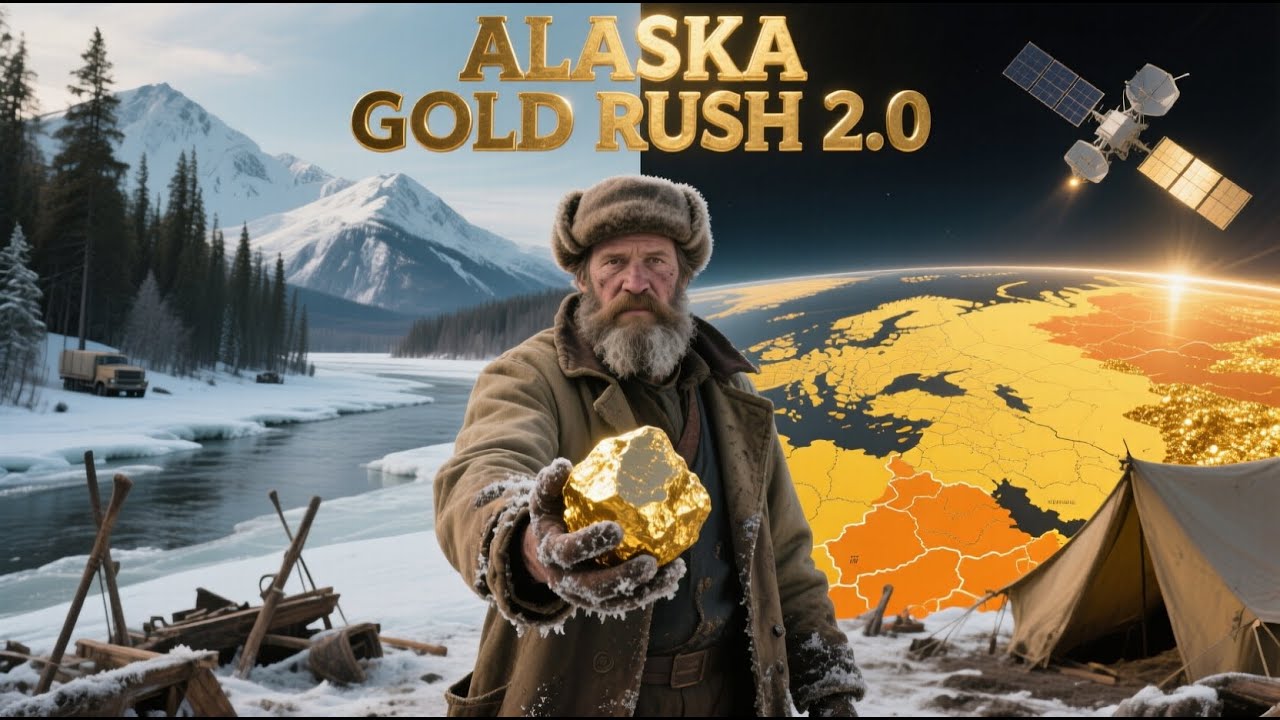
Satellites Spark a New Alaska Gold Rush—see how historical rushes echo in today’s resource booms.
A Transformative Event in American History
The 1849 california gold rush is often cited as one of the most transformative events in Western expansion. It not only profoundly shaped the settlement patterns of the American West, but also triggered lasting social and economic changes.
- Rapid Foundation of Towns: Places like San Francisco, Sacramento, and Stockton grew from tiny villages to bustling hubs within months.
- Diverse Communities: Immigrants from China, Latin America, and Europe settled in California, contributing to its multicultural landscape but also experiencing discrimination, forced displacement, and legal exclusion.
“Almost $2 billion in gold was extracted by 1860, prompting early environmental regulations that influence mining today.”
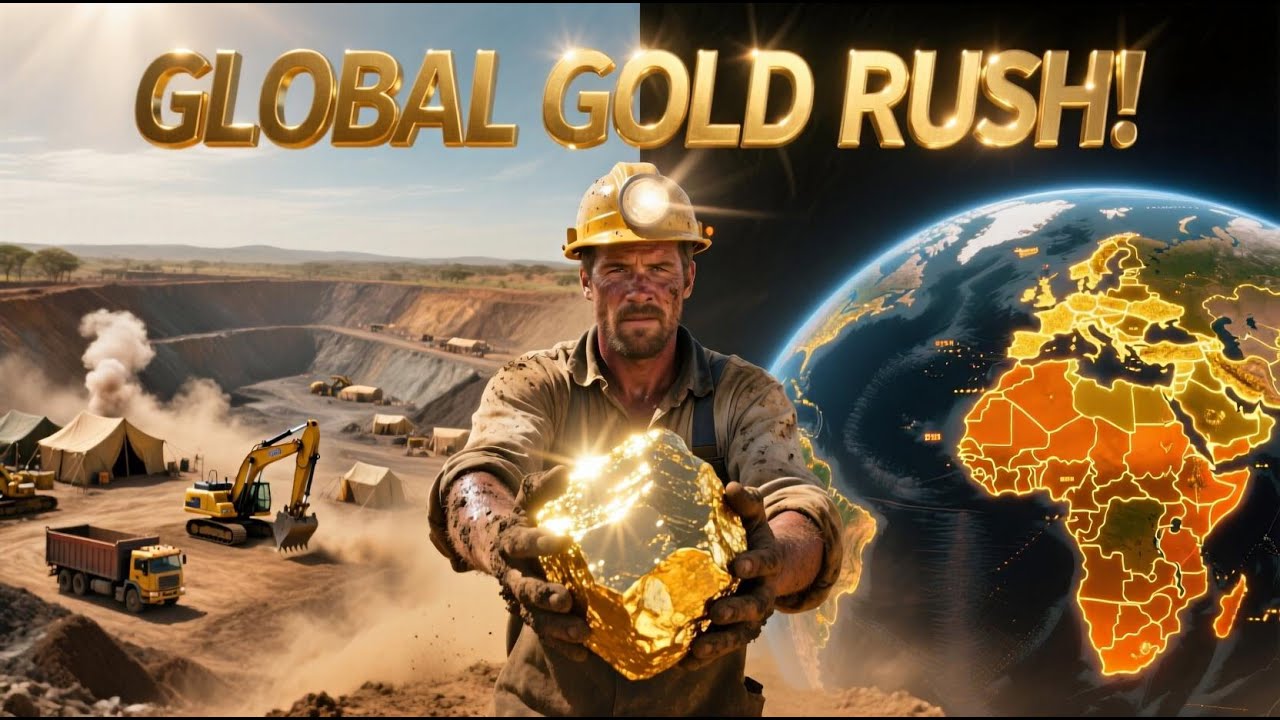
Modern Gold Rush: A global view into how gold’s allure endures from 1849 to 2026.
Gold Extraction Methods: From Panning & Sluicing to Industrialization
Initial Basic Methods: Placer Mining, Panning & Sluicing
The early methods of gold extraction during the california gold rush 1849 were simple and labor-intensive. Individual miners used pans and basic sluices to separate gold from sediment in riverbeds.
- Panning: Swirling water and sand in a shallow pan to allow heavier gold to settle at the bottom—a practice that required patience and produced only modest yields.
- Sluicing: Leveraged a wooden trough with riffles to capture heavier particles of gold while water washed away lighter materials.
- Hydraulic Mining: By the mid-1850s, techniques evolved to “hydraulic mining,” in which highly pressurized water jets eroded hillsides—extracting gold rapidly at the cost of extensive environmental degradation.

How Gold Is Extracted from Mines: Historical methods meet modern innovation.
Transition to Industrialized Techniques
As placer deposits dwindled, operations transitioned towards industrialized mining techniques by the 1860s:
- Hard Rock (Quartz) Mining: Miners tunneled into hillsides to extract gold-bearing quartz and used toxic chemicals, like mercury, to separate gold—a process causing enduring pollution.
- Large-Scale Operations: Rich investors formed companies, acquiring land and equipment, and transitioning from individual prospectors to organized industry.
Many practices from these decades still inform modern mining industries in 2026—especially regarding potentials and pitfalls of rapid extraction.

Satellites Find Gold: Farmonaut Transforms Tanzania Mining—21st-century applications rooted in 1849 innovation.
Want to minimize mining’s carbon footprint and monitor environmental impact? Learn how Farmonaut’s Carbon Footprinting tool helps modern mining and agricultural operations comply with global emissions regulations and adopt sustainable practices—driven by satellite-based analytics.
Environmental Impact: Early Neglect, Modern Sustainability & Ongoing Challenges
The environmental consequences of the california gold rush 1849 were dramatic and long-lasting, with many challenges echoing in regions around California and other mining zones today.
Early Damage: The Downside of Rapid Extraction
- Rivers Choked with Sediment: Hydraulic mining dumped vast quantities of gravel and sediment into waterways, altering their courses and increasing flood risks.
- Forest Landscapes Cleared Haphazardly: Hills and forests were stripped to provide wood for mining and support structures.
- Mercury and Toxic Chemicals: In attempts to separate gold, miners used mercury indiscriminately, polluting soils and water bodies, causing lasting damage to ecosystems and water quality.
- Indigenous Livelihoods: Native Californian communities suffered loss of land, livelihoods, and experienced exposure to pollutants and new diseases.
It wasn’t until California’s first environmental regulations in the late 1800s—prompted by the legal case Woodruff v. North Bloomfield Gravel Mining Company (1884)—that curbs on destructive practices began. This set an important precedent for environmental management policies.

Satellites Revolutionize Gold Exploration: Innovations helping to reduce environmental impacts globally.
2026: Sustainable Mining & Environmental Stewardship
Today, mining companies operate within a highly regulated framework:
- Environmental Impact Assessments (EIA): Before operations, sites undergo advanced impact assessments, considering effects on landscapes, ecosystems, and communities.
- Land Reclamation & Rehabilitation Programs: Mined lands are restored for agricultural, forestry, or conservation uses—sometimes even supporting higher biodiversity post-restoration.
- Toxic Chemical Management: Modern techniques limit the use of mercury and prioritize safe disposal, recycling, or replacement with greener alternatives.
- Stakeholder Engagement: Community input, particularly from indigenous groups, is critical—enabling fairer, more equitable land and resource management.
The importance of these environmental practices cannot be overstated—they are fundamental to the legitimacy and long-term success of mining operations in 2026 and beyond.

Mauritania’s Gold Rush—modern exploration meets environmental responsibility.
Is your mining or agricultural organization seeking transparent, tamper-proof resource traceability? Explore Farmonaut’s Blockchain-Based Product Traceability—ensuring every step in mining or supply chain management is verifiable and sustainable.
Comparative Analysis Table: 1849 Gold Rush vs. 2026 Modern Mining (Environmental & Resource Management)
| Practice/Aspect | 1849 California Gold Rush (Estimated Data) | 2026 Modern Mining (Projected/Industry Data) | Sustainability Impact |
|---|---|---|---|
| Extraction Methods | Basic panning, sluicing, hydraulic mining by hand; large-scale hydraulic by 1853 | Fully mechanized extraction, satellite monitoring, AI for site targeting | Increased efficiency, reduced wastage, minimized land disturbance |
| Water Usage | ~3,500 gallons/day per placer operation; unlimited use, heavy downstream impact | ~1,000 gallons/day per operation; recycling/closed systems common | Lower ecological disruption, improved water security for communities |
| Land Disturbance | Thousands of acres cleared, often without restoration | Land reclamation required; projects restore or enhance 90%+ of sites | Biodiversity protection, higher post-mining land value |
| Environmental Regulations | Virtually none until late 1800s court orders | Strict, enforced regulations on emissions, waste, and land | Dramatic reduction in pollution and long-term degradation |
| Resource Recovery Rate | ~35–40% (basic panning loses considerable gold) | 85%+ (precision, automation, advanced separation) | Less missing resource, lowered environmental footprint |
| Community Impact | High displacement, indigenous land lost, health impacts rampant | Community engagement required, benefit-sharing mechanisms | Greater social equity, viable livelihoods post-closure |
*Historical values are estimated based on contemporary records; 2026 values projected from industry averages and sustainability targets.
Evolving Resource Development & Infrastructure Planning: Legacy from 1849 for 2026
Resource-driven infrastructure was a game-changer in California during the gold rush period:
- Transportation Boom: The need to transport equipment, miners, and supplies led to the creation of new roads, wagon trails, and, later, railroad lines—many core to today’s California infrastructure network.
- Expansion of Ports: Rapid population growth caused the expansion and fortification of San Francisco, Stockton, and Sacramento ports, laying the groundwork for modern logistics and trade.
- Agricultural Development: Mining settlements supported and demanded new agricultural landscapes—some of which became the heart of California’s agricultural economy.
In 2026, we still see mining projects as catalysts for infrastructure development in remote regions. Planning remains critical:
- Strategic Project Placement: Projects are located based on holistic resource, environmental, and social assessments—leveraging satellite data, AI, and predictive modeling.
- Lasting Benefit: The best-mining projects now aim for positive economic impact that supports local communities, enables sustainable agriculture, and strengthens regional infrastructure.
- Resilience: Future-proofing projects against climate change, water scarcity, and land-use conflict is central to modern planning.
Need seamless, automated fleet management or satellite-based resource monitoring for infrastructure or mining operations?
Explore Farmonaut’s Fleet Management tools—streamlining logistics, reducing costs, and enhancing safety for remote site operations.

Rare Earth Boom 2025: AI and satellites surfacing the next ‘gold rush’ for critical minerals worldwide.
Socio-Economic & Legal Lessons: Mineral Rights, Policies, and Social Justice
Legal Frameworks: Mineral Rights & Land Use
The california gold rush 1849 catalyzed America’s earliest experiments in mineral rights and property law for public lands. Notable developments:
- Mining Claims: Systems of staking, registering, and defending claims emerged rapidly—ideas that have shaped mineral rights policies worldwide.
- Disputes & Violence: Conflicts between individuals, groups, and indigenous landowners led to the formalization of legal and regulatory frameworks.
- Rights of Indigenous Communities: The rush often meant disregard for native land rights, with forced removals and inequitable treatment—the downstream impacts of which continue in modern mining debates.
2026: Equitable Resource Management
Now, policy frameworks are built on community engagement, indigenous rights, and benefit-sharing, informed by hard lessons from historical mistakes:
- Legal Protections: Many jurisdictions require companies to actively protect cultural sites, consult with affected communities, and respect land sovereignty.
- Benefit-Sharing: Agreements ensure local and indigenous communities share in project revenues and long-term economic benefits.
- Dispute Resolution: Disputes are pre-emptively addressed via legal negotiation, transparent contracts, and—increasingly—through independent technology-based monitoring for compliance.
For financial institutions and land managers: Harness Farmonaut’s crop loan and insurance verification platform to expedite resource-based lending and protect against fraud via satellite-backed land assessment.

Diamond drilling, AI, and satellites are key to ethical, efficient gold finds today.
Satellite Technology, AI & Blockchain: The Farmonaut Perspective in 2026
The legacy of the 1849 california gold rush is not simply a story of fortune seekers, but one of innovation, risk, and adaptation—a spirit mirrored in today’s embrace of modern technologies.
Satellite Monitoring & AI Advisory in Mining and Infrastructure
- Real-time Monitoring: We at Farmonaut leverage multispectral satellite images to provide actionable data on vegetation health, land changes, and mining site activity—improving resource management and supporting compliance.
- AI-Based Decision Support: Our Jeevn AI Advisory System delivers tailored, real-time insights to optimize operations, weather planning, and sustainability in mining, infrastructure, and agriculture.
- Blockchain-Based Traceability: For resource development, product traceability is critical. Blockchain solutions ensure transparency from extraction to end-user, making supply chains tamper-proof and verifiable.
- Carbon Footprinting & Environmental Impact: We help businesses and governments track and reduce environmental impacts—enabling more informed environmental stewardship and sustainable management practices.
- Fleet & Land Management: Using satellite and machine learning, our solutions support operational efficiency—critical for cost control and reducing the mining sector’s footprint globally.
Managing large resource zones? Try our Large Scale Farm Management Platform—for scalable, satellite-powered management of remote mining, agricultural, or forestry sites.
Affordable, Scalable Solutions for Sustainable Extraction
Our mission is to democratize access to advanced, affordable satellite-driven insights worldwide. By integrating AI, data analytics, and blockchain, we empower small miners, large businesses, and governments to make better, more sustainable decisions—mirroring the pioneering, inventive spirit of the original forty-niners.
Key Lessons from the 1849 California Gold Rush for Modern Mining in 2026
- Legacy Matters: The environmental and social legacy of mining can last centuries. Early missteps in the 1849 gold rush show the critical need for careful planning, restoration, and ethical community engagement.
- Rapid Exploitation Brings Pitfalls: Unchecked booms, as in 1849-1850, risk lasting damage without proper policies, oversight, and restoration mandates.
- Infrastructure Linkages: Gold-fueled routes and settlements remain vital today. Strategic resource development must deliver positive, long-lasting benefits to regions—balancing economic gain with social and ecological stewardship.
- Modern Regulation & Technology: Environmental impact is minimized by rigorous regulation, stakeholder dialogue, and real-time technology solutions.
- Equity and Social Justice: Inclusive decision-making and fair compensation for indigenous and local communities are not just ethical—they’re essential for legitimacy and operational security.
- Critical Minerals in the Clean Energy Era: As 2026 approaches, critical minerals (lithium, cobalt, rare earths) will re-play the dynamics of the 1849 gold rush. Solutions must be more forward-thinking, with a central focus on sustainability and global equity.
FAQ: California Gold Rush, Mining Industry, & Sustainable Resource Development
What was the 1849 California Gold Rush?
The 1849 California Gold Rush refers to the massive influx of prospectors and settlers who traveled to California after the discovery of gold at Sutter’s Mill in early 1848. By 1850, the population and economy had exploded, transforming California into the 31st U.S. state.
How did mining methods evolve during and after the gold rush?
Early methods included simple panning and sluicing. As easily accessible gold became scarce, miners adopted hydraulic mining and later hard rock mining using chemicals like mercury. These technological shifts increased yields but caused severe environmental consequences.
What are the main environmental challenges inherited from the gold rush?
Major challenges include sediment-filled rivers, deforestation, toxic chemical pollution (especially from mercury), and irreversible changes to landforms in and around California’s mining regions. Some of these issues continue to affect Californian rivers and nearby habitats today.
How have mining policies and regulations changed since 1849?
Initially, there were no environmental regulations. Persistent damage led to landmark court cases and regulations by the late 1800s. Today, mining operations require comprehensive impact assessments, land reclamation projects, and adherence to strict environmental laws.
How is technology like satellites and AI shaping mining in 2026?
Satellite and AI solutions allow for real-time operational monitoring, precise environmental tracking, and more efficient planning. These tools, available through platforms like Farmonaut, help companies minimize harms and meet regulatory requirements—protecting both profit and the planet.
What are “critical minerals” and why are they important for the future?
Critical minerals like lithium, cobalt, and rare earth elements are essential to clean energy, batteries, and high-tech industries. The global demand is creating a modern “gold rush”—making sustainability, transparency, and equitable benefit-sharing more important than ever.
How can mining ensure benefits for indigenous and local communities?
Modern best practices involve consultation with stakeholders, benefit-sharing agreements, legal protections for land and heritage, and technology-enabled monitoring to guarantee compliance and equity—addressing the historical injustices still felt from 1849 onward.
Conclusion—Sustainable Mining, Resource Planning & Environmental Equity Inspired by 1849 California Gold Rush
The 1849 california gold rush remains a foundational chapter not only for California, but for mining industries worldwide. Its legacy—a mix of economic triumph, social complexity, and environmental harm—delivers invaluable lessons for 2026 mining and resource management.
As society embarks on new booms for critical minerals powering the clean energy revolution, it is crucial to avoid repeating mistakes of the past. Modern mining companies operate in a different, more responsible era—leveraging regulation, innovation, and advanced technologies such as satellite monitoring, AI advisories, and blockchain-based traceability.
By reflecting on the historical challenges and potentials of the 2025 resource sector, and integrating novel sustainability strategies, we shape a mining industry that can support human prosperity **while protecting ecological health and fostering social justice**. The story of the california gold rush 1849 is not only an artifact of American ambition—but an ever-relevant guide for the sustainable extraction and stewardship that will define the decades to come.

 Klusetic Mining Investments
 Mine4Africa
 Lithspo Minerals Limited
 Tintina Mining Group
 Dalgety Minerals Pty Ltd
 Vortex Minerals Pty Ltd
 Faith At Work (Pty) Ltd
 Geotech Mining Solutions plc
 Vulcan International Limited
 Kidepo Associates
 GKY Mining
 Alkimy SARL
 Double A Trading
 GemSprout Metals Limited
 Qader Group
 Ileys General Trading
 SG Gold Mining LLC
 VRV Global Pte Ltd
 Omsri International FZE
 G.I.T.T.
 Jaunita Erss Ltd
 Almosi SARL
 SRK Consulting
 Berks Gold Limited
 Mwerezi Minerals Company Limited
