

Alaska Gold Miners: Gold Rush & Deposits Trends 2026
Table of Contents
- Introduction – The Living Legacy of Alaska Gold Mining
- Gold Mining Trivia
- Historical Overview: Alaska Gold Rush and Its Transformative Impact
- Geological Significance & Alaska Gold Deposits
- Comparative Trends Table: Alaska Gold Production and Deposits, 1896–2026
- Modern Mining Practices & Technology Integration (2025-2026 and Beyond)
- Featured Videos: Mining, Satellites, and the New Gold Rush
- Economic and Community Impacts of Alaska Gold Miners
- Environmental Stewardship and Sustainable Mining Practices
- Farmonaut: Elevating Mining with Satellite Technology & Insights
- Future Outlook: Opportunities & Challenges for Alaska Gold Mining (2026+)
- Frequently Asked Questions
- Conclusion: Alaska’s Gold Legacy in 2026 and Beyond
Alaska gold miners stand at the crossroads of history and innovation as we approach 2026. Few events in North American history compare to the Alaska gold rush—a transformative phenomenon that not only shaped the region’s social and economic fabric but also left a legacy still visible in every corner of the state today. From early gold discoveries in the late 19th century to the cutting-edge mining technologies used across remote regions in 2025, Alaska gold deposits remain a beacon of both opportunity and responsibility.
In this in-depth guide, we explore how the gold rush continues to influence Alaska’s mining industry, what the latest geological and technological trends reveal about the future of gold mining, and how economic, social, and environmental management policies are evolving to harmonize development with sustainability. This is Alaska’s journey, past and present—a story of miners, gold, and the region’s enduring significance in the American frontier.
“Alaska gold production peaked at 865,000 ounces in 2021, marking a 24% rise since the 2010s’ boom.”



Historical Overview: Alaska Gold Rush and Its Transformative Impact
The Alaska gold rush formally began in the late 19th century, specifically ignited by landmark events such as the Klondike Gold Rush (1896-1899) and the Nome Gold Rush of the early 1900s. During these boom periods, the region was transformed from a sparsely inhabited territory into a bustling hub of economic activity. Towns sprang up virtually overnight, infrastructure expanded rapidly (with new roads, ports, and even telegraph lines), and local economies were catalyzed by the influx of thousands of prospectors, miners, and entrepreneurs—all desperate to stake claims and extract gold from Alaska’s abundant deposits.
The significance of the gold discovery cannot be overstated. It stands as one of the most transformative events in North American history. It reshaped the social and cultural fabric of the region, laying the groundwork for future economic development and modern mining practices. The legacy of those early miners remains deeply embedded in Alaska’s identity, influencing everything from land management policies to community development well into 2026 and beyond.
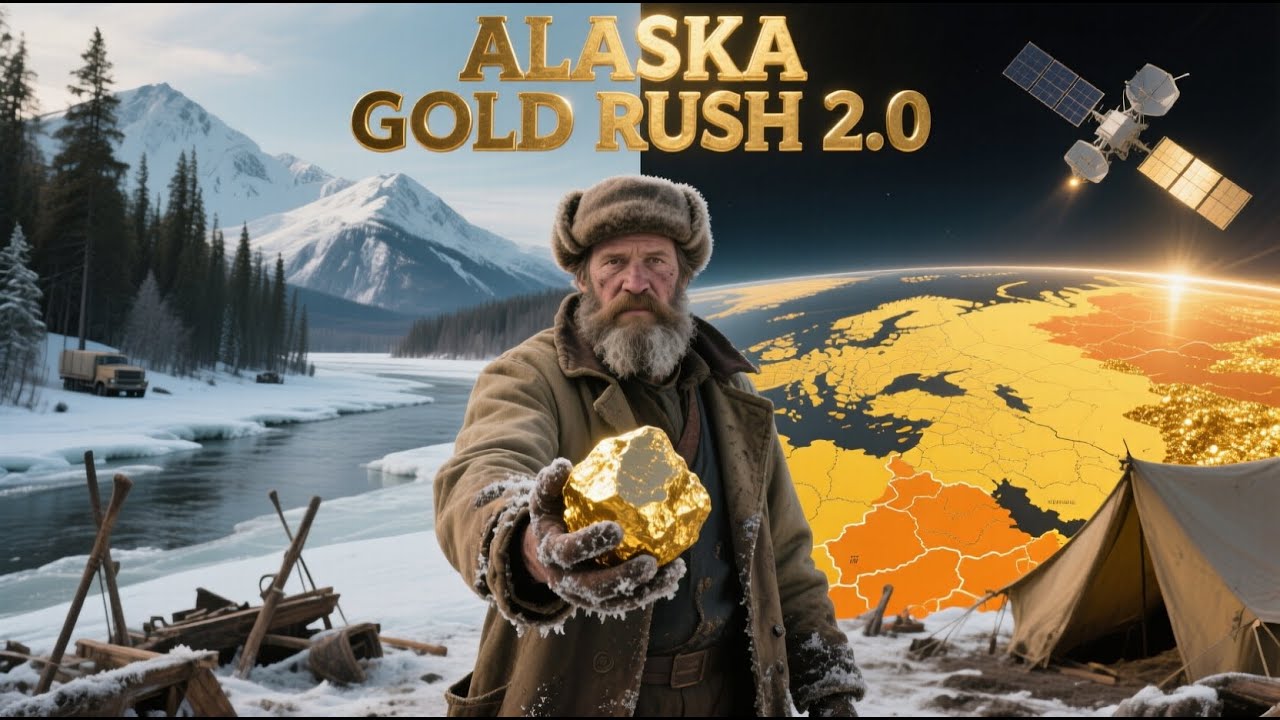
Key Milestones of the Alaska Gold Rush
- 1896: Klondike discovery triggers the rush; tens of thousands converge on the Yukon border region
- 1900-1909: Nome boom—beach placer deposits propel a new wave of opportunity
- Early 20th century: Expansion into Seward Peninsula, Fortymile district, and Yukon-Tanana upland
- 1940s–2000s: Technological evolution; large-scale industrial operations
- 2025 and beyond: Blending modern technologies with local, cultural, and indigenous mining traditions
Geological Significance & Alaska Gold Deposits: Placer and Lode Resources
The geological profile of Alaska is uniquely favorable for gold formation. The state is host to vast lode deposits embedded within complex metamorphic and igneous rocks as well as rich placer deposits formed by glacial and fluvial processes. From beach sands to ancient riverbeds, gold is found in a variety of environments.
Key Gold-Bearing Regions and Districts
- Seward Peninsula: Renowned for its plentiful placer gold—especially around Nome.
- Yukon-Tanana Upland: Holds large lode gold deposits amidst complex rock formations—significant ongoing mining activity.
- Fortymile District: Historic discovery site; placer mining remains strong among local communities.
- Other Notables: Juneau, Fairbanks, Chugach Mountains, and the Circle District each contribute unique mining opportunities.
Advancements in geoscience have mapped new targets and replenished the interest of exploration companies across remote areas. The benefits of modern exploration technology mean that, even after more than a century since the first rush, Alaska gold deposits remain among the premier resources in the United States.
Alaska Gold Miners’ Techniques: A Legacy of Adaptation and Innovation
- Placer mining: Traditional and small-scale, often carried out by indigenous and local communities.
- Lode mining: Large, industrial operations using advanced ore extraction and processing technologies.
- Sluicing and panning: Classics of the Gold Rush era—still used in certain remote claims and for recreational mining.
The ability to adapt mining techniques to both harsh climates and complex, rugged terrain remains one of the hallmarks of the Alaskan mining legacy.
Check out this documentary for more insights:

Comparative Trends Table: Alaska Gold Production and Deposits, 1896–2026
| Time Period / Year | Estimated Gold Mined (Metric Tons) | Number of Active Mines | Key Mining Technology Used | Economic Impact (USD Millions) | Employment Estimates |
|---|---|---|---|---|---|
| Gold Rush Era (1896–1905) | ~45 | 1200+ | Hand tools, sluicing, pans | $200* | ~30,000 |
| Mid 20th Century (1940) | ~65 | ~550 | Dredging, mechanization | $360* | ~12,000 |
| Start of Modern Era (2000) | ~105 | ~15 | Open-pit, cyanidation, early GIS | $900 | 1,800–2,500 |
| 2025 (Projected) | ~120 | ~18 | Satellite mapping, AI, ESG mining | $1,110 | 2,300–2,800 |
| 2026 (Projections) | ~140 (with 15% growth) | ~20 | Advanced remote sensing, AI, blockchain | $1,270 | 2,600–3,200 |
*Historical values, inflation-adjusted estimates
This comparison highlights Alaska gold miners’ remarkable journey—from hand-panned placer claim rushes to AI-driven mining operations, with each era marked by significant advancements in technology and sustainable practices.
Modern Mining Practices & Technology Integration (2025–2026 and Beyond)
Moving into 2025 and 2026, contemporary mining operations in Alaska are blending the hard-earned lessons of the past with game-changing modern technologies. The adoption of satellite-based monitoring, blockchain for traceability, remote sensing, and AI-powered analytics is empowering both large industrial operations and small-scale prospectors to unlock new opportunities while upholding the highest standards of environmental stewardship.

Key Mining Technologies Shaping Alaska’s Future
-
Remote Sensing & Satellite Imagery:
Ultra-high-resolution satellite images pinpoint promising gold deposits, even in hard-to-reach terrains or under heavy vegetation. Real-time monitoring improves resource management and reduces exploration risks.
See more satellite-driven exploration in this video:
-
AI & Advanced Geoscience Analytics:
Machine learning tools analyze complex geological data sets, helping geologists identify new gold targets and optimize extraction strategies. This approach is invaluable for maximizing output from Alaska’s rich lode and placer deposits. -
Blockchain-Based Traceability:
Ensures the authenticity and ethical sourcing of Alaska gold from mine to market, satisfying stricter regulatory and consumer demands for transparency. -
Drones & Aerial Surveys:
Accelerates site survey work, especially in remote or rugged regions where ground access is limited or climates are harsh. -
Real-Time Environmental Monitoring:
Allows for improved stewardship of local ecosystems, early detection of adverse impacts, and better compliance with sustainability policies.

How Modern Technology Benefits Miners & Communities
- Reduces costly, lengthy, or environmentally damaging exploration practices
- Enhances safety and efficiency for miners in remote areas
- Opens up economic opportunities for indigenous and local communities via partnerships, employment, and infrastructure
- Supports better compliance with national and regional environmental policies
Explore how satellites aid global gold mining with these videos:
Farmonaut transforms resource discovery in mining:


“Modern mining could boost Alaska’s gold output by 15% by 2026, continuing the gold rush’s economic legacy.”
Economic and Community Impacts of Alaska Gold Miners: 2025–2026
The economic impact of Alaska gold mining remains significant in 2025 and is only projected to increase as new technologies come online. The legacy of the gold rush is seen not just in GDP figures or cavity-laden hillsides but in the livelihoods of communities, the integrity of regional infrastructure, and the opportunities created for diverse populations.
-
Jobs & Local Enterprise:
The mining sector supports thousands of Alaskans, offering diverse jobs—from geology and engineering to hospitality and logistics in remote towns. -
Investment in Infrastructure:
Modern mining catalyzes improvements in roads, energy networks, and transportation (airports, seaports), which benefit not only miners but entire communities. -
Indigenous Partnerships:
Advancements in sustainable practices and regulatory policies necessitate greater respect for local and indigenous rights, ensuring resource management remains equitable and just. -
Global Investment Opportunities:
Alaska’s position as a premier gold producer in the United States continues to attract domestic and international investors, spurring ongoing growth through 2026.
Modern mining operations also drive demand for new services—such as satellite monitoring for environmental impact, advanced traceability systems, and innovative technologies for carbon footprint mitigation.
Discover the advantages of blockchain-based product traceability for mining with Farmonaut:
Learn More About Mining Traceability
Environmental Stewardship and Sustainable Mining Practices in Alaska
Sustainability is no longer optional. In the region with some of the richest mineral resources in North America, environmental management is a central priority for miners, regulators, and communities. Modern regulations require mining companies to rehabilitate former sites, monitor energy and water usage in real-time, and use technologies that minimize waste and carbon emissions.
-
Real-time Satellite Monitoring:
Supports prompt detection of environmental disturbances (soil degradation, water pollution, and even climate impacts). -
AI and Data Analytics for Sustainability:
Predicts ecosystem changes and guides more efficient extraction techniques that reduce unnecessary land disturbance. -
Carbon Footprinting Initiatives:
Companies are now implementing full-cycle carbon tracking—data-driven approaches that fine-tune energy usage and help meet emission reduction goals, aligning with global ESG (Environmental, Social, Governance) standards.
Read how satellite-based carbon monitoring works for mining:
Explore Carbon Footprinting for Mining -
Integration with Regulatory Policies:
Interactive dashboards use near-real-time data to maintain compliance with regional and federal policies.
As we advance into 2026, Alaska gold miners are increasingly evaluated by their commitment to sustainable development and ability to balance economic growth with environmental and cultural stewardship.
Farmonaut: Elevating Alaska Gold Exploration and Mining with Satellite Technology
In a landscape as rugged and remote as Alaska, satellite-driven solutions are transforming how exploration and mining operations are managed. We at Farmonaut are dedicated to making advanced, affordable, and accessible satellite-based insights available for the mining sector in Alaska and beyond.
-
Real-Time Satellite Monitoring:
We utilize high-resolution satellite imagery to offer miners continuous visibility over deposit areas, making operations safer and more reliable. -
Jeevn AI Advisory System:
We help mining operators harness AI-driven weather forecasts, operations support, and tailored strategy recommendations based on the most up-to-date remote sensing data. -
Blockchain and Traceability:
Our blockchain integration tools allow for complete mine-to-market traceability, supporting ethical and transparent gold supply chains. -
Environmental Impact & Carbon Monitoring:
Our platform empowers miners to manage emissions and track environmental impact in real-time—directly supporting compliance efforts and ESG goals with precise reporting.
Find out more about satellite carbon footprinting for mining:
Explore Carbon Mitigation Services -
Fleet & Resource Management:
We provide resource tracking and operational oversight, reducing costs by optimizing vehicle use and ensuring efficient deployment of mining equipment and personnel.
Discover how satellite fleet management empowers mining logistics:
Fleet Management for Mining
Access satellite-driven mining support now with our web or mobile app:
-
API & Developer Access:
Developers and data scientists can integrate satellite mining insights directly into custom dashboards and tools via the
Farmonaut API.
See technical docs:
Developer Docs
Featured Videos: Mining, Satellites, and the New Gold Rush
- Satellites Spark a New Alaska Gold Rush
- Modern Gold Rush: Inside the Global Race for Gold | Documentary
- How Gold is Extracted from Mines | Full Guide
- Satellite Mineral Exploration 2025 | AI Soil Geochemistry
- 1.5 M-oz Gold Find 2025: Diamond Drilling, AI Satellite Mapping & ESG Mining
- Mauritania’s Gold Rush: Uncovering Hidden Deposits with Satellite Data
- Satellites Find Gold! Farmonaut Transforms Tanzania Mining | News Report
- Satellites Revolutionize Gold Exploration in Kenya’s Heartland
Future Outlook: Opportunities & Challenges for Alaska Gold Mining (2026+)
Alaska gold miners in 2026 face an environment ripe with opportunities, but also complexity. The quest for new gold deposits is deeply intertwined with the need for innovative mining techniques, robust ecosystem protection, and fair partnerships with indigenous and local communities.
-
Expanding the Frontier:
Exploration is intensifying in previously underexplored regions of the upland, Seward Peninsula, and new districts, thanks to geoscience advancements, satellite data, and AI. -
Balancing Economic Growth with Stewardship:
The next chapter for miners isn’t just about output—it’s about balancing resource extraction with sustainability. With powerful tools like blockchain traceability and satellite monitoring, compliance is improving, but vigilance is critical. -
Community & Cultural Integration:
Future success stories will be written by those who collaborate openly with local and indigenous communities, adhering to the highest cultural stewardship standards. -
Data-Driven Decision-Making:
With satellite analytics, the best mining operations are leveraging real data—not just for efficiency, but for transparent management, environmental reporting, and policy engagement. -
Regulatory Shifts and ESG Goals:
Regulatory frameworks in Alaska are now requiring deeper engagement with ESG principles—companies adopting next-gen tech for carbon management and supply chain traceability will enjoy better access to global capital and community trust.
The Alaska gold mining ecosystem in 2026 stands as a leader not only in resource production but also in responsible practices and industry trends. The ongoing legacy of the gold rush is not just economic but environmental and cultural—a shining example for the next century.
Frequently Asked Questions (FAQ) on Alaska Gold Mining and Trends (2026 Edition)
1. What were the major events of the Alaska gold rush?
The Alaska gold rush began in the late 19th century, centered around major events like the Klondike Gold Rush (1896-1899) and the Nome Gold Rush (1900s). These events attracted thousands of prospectors, transforming sparsely inhabited regions into bustling mining towns.
2. Where are the key regions for Alaska gold deposits?
Major gold-bearing regions in Alaska include the Seward Peninsula, Yukon-Tanana Upland, Fortymile district, and other districts such as Juneau, Fairbanks, and Chugach Mountains.
3. What kinds of mining technologies are most significant in 2026?
The most significant include satellite imagery, AI for exploration, blockchain for traceability, drones for site monitoring, and environmentally focused real-time data systems. These technologies enhance efficiency, sustainability, and compliance in Alaska’s challenging terrain.
4. How does mining affect Alaska’s economy?
Gold mining remains vital, supporting thousands of jobs and contributing more than a billion USD annually to regional GDP. Ongoing and projected growth is tied to resource development, infrastructure, and incoming investment.
5. What are the main environmental policies affecting Alaska gold miners?
Alaska miners must follow strict federal and regional environmental policies, including land restoration, emissions tracking, water management, and sustainable community integration. Failure to comply can lead to steep penalties and loss of community trust.
6. How does Farmonaut add value to Alaska’s mining sector?
We at Farmonaut offer advanced satellite imagery, real-time environmental monitoring, blockchain traceability, and AI advisory for mining operations. This accelerates exploration, improves sustainability, reduces risks, and supports data-driven resource management throughout Alaska’s mining industry.
Conclusion: Alaska’s Gold Legacy in 2026 and Beyond
The ongoing story of Alaska gold miners is written in the rugged terrain and bustling towns, in the economic reports and sustainable mining policies, and in the vibrant cultural tapestry that connects past and present. The legacy of the gold rush continues to shape regional identity, technological advancement, and ethical resource management well into 2026 and beyond.
As the world’s demand for gold and sustainable resources grows, Alaska’s mining industry stands out for its willingness to innovate, balance growth with stewardship, and honor its social contract with indigenous and local communities. The future is bright for those who invest in responsible mining and leverage technology—ensuring Alaska’s place as a premier gold frontier for another century to come.
Explore our platform for gold mining monitoring, environmental insights, and resource management, tailored for Alaska’s unique needs. Embrace the future of mining—smarter, cleaner, and more connected—starting today.

 Imperial Impex FZE
 Congo Mining Solutions
 Mining SARL
 SenGold Invest SAS
 Sania Corporation
 Sean Mining Limited
 NTS Group (Pty) Ltd
 Mine4Africa
 Lithspo Minerals Limited
 Tintina Mining Group
 Dalgety Minerals Pty Ltd
 Vortex Minerals Pty Ltd
 Faith At Work (Pty) Ltd
 Geotech Mining Solutions plc
 Vulcan International Limited
 Kidepo Associates
 GKY Mining
 Alkimy SARL
 Double A Trading
 GemSprout Metals Limited
 Qader Group
 Ileys General Trading
 SG Gold Mining LLC
