

Agriculture Germany: Top Agricultural Products & Practices for 2025 and Beyond
Summary:
Agriculture in Germany: An Overview for 2025
Germany, a cornerstone of Europe’s agricultural sector and one of the world’s most advanced economies, seamlessly merges traditional farming wisdom with modern innovation. The agriculture of Germany in 2025 is defined by its efficiency, sustainability, and the rich diversity of products it brings to domestic and global markets—supported by state-of-the-art technology and eco-conscious policies. This comprehensive guide dives deep into the landscape, major crops, livestock, market trends, and vision for 2026 and beyond.
“Germany uses 19% of its land for organic farming, ranking among Europe’s leaders in sustainable agriculture practices.”
Agriculture Germany: 2025 Overview & Sector Importance
As one of Europe’s largest and most advanced economies, Germany remains at the forefront of agricultural productivity, sustainability, and technological adoption. The agriculture sector forms a vital pillar of the national economy, contributing not only to domestic food supply but also to the global agricultural markets. By 2025, the agriculture of Germany is characterized by its diverse landscapes, high-quality sustainable products, and robust technological advancements, setting the standard for efficient, climate-resilient, and eco-friendly farming.
Main Highlights:
- The German agricultural sector employs approximately 1.3 million people and supports rural communities in all 16 federal states.
- Major crops: cereals (wheat, barley, rye, maize), potatoes, sugar beets, and oilseed rape (canola).
- Livestock farming remains robust: Germany leads Europe in pig farming and is a significant producer of cattle, dairy, and poultry.
- Continued growth in organic farming and sustainable practices reflects both consumer demand and EU policy directions.
- Advanced technologies—from precision farming and data analytics to satellite monitoring—are widely adopted to optimize resources and minimize environmental impact.

The Agricultural Landscape, Climate, and Production Conditions in Germany
The agricultural landscape of Germany is a vibrant mosaic of fields, meadows, and specialized regional crops. Its success is supported by advantageous natural and infrastructural factors:
- Temperate seasonal climate: Favors both cool-season and warm-season crops, supporting year-round agriculture.
- Fertile soils: Particularly in regions like North Rhine-Westphalia, Lower Saxony, and Bavaria, boost productivity for cereals, root crops, and pastures.
- Exceptional infrastructure: Reliable transport, storage, and digital connectivity allow efficient crop movement, timely market access, and integration of smart-farming tech.
- Diverse regions: From the loess plains of the North German Plain to the vineyards of the Rhineland, unique microclimates support a vast range of agricultural products in Germany.
This mixture of natural and human-made advantages provides the ideal conditions for producing a wide range of high-quality food products, from staple crops to specialty items.
Top Agricultural Products in Germany: Crops & Livestock in 2025
Agricultural products in Germany are both numerous and varied, reflecting decades of tradition and an ongoing embrace of innovation. Germany is a lead producer of:
- Cereals: Wheat, barley, rye, and maize are key contributors to the food supply and export markets.
- Root crops: Potatoes and sugar beets are mainstays in German cuisine and the food-processing industry.
- Oilseeds: Oilseed rape (canola) is significant for vegetable oil, animal feed, and increasingly for biofuel production—mirroring the nation’s strong focus on sustainable energy sources.
- Vegetables & Fruits: Apples, strawberries, onions, cabbage, carrots, and a growing list of organically certified products.
- Livestock: Pig farming is the largest segment, followed by substantial cattle and poultry production. German pork and dairy products are renowned for their quality and safety in global markets.
- Specialty crops: Hops for beer making—a cultural staple and important export—plus grapes for wine from renowned regions like the Mosel, Rhine, and Baden.
The diversity of agricultural products allows Germany to supply not just domestic appetites but also a significant share of Europe’s food needs and global markets.
Regional Strengths: Where Excellence Meets Innovation
- North Rhine-Westphalia, Lower Saxony: Cereals, root crops, and intensive animal husbandry.
- Bavaria, Baden-Württemberg: Dairy, cattle, specialty fruits, and premium hops.
- Brandenburg, Mecklenburg-Western Pomerania: Large arable operations, expansive cereal and rapeseed fields.
- Rhineland & Mosel: Globally acclaimed for wine and orchard fruits.
Top German Agricultural Products, Production Estimates, and Technological Innovations (2025)
| Product | Estimated 2025 Production | Key Region(s) | Main Technological Innovations | Sustainable Practices |
|---|---|---|---|---|
| Wheat | 22 million tons | East, North Rhine-Westphalia, Lower Saxony | Precision agriculture, satellite-based crop monitoring, AI-powered yield forecasting | Crop rotation, reduced tillage, organic certifications |
| Barley | 11.5 million tons | Bavaria, Baden-Württemberg | Drones for variable spraying, smart irrigation sensors, data analytics | Intercropping, integrated pest management |
| Maize (Corn) | 4.2 million tons | North, Lower Saxony | GPS-guided tractors, satellite-based field zoning, bioenergy optimization | Nutrient cycling, cover cropping |
| Potatoes | 10 million tons | Lower Saxony, Bavaria | Soil sensors, real-time remote imaging, automated irrigation | Efficient water use, eco-farming certification |
| Sugar Beets | 3.7 million tons | North Rhine-Westphalia, Rhineland-Palatinate | Satellite yield analysis, smart pest-control, automated logistics | Low-residue farming, resource optimization |
| Oilseed Rape (Canola) | 3.5 million tons | East, Brandenburg | AI-driven input management, data-enabled seeding | Biodiversity measures, pollinator protection |
| Apples | 950,000 tons | Baden-Württemberg, Saxony | Remote satellite orchard mapping, precision harvesting | Organic and residue-free cultivation |
| Pork (Pig farming) | 24 million head | Lower Saxony, North Rhine-Westphalia | Automated feeding systems, animal health AI, environmental monitoring | Animal welfare standards, circular waste management |
| Milk & Dairy | 33 million tons | Bavaria, Schleswig-Holstein | Robotic milking, cow monitoring wearables, data-driven feeding | Strict hygiene controls, grassland rotation |
| Poultry | 80 million head | Lower Saxony, Saxony-Anhalt | Climate-controlled barns, digital flock management, satellite traceability | Ethical rearing, reduced antibiotic use |
💡 Discover modern agricultural management! Monitor your crops with real-time satellite insights using Farmonaut Web & Mobile App:



🌐 For developers, automate Germany’s agricultural monitoring with our API—see developer docs.
Technology, Innovation, and Digital Integration in German Agriculture
By 2025 and leading into 2026, Germany continues to be a global frontrunner in the adoption of agricultural technologies.
-
Precision Farming:
- Utilizes GPS-guided equipment, AI drones (see how drones are saving German farms) for variable-rate applications of fertilizers, pesticides, and seeds.
- Field-level data modeling enables targeted interventions, improving soil health and reducing chemical runoff.
-
Satellite and Aerial Monitoring:
- Real-time remote sensing (NDVI, soil moisture) helps in crop health prediction, timely irrigation, and pest detection.
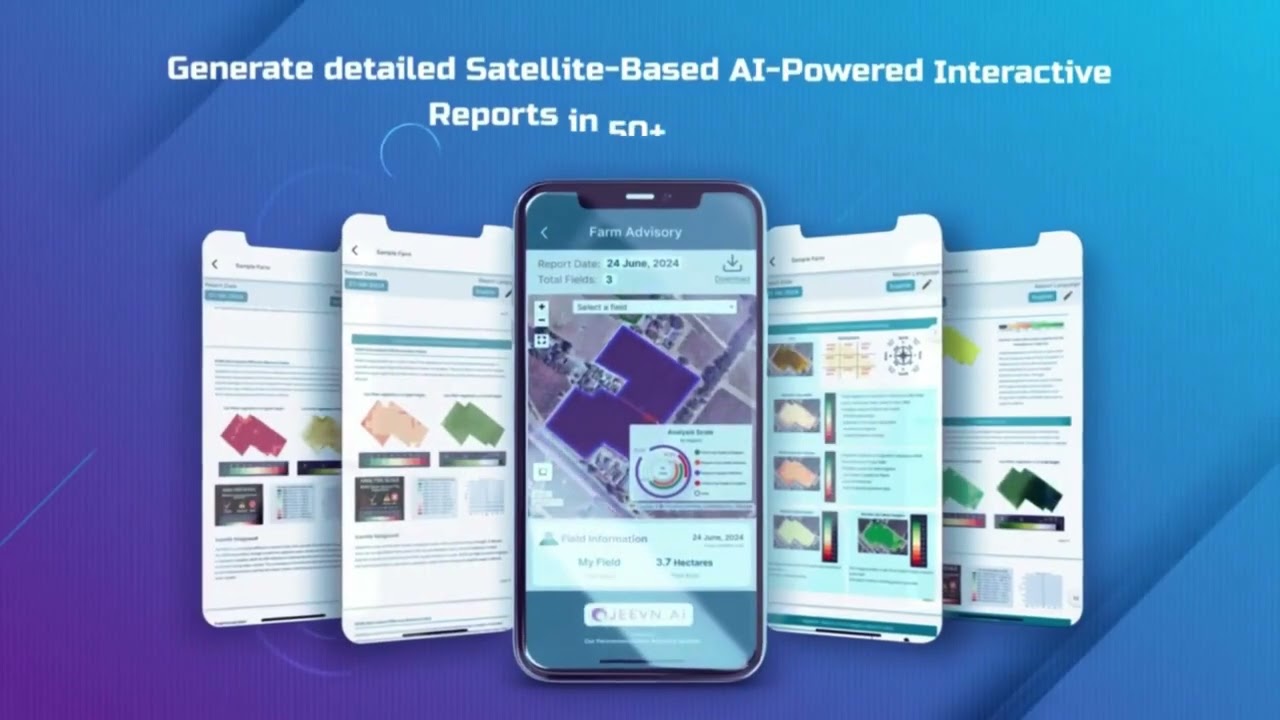
- Our team at Farmonaut offers affordable, satellite-based field management, giving farmers actionable insights right from their smartphone, web, or API platform (read about large-scale farm management).
-
Artificial Intelligence and Big Data:
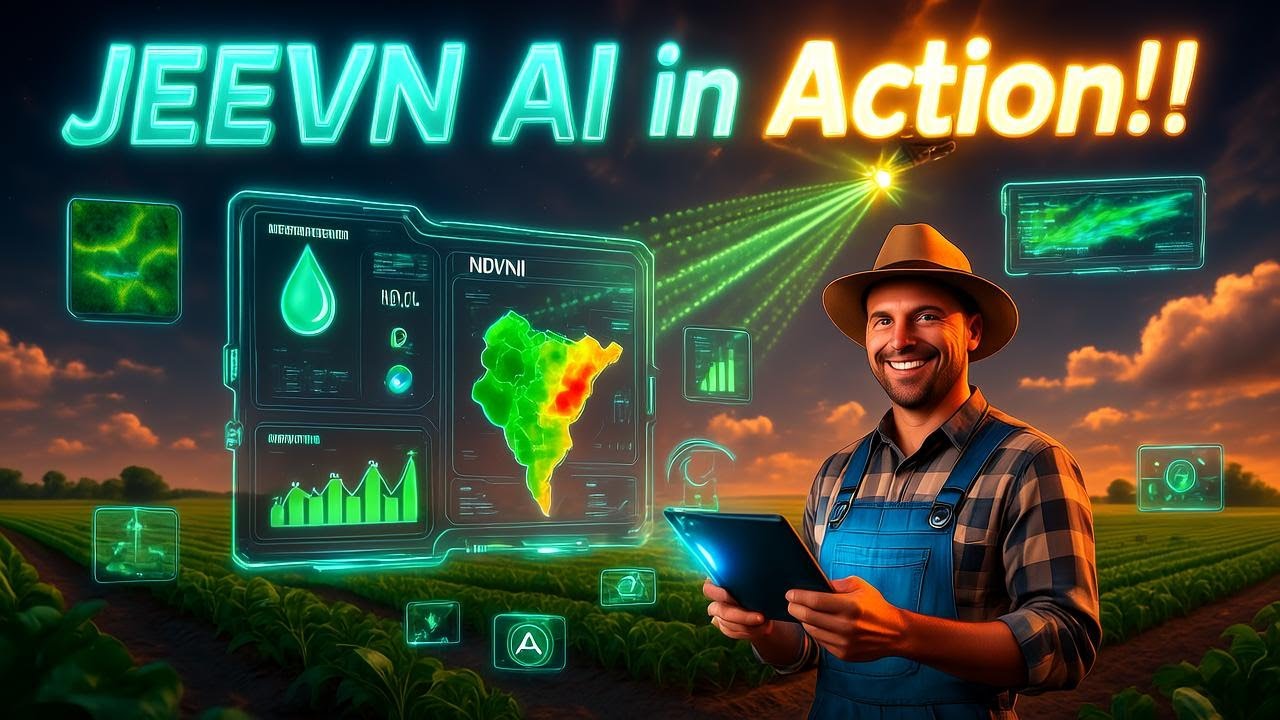
- Algorithm-driven recommendations (e.g., Jeevn AI) optimize planting, pest control, and harvest timing to maximize yields and adapt to unpredictable weather.
- Digitized supply chains use blockchain and IoT for traceability, unlocking transparency in product provenance (see Farmonaut’s traceability solutions).
-
Environmental Impact Monitoring:
- Regulations for carbon footprint reporting are becoming stricter. Farmonaut users can access actionable data, helping farms meet EU compliance (learn more about carbon impact management).
-
Farm Automation and Robotics:
- Robotic milking, autonomous tractors, and digital livestock wearables drive labor efficiency and welfare monitoring.
📦 Loan and Insurance Verification: Efficiently verify your farm’s eligibility for loans or insurance with satellite-based evidence using our crop loan & insurance verification tools for Germany’s agricultural needs.
“By 2025, over 50% of German farms are expected to use precision agriculture technologies for crop and yield management.”
Sustainable Practices & Organic Farming: Leading the Shift in Agriculture Germany
The global spotlight on environmental health drives sustainable agriculture and organic farming in Germany. EU policies and increased consumer focus have accelerated the sector’s journey toward low-impact, high-yield agriculture that protects both food quality and the planet.
- Organic Agriculture:
- Covering nearly one-fifth (19%) of Germany’s farmland by 2025.
- Diverse crops: Organic cereals, vegetables, fruits, and even organic dairy have seen exponential growth due to consumer preference and supportive national policies.
- Key approach: Emphasis on natural soil fertility, biodiversity, crop rotation, and animal welfare.
- Resource Efficiency:
- Reduced fertilizer, pesticide, and water use thanks to digital tools, soil sensors, and data-driven management.
- Smart irrigation and waste-to-energy practices are widespread.
- Climate-Smart Agriculture and Regenerative Methods:
- Cultivation of drought-tolerant and disease-resistant crop varieties to adapt to climate change.
- Increase in cover cropping, conservation tillage, and minimum soil disturbance protect carbon stocks and reduce erosion.
-
Farmonaut Users:
- We enable sustainable practices by providing environmental impact tracking and resource optimization through real-time satellite imagery. This helps lower input use, promote circular soil health approaches, and support EU compliance on sustainability goals.
🌱 Optimize Your Plantation: For plantation, forest, and crop advisory, use Farmonaut’s advanced AI and satellite solutions to improve planning and productivity. Get crop, plantation & forest advisory here.
Export Markets, Policy, and the Dynamic Challenges of Agriculture Germany
Germany is a dominant exporter within the European Union and beyond. The nation’s reputation rests on the high quality of its agricultural products, stringent food safety standards, and a commitment to sustainable supply chains. Still, 2025 presents a mix of opportunities and challenges for farmers and agribusinesses alike.
-
Exports:
- Germany exports cereals (notably wheat and barley), pork, dairy, processed meat, bakery, and beer to major international markets including the EU, China, and North America.
- Specialty foods—such as German hops, cheeses, and premium wines—are in global demand.
-
Policy Trends & EU Regulation:
- Shaped heavily by the Common Agricultural Policy (CAP) and national sustainability programs.
- Supply-side subsidies focus on eco-transition, animal welfare, resource conservation, crop insurance, and digitalization.
- Stringent regulations drive traceability, requiring end-to-end data about farm practices—supported by solutions like Farmonaut’s blockchain-based traceability.
-
Consumer Trends:
- Increasing demand for organic, local, and transparently sourced food.
- High value placed on animal welfare and sustainability in food production.
- Interest in carbon labeling, food-miles, and environmental certifications.
-
Key Challenges:
- Climate Change Impacts: Unpredictable rainfall, more frequent heatwaves, and shifting pest pressures threaten yields and farm economics.
- Rural Labor Shortage: An increasingly digital, highly efficient sector has reduced reliance on seasonal physical labor, pushing further automation and remote management.
- Market Volatility: Geopolitical events, energy prices, and new trade agreements require farms to remain adaptive and resilient.
- Compliance & Transparency: EU sustainability and transparency regulations have increased, creating opportunities for tech-based compliance tools.
🚜 Fleet Management: German farms managing hundreds of vehicles and implements can boost efficiency with satellite-based fleet management tools. Optimize usage, reduce emissions, and receive actionable alerts—ideal for modern European agricultural operations.
How Farmonaut Empowers the Agriculture of Germany in 2025 & Beyond
As the sector continues to digitalize, Farmonaut’s satellite-powered insights, AI-advisory, and blockchain traceability are uniquely positioned to support the evolving agriculture Germany landscape.
-
Satellite-Based Crop Monitoring:
- We provide real-time field health, soil moisture, and vegetation indices—helping farmers minimize nutrient waste, reduce chemical impacts, and maximize yield.
-
AI Advisory Systems:
- Our Jeevn AI analyzes massive agri-data sets to recommend optimal planting windows, forecast disease risk, and suggest field interventions—increasing German farm resilience.
-
Blockchain Traceability:
- Integrated blockchain ensures that agricultural products in Germany meet new levels of transparency, vital for trust in export and domestic supply chains.
-
Environmental Impact & Carbon Footprint Tracking:
- We help German farms meet compliance and sustainability benchmarks by accurately tracking carbon, water, and environmental data at scale—meeting and exceeding EU and national expectations.
-
Fleet & Resource Management:
- From tractors to grain trucks, our platform helps optimize the movement, usage, and maintenance of large farm fleets—cutting costs while maximizing efficiency.
Try Farmonaut’s cost-effective solutions for German agriculture—scalable for family farms to corporate producers. See our apps and subscription plans below!

Agriculture Germany 2026 & Beyond: Future Vision & Key Opportunities
As we look toward 2026 and beyond, the future outlook for German agriculture remains robust, dynamic, and increasingly sustainable.
That outlook sits alongside real financial strain, examined in the income squeeze on German farms.
-
Climate Smart Adaptation:
- Wider adoption of drought-resistant, climate-adaptive varieties—especially in cereals and oilseeds.
- Precision irrigation and automated water management reduce vulnerability to water scarcity.
-
Circular and Regenerative Models:
- Integration of renewable energy, biogas from farm waste, and on-field carbon sequestration are becoming the norm.
- Circular practices aim to reduce input use and emissions, closing resource loops and minimizing waste.
-
Continued Technology Integration:
- Across Germany, digital farm management and precision ag are expected on >60% of farms by late 2026.
- From blockchain property records to full-supply-chain AI analysis, German farms will remain global role models.
-
Export Leadership:
- Germany is set to increase its agri-exports by focusing on high-value, traceable, and sustainable food categories.
-
Resilience Through Diversity:
- Diversified rotations, soil health-first practices, and flexible business models shield German agriculture from shocks and price swings.
In conclusion, the agriculture Germany sector in 2025 and beyond continues to exemplify a thriving blend of tradition, technology, and sustainability—ensuring food security, robust rural economies, and a positive impact on the climate and global food system.

Frequently Asked Questions: Agriculture Germany 2025–2026
-
What are the top agricultural products in Germany?
Wheat, barley, maize, potatoes, sugar beets, oilseed rape, pork, poultry, cattle, dairy, apples, and hops are among Germany’s most significant crops and livestock products. These supply both domestic and global food markets. -
How sustainable is agriculture in Germany?
German agriculture is a European leader in sustainable and organic farming, dedicating over 19% of its land to organic cultivation and rapidly adopting climate-smart, regenerative, and biodiversity-friendly practices. -
What technologies are commonly used by German farmers?
Precision GPS-guided tractors, AI-driven advisory systems, satellite monitoring (including NDVI and moisture), drones for crop mapping and variable-rate applications, blockchain traceability for supply chains, and farm automation. -
What export markets are most important for German agriculture?
The EU remains Germany’s primary export market for cereals, meat, dairy, bakery products, and specialty foods; China, the US, and other global markets are also significant. -
What challenges does German agriculture face in 2025–2026?
Key challenges are climate change impacts (drought, rainfall shifts), labor shortages, increased costs for compliance with sustainability regulations, and market volatility due to geopolitical or economic factors. -
How does Farmonaut support German agriculture?
We provide affordable satellite imagery, AI-based advisory, blockchain-based traceability, fleet management, and environmental monitoring—helping farmers, businesses, and governments optimize productivity, increase sustainability, and comply with regulations. -
Where can developers and businesses access Farmonaut’s agricultural API for Germany?
The Farmonaut API is available for integration, with full developer documentation here.
Discover how modern technology, responsible stewardship, and the remarkable diversity of Germany’s agriculture sector are shaping a sustainable, resilient, and food-secure future from 2025 onward. For more information or advanced solutions for digital farm management in Europe, explore Farmonaut’s apps or contact us today!
Discussion
Questions, corrections or field experience? Share them below. First-time comments are reviewed before they appear, and your email is never published.
No comments yet. Be the first to add a question or your experience.

 Drift-Sense
 NWNS
NWNS Hydenmet
 Dirks Bros Farms
 Red August Group
 Farm Inc
 WeMe Global
 Agrotoken
 Blue BearX
 Insignito
 Croptimum
 DnCubed
 Field Capacity
 Indosistim Teknologi
 Liquify Digital
 CU Foods
 BeyondTech Global
 Rouge VC
 Licence holder · Niger · Gold
 Licence holder · Nigeria · Gold + lithium










