

Table of Contents
- Summary: Antimony and Copper Mining in Alaska – 2025 Industry Outlook
- 2025 Mining Sector Trivia
- Alaska’s Prominence in United States Mining
- Antimony Mining Alaska Fairbanks: Resource Significance and Global Demand
- Copper Mining in Alaska: 2025 Expansion, Trends, and Strategic Importance
- 2025 Antimony & Copper Mining Projects: Output & Environmental Comparison Table
- Leading Antimony Mining Companies List 2025 and Market Dynamics
- Environmental Practices, Reclamation & Indigenous Interests
- Technological Advancements and Infrastructure in Alaska Mining
- Market Opportunities: Supply Chains, Policy, and Strategic Industry Outlook
- Satellite & AI Video Resources
- How Satellite Technology Empowers Mining – Farmonaut’s Solutions
- Alaska’s Copper Production Forecast Trivia
- FAQs on Alaska Antimony and Copper Mining in 2025
- Conclusion: Alaska’s Mining Future
Antimony Mining Alaska Fairbanks, Copper Mining: 2025 List
Explore 2025 antimony mining Alaska Fairbanks and copper mining trends, critical mineral supply, environmental practices, and a strategic industry outlook.
Alaska’s Prominence in United States Mining
Alaska stands as a prominent frontier for mining in the United States, boasting a vast wealth of mineral resources that are vital to both local economies and broader national interests. As we progress into 2025, the region, particularly around Fairbanks, continues to position itself as a powerhouse for antimony mining and copper mining in Alaska. These vital sectors remain integral to the critical mineral supply for a diverse array of industrial, technological, and national defense applications.
With a backdrop of growing global demand and evolving environmental policies, mining activities in Alaska are shaped by market-driven developments, technological advancements, and a strong emphasis on sustainable practices. The state’s geographical advantages, robust deposits, and focus on responsible operations make it a key area of interest in global mineral supply chains.
Antimony Mining Alaska Fairbanks: Resource Significance and Global Demand
Antimony is classified as a critical metal by the U.S. government—primarily due to its essential role in flame retardants, lead-acid batteries, alloys, military, and industrial applications. Alaska, and particularly the Fairbanks region, holds some of the nation’s most substantial antimony reserves, especially near northern deposits. This positions Alaska as a key domestic source of antimony, offering supply security at a time when heightened global tensions and vulnerability in overseas chains underscore the strategic importance of homegrown resources.
Why is Antimony a Vital Mineral in 2025?
- Chemical Properties: Used in flame retardants, battery technology, alloys, and advanced electronic materials.
- Defense and Energy: Supports strategic sectors including defense manufacturing, green energy transition, and renewable power grid stability.
- Supply Challenges: Much of the global antimony supply is controlled by a handful of countries outside the United States. Alaska’s domestic mining operations help to reduce vulnerability and shore up the critical mineral supply chain.
- Increased Demand: The 2025 global antimony market is projected to see further demand spikes, driven by industrial applications and renewed attention to material security and sustainability.
Mining companies in the Fairbanks region are responding to these trends by enhancing extraction and processing technologies, prioritizing operational efficiency, and committed to integrating environmental and community engagement throughout site development and ongoing operations.

Key Factors Driving Antimony Mining Alaska Fairbanks in 2025
- Critical mineral status promotes investment and expansion of responsible mining and supply.
- Technological advancements in extraction and processing reduce environmental impact and improve recovery rates.
- Stringent permitting processes and reclamation requirements uphold environmental and community interests.
- Collaborative approaches with Indigenous groups and local communities foster long-term benefits and sustainable development models.
Copper Mining in Alaska: 2025 Expansion, Trends, and Strategic Importance
Copper is another critical mineral at the center of Alaska’s mining sector. Its indispensable role in electrical wiring, green energy systems, renewable infrastructure, electric vehicles, and advanced manufacturing underpins surging global demand into 2025. Alaska’s copper deposits—especially those adjacent to Fairbanks—are gaining increased investment and exploration owing to their volume and accessibility.
The state’s mining companies are leveraging next-generation geological surveys, AI-driven data analytics, and remote sensing to identify new deposits and unlock greater operational efficiency. This technological leap not only boosts output but helps satisfy rapidly evolving market demands for essential minerals.
2025 Copper Mining Trends in Alaska
- Significant increase in annual output projected, with Fairbanks-area mining operations expected to contribute more than 400,000 metric tons in 2025.
- Global investment continues to enter the state, spurred by favorable geology, robust infrastructure, and strategic location advantages for North American supply chains.
- Environmental best practices are a central part of new mining operation blueprints—featuring improved tailings storage, water management, and habitat preservation.
- Partnerships with local communities and Indigenous groups continue to evolve, focusing on equitable benefit sharing and social license to operate.

2025 Antimony & Copper Mining Projects in Alaska Fairbanks – Estimated Output & Environmental Practices
To provide a detailed comparison of active and planned projects, below is a comprehensive side-by-side overview featuring key metrics on estimated output, environmental initiatives, and industry impact for the 2025 antimony mining alaska fairbanks, copper mining in alaska landscape:
| Project Name | Mineral | Estimated 2025 Output (tons) | Company/Operator | Critical Mineral Status | Environmental Practices Implemented | Strategic Industry Impact |
|---|---|---|---|---|---|---|
| Fairbanks Antimony Complex | Antimony | 11,500 | US Antimony Corporation | Y | Reclamation, Tailings Management, Community Engagement | Supply Security, Economic Contribution |
| Northern Star Project | Antimony | 8,200 | Alaska Antimony Resources Inc. | Y | Emission Control, Indigenous Partnerships, Habitat Restoration | Domestic Supply, Social License |
| Delta Copper Initiative | Copper | 155,000 | Hecla Mining Company | Y | Water Management, ESG Reporting, Advanced Surveying | Grid Stability, Copper Supply, Employment |
| Arctic Green Deposit | Copper | 105,000 | Polar Minerals LLC | Y | Tailings Optimization, Wetland Buffer Zones | Export Revenue, Technological Leadership |
| Tanana EcoMine | Antimony | 5,700 | TanMin Company | Y | Biodiversity Monitoring, Renewable Power Integration | Market Diversification, Environmental Model |
*Estimates are based on currently available industry disclosures for 2025 and public market analyses. Environmental practices are in line with Alaska’s stringent mining regulations and evolving ESG frameworks.
Leading Antimony Mining Companies List 2025 and Market Dynamics
- US Antimony Corporation: Historic operator in Alaska, focusing on modernized processing and expanding antimony production in the Fairbanks region.
- Hecla Mining Company: A multifaceted mining company, diversifying into antimony and copper projects; also offers gold and silver subsidiary operations in northern Alaska.
- Alaska Antimony Resources Inc.: Dedicated exclusively to antimony exploration and responsible mining—showcasing innovative partnerships and sustainable models.
- Polar Minerals LLC and TanMin Company: Notable regional players expanding both antimony and copper extraction with an eye toward environmental stewardship and local employment.
- Global influences: Companies such as Hunan Nonferrous Metals Corporation and Global Antimony Ltd. remain market-shapers internationally, impacting Alaska’s competitive positioning and price benchmarks via global supply and demand dynamics.
The antimony mining companies list 2025 remains highly adaptive and responsive to market changes, focusing on scalable production, ESG compliance, and value-driven innovation.
Environmental Practices, Reclamation, and Indigenous Community Interests
With Alaska’s fragile northern ecosystems and the increasing visibility of Indigenous community interests, environmental practices are integral to every stage of modern mining operations. Notable developments include:
- Upgrades in extraction technologies to reduce energy demand and mitigate land disturbance.
- Advanced footprint tracking and biodiversity monitoring to safeguard unique habitats and species.
- Stringent permitting processes aligned with state and national guidelines for critical mineral development.
- Ongoing reclamation efforts—restoring affected land post-mining and ensuring long-term ecosystem health.
- Community engagement programs that place local voices at the forefront of benefit-sharing, economic planning, and decision-making.
Mining companies and local authorities are focused on balancing the growing global need for strategic resources with environmental and social responsibility, ensuring that Alaska’s mineral wealth continues to support economies while protecting the land for future generations.

Technological Advancements and Strategic Infrastructure for Mining in Alaska
As the need for critical mineral supply and efficiency grows, technological advancements are accelerating across Alaska’s mining landscape, particularly for antimony and copper operations. AI-driven analytics, machine learning, remote sensing, and satellite-based monitoring are redefining how deposits are discovered and mining sites are managed.
- Remote sensing and geospatial analytics improve exploration, mapping, and resource estimation accuracy—facilitating smarter expansion decisions and reducing waste.
- Enhanced data integration: Real-time digital monitoring enables predictive maintenance of machinery, optimized fleet management, and improved resource extraction processes.
- Automation and robotics: Mining operators use automated vehicles, drill rigs, and conveyors to boost output and minimize human risk, especially in challenging northern Alaska climates.
- Infrastructure upgrades: State and private investments target improved roads, energy supply, and data connectivity to support robust mining operations and faster product delivery to domestic and export markets.
These advancements make Alaska a leader in responsible production of antimony and copper, aligning sustainable mining practices with global expectations for clean, traceable, and efficiently managed critical minerals.

Market Opportunities & Strategic Outlook for Alaska’s Critical Minerals
- Supply Chain Security: Domestic sources like Alaska reduce dependence on international supply chains—vital for U.S. strategic autonomy.
- Investment Landscape: Growing funds flow into Alaska’s mineral sector, driven by rising demand for critical applications in the energy transition and defense manufacturing.
- Policy Support: Federal and state incentives support exploration, technological upgrades, and ESG-compliant operations in the mining sector.
- Sustainable Business Models: Adoption of carbon footprint monitoring and blockchain traceability solutions—such as those offered by Farmonaut—integrate transparency and compliance, supporting the sector’s long-term viability.
- Social Responsibility: Equitable partnerships and responsible permitting champion reconciliation with Indigenous communities and local economic development.
- Robotics and Automation: Addressing labor shortages and improving mining efficiency, safety, and project economics.
Satellite & AI Innovations in Mining: Video Resources
Discover how AI, drones, and satellite technologies are propelling a new era in mineral exploration, including antimony and copper projects globally.

How Satellite Technology Empowers Mining: Farmonaut Solutions for Antimony & Copper Operations
As the mining landscape evolves, advanced satellite and AI solutions play a transformative role in powering sustainable, efficient, and transparent operations—especially in regions like Alaska. At Farmonaut, we offer a suite of satellite-driven tools that enable mining companies, governments, and institutional investors to make better decisions, track resources, optimize site management, and maintain environmental compliance at every project phase.
- Satellite-Based Monitoring: Our real-time analytics, using multispectral imagery, offer copper and antimony mining operations near Fairbanks detailed environmental monitoring, improving resource management and reclamation planning.
- AI Advisory System: Jeevn AI analyzes site data and provides actionable insights for extraction process optimization, battery metal yield maximization, and safe operational scheduling.
- Blockchain-Based Traceability: Our blockchain solutions ensure end-to-end supply chain authenticity for Alaska’s critical mineral exports, increasing buyer trust and regulatory compliance.
- Fleet & Resource Management: We provide tools for optimizing heavy machinery and vehicle coordination, improving safety and operational efficiency in harsh northern climates.
- Environmental Impact Tracking: Our carbon footprinting tools help mining firms record, monitor, and reduce carbon emissions for sustainable reporting and market access.
- APIs for Integration: Mining developers and tech teams can integrate our API and developer documentation to leverage satellite weather, crop, and resource data directly into their in-house systems—scaling robust, real-time oversight.
- Loan & Insurance Verification: Our satellite-based verification helps financial providers de-risk and accelerate lending for mining sector investments.



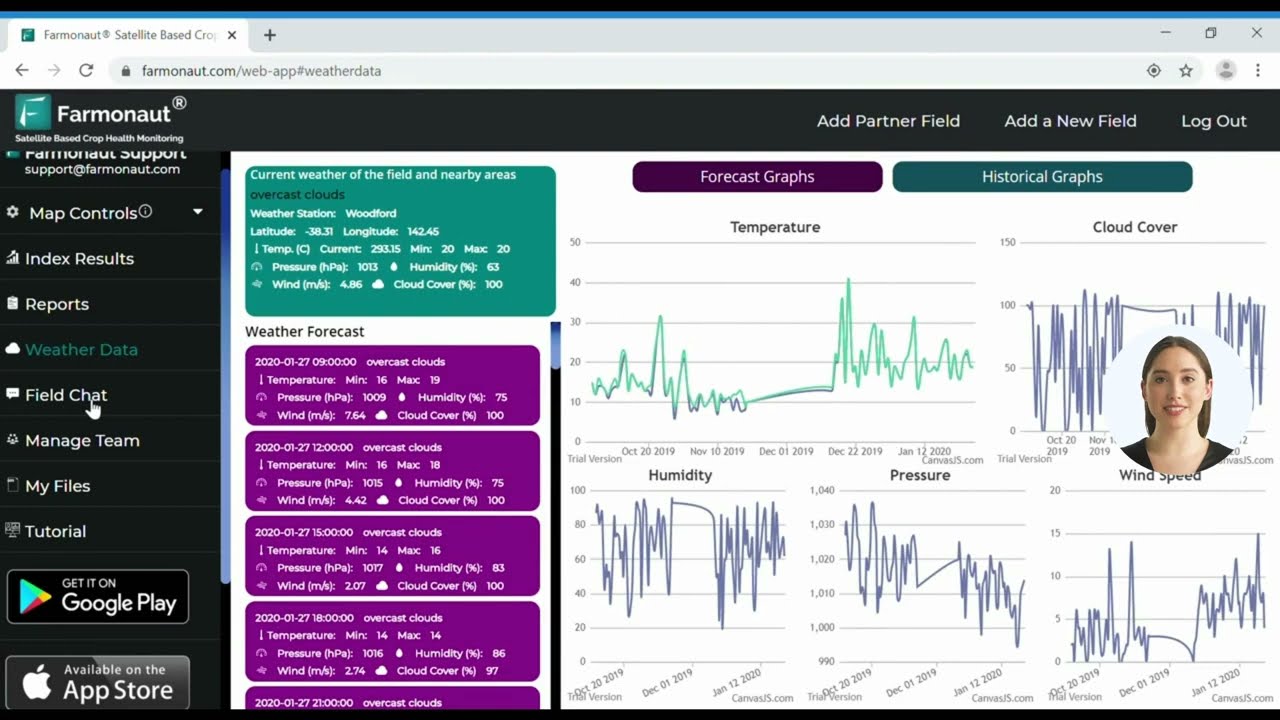
Explore more about our platform and its future-ready capabilities by downloading our web app or visiting our website.
FAQs: Antimony Mining Alaska Fairbanks, Copper Mining in Alaska, and Industry Outlook 2025
Why is antimony mining important for Fairbanks, Alaska in 2025?
Antimony mining in the Fairbanks region supports U.S. strategic mineral security, fulfilling critical roles in flame retardants, batteries, military, and various industrial applications. The region’s substantial reserves and renewed investment make it indispensable for the future of supply chain resilience.
How does copper mining impact Alaska’s economy in 2025?
Copper mining near Fairbanks and across Alaska is projected to increase total output to over 400,000 metric tons, contributing significantly to state GDP, local employment, and America’s electric and renewable energy sectors.
What companies are leading antimony and copper mining in Alaska?
Major companies include US Antimony Corporation, Hecla Mining Company, Alaska Antimony Resources Inc., Polar Minerals LLC, and TanMin Company—with several global firms influencing price and trade flows.
How are environmental and Indigenous community interests protected?
Through stringent permitting, reclamation practices, community engagement, and emission controls, Alaska’s mining companies integrate social and environmental safeguards from planning to production.
How does technology enhance Alaska’s mining sector?
AI analytics, satellite monitoring, automation, and advanced surveying increase efficiency, safety, and transparency, making Alaska’s critical minerals mining a model for responsible resource development.
Conclusion: Alaska’s Antimony and Copper Mining Outlook for 2025 & Beyond
Alaska’s antimony and copper mining sectors are poised at a critical juncture in 2025. With escalated global demand for critical minerals amid technological shifts and geopolitical imperatives, the region represents a strategic stronghold for North American mineral supply. Investments in environmental best practices, advanced technology, infrastructure, and responsible community engagement ensure that Alaska’s mining industry remains both competitive and compliant on the world stage.
For industry players, policymakers, and local communities, the key challenge is balancing economic growth, critical mineral supply security, and environmental responsibility. As satellite and AI-driven oversight becomes standard, Alaska continues to lead as a model for sustainable mining worldwide.
Ready to leverage next-generation monitoring and resource management in mining? Explore Farmonaut’s satellite technology solutions for mining operations in Alaska and globally.


 Comfix & Engineering Limited
 Congo Mining Solutions
 Mining SARL
 SenGold Invest SAS
 Sania Corporation
 Sean Mining Limited
 NTS Group (Pty) Ltd
 Mine4Africa
 Lithspo Minerals Limited
 Tintina Mining Group
 Dalgety Minerals Pty Ltd
 Vortex Minerals Pty Ltd
 Faith At Work (Pty) Ltd
 Geotech Mining Solutions plc
 Vulcan International Limited
 Kidepo Associates
 GKY Mining
 Alkimy SARL
 Double A Trading
 GemSprout Metals Limited
 Qader Group
