

Agricultural Meteorology: Key Insights for 2025
“By 2025, over 60% of sustainable farms will integrate meteorological data for climate-resilient crop management.”
- Summary: Agricultural Meteorology and Sustainability in 2025
- Understanding Agricultural Meteorology in 2025
- Key Meteorological Factors Affecting Agriculture
- Comparison Table of Key Meteorological Factors and Their Impact (2025)
- The Role of Agricultural Meteorology in Crop Management
- Building Climate Resilience: Meteorological Insights for 2025
- Integration of Meteorology with Digital Agriculture and Forecasting Technologies
- Water Resource Management and Soil Conservation
- Policy, Extension Services, and Farmer Empowerment
- Satellite-Driven Agricultural Meteorology: Farmonaut’s Contribution
- Essential Tools & Services for Sustainable Farming
- FAQs on Agricultural Meteorology for 2025
- Conclusion: Agricultural Meteorology as a Pillar for the Future
- Farmonaut Subscription Plans
Summary: Agricultural Meteorology and Sustainability in 2025
Agricultural meteorology stands as a critical pillar supporting global sustainable farming in 2025 and beyond. As climate variability intensifies and weather events become more unpredictable, integrating meteorological science into agricultural decision-making is no longer optional—it’s imperative. The insights drawn from agricultural meteorology enable farmers and agricultural managers to optimize yields, adjust operations, conserve resources, and protect food security and livelihoods amidst rapidly changing environments. Powered by advancements in remote sensing, forecasting technology, and data analytics, the field continues to revolutionize crop management and climate resilience for the modern era.
Farmount is at the forefront of this transition, making high-quality satellite-based meteorological data and actionable insights accessible, affordable, and easy to implement for agriculture around the globe.
“Weather-driven decisions can reduce agricultural losses by up to 30%, boosting global food security and sustainability in 2025.”
Understanding Agricultural Meteorology in 2025
Agricultural meteorology is the branch of science dedicated to studying how weather and climatic variables such as temperature, rainfall, humidity, solar radiation, and wind patterns influence and interact with agricultural systems. This discipline encompasses the complex interaction between atmospheric conditions and agriculture, directly impacting crop health, soil moisture dynamics, pest populations, and overall farm productivity.
With the advent of advanced meteorological technologies, including high-resolution forecasting models and remote sensing from satellites and drones, agricultural meteorology in 2025 empowers both smallholder and commercial farmers with predictive and real-time data. The field’s modern advancements provide essential analytics and interpretation, enabling efficient decision-making and improving both short-term operations—such as identifying ideal planting dates—and long-term sustainability planning.
Why Agricultural Meteorology is a Cornerstone of Modern Agriculture
- Reducing Risk: By integrating accurate forecasts and real-time weather data, agricultural meteorology mitigates crop loss due to extreme events like droughts and floods.
- Resource Optimization: Enables efficient water and input use by tailoring irrigation, fertilization, and pesticide application to forecasted weather conditions, minimizing waste and environmental impact.
- Environmental Conservation: Weather-driven decisions help to reduce soil degradation, prevent erosion, and support conservation practices.
- Climate-Smart Agriculture: Meteorology underpins the shift to climate-resilient farming systems, key to sustaining food production as climate change accelerates.
Key Meteorological Factors Affecting Agriculture in 2025
Agricultural meteorology relies on the monitoring and interpretation of several vital meteorological factors that directly affect crop growth and soil health. In 2025, with the growing reliance on precision technologies, understanding these parameters is more important than ever for sustainable farm management.
Core Meteorological Variables
- Temperature: Dictates plant growth cycles, influences pest and disease dynamics, and affects evaporation rates.
- Rainfall: Drives soil moisture availability and irrigation planning. Variability impacts sowing times, fertilizer efficiency, and crop yield stability.
- Humidity: Affects disease pressure and water loss through transpiration. High humidity may require changes in pest and disease control practices.
- Solar Radiation: Governs photosynthetic rates, impacting biomass accumulation and yield potential.
- Wind Patterns: Influence evapotranspiration, pollination efficiency, and risk of physical damage from storms.
Beyond the basics, modern agricultural meteorology also considers factors such as soil temperature, dew point, atmospheric pressure, and forecasts for extreme events—including droughts and floods—that require smart adaptation strategies.

Comparison Table of Key Meteorological Factors and Their Impact on Sustainable Farming Practices (2025 Estimates)
| Meteorological Factor | Estimated 2025 Range/Value | Impact on Crop Management | Suggested Sustainable Practice |
|---|---|---|---|
| Rainfall | 400–800mm (Main cropping regions average) | Informs irrigation needs, influences timing of sowing and harvesting, affects risk of waterlogging or drought stress | Implement rainwater harvesting & use forecast-based irrigation scheduling |
| Temperature | 18–35°C (optimal for major crops) | Affects crop growth, heat stress, and pest outbreaks; guides variety selection & input application timing | Adopt heat/drought-tolerant varieties & shift sowing dates according to trends |
| Humidity | 40–85% (monthly variation) | Impacts disease/pest pressure and crop transpiration rates | Adjust fungicide/insecticide timing; monitor microclimate |
| Solar Radiation | 4–8 kWh/m²/day (regional average) | Regulates photosynthetic activity; determines yield potential | Use optimized plant spacing; select crops adapted for available sunlight |
| Wind Speed | 5–20 km/h (rural average) | Affects evaporation, pollination, and risk of crop lodging | Install windbreaks; consider wind-resistant crop varieties |
The Role of Agricultural Meteorology in Crop Management
In 2025, crop management is intertwined with agricultural meteorology more deeply than ever before. Precision farming practices rely heavily on weather data, forecasts, and analytics to inform planting, fertilization, irrigation scheduling, and pest control. These timely, tailored meteorological insights optimize input use, drive efficiency, conserve resources, and maximize yields—all while minimizing negative environmental impacts.
How Meteorological Insights Optimize Crop Management
- Planting & Sowing Decisions: Forecasts are used to determine the best dates for planting to avoid extreme events like unseasonal rain or frost and to ensure optimal germination conditions.
- Irrigation Scheduling: Prediction of rainfall and real-time soil moisture monitoring help prevent over-irrigation or drought stress, preserving water as a precious resource.
- Pest and Disease Management: Temperature, humidity, and wind patterns guide the timing and necessity of pesticide or fungicide applications, reducing chemical use and minimizing resistance.
- Fertilizer Application: Weather forecasts inform when to apply nutrients to maximize root uptake and prevent runoff that causes waste and pollution.
- Harvest Planning: Monitoring weather trends helps farmers choose the ideal harvest window, minimizing post-harvest losses due to rain or excessive heat.
As the threats of droughts, floods, and climate variability increase, every weather-driven decision can mean the difference between profit and loss, sustenance and scarcity. Modern agricultural meteorology is the farmer’s shield against growing uncertainties.
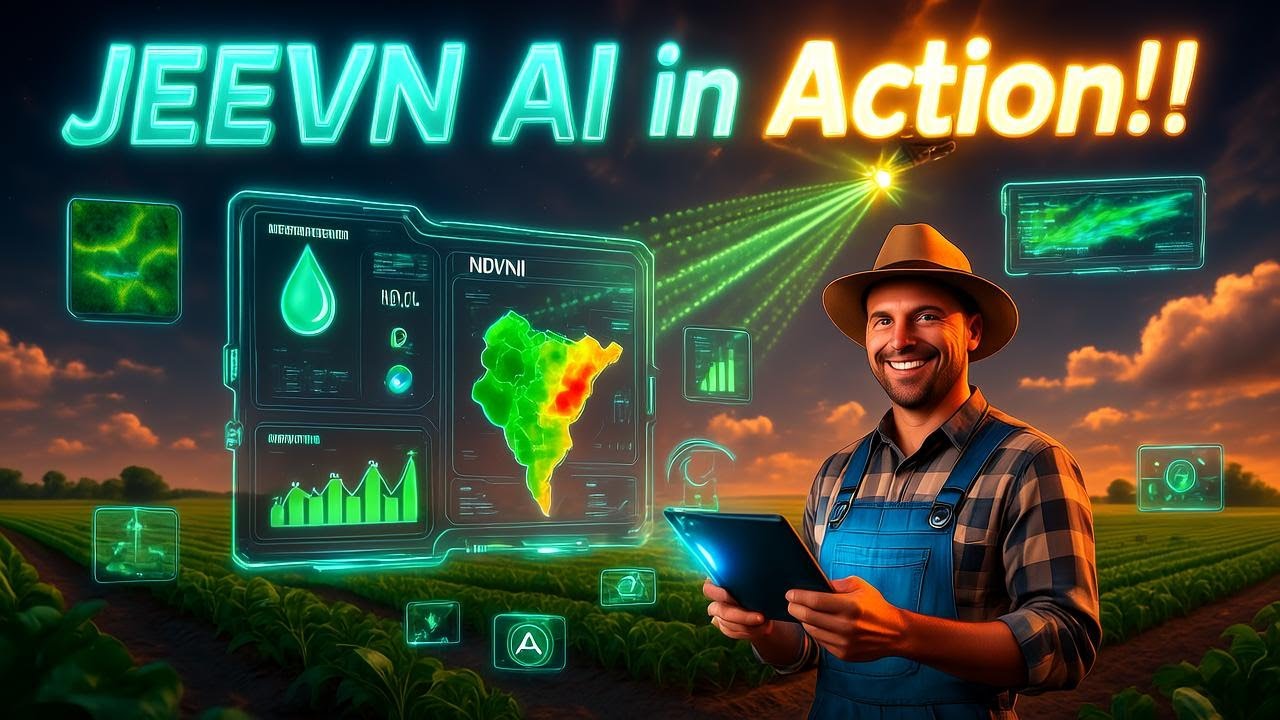

Benefits of Weather-Integrated Crop Management
- Minimized Crop Losses: Early warning systems for weather risks help safeguard against unforeseen damage.
- Improved Input Efficiency: Optimal use of water, fertilizers, and pesticides is ensured, reducing environmental waste and cost.
- Enhanced Sustainability: Informed farming practices reduce emissions and conserve natural resources.
- Stabilized Yields: Consistent production even under variable weather conditions, supporting farm income and community food security.
Building Climate Resilience: Meteorological Insights for 2025
Global agriculture faces enormous stress from climate change in the form of intense droughts, recurring floods, rising temperatures, and erratic rainfall. Agricultural meteorology plays an essential role in developing and deploying resilience strategies that both protect yields and sustain livelihoods for years to come.
How Meteorological Data Builds Farm Resilience
- Early Warning Systems: Robust forecasting and real-time data flag potential extreme events, allowing farmers to take timely actions—such as activating crop insurance, emergency irrigation, or moving livestock to safer areas.
- Adaptive Cropping Systems: Understanding climate trends supports diversification (e.g., rotating crops or integrating agroforestry), spreading risk and buffering farms against climatic shocks.
- Soil & Water Conservation: Weather-based soil monitoring and minimal tillage methods minimize erosion and enhance water retention, which is crucial amid increasing drought risk.
- Smart Input Management: Forecast integration optimizes timing and quantity for fertilizer and irrigation, reducing resource waste during stress periods.
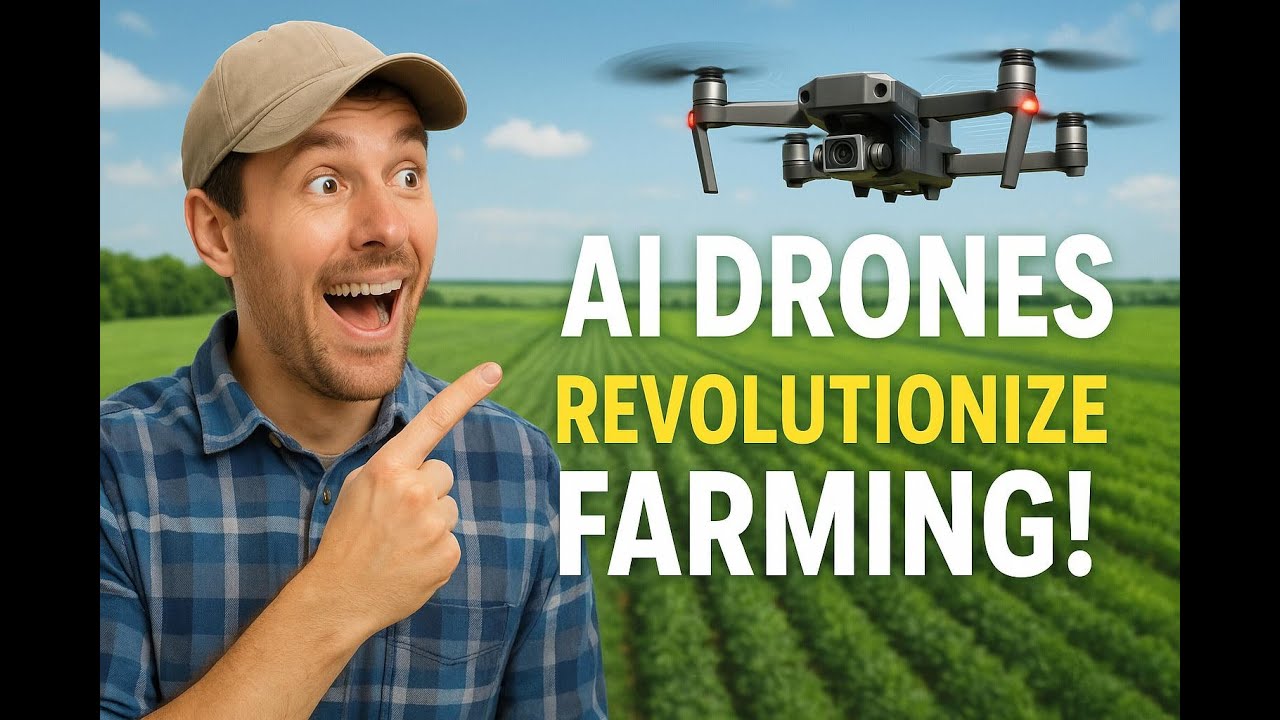
Integration of Meteorology with Digital Agriculture and Forecasting Technologies
The digital transformation of agriculture has accelerated the integration of meteorological data with farm management platforms in 2025. Mobile apps, IoT devices, and satellite-driven analytics deliver user-friendly, highly localized weather forecasts and pest/disease alerts to farmers, creating new opportunities for precision agriculture.
One such disruption is seen in the value provided by Farmonaut’s satellite-based solutions, which offer high-resolution environmental monitoring, AI-driven advisory through systems like Jeevn AI, and robust APIs for seamless corporate integration.
- Localized Weather Intelligence: Farmers access live weather updates, microclimate conditions, and actionable advisory services directly on smartphones, enabling field-level precision.
- Predictive Analytics with AI & Machine Learning: Modern meteorology solutions process vast datasets, learning to identify patterns and forecast crop risks, disease outbreaks, and yield potential.
- Remote Sensing via Satellite & Drones: Satellite imagery and drone data enrich field observations, supporting everything from soil health checks to moisture monitoring and resource conservation.
- API Integration: Farmonaut’s satellite weather API and Developer Docs allow enterprise users to embed localized meteorological analytics into their systems for scalable decision-making.


By leveraging these technological integrations, farmers and agricultural managers can optimize planning, resource allocation, pest management, and conservation activities, driving unprecedented efficiency and resilience for farms in all environments.
Water Resource Management and Soil Conservation in 2025
Water scarcity and soil degradation are two of the biggest challenges facing agriculture worldwide as the climate continues to change. Agricultural meteorology has become indispensable for efficient irrigation scheduling, moisture conservation, and soil health management.
How Meteorological Data Enables Sustainable Water and Soil Management
- Evapotranspiration Estimates: Using meteorological parameters (temperature, humidity, wind, solar radiation), modern systems precisely estimate field-level water requirements for crops, preventing both over- and under-irrigation.
- Soil Moisture Monitoring: Remote sensors and satellite analytics provide real-time tracking of soil moisture levels, alerting farmers to critical drought or waterlogging risk.
- Water Use Optimization: Weather-driven irrigation minimizes losses, reduces pressure on local water sources, and ensures efficient use of this precious resource.
- Conservation Agriculture: Practices like cover cropping, minimal tillage, and organic mulching are planned around weather patterns to minimize erosion and maintain soil fertility.
By combining meteorological data with field-specific insights, sustainable farms can adapt to changing environmental conditions, safeguarding soil health and water quality for the next generations.
Policy, Extension Services, and Farmer Empowerment
The success of agricultural meteorology in 2025 depends not only on technological innovation but also on effective dissemination, policy alignment, and extension services. National agricultural policies now prioritize weather data integration for disaster risk reduction and sustainable development, making meteorological insights central to rural advisories and public sector support.
- Extension Services: These critical intermediaries translate complex weather forecasts and analytics into practical, localized recommendations for farmers, including risk alerts and tailored conservation strategies.
- Knowledge Platforms: Farmonaut’s Agro-Admin app provides enterprise-scale monitoring and management for organizations overseeing large agricultural tracts, empowering smarter operations and extension.
- Risk Mitigation Tools: Crop loan and insurance services are increasingly tied to satellite-based verification and weather analytics, streamlining claims, and improving farmer access to crucial safety nets.
- Traceability for Transparency: Blockchain-based traceability solutions help ensure resource and supply chain authenticity, which is essential for food safety and sustainability claims.
Satellite-Driven Agricultural Meteorology: Farmonaut’s Contribution
At Farmonaut, we strive to drive the coming era of agricultural meteorology by making advanced satellite-powered insights and data-driven recommendations practical and affordable for users worldwide. Our suite of technologies and services, accessible via Android, iOS, web apps, and API, brings the power of precision monitoring and forecasting directly to farmers, enterprises, and decision makers.
- Satellite-Based Monitoring: We provide real-time analytics on crop health, soil condition, and resource management through multispectral satellite imagery.
- AI-Driven Advisory (Jeevn AI): Our proprietary system delivers localized weather forecasts, tailored crop strategies, and actionable alerts, improving crop productivity and resource efficiency.
- Environmental Impact Assessment: Our carbon footprinting solution helps users monitor and manage emissions, aligning with sustainability and regulatory targets in 2025 and beyond.
- Fleet and Resource Management: With fleet tracking tools, large operators can optimize farm logistics, minimize resource use, and cut operational costs using real-time satellite insights.
- Blockchain-Based Traceability: Trusted supply chain solutions empower food safety, resource transparency, and authenticity claims—critical for growing global markets and regulatory compliance.

Our mission is rooted in democratizing meteorological science for everyone in the agri-food ecosystem—empowering informed, sustainable farm management, promoting resilience, and supporting food security across continents.



Essential Tools & Services for Sustainable Farming
Farmonaut Digital Products for Resilient Agriculture
-
Large-Scale Farm Management (Agro-Admin App):
Monitor, analyze, and manage expansive agricultural operations using our scalable platform. Ideal for agri-enterprises and co-ops needing centralized weather, crop health, and resource analytics for a whole region or network of farms. -
Carbon Footprinting:
Understand and control on-farm and supply chain greenhouse gas output with detailed, real-time monitoring tools—essential for sustainability certifications and environmental compliance in 2025. -
Traceability:
Bring transparency, trust, and safety to your agricultural products with our blockchain-integrated traceability platform, tracking every stage from field to fork. -
Crop Loan & Insurance Verification:
Speed up farmer access to vital finance and insurance with satellite-verified, weather-adjusted risk analysis and reporting on every application. -
Fleet Management:
Optimize the use of agricultural machinery, vehicles, and equipment with satellite-aided tracking and analytics—reducing costs, emissions, and downtime. -
Crop Plantation & Forest Advisory:
Leverage tailored advice for agronomy, forestry, and conservation projects with direct, predictive meteorological data feeding your long-term planning.
Frequently Asked Questions (FAQ)
What is agricultural meteorology and why is it important in 2025?
Agricultural meteorology is the science studying how weather and climate variables (temperature, rainfall, humidity, etc.) affect agriculture. In 2025, it’s essential for sustainable farming, enabling prediction, efficient resource use, and resilience against climate variability.
How do meteorological forecasts benefit modern farmers?
Forecasts guide key farm management decisions, help optimize irrigation, crop protection, and planting dates, and reduce risk from extreme events like floods or droughts. They directly increase yields and reduce waste.
How is satellite technology used in agricultural meteorology?
Satellites provide real-time and historical observation of crop, soil, and environmental variables. Companies like Farmonaut offer tools for monitoring moisture, health, and growth at scale, driving data-driven farm decisions.
What role do APIs play in scaling agricultural meteorology?
APIs enable integration of localized meteorological analytics with third-party apps, management platforms, and decision support tools—expanding access and functionality for enterprises and agtech developers.
What are examples of sustainable practices promoted by agricultural meteorology?
- Forecast-based irrigation scheduling
- Weather-adapted pest and disease management
- Conservation tillage and cover cropping to prevent soil erosion
- Rainfall prediction-driven nutrient management
Conclusion: Agricultural Meteorology as a Pillar for the Future
To thrive amidst climatic uncertainties in 2025 and the years ahead, embracing agricultural meteorology is not merely a choice but a necessity. This science remains a cornerstone for sustainable agriculture: ensuring food security, optimizing resource use, and empowering farmers globally to adapt and prosper no matter how rapidly the environment changes.
Continuous investment in meteorological infrastructure, knowledge dissemination, and cutting-edge digital tools will ensure that farms of all sizes are equipped to make data-driven, climate-smart decisions. The integration of remote sensing, AI-based forecasting, and mobile-friendly services—as exemplified by Farmonaut’s platforms—will define the evolution of sustainable agriculture and resilience for the coming decades.
Farmonaut Subscription Plans
Ready to elevate your agricultural meteorology toolkit for 2025? Start using real-time insights and precision weather analytics to enhance your farm’s sustainability and resilience today.
© 2025 Farmonaut. All rights reserved. | Agricultural Meteorology Insights for a Sustainable Future.
Discussion
Questions, corrections or field experience? Share them below. First-time comments are reviewed before they appear, and your email is never published.
No comments yet. Be the first to add a question or your experience.

 Save Your Soils
 YelloSkye
 GalaxEye Space
 Grandstream Algérie
 XOS Realty
 Geospatial Lab Africa
 Agro La Gándara
 HIPSAC
 ZOL Zimbabwe
 Juligerm
 AdBio
AdBio MISE Maroc
 NWNS
NWNS Red August Group
 Farm Inc
 WeMe Global
 Agrotoken
 Blue BearX
 Insignito
 Licence holder · Niger · Gold
 Licence holder · Nigeria · Gold + lithium










