

Nickel · Company ranking
Nickel Companies Canada: 8 Producers and Projects Ranked
Vale is Canada’s largest nickel producer (80.4 kt in 2025); Glencore’s Raglan mine reported 39.9 kt. Magna, FPX, Canada Nickel, Wyloo and Sherritt complete the list.
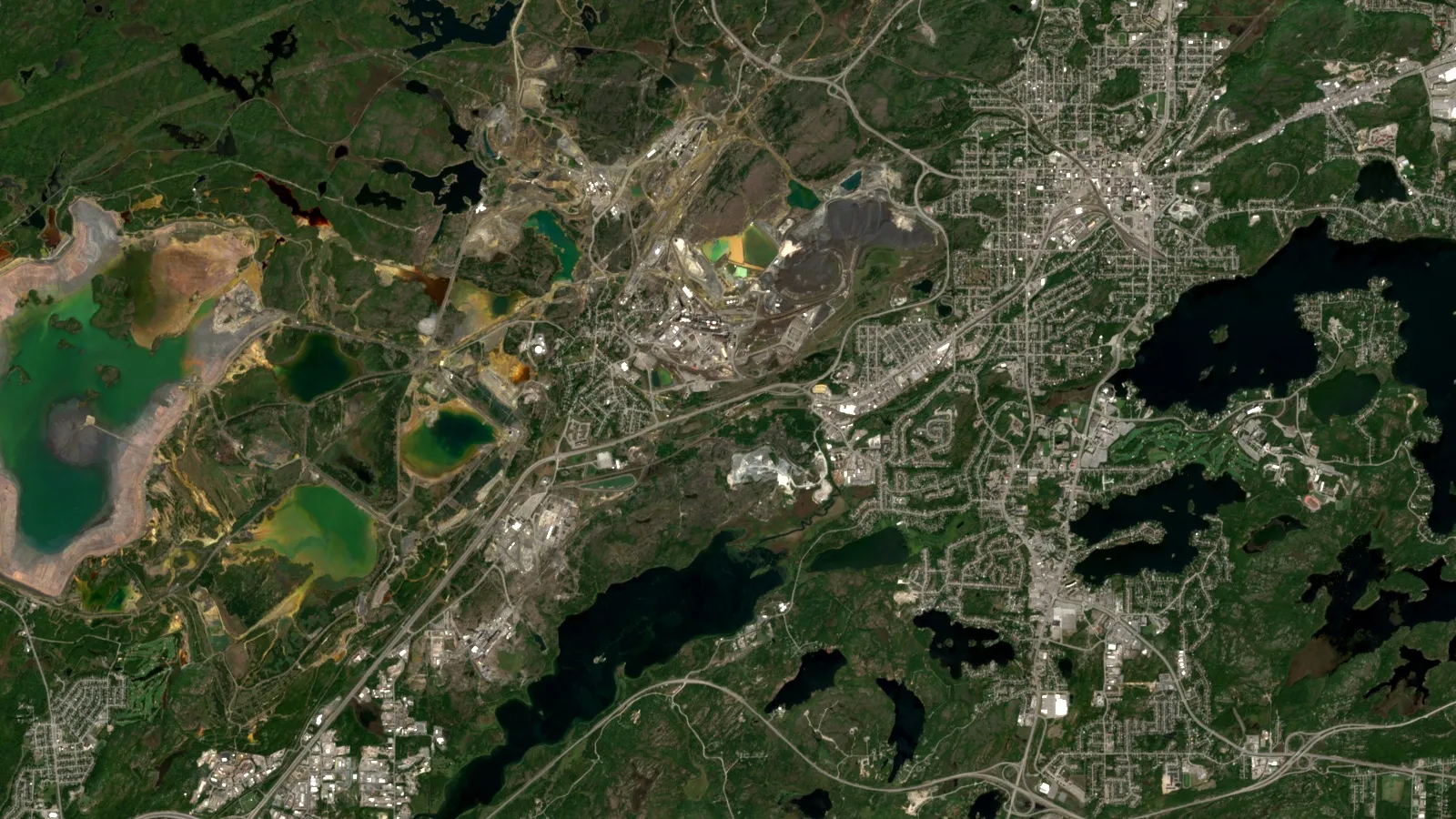
Key takeaways
- Vale’s Canadian sites produced 80.4 thousand tonnes of finished nickel in 2025, up 22.4% on 2024, led by Voisey’s Bay (Vale 6-K, January 2026).
- Glencore’s Raglan mine reported 39,900 tonnes of nickel in concentrate in 2025; Glencore does not report its Sudbury mines separately.
- Canada Nickel’s Crawford project received its federal Decision Statement on 31 July 2026; a construction decision is expected in 2027 (CIM Magazine).
- Canadian mines produced 125,364 tonnes of nickel in 2024: Ontario 40%, Quebec 37%, Newfoundland and Labrador 14%, Manitoba 9% (NRCan).
- Nickel traded near US$15,250 a tonne on 15 October 2026, its lowest since December 2025 (Trading Economics).
In this article
- Nickel companies in Canada, ranked
- How we chose and ranked these companies
- Vale Canada: the largest nickel producer
- Glencore: Sudbury and Raglan
- Smaller producers: Magna Mining and Nunavik Nickel
- What stage is Canada Nickel at
- Other nickel developers: FPX Nickel and Wyloo
- Sherritt: a Canadian refiner that mines in Cuba
- Where nickel is mined in Canada
- Nickel price and what it means for these miners
- How to check a Canadian nickel company yourself
- Frequently asked questions
Canada’s biggest nickel miner is Vale, which produced 80.4 thousand tonnes of finished nickel from its Canadian sites in 2025 (Vale production report, January 2026). Glencore comes second: its Raglan mine in Quebec alone reported 39,900 tonnes of nickel in concentrate in 2025, and its Sudbury operations add more (Glencore Raglan). Everyone else is either small, a refiner, or still a project. Below are eight names ranked by stage and then by the nickel figure each has published, with the latest figures, what each one is waiting for, and a calculator to test the economics at your own nickel price.
Nickel companies in Canada, ranked
The list runs from producing mines to projects that have not been built. Rank 1 to 4 already sell nickel or are restarting a mine. Rank 5 to 7 are developers. Rank 8 is a refiner that mines outside Canada. All figures are company or government statements with the date shown.
| Rank | Company | Main Canadian assets | Stage | Latest published figure |
|---|---|---|---|---|
| 1 | Vale (Vale Base Metals) | Sudbury and Thompson mines, Voisey’s Bay, Long Harbour refinery | Producing | 80.4 kt finished nickel from Canada in 2025 |
| 2 | Glencore | Sudbury Integrated Nickel Operations, Raglan mine in Nunavik | Producing | Raglan: 39,900 t nickel in concentrate in 2025 (Sudbury not reported separately) |
| 3 | Magna Mining (TSX: NICU) | McCreedy West, Levack, Crean Hill, Sudbury | One mine producing, Levack restart approved | Levack plan averages 10.9 million lb of nickel a year |
| 4 | Nunavik Nickel (Canadian Royalties, owned by Jilin Jien) | Expo and other deposits, Nunavik, Quebec | Producing since 2013 | Mine plan revised in October 2024 filing |
| 5 | FPX Nickel (TSXV: FPX) | Baptiste, central British Columbia | Environmental assessment started | 59,100 t a year average in the 2023 study |
| 6 | Canada Nickel (TSXV: CNC) | Crawford, near Timmins, Ontario | Federal approval, financing open | 48 kt a year at peak, 41-year life |
| 7 | Wyloo (Eagle’s Nest) | Ring of Fire, northern Ontario | Feasibility study | About 3,000 t of ore a day, 12 to 15 years |
| 8 | Sherritt (TSX: S) | Fort Saskatchewan refinery; 50% of the Moa joint venture in Cuba | Refiner | 25,240 t finished nickel at Moa in 2025 (100% basis) |
Not investment advice. This table lists facts, not forecasts.
How we chose and ranked these companies
We included every company that either reports nickel output from Canadian mines or holds a Canadian nickel project that has a published economic study and a 2026 regulatory or financing step. One basis applies throughout: companies are ranked by stage (producing or restarting, then developing, then refiner), and within each stage by the largest nickel figure the company has published. Companies with no published figure come last in their stage. Sherritt is last because its Canadian site refines nickel that is mined in Cuba. The figures are not directly comparable: Vale reports finished nickel from its own ore, Glencore’s Raglan figure is nickel in concentrate, and Magna’s, FPX’s and Canada Nickel’s are study averages or peaks, not results.
A few terms help here. Grade is the share of metal in the rock. A concentrate is rock that has been crushed and processed to lift the metal content before smelting. A smelter melts concentrate into matte, an intermediate product, and a refinery turns it into pure metal. A preliminary economic assessment (PEA) is the earliest study type and can include inferred resources. A pre-feasibility study (PFS) and a feasibility study (FS) are more detailed and cost more to produce. NI 43-101 is the Canadian rule for how companies disclose mineral projects.
Vale Canada: the largest nickel producer
Vale’s Canadian nickel comes from three areas. Sudbury, Ontario, is the largest and also has the smelter and refinery chain. Thompson is in Manitoba. Voisey’s Bay is in Labrador, and its concentrate goes to the Long Harbour refinery in Newfoundland. Natural Resources Canada lists three nickel refineries in the country: Fort Saskatchewan, Sudbury and Long Harbour (NRCan, nickel facts).
Chart
Vale’s Canadian nickel output by site
Own-sourced finished nickel, thousand tonnes
In 2025 Vale’s own-sourced finished nickel from Canada rose 22.4% to 80.4 thousand tonnes. Voisey’s Bay drove the gain, up from 19.2 to 33.2 thousand tonnes as its two underground mines ramped up. Sudbury fell slightly to 35.2 thousand tonnes, and Thompson rose to 12.0 thousand tonnes (Vale 6-K, 27 January 2026). The fourth quarter was weaker: Canadian output was 17.0 thousand tonnes against 20.0 a year earlier, and Vale pointed to unscheduled maintenance at a Sudbury reactor.
Vale’s company-wide nickel output, which includes Brazil, was 177 thousand tonnes in 2025, its highest since 2022, and its 2026 guidance is 175 to 200 thousand tonnes (Vale, 4Q25 and 2025 results). Vale Base Metals, the unit that holds these assets, sold a 10% stake to Manara Minerals (Mining Technology). For the Sudbury land footprint, see our note on how a Sudbury nickel mine shapes land use.
Glencore: Sudbury and Raglan
Glencore runs the Integrated Nickel Operations (INO) in the Sudbury basin, which include mines and a smelter, and the Raglan mine in Nunavik, northern Quebec. Raglan reported 39,900 tonnes of nickel, 9,988 tonnes of copper and 822 tonnes of cobalt in 2025 from three underground mines, and calls itself Quebec’s largest nickel producer (Glencore Raglan). Its concentrate travels 100 km by truck to Deception Bay, then by icebreaker to the Port of Quebec, then by rail about 950 km to the Sudbury smelter.
Glencore reports nickel for the whole group, not for Canada alone: own-sourced nickel was 71.9 thousand tonnes in 2025, 7% lower than in 2024 after adjusting for the Koniambo mine, which moved to care and maintenance. Glencore blames lower output at both Sudbury INO and Murrin Murrin in Australia, and gives no separate INO tonnage in the report text. Its nickel guidance for 2026 is 70 to 80 thousand tonnes for the whole group, which also includes Murrin Murrin (Glencore full-year 2025 production report). Glencore says nickel-copper ores have been mined at Sudbury INO since 1928 (Glencore, nickel).
Smaller producers: Magna Mining and Nunavik Nickel
Magna Mining (TSX: NICU) is a Sudbury company that runs McCreedy West, a copper-nickel-precious-metals mine, and in early October 2026 it released a PEA for the Levack mine and approved a restart. The PEA averages 10.9 million pounds of payable nickel a year (about 4,900 tonnes) with copper and platinum-group metals alongside, which makes Magna a small nickel supplier next to Vale or Glencore (Magna PEA release, 8 October 2026). Our full review is in the Magna Mining company guide.
Nunavik Nickel is run by Canadian Royalties Inc., which was bought by a subsidiary of China’s Jilin Jien Nickel Industry (The Globe and Mail). The project has operated since 2013, and an October 2024 filing to Quebec’s environmental registry shows a revised mine plan with Méquillon underground mining planned from 2027 (Quebec environmental registry, file 3215-14-007). The company is private, so it does not publish yearly output the way the listed miners do.
What stage is Canada Nickel at
Canada Nickel (TSXV: CNC) is developing Crawford, which would be the first sizeable new nickel mine in Canada in many years, according to The Globe and Mail. The project sits 42 km north of Timmins, Ontario, and would be an open-pit mine with a mill. It got the federal Decision Statement on 31 July 2026 (BNN Bloomberg). Earlier, on 12 May 2026, the Impact Assessment Agency published its draft report, the step before the decision; Canada Nickel’s own release says Crawford was the first mining project to reach that stage under the 2019 Impact Assessment Act (Canada Nickel release).
Approval is not a go-ahead to build. The company still needs remaining provincial and federal permits, detailed engineering and a financing package of about US$2.5 billion. A construction decision is expected in 2027, with production in 2029 (CIM Magazine, 4 August 2026). Financing letters so far include a non-binding letter of interest from Export Development Canada for up to US$500 million. As of 30 April 2026 the company reported a working-capital deficit of about C$37.2 million and a US$32 million bridge loan whose repayment was extended to 9 November (The Deep Dive).
The company’s own project page lists a 41-year life, average peak output of 48 thousand tonnes of nickel a year over the first 27 years, an after-tax NPV of US$2.8 billion, an after-tax IRR of 17.6% and initial capital held at US$2.0 billion (Canada Nickel, Crawford). NPV is the value today of future cash flows at a chosen discount rate. IRR is the yearly return implied by the plan. Both depend on the nickel price used, so treat them as the company’s study results, not forecasts. Crawford is a sulphide deposit hosted in ultramafic rock, where part of the nickel is in minerals such as awaruite and heazlewoodite that the company says carry more nickel than pentlandite.
Other nickel developers: FPX Nickel and Wyloo
FPX Nickel (TSXV: FPX) holds the Baptiste project in central British Columbia. Baptiste is an awaruite deposit. Awaruite is a nickel-iron mineral with no sulphur, so FPX says it can be concentrated without smelting. The 2023 PFS describes an open-pit mine producing an average of 59,100 tonnes of nickel a year in concentrate over 29 years, with initial capital of US$2.18 billion and an after-tax NPV at 8% of US$2.01 billion at a nickel price of US$8.75 per pound (FPX Nickel, Baptiste). In April 2026 the BC Environmental Assessment Office and the federal agency confirmed that eight First Nations will take part in the assessment, and FPX plans to submit a detailed project description in mid-2027 (FPX Nickel, 21 April 2026).
Chart
Annual nickel in each study
Thousand tonnes of nickel a year; bases differ (average or peak)
Wyloo, an Australian company, owns the Eagle’s Nest nickel-copper-platinum-group deposit in the Ring of Fire after buying Noront in 2022. The proposal is an underground mine of about 3,000 tonnes of ore a day for 12 to 15 years (Impact Assessment Agency of Canada). On 20 February 2026 the Agency’s president decided the project does not warrant designation for a federal impact assessment. As of September 2026 there was no final investment decision, no construction approval and no operating mine, and Wyloo was running a feasibility study (NetNewsLedger). Access roads led by First Nations decide the timeline.
The chart compares the annual nickel in each company’s study. The bases differ (peak, average, years), so read it as a scale, not a ranking of value.
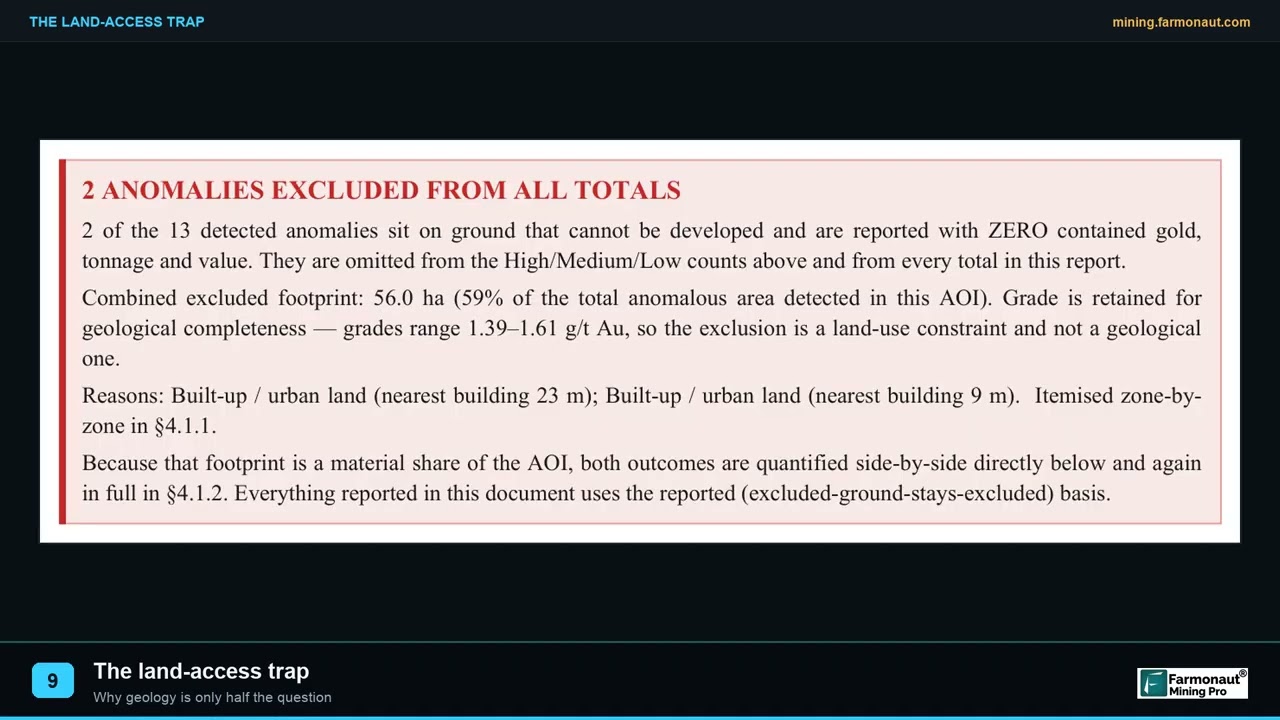
▶ Shows how ground with good grades can still be blocked by land access. · 2:05
Sherritt: a Canadian refiner that mines in Cuba
Sherritt (TSX: S) is often listed as a Canadian nickel company, but its mining is outside Canada. It owns 50% of the Moa joint venture in Cuba and 100% of the Fort Saskatchewan site in Alberta, where nickel and cobalt are refined. In 2025 the Moa joint venture produced 25,240 tonnes of finished nickel and 2,728 tonnes of cobalt on a 100% basis. Sherritt guides to 26,000 to 28,000 tonnes of nickel for 2026 (Sherritt results release).
Where nickel is mined in Canada
Canadian mines produced 125,364 tonnes of nickel in 2024, fourth in the world, about 4% of global output. Ontario produced 40%, Quebec 37%, Newfoundland and Labrador 14% and Manitoba 9%. Exports of nickel and nickel products were worth C$4.5 billion (NRCan, nickel facts). The USGS puts Canadian output at 140,000 tonnes in 2025 (estimate) out of about 3.9 million tonnes worldwide, with reserves of 2.2 million tonnes (USGS Mineral Commodity Summaries 2026). Indonesia mined about 61% of the world’s nickel in 2024, so Canada supplies a small share of a market priced by larger producers.
Chart
Canadian nickel mine output by province
Thousand tonnes of nickel in concentrate, 2024 (preliminary)
The Sudbury basin is why Ontario leads. Nickel-copper ore was found there in 1883 during railway building, and by 1910 the area produced 80% of the world’s nickel (Ontario GeoTours guide). Cobalt often comes out of nickel ores (Raglan reported 822 tonnes in 2025); see our map of cobalt deposits in Canada. Mines change the land around them, and the video below explains seven environmental impacts in plain words.
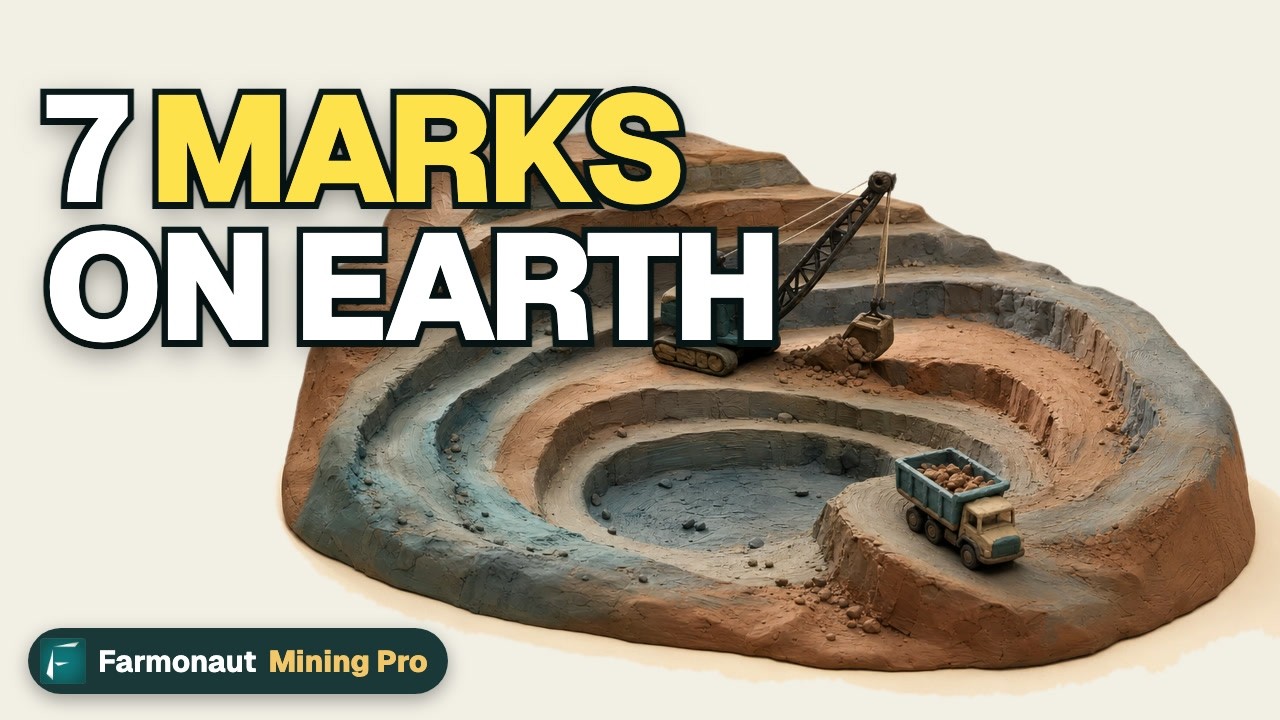
▶ Explains seven environmental impacts of mining in plain words, as a claymation with satellite maps. · 2:31
Nickel price and what it means for these miners
Nickel traded near US$15,250 a tonne on 15 October 2026, its lowest since December 2025, after the International Nickel Study Group moved its 2026 outlook from a 32,000-tonne deficit to a 19,000-tonne surplus (Trading Economics, contract-for-difference quote). Prices move daily, so use the day’s quote in the calculator, not this one. NRCan reports that the 2024 monthly average fell 22% to US$16,814 a tonne, driven by Indonesian supply.
Low prices hit projects differently. Sherritt bought put options on 3,750 tonnes of nickel at US$16,500 a tonne for February to July 2026, to protect part of its output. Magna’s Levack PEA relies on copper and precious metals for over half of revenue, and nickel is 46% of it. Crawford and Baptiste, where nickel is the main product, are far more exposed to the nickel price because their studies use long mine lives. The calculator turns a project’s annual nickel into gross metal value.
Calculator
What is a project’s yearly nickel worth at your price?
Enter a project’s annual nickel and your own price view.
- In Canadian dollars: $707,940,000
- Per tonne of nickel produced: $13,500
Defaults are examples, not forecasts: 38,000 t is Crawford’s life-of-mine average from its 2023 study (The Deep Dive); the price, payable share and exchange rate are your inputs, so use today’s price. Result is gross metal value before costs, royalties and tax, so it is not profit.
How to check a Canadian nickel company yourself
Company releases are marketing documents. A few checks make them safer to read:
- Find the technical report on SEDAR+ and see which study type it is: PEA, PFS or FS.
- Check how much of the plan rests on inferred resources, the least certain class.
- Compare the study’s nickel price with today’s price.
- Read the permit list: a federal decision does not replace provincial permits or First Nations agreements.
- Look at the land: roads, power, water and neighbouring claims decide whether a plan can be built.
Public geoscience helps with step five. The Ontario Geological Survey publishes maps and drill data, which we cover in our guide to Ontario Geological Survey, MINFILE and SIGEOM. Satellite images add an independent view of a site: land cover, water, tailings and access roads change over time and can show whether a site is active. Farmonaut can map a licence area from space and return satellite-derived exploration targets, ahead of any resource estimate; see satellite-based mineral detection or send a mining query. For listed shares, our nickel stock company list and Canadian nickel and copper stocks note cover the market side.
▶ Explains what remote sensing means for mining and why agreement between instruments matters. · 2:01
We cover a connected topic in Antimony Mining in Fairbanks, Alaska: Projects and Firms.
For a closer look at a related question, see our guide: Top Canadian Gold Producers Ranked by Output.
Frequently asked questions
Who is the largest nickel company in Canada?
Vale is the largest by output. Its Canadian sites produced 80.4 thousand tonnes of finished nickel in 2025, about twice the 39,900 tonnes of nickel in concentrate that Glencore’s Raglan mine reported, though Glencore does not report its Sudbury mines separately.
Which Canadian provinces produce nickel?
Ontario, Quebec, Newfoundland and Labrador and Manitoba. In 2024 they supplied 40%, 37%, 14% and 9% of Canada’s 125,364 tonnes (NRCan).
What stage is Canada Nickel at?
Crawford received its federal Decision Statement on 31 July 2026. The company still needs provincial permits, detailed engineering and financing, with a construction decision expected in 2027.
Are there nickel mines near Sudbury?
Yes. Vale and Glencore operate large mines and smelters there, and Magna Mining runs McCreedy West and plans to restart Levack.
Where is nickel mined in Quebec?
In Nunavik, at Glencore’s Raglan mine and at the Nunavik Nickel project run by Canadian Royalties.
Is Sherritt a Canadian nickel miner?
Sherritt is a Canadian company with a refinery in Alberta, but its nickel is mined in Cuba through the Moa joint venture.
What is awaruite nickel?
Awaruite is a nickel-iron mineral with no sulphur. FPX Nickel plans to produce nickel concentrate from it at Baptiste in British Columbia.
Does Canada have enough nickel reserves?
The USGS puts Canadian nickel reserves at 2.2 million tonnes (2025 estimate), small next to Indonesia, which holds the largest share of world reserves at 42% (NRCan, 2024).
How much of Canadian nickel goes to batteries?
NRCan says batteries took 15% of global nickel use in 2024 and stainless steel 64%. It does not give a Canadian split.
Is the Ring of Fire a nickel mine?
Not yet. Wyloo’s Eagle’s Nest is a proposed underground nickel-copper mine, and as of September 2026 there is no construction approval.
Where can I check a company’s reserves?
Use its NI 43-101 technical report on SEDAR+, then compare the nickel price in that report with the current price.
This page is for information only. It is not investment advice. Company figures and metal prices change; confirm them in the company’s filings on SEDAR+.
Farmonaut mining
Map a mining site from space
Consultants can request satellite-derived exploration targets for a licence area, ahead of any resource estimate, to compare with a company's own claims.
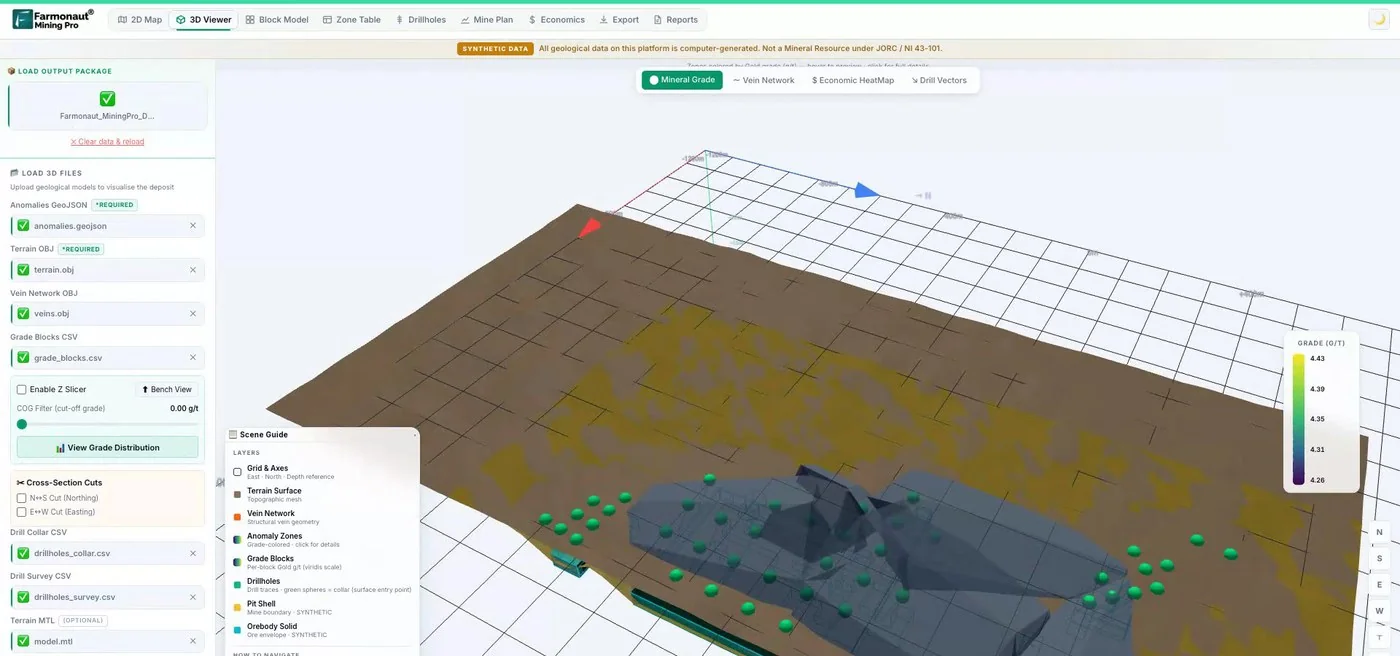
Mining Pro sample view, synthetic data
Keep reading
Sources
- Vale, Production and Sales 4Q25 (Form 6-K, 27 January 2026): sec.gov
- Vale, production and sales in 4Q25 and 2025: vale.com
- Glencore, Full Year 2025 Production Report: glencore.com
- Glencore Raglan, our mining activity: glencore.ca
- Glencore, nickel: glencore.com
- Natural Resources Canada, Nickel facts: natural-resources.canada.ca
- USGS, Mineral Commodity Summaries 2026: nickel: pubs.usgs.gov
- Canada Nickel, Crawford project page: canadanickel.com
- Canada Nickel, draft Impact Assessment report release (12 May 2026): prnewswire.com
- BNN Bloomberg, federal approval of Crawford (31 July 2026): bnnbloomberg.ca
- CIM Magazine, Crawford nickel project clears federal review (4 August 2026): magazine.cim.org
- The Deep Dive, Crawford federal approval shifts the risk to financing: thedeepdive.ca
- The Globe and Mail, Ottawa to approve Crawford: theglobeandmail.com
- FPX Nickel, Baptiste Nickel Project: fpxnickel.com
- FPX Nickel, environmental assessment update (21 April 2026): fpxnickel.com
- Impact Assessment Agency of Canada, Eagle’s Nest Mine Project: iaac-aeic.gc.ca
- NetNewsLedger, Ring of Fire reality check (19 September 2026): netnewsledger.com
- Sherritt, fourth quarter and full year 2025 results: sherritt.com
- Magna Mining, Levack PEA release (8 October 2026): taiwannews.com.tw
- Quebec environmental registry, Nunavik Nickel Project file 3215-14-007: ree.environnement.gouv.qc.ca
- Ontario GeoTours, Sudbury discovery site: files.ontario.ca
- Trading Economics, nickel (15 October 2026): tradingeconomics.com
- Mining Technology, Vale sells 10% of base metals arm to Manara: mining-technology.com
Discussion
Questions, corrections or field experience? Share them below. First-time comments are reviewed before they appear, and your email is never published.
No comments yet. Be the first to add a question or your experience.

 VRV Global Pte Ltd
 Omsri International FZE
 G.I.T.T.
 Jaunita Erss Ltd
 Almosi SARL
 SRK Consulting
 Berks Gold Limited
 Mwerezi Minerals Company Limited
 Mining SARL
 SenGold Invest SAS
 Sean Mining Limited
 NTS Group (Pty) Ltd
 Mine4Africa
 Lithspo Minerals Limited
 Tintina Mining Group
 Licence holder · Nigeria · Gold + lithium










