

Arizona Copper Mining Map & Copper Bearing: 2025 Insights
Summary: Copper Bearing Deposits and the Future of Arizona Copper Mining: An Insight into 2025
Arizona has long been synonymous with copper mining, earning the title of the “Copper State.” As of 2025, the state’s copper-bearing deposits remain vital for industrial applications, and new technologies are propelling the industry toward greater sustainability and efficiency. This comprehensive guide explores Arizona’s copper mining map, the advanced extraction technologies, and sustainable practices shaping copper-bearing deposits and industry trends for 2025 and beyond.
Overview: Arizona, the Copper State – 2025 Perspective
Arizona’s rich history of copper mining is a defining force in both the state and the nation. Earning the title “Copper State,” Arizona remains the top copper-producing state in the U.S., accounting for more than 60% of total national output. In 2025, Arizona’s copper industry stands at the intersection of tradition and advanced innovation, with copper bearing deposits and mining maps guiding new exploration and increasingly sustainable, efficient practices.
Copper remains a critical mineral for various industrial applications. From electrical wiring to renewable energy systems and defense technology, understanding the geology, extraction processes, environmental management, and industry future is crucial for stakeholders in 2025 and beyond.

Copper Bearing Deposits & Geology of Arizona
The geology of Arizona is a treasure chest for copper bearing deposits. Here, mineral wealth is primarily embedded in porphyry copper deposits—large, disseminated systems where copper minerals occur within igneous intrusive rocks.
- Typically, these formations contain:
- Chalcopyrite and bornite (copper sulfides)
- Molybdenum and gold as valuable by-products
- Geological processes shaping these zones:
- Tectonic activity and volcanic events
- Long-term hydrothermal alterations enriching the ore zones
Key characteristics:
- State’s wealth found in porphyry copper systems—among the world’s richest
- Deposits typically contain copper-sulfides, chalcopyrite, bornite, often accompanied by molybdenum and gold
- Mineralogical compositions vary regionally, influencing extraction and recovery methods
- Remote sensing, geochemical surveys, and advanced 3D geologic modeling are vital for identifying and managing these deposits
Arizona’s geological environment, shaped over millions of years, has created vast formations that remain essential for the state’s and world’s copper supply. Detailed mapping of these bearing zones ensures mining activities remain efficient and responsible.

Key Districts and Mining Sites in 2025 – Arizona Copper Mining Map
In 2025, the Arizona copper mining map highlights several key districts that have defined the state’s mining landscape for over a century:
- Morenci District: Largest copper producer in North America; operated by Freeport-McMoRan; features open-pit mining, heap leaching, and advanced water management.
- Bisbee: Historic mining town, formerly among the world’s richest copper bearing deposits; renowned for unique secondary copper minerals.
- Miami District: Famous for early discoveries and ongoing modernizations in extraction technology.
- Ray and Globe-Miami Corridor: Notable for integration with major rail and highway infrastructure, facilitating efficient ore transport and economic impact.
- Other key zones include: Florence, San Manuel, Bagdad, and Safford – all contributing to the state’s production figures and technological advancement.
These longstanding mining sites utilize the latest geochemical, remote sensing, and digital mapping technologies to track mineralization patterns, drive exploration, and optimize sustainable practices.
In total, 27 major copper-bearing deposits are included on Arizona’s mining map in 2025, underscoring the state’s global significance.

Economic Significance, Industrial Applications & The Future of Copper in Arizona
Arizona’s copper mining industry is a cornerstone of the state and national economies. Here’s why copper remains a critical mineral in 2025:
- Leading national production: Arizona accounts for around 60% of total U.S. copper output
- Major contributor to local economic development: providing high-wage jobs, supporting rural communities, and funding infrastructure projects through tax revenues
- Global demand for copper in:
- Electric vehicles (EVs): wiring and motors
- Renewable energy grids: wind, solar, battery storage
- Advanced defense systems: electronics, communications, and weaponry
- Infrastructure expansion: buildings, bridges, transportation systems
- Future prospects remain promising:
- The world continues to shift toward sustainable energy and smart infrastructure, boosting copper’s strategic value
- Advanced mining practices and data-driven systems improve efficiency, safety, and environmental stewardship



Explore real-time satellite-based solutions for mining, environmental impact monitoring, and resource management—available via Farmonaut’s Android, iOS, and Web App!
Mining Maps, Digital Mapping & Advanced Technologies in Arizona Copper Mining 2025
How Mining Maps Unlock Hidden Value in Arizona Copper Bearing Deposits
The copper mining map serves as an invaluable asset for companies and regulators. By collating geochemical, geological, and geophysical data, these maps help pinpoint promising sites, monitor extraction in real time, and assess long-term environmental impacts. As of 2025:
- GIS-based platforms deliver dynamic mapping, integrating real-time data on ore grades, production, and environmental constraints
- Remote sensing and 3D modeling technology improve target identification and risk assessment
- Digital mining maps are essential for strategic planning, investment decisions, and sustainable management
Benefits of modern mapping and digital innovations:
- Enhanced exploration efficiency
- Faster environmental compliance
- Reduction in wasted effort and cost
- Better transparency for government and the public

Integration of Advanced Technologies in Copper Mining
By 2025, Arizona’s leading copper mining sites have adopted sophisticated, advanced technologies to bolster both output and sustainability:
- Automation and AI: Robotics, autonomous trucks, and AI-driven ore sorting for operational efficiency, safety, and increased recovery rates.
- Remote Sensing and Hyperspectral Imaging: Rapid, accurate mapping of mineral zones, detection of previously overlooked copper bearing formations, and environmental monitoring.
- Digital Twin Technology: Full-site digital replicas for process simulation, resource management, and risk analysis.
The embrace of digital mining maps—often powered by satellite systems—provides a competitive advantage, informing sustainable management strategies even as global demand for copper rises.
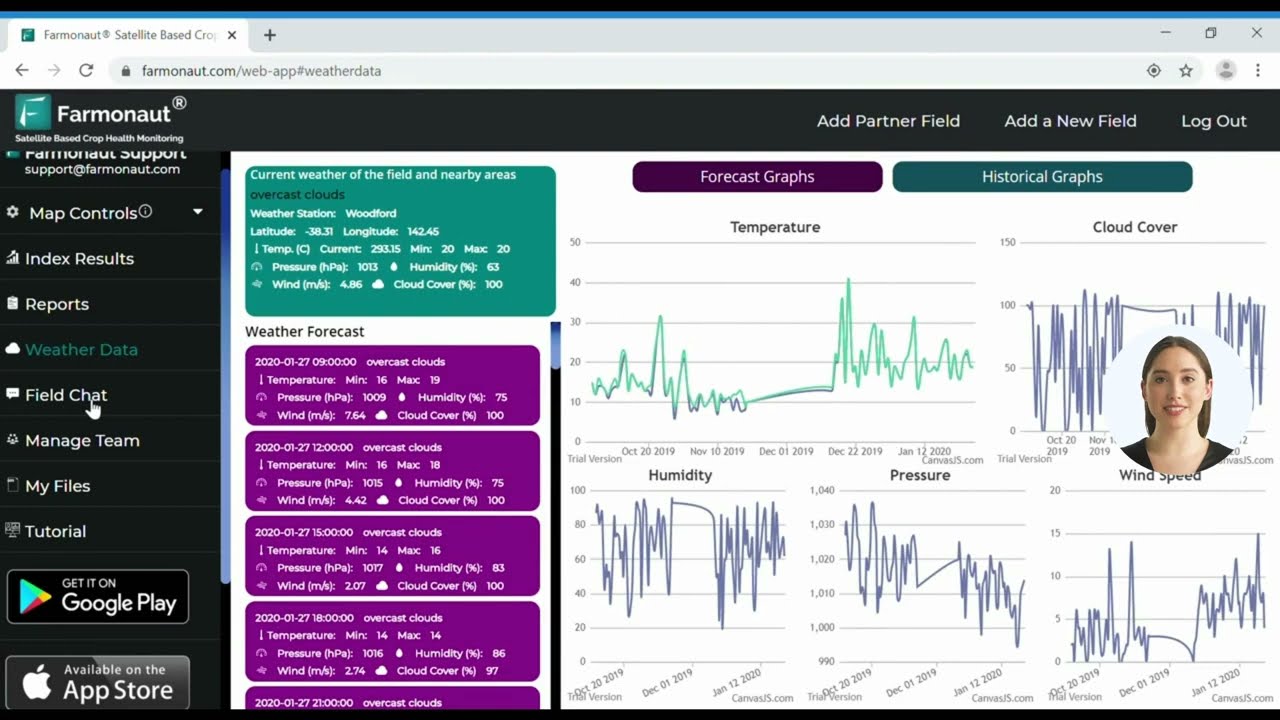
If you’re seeking to harness satellite-based monitoring or integrate advanced data analytics for your resource management, explore Farmonaut’s Fleet Management tools for streamlined operations, enhanced equipment usage, and improved logistical planning.
Environmental Challenges & Sustainability Practices in Arizona Copper Mining
With increasingly strict environmental regulations and public scrutiny, mining companies in Arizona have elevated their sustainability practices and environmental management for 2025:
- Water scarcity and recycling: In Arizona’s arid environment, water management is a top priority, with advanced extraction systems reducing water use per ton of copper up to 30% (compared to 2020 figures).
- Responsible waste disposal: Advanced waste rock management, leaching processes, and tailing reclamation practices minimize environmental impacts.
- Land reclamation and ecosystem restoration: Systematic post-mining landscape restoration aims to return land to productive or natural states.
- Transition toward circular economy: Recycling of copper from end-of-life products and increased focus on resource reuse alleviate pressure on virgin deposits.
- Renewable energy integration: Many Arizona mines are transitioning to solar and wind power for operational energy requirements, reducing carbon footprint.
Committed to sustainability, the industry is leveraging satellite data and environmental impact tracking tools, such as those offered via Farmonaut’s Carbon Footprinting platform.
Monitor carbon emissions, measure site sustainability, and make informed management decisions aligned with state and global best practices.
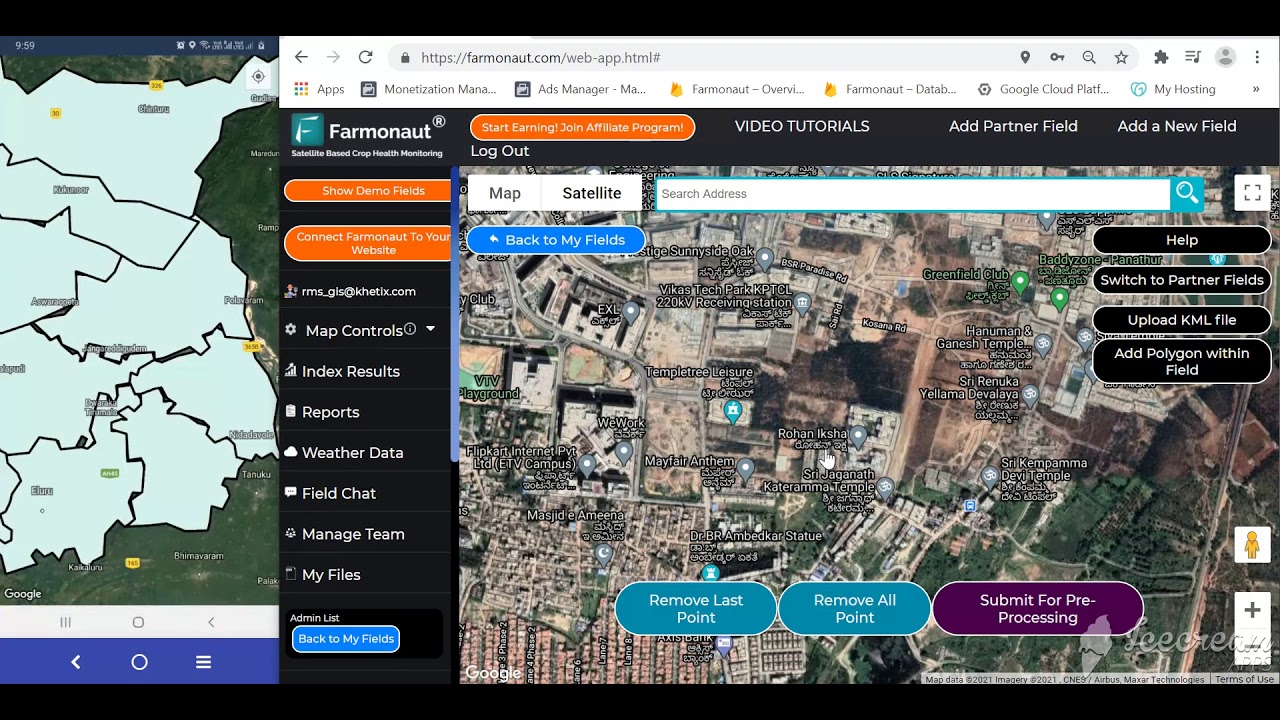
Farmonaut Satellite Technology & Copper Mining Management
As we move further into 2025, satellite technology companies such as Farmonaut increasingly support Arizona’s copper mining sector. Our integrated platform provides:
- Real-time monitoring of mining sites using multispectral satellite imagery
- AI-based advisory systems for resource management and environmental tracking
- Blockchain-based traceability to enhance transparency in copper production supply chains (more details)
- Environmental impact monitoring for regulatory compliance and sustainability
- APIs empowering integration with mining companies’ internal systems for enhanced data-led decision-making. (Check Farmonaut’s API & Developer Docs)
With scalable services, Farmonaut meets the needs of individual miners, global companies, and state agencies, providing affordable, actionable insights for safer, more sustainable, and more productive operations.

Looking for digital tools to optimize your mining, infrastructure, or resource planning? Explore Farmonaut’s large-scale operations dashboard for custom insights, streamlined workflows, and per-site monitoring.
Arizona Copper Mining Sites – 2025 Technology & Sustainability Overview
| Mine/Location | Est. Annual Copper Output (tons) | Main Extraction Technology | Sustainability Features | Distance to Infrastructure (mi) |
|---|---|---|---|---|
| Morenci (Greenlee County) | 900,000+ | Open-pit, Heap Leaching, SX/EW, Digital Monitoring | Water recycling ~35%, Solar, Reclamation, Real-time Tracking | 5 (major rail, hwy) |
| Bagdad (Yavapai County) | 200,000 | Open-pit, Flotation, AI Automation | 30% Water Reuse, Onsite Renewable, Tailings Reclamation | 7 |
| Miami (Gila County) | 65,000 | In-Situ Recovery, Heap Leaching | 25% Water Recycling, Advanced Monitoring | 2 |
| Ray (Pinal County) | 140,000 | Open-pit, Solvent Extraction/Electrowinning | Water Saving Tech, Habitat Restoration | 1 |
| Florence (Pinal County) | 40,000 | In-Situ Leaching, AI Remote Sensing | Groundwater Monitoring, Solar Power | 3 |
| Bisbee (Cochise County) | 15,000 (historic) | Surface/Underground, Heritage Restoration | Land Reclamation, Historic Site Conservation | 2 |
| San Manuel (Pinal County) | Inactive (Remediation) | Historic Underground Mining, Remediation | Comprehensive Ecosystem Restoration | 1 |
Note: Output figures rounded; “Water Recycling %” refers to portion of water reused in processes; “Renewable Energy Use %” is approximate, as implementation varies by site.
Future Trends: Exploration, Demand & Sustainable Growth in Arizona Copper Mining
Exploration Outlook: 2025 and Beyond
The future of copper mining in Arizona rests on the state’s capacity to:
- Expand known deposits through deeper drilling, geochemical profiling, and digital infrastructure
- Discover new copper-bearing zones in underexplored regions with remote sensing, airborne hyperspectral imaging, and AI-driven predictions
- Refine the copper mining map using real-time field and satellite data
As global demand for copper intensifies—driven by electric vehicles, smart grids, and high-speed digital infrastructure—the ability to map, extract, and steward copper resources will become even more crucial for both economic and environmental planning.
To keep pace with global market dynamics, mining operators and stakeholders should leverage platforms for scalable, technology-led management and decision-making. Farmonaut’s end-to-end advisory services and insight tools deliver actionable data streams for compliant, intelligent planning in rapidly evolving sectors.
FAQs – Arizona Copper Mining 2025
What are the major copper bearing deposits in Arizona?
Arizona’s major copper bearing deposits are predominantly of the porphyry copper type. Key mining regions include Morenci, Miami, Bagdad, Bisbee, and Ray, which all feature extensive copper sulfide and oxide zones hosted within igneous intrusive rocks.
How does the Arizona copper mining map help the industry?
The Arizona copper mining map integrates geological, geochemical, and geophysical data to accurately delineate promising copper zones, track mining activities, and inform investment, exploration, and regulatory oversight—especially as digital mapping technologies expand capabilities in 2025.
What is driving demand for copper in 2025?
Global demand is propelled by the expansion of electric vehicles, renewable energy (solar, wind, batteries), infrastructure upgrades, and technology for defense systems. Arizona’s copper remains pivotal for these sectors.
How are advanced technologies transforming Arizona copper mining?
Advanced mining technologies such as automation, remote sensing, digital twin models, and AI advisory systems are enhancing ore recovery, safety, environmental compliance, and efficiency across Arizona’s copper mining sites.
What innovations are adopted for environmental sustainability?
Key innovations include significant water recycling, tailings reclamation, renewable energy integration, precision environmental monitoring, and increased copper recycling—all paired with AI- and satellite-powered management tools.
How does Farmonaut help mining operators in Arizona?
We at Farmonaut offer real-time satellite-based monitoring, AI-driven advisory, blockchain-based production traceability, API integration, and environmental impact analytics—all crucial for modern, sustainable, and compliant mining operations in Arizona and globally.
What is the outlook for copper mining in Arizona beyond 2025?
The outlook remains robust, with new discoveries and technological advancements expected to improve production efficiency, sustainability, and regulatory alignment as the world accelerates toward renewables and electrification.
Where can I get more information or solutions for copper mining management?
Access advanced satellite-based insights via Farmonaut’s web and mobile apps, explore our carbon footprint monitoring, traceability, and API documentation for full integration and real-time resource management.
Conclusion: Arizona Copper Mining’s Sustainable Future
Arizona’s copper mining industry in 2025 exemplifies a dynamic balance between leveraging vast copper bearing deposits and embracing technology and sustainability. The integration of digital mapping and advanced extraction techniques positions Arizona as a global leader, well aligned with increasing worldwide demand in the energy, infrastructure, and defense sectors.
With a focus on responsible practices, environmental management, and continual innovation, Arizona stands ready to provide the copper backbone for tomorrow’s electrical, renewable, and industrial systems.
Whether you are a mining stakeholder, technology provider, or policy planner, staying ahead in Arizona’s vibrant copper ecosystem requires commitment to both best-in-class technologies and sustainable management. Satellite-enabled insights and data-driven tools—like those available through Farmonaut—help empower a smarter, greener, and more prosperous copper mining future.
Ready to drive smarter mining decisions? Leverage the power of satellite-based, AI-led analytics and real-time management for your mining, infrastructure, or resource planning via Farmonaut!

 NTS Group (Pty) Ltd
 Mine4Africa
 Lithspo Minerals Limited
 Tintina Mining Group
 Dalgety Minerals Pty Ltd
 Vortex Minerals Pty Ltd
 Faith At Work (Pty) Ltd
 Geotech Mining Solutions plc
 Vulcan International Limited
 Kidepo Associates
 GKY Mining
 Alkimy SARL
 Double A Trading
 GemSprout Metals Limited
 Qader Group
 Ileys General Trading
 SG Gold Mining LLC
 VRV Global Pte Ltd
 Omsri International FZE
 G.I.T.T.
 Jaunita Erss Ltd
 Almosi SARL
 SRK Consulting
 Berks Gold Limited
 Mwerezi Minerals Company Limited
