

Barrick Lumwana Mine: Leading Copper Innovation 2025
Summary: Barrick Lumwana Mine: A Pillar of Zambia’s Mining Sector in 2025
In 2025, the barrick lumwana mine stands as a cornerstone of Zambia’s mining industry, recognized for its leadership in copper innovation, advanced mining technologies, and sustainable development. This comprehensive overview explores how the lumwana mine, operated by Barrick—a global leader—embodies operational excellence, environmental stewardship, and community empowerment, shaping the future of copper in Africa and beyond.
- Introduction: The Strategic Importance of Barrick Lumwana Mine in 2025
- Location, History, and Strategic Position in the Sector
- Copper, Global Demand, and Lumwana’s Role in the Supply Chain
- Driving Innovation: Advanced Mining Technologies at Lumwana
- Sustainability, Environmental Stewardship and Clean Energy Integration
- Community Impact, Local Development, and Economic Benefits
- Comparative Technology & Impact Table: Lumwana’s Innovations
- Challenges, Management, and Outlook Towards 2030
- Farmonaut in Mining: Satellite Insights and Digital Resource Management
- Frequently Asked Questions: Barrick Lumwana Mine 2025
- Conclusion: A Pillar of Mining Innovation in Africa and Beyond
- Farmonaut Subscription & Access
Barrick Lumwana Mine: The Strategic Importance in 2025
Barrick Lumwana Mine, a flagship operation in Zambia’s northwestern province, remains one of Africa’s foremost sites for copper extraction in 2025. Situated approximately 70 kilometers west of Solwezi and operated by the renowned Barrick Lumwana Mining Company, Lumwana has consistently contributed to Zambia’s economy, global copper supply, and local development. As global industries surge in demand for sustainable resources, the vital role Lumwana plays as a producer of copper concentrate only intensifies.
With adoption of advanced technologies and sustainability-focused strategies, the mine actively responds to evolving market dynamics and technological shifts, meeting the needs of electric vehicle manufacturing, renewable energy, and infrastructure development worldwide. The criticality of copper in the quest for decarbonization and the green transition positions the lumwana mine not just as a local resource, but as a vital player within the international supply chain.
Location, History & Its Role in Zambia’s Mining Sector
Where is Lumwana? A Regional Powerhouse
Lumwana is strategically located in the northwestern province of Zambia, approximately 70 kilometers west of Solwezi, the provincial capital. This region is famed for hosting some of the world’s largest known copper deposits—creating an ideal setting for the lumwana mine.
From Acquisition to Industry Integration
Since its acquisition by Barrick Gold Corporation in 2017 (after a merger with Acacia Mining), the Barrick Lumwana Mining Company integrated Lumwana into Barrick’s extensive and diversified portfolio. This move revolutionized the mine’s operational efficiency, environmental management, and corporate governance. It also cemented Lumwana’s status as a foremost contributor to Zambia’s mining economy, fostering local and global development.
Copper, Global Demand, and Lumwana’s Supply Chain Role
Copper, often regarded as an essential metal for the modern era, is the backbone for several industries, from electric vehicle manufacturing to renewable energy infrastructure. In 2025, Barrick Lumwana Mine continues as a significant producer of copper concentrate. The mine’s output is critical in meeting growing worldwide demand for clean energy and intelligent industry development.
- Global Copper Supply: Lumwana’s copper concentrate serves international markets, strengthening Zambia’s position in the global supply chain.
- Electric Vehicles & Renewable Energy: The use of copper in electric vehicles, wind, and solar energy systems makes Lumwana pivotal in achieving decarbonization and sustainability objectives.
- Emerging Market Growth: Market dynamics in 2025 reflect continuous pricing challenges but underline the vital role of the Zambian mining industry.

Why Copper Remains Critical in 2025
The rise of clean energy technologies has driven copper demand to new highs in 2025. Renewable energy projects, electric grid expansions, and the rapid growth of electric vehicles all rely on copper’s superior conductivity. Lumwana’s output supports this global transition and strengthens Zambia’s export revenues—a key economic lever in the region.
Driving Innovation: Advanced Mining Technologies at the Barrick Lumwana Mine
In our rapidly evolving mining industry, the Barrick Lumwana Mine sets the standard for technological and digital transformation. The operation has fully embraced advanced technologies to boost operational efficiency, optimize extraction processes, and minimize environmental impact. Through technological advancements such as automated drilling, real-time data analytics, and geospatial mapping, Lumwana improves recovery rates and reduces costs, cementing its role as a critical, sustainable copper producer.
- Automated Drilling Systems: These optimize ore extraction, enhance worker safety, and substantially boost productivity even in remote locations challenged by terrain and logistical constraints.
- Geospatial Mapping & Satellite Monitoring: Advanced mapping supports efficient resource exploitation, environmental monitoring, and informed operational planning.
- Real-Time Data Analytics: Data-driven insights provide management with tools to maximize efficiency, allocate resources, and minimize downtime.
- Advanced Ore Sorting: Reduces waste, increases ore recovery rates, and supports sustainable production practices.
These innovations are designed to not only improve performance, but also to enhance safety by addressing historical concerns related to large-scale mining in remote locations. With automation, Lumwana can closely monitor conditions, react instantly to hazards, and ensure compliance with modern mining standards.

Operational Efficiency and Market Dynamics
Technological advancement at Barrick Lumwana Mine is matched by integrated management systems that streamline logistics, workforce allocation, and production cycles. By minimizing manual labor in hazardous tasks and improving accuracy in resource mapping, the mine maintains stable production regardless of market volatility or environmental challenges.
Sustainability and Environmental Stewardship at Lumwana
The commitment to sustainability at the Barrick Lumwana Mine has only intensified in 2025. Barrick’s sustainability strategy is grounded in environmental stewardship, responsible mining practices, and the incorporation of renewable energy resources wherever feasible. These systems are fundamental in balancing productivity with the imperative to safeguard natural resources.
- Water Management Systems: Adopt robust, advanced strategies to safeguard and utilize local water resources efficiently, mitigating the impact on surrounding communities and ecosystems.
- Land Reclamation: Ongoing rehabilitation of post-mining land ensures that areas are either restored or repurposed for agriculture or ecological conservation post-extraction.
- Renewable Energy Integration: Investments in solar and hybrid power solutions reduce Lumwana’s carbon footprint and operating costs.
- Emission and Resource Tracking: Implementation of monitoring systems provides transparent data on the mine’s environmental and carbon impact, aligning with global regulatory standards.
These sustainability efforts not only secure Lumwana’s continued social license to operate but also set a benchmark for mining best practices in Africa. Importantly, such investments support the region’s resilience against climate and water risks, as the mine continually explores how state-of-the-art technologies can optimize environmental performance.

For other mining companies aspiring to enhance their own sustainability and environmental practices, solutions like carbon footprinting are highly recommended for thorough monitoring of emissions and compliance—powered by advanced digital analytics.
Community Engagement and Local Economic Development
The Barrick Lumwana Mine is not merely a technological and economic engine; it is a pivotal catalyst for local community development. One of the largest employers in Zambia’s northwestern province, Lumwana supports a vast network of supply and service jobs, skill building programs, and social infrastructure initiatives.
- Employment and Skills Training: Strategic investment in local upskilling ensures that community members benefit directly, with over 3,000 local jobs supported in 2025.
- Infrastructure Development: Barrick Lumwana Mining Company funds and maintains schools, health clinics, road networks, and water projects.
- Community Investment: The mine’s community investment initiatives range from supporting local agriculture to empowering youth education and wellness programs.
- Economic Stability: Lumwana’s stable operations contribute continuous tax and royalty revenues, vital for national public services and broader Zambian development.
Through skills training, apprenticeships, and local procurement programs, Lumwana builds enduring value, ensuring the region’s people are included in Zambia’s mining-led prosperity. In the face of global market uncertainties, stable operations at Lumwana underpin local livelihoods and the nation’s economic resilience.
If you are interested in leveraging remote monitoring for financial verification and improved access to mining loans and insurance, explore satellite-based crop loan and insurance solutions, bringing financial inclusion and risk reduction to mining and agriculture.
Comparative Technology & Impact Table: Lumwana’s Innovations in 2025
| Mining Technology / Initiative | Estimated Year of Implementation | Sustainability Impact | Production Efficiency Improvement | Community Benefits |
|---|---|---|---|---|
| Autonomous Drilling Systems | 2023-2025 | Reduced energy and water use by 18% | Ore recovery up by 24% | Created 350+ tech operator jobs, safety upskilling |
| Advanced Ore Sorting & Analytics | 2024 | Waste reduced by 22%, lower CO₂ emissions | Processing capacity up by 15% | Local technical training programs enabled |
| Real-Time Geospatial Mapping (Satellite) | 2023-2025 | Precise land usage, reduced environmental impact |
Operational downtime down by 10% | Supported local infrastructure planning |
| Renewable Energy Integration (Solar/Hybrid) | 2024-2025 | CO₂ emissions slashed by 12% | Operational energy costs down 11% | Enriched energy access in local communities |
| Water Management Systems | 2022-2025 | Water recycling increased, usage down 17% |
Secured consistent ore processing | Expanded clean water access |
| Land Reclamation & Biodiversity Projects | 2025 | Ecosystem restoration, reduced land degradation | Supports long-term mining sustainability | Jobs for local ecological specialists |
Each initiative at the barrick lumwana mine aligns with the sector’s commitment to sustainable mining, increased efficiency, and robust community impact, setting benchmarks in Zambia and across Africa.

Challenges, Management, and Outlook: Looking Beyond 2025
While the Barrick Lumwana Mine continues to demonstrate progress and resilience, there are ongoing sectoral challenges to navigate. Fluctuating copper prices, evolving regulatory requirements, and the imperative to mitigate environmental and social impacts all demand forward-thinking management and strategic vision.
- Market Volatility: Global copper prices remain susceptible to demand-supply imbalances caused by economic slowdowns, geopolitical tensions, and market speculation.
- Regulatory Compliance: As government policies toughen around environmental impact and social responsibilities, rigorous compliance is essential for a steady operational license.
- Community Relations: Ongoing community investment is key to securing trust and local support—particularly around issues such as land use, cultural heritage, and social infrastructure.
- Future Exploration: Potential expansion into other minerals within the concession area continues, diversifying the mine’s portfolio against future shocks.
By balancing continued investment in clean energy technology, community development, and advanced digital systems, the barrick lumwana mining company strives to solidify Lumwana as a strategic pillar within the regional and global mining sector.
Farmonaut in Mining: Satellite Insights and Digital Resource Management
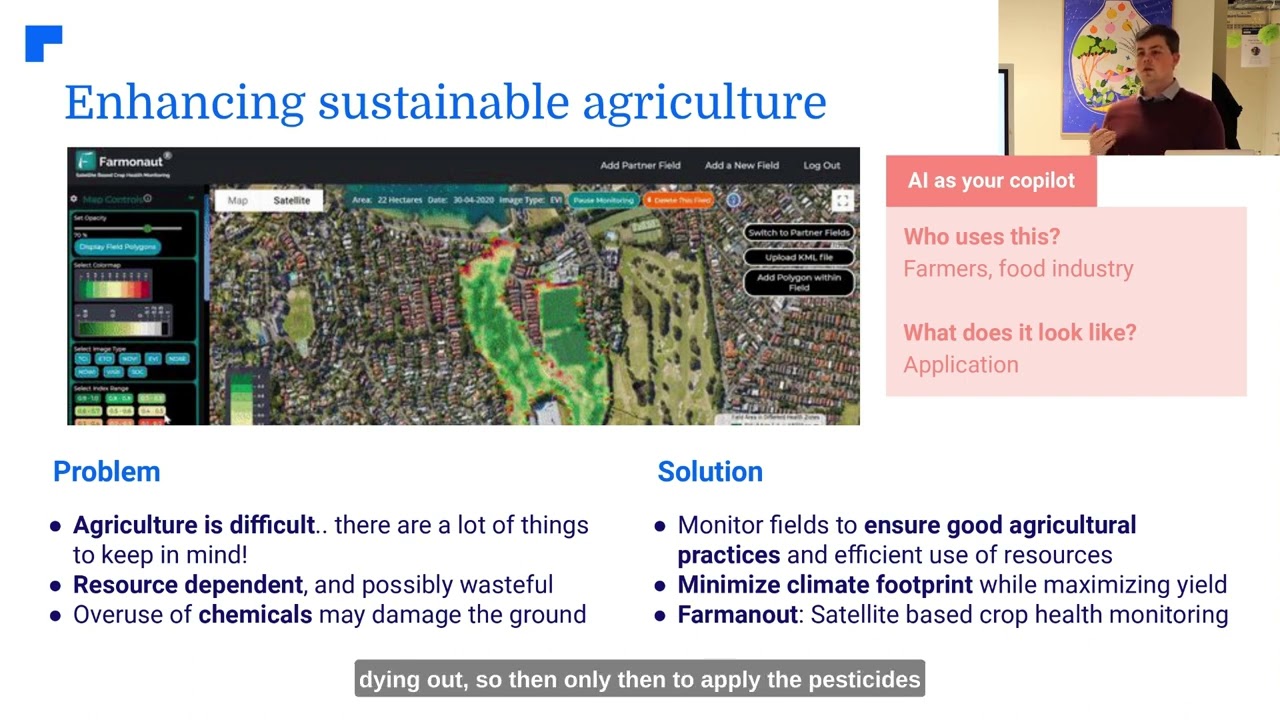
Satellite technology is increasingly crucial in 2025 for effective resource management, compliance, and operational optimization in mining. As a pioneering satellite technology company, Farmonaut delivers digital solutions to monitor mining sites, assess environmental impacts, and drive data-driven efficiencies across mining operations.
We at Farmonaut utilize multispectral satellite imagery, AI-based advisory, and blockchain-based traceability to support resource management, emission tracking, and fleet optimization for mining industry stakeholders. Some of our offerings relevant to the sector include:
- Satellite-Based Monitoring: Providing near-real-time insights into ore body mapping, water usage, and land management.
- AI-Driven Advisory Systems: Delivering actionable strategies for mining operations by analyzing satellite and environmental data.
-
Blockchain Traceability: Enabling transparent, secure commodity tracking for ethical and responsible supply chain management.
Discover more on product traceability in mining and agriculture for greater supply chain trust and compliance. -
Fleet & Resource Management Tools: Optimizing logistics, enhancing safety, and ensuring resource availability with sophisticated tracking software.
Learn how Fleet Management can cut operational costs and boost mining efficiency. - Environmental Impact Tracking: Supporting mining companies in reducing their carbon and water footprint, and aligning with sustainability certifications.
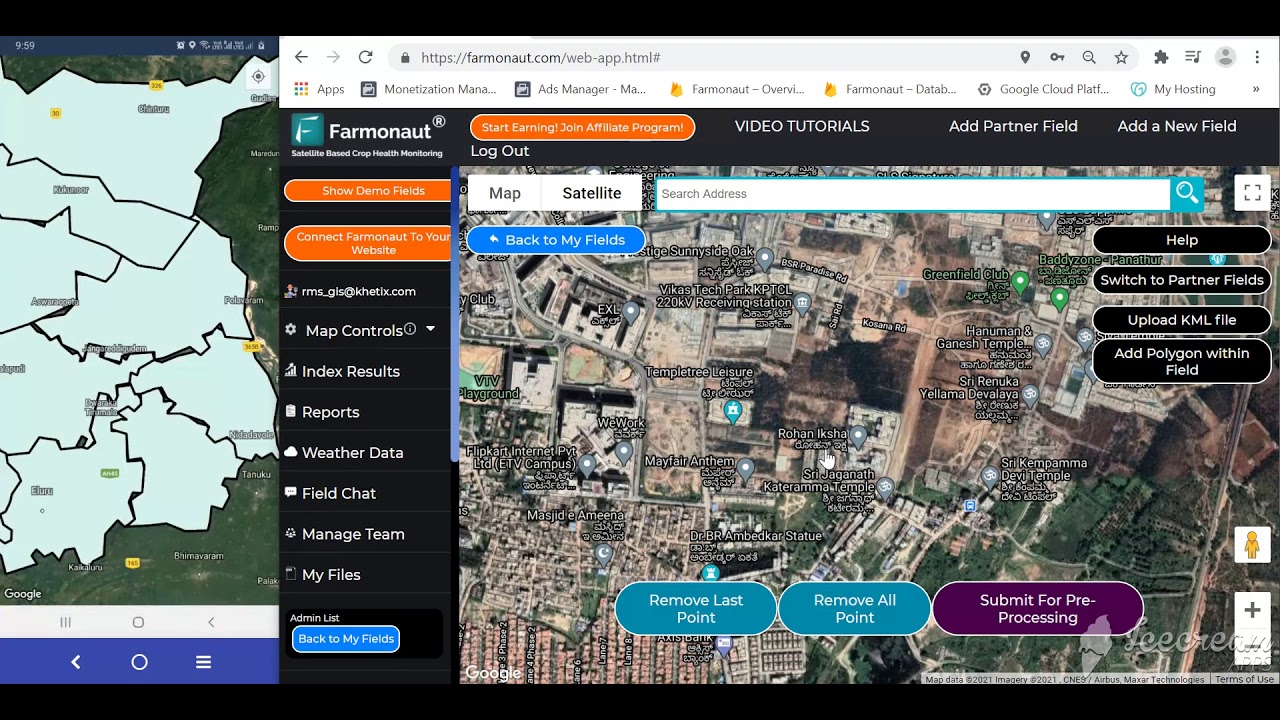
Farmonaut’s platform is accessible to mining managers, companies, and governments via Android, iOS, web applications, and API access.
Ready to try? 


API access for seamless integration:
Farmonaut API | API Developer Docs
Our services are tailored for individual miners, small-medium enterprises, and large mining corporations seeking to scale their digital transformation journey. This technology foundation enables proactive monitoring, sustainability tracking, and smarter exploitation of mineral resources—key priorities for the entire sector in 2025 and beyond.

For those managing extensive land or mine portfolios, large scale management tools from Farmonaut keep all your projects and resources visible and under control—making data the cornerstone of your operational strategy.
Frequently Asked Questions: Barrick Lumwana Mine 2025
-
Where is Barrick Lumwana Mine located?
The mine is located approximately 70 kilometers west of Solwezi, the capital of Zambia’s northwestern province. It exploits one of the largest known copper deposits in Africa. -
What makes Lumwana a leading copper mine?
Lumwana is one of Africa’s foremost copper producers. Its integration of advanced mining technologies, environmental systems, and community-focused strategies ensures operational leadership and sustained growth. -
How does Lumwana support sustainability?
Lumwana integrates renewable energy, modern water management, environmental monitoring, and responsible land reclamation into its daily mining practices, safeguarding natural resources and supporting local biodiversity. -
What impact has the mine had on local communities?
The mine supports more than 3,000 local jobs, funds schools and clinics, and delivers skills training and apprenticeship programs, directly benefitting residents and boosting local development. -
How will Lumwana meet future challenges in copper mining?
By continuously adopting cutting-edge digital solutions, enhancing workforce capacity, and investing in sustainability initiatives, Lumwana remains resilient against market volatility and regulatory tightening. -
What digital resources support mining operation optimization?
Platforms like Farmonaut’s API and real-time monitoring systems offer mining operators the ability to track resources, emissions, and operational efficiency, making them indispensable tools for modern mining sites.
Conclusion: Barrick Lumwana Mine—A Pillar for Africa’s Mining Future
In 2025, the Barrick Lumwana Mine stands as a beacon of innovation, sustainability, and responsible development within the Zambian—and African—mining sector. Through its commitment to technological advancement, environmental stewardship, and community investment, Lumwana sets global standards while anchoring Zambia’s role in the clean energy economy. With copper continuing as an essential metal for industries striving for decarbonization and economic development, the fortunes of Lumwana and its stakeholders look brighter than ever.
Mining operations everywhere can benefit from adopting similar strategies—uniting digital transformation with environmental and social progress. We at Farmonaut remain dedicated to supporting this movement and helping mines bridge operational excellence with sustainability through our comprehensive satellite technology offerings.
Access Farmonaut’s Digital Mining Solutions
Unlock next-generation monitoring, reporting, and digital management for your mining or agriculture enterprise. Choose a plan that fits your needs and get started in minutes:
Get started on Farmonaut Web & Mobile App
or review integration options in the Developer Docs.

 Swati Minerals
 Faith At Work (Pty) Ltd
 Geotech Mining Solutions plc
 Vulcan International Limited
 Kidepo Associates
 GKY Mining
 Alkimy SARL
 Double A Trading
 GemSprout Metals Limited
 Qader Group
 Ileys General Trading
 SG Gold Mining LLC
 VRV Global Pte Ltd
 Omsri International FZE
 G.I.T.T.
 Jaunita Erss Ltd
 Almosi SARL
 SRK Consulting
 Berks Gold Limited
 Mwerezi Minerals Company Limited
 Mining SARL
 SenGold Invest SAS
