

Bauxite Mining in Nigeria: Factory & Mine Supplier 2025
“Bauxite deposits in Nigeria are estimated to exceed 1 billion metric tons, fueling rapid growth in the aluminium industry.”
Table of Contents
- Overview: Bauxite Mining in Nigeria and Its Critical Role
- Bauxite Deposits and Geological Exploration in Nigeria
- Major Bauxite Mines, Suppliers & Factories: A Comparative Overview
- Bauxite Supply Chain: From Mine Supplier to Factory
- Bauxite Factories and Advanced Processing Trends
- Environmental & Sustainable Practices in Bauxite Mining Nigeria
- 2025 Sector Challenges and Future Prospects for Nigeria
- How Satellite Technology Like Farmonaut Supports Mining
- Frequently Asked Questions (FAQ)
- Conclusion: The Backbone of a Growing Aluminium Industry
Overview: Bauxite Mining in Nigeria and Its Critical Role
Bauxite mining in Nigeria stands at the cusp of transformation, ready to become the backbone of a rapidly-growing aluminium industry in 2025 and beyond. As the world’s primary ore for aluminium, bauxite is indispensable for industrial applications ranging from aerospace and transportation to food packaging and infrastructure.
In recent years, the global supply chain for critical minerals has seen Nigeria gain prominence, thanks to its vast reserves, emerging factory infrastructure, and commitment to sustainable extraction practices. The country—once almost entirely reliant on oil—now seeks to diversify its economy by tapping rich mineral deposits spread across states including Benue, Cross River, Kogi, and Edo. This shift aligns with national policies to boost homegrown industries, generate jobs, and leverage local value creation.

Why is Bauxite so Critical?
- Primary Resource: Bauxite is the chief ore for extracting aluminium, a lightweight, highly conductive, and versatile metal.
- Numerous Applications: Used in transportation, aerospace, construction, consumer goods, and packaging.
- Economic Value: The bauxite sector has direct implications for national economies, creating industrial growth and new supply chains.
- Strategic Significance: Critical for global supply resilience; as demand rises, Nigeria is set to become a major player by 2025.
For countries like Nigeria, the potential extends not just to raw bauxite mining, but also to factories and suppliers who can process and add value, catalyzing the growth of downstream aluminium industries.
Bauxite Deposits and Geological Exploration in Nigeria
Geological Formations & National Distribution
Nigeria’s bauxite reserves are estimated to range between 1.2 and 2 billion metric tonnes, ranking among the most significant in Africa. The major bauxite deposits lie across Benue, Cross River, Kogi, and Edo—states located within the southeastern and central regions.
These deposits are found in predominantly lateritic profiles, known for their high-alumina content and relative ease of extraction. These formations provide suitable raw material for both export and local processing.
Key Bauxite Deposit Locations in Nigeria
- Benue State: Holds major deposits, especially Owakande, reputed for quality ore.
- Cross River State: Notable reserves in Akamkpa and Ikom LGA.
- Kogi State: A strategic central region for aluminium, with pivotal mines like Ajaokuta and Dekina.
- Edo State: Known reserves in its hinterland spread, adding capacity to state’s industrial profile.
Advancements in Exploration: The Data-driven Approach
Over the past decade, increased geological surveys and exploratory projects have vastly expanded our understanding of Nigeria’s bauxite. The integration of modern remote sensing and GIS technologies has improved targeting, minimized environmental impact, and maximized ore yield.
- Remote Sensing & GIS: Modern satellite-based exploration techniques help delineate precise deposit profiles—improving mining site selection and reducing land degradation.
- Data Analytics: Comprehensive databases of laterite formations foster better resource management and strategic extraction plans.

These developments establish bauxite mining in Nigeria as a data-driven industry, aligning with global best practices and sustainable technologies.
“Nigeria’s bauxite mining sector is projected to increase output by over 15% annually through 2025 with new factories and suppliers.”
Major Bauxite Mines, Suppliers & Factories: A Comparative Overview
To fully appreciate Nigeria’s position in the global bauxite supply chain in 2025, it’s essential to examine the leading mining sites, suppliers, and factory projects, focusing on reserves, production, sustainability, and industry impact.
| Mining Site/Location | Estimated Bauxite Reserves (million tonnes) | Major Supplier/Factory | Estimated Annual Production (million tonnes/year) | Sustainability Practices | Key Industry Impact |
|---|---|---|---|---|---|
| Owakande, Benue State | ~300 | Benue Mining Corp. | 2.5 | Water recycling, Land reclamation | 2,000+ jobs, Local aluminium supply |
| Akamkpa, Cross River State | ~250 | Cross River Bauxite Ltd. | 2.1 | Eco-friendly excavation, Biodiversity monitoring | Boost to packaging & construction |
| Ajaokuta/Dekina, Kogi State | ~400 | Kogi Mines & Smelting Co. | 3.0 | Precision excavation, Waste minimization | Anchor for local factories, 5,000+ jobs |
| Edo Inland Belt | ~150 | Edo Aluminium PLC | 1.5 | Land restoration, Water management | Upstream processing, Job creation |
| Ikot Abasi, Akwa Ibom State | ~90 | ALSCON (revived project) | 1.2 | Clean energy usage, ESG compliance | Major aluminium output, Export growth |
This table highlights the significant role of each bauxite mining site and factory, especially in terms of sustainability and economic impact. Trends show that factories and suppliers increasingly invest in clean technologies, land reclamation, and local value creation.
Bauxite Supply Chain: From Mine Supplier to Factory
The bauxite supply chain in Nigeria is rapidly evolving towards greater efficiency and sustainability. In earlier years, the supply structure was dominated by small-scale, often artisanal mining. By 2025, most bauxite mine suppliers have transitioned into formalized, sometimes mechanized enterprises capable of meeting global demand.
- Extraction Techniques: Open-pit mining remains standard, but is now complemented by precision excavation and waste minimization systems to maximize yield and reduce land degradation.
- Supplier Focus: Emphasis on efficient supply and product consistency to compete internationally.
- Technologies: Suppliers adopt modern technologies for surveying (including satellite imagery), mine monitoring, and even logistics, advancing the industry’s digital transformation.
Role of Government and Policies
The Nigerian government encourages local bauxite suppliers by providing tax incentives, facilitating access to capital, and advocating for the domestic processing of ore. This creates integrated value chains from mine to factory, boosting local job creation and reducing foreign exchange outflow.
- Policies favor responsible suppliers who meet environmental standards.
- Infrastructure investments—especially in transportation and power—aim to support seamless supply from mines to factories.
Not only does this shift strengthen the domestic industrial sector, but it also supports Nigeria’s ambition to become a major player in the global aluminium supply chain.
Supply chain optimization and digital traceability are increasingly critical. Efficient tracking, real-time monitoring, and transparency mean suppliers can guarantee ethical sourcing and regulatory compliance. Tools such as blockchain-based traceability systems are vital in this shift, supporting standardization across the entire bauxite-to-aluminium supply chain.
Bauxite Factories and Advanced Processing Trends
Historically, Nigeria mostly exported raw bauxite instead of processed aluminium. This approach forfeited economic value that could be retained via local addition. However, by 2025, the growth of bauxite factories and aluminium smelting plants is changing this narrative.
- Factories: New and upgraded factories are emerging across industrial hubs, with leading examples like the ALSCON smelting plant in Ikot Abasi (revival project).
- Processing: Involves converting bauxite ore into alumina (via the Bayer Process), then to aluminium through electrolysis smelting.
- Local Value: Domestic processing ensures upstream industries for construction, automotive, and packaging can depend on a reliable, cost-effective supply of aluminium.
Establishing local factories not only creates jobs but fosters the expansion of industries like power generation, logistics, and equipment maintenance—creating a multiplier effect in the Nigerian economy.
Optimizing Factory Operations
- Energy Supply: Reliable power is vital for alumina refineries and smelters. Modern plants increasingly incorporate renewable energy and advanced grid management.
- Skilled Workforce: Training programs bolster local expertise to run efficient, low-waste operations.
- Waste Minimization: State-of-the-art factories deploy residue management technologies to reduce environmental footprints, meeting international ESG standards.

Monitor mining operations and optimize supply chains with satellite-driven intelligence—explore the Farmonaut web app:

Developers and industrial enterprises can streamline bauxite mine site monitoring and logistics via API access, integrating geospatial data into digital workflows:
➔ Farmonaut API hub
➔ For developer integration and documentation, see Farmonaut API Developer Docs
Get our platform on your mobile:


Environmental & Sustainable Practices in Bauxite Mining Nigeria
Sustainable mining practices are at the core of Nigeria’s policy vision for bauxite. Land degradation, deforestation, and water pollution remain genuine risks, especially in the forested belts of Cross River and Benue. However, the 2025 outlook is optimistic:
- Precision Excavation: New technologies like drone-based mapping and precision equipment minimize land disruption and reduce overburden waste.
- Reclamation: Suppliers are increasingly contractually mandated to restore mined land, including tree planting and soil conditioning post-extraction.
- Water Recycling: Processing factories are adopting closed-loop water recycling systems to curb aquatic ecosystem impacts.
- Biodiversity Monitoring: Regular environmental assessments and community engagement ensure minimal biodiversity loss in forested mining zones.
- International ESG Compliance: Nigerian bauxite mining companies are targeting international environmental standards, unlocking export markets and responsible investment.

Monitoring and managing carbon footprint is critical, especially for large-scale operations. The use of platforms providing real-time carbon accounting and impact analytics is becoming an industry standard to meet both local and international compliance targets.
Traceability initiatives—linking bauxite batches to specific mines and suppliers—are becoming vital for both ethical assurance and supply chain integrity. Discover more about bauxite mine-to-factory traceability solutions and their advantages for international trade.
2025 Sector Challenges and Future Prospects for Nigeria
Key Sector Challenges
- Infrastructure: Many mining regions face road and rail limitations, increasing transportation costs for heavy bauxite ore and finished aluminium products.
- Inconsistent Power Supply: Reliable power remains a bottleneck for factories, refineries, and smelting plants.
- Investment Needs: Large capital outlays are required for modern equipment, environmental control systems, and efficient logistics chains.
- Technical Expertise: Training and upskilling are needed for the new generation of workers in increasingly mechanized, data-driven operations.
- Regulatory Oversight: Balancing economic growth with environmental practices needs continual improvement and stakeholder cooperation.
Future Prospects: The Road to 2025 and Beyond
- Strategic Investments: Focus on upgrading mining sites, transportation, and processing factories using automated and satellite-monitored systems.
- International Partnerships: Technology transfer and standards alignment help Nigeria compete as a regional export hub.
- Integration with Regional Markets: Leveraging ECOWAS and AfCFTA frameworks for broader market access and export-led growth in aluminium sectors.
- Industrial Value Addition: New smelting and aluminium factories increase local jobs and foster growth in downstream sectors—automotive, infrastructure, and consumer goods.
- Sustainability Leadership: Investment in sustainable practices builds Nigeria’s brand for ethically sourced, high-quality bauxite and aluminium.
Satellite & Digital Technologies: How We at Farmonaut Empower Bauxite Mining in Nigeria
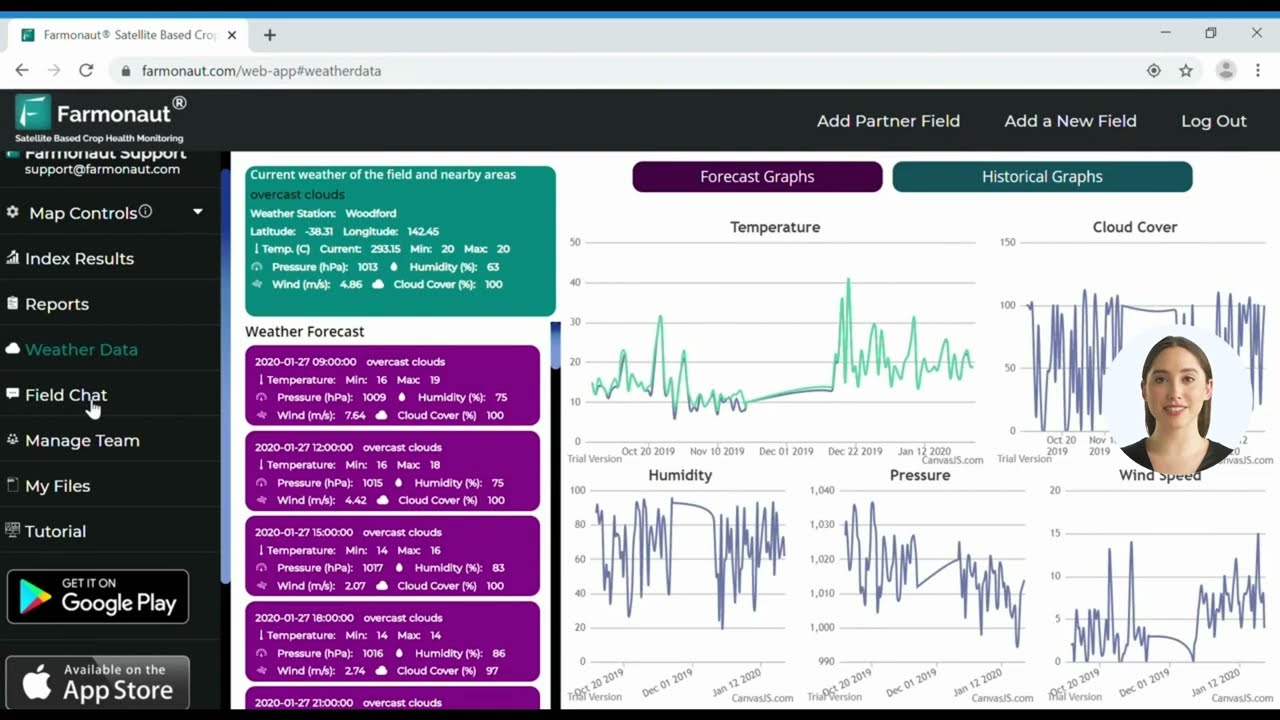
As the bauxite mining in Nigeria sector modernizes, satellite-based and digital intelligence have emerged as defining enablers for efficient, sustainable, and transparent operations. At Farmonaut, our mission is to make advanced satellite monitoring and AI insights accessible to Nigerian mine operators, industrial businesses, and government stakeholders.

Our Satellite-based Services for Mining
- Site Monitoring: Multispectral satellite imagery helps locate new deposits, monitor active mining zones for vegetation or soil change, and ensure compliance with restoration commitments.
- Resource Optimization: Our AI-driven advisory system, Jeevn AI, suggests operational adjustments based on satellite data, boosting extraction efficiency and minimizing waste.
- Traceability: We enable blockchain-based traceability for Nigerian bauxite and aluminium supply chains, supporting export requirements for verifiable, conflict-free resources.
- Fleet Management: With satellite-powered fleet tracking, mine and factory operators can optimize transportation logistics, reduce costs, and enhance supply reliability.
- Environmental Impact: We help monitor the carbon footprint and biodiversity impact of bauxite mining and transportation, aiding sustainability reporting and operational refinement.
- APIs & Accessibility: Our platform offers API access and cross-platform web/mobile apps so that mining companies and industrial users can embed satellite insights into everyday workflows.
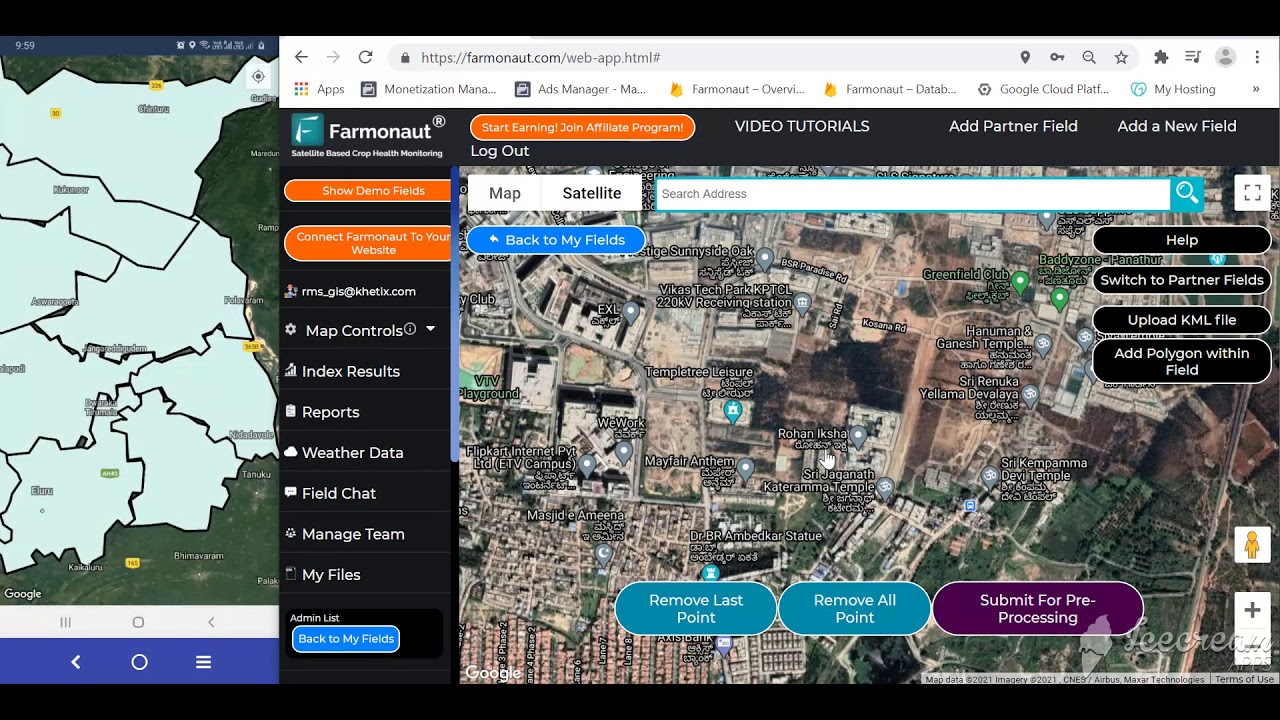
By adopting large-scale field management solutions, Nigerian mining firms can easily manage hundreds of sites, track yields, coordinate restoration, and efficiently allocate capital or resources—all with affordable satellite intelligence and AI guidance.
We also offer satellite-based verification for enabling mining loans and insurance, helping mine operators, suppliers, and even small-scale enterprises reduce fraud and improve access to critical financing.
Frequently Asked Questions (FAQ) – Bauxite Mining in Nigeria 2025
What are Nigeria’s most significant bauxite mining areas?
Major deposits are found in Benue (Owakande), Cross River (Akamkpa), Kogi (Ajaokuta, Dekina), and Edo. Each region hosts both small artisanal operations and large-scale mining suppliers and factories.
How much bauxite does Nigeria hold in reserves?
Estimates place national reserves at 1.2–2 billion metric tonnes—making Nigeria’s resources among the richest in sub-Saharan Africa.
How does the supply chain work from mine to factory in Nigeria?
Bauxite is extracted at mechanized open-pit mining sites, delivered via improved transportation networks to refineries and factories like ALSCON, where it’s processed into alumina and then aluminium.
What sustainable practices are mandatory in Nigerian mining operations?
Companies are required to implement land reclamation, water recycling, biodiversity management, and comply with international ESG guidelines.
How do satellite and digital technologies support bauxite mining?
Satellite monitoring, offered through platforms like Farmonaut, supports deposit identification, compliance verification, resource optimization, traceability, and environmental reporting.
Are there opportunities for export and industry growth in 2025?
Yes—Nigerian bauxite suppliers, factories, and exporters are targeting 15%+ annual growth through new industrial investments, policy support, and value-added production lines.
Which industries benefit from Nigeria’s growing bauxite sector?
Industries such as construction, transportation, packaging, consumer electronics, and downstream aluminium-based manufacturing benefit directly.
How can mining enterprises access advanced monitoring and logistics tools?
By subscribing to platforms like Farmonaut’s web, mobile, and API offerings, mine suppliers and factories can streamline monitoring, logistics, traceability, and compliance at scale.
Conclusion: Bauxite Mining in Nigeria – The Backbone of a Growing Aluminium Industry
Bauxite mining in Nigeria is poised for rapid, sustainable growth in the 2025 era, thanks to strategic government policies, increasing digitalization, and significant investments in mines, factories, and responsible suppliers. With major deposits across Benue, Cross River, Kogi, and Edo states, Nigeria holds the potential to become a leading global and regional player in the bauxite and aluminium supply chain—fostering industrial value addition, job creation, and long-term economic resilience.
Continued commitment to sustainable practices, inclusive value chain development, and open adoption of satellite/Ai-powered monitoring tools (like those we offer at Farmonaut) will ensure the sector’s competitiveness and compliance with evolving international standards. By 2025 and beyond, bauxite mining in Nigeria isn’t just a path beyond oil—it is the foundation for a thriving industrial future.
Ready to unlock the full power of bauxite mine monitoring, logistics, and traceability?
For cross-industry integration, API access, or advanced analytics on environmental footprint and supply chain traceability, explore:
Carbon Footprint Monitoring Tools |
Product Traceability Solutions |
Fleet & Logistics Management
Experience the future of mining management, today.
Discussion
Questions, corrections or field experience? Share them below. First-time comments are reviewed before they appear, and your email is never published.
No comments yet. Be the first to add a question or your experience.

 Ramani Investments Ltd
 Congo Mining Solutions
 Mining SARL
 SenGold Invest SAS
 Sania Corporation
 Sean Mining Limited
 NTS Group (Pty) Ltd
 Mine4Africa
 Lithspo Minerals Limited
 Tintina Mining Group
 Dalgety Minerals Pty Ltd
 Vortex Minerals Pty Ltd
 Faith At Work (Pty) Ltd
 Geotech Mining Solutions plc
 Vulcan International Limited
 Kidepo Associates
 GKY Mining
 Alkimy SARL
 Double A Trading
 GemSprout Metals Limited










