

Table of Contents
- Introduction: Australia’s Position in Global Lithium Mining (2025)
- Biggest Australian Lithium Miners in 2025
- Innovation and Technology Shaping the Industry
- Greenbushes: The Biggest Lithium Mine Worldwide
- Major Australian Lithium Mines and Their Impact (2025 Estimate)
- Australian Lithium and the Global Clean Energy Supply Chain
- Implications for Infrastructure, Agriculture & Sustainable Development
- Farmonaut: Satellite Insights Advancing Mining and Sustainability
- Outlook for 2025 and Beyond: Australia in the Global Lithium Economy
- Frequently Asked Questions
- Conclusion
“Australia produces over 50% of the world’s lithium, with its largest mine, Greenbushes, leading in global output.”
Biggest Australian Lithium Miners: The Biggest Lithium Mine Powering Global Clean Energy (2025 & Beyond)
The rise of clean energy and electric vehicles (EVs) has set the stage for lithium to become a cornerstone mineral in the global transition to renewable energy systems. As of 2025, Australia has cemented its position at the forefront of the global lithium industry, remaining the largest producer and home to the biggest lithium mine in the world: Greenbushes. This comprehensive exploration dives into the biggest Australian lithium miners, their advanced extraction methods, key players, and how the biggest lithium mine continues to shape clean energy industries worldwide, influencing infrastructure, agriculture, and sustainable development.
In this blog, we unveil:
- The dominant mining companies driving Australia’s lithium boom
- Advanced technologies redefining efficient, sustainable extraction and processing
- How Greenbushes stands as the crown jewel of global lithium production and supply
- Why Australia’s lithium sector is essential for powering a variety of high-tech applications, especially batteries for EVs and grid storage
- Broader economic, infrastructural, environmental, and agricultural implications
Biggest Australian Lithium Miners in 2025
Australia’s lithium mining landscape in 2025 is dominated by a select group of companies. Their focus on expanding production capacity, technology, and sustainable practices has enabled them to respond to soaring global demand, securing Australia’s position as the world’s largest producer of this critical mineral.
The Landscape: Key Players and Their Role
- Pilbara Minerals Ltd.
- Allkem Limited (formerly Galaxy Resources merged with Orocobre, and later merged with Wesfarmers in the formation of Arcadium Lithium)
- Mineral Resources Limited (MinRes)
- Other significant operators such as Tianqi Lithium, Albemarle Corporation, and IGO Limited (noting joint ownerships and stakes in major mines like Greenbushes).
These companies have been invested heavily in:
- Expanding lithium production capacity
- Modernizing mining and extraction technology
- Securing long-term supply contracts with global battery manufacturers
- Developing sustainable, responsible mining practices
Pilbara Minerals: Pilgangoora Project
Pilbara Minerals operates the Pilgangoora lithium-tantalum project in Western Australia, currently ranking as one of the most productive lithium mines globally. The Pilgangoora project exemplifies modern extraction, leveraging efficient methods and continuous technological enhancement. Pilbara stands out for its:
- Commitment to responsible mineral production
- Leading role in transforming lithium extraction and processing
- Investment in advanced environmental monitoring to protect the local land and water systems
Allkem (formerly Galaxy Resources and Orocobre, Merged with Wesfarmers)
After merging Galaxy Resources and Orocobre, and then with Wesfarmers under Arcadium Lithium, Allkem emerged as one of the largest, most diversified lithium miners in Australia and worldwide. Allkem’s diversified portfolio includes:
- Major projects in Australia (Mount Cattlin mine) and internationally
- Significant contributions to the global supply chain of battery-grade lithium
- Heavy investment in sustainable extraction and processing technologies

Mineral Resources Limited (MinRes)
Mineral Resources Limited is another powerhouse, with operations at both the Mount Marion and Wodgina lithium mines. MinRes has:
- Expanded capacity through joint ventures and strategic partnerships
- Modernized extraction infrastructure to drive down operational costs and boost efficiency
- Focused on responsible mining practices, aligning with global expectations
Why Australia’s Lithium Industry Remains Dominant in 2025
The biggest Australian lithium miners have been propelled to success by:
- Robust infrastructure connecting mines to global supply chains
- A stable political and regulatory framework encouraging investment and innovation
- Commitment to sustainable practices—a key differentiator as environmental scrutiny intensifies worldwide
- Investment in workforce training and local economies, strengthening Australia’s role as a responsible resource leader
Innovation and Technology Shaping the Biggest Australian Lithium Miners
The Australian lithium mining sector has made significant advances in technology and operational methods over the past decade. To meet soaring demand, companies have prioritized:
- Digital Mine Management: Using real-time digital monitoring, predictive analytics, and resource optimization software
- Advanced Extraction Technologies: Automated and AI-driven ore sorting, remote-controlled vehicle fleets, and improved mineral recovery
- Sustainable Practice Implementation: Minimizing land disturbance, reducing water consumption, and improving waste management
- Innovative Processing Techniques: Including closed-loop chemical systems and environmentally-friendly reagents
Innovations ensure Australia can expand capacity without compromising sustainability. Efficient extraction, reduced emissions, and responsible waste handling set new benchmarks for the global industry.
Greenbushes: The Biggest Lithium Mine in the World
When discussing the biggest lithium mine worldwide, all roads lead to Greenbushes, located in the southwest of Western Australia. As of 2025, it remains the world’s largest and highest-grade hard-rock lithium mine, responsible for supplying approximately 40% of global lithium spodumene concentrate.
“In 2025, advanced lithium extraction from Australia’s biggest mine is set to power over 10 million electric vehicles annually.”
A Closer Look at Greenbushes’ Operations and Global Influence
- Ownership: Jointly owned by Tianqi Lithium (China), Albemarle Corporation (USA), and IGO Limited (Australia)
- Extraction Techniques: State-of-the-art mining, high recovery rates, and ongoing research into lower-impact methods
- Processing and Supply Chain: The mine’s concentrate feeds international battery manufacturers and EV developers, pumping lithium into the global clean energy supply chain
- Local Benefits: Drives economic growth in the region, supports workforce development, and inspires environmental best practices for the sector
- Responsible Mining: Emphasizes environmental stewardship, community engagement, and long-term land rehabilitation
Greenbushes is not just Australia’s crown jewel; it is the undeniable global leader—a model for large-scale, responsible, and efficient lithium mining operations.

Why Is Greenbushes So Important?
- It provides a substantial share of global battery-grade lithium—a critical enabler for EVs and energy storage systems
- Its high ore grade (above 2% Li2O) boosts efficiency and reduces emissions per tonne of lithium extracted
- Continuous exploration and innovation sustain its dominance

Environmental and Community Focus: Lessons from the Biggest Mine
Greenbushes balances economic output with local land preservation and ecosystem integrity. Key aspects include:
- Stringent water use and recycling policies
- Comprehensive land rehabilitation after mining
- Engagement with indigenous communities and local stakeholders
Major Australian Lithium Mines and Their Impact (2025 Estimate)
| Mine Name | Company | 2025 Est. Production (tonnes LCE) | Major Extraction Technology Used | Est. Reserves (mn tonnes) | Contribution to Australia’s Lithium Exports (%) |
|---|---|---|---|---|---|
| Greenbushes | Tianqi / Albemarle / IGO | ~120,000 | Open-pit, high-grade hard-rock mining, advanced flotation | ~8.4 | % 40 |
| Pilgangoora | Pilbara Minerals | ~85,000 | Open-pit mining, digital ore sorting, process automation | ~2.6 | % 28 |
| Mount Marion | Mineral Resources / Ganfeng | ~35,000 | Open-pit, co-production, digital fleet management | ~1.2 | % 11 |
| Mount Cattlin | Allkem Ltd. | ~18,000 | Conventional mining, DSO export, energy-efficient processing | ~0.6 | % 6 |
| Wodgina | Mineral Resources / Albemarle | ~30,000 | Automated mining, real-time environmental monitoring | ~1.5 | % 10 |
| Bald Hill | Alita Resources | ~9,000 | Conventional mining, recycling focus | ~0.3 | % 2 |
This table demonstrates how Australia’s biggest lithium mines and mining companies combine industry advancements with significant economic and environmental value for the global landscape.

Australian Lithium and the Global Clean Energy Supply Chain
Lithium is at the heart of the clean energy transition: a key ingredient in EV batteries, grid-scale storage systems, and electronics. The biggest Australian lithium miners and the biggest lithium mine at Greenbushes are vital links in:
- Powering Electric Vehicles: Estimated to support batteries for 10+ million EVs a year by 2025
- Renewable Energy Storage: Ensuring reliable, scalable storage for solar and wind energy integration
- A Wide Variety of Technologies: Supplying the lithium in smartphones, laptops, and other high-tech applications used worldwide
- Securing Global Supply Chains: Providing stability to international manufacturers, safeguarding against disruptions due to geopolitical or resource scarcity issues
The broader implications extend to supporting infrastructure, strategic reserves, and driving the evolution of the global energy sector for decades.



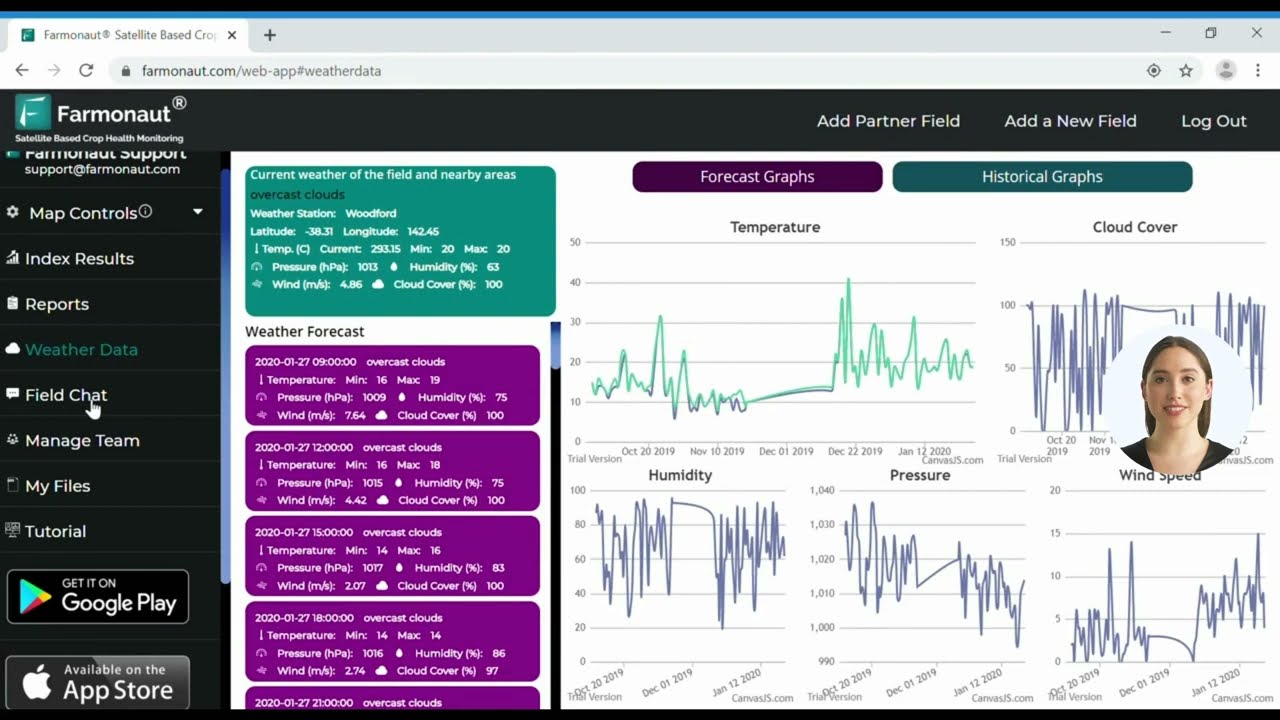
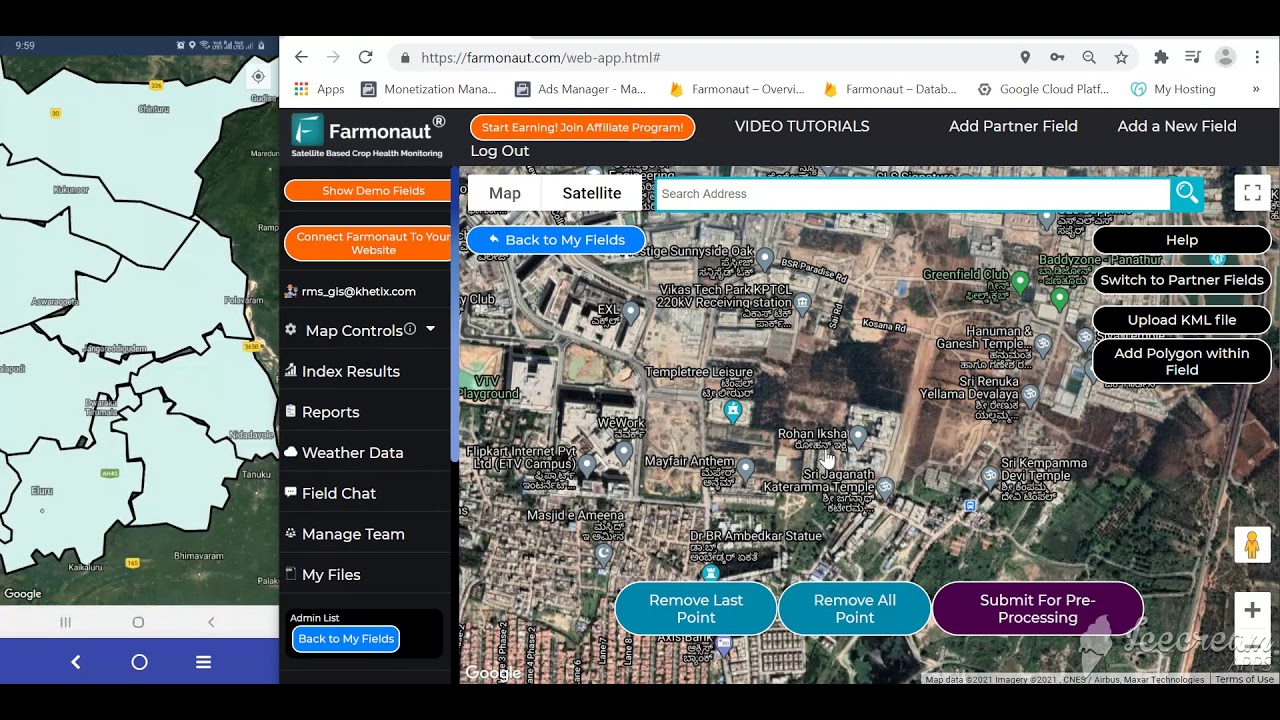
The Farmonaut platform offers both mobile and web-based satellite monitoring solutions that benefit the mining industry, agriculture, and infrastructure—providing the data necessary to manage, optimize, and report on large-scale resource projects.
Implications for Infrastructure, Agriculture, and Sustainable Development
The growth of Australia’s lithium mining industry brings not only economic rewards but has significant implications for:
- Infrastructure: Major upgrades to regional rail networks, ports, roads, and processing facilities supporting mining operations
- Workforce Development: Generating employment opportunities, skills transfer, and local training programs
- Agriculture & Land Management: Lithium mining frequently overlaps with agricultural and forestry lands, requiring careful stewardship to minimize land use conflicts and preserve biodiversity
- Sustainable Development: Modern regulatory frameworks demand reduced water usage, greenhouse gas emissions tracking, and comprehensive land rehabilitation
- Responsible Supply Chains: Customers and investors increasingly require traceability, responsible sourcing, and measurable environmental benefits from lithium mining
For companies operating in these sectors, leveraging blockchain-based traceability solutions—like those offered by Farmonaut—adds transparency and security, ensuring lithium or agricultural goods are responsibly tracked from source to end-user.
Farmonaut’s environmental impact monitoring and carbon footprinting tools (carbon footprint tracking) deliver invaluable support for stakeholders needing to validate green credentials, benchmark emissions, and ensure ongoing regulatory compliance across Australia’s mining sector.

Key Environmental and Economic Considerations
- Land Rehabilitation: Mandated plans for post-mining land use and restoration
- Water Stewardship: Mining companies investing in recycling, using less fresh water, and improving river catchment management
- Lower Carbon Mining: Use of renewables on-site and electrification of mining fleets to cut emissions
- Community Engagement: Ensuring that local economies and Indigenous communities benefit and participate in resource development strategies
Farmonaut: Satellite Insights Advancing Mining and Sustainability
Advanced technologies, like those provided by Farmonaut, are essential for supporting sustainable mining operations, optimizing resource extraction, and minimizing environmental impact across Australia’s lithium sector. As an innovative satellite technology company, we at Farmonaut empower mining and infrastructure firms with:
- Real-time monitoring of mining sites for operational efficiency and environmental compliance
- AI-based advisory systems (Jeevn AI) to optimize mining schedules and identify opportunities to increase yield while minimizing impact
- Blockchain-based traceability for lithium supply, improving security and transparency (learn more: product traceability)
- Fleet and resource management solutions for cost reduction and enhanced logistics (fleet management benefits)
- Carbon footprint and environmental monitoring to support regulatory requirements and responsible mining practices (carbon impact analysis)
With API integration available (Farmonaut API), the platform can be customized for diverse needs, allowing developers and businesses to incorporate robust satellite analytics into legacy or new systems. For technical implementation guidance, see our API Developer Docs.
Benefits for the Mining, Energy, and Agriculture Sectors
- Mining: Enhanced yield prediction, environmental impact monitoring, operational optimization
- Agriculture: Crop health (NDVI), soil condition analytics, resource management for areas affected by adjacent mining activities
- Infrastructure: Asset monitoring, workflow digitization, and risk management for transport and utility lines linked to mining hubs
Scalable for local operators, major companies, or governments, Farmonaut’s subscription-based model ensures access and affordability for users across all levels. Find more about our solutions for crop loan and insurance verification and large-scale farm management.
Outlook for 2025 and Beyond: Australia’s Strategic Role in the Global Lithium Economy
As the world continues to decarbonize and electrify, Australia’s biggest lithium miners and flagship projects like Greenbushes will continue to shape the global energy sector. Looking ahead:
- Further Capacity Expansion: Ongoing investments in major mines and processing facilities will enhance output and reliability
- Innovation at the Forefront: Automated mining, AI analytics, and renewable-powered operations set new sustainability standards
- Downstream Investment: Moves toward domestic lithium refining and battery production to capture greater value within Australia’s borders
- Supply Chain Security: A critical supplier to international battery and EV manufacturers, Australia strengthens global energy security
- Comprehensive Workforce Development: Training and skill-building initiatives support not just mining but also advanced manufacturing and technological roles
- Environmental & Social Responsibility: Increasing attention to land stewardship, emissions tracking, and community partnerships ensures ongoing social license to operate
With Aussie miners innovating and leading on the world stage, the strategic importance of Australia’s lithium industry will only grow in 2025 and beyond.
Read about blockchain traceability for minerals
Frequently Asked Questions: Biggest Australian Lithium Miners & The Biggest Lithium Mine
What is the biggest lithium mine in Australia?
Greenbushes, located in Western Australia, is not only the biggest in Australia but also the biggest lithium mine globally, supplying approximately 40% of the world’s hard-rock lithium concentrate as of 2025.
Who are the biggest Australian lithium mining companies?
The most significant players in Australia’s lithium sector are Pilbara Minerals (Pilgangoora), Allkem Limited (Mount Cattlin), Mineral Resources Limited (Mount Marion and Wodgina), and the joint venture owners of Greenbushes: Tianqi, Albemarle Corporation, and IGO Limited.
What extraction technologies are advancing Australian lithium mining in 2025?
Mining companies utilize a mix of advanced digital mine management tools, automated vehicle fleets, AI-powered ore sorting, water-recycling processes, and environmentally-friendly chemical reagents for efficient and sustainable extraction.
How is lithium mining linked to global clean energy?
Lithium is essential for manufacturing batteries used in EVs, grid-level renewable energy storage, and high-tech electronics. Australian lithium supports international supply chains for clean energy applications worldwide.
What are the main environmental concerns with lithium mining in Australia?
Land rehabilitation, water usage, biodiversity protection, and carbon emissions are all closely managed. Ongoing innovation and strict regulations are enforcing responsible and sustainable mining, especially in ecologically sensitive regions.
How does Farmonaut support the mining/energy sector?
We enable mining companies to monitor environmental impacts, optimize logistics and extraction, and bring blockchain traceability and carbon tracking to the lithium supply chain using advanced satellite, AI, and blockchain solutions.
Conclusion: Appreciating Australia’s Role as Leader in Lithium and Clean Energy
As 2025 unfolds, Australia stands cemented as the world’s largest producer of lithium, with biggest australian lithium miners and the biggest lithium mine at Greenbushes powering the global clean energy revolution. Through continuous innovation, sustainable development, and a commitment to environmental stewardship, the sector is primed to meet demand for batteries, energy storage, and high-tech applications for decades.
- Australia’s critical minerals strategy underpins ongoing economic growth
- Biggest miners drive responsible extraction and processing
- Greenbushes sets the international standard for mine efficiency and sustainability
- Advanced solutions—like those from Farmonaut—are supporting accountability and innovation across the mining, agriculture, and infrastructure landscape
- A strong focus on local workforce, community engagement, and environmental rehabilitation means future generations will reap long-term benefits from today’s resource stewardship
In summary, Australia’s biggest lithium miners and Greenbushes will continue to define not just the nation’s economic prospects, but also those of global clean energy systems—making lithium a keystone mineral for a renewable-powered world.

 Berks Gold Limited
 Mwerezi Minerals Company Limited
 Congo Mining Solutions
 Mining SARL
 SenGold Invest SAS
 Sania Corporation
 Sean Mining Limited
 NTS Group (Pty) Ltd
 Mine4Africa
 Lithspo Minerals Limited
 Tintina Mining Group
 Dalgety Minerals Pty Ltd
 Vortex Minerals Pty Ltd
 Faith At Work (Pty) Ltd
 Geotech Mining Solutions plc
 Vulcan International Limited
 Kidepo Associates
 GKY Mining
 Alkimy SARL
 Double A Trading
 GemSprout Metals Limited
 Qader Group
 Ileys General Trading
 SG Gold Mining LLC
 VRV Global Pte Ltd
 Omsri International FZE
 G.I.T.T.
 Jaunita Erss Ltd
