

Bolivian Lithium Mining Companies & Brine Mining Leaders: Pioneering Sustainable Lithium Extraction in 2025
“Bolivian lithium mines hold nearly 21 million tons of reserves, making them a top global resource for sustainable EV batteries.”
Introduction: Bolivia, Lithium, and 2025’s Global Shift
Bolivia stands prominently on the map as the home to the world’s largest lithium reserves. With over 21 million tons of lithium brine concentrated primarily beneath the majestic Salar de Uyuni—the world’s largest and most iconic salt flat—Bolivia controls a critical piece in the global supply of this transformative mineral. In 2025 and looking ahead into 2026, Bolivian lithium mining companies are strategically positioned at the forefront of sustainable extraction, shaping the future of energy storage, electric vehicles (EVs), and environmental responsibility.
The ongoing EV revolution and the growing global need for reliable, sustainable battery materials have catapulted lithium brine mining companies in Bolivia into the limelight. With a unique combination of natural abundance, comparatively environmentally benign extraction methods, and robust national policy steering, Bolivia’s sector remains a transformative pillar for both domestic economic development and the global clean energy transition.

Summary: Bolivian Lithium Mining Companies – Pioneering Sustainability (2025–2026)
Bolivian lithium mining companies lead the sector by advancing sustainable lithium brine extraction, revolutionizing environmental stewardship, and powering the global EV revolution. Through innovation, community engagement, and adherence to the highest environmental standards, these companies are not just supplying a critical mineral—they are impacting the very landscape of minerals extraction for a sustainable future.
“Over 70% of Bolivia’s lithium extraction uses sustainable brine methods, setting an industry benchmark for environmental stewardship.”
The Importance of Lithium Brine Mining in Bolivia
Lithium extraction in Bolivia is largely centered around the unique salt brine flats of the Salar de Uyuni. What makes this approach vital?
- Bolivia possesses the world’s largest lithium reserves, located beneath one of South America’s most dramatic natural landmarks.
- Brine mining involves pumping lithium-rich saline water to the surface, where it’s allowed to evaporate in ponds under the dry Andean sun. This concentrates lithium salts, which are then refined into lithium carbonate or hydroxide—essential compounds for modern batteries.
- This method is comparatively more environmentally benign than hard rock extraction, as it mainly relies on solar evaporation, reducing energy consumption and greenhouse emissions. These factors position Bolivian mining companies that mine lithium as leaders in sustainable technologies.
Compared to hard rock lithium mines found in Australia, Canada, and elsewhere, Bolivian brine mining companies offer a unique environmental and economic advantage. While brine extraction still faces ecological challenges (like water management and salt flat protection), the potential for low-carbon, high-volume production is unmatched globally.

Key Extraction Advantages
- Lower Carbon Footprint: Brine methods have less environmental impact compared to blasting and refining hard rock ores. Learn about carbon footprint monitoring technologies that can track and optimize sustainability throughout lithium extraction.
- Water Use: While brine processing uses water, innovative direct lithium extraction (DLE) technologies now allow for minimized water consumption and alleviation of stress on delicate flat ecosystems.
- Renewable Energy Integration: Many facilities incorporate solar energy, leveraging the high-altitude desert’s abundant sunlight for evaporation, further reducing emissions.
Key Bolivian Lithium Mining Companies & Brine Mining Leaders (2025–2026)
The Salar de Uyuni and surrounding salt flats are the operational heartland for Bolivia’s lithium revolution. As of 2025–2026, several prominent mining companies that mine lithium lead the sector, with a mandate to ensure both economic growth and environmental sustainability:
- Yacimientos de Litio Bolivianos (YLB)
- The state-owned company and principal central entity controlling all major lithium mining and processing initiatives in Bolivia.
- YLB spearheads nationalized lithium resource management and sets industry benchmarks for technology and environmental standards.
- Private and Semi-Private Startups
- 2025 has seen the rise of Bolivian lithium startups—some with partial domestic government investment—focusing on innovative, low-impact methods and community engagement.
- These companies are piloting modular direct lithium extraction units and novel brine concentration techniques designed to protect fragile indigenous ecosystems.
- Internationally-Funded Lithium Brine Mining Companies
- A number of South American and Asian-invested ventures, operating under joint ventures or contract management, have brought global expertise and capital to Bolivia’s expanding lithium sector.
- Their focus remains on scaling up integrated lithium processing facilities, with full vertical chains from mine to battery-grade material.
All these companies aim to ensure that the benefits of Bolivia’s lithium boom are felt locally, while also maintaining a steadfast commitment to sustainability and minimizing the environmental footprint of extraction and processing.

Comparative Sustainability Practices Table: Major Bolivian Lithium Brine Mining Companies (2025–2026)
| Company Name | Location (Region/Project) | Est. Annual Lithium Production (Tonnes) | Primary Extraction Method | Est. Water Usage (Liters/Tonne Li) | CO₂ Emissions (kg/Tonne Li) | Renewable Energy Usage (%) | Local Community Initiatives | Environmental Certification |
|---|---|---|---|---|---|---|---|---|
| Yacimientos de Litio Bolivianos (YLB) | Salar de Uyuni, Potosí | 22,000 | Solar Evaporation & DLE Pilot | 220,000 | 530 | 75% | Yes (Indigenous engagement, education) | ISO 14001 |
| Uyuni Brine Solutions (Private) | Colchani, Salar de Uyuni | 3,000 | Direct Lithium Extraction | 75,000 | 300 | 85% | Yes (Water recycling, local jobs) | Pending |
| Andean Energy Brine Resources | Coipasa, Oruro | 2,200 | Solar Evaporation | 180,000 | 510 | 68% | Yes (Health clinics) | ISO 14001 |
| LiTech Innovations S.R.L. | Salar de Pastos Grandes | 1,400 | DLE & Hybrid Evaporation | 60,000 | 295 | 80% | Yes (Education, water programs) | ISO 14001 |
Note: Estimated values; actual figures subject to ongoing updates from respective companies and regulatory disclosures.

Sustainable Extraction Technologies & Innovation in Bolivian Lithium Brine Mining
Technological advancements are central to Bolivia’s reputation as a leader in sustainable lithium extraction. Here are the key mining innovations in 2025–2026:
- Direct Lithium Extraction (DLE): This technology reduces water usage and shortens processing times by selectively extracting lithium directly from the brine, allowing for minimal impact on surrounding ecosystems.
- Solar-Driven Evaporation Ponds: Utilizing the intense Andean sun, companies maximize the natural evaporation process, harnessing renewable energy and reducing CO₂ emissions from fossil energy sources.
- Remote Sensing and AI: Leading companies use advanced monitoring solutions (see: carbon footprint monitoring and fleet & resource management) to reduce operational waste and environmental harm. Cutting-edge AI can detect evaporative water loss, salt migration, or brine leakage, ensuring quick mitigation actions.
- Integrated Water Recycling Systems: To further reduce consumption, water is treated and reused in the production process, supporting the delicate balance of local water tables and habitats.
Bolivian firms are also investing in blockchain-based traceability (traceability solutions), assuring end-users and global partners of the sustainability and ethical origins of their lithium products.
A growing number of mining operations now measure and certify their carbon emissions, embracing internationally recognized standards like ISO 14001 to maintain access to lucrative European, North American, and East Asian battery markets.

Challenges and Opportunities in Bolivia’s Lithium Sector (2026 & Beyond)
The journey to sustainable lithium leadership is not without significant hurdles, but it also presents myriad opportunities for growth and technological advancement:
Major Challenges:
- Harsh Geographic Conditions: Salar de Uyuni lies at high altitude and is geographically isolated, making infrastructure development (roads, energy supply, processing plants) a logistical and financial challenge for mining companies that mine lithium.
- Water Stewardship: Even with brine-based methods, water use can disrupt already fragile, arid ecosystems. Companies must balance increasing production with the imperative to protect indigenous flora, fauna, and human communities.
- Bolivian companies increasingly rely on water recirculation, evaporation-control technologies, and local hydrological studies, often applying environmental monitoring tools to minimize impact.
- Processing & Scaling: Achieving battery-grade lithium requires advanced refining and purification. Scaling up processing facilities while maintaining quality and sustainability can be complex.
- Community Relationships: A legacy of indigenous stewardship of the salt flats means mining companies must maintain transparent communication and deliver inclusive economic benefits to local populations.
- Price Volatility and Market Fluctuations: International lithium prices—crucial for economic planning—can rise and fall with changing policies, technological breakthroughs, or competing supplies.
Strategic Opportunities:
- Integrated Battery Value Chains: By investing in battery manufacturing and recycling within Bolivia, the country can move beyond raw mineral exports, generating skilled jobs and technological innovation for years to come.
- International Partnerships: While prioritizing national control, leveraging global best practices and financial models enables Bolivian companies to accelerate sustainable scale-up.
- Regional Collaboration: Bolivia, Chile, and Argentina (the “Lithium Triangle”) are increasingly collaborating for sustainable mining standards, shared infrastructure, and collective bargaining to enhance South American competitiveness.
- Innovative Financial Models: New tools, like satellite-based verification for mining loans and insurance (details here), are making it easier for responsible mining projects to access financing while assuring lenders of environmental compliance.
Global Impact: Lithium Extraction, Minerals Market, and the EV Revolution
Bolivia’s lithium sector is a cornerstone of the global minerals market. The competition to supply the critical mineral for the world’s EV revolution is fierce, and Bolivia’s unique brine extraction capabilities and environmental leadership have positioned the country as a transformative pillar within this rapidly evolving landscape.
Key Drivers of Demand:
- Electric Vehicles (EVs): The exponential global adoption of EVs means surging lithium demand through 2026 and beyond, especially for high-quality lithium hydroxide and carbonate needed for next-gen batteries.
- Energy Storage: Renewable energy expansion and grid balancing in North America, Europe, and Asia require reliable, environmentally responsible lithium production. Bolivia’s low-carbon brine lithium is increasingly sought after.
- Sustainability Credentials: Increasingly, automotive and electronics manufacturers require documented environmental safeguards and traceability (see traceability solutions) throughout the minerals value chain.
By optimizing extraction and processing technologies, and ensuring strong environmental compliance, Bolivian lithium mining companies reinforce the country’s role as a sustainable, strategic, and globally relevant supplier.
Socio-Economic and Environmental Impact:
- Economic Diversification: Shifting away from traditional hydrocarbons, Bolivia is leveraging its lithium riches to create jobs, drive technological know-how, and reinforce economic stability.
- Community Empowerment: Most companies now invest in health, education, and local infrastructure, ensuring that indigenous and rural communities share in the economic upturn while minimizing displacement or ecological harm.
- Regional Integration: The rise of lithium, alongside other critical South American minerals, is transforming Bolivia into an essential actor in the global clean energy economy.



Experience the power of satellite-driven monitoring for mining, agriculture, and environmental sustainability. Large-scale management tools are available for tracking mining projects and resource extraction across wide regions.
How Farmonaut’s Satellite Solutions Enhance Mining Sustainability
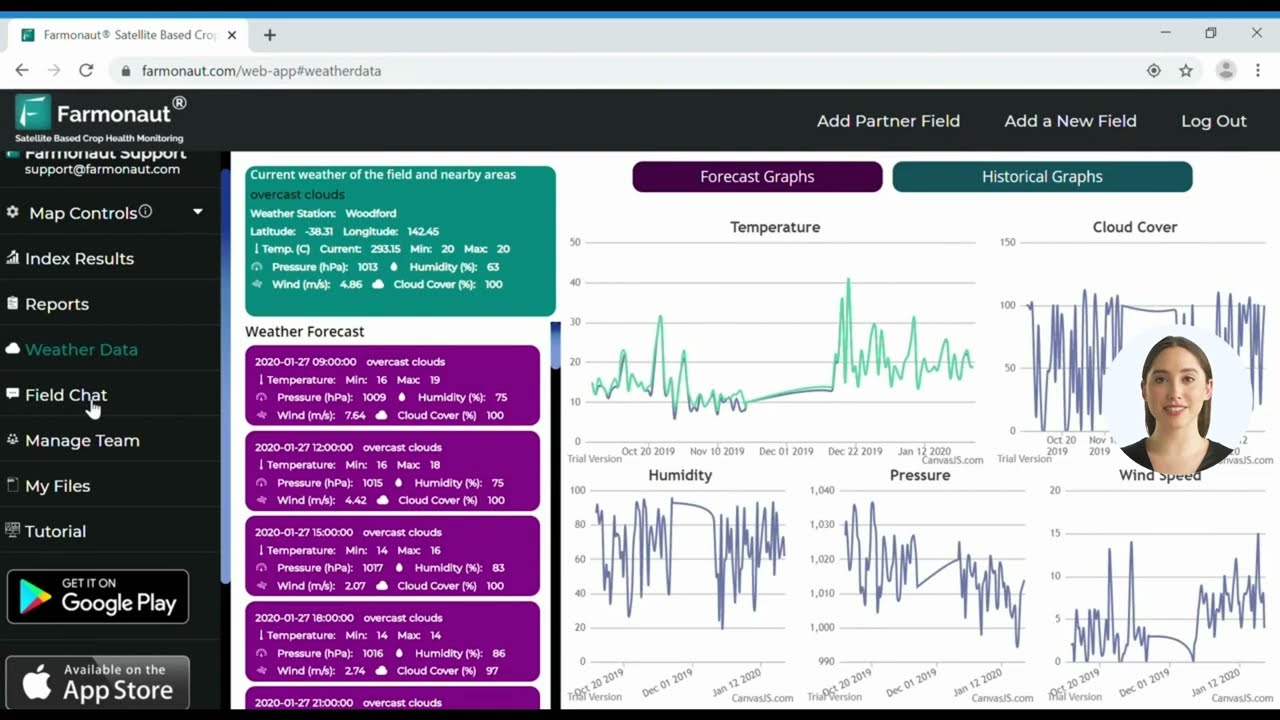
Innovative technologies are crucial to sustainable mineral extraction, and satellite-based solutions are central to achieving this within the demanding Bolivian landscape. As a pioneering satellite technology company, we at Farmonaut provide advanced monitoring and environmental management tools that support Bolivian lithium mining companies in accomplishing their sustainability and strategic goals.
- Mining Site Monitoring: Our multispectral satellite imagery enables constant, real-time surveillance of brine ponds, evaporation regions, and surrounding habitat. This ensures rapid detection of environmental changes and operational risks—all from your browser or mobile app.
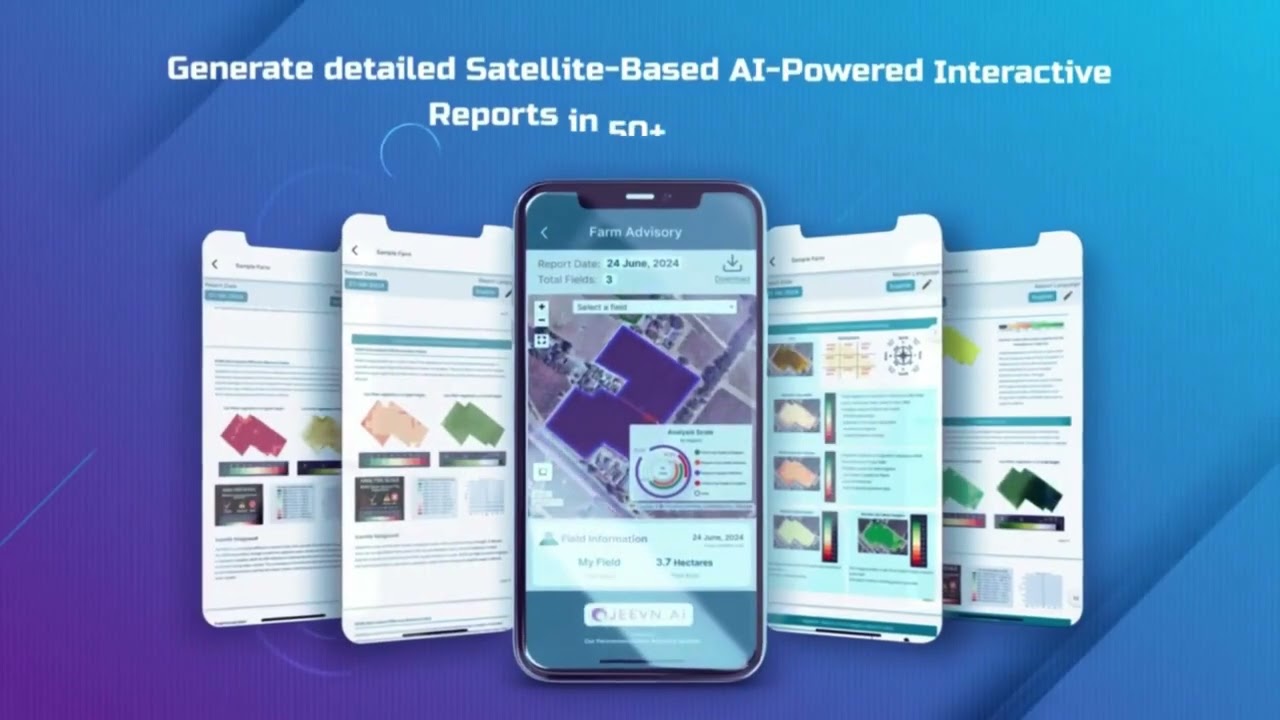
- AI-Driven Advisory: Our Jeevn AI system analyzes satellite data, providing tailored suggestions for water, fleet, and emission management in support of sustainable mining practices.
- Blockchain Traceability: We underpin transparent supply chains with robust, blockchain-based solutions—critically important for firms wishing to prove ethical extraction and environmental compliance.
- Resource Management: Farmonaut’s fleet management tools help coordinate logistics, optimize mining fleet performance, and reduce operational costs.
- Environmental Impact Tracking: Facilities use our satellite data and carbon footprinting solutions to monitor and minimize CO₂ emissions, helping them stay compliant and competitive in environmentally-conscious global markets.
- API Integration for Developers: Seamlessly integrate environmental data into your custom applications using our Farmonaut Satellite API. Explore technical documentation here for streamlined implementation.
Our mission is to empower businesses, government institutions, and individual users to thrive in a data-driven, sustainable mining environment.

Farmonaut Subscription Plans
Access affordable, scalable satellite monitoring and advisory solutions for mining and environmental sustainability:
Future Outlook: Bolivia’s Role in Sustainable Lithium—2026 and Beyond
The next decade will be pivotal. As demand for responsible, low-carbon lithium accelerates, Bolivia is equipped to transition from a raw material supplier to a fully integrated value chain leader—spanning extraction, processing, battery cell manufacturing, and even battery recycling.
- Integrated Facilities: Major companies, including YLB and leading brine innovators, are planning facilities that will not just extract, but process and manufacture lithium-ion batteries domestically—multiplying economic gains and positioning Bolivia as a strategic force across South America and the world.
- Community & Ecological Balance: Policy and compliance standards will increasingly prioritize indigenous rights, ecosystem restoration, and benefits-sharing—creating a mining model for emerging resource-rich markets.
- Technological Convergence: AI, blockchain, satellite monitoring, and water/energy management systems (many of which we at Farmonaut offer) will converge in hyper-efficient, transparent mining operations.
- Geopolitical Relevance: Given the strategic importance of lithium for next-gen energy, storage, and defense, Bolivia’s mineral policy and stewardship will be closely followed by international markets and environmental watchdogs alike.
By emphasizing sustainability, inclusivity, and innovation, Bolivian lithium mining companies will not only ensure a resilient future for the country but also help set the standard for ethical mineral extraction and supply worldwide.
Frequently Asked Questions: Bolivian Lithium Mining Companies & Sustainability
1. Why is Bolivia considered a leader in lithium brine mining?
Bolivia possesses the largest lithium reserves on the planet, especially in the Salar de Uyuni. Its reliance on sustainable brine extraction methods, robust environmental frameworks, and abundant natural resources places it at the forefront of global lithium production.
2. What are the main environmental challenges facing Bolivian lithium companies?
Major concerns include water usage and ecosystem disruption in the arid highlands, potential impacts to indigenous communities, and sustainable management of evaporation ponds. Advanced monitoring and innovative recycling technologies are helping to address these concerns.
3. How do Bolivian lithium mining companies ensure their operations are sustainable?
Through DLE technologies, solar evaporation, local community initiatives, and certifications such as ISO 14001, Bolivian firms aim to minimize emissions, reduce water impact, and maximize positive social outcomes.
4. What benefits does Farmonaut provide to mining companies?
We deliver real-time satellite monitoring, AI-based environmental analysis, blockchain traceability for ethical supply chains, and logistics management—empowering mining companies to optimize operations, meet compliance, and demonstrate sustainability.
5. Will Bolivia move beyond raw lithium exports?
Yes—integrated battery manufacturing, recycling, and technological innovation are already emerging within Bolivia’s industrial strategy for 2026 and beyond. This will further increase value addition and skilled employment domestically.
6. How important is traceability in the lithium supply chain?
It is essential. Companies—and international buyers—require assurances of ethical, transparent, and sustainable extraction. Blockchain-based traceability systems now provide end-to-end transparency, boosting consumer and regulatory trust.
7. Are there opportunities for small and medium-scale mining operations?
Absolutely. Subscription-based monitoring and advisory platforms such as ours (carbon footprinting solutions or remote forest advisory) are affordable at every scale, making advanced technological support accessible for both startups and established operators.
Conclusion: Bolivian Lithium Mining Companies—Pioneering a Sustainable Global Future
As 2025 segues into the next era of energy and environmental responsibility, Bolivian lithium mining companies set the global standard for sustainable brine mining. By leading on technological innovation, championing environmental stewardship, and supporting inclusive community benefits, Bolivia is not only supplying a critical mineral—but reshaping how the world views resource extraction.
Harnessing new technologies, data-driven management, and robust ethical standards, Bolivian firms remain at the heart of a transformative market—fueling a cleaner, more connected world and advancing the sustainability goals of tomorrow.
Join the sustainable minerals movement today.
Discussion
Questions, corrections or field experience? Share them below. First-time comments are reviewed before they appear, and your email is never published.
No comments yet. Be the first to add a question or your experience.

 GemSprout Metals Limited
 Qader Group
 Ileys General Trading
 SG Gold Mining LLC
 VRV Global Pte Ltd
 Omsri International FZE
 G.I.T.T.
 Jaunita Erss Ltd
 Almosi SARL
 SRK Consulting
 Berks Gold Limited
 Mwerezi Minerals Company Limited
 Mining SARL
 SenGold Invest SAS
 Sean Mining Limited
 NTS Group (Pty) Ltd
 Mine4Africa
 Lithspo Minerals Limited










