

Business Improvement in Mining: 7 Top Strategies 2025
“In 2025, over 60% of mining companies plan to increase investment in digital innovation and automation technologies.”
“Adoption of sustainable mining practices is projected to grow by 40% among top industry leaders by 2025.”
Introduction: The Cusp of Transformation in Mining
Business improvement in mining is rapidly transforming as the mining industry navigates an intricate interplay of increasing global demand for minerals, complex regulatory frameworks, urgent sustainability needs, and a heightened focus on technological innovation. In 2025, business improvements go far beyond optimizing production—they now require integrating advanced technologies, environmental responsibility, and social stewardship to ensure companies remain viable and competitive in a shifting market landscape.
Key trends—from automation and data analytics to environmental impact monitoring and circular economy models—are shaping how companies can enhance efficiency, reduce costs, and increase ESG compliance in the modern era. As we approach 2025, the future of mining depends on adopting strategies that are dynamic, resilient, and forward-thinking.
1. Embracing Digitalization & Automation: The Bedrock of Business Improvement in Mining
Business Improvement in Mining Through Advanced Digital Technologies
At the forefront of business improvement in mining for 2025 lies the adoption of digital technologies. This digital transformation touches every aspect of mining operations, leveraging:
- Advanced data analytics & AI: Empowering predictive maintenance that reduces equipment downtime and optimizes asset utilization
- Internet of Things (IoT): Providing real-time monitoring systems that boost operational visibility
- Automated machinery & autonomous vehicles: Enhancing safety by reducing human exposure to hazardous environments and increasing efficiency
- 5G networks: Expanding connectivity at remote locations, facilitating seamless integration of devices and systems
Implementing these technologies brings a step change in performance, reducing costs and optimizing production. Predictive maintenance alone can cut unscheduled downtime by up to 30%. Automated haul trucks and drill rigs, increasingly deployed across the mining industry, enable both safer workplaces and higher output.
For instance, real-time environmental and equipment monitoring helps companies anticipate challenges before they impact production or safety: from predicting conveyor belt failures to tracking toxic gas build-up. In regions with difficult terrain, remote operations centers can oversee entire mines, further reducing risk and increasing total system efficiency.

Digitalization in Action: Use of AI, IoT, and Farmonaut
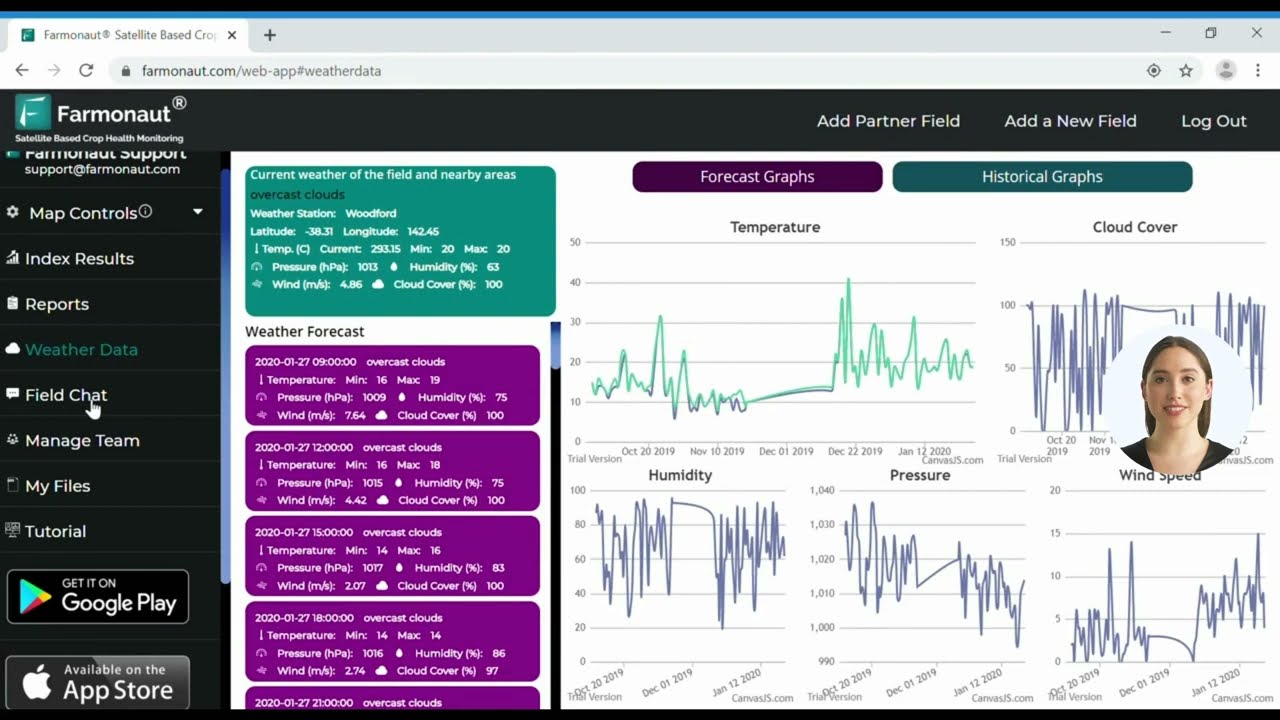
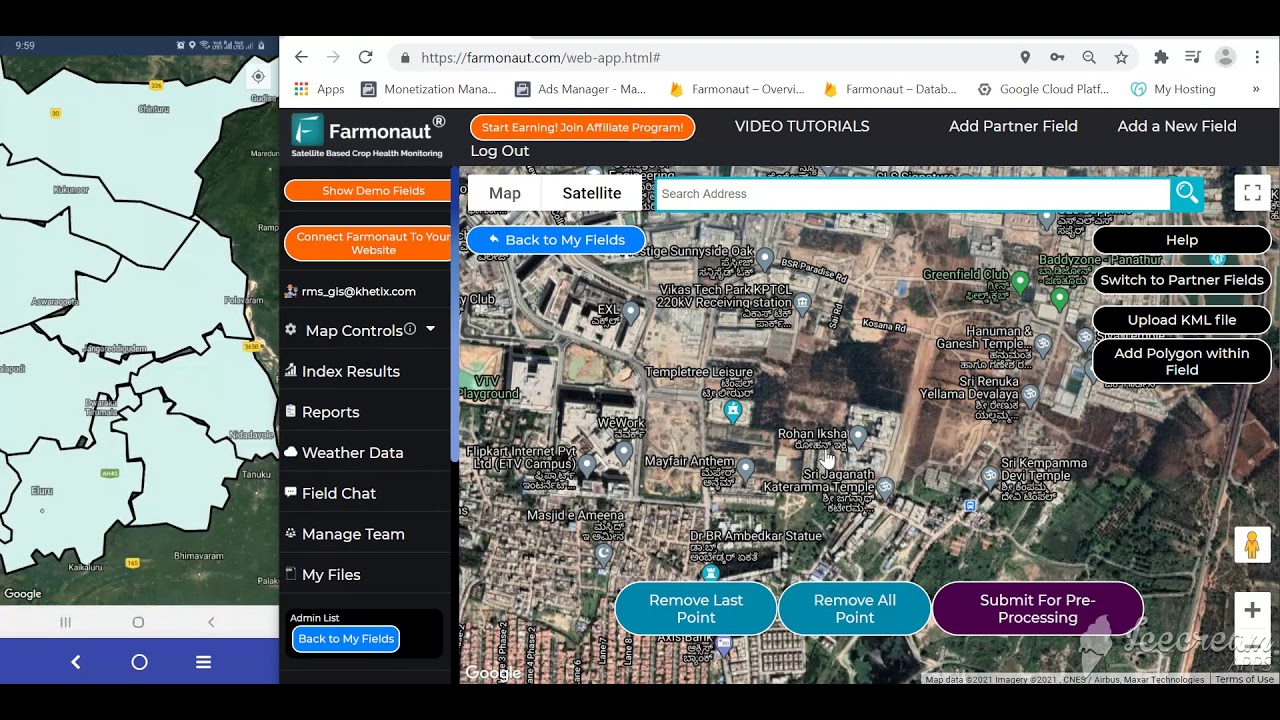
New digital solutions such as Farmonaut’s satellite-based API and developer tools allow mining companies to monitor operations remotely, gain AI-based insights, and quickly react to anomalies. Our integration of blockchain-based traceability ensures operational transparency and security—critical for meeting future regulatory requirements and stakeholder expectations.

- Monitor entire mining operations with a single dashboard—perfect for remote or hyper-dispersed sites
- Deploy AI-based predictive analytics (learn more) to flag issues before they trigger costly shutdowns
- Enable cross-company data integration for unified resource management
2. Sustainable Mining Practices for 2025: Prioritizing Environmental Stewardship
Business Improvement in Mining with Environmental and Social Responsibility
With environmental and social responsibility becoming business imperatives, business improvement in mining now entails adopting sustainable practices. Meeting stringent regulatory and community expectations, especially for ESG compliance, is non-negotiable in 2025. Companies that prioritize sustainability not only reduce environmental impact but also benefit from enhanced reputation and future market access.
Key Sustainable Strategies:
- Renewable energy integration: Replacing diesel generators or grid electricity with solar, wind, or hydropower to reduce carbon footprints and operating costs
- Water recycling systems: Minimizing fresh water usage and maximizing process water recovery
- Waste reduction: Implementing solutions for tailings management and waste processing—helping to meet the circular economy goals
- Environmental monitoring: Continuous tracking of emissions, runoff, and biodiversity impact using advanced satellites and IoT sensors (see Farmonaut’s carbon footprinting tools for real-time reporting and regulatory compliance)
Incorporating these tactics can enable mines to decrease greenhouse gas emissions by up to 60% and move towards carbon-neutral operations. New regulations in 2025 will increasingly require transparency—systems must be capable of tracing resources and providing auditable ESG data across the full supply chain.

Farmonaut Tools for Sustainable Mining
- Carbon Footprinting: Track, analyze, and report site-by-site greenhouse gas emissions and offsets using satellite data, enabling compliance with international climate commitments
- Product Traceability: Secure, blockchain-based tracking to ensure transparent and ethical mineral sourcing—essential for future-facing supply chains
3. Resource Optimization & Circular Economy: Efficient Use, Minimal Waste
Business Improvement in Mining via Advanced Processing and Reuse
Resource efficiency has never been more essential as easily accessible mineral deposits dwindle and global demand for minerals mounts. The next phase of business improvement in mining will reward companies that:
- Deploy advanced mineral processing technologies to increase recovery rates and lower tailings volume
- Adopt circular economy initiatives—recovering metals from waste streams, tailings reprocessing, and using by-products for new value chains
- Utilize digital monitoring systems (see Farmonaut’s app) for real-time insights on stockpile levels, ore grades, and extraction performance
- Implement resource management tools that optimize fleet, equipment, and energy consumption (Fleet Management Page)
In 2025, these measures support both economic viability and environmental stewardship, allowing mining companies to access new revenue streams while reducing environmental impact. Leveraging satellite-and-AI-based monitoring and advisory systems contributes to continuous operational improvements.

Examples include extracting rare earth elements from legacy tailings and using waste heat from processing plants for district heating in local communities. Progressive companies are switching to green chemistry and reusing process water to decrease overall resource intensity.
4. Workforce Development & Safety Enhancement: People Power the Future
Business Improvement in Mining Starts with Human Capital
Human capital remains a core asset in mining. Business improvement strategies now increasingly focus on:
- Upskilling workforce in digital technology—from equipment operators to mine planners, everyone needs digital fluency
- Wearable safety devices and health monitoring—IoT-based smart PPE that tracks vitals, detects gas leaks, and alerts supervisors to unsafe conditions
- Using robotics for dangerous tasks, such as blasting or confined-space inspections
- Fostering a safety culture with transparent and instant reporting of near-misses and hazards (can be digitized via apps/AI)
Digital tools allow for personalized training pathways, streamlined incident reporting, and collaborative knowledge transfer across geographies. In 2025, remote operations centers will play a key role in supporting site personnel and managing crisis response.

- With platforms like Farmonaut, mining operators can access remote equipment and environmental data, speeding up decision-making and risk mitigation.
- Insurance verification services powered by satellite data reduce fraud and enable safer, better-financed operations.
5. Strategic Partnerships & Community Engagement: Building Trust and Shared Value
Business Improvement in Mining Requires Social License to Operate
No mining company can operate in a vacuum. Business improvement in mining for 2025 calls for active engagement and cooperation with:
- Local communities: Transparent communication, rapid grievance redressal, and investment in development initiatives aligned to mine life cycles
- Strategic partnerships with technology providers, logistics networks, and infrastructure developers
- Shared infrastructure projects: Building renewable energy plants, water purification systems, or transport corridors that benefit both the mine and local population
Such partnerships reduce operating costs, expand ESG compliance, and create lasting value for all stakeholders. Mining’s future depends on earning and maintaining a social license to operate through responsible practices, transparent reporting, and inclusive engagement.
- Geospatial monitoring via Farmonaut’s app offers near-real-time visibility into operations and environmental impact, supporting collaborative oversight.
- Blockchain-based traceability solutions deliver supply chain transparency, critical for building trust with global buyers and ethical investors.

6. Regulatory Compliance, ESG & Risk Management: Navigating Complexity with Confidence
Business Improvement in Mining Through Digital Compliance & Proactive Risk Frameworks
The regulatory landscape in mining is becoming more intricate, revolving around tightly enforced environmental, social, and governance (ESG) criteria. Business improvement in mining demands:
- Automated, digital compliance management systems (like those enabled by Farmonaut’s API) for tracking and meeting evolving regulations
- Comprehensive risk management frameworks that address geopolitical volatility, environmental incidents, and market disruptions
- Transparent, proactive ESG reporting using data-driven platforms for audit readiness and investor relations
By 2025, companies are expected to provide “single-window” ESG dashboards combining site emissions, community projects, and compliance status. AI-based scenario modeling helps stress-test operations against regulatory and climate risks. Automated workflows reduce compliance errors and costs—unlocking reputation and financial advantages.
7. Innovation in Infrastructure & Logistics: Enabling Seamless Operations
Business Improvement in Mining with Smart, Connected Networks
Remote mining operations typically face immense logistics challenges—high transport costs, weather disruptions, and fragmented supply chains. For business improvement in mining, innovative approaches include:
- Smart transportation systems: Utilizing AI and sensor networks for route optimization, vehicle monitoring, and autonomous equipment logistics
- Drone-based aerial surveys for mapping, stockpile assessment, and environmental monitoring
- Supply chain forecasting powered by machine learning to predict and proactively resolve bottlenecks
- Co-investment in infrastructure that reduces environmental impact and supports local development
Modern tools—like Farmonaut’s fleet and resource management modules—enable efficient logistics, reduce fuel consumption, and improve delivery timelines. As the sector evolves, business improvement in mining will increasingly rely on connected, responsive, and scalable logistics systems.
“In 2025, over 60% of mining companies plan to increase investment in digital innovation and automation technologies.”
“Adoption of sustainable mining practices is projected to grow by 40% among top industry leaders by 2025.”
Comparison Table: Mining Improvement Strategies for 2025
| Strategy | Digital Technology Involved | Estimated Efficiency Improvement (%) | Estimated ESG Compliance Increase (%) | Key Environmental Benefits | Implementation Complexity |
|---|---|---|---|---|---|
| Digitalization & Automation | AI, IoT sensors, 5G, Automation software | 25-40 | 20-30 | Reduces energy and water waste, lowers emissions | Medium to High |
| Sustainable Mining Practices | Renewable energy systems, ESG trackers | 10-20 | 30-45 | Minimizes carbon and water footprints, improved biodiversity | Medium |
| Resource Optimization & Circular Economy | Advanced processing, Satellite monitoring, Blockchain traceability, Recovery tech | 15-30 | 15-25 | Decreases mining waste, enables material reuse | High |
| Workforce Development & Safety | Wearables, Smart PPE, Remote ops panels | 10-20 | 20-35 | Lower accident rates, reduced human exposure | Medium |
| Strategic Partnerships & Community Engagement | Satellite-based reporting, Blockchain for supply chain | 5-10 | 25-40 | Promotes local development, ensures ethical sourcing | Medium |
| Regulatory Compliance & Risk Management | Compliance software, AI scenario modeling | 10-15 | 25-50 | Reduces non-compliance risks, faster response to spills/incidents | Medium |
| Innovation in Infrastructure & Logistics | AI fleet mgmt, Drone mapping, Supply chain optimization | 18-27 | 15-20 | Reduced fuel use, lower transport emissions | Medium |
Farmonaut: Enabling Smart Business Improvement in Mining
As business improvement in mining becomes ever more data-driven in 2025, Farmonaut’s advanced satellite and AI technologies are designed to equip every mining operation with actionable insights, efficient systems integration, and sustainable resource management. We make digital innovation affordable across the industry, regardless of company size or location, via:
- Satellite-based monitoring of mining sites, enabling high-resolution tracking of environmental impact, workforce safety, and operational efficiency in real time.
- AI-powered advisory systems for preventive maintenance, tailored risk management, and productivity optimization.
- Blockchain traceability tools to secure supply chains and enhance compliance for both global and local markets.
- Resource and fleet management—optimize your equipment and vehicular usage while reducing costs and carbon footprints (details here).



We offer a modular, scalable approach—whether you need an API for system integration or a fully featured mobile/web dashboard. Learn more about our API here and our fleet/resource management solutions here.
Frequently Asked Questions (FAQs) – Business Improvement in Mining 2025
What does “business improvement in mining” actually mean in 2025?
Business improvement in mining refers to the multifaceted effort of making mining operations more efficient, safer, environmentally sustainable, and profitable. In 2025, this means integrating advanced digital technologies, sustainable practices, and strong ESG frameworks—all while responding to stakeholder expectations and global regulatory pressures.
How important is digitalization for mining companies next year?
Digitalization is foundational—by 2025, the majority of companies will use digital and automated systems for everything from predictive maintenance to ESG reporting. Digital platforms and remote monitoring (like those offered by Farmonaut) drive lower costs, improved uptime, and greater compliance.
Which sustainability practices are yielding the strongest business impact?
Energy transition toward renewables, advanced water recycling, tailings repurposing, and digital carbon footprinting (see our carbon tools) are leading the way. These not only reduce environmental impact but also lower long-term operational risks.
How can Farmonaut help my mining company address regulatory and risk management?
Our satellite and AI-powered API solutions enable real-time monitoring, automated reporting, and compliance tracking, helping your team stay audit-ready while proactively managing risks and meeting the latest ESG expectations.
Is circular economy technology really feasible for most mining operations?
Yes, especially as advanced processing technologies and digital waste tracking become mainstream. Even small and mid-sized sites can recover valuable minerals from tailings with new solutions integrated into their systems.
How can miners improve community relationships and social license to operate?
Consistent, honest engagement; supporting local development; and transparent digital reporting (such as blockchain traceability and environmental dashboards) help build mutual trust. Farmonaut tools assist in sharing unbiased, up-to-date site information with all stakeholders.
Conclusion: The Future of Business Improvement in Mining
The mining industry in 2025 faces a unique inflection point. Technological progress, strict environmental mandates, and rising global demand for minerals require a holistic, future-ready approach to business improvement in mining. Companies embracing digitalization, sustainable practices, advanced risk management, and stakeholder engagement are already seeing business and social value.
Smart integration of AI, satellite, and blockchain technologies—along with innovative resource, workforce, and community management—will shape the competitive landscape for years to come. With solutions like Farmonaut’s platform, mining organizations gain the agility and insight to grow responsibly while achieving both operational and ESG excellence.
As the era of business improvement in mining unfolds, those who embrace innovation and responsibility will not just adapt, but lead the future of sustainable, efficient mineral extraction and processing.

 Swati Minerals
 Faith At Work (Pty) Ltd
 Geotech Mining Solutions plc
 Vulcan International Limited
 Kidepo Associates
 GKY Mining
 Alkimy SARL
 Double A Trading
 GemSprout Metals Limited
 Qader Group
 Ileys General Trading
 SG Gold Mining LLC
 VRV Global Pte Ltd
 Omsri International FZE
 G.I.T.T.
 Jaunita Erss Ltd
 Almosi SARL
 SRK Consulting
 Berks Gold Limited
 Mwerezi Minerals Company Limited
 Mining SARL
 SenGold Invest SAS
