

Coal Mines in Saudi Arabia: 2025 Clean Energy Updates
Executive Summary: Coal Mines in Saudi Arabia—An Emerging Energy Frontier in 2025
Historically, the energy landscape of Saudi Arabia has been dominated by vast oil reserves, securing its positioning as a leader in petroleum production and export. However, as the world shifts towards diversification and sustainability, attention is increasingly turning to alternative energy sources within the Kingdom. Among these, coal mines in saudi arabia—relatively nascent and promising—are poised to play a strategic role in the nation’s industrial and energy framework for 2025.
Through fresh geological surveys and exploration initiatives, sizeable coal deposits mainly located within Tabuk and Ha’il province have been identified. As demand grows for energy to fuel ongoing megaprojects—such as NEOM and the Red Sea Project—the role of domestic coal mining has become increasingly important.
This blog explores the future of coal mines in Saudi Arabia by unpacking their energy diversification potential, discussing the adoption of cleaner technologies, and outlining significant challenges and opportunities for sustainable growth in 2025.
The Future of Coal Mines in Saudi Arabia: Context & Drivers
As energy demand surges to support the Kingdom’s Vision 2030 goals, Saudi Arabia is seeking to balance its historical dependence on oil with sustainable and diversified energy sources. The discovery of coal reserves represents an emerging frontier that offers both economic and industrial promise. While coal mines have not been as significant as the oil and gas sector, the strategic potential in Saudi Arabia is undeniable.
Key environmental, societal, and economic factors are driving a global shift toward cleaner energy and resource diversification:
- Energy security and stable supply chains: Coal offers Saudi Arabia a way to reduce dependence on imported resources.
- Megaproject support: Ongoing infrastructure development under Vision 2030 (including NEOM and the Red Sea initiatives) demands massive energy and material inputs.
- Global climate commitments: Saudi Arabia’s 2040 net zero pledge and participation in the Paris Agreement create regulatory drivers for cleaner industrial practices.



Farmonaut’s platform allows real-time monitoring of mining and infrastructure sites, providing visibility into carbon emissions and environmental impacts. Businesses, government, and industry leaders can access satellite insights for decision-making by launching the web or mobile satellite monitoring app.
Coal Reserves and Resource Potential in Saudi Arabia
Despite not being traditionally known for extensive coal mining, Saudi Arabia’s recent geological surveys and exploration initiatives have identified significant reserves—mainly located in northern and central regions, particularly in the Tabuk and Ha’il province. Estimates suggest coal deposits could amount to several hundred million tons, marking the Kingdom as a potential domestic supply hub.
- Main Coal Regions: Tabuk, Ha’il Province, (with ongoing exploration in Al Jawf and surrounding areas).
- Resource Scale: Several hundred million tons expected—enough to fuel domestic power, cement, and steel production sectors for decades.
- Strategic Value: Domestic coal reduces reliance on imported coal, cuts logistical costs, and supports local employment and industrial supply chains.
Saudi Arabia’s coal resource development is aligned with the broader economic diversification drive. Unlike the oil sector, this mining activity is still relatively nascent—but the Kingdom’s attention is turning to coal mines as part of the energy mix needed for 2025 and beyond.
Coal’s Role in Saudi Energy & Industrial Sectors for 2025
With ongoing megaprojects (such as NEOM and the Red Sea Project) and massive infrastructure development under Vision 2030, coal mines in saudi arabia are increasingly being integrated into industrial supply chains. Here’s how coal figures into Saudi’s energy and industry:
1. Power Generation
- Coal-fired power plants remain critical—especially for base-load power generation due to their scalability and cost efficiency.
- Cleaner plant retrofits underway, with ultra-supercritical boilers and IGCC (Integrated Gasification Combined Cycle) systems reducing emissions and increasing efficiency.
- These plants contribute to Saudi’s diverse energy mix—offering stable supply for industrial processes at a time of growing consumption.
2. Manufacturing & Construction
- Cement and steel production—sectors traditionally dependent on coal—have seen integrated supply chains benefiting from domestic mining.
- The cement industry, in particular, is a major coal consumer in Saudi Arabia, and local coal supply is reducing input costs and improving sustainability.
3. Energy Diversification Strategy
- Diversifying the energy portfolio is vital for national security, resilience, and economic stability.
- Coal is increasingly seen as an alternative resource, particularly for sectors where renewables are not yet technically viable at scale, such as heavy industry.
- This fits within broader sustainability and emissions reduction goals, by using cleaner technologies and integrating coal thoughtfully within the Kingdom’s evolving energy framework.

Did you know? Oil remains Saudi Arabia’s chief export, yet with the world shifts towards sustainability, coal mines and domestic resources are playing an increasingly key role in the Kingdom’s economic development.
Clean Coal Technologies & Environmental Management in Saudi Mines
Environmental management and emission control are at the heart of Saudi Arabia’s coal mining transformation for 2025. As global pressure mounts and domestic goals evolve, the Kingdom is investing in advanced cleaner technologies to balance industrial growth with a smaller environmental footprint.
Cleaner Coal Technologies in Action
- Ultra-supercritical boilers—These increase power plant thermal efficiency, reduce fuel consumption, and lower carbon emissions per unit of electricity produced.
- IGCC (Integrated Gasification Combined Cycle)—Converts coal into synthesis gas, enabling highly efficient, low-emission electricity generation.
- Emission-control retrofits—Flue-gas desulfurization, selective catalytic reduction, and fabric filters are being increasingly installed.
- Methane capture and dust control systems—Significantly improve air quality and reduce the release of harmful particulates.

Environmental Restoration & Water Management
- Land reclamation efforts in the arid regions (such as Tabuk and Ha’il) focus on rapid ecological recovery and minimizing impact on fragile desert ecosystems.
- Water conservation technologies—Essential given Saudi’s water scarcity challenge. Closed-loop water systems and recycling initiatives are now standard in major mines.
- Coal beneficiation processes—Remove impurities to make domestically mined coal more “environmentally friendly” during combustion and industrial use.
Efforts are underway to explore carbon capture and storage (CCS)—a significant technological advancement aimed at reducing Saudi coal’s carbon footprint further.
Saudi Arabian Coal Mining: 2025 Clean Technology Adoption Overview
| Coal Mine / Project Name | Location | 2023 Output (million tons, est.) |
2025 Projected Output (million tons, est.) |
Clean Technology Adopted | Renewable Energy Integration | Estimated Emission Reduction (%) |
|---|---|---|---|---|---|---|
| Al Badayah Coal Project | Tabuk, Northern Region | 1.4 | 2.0 | Ultra-supercritical Boilers, Methane Capture, Dust Control | Yes | 19% |
| Ha’il Clean Coal Initiative | Ha’il Province, Central Region | 0.9 | 1.5 | IGCC, Water Conservation, Land Reclamation | Yes | 27% |
| Al Jawf Coal Modernization | Al Jawf, Northern Extension | 0.6 | 1.2 | Emission-Control Devices, Beneficiation, CCS Pilots | No | 11% |
| Integrated Tabuk Industrial Supply | Tabuk Industrial Belt | 0.3 | 0.8 | Hybrid Dust/Methane Capture, AI Monitoring | Yes | 22% |
*Data above are for illustrative purposes and reflect estimated progress within Saudi Arabia’s coal mining sector and clean technology adoption by 2025.
Mining Innovations, Automation, and Digitalization in Saudi Coal Mining
Digital transformation is reshaping how mines are managed in 2025. Operators and ministries are increasingly turning towards satellite monitoring, automation, and AI-driven resource optimization to enhance safety, efficiency, and sustainability in the mining sector.
Key 2025 Technology Trends in Saudi Mining
- Remote Sensing & Satellite Technology: Satellite imagery analysis gives mining operators a detailed understanding of geological features, active pit expansion, and environmental change. Real-time alerts help with sustainability compliance. Try out Farmonaut’s web application to manage and monitor mine progress and environmental footprint efficiently!
- AI and Big Data Analytics: AI platforms aggregate mineral data, optimize exploration, schedule equipment maintenance, and minimize resource loss.
- Automated Fleet Management: Modern Saudi mines in Tabuk and Ha’il regions utilize AI-powered fleet management systems for efficient haulage, reduced fuel use, and better maintenance. Explore our fleet management solutions here to see how satellite-enabled AI reduces logistics costs and emissions in mining.
- Blockchain for Traceability: Implemented in mining and industrial supply chains to assure product origin and authenticity, boosting global confidence in Saudi coal exports. See how blockchain technology powers transparency in resource traceability.
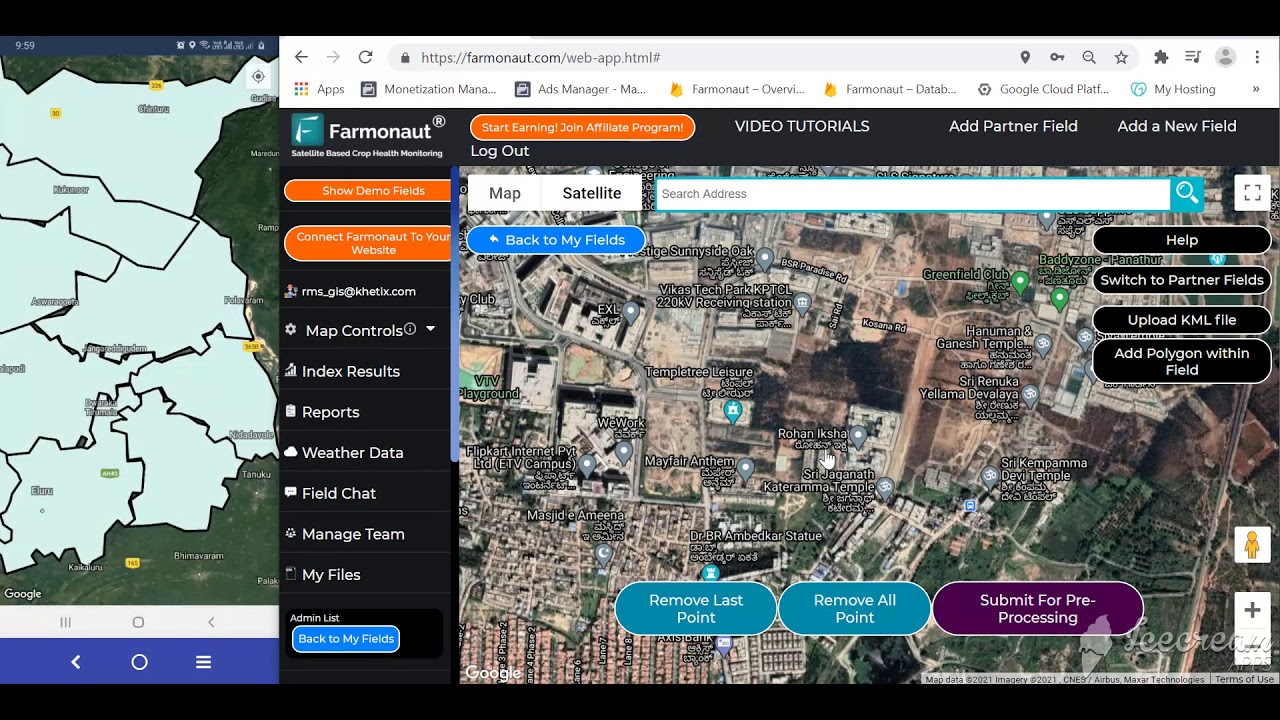
Rapid digitization and the adoption of AI-driven tools position Saudi Arabia’s coal mines as major contributors to the Kingdom’s industrial growth, job creation, and international competitiveness.
Challenges Impacting Saudi Arabia’s Coal Sector
While the potential of coal mines in saudi arabia is significant, multiple challenges remain—especially for those working within the Kingdom’s arid landscape and complex industrial framework:
- Climatic & Geographic Hurdles: Mining projects must function in high temperatures, sandstorms, water scarcity, and remote areas (like Tabuk and Ha’il province).
- Skill Shortages: A nascent coal sector needs technical skills—geologists, mining engineers, environmental managers—to support cleaner, modern practices.
- Water Management: Efficient water use and recycling are critical due to natural scarcity and environmental risk to nearby oases and communities.
- Global Environmental Pressure: Saudi’s coal production must constantly innovate to keep pace with global emission reduction targets.
- Public Perception & Global Image: As the world shifts towards renewables, the reputation and acceptance of coal must be supported by transparent environmental management.
Ongoing efforts, including investment in cleaner technologies and real-time monitoring, help ensure that coal remains a responsible, efficiently used domestic resource within the modern Saudi energy mix.

A critical tool for meeting these challenges is environmental impact monitoring, such as Farmonaut’s carbon footprint tracking solution. Accurate, satellite-driven carbon tracking enables mining operators to identify emission hotspots and demonstrate transparency for regulators and stakeholders.
How Satellite Technology Empowers Mining Sustainability
From satellite-driven mine monitoring to AI-based advisory for operations, Farmonaut’s platform empowers Saudi Arabia’s mining industry to thrive under clean energy mandates. Here’s how our solutions make a measurable impact:
- Satellite-Based Resource Monitoring: Regular multispectral imagery provides industry, government, and business users with accurate snapshots of operational mine sites. This enables precise tracking of resource extraction, waste location, vegetation health, soil conditions, and environmental impact.
- Environmental Impact & Carbon Monitoring: Our carbon footprinting tools allow for automated tracking and compliance reporting, supporting Saudi Arabia’s sustainability goals.
- Jeevn AI Advisory System: Delivers real-time operational guidance by analyzing satellite and ground data—boosting productivity and reducing risks in Saudi mining and industrial zones.
- Fleet & Resource Optimization: With advanced fleet management, mining and logistics managers can reduce fuel costs and cut emissions by deploying assets intelligently across the Kingdom’s vast regions.
- Blockchain Traceability: Blockchain-backed traceability arms mining operators with proof of sustainable sourcing in supply chains, an essential factor for export and stakeholder confidence.
Users can also integrate Farmonaut’s tools directly via API for seamless, automated resource and emissions management. Access our satellite-powered API here (see the API developer documentation).

Subscription-Based Access: Our tools for mining, environmental management, and infrastructure monitoring are available through customizable subscription plans—flexible for businesses large and small, as well as governmental monitoring needs.
Vision 2030 and the Future of Saudi Coal Mining
Saudi Arabia’s Vision 2030 is driving dramatic reform—aiming for economic diversification, sustainable development, and an emerging energy future beyond just oil. As a result:
- Coal mines are increasingly seen as a domestic strategic resource, supporting industrial self-sufficiency and job creation.
- Environmental and clean technology mandates ensure coal’s contribution is both viable and responsible.
- Satellite monitoring, AI, and blockchain are transforming Saudi Arabia’s coal mining from a nascent sector to a global leader in resource management innovation.
Initiatives like NEOM and the Red Sea Project demand robust supply chains. For these, integrated satellite and AI resource management—as offered via Farmonaut’s platform—will be a cornerstone of future success.
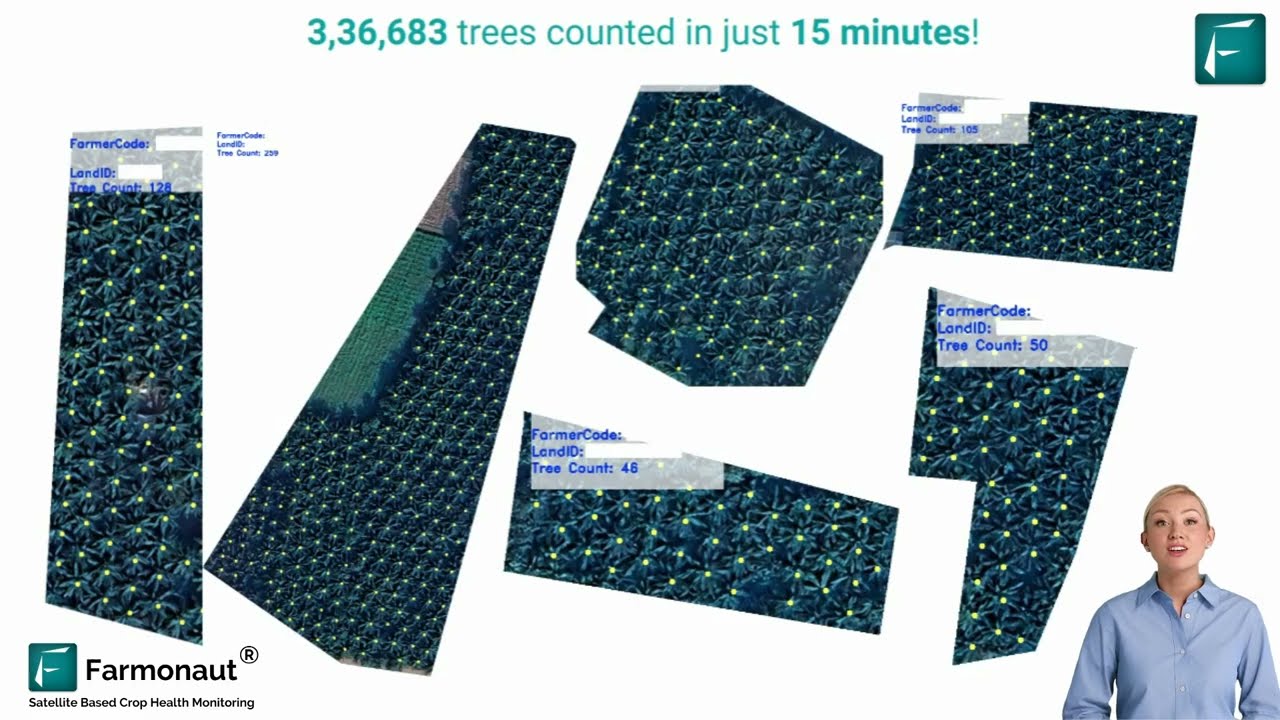
To support scaling mining operations, our large scale management dashboard makes it easy to monitor, visualize, and optimize mine and industrial projects—enabling full operational oversight from anywhere in Saudi Arabia.
FAQ: Saudi Coal Mining and Clean Energy 2025
-
Q: Where are the main coal mines in Saudi Arabia located?
A: The most significant coal mining projects are in the Tabuk (Northern region), Ha’il province (Central region), and expanding into Al Jawf. Exploration is active in surrounding areas to identify new reserves. -
Q: How much coal is Saudi Arabia expected to produce by 2025?
A: Projected output across major mines will exceed 5 million tons annually, supporting domestic industrial energy needs and reducing imported coal dependency. -
Q: What environmental technologies are being implemented in Saudi coal mines?
A: Top technologies include carbon capture, methane capture, advanced dust control, land reclamation, water recycling, and AI-supported real-time emissions monitoring. -
Q: How does Farmonaut help Saudi coal mining projects?
A: Farmonaut delivers satellite-based monitoring, AI advisory, fleet tracking, carbon footprinting, and traceability tools—all crucial for efficient, compliant, and transparent mining operations in Saudi Arabia. -
Q: Can satellite technology help reduce the environmental impact of coal mining?
A: Yes! Real-time satellite insights, integrated with AI, support precise emission tracking, early detection of ecosystem impact, and effective management of reclamation, water use, and restoration efforts. -
Q: What role will coal play as Saudi Arabia pursues more renewables?
A: While renewables will continue expanding, coal mines (especially with cleaner tech) remain vital for heavy industry, power plant base-load, and manufacturing—ensuring energy diversification and supply stability.

Conclusion: The 2025 Outlook for Coal Mines in Saudi Arabia
In summary, coal mines in Saudi Arabia—while not replacing the Kingdom’s oil legacy—are set to play a strategic role in the nation’s energy and industrial landscape for 2025 and beyond.
- Domestic coal reserves in Tabuk, Ha’il, and Al Jawf provide economic security and support for massive industrial and infrastructure projects like NEOM and the Red Sea Initiative.
- The adoption of cleaner technologies—from ultra-supercritical boilers to AI-powered monitoring—ensures that environmental goals and global emissions targets remain within reach.
- Mining innovation, digitalization, and transparent supply chains (powered by satellite, AI, and blockchain) enable smarter, sustainable development throughout the Kingdom.
- The relatively nascent coal sector still faces challenges—especially in water use, skilled labor, and climate adaptation—but ongoing efforts and technology adoption are expected to reduce the environmental footprint and push the Kingdom towards a sustainable, diversified energy future.
For Saudi leaders, industry, and sustainability stakeholders, coal is no longer “just” a fossil resource—but an emerging frontier shaped by technology, innovation, and responsible development.

As energy diversification accelerates and industrial growth reshapes Saudi Arabia, satellite-powered monitoring and digital solutions from providers like Farmonaut are set to become fundamental for sustainable, clean energy mining throughout the region.
Discussion
Questions, corrections or field experience? Share them below. First-time comments are reviewed before they appear, and your email is never published.
No comments yet. Be the first to add a question or your experience.

 Sean Mining Limited
 NTS Group (Pty) Ltd
 Mine4Africa
 Lithspo Minerals Limited
 Tintina Mining Group
 Dalgety Minerals Pty Ltd
 Vortex Minerals Pty Ltd
 Faith At Work (Pty) Ltd
 Geotech Mining Solutions plc
 Vulcan International Limited
 Kidepo Associates
 GKY Mining
 Alkimy SARL
 Double A Trading
 GemSprout Metals Limited
 Qader Group
 Ileys General Trading
 SG Gold Mining LLC
 VRV Global Pte Ltd
 Omsri International FZE
 G.I.T.T.
 Jaunita Erss Ltd
 Almosi SARL
 SRK Consulting
 Berks Gold Limited










