

Cobaltmining: Tesla & Ethical Cobalt Mining in 2026
“By 2026, global cobalt demand for batteries is expected to surpass 220,000 tons—double the 2020 figure.”
“Over 60% of the world’s cobalt comes from Congo, where ethical mining remains a critical 2025 challenge.”
Table of Contents
- The Context of Cobaltmining in 2026
- Demand Drivers: Sectors Fueling Cobaltmining
- Geography and Context: Cobalt’s Origins in the DRC
- Tesla and Cobalt Mining: Navigating the Ethical Dilemma
- Ethical Mining in 2026: Persistent & Evolving Challenges
- Supply Chain Transparency: The Key to Sustainable Cobaltmining
- Technological Innovation: Transforming Cobalt Mining and Traceability
- Estimated Impact of Ethical vs. Conventional Cobalt Mining in 2025
- Solutions & The Path Forward for Responsible Cobaltmining
- Farmonaut’s Role in Building Sustainable Mining Supply Chains
- FAQs on Cobaltmining, Tesla, and Ethical Mining in 2026
- Conclusion: Ethical Cobaltmining as an Imperative for a Clean Future
- Farmonaut Subscriptions
The Context of Cobaltmining in 2026
Cobaltmining has become a defining issue in the global transition to electric vehicles (EVs), renewable energy storage solutions, and sustainable infrastructure development. As we enter 2026, the significance of this mineral has never been greater. The world relies on cobalt for its unique chemical properties—properties that make it indispensable in battery production, agriculture, defense, and a host of advanced industrial applications.
The extraordinary growth in demand for high-performance, rechargeable batteries underscores the important role of cobalt in our energy future. However, as the cobaltmining industry continues to expand, a host of ethical, environmental, and socio-economic challenges intensify, fueling widespread debate around responsible supply chains, sustainable development, and human rights in resource-rich regions.
This blog explores the current status, key challenges, and the path forward for ethical cobalt mining, highlighting leading companies like Tesla, pivotal geographies like the Democratic Republic of the Congo (DRC), and the innovations shaping supply chain transparency and environmental protection.

Demand Drivers: Sectors Fueling Cobaltmining
Cobalt’s meteoric rise in strategic importance results from its diverse applications in several critical sectors:
- Cobalt in Battery Production: Cobalt stabilizes battery cathodes, increases energy density, and extends the longevity of rechargeable batteries—making it essential for the expanding EV and consumer electronics industries.
- Cobalt in Agriculture: As an essential micronutrient for livestock health, cobalt supports Vitamin B12 production in ruminants, impacting food security and sustainable agriculture programs.
- Cobalt in Defense and Aerospace: Its high strength and corrosion resistance properties are vital for advanced alloys used in defense infrastructure and aerospace applications.
- Cobalt in Mining Equipment: As a byproduct of copper and nickel mining, cobaltmining operations also leverage cobalt for hard alloys used in industrial tools.
With the growing adoption of renewable energy and EVs, demand for cobalt continues to climb. Tesla and other leading companies are at the forefront, pushing for more efficient, higher-capacity, and ethically-sourced batteries. Tesla and cobalt mining are now intrinsically linked in the public consciousness, raising questions about how the industry can balance growth with sustainability.

Geography and Context: Cobalt’s Origins in the DRC
Today, over 60% of cobalt originates from the Democratic Republic of the Congo (DRC), which holds roughly 70% of the world’s known reserves. Cobaltmining in the DRC includes both industrial, mechanized extraction and extensive artisanal operations, often lacking sufficient regulatory oversight. Several key mining sites in the DRC are concentrated in the Copperbelt region, where extraction is typically a byproduct of copper and nickel mining activities.
However, the local context of mining in the DRC is fraught with challenges:
- Weak governance and regulatory frameworks lead to limited enforcement of labor, environmental, and supply chain standards.
- Artisanal mining remains prevalent, supporting millions but often exposing workers, including children, to hazardous conditions.
- Mining-induced environmental degradation—water contamination, deforestation, soil erosion—adversely affects local agriculture and biodiversity.
This situation is not unique to the DRC; however, given the country’s overwhelming dominance in global cobalt reserves and supply, cobaltmining challenges here shape the fate of the entire industry.
Tesla and Cobaltmining: Navigating the Ethical Dilemma
Tesla stands as a leader in the global electric vehicle revolution, and the connection between Tesla and cobalt mining places ethical and sustainability considerations in the international spotlight. Tesla’s supply chain has long been under scrutiny, particularly regarding its extensive reliance on cobalt for battery production.
Key challenges Tesla faces:
- Reducing dependence on cobalt due to supply risks and ethics-related concerns around labor practices.
- Continuous R&D into cobalt-reduction cell chemistries and alternative battery materials.
- Responding to reports of human rights abuses—including forced and child labor as well as unsafe working conditions in artisanal cobaltmining operations in the DRC.
The concept of ethical cobalt mining has gained traction in recent years. This approach aims to improve governance, supply chain traceability, and workplace conditions at every stage of extraction and processing.

Ethical Mining in 2026: Persistent & Evolving Challenges
Despite progress since 2020, several significant challenges persist for ethical cobalt mining initiatives in 2026. The following issues dominate the industry dialogue:
- Labor Abuses and Human Rights Violations: Artisanal mining, especially in DRC, is notorious for child labor, dangerous working environments, poor wages, and insufficient health and safety protections.
- Environmental Considerations: Poorly-regulated cobaltmining operations damage fragile ecosystems—contaminating water, causing deforestation, and reducing biodiversity. This not only undermines local agriculture but also threatens the long-term viability of mining itself.
- Supply Chain Traceability: Ensuring the ethical sourcing of every cobalt atom requires robust, transparent mechanisms for auditing and tracing minerals from mine to battery. This is especially difficult with widespread artisanal output.
- Regulatory Gaps: Many mining sites lack consistent regulatory oversight. Enforcement of labor, safety, and environmental standards remains unpredictable.
These challenges must be addressed to mature the industry into a sustainable, responsible engine powering the clean energy transition.

Supply Chain Transparency: The Key to Sustainable Cobaltmining
At the heart of responsible cobaltmining lies the challenge of supply chain transparency. Cobalt changes hands many times en route from artisanal mine to finished battery, passing through local processors, smelters, trading houses, and manufacturers.
Unlocking transparent supply chains for cobalt—an essential mineral—depends upon:
- Certification standards like the Responsible Minerals Initiative (RMI).
- Digital tracking technology (such as AI-driven traceability and, where appropriate, blockchain integration) to document the movement of minerals.
- Rigorous auditing by independent bodies to validate labor, environmental, and process standards.
- Public reporting mechanisms empowering civil society and regulatory agencies.
Strong transparency ensures that leading companies such as Tesla—and the entire EV industry—can back their commitments to ethical sourcing with evidence-based practices. It also enables consumers to make informed decisions, supporting a transition to clean energy not by exploitation, but by responsible stewardship of the world’s critical minerals.
Looking to enhance transparency in your agriculture or mining supply chain? Farmonaut’s Traceability Solution provides blockchain-powered tools to track resources from extraction or harvest through every step of the supply chain. This technology is tailored for agriculture and mining companies seeking real-time transparency, regulatory compliance, and consumer trust.
Technological Innovation: Transforming Cobalt Mining and Traceability
Innovation is rapidly reshaping the future of cobaltmining:
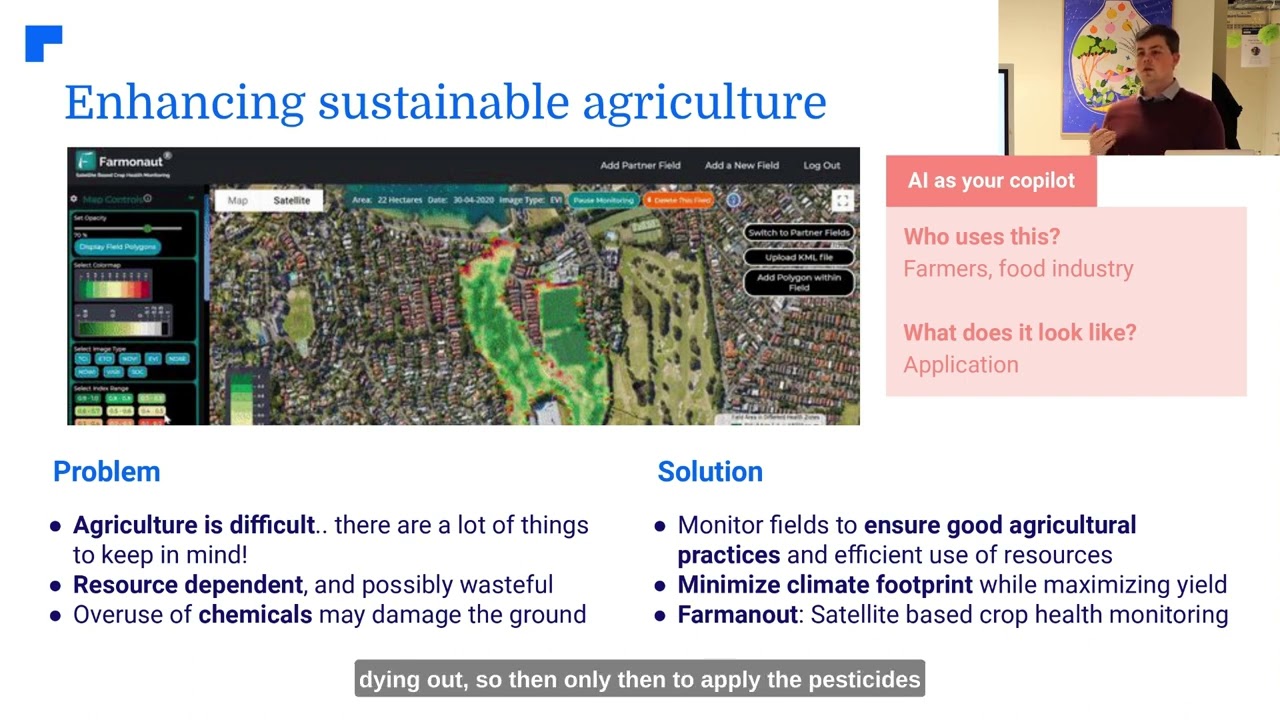
- Satellite Monitoring & AI: Remote sensing and AI-driven analysis provide real-time environmental monitoring, site mapping, and operational insights for both open-pit and artisanal mining operations.
- Mechanization: New extraction technologies reduce reliance on dangerous manual methods and improve safety and productivity in both large-scale and smaller sites.
- Resource Management: Digital tools optimize mining fleet management, logistics, and resource allocation for cost savings and reduced emissions.
- Battery Chemistry Research: Though cobalt remains critical, ongoing advances target cobalt reduction or substitution in next-gen battery chemistries (e.g., with manganese or iron cathodes).
For those operating at any point in the agriculture or mining value chain, integrating satellite-driven insights is now essential.
Curious about your carbon footprint in agriculture or mining? Farmonaut’s Carbon Footprinting Tool provides real-time environmental impact tracking to support sustainable practices and compliance with regulations.
Estimated Impact of Ethical vs. Conventional Cobalt Mining in 2025
Comparative analysis is vital in understanding the sustainability and cost implications of mining approaches.
Below is an estimated comparison, capturing differences in output, labor practices, environmental impacts, transparency, and costs:
| Mining Approach | Estimated Annual Cobalt Output (tons) | Estimated Labor Practices Score (1–10) | Estimated Environmental Impact Score (1–10, Lower is Better) | Estimated Supply Chain Transparency (%) | Projected Cost per Ton (USD) |
|---|---|---|---|---|---|
| Ethical Cobalt Mining | 36,000 | 8.5 | 3 | 90% | $70,000 |
| Conventional Cobalt Mining | 136,000 | 4.5 | 7 | 35% | $48,000 |
All values are estimates as of 2025.
Solutions & The Path Forward for Responsible Cobaltmining
As we look toward 2026 and beyond, a responsible, sustainable future for cobaltmining requires coordinated action among industry, governments, and civil society. The path forward involves:
- Empowering Local Communities: Investment in education, healthcare, safety, and equitable profit-sharing builds resilient mining communities and reduces exploitation.
- Mechanization and Safety: Advanced technology can improve mechanization in extraction, reducing reliance on dangerous artisanal methods and increasing operational safety.
- Diversification: Supporting alternate livelihoods in agriculture, infrastructure, and local manufacturing reduces dependency on mining, creating stable regional economies.
- Policy and Governance: Governments must enforce environmental, labor, and transparency standards through regulatory frameworks, robust monitoring, and penalties for violations.
- Technological Solutions: Adopting integrated monitoring, traceability, and AI decision-support tools optimize resource management, reduce environmental impact, and ensure compliance.
To ensure an ethical supply of this critical mineral, leadership and commitment from each stakeholder are essential. This is crucial for the industries—like Tesla and the broader EV sector—that depend on cobalt to deliver on clean energy promises.

Want to optimize resource use and minimize operational costs in agriculture or mining? Farmonaut’s Fleet Management Solutions give you powerful tools for machinery tracking, vehicle safety, and logistics efficiency.




Farmonaut’s Role in Building Sustainable Mining Supply Chains
At Farmonaut, we are committed to supporting sustainable development, ethical practices, and accountable governance in industries reliant on critical minerals like cobalt. Our satellite-based solutions empower agriculture, mining, defense, and infrastructure stakeholders to address the multi-faceted challenges of modern supply chains.
How Farmonaut Contributes to Sustainable Cobaltmining
- Satellite-Based Monitoring: Our platform provides near-real-time insights on vegetation health, soil conditions, and site infrastructure, enabling precise decision-making in mining site management and reclamation planning.
- AI & Jeevn Advisory: Our AI-driven advisory systems can inform key strategies for risk reduction, operational efficiency, and environmental compliance.
- Traceability: With blockchain-enabled traceability, we help ensure transparent and secure supply chains, meeting the highest regulatory and ethical standards.
- Environmental Impact Monitoring: Our tracking tools enable consistent environmental data collection, supporting organizations that must enforce sustainability across value chains.
- Fleet & Resource Management: We help optimize operational logistics, lower emissions, and enhance asset utilization—crucial for industries seeking to decrease their environmental footprint while growing responsibly.
We believe that the future of cobaltmining lies in collaborative action, data-driven monitoring, and transparent governance. Our mission is to make satellite and AI-driven technologies accessible, affordable, and practical for businesses, users, and governments worldwide—empowering a more ethical, sustainable path forward.
For developers and businesses seeking to integrate satellite data or API-based supply chain tools, see:
Financial institutions and smallholders can leverage Farmonaut for satellite-based loan and insurance verification, radically reducing fraud and accelerating access to credit in agriculture and mining.
FAQs on Cobaltmining, Tesla, and Ethical Mining in 2026
What is cobaltmining and why is it so important in 2026?
Cobaltmining refers to the extraction of cobalt, a mineral essential for battery production, agriculture, defense, and other high-tech sectors. By 2026, cobalt’s role in electric vehicles, renewable energy storage, and sustainable infrastructure makes it critical to the global clean energy transition.
Why is the Democratic Republic of Congo (DRC) so central to the global cobalt supply?
The DRC holds roughly 70% of the world’s cobalt reserves and remains the dominant supplier, particularly for the rechargeable battery industry. Global companies, like Tesla, rely heavily on cobalt mined in this region, heightening interest in ethical sourcing and supply chain traceability.
What is meant by ethical cobalt mining?
Ethical cobalt mining involves extraction methods and supply chains that respect human rights, labor standards, environmental protections, and fair economic returns for local communities. It emphasizes transparency, governance, and social responsibility throughout the production process.
How can companies ensure ethical cobaltmining in their supply chains?
Companies are adopting traceability tools, supply chain certification standards, and digital technologies (like blockchain and AI-based monitoring) to ensure ethical compliance and provide audit trails from mine to battery. These mechanisms are crucial for companies like Tesla, which must demonstrate responsible sourcing in the face of growing consumer and regulatory scrutiny.
Are there alternatives to cobalt in battery production?
Research into alternatives such as high-manganese or iron-based cathode chemistries is ongoing. However, until such technologies mature for mass-market adoption, cobalt remains indispensable for many high-performance batteries due to its unique chemical properties.
What assistance does Farmonaut provide for sustainable cobaltmining?
Farmonaut delivers satellite-based monitoring, AI-driven advisory, and blockchain-enabled traceability solutions supporting responsible supply chains, environmental monitoring, resource management, and compliance with regulatory and ethical standards in agriculture and mining sectors.
Conclusion: Ethical Cobaltmining as an Imperative for a Clean Future
By 2026, cobaltmining remains a linchpin of clean energy, high-yield agriculture, and advanced defense infrastructure. Yet, our collective reliance on this essential mineral must not come at the expense of vulnerable communities, workers, or our planet’s ecosystems.
The nexus of expanding demand, environmental responsibility, and ethical supply chains presents a unique set of challenges and opportunities for stakeholders from global companies like Tesla to local mining communities in the DRC.
Bold leadership, innovative technology integration, rigorous governance, and a relentless commitment to ethical and sustainable practices form the only viable path forward.
At Farmonaut, we strive to empower our users, businesses, and governments with data-driven tools for transparency, efficiency, and ecological balance. As the world’s transition to electrification and renewable energy continues, let us champion a future where cobaltmining powers progress without compromise.
Farmonaut Subscriptions

 Berks Gold Limited
 Mwerezi Minerals Company Limited
 Congo Mining Solutions
 Mining SARL
 SenGold Invest SAS
 Sania Corporation
 Sean Mining Limited
 NTS Group (Pty) Ltd
 Mine4Africa
 Lithspo Minerals Limited
 Tintina Mining Group
 Dalgety Minerals Pty Ltd
 Vortex Minerals Pty Ltd
 Faith At Work (Pty) Ltd
 Geotech Mining Solutions plc
 Vulcan International Limited
 Kidepo Associates
 GKY Mining
 Alkimy SARL
 Double A Trading
 GemSprout Metals Limited
 Qader Group
 Ileys General Trading
 SG Gold Mining LLC
 VRV Global Pte Ltd
 Omsri International FZE
 G.I.T.T.
 Jaunita Erss Ltd
