

Copper and Iron Ore: Transforming Global Industry in 2026
In a rapidly evolving economic and technological landscape, copper and iron ore stand out as foundational pillars underpinning global development in 2025 and—crucially—into 2026. The strategic importance of these minerals transcends traditional metallurgy, fueling innovation in mining, infrastructure, energy, and technology. As the world accelerates climate goals and seeks sustainable growth, the synergy between copper and iron ore industries is more vital than ever, supporting sectors from construction to defense and beyond.
The Role of Copper: Conductor of the Modern Economy
Copper remains indispensable within industrial growth and technological advancement. Its exceptional electrical conductivity, corrosion resistance, and malleability have made it the metal of choice for modern infrastructure, renewable energy systems, electric vehicles (EVs), and critical defense electronics.
- Exceptional Conductivity: Copper is unparalleled in conducting electricity, making it crucial for wiring, motors, transformers, and grid infrastructure.
- Sustainable Growth: The transition toward a low-carbon economy and green energy networks hinges on increased copper production and efficient processing.
- Vital in Agriculture: Copper’s use in pesticides, fungicides, and plant protection persists as an essential part of sustainable farming systems, combating plant diseases while minimizing chemical impact.
As we look toward 2026, the global demand for copper continues to rise, driven by electric vehicles, renewable energy installations, and expanding urban infrastructure. Mining companies are responding by:
- Adopting autonomous vehicles and robotics for safer, more efficient extraction.
- Using AI-driven ore sorting and smart analytics to reduce waste and optimize mineral recovery.
- Integrating circular economy principles by boosting copper recycling to bolster supply sustainability.
These advancements resonate especially as new copper deposits become harder to access, and companies must address environmental management, supply chain transparency, and community impacts.

Iron Ore: Backbone of Infrastructure and Industrial Growth
If copper is the conductor, then iron ore is the backbone of global infrastructure. As the primary raw material for steel production, iron ore’s impact is woven into the core of modernization, city building, and international economic growth.
- Steel Production: Over 98% of all iron ore mined is converted to steel, used in buildings, bridges, transport networks, defense facilities, and machinery.
- Greener Practices: To align with climate goals, the iron ore industry is embracing hydrogen-based direct reduction (“green steel”) and other eco-friendly techniques that dramatically reduce carbon footprints.
- Global Supply & Strategic Importance: Major iron ore mining hubs in Australia, Brazil, and India continue to set industry standards for efficient extraction, stringent environmental management, and secure global supply chains.
In 2025 and beyond, innovations like automation, AI optimization, and greener steelmaking are pivotal. These help iron ore sectors reduce reliance on carbon-intensive blast furnaces and move toward sustainable, low-emission future.

Comparative Innovation Impact Table: Copper and Iron Ore in 2026
Understanding the technological transformations reshaping the copper and iron ore sectors is vital. Below, we present a Comparative Innovation Impact Table outlining the key trends, estimated industry impacts, and their contributions to sustainability in 2025–2026.
| Innovation / Trend | Copper Industry Impact (%/Index Score) |
Iron Ore Industry Impact (%/Index Score) |
Sustainability Contribution |
|---|---|---|---|
| AI-Driven Exploration & Mapping | ↑20% resource efficiency | ↑18% resource efficiency | Less land disruption, earlier anomaly detection |
| Autonomous Mining Vehicles | ↓25% operational costs | ↓27% operational costs | Improved worker safety, reduced emissions |
| Green Smelting (Hydrogen-based) | ↑10% carbon reduction | ↑40%-60% carbon reduction | Major GHG emission cuts, cleaner air |
| Advanced Recycling Technology | ↑30% recycled content in supply | ↑22% recycled content in steel | Lower demand for new extraction, less waste |
| IoT-Enabled Water & Tailings Management | ↑15% water use efficiency | ↑18% water use efficiency | Reduced water pollution, safer waste practices |
| Blockchain for Traceability & Compliance | ↑18% compliance verification | ↑16% compliance verification | Transparent supply chains, trust for consumers |

Synergies and Challenges: Integrating Copper and Iron Ore Mining for the Future
Many mining hubs across the Americas, Australia, and Africa possess both copper and iron ore deposits. This unique geology enables shared infrastructure, logistics, workforce, and community engagement within mining operations. The integration offers various synergies, including streamlined resource management and environmental stewardship. However, it also presents several challenges:
- Water Scarcity: Mining, particularly for copper and iron ore, is water-intensive. Efficient water management systems and closed-loop processing are needed to reduce consumption and minimize ecological footprints.
- Waste & Tailings: Effective tailings management and dry stacking help limit environmental impact. IoT and AI are now instrumental in monitoring soil stability around extraction sites.
- Community Engagement: Mining operations must strike a balance between economic opportunity and community wellbeing. Transparent communication, environmental monitoring, and compliance with regulations are pillars of responsible stewardship.
The evolution of integrated copper iron ore mining now rests heavily on the ability to use innovative technologies and respect ecological, cultural, and social considerations.

Strategic Importance: Copper and Iron Ore in Defense and Global Infrastructure
The strategic relevance of copper and iron ore for national defense, energy networks, and critical infrastructure cannot be overstated:
- Copper in Defense: Key to producing reliable wiring, electronics, radar, and communication systems for military hardware.
- Iron and Steel: The foundation for armored vehicles, weapons, defense facilities, and secure transport networks essential to national security.
- Infrastructure & Urbanization: The world’s urban growth and energy grid expansion require robust supply chains for copper and iron ore, cementing these minerals as pillars in both emerging and developed economies.
- Supply Chain Resilience: Governments worldwide in 2026 increasingly focus on securing critical minerals to reduce geopolitical vulnerabilities.
These minerals’ enduring importance is only set to deepen as technological advancements, defense requirements, and sustainability goals converge.
Key Technological Trends Shaping Copper and Iron Ore in 2026
The mining and processing of copper and iron ore in 2026 are being transformed by digital and ecological breakthroughs. Below are significant technologies and practices driving sustainable growth, efficiency, and competitive advantage:
1. AI & Satellite-Driven Mineral Exploration
- AI-powered systems analyze geochemical and structural data to identify high-yield ore deposits faster and more accurately, reducing exploration costs and environmental footprints.
- Satellite imagery enables rapid resource mapping, land cover monitoring, and real-time ecological surveillance—a frontier in responsible mining.
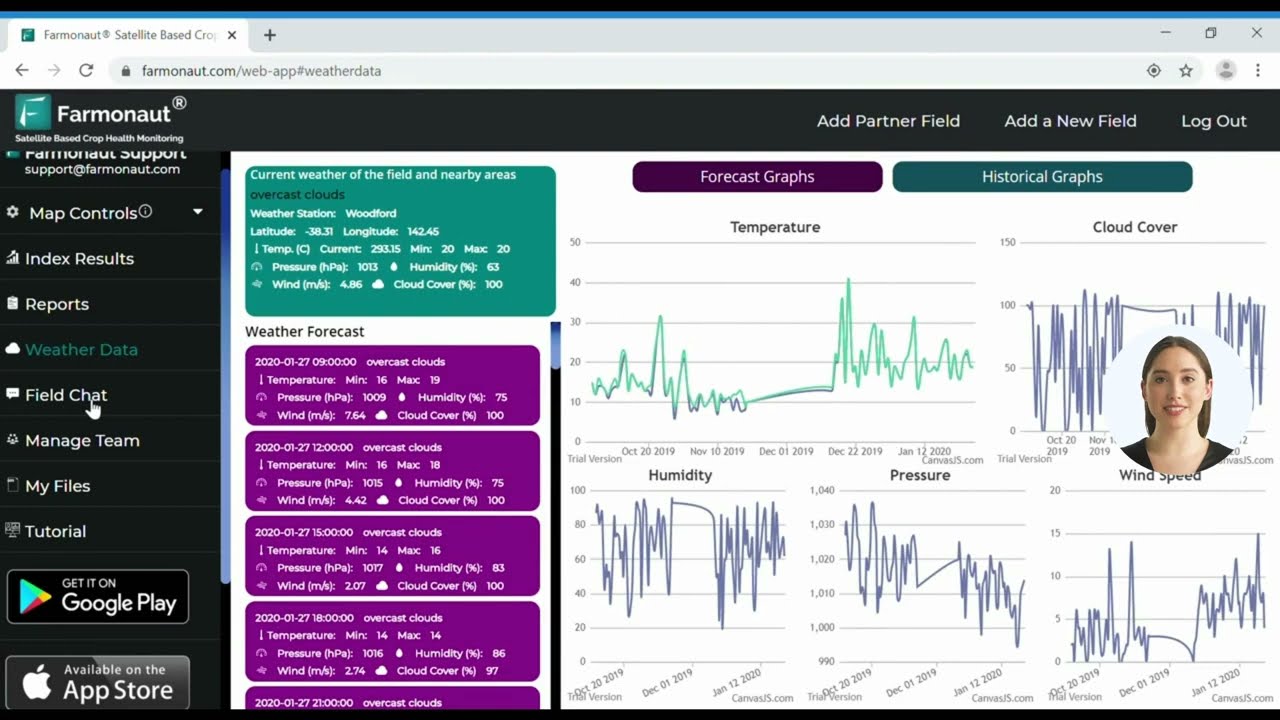
Experience real-time satellite-powered monitoring and AI analytics for mining, agriculture, and resource management—try the  Farmonaut Web App for scalable, affordable insights.


2. Automation and Robotics in Mining
- Autonomous drilling, haulage, and processing boost productivity and reduce workplace hazards.
- Automated resource allocation and fleet management lower operational costs and fuel emissions.
Optimize vehicle fleets and resource allocation in mineral extraction with Farmonaut’s Fleet Management Module, which uses real-time satellite and AI insights.
3. Green Processing Techniques
- Hydrogen-based direct reduction is rapidly replacing the traditional carbon-heavy blast furnace approach in iron ore smelting, marking a giant leap toward zero-emissions steel production.
- New copper smelting methods utilizing renewable energy further decrease carbon footprints.
4. Recycling, Circular Economy & Blockchain Traceability
- Advanced sorting and metallurgical technologies enable over 30% of global copper supply and 20%+ of global steel to come from recycled material by 2026.
- Blockchain solutions drive traceability, improving transparency, reducing fraud risks, and supporting international compliance for mining outputs.
5. Water Management and Environmental Impact Monitoring
- IoT-connected sensors and AI track water utilization, tailings safety, and ecological impacts in real time, enabling prompt mitigation measures.
- Satellite-driven carbon footprint and emission analytics support regulatory compliance and ecological stewardship in mining operations.
6. Digital Transformation and Data Integration
- Mining operations are adopting advanced ERP, GIS, and machine learning systems for smarter resource forecasting and strategic planning.
- This digital transformation enhances agility, productivity, and accountability across copper and iron ore supply chains.
Sustainability, Circular Economy, and Ecological Stewardship in Mining
The transformation of copper and iron ore sectors into more sustainable, resilient industries depends on ongoing innovations and the adoption of circular economy models:
- Maximizing Recovery: Advanced recycling and urban mining initiatives are minimizing the need for new extraction, slashing energy requirements and greenhouse gas emissions.
- Minimizing Footprints: Smarter tailings processing, dry stacking, and on-site remediation efforts are restoring landscapes and reducing water and soil contamination.
- Community & Compliance: Efficient resource planning, environmental impact monitoring, and regulatory adherence ensure shared value creation, both economically and socially.
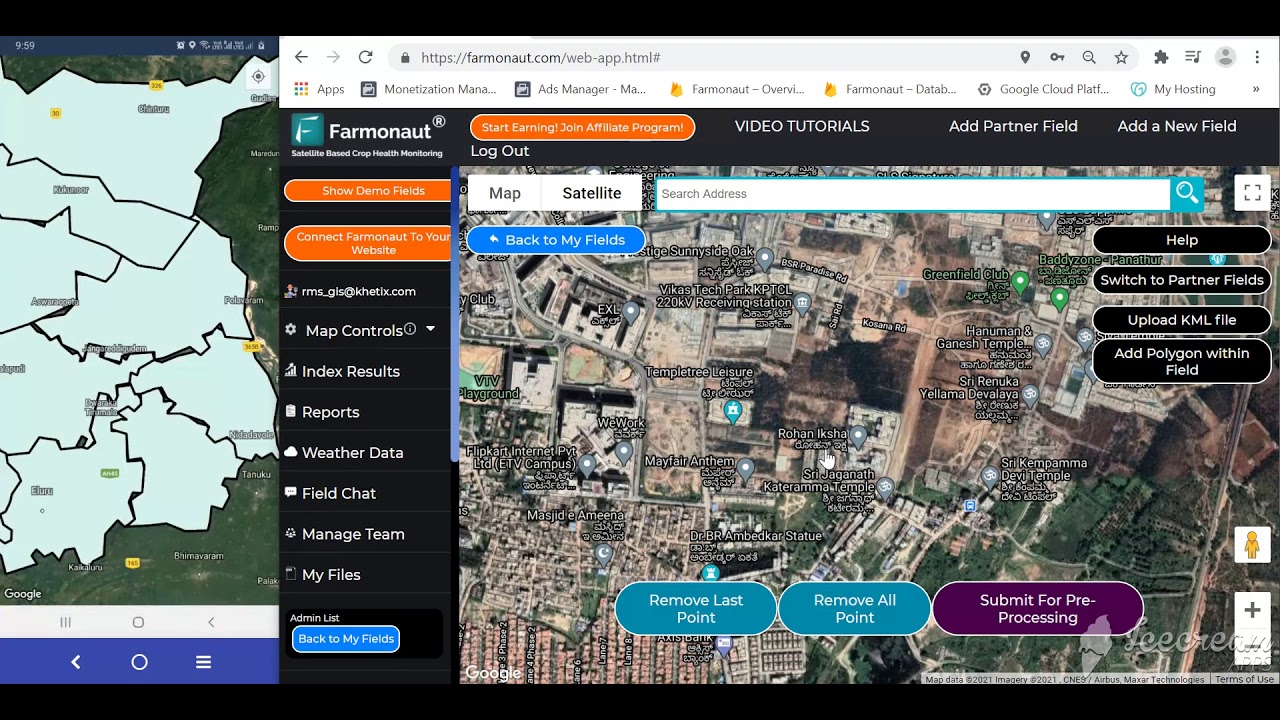
For further insights on strategic farm management and large-scale monitoring, see how we at Farmonaut enable resource optimization and sustainability across large-scale land holdings through AI and satellite intelligence.
Outlook for 2026 and Beyond: The Road Ahead for Copper and Iron Ore
As we look to 2026 and beyond, copper and iron ore remain essential to global development and industrial progress. Key future trends include:
- Continued Demand Growth: Electrification, decarbonization, and digital transformation will fuel exponential global demand for both minerals. As EVs, renewable installations, and infrastructure expand, resilience of supply chains becomes paramount.
- Sustainability as the Standard: Regulatory frameworks worldwide are evolving to require greater transparency, lower carbon footprints, and active community partnerships in all aspects of extraction and processing.
- Synergies and Integration: Increasing convergence of mining, data analytics, environmental monitoring, and supply chain management will foster more integrated and harmonious operations.
- Digital-Driven Stewardship: Widespread adoption of AI, satellite intelligence, and blockchain will drive smarter planning, enhanced security, and compliance at every step in production and transport.
Explore how real-time resource management, AI advice, and environmental analytics are empowering minerals industries—visit our Crop Plantation, Forest & Mining Advisory Platform.

Developers & Integrators: Embed satellite insights and real-time analytics into your workflows using our Farmonaut API and detailed developer docs.
Farmonaut: Empowering Mining & Infrastructure with Satellite Intelligence
We at Farmonaut are committed to driving operational excellence, sustainability, and digital transformation across mining, agriculture, and infrastructure sectors worldwide. Our AI-powered satellite platform provides:
- Real-Time Satellite Monitoring: Detailed insights into ore bodies, extraction efficiency, land use change, and operational risks.
- AI Advisory Systems: Customized recommendations for improving resource management, minimizing footprints, and enhancing productivity.
- Blockchain-Based Traceability: Support for transparent mining supply chains, building trust in responsible sourcing and compliance.
- Fleet & Resource Management: Tools to optimize mining fleets, reduce costs, improve safety, and manage heavy machinery more efficiently.
- Environmental Impact Analytics: Continuously monitor carbon emissions, water usage, and regulatory compliance to enable sustainable practices and meet reporting requirements.
- Cross-Platform Accessibility: All features available via desktop and mobile apps, making critical data accessible anywhere.
Our mission is to democratize satellite intelligence across industries, delivering cost-effective solutions that balance economic development with ecological stewardship, and advancing the use of smart detection, analysis, and resource optimization across both copper and iron ore mining.
FAQ: Copper and Iron Ore in 2026
What is the primary role of copper and iron ore in 2026?
Copper and iron ore remain foundational to infrastructure, technology, and industrial sectors worldwide. Copper is vital for electrical systems, renewable energy, and digital networks, while iron ore is essential for steelmaking, construction, transport, and defense.
What technologies are transforming copper and iron ore mining?
AI exploration, satellite mapping, autonomous vehicles, green smelting, blockchain traceability, recycling advancements, and IoT-powered monitoring are reshaping the efficiency, sustainability, and transparency of extraction and processing.
How do copper and iron ore contribute to sustainable development?
Through cleaner extraction processes, recycling, and green steel/copper production, these minerals support the transition to a low-carbon economy and minimize the environmental impact of industrial growth worldwide.
What is green steel, and why does it matter?
Green steel refers to steel produced using innovative hydrogen-based direct reduction techniques that reduce or eliminate reliance on carbon-intensive blast furnaces, thus significantly lowering CO2 emissions in the industry.
Which regions are leading copper and iron ore mining in 2026?
Major mining regions include Australia, Brazil, Chile, Canada, India, and West Africa, with these hubs pioneering both production efficiency and sustainable management systems.
How do satellite technologies help in copper and iron ore operations?
Satellite-based monitoring offers real-time insights into resource locations, environmental impact, and operational risks, enhancing decision-making in extraction, compliance, and stewardship—see carbon footprinting solutions for more detail.
Are there affordable satellite solutions for mining sustainability?
Yes! We at Farmonaut provide scalable, subscription-based access to satellite imagery, AI advisory, and blockchain tools for mining, infrastructure, and agricultural users worldwide.
Conclusion: Copper and Iron Ore – Shaping Sustainable Global Industry in 2026
Copper and iron ore continue to be pillars of industrial growth, technological advancement, and sustainable development. Their strategic importance in 2026 is underscored by their roles in infrastructure, defense, digital transformation, and climate action initiatives. Success rests on integrating cutting-edge technologies, upholding transparency, and advancing ecological stewardship throughout their life cycles.
At Farmonaut, we are proud to support businesses, governments, and communities in harnessing the power of satellite intelligence and AI for smarter, more sustainable mining and industrial development—today and into the future.
Get started with Farmonaut for affordable, real-time, data-driven insights—empowering your mining, agriculture, and infrastructure projects with next-generation technology.
Learn more about how our satellite-powered crop loan and insurance solutions and large-scale field management tools can support the financial and operational success of your ventures in 2026 and beyond!

 Berks Gold Limited
 Mwerezi Minerals Company Limited
 Congo Mining Solutions
 Mining SARL
 SenGold Invest SAS
 Sania Corporation
 Sean Mining Limited
 NTS Group (Pty) Ltd
 Mine4Africa
 Lithspo Minerals Limited
 Tintina Mining Group
 Dalgety Minerals Pty Ltd
 Vortex Minerals Pty Ltd
 Faith At Work (Pty) Ltd
 Geotech Mining Solutions plc
 Vulcan International Limited
 Kidepo Associates
 GKY Mining
 Alkimy SARL
 Double A Trading
 GemSprout Metals Limited
 Qader Group
 Ileys General Trading
 SG Gold Mining LLC
 VRV Global Pte Ltd
 Omsri International FZE
 G.I.T.T.
 Jaunita Erss Ltd
