

Copper Price Outlook Forecast 2025: Future Price Analysis
Copper Price Outlook and Forecast Analysis for 2025: Implications for the Mining Sector
Copper, often dubbed the “metal of infrastructure”, is pivotal to modern economies due to its extensive use in electrical wiring, construction, renewable energy, and advanced technologies. As we move toward 2025, stakeholders in the mining and infrastructure sectors must understand the copper price outlook forecast 2025, as well as the industry’s critical supply, demand, and regulatory trends that will define future prices. Balanced between robust global demand and persistent supply challenges, the coming years will be decisive for companies aiming to capitalize on this vital commodity.
“Global copper demand is projected to rise by 2.6% annually, significantly impacting 2025 price forecasts.”
Table of Contents
- 1. The Strategic Role of Copper in Modern Economies
- 2. Market Dynamics and Trends Driving Copper Price Outlook Forecast 2025
- 3. Demand-Side Analysis: Electrification and Infrastructure in Focus
- 4. Supply-Side Challenges and Mining Sector Analysis
- 5. Copper Price Outlook 2025 Forecast Analysis: Scenarios and Expected Ranges
- 6. Technological and Environmental Trends Shaping Future Copper Price Forecast
- 7. Geopolitical and Economic Risks Impacting Copper Prices
- 8. Annual Copper Price Forecast & Market Drivers Table
- 9. How Farmonaut Empowers Mining Sector Sustainability & Efficiency
- 10. Copper Price Outlook 2025 FAQ
- Conclusion
- Farmonaut Flexible Subscriptions
The Strategic Role of Copper in Modern Economies
Copper is often dubbed the “metal of modern infrastructure”—a critical resource whose value spans from grid-level power transmission and telecommunications to cutting-edge renewable energy technologies and electric mobility. Thanks to its unique physical and chemical properties (notably, high electrical and thermal conductivity), copper is a cornerstone of both traditional sectors (construction, electrical wiring) and future-oriented domains (EVs, solar, wind).
As urbanization accelerates and emerging economies expand their infrastructure, the global copper price outlook forecast 2025 takes on added significance. Unlike other base metals, copper’s demand is inextricably linked to transformative technologies and sustainable practices, making it a pivotal asset in the global energy transition.
Some of copper’s widespread applications include:
- Electrical Wiring: Nearly all buildings and devices rely on copper’s superior conductivity for safe, efficient transmission.
- Construction: Piping, roofing, and key architectural elements demand corrosion-resistant copper.
- Renewable Energy: Solar panels, wind turbines, and battery systems require significantly more copper per unit than traditional power sources.
- Automotive and EVs: Electric vehicles (EVs) contain up to 4x the copper of conventional cars, boosting demand as green mobility grows.

Market Dynamics and Trends Driving Copper Price Outlook Forecast 2025
Several macroeconomic and sector-specific factors will shape the copper price outlook 2025 forecast analysis. These include the interplay between supply constraints, geopolitical risks, environmental regulations, and relentless global demand for green infrastructure. Understanding these critical market dynamics is crucial for mining companies, investors, and stakeholders who stand at the forefront of the industry.
Key Drivers of Future Copper Price Forecast
- Decarbonization Push: Global climate policy and investment in renewable energy technologies continue to drive copper demand upward, especially as countries strive to achieve net-zero emissions targets.
- Green Energy Infrastructure: Electrification, grid upgrades, and expansion of EV fleets require significantly more copper per project than legacy systems.
- Supply-Side Challenges: Geopolitical tensions, labor strikes, and stricter environmental regulations restrict supply and increase cost pressures.
- New Discoveries and Extraction Innovation: The difficulty of accessing new, high-quality copper deposits means that emerging technologies in mining are needed to optimize production and reduce environmental impact.
- Inflation and Cost Pressures: Rising input costs, particularly for energy and labor, are being compounded by the need for sustainable extraction methods.
- Technological Momentum: Advances in AI, automation, and environmental management systems offset challenges and can drive efficiency across the sector.

Demand-Side Analysis: Electrification & Infrastructure in Focus
Copper’s demand outlook through 2025 is largely shaped by the global momentum toward electrification and decarbonization. Let’s break down the main sectors propelling demand for copper:
1. Electric Vehicles (EVs) and Mobility Electrification
- Electric vehicles require 60-80 kg of copper per car compared to just 15-20 kg in internal combustion models.
- Rapid EV adoption in regions like China, the European Union, and North America is amplifying the forecast for copper price outlook 2025.
2. Renewable Energy Technologies
- Wind turbines, especially offshore models, rely on copper for both high-capacity cabling and turbine windings.
- Solar panel installations use substantial copper for inverters, wiring, and grounding systems.
- Battery storage and grid modernization projects are further spurring demand, given their reliance on reliable, efficient electrical connections.
3. Construction & Urban Expansion
- Urbanization in India, Africa, Southeast Asia, and Latin America is driving massive new copper requirements for housing, transit, and utilities.
- Aging infrastructure in North America and Europe is due for upgrades, reinforcing robust demand for copper in wiring, piping, and public works.
4. Electronics & Telecommunications
- 5G expansion, data centers, and the Internet of Things (IoT) are increasing copper consumption in high-frequency electronics and cabling.
Need actionable insights for sustainable mining operations or agricultural land management?
Farmonaut’s satellite-based advisory platform empowers decision-makers with real-time data on land conditions, resource health, and future potential—enhancing yield, minimizing resource waste, and optimizing planning for 2025 and beyond.

“Experts predict copper supply deficits may reach 500,000 metric tons by 2025 due to increasing market demand.”
Supply-Side Challenges and Mining Sector Analysis
If global demand is slated for robust growth, supply presents a more complicated picture. The copper price outlook 2025 forecast analysis must consider several persistent and emerging risks that constrain output and accelerate cost inflation.
Major Supply-Side Factors Impacting Future Copper Price Forecast:
-
Geopolitical Risks and Regulatory Challenges:
- Leading copper-producing countries—Chile, Peru, and Indonesia—are facing regulatory tightening, labor unrest, and nationalization debates, injecting uncertainty into the market.
- Export taxes, policy changes, and environmental permitting delays are limiting new mining projects and reducing global output.
-
Resource Depletion and Lower Ore Grades:
- Many existing mines are experiencing declining ore grades, meaning more material must be processed and extracted to recover the same tonnage of copper—raising costs, energy usage, and waste.
-
Increasing Extraction Costs and Labor Shortages:
- Skilled mining labor is becoming harder to source, further straining productivity. Meanwhile, technological upgrades, energy price inflation, and environmental compliance are inflating operational costs.
-
Discovery Limits and Investment Delays:
- Few recent significant new deposit discoveries have been made, as accessible resources grow scarcer and the focus shifts to harder-to-mine locations.
- Delays in exploration or capital expenditures, due to uncertain market conditions, exacerbate supply tightness.
-
Weather and Environmental Disruptions:
- Drought, floods, and climate-related disruptions pose significant production risks, especially in water-stressed regions.
For mining companies facing stricter environmental rules and the need to monitor emissions,
Farmonaut’s carbon footprinting tools offer real-time impact assessment using satellite data. This helps maintain compliance, optimize sustainable extraction, and demonstrate responsible practices to regulators and investors.

Copper Price Outlook 2025 Forecast Analysis:
Scenarios & Expected Ranges
Having examined demand and supply drivers, let’s synthesize them into possible copper price outlook future copper price forecast scenarios for 2025.
Analyst Projections and Bullish Sentiment
- Most reputable analysts project copper prices to range between $9,000 and $11,000 per metric ton in 2025 (up from average 2023 levels of around $8,500/ton).
-
This moderately bullish scenario reflects:
- Ongoing global growth (especially from emerging markets and climate infrastructure projects)
- Inflationary pressures in mining, manufacturing, and energy sectors
- Persistent supply tightness due to delays in mining expansion and regulatory barriers
- Upside risk from geopolitical disruptions, or downside risk if economic slowdowns occur
- Even with a growth slowdown or moderate recession, the structural deficit in copper supply is likely to place a price floor above historical averages.
Mining companies will likely absorb some cost inflation (energy, labor, environmental compliance, and technology upgrades), but these should be offset by higher copper prices motivating continued investment and intensified activity in exploration and production.

Technological & Environmental Trends Shaping Future Copper Price Forecast
The global copper industry is undergoing a rapid transformation as mining companies leverage technology to adapt to both competitive and regulatory pressures. This phase of intensified technological innovation is pivotal for the copper price outlook 2025 forecast analysis.
Digital, AI, and Automated Mining Operations
- Automation and artificial intelligence enable safer, more precise, and cost-efficient extraction methods, reducing the labor intensity of mining and improving operational efficiency.
- Satellite-based monitoring (such as that provided by us at Farmonaut) enables real-time production oversight, geological analysis, and predictive maintenance—helpful for mines in challenging environments.
- AI-based advisory systems deliver tailored insights and strategies for resource optimization and risk management.
- Farmonaut’s API and API developer documentation support easy integration for businesses and developers seeking to automate resource tracking and operations performance.

Sustainability, Compliance & Carbon Reduction
- Rising environmental, social, and governance (ESG) expectations mean mining companies increasingly report on and attempt to reduce their carbon footprint, water usage, and land impact.
- Adoption of advanced water conservation, energy efficiency, and waste management methods increases upfront costs but builds resilience and regulatory compliance over the long term.
- Blockchain is emerging as a trusted tool for supply chain traceability, enhancing transparency and reducing fraud, especially for critical minerals like copper.
-
Secure your value chain with Farmonaut’s traceability solutions, which bring blockchain-based product tracking to copper and mineral supply chains—boosting transparency and trust globally.



Streamline logistics and operation costs for mining and infrastructure projects with Farmonaut’s fleet management platform. Integrated satellite insights empower safer, more efficient routing and maintenance for global resource operations.

Circular Economy and Copper Recycling
- Global emphasis on recycling is gaining momentum, as secondary copper production from recycled material helps reduce structural deficits.
- However, even rapid growth in recycling is unlikely to supplant the ongoing need for newly mined copper—demand growth simply outpaces the rate at which scrap becomes available.
Geopolitical & Economic Risks Impacting Copper Prices in 2025
Copper prices are highly sensitive to global economic cycles, political developments, and localized disruptions among major producers. The copper price outlook future copper price forecast must factor in these significant variables:
Geopolitical Uncertainty Among Top Copper Producers
- Chile and Peru—together responsible for over a third of global copper output—have seen growing nationalization pressures, labor unrest, environmental activism, and fluctuating export policies.
- Indonesia—resource nationalism and environmental regulations affect expansion plans and licensing timetables.
Macro-Economic and Market Shocks
- Global Growth Trajectories: Any sharp slowdown in construction, manufacturing, or consumer electronics could moderate demand and pressure prices.
- Inflation and Currency Volatility: High inflation and shifts in exchange rates may make it tougher for mining companies to control costs, while diversifying buyers’ appetite from emerging markets could upset historic market equilibria.
- Trade and Regulatory Developments: New tariffs, green import standards, or strategic stockpile maneuvers (e.g., in China or the U.S.) can trigger volatility or temporary supply/demand imbalances.
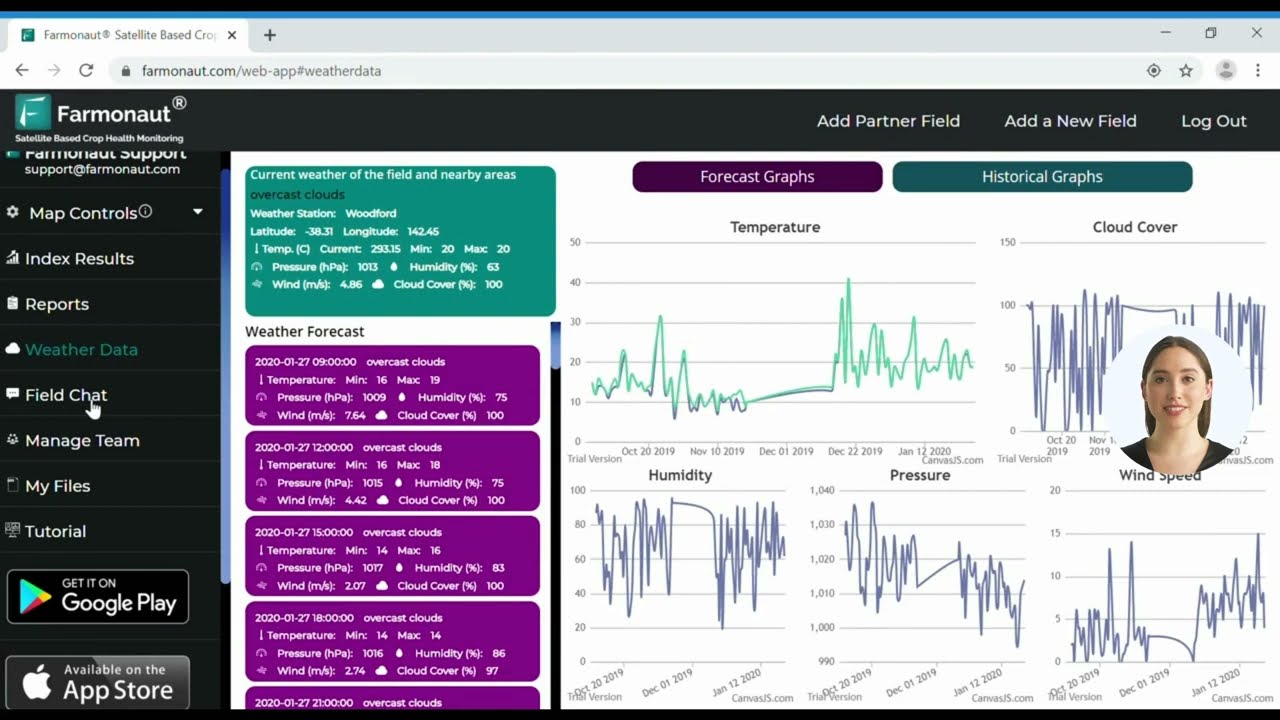
Banks and insurance providers aiming for more efficient loan disbursement and claims in resource-intensive sectors can use Farmonaut’s remote-sensing loan and insurance verification tools to dramatically reduce fraud and accelerate financing workflows.
Annual Copper Price Forecast & Market Drivers Table (2023–2025)
| Year | Estimated Avg. Copper Price (USD/ton) | Global Copper Demand (mn tons) | Global Copper Supply (mn tons) | Key Market Drivers |
|---|---|---|---|---|
| 2023 | $8,500 | 26.2 | 25.8 | Post-pandemic recovery, inflation in mining costs, early EV adoption, global infrastructure ramps |
| 2024 | $9,250 | 27.1 | 26.5 | Supply tightness, acceleration of renewable installations, scaling EV production, mining labor strains, regulatory tightening |
| 2025 | $10,200 | 28.1 | 27.6 | Structural supply deficit, intensified mining exploration, copper recycling, AI/automation in mining, aggressive electrification, ESG & environmental constraints |
Scale your mining or agricultural enterprise with Farmonaut’s large-scale resource management solutions. Harness the power of satellite data, AI, and advanced management dashboards for oversight and optimization of vast operation networks in 2025 and beyond.
How Farmonaut Empowers Mining Sector Sustainability & Efficiency
We at Farmonaut are dedicated to delivering game-changing, satellite-powered insights for industries on the frontlines of the energy and infrastructure transition—including mining, agriculture, and construction. Our AI-driven monitoring systems, blockchain-based traceability, and real-time environmental management tools help industry operators, businesses, and governments worldwide make better decisions for productivity and sustainable growth.
- Real-time Monitoring & Resource Management: Using advanced multispectral satellite imaging, we empower users to optimize performance, forecast extraction yields, and minimize environmental impact on mining sites and adjacent lands.
- AI Advisory & Custom Strategies: Our Jeevn AI system delivers actionable, customized advice based on satellite signals and multisource data—helping planners and operators react swiftly to price and supply shifts.
- Regulatory & Environmental Oversight: Environmental impact tracking keeps companies ahead of ESG compliance, reducing risk and supporting reputation in a world where transparency is increasingly demanded.
- Cost-Effective & Scalable: Our subscription-based model makes satellite intelligence accessible to operations of any size—unlocking powerful, scalable insights without massive IT outlays.
- API & Integration: Developers and enterprises can seamlessly integrate Farmonaut’s analytics into in-house platforms for real-time automation and powerful resource dashboards, keeping them nimble in a rapidly changing commodities market.
Farmonaut Flexible Subscriptions
Explore our affordable, enterprise-ready subscriptions for continuous satellite monitoring and AI-backed advisory tools.
Choose the plan that fits your scale and operational needs.
Copper Price Outlook 2025 – FAQ
What is the copper price outlook forecast 2025?
Most analysts expect copper prices to trend upward in 2025, likely ranging from $9,000 to $11,000 per metric ton. This forecast is based on persistent supply deficits, robust global demand for electrification and infrastructure, and constrained mining expansion.
What are the main factors influencing copper prices in 2025?
Key factors include: global demand for green energy, electric vehicles, construction, supply-side constraints, geopolitical risks among major producers, inflationary mining costs, and the adoption of advanced extraction and sustainability methods.
How do environmental regulations affect copper mining and prices?
Stringent regulations and ESG requirements raise extraction costs, delay new project approvals, and push companies to adopt sustainable technologies. This often results in tighter supply and supports higher copper prices in the medium to long term.
What role will recycling play in meeting copper demand by 2025?
Copper recycling is growing rapidly but will only partially offset the ever-increasing demand. New mining projects and optimized extraction processes remain crucial for meeting global requirements.
How can mining companies offset rising costs and regulatory pressure?
Embracing technology—automation, satellite insights, AI-driven analytics, and traceability tools—helps reduce inefficiencies and environmental impact while boosting profitability and regulatory compliance.
Conclusion: A Bullish Yet Volatile Outlook for 2025 and Beyond
The copper price outlook forecast 2025 is fundamentally upbeat, reflecting a world in transition to cleaner energy and smarter infrastructure. Mining companies and related industries face elevated costs, tighter regulatory scrutiny, and structural supply challenges, but these hurdles are balanced by relentless demand growth.
Those poised to innovate—by leveraging advanced monitoring, AI, and sustainable extraction—can capture significant value and lead in a market defined by scarcity, transparency, and environmental responsibility. As the “metal of the future,” copper will remain indispensable to every major technological leap, from EVs to global grid buildouts. Planning, agility, and sound data-driven strategies will be the foundation of success in this dynamic market.
For all stakeholders—mining operators, investors, governments, and tech innovators—understanding these trends and acting with foresight is more critical than ever.


