

Copper, Rare Earth & Uranium Mining Process Explained: A Technological & Sustainable Perspective for 2025
Table of Contents
- Summary: The Mining Process of Uranium
- Trivia: Modern ISL in Uranium Mining
- Comprehensive Overview of Copper, Rare Earth & Uranium Mining Process (2025+)
- Exploration & Identification of Mineral Deposits
- Copper Mining Process Explained
- Rare Earth Mining Process
- Mining Process of Uranium in 2025 & Beyond
- Comparative Process and Technology Table
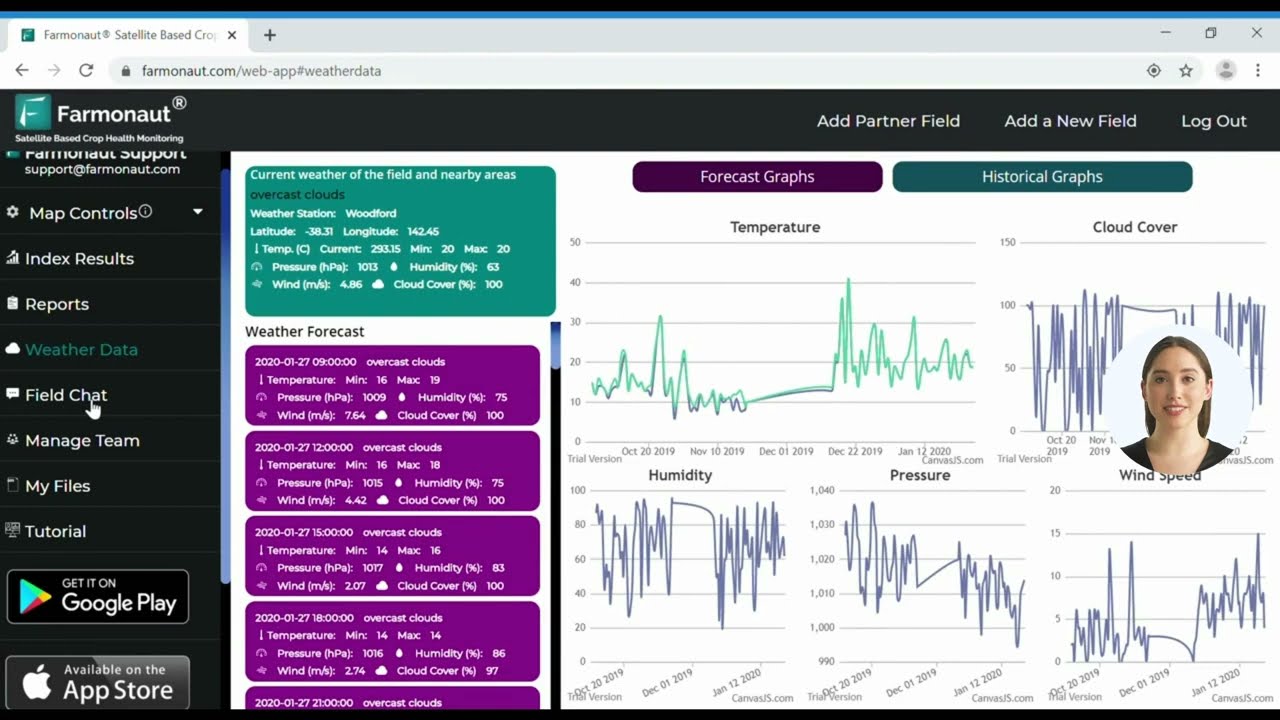
- Farmonaut: Next-Gen Satellite Technology for Mining
- Waste Management & Environmental Sustainability
- Worker Safety & Protection in Modern Mining
- Trivia: Deeper Uranium Detection in 2025
- Technological Innovations and Regulatory Frameworks
- Farmonaut Apps, APIs, and Product Solutions
- FAQ: Uranium Mining & Technology
- Conclusion: Safe, Sustainable, and Efficient Mining for the Future
Summary: The Mining Process of Uranium
Uranium mining remains a critical aspect of the global energy infrastructure, especially as nuclear power continues to be a significant source of low-carbon electricity. In 2025 and beyond, the mining process of uranium is undergoing rapid modernization; environmental sustainability, safety, and efficiency are at the forefront of innovation in this sector. With advancements in digital technology, stringent regulatory frameworks, and growing ecological concerns, today’s uranium mining is a clear reflection of the mining industry’s responsibility to strike a balance between resource extraction and environmental protection.
This blog offers a comprehensive overview of the copper mining process explained, the rare earth mining process, and highlights modern techniques, exploration technologies, process innovations, and safety features shaping the future of mining in 2025 and beyond.

Comprehensive Overview of Copper, Rare Earth & Uranium Mining Process (2025+)
The dawn of the technology-driven era is reshaping the mining industry. In 2025 and beyond, copper, rare earth, and uranium mining processes are being revolutionized by digital, sensor-based, and satellite-powered advances. Our understanding of deposits, extraction methods, and the environmental footprint of mining operations is deeper and more data-rich than ever.
- Increased Emphasis on Sustainability: Mining companies are incorporating eco-friendly solutions and responsible waste management systems to minimize environmental impact and radioactive contamination.
- Automation & AI: Modern sites now leverage automated machinery, AI-driven monitoring, and real-time remote sensing for both exploration and operation optimization.
- Data-Driven Decision Making: Resource identification, site selection, and processing methods are enhanced by advanced geochemical and radiometric techniques.
- Transparency & Traceability: Blockchain and real-time analytics offer unprecedented supply chain insight and support regulatory compliance.

Exploration & Identification of Mineral Deposits: The Foundation of Mining
Every mining process begins with exploration – the scientific search for economically viable ore bodies. In 2025, we are witnessing a paradigm shift in how deposits are found and assessed:
- Geological Surveys: Modern geological activities involve extensive field surveys, rock sampling, and use of geochemical analysis to quantify concentrations of valuable minerals.
- Satellite & Airborne Radiometric Data: Specialized geologists employ airborne radiometric surveys and satellite imagery to detect radioactive anomalies, mapping potential uranium and rare earth deposits over broad areas with high precision.
- Geochemical Advances: Soil, water, and vegetation samples are analyzed for trace elements (such as uranium or rare earth ppm levels) to locate deep or concealed bodies.
- AI and Remote Sensing: Machine learning models now rapidly analyze data streams from field sensors, drones, and satellites, helping to identify viable deposits in days instead of months.
These methods help reduce exploration risk, speed up identification, and minimize cost and environmental disturbance compared to traditional prospecting.


Copper Mining Process Explained
The copper mining process explained covers the journey from initial deposit identification to the production of refined copper. It involves a sequence of steps and modern techniques that ensure both efficiency and responsibility.
1. Exploration & Geological Assessment
- Detailed geological surveys and drill sampling are undertaken to assess the size, depth, and grade of copper ore bodies.
- Geochemical surveys and satellite imagery are used to pinpoint concentrations, often measured in ppm, to ensure deposits are economically viable.
2. Mining Techniques
-
Open-pit mining: Involves removing overburden (surface soil/rock) and extracting near-surface ore using heavy automated machinery and drones.
- Efficient for shallow, widespread ore bodies.
- Integrates environmental monitoring and automated machinery (such as autonomous trucks and loaders) to enhance safety and reduce footprint.
-
Underground mining: Chosen for deeper deposits; includes excavation of shafts and tunnels to access copper ore.
- Modern ventilation and AI-driven equipment help minimize worker exposure to dust, gas, and other hazards.
-
Heap leaching: A sustainable technique where low-grade copper ore is piled, and an acidic solution is circulated through the heap to dissolve and extract copper.
- Reduces energy consumption and waste generation.
- Widespread in regions like Arizona and Chile.
3. Ore Processing and Recovery
- Ore is crushed and ground before it undergoes flotation (sulfide ores) or leaching (oxide ores) to separate copper from waste rock.
- Copper concentrates are smelted and refined using eco-friendly technologies to produce high-purity copper metal.
4. Waste & Environmental Management
- Modern operations use lined tailings facilities, recycling of water, and real-time environmental monitoring to prevent pollution.
- Site restoration, dust control, and water treatment are now standard across global sites.
To further enhance copper mining’s sustainability, real-time environmental monitoring and fleet management technologies—such as those provided by Farmonaut’s fleet management tools—allow companies greater control over logistics, emissions, and resource use.



Rare Earth Mining Process: Modern Innovations
The rare earth mining process is pivotal for high-tech industries, powering everything from electric vehicle batteries to wind turbines and advanced electronics.
1. Resource Surveys & Exploration
- Modern rare earth mining begins with extensive airborne and satellite-based radiometric and geochemical surveys.
- Rare earth elements are typically found in bastnäsite, monazite, and xenotime minerals, often as low concentrations (a few ppm), making advanced detection critical.
Farmonaut’s satellite-driven resource identification tools empower mining companies to optimize drilling plans and environmental impact. These insights help decide where extraction would be most economically and ecologically feasible.
Learn how carbon footprint monitoring aids sustainable rare earth mining.
2. Extraction Techniques
- Surface and underground mining techniques are used based on deposit depth and grade.
- Ore processing involves crushing, separation (often flotation, magnetic, or gravity techniques), and chemical leaching (acid/alkaline).
- Modern plants use closed-loop water systems and advanced waste management to reduce contamination and water use.
3. Sustainable Processing & Waste Management
- Pilot plants and full-scale operations are increasingly integrating real-time environmental monitoring, bioremediation, and green chemistry for waste reduction.
- Traceability and blockchain can verify the responsible origin of rare earths throughout global supply chains. (See Farmonaut’s traceability solutions.)

Comparative Process and Technology Table: Modern Uranium Mining Methods (2025+)
| Mining Process | Estimated Energy Use (kWh/tonne) | Water Consumption (liters/tonne) | CO₂ Emissions (kg/tonne) | Safety Innovation Level | Sustainability Score (1–5) |
|---|---|---|---|---|---|
| Conventional Open-Pit Mining | 220-340 | 500-1100 | 170-260 | Automated machinery, drone monitoring, improved dust/radiation controls | 3 |
| Conventional Underground Mining | 260-420 | 650-1300 | 200-320 | Ventilation, remote equipment, exposure tracking, AI-enabled monitoring | 3 |
| In-Situ Leaching (ISL) | 120-210 | 350-700 | 80-120 | Real-time monitoring, minimal worker exposure, advanced containment | 5 |
| Heap Leaching | 85-170 | 600-900 | 70-110 | Leachate containment, drone environmental monitoring | 4 |
**Optimize mine operations and reduce your mining carbon footprint with Farmonaut’s carbon footprinting product. Leverage satellite insights for better reporting, compliance, and ESG goals.**

Mining Process of Uranium in 2025 & Beyond: A Comprehensive Overview
The mining process of uranium is essential for global energy security. As we transition to a low-carbon future, uranium remains central to nuclear energy production—a significant source of reliable, clean electricity worldwide. Here’s an in-depth look at how the mining sector is evolving, focusing on safety, environmental management, and advanced techniques in 2025 and beyond.
1. Exploration & Resource Identification
- Modern uranium exploration leverages geological, geochemical, and geophysical techniques, often guided by satellite imagery and advanced sensors.
- Airborne radiometric surveys are conducted to detect radiation anomalies, revealing uranium concentrations deep beneath the surface (as low as a few ppm).
- AI-driven data analytics models rapidly process sensor data, satellite images, and geological maps to locate and assess viable uranium deposits.
- Environmental and economic feasibility assessments reduce risk and support responsible development.
2. Extraction Methods in Modern Uranium Mining
Once exploration confirms an economic deposit, extraction proceeds using one of several contemporary methods. The choice of method is determined by depth, ore grade, environmental considerations, and geographic realities.
-
Open-Pit Mining:
- Best for shallow uranium deposits close to the surface.
- Involves removing overburden and accessing vast ore bodies with automated excavators and dump trucks.
- Drones and remote machinery maximize safety and reduce surface disturbance.
-
Underground Mining:
- Chosen when uranium deposits lie at depth or in geologically complex areas.
- Miners excavate shafts and tunnels; modern ventilation and robotized equipment maintain low worker exposure to radon gas and radiation.
- Real-time air quality sensors monitor for radioactive gases, and wireless systems alert workers to hazards.
-
In-Situ Leaching (ISL):
- Rapidly becoming the preferred method in 2025+, ISL involves circulating a solution (usually water with acid or alkaline agents) through the underground ore body.
- The uranium dissolves in place and is pumped to the surface—greatly reducing surface impact, waste, and worker risk.
- Continuous monitoring of groundwater, monitoring wells, and solution chemistry ensures environmental containment and regulatory compliance.
3. Uranium Ore Processing: From Extraction to Yellowcake
- After mining, uranium ore is crushed, milled, and treated with acid (typically sulfuric) or alkaline leach solutions to extract the uranium.
- The uranium-rich leachate undergoes filtration and chemical precipitation, forming uranium oxide concentrate, also called yellowcake.
- Yellowcake is dried, packed, and shipped to separate conversion and enrichment facilities for further processing into nuclear fuel.
- All facilities operate under strict regulatory control, with automated process monitoring to ensure both product quality and safety.
4. Responsible Waste Management & Site Rehabilitation
- Tailings—the residual material post-processing—are stored in carefully engineered and monitored containment systems to prevent leachate and radioactive contamination.
- Modern mining incorporates bioremediation (using specialized microbes) to reduce radiation and assist restoration.
- Progressive reclamation approaches include site re-contouring, soil stabilization, re-vegetation, and water management.
Looking for optimal site rehabilitation insights? Try Farmonaut’s advanced vegetation and environmental advisories to support ecological mining practices.
5. Health and Safety Protocols in Uranium Mining Operations
- Strict regulatory controls on radiation exposure help protect workers, with AI-based monitoring and real-time exposure tracking.
- Wearable sensors, personal dosimeters, and robotic equipment greatly minimize human risk.
- Ongoing worker training, ventilation upgrades, and disaster-prevention drills are mature parts of site safety frameworks.
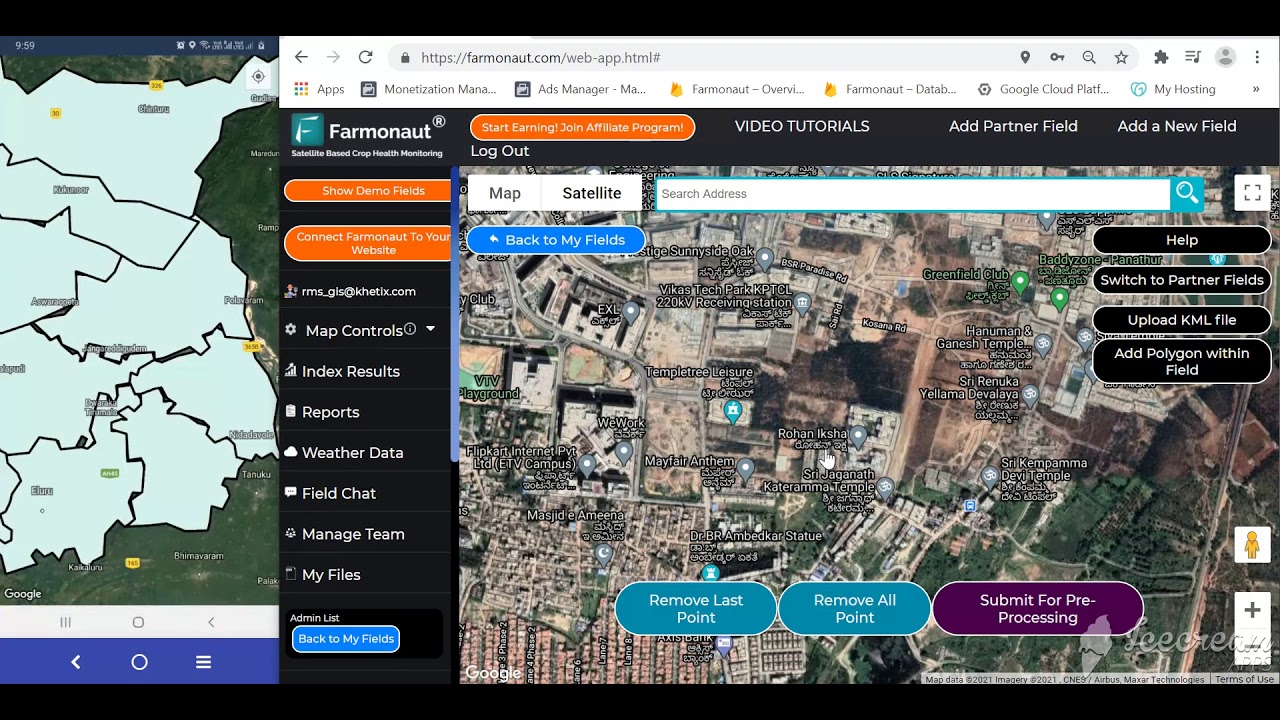
Farmonaut: Satellite Monitoring & AI for Mining Process Optimization
At Farmonaut, we recognize that the success of future mining operations—whether uranium, copper, or rare earth—depends on precision, transparency, and sustainability. Our satellite-based solutions help:
- Deliver multispectral and radiometric imaging for accurate resource identification.
- Enable real-time site monitoring to improve compliance and operational decisions.
- Provide AI-driven mining advisory and field mapping via our web, Android, and iOS Apps—with secure, scalable APIs for developers (Farmonaut Mining API)
- Support blockchain-based traceability for credible supply chains—trace minerals from origin to delivery.
- Empower fleet management and carbon footprint reduction campaigns.
Our platform is designed to make these innovations affordable and accessible, so mining operators remain at the forefront of sustainability and regulatory best practices for 2026 and beyond.
For detailed integration and custom solutions, see the Farmonaut API developer documentation.
Waste Management & Environmental Sustainability in Modern Mining
Sustainable mining is essential to balance global resource needs and ecological protection. The latest waste management strategies in the mining process of uranium, copper, and rare earth focus on:
- Engineering lined tailings dams with state-of-the-art leak detection and water management systems.
- Recycling water and using closed-loop systems, especially in arid regions and ISL operations.
- Deploying bioremediation—reducing radioactive contamination and naturally restoring soil health after closure.
- Rehabilitating sites with native plants, contouring landscapes, and supporting long-term biodiversity.
Farmonaut offers real-time impact tracking and carbon accounting to ensure sites not only comply with regulations but contribute to meaningful ESG outcomes.
Discover more about our environmental management technologies on our Mining Carbon Footprinting page.
Worker Safety, Health, and Exposure Innovations
Achieving high standards in worker safety is non-negotiable in uranium and rare earth mining. The sector in 2025 implements multilayered protection:
- AI-monitored dosimetry and automated exposure alarms for in-pit, underground, and ISL operations.
- Wearable smart gear with real-time location and radiation tracking.
- Advanced ventilation, automated vehicles, and remote process control to minimize manual exposure to dust, gas, or radiation.
- Comprehensive training and updated regulatory compliance monitoring, ensuring protocols evolve as risk profiles do.
Satellite and IoT monitoring—like those offered by Farmonaut—support industrial hygiene, rapid incident response, and continuous improvement.
Technological & Regulatory Trends: The Future of Mining
The mining industry’s maturation in 2025–2026 and beyond is defined by the integration of digital technologies, resource-conscious methodologies, and proactive regulatory frameworks. Some of the most influential advancements include:
- Satellite-based Operations Monitoring: Delivers 24/7 data on site activity, environmental impacts, and process performance.
- AI-Enhanced Exploration: Reduces time, cost, and footprint for resource identification using massive historical and real-time datasets.
- Automated & Autonomized Equipment: Remotely managed fleets cut accident rates and improve efficiency in both open-pit and underground operations.
- Blockchain Supply Chain Traceability: Ensures rare earth, copper, and uranium from responsible, ethical sources – critical for regulatory and ESG requirements.
- Regulatory Innovations: Governments and international bodies are issuing stricter directives for radiation protection, tailings management, and site rehabilitation.
- Community Engagement: Companies are facilitating transparent stakeholder dialogue and local benefit-sharing to align with evolving social license to operate (SLO) expectations.
Farmonaut remains dedicated to empowering the sector with affordable satellite-driven solutions for every mining operator, supporting data-led decision making across all phases—from geological activities to waste closure and beyond.
FAQ: Copper, Rare Earth & Uranium Mining Process Explained
-
Q: What is in-situ leaching (ISL) and why is it preferred in uranium mining in 2025?
A: ISL is a sustainable uranium extraction method that involves circulating a solution through ore bodies in-situ, dissolving uranium underground. It minimizes surface disturbance, reduces waste, improves worker safety, and allows for real-time environmental monitoring. Over half of uranium mines in 2025 will use ISL. -
Q: How does modern exploration technology improve deposit identification?
A: The combination of satellite imagery, airborne radiometric surveys, and AI data modeling enables rapid, accurate identification of deeply buried mineral deposits, including uranium at depths exceeding 600 meters, vastly improving exploration efficiency. -
Q: What are yellowcake and its role in the nuclear energy sector?
A: ‘Yellowcake’ is the uranium oxide concentrate produced after ore processing. It is the intermediate product for uranium, later enriched and converted to fuel for nuclear power plants. -
Q: How is waste managed to prevent radioactive contamination?
A: Modern sites use advanced tailings storage with secondary containment, leak sensors, water recycling, and bioremediation. Continuous satellite monitoring supports compliance and environmental security. -
Q: How does Farmonaut contribute to sustainable mining?
A: We provide satellite-based monitoring, instant site analytics, and AI-driven advisories to optimize resource utilization, support environmental stewardship, and ensure compliance with regulatory and sustainability goals. -
Q: Are there satellite APIs for mining monitoring and traceability?
A: Yes. Our APIs (Farmonaut Mining API) enable integration of satellite analytics, carbon emissions monitoring, and blockchain traceability for copper, rare earth, and uranium mining. -
Q: What are the key regulatory trends in 2025+?
A: Key trends include stricter controls on worker exposure, radioactive emissions, tailings management, and the adoption of verifiable ESG and traceability standards, often monitored remotely via digital platforms.
Conclusion: Copper, Rare Earth & Uranium Mining in 2025 and Beyond
As demand for critical minerals and global energy continues to grow, the copper, rare earth, and uranium mining process explained above shows a sector focused on cutting-edge technology, sustainability, and social responsibility. The mining process of uranium—in particular—reflects not only technical advancement but a commitment to environmental and worker safety. In 2025 and into 2026, automation, satellite monitoring, AI-driven resource management, and responsible waste strategies are no longer optional—they are integral to every operation’s success and acceptance.
Farmonaut remains committed to supporting the mining sector with affordable satellite-driven solutions, robust analytics, and transparency-boosting tools for a more efficient, safe, and sustainable mineral future. Mining’s role as a backbone of clean energy, advanced manufacturing, and economic growth is secured—provided responsibility, innovation, and stewardship remain at the industry’s core.
Ready to start your mining site optimization journey? Try Farmonaut’s real-time satellite and AI monitoring tools today via our web, Android, or iOS apps, or integrate our APIs in your own platforms.

 GemSprout Metals Limited
 Qader Group
 Ileys General Trading
 SG Gold Mining LLC
 VRV Global Pte Ltd
 Omsri International FZE
 G.I.T.T.
 Jaunita Erss Ltd
 Almosi SARL
 SRK Consulting
 Berks Gold Limited
 Mwerezi Minerals Company Limited
 Mining SARL
 SenGold Invest SAS
 Sean Mining Limited
 NTS Group (Pty) Ltd
 Mine4Africa
 Lithspo Minerals Limited
