

Copper Reserves by Country 2025: Global Impact Summary
“By 2025, Chile will hold over 200 million metric tons of copper reserves, leading global supply for tech industries.”
“In 2025, copper demand for electric vehicles is expected to surpass 3 million metric tons worldwide.”



Table of Contents
- Overview: Copper Reserves by Country 2025
- The Global Copper Reserve Landscape
- Comparative Table: Copper Reserves by Country 2025
- Key Mining Trends and Technological Advances in 2025
- Strategic Implications for Infrastructure Development
- The Essential Role of Copper in Agriculture
- Sustainability, Exploration, and the Path Toward Green Growth
- How Farmonaut Supports Sustainable Copper Supply and Agriculture
- Frequently Asked Questions
- Conclusion: Summary and Future Outlook
Overview: Copper Reserves by Country 2025
Copper is a critical metal underpinning global development in sectors ranging from agriculture to infrastructure and renewable energy. With the landscape of copper supply rapidly evolving, an understanding of copper reserves by country 2025 is essential for stakeholders managing sustainability, growth, and supply chain security. This article explores copper reserve distribution, mining trends, technological advances, and their strategic implications worldwide through 2025 and beyond — with a special emphasis on agriculture and infrastructure development.
The Global Copper Reserve Landscape in 2025
The current state of global copper reserves is concentrated within a handful of top ranking countries. Up-to-date geological surveys estimate total copper reserves worldwide stand at approximately 1.2 billion metric tons in 2025. The distribution of these reserves shapes industrial development, resource security, and economic power for each country involved.
The companies turning these reserves into mined copper are ranked in copper mining stocks by output. Reserves are only part of the picture; annual output is ranked separately in top copper mining countries.
- Chile (the linchpin of the global copper market): Holds an estimated 340 million metric tons of copper reserves, primarily located in the Andes mountain range. This accounts for roughly 28% of worldwide reserves, making Chile by far the largest holder and global leader in supply.
- Australia: With 90 million metric tons in reserves, Australia relies on large-scale open pit and underground mines, and has expansions planned in Western and South Australia to keep pace with global demand.
- Peru: Another key player, Peru is rapidly expanding its mining sector, holding approximately 90 million metric tons of reserves. Peru’s copper industry supports both its economy and the global copper supply chain.
- Mexico: Mexico’s copper reserves total about 60 million metric tons, with strong emphasis on mining technology upgrades and output capacity increases aimed at meeting expanding infrastructure and industrial sector needs.
- United States: The U.S. possesses around 45 million metric tons of proven reserves, located primarily in Arizona, Utah, and New Mexico, serving as a keystone for domestic industrial development and reducing import dependence.
Comparative Table: Copper Reserves by Country 2025
| Rank | Country | Estimated Copper Reserves (Million Metric Tons, 2025) | % of Global Reserves | Major Mining Regions | Notable Infrastructure & Technology Initiatives | Potential Agricultural Impact |
|---|---|---|---|---|---|---|
| 1 | Chile | 340 | 28% | Andes Mountain Range, Atacama Desert | Digital mining platforms, desalination for mining, renewable power integration | Stable supply for copper-based agrochemicals & fertilizers |
| 2 | Australia | 90 | 7.5% | Western Australia, South Australia | Robotics, IoT in mining, mine automation, environmental monitoring | Supports fertilizer production, crop yield research |
| 3 | Peru | 90 | 7.5% | Southern Highlands, Arequipa | Expansion of open-pit mines, AI-based ore quality assessment | Essential mineral supply for agricultural micronutrients |
| 4 | Mexico | 60 | 5% | Sonora, Zacatecas | Mining technology upgrades, digital supply chain | Affordable fungicides and micronutrient access |
| 5 | United States | 45 | 3.75% | Arizona, Utah, New Mexico | AI-based mine monitoring, ESG reporting, electric vehicle infrastructure | Steady copper supply for advanced agricultural technologies |
| 6 | Russia | 45 | 3.75% | Siberia, Ural Mountains | Process automation, cold-region mining tech | Future potential for fertilizer supply |
| 7 | China | 36 | 3% | Jiangxi, Tibet, Yunnan | Smart mining, digital resource mapping | Localized micronutrient production, research |
| 8 | DR Congo | 30 | 2.5% | Katanga | Export-oriented mining initiatives | Raw material export for fertilizers |
Key Mining Trends and Technological Advances in 2025
The global copper sector in 2025 is defined by a surge in innovation and technological advances. These shape both how reserves are extracted and how they impact agricultural and infrastructure development.
Mining Technology and Digitalization
- Satellite-Based Exploration: The use of multispectral satellite imagery is unlocking new copper deposits, increasing accuracy in identifying mineral wealth across vast and remote regions.
- Artificial Intelligence and Big Data: AI-driven resource modeling is rapidly enhancing the efficiency of mine planning, resource management, and environmental oversight. These smart systems reduce waste and estimate ore quality with high precision.
- Automation and Robotics: Autonomous drills, driverless transport, and machine learning platforms boost safety and reduce operational costs in both underground and open-pit mining.
- Blockchain Traceability: Blockchain-based systems, such as Farmonaut Traceability, are increasingly important for mining and supply chain management, providing transparency and minimizing risks of fraud.
- Environmental Impact Monitoring: Digital monitoring tools support compliance with green standards and carbon footprint tracking in copper mining, a growing focus among regulators and investors.

Growth in Exploration and Reserve Expansion
- Latin America: Chile and Peru lead in new exploration projects, using AI and drone-based prospecting techniques to uncover significant unexploited reserves within the Andes region.
- Australia: High-tech mine automation and IoT platforms are pushing reserve exploitation boundaries in Western Australia and South Australia.
- North America: U.S. mines in Arizona, Utah, and New Mexico deploy real-time AI analysis of soil and ore, maximizing output and reducing waste.

For institutions interested in leveraging satellite technology and AI-powered insights on mining, Farmonaut’s fleet and resource management solutions support operational efficiency and regulatory compliance in copper mining operations.
Sustainability, Recycling, and Circular Copper Supply
- Recycling Trends: With global demand for copper rising, recycling (often labeled urban mining) is expanding quickly, reducing pressure on existing reserves and supporting sustainability goals.
- ESG Investments: Environmental, Social, and Governance initiatives guide major investments and operational strategies, ensuring copper mining and infrastructure projects align with green development paradigms.

Strategic Implications for Infrastructure Development
Copper’s critical role in infrastructure is based on its superior electrical conductivity, corrosion resistance, and easy formability. In 2025, major infrastructure projects and urbanization initiatives increasingly depend on secure copper supply from leading reserve holders.
- Urban Expansion: Rapid urban growth worldwide (Asia, South America, North America) escalates demand for modern water systems, electric grids, and high-speed transport—all requiring immense amounts of copper.
- Electrification and Smart Cities: Advanced smart city infrastructure depends on robust, reliable copper wiring and data cabling. Electric vehicle (EV) charging, digital sensors, and modern transit systems are all fundamentally underpinned by copper supply.
- Renewable Energy Investment: Solar panel arrays, wind turbines, battery storage, and hydropower use copper extensively for their electrical systems and interconnection. This is especially evident in Australia, Chile, and the United States, where green infrastructure is prioritized within national energy strategies.
The competition among countries for stable copper supply incentivizes strategic reserve management, technology adoption, and diplomatic agreements, particularly in the face of rising demand.

For real-time monitoring of infrastructure and mining projects, stakeholders can utilize Farmonaut API or Farmonaut API Developer Docs for integrating satellite-driven infrastructure, mining, and agricultural insights directly into custom applications and dashboards.
Infrastructure Modernization and Reserve Security
- Investment in Expansion: Countries with substantial copper reserves—such as Chile, Australia, and the United States—invest heavily in expanding mining capacity, digital supply chains, and smart logistics for materials distribution and infrastructure upgrades.
- Reduced Import Dependence: The United States, for example, uses copper produced in Arizona, Utah, and New Mexico to decrease dependence on imports, supporting both domestic manufacturing and national infrastructure.

The Essential Role of Copper in Agriculture
Copper’s significance in agriculture extends far beyond industrial and infrastructure applications. As a key micronutrient for plants, copper is essential in photosynthesis, respiration, enzyme activation, and the structural reinforcement of growing crops. Without adequate copper, plants experience stunted development, chlorosis, increased susceptibility to diseases, and poor yields.
- Photosynthesis and Respiration: Copper regulates electron transfer and enzymatic processes, making it vital for healthy plant metabolism.
- Crop Protection: Modern farming routines leverage copper-based fungicides and bactericides to protect against blight, rusts, and a range of crop diseases, thus ensuring food security and supporting export capability.
- Soil Health Improvement: Regionally sourced copper supplies reduce costs, transportation risks, and supply chain disruptions for agricultural inputs.
Agricultural sectors in regions like Mexico, Peru, and Australia rely strongly on nearby-domestic copper for fertilizer and crop protection product manufacturing. In addition, technological advances in resource management, such as Farmonaut’s large-scale farm management tools, help optimize fertilizer use, enhance crop yields, and ensure sustainable agricultural practices.

Copper as a Foundation for Food Security
- Domestic Copper Mining: Countries with significant copper reserves ensure affordable, secure, and reliable supply of agricultural micronutrients.
- AgTech Integration: Satellite-based monitoring, AI-driven crop health analysis, and digital resource tracking expand the effectiveness of copper-based agricultural products.
- Resilience Against Disease: Widespread availability of copper inputs allows rapid response to new or persistent plant diseases, thus stabilizing yields and protecting food supplies.
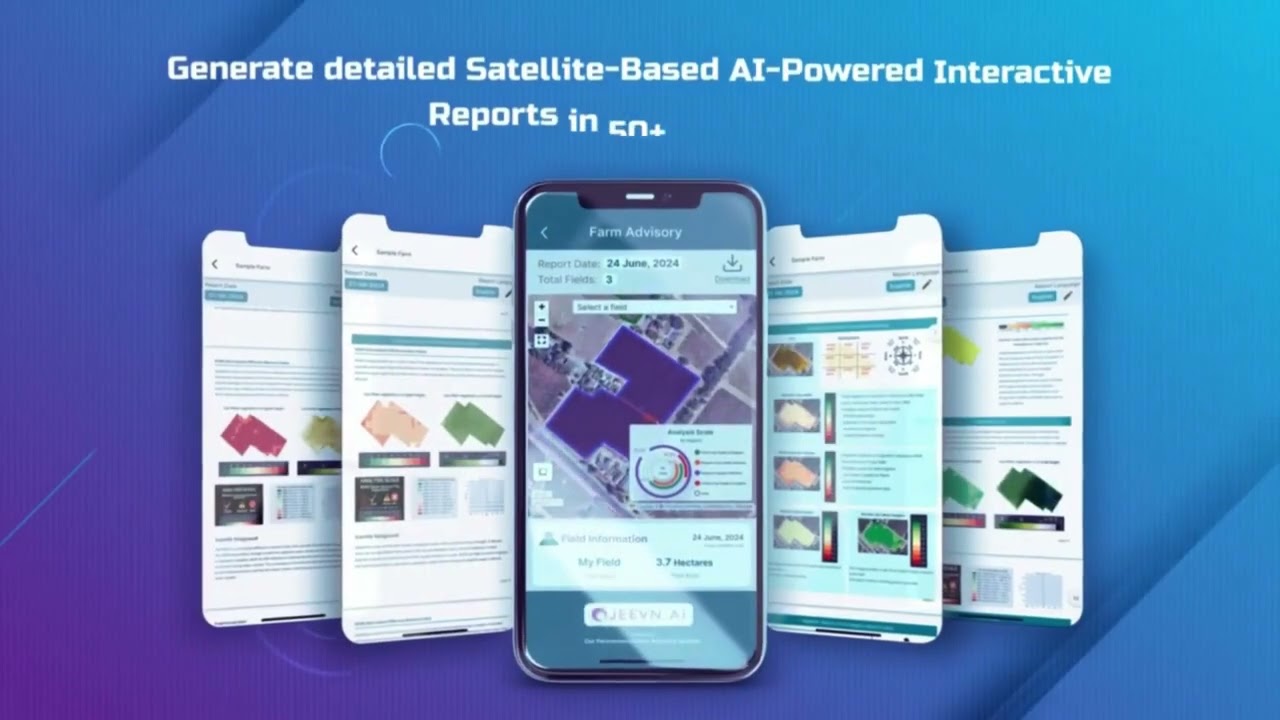
As the strategic value of copper reserves by country 2025 grows, investments in traceability, loan, and insurance solutions become more crucial for the agricultural sector. Explore Farmonaut’s crop loan and insurance services designed to improve financing access and risk management using satellite-based verification of crop health and resource use.
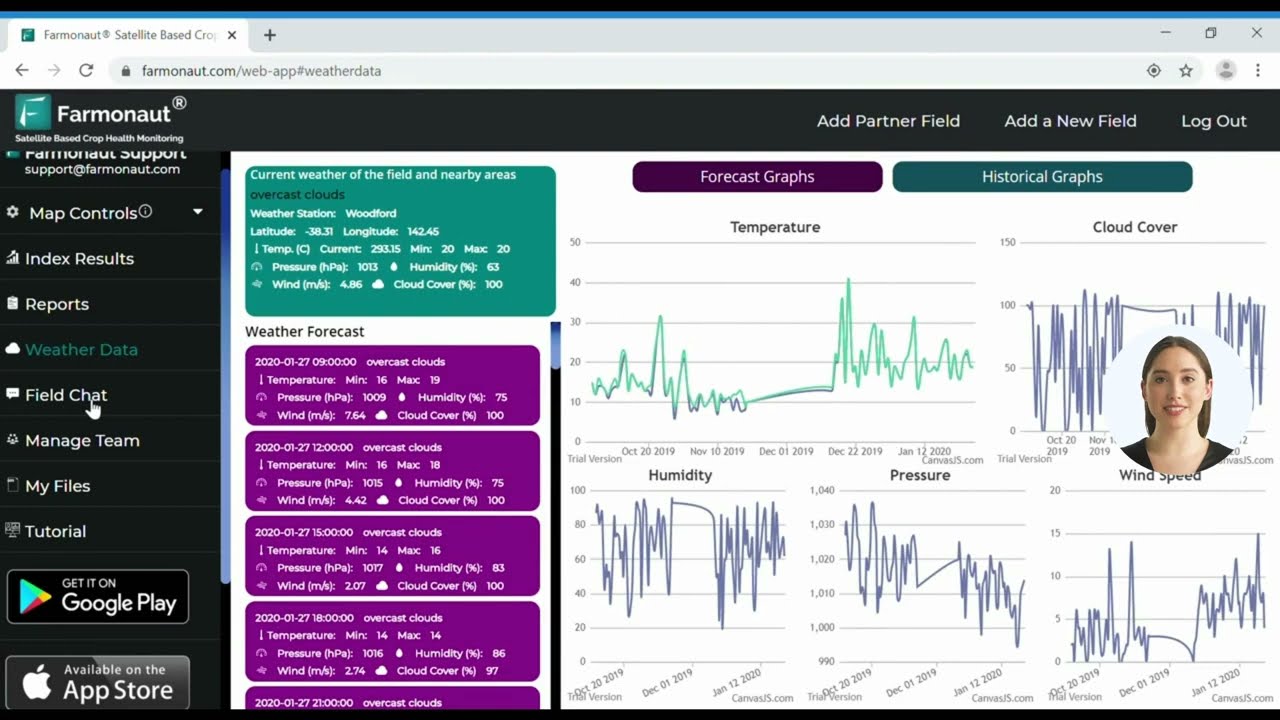
Sustainability, Exploration, and the Path Toward Green Growth
The uneven distribution of copper reserves by country 2025 informs strategic policy and resource management worldwide. Copper remains one of the most critical metals for green energy transition and decarbonization, making sustainable development non-negotiable.
Key Sustainability Practices in 2025
- Advanced Remote Sensing: The use of satellite-based carbon footprinting and environmental monitoring ensures that mining, agriculture, and infrastructure projects minimize ecological impacts, optimize land use, and maintain compliance with international standards.
- Closed-Loop Resource Management: Waste reduction and recycling initiatives in mining regions such as Australia and Chile assist in preserving copper reserves for future generations.
- Technology Partnerships: Technology platforms are widely employed to monitor the full value chain: from exploration and extraction through logistics to end-use in industrial sectors like renewable energy and electric vehicles.
Regional Exploration Strategies
- Chile: Leading the world in identified reserves, Chile’s mining strategy incorporates desalinated water, clean energy, and digitized mine tracking.
- Peru: Investment in irrigation and precision agriculture turbocharges demand for copper in agro-industrial projects.
- Mexico: Technological upgrades are making mining in Sonora and Zacatecas more efficient and environmentally friendly.
- Australia: IoT-enabled mines, ecological monitoring, and AI-driven logistics are central to the Australian copper industry’s sustainability agenda.
For satellite-powered large farm management, exploration tracking, or digital resource optimization, see Farmonaut’s Agro Admin App, vital in supporting modern agriculture and sustainable copper resource management.
Farmonaut users and partners benefit from satellite-based insights that help align operational decisions with sustainability requirements for mining and agriculture. By leveraging AI, blockchain, and remote sensing, we empower data-driven approaches for a resilient, transparent, and efficient future in resource-based sectors.
“By 2025, Chile will hold over 200 million metric tons of copper reserves, leading global supply for tech industries.”
“In 2025, copper demand for electric vehicles is expected to surpass 3 million metric tons worldwide.”
How Farmonaut Supports Sustainable Copper Supply and Agriculture
We at Farmonaut leverage our advanced satellite and AI-powered platforms to deliver cost-effective, real-time monitoring and advisory services for agriculture, mining, and infrastructure development around the world. Here’s how Farmonaut contributes to making copper supply and use more resilient, sustainable, and transparent:
- Satellite Monitoring: Our multispectral satellite data supports precise agricultural, mining, and infrastructure analysis, improving decision-making and resource management.
- AI-Based Advisory Systems: Farmonaut’s Jeevn AI Advisory delivers actionable and predictive insights for mining operations, infrastructure planning, and farm management.
- Blockchain-Based Traceability: Our product traceability features ensure the authenticity and transparency of supply chains in agriculture and mining, helping guarantee the responsible use of copper and related resources.
- Fleet and Resource Management: Our fleet management tools enable optimized deployment of vehicles and equipment in large mining or agriculture operations, reducing operational costs.
- Environmental Impact Monitoring: Our real-time satellite tracking includes carbon footprinting and emissions data, facilitating the adoption of green practices in resource-intensive sectors.
Frequently Asked Questions: Copper Reserves by Country 2025
1. What are copper reserves and why is their country distribution important for 2025?
Copper reserves represent the estimated quantity of copper available for extraction and use from known deposits. The distribution of these reserves by country shapes not just economic power but also strategic security in sectors such as infrastructure, agriculture, and technology development. Understanding this landscape is vital for managing sustainability, supply chains, and future growth.
2. Which countries hold the largest copper reserves in 2025?
As of 2025, Chile leads with around 340 million metric tons (28% of global reserves), followed by Australia (90 million), Peru (90 million), Mexico (60 million), and the United States (45 million).
3. How does copper impact agriculture?
Copper is essential as a micronutrient for plant growth, participating in photosynthesis, respiration, and disease resistance. In agriculture, copper-based fungicides and pesticides are vital, while global copper supply ensures competitive pricing and high availability for these vital inputs.
4. What role does copper play in infrastructure and renewable energy?
Copper’s high electrical conductivity and durability make it indispensable for electric wiring, power grids, EV charging stations, and renewable energy systems. It enables infrastructure modernization and sustainable transportation systems.
5. What technological advancements are shaping copper mining in 2025?
Key advances include AI-powered exploration, satellite-based resource mapping, IoT-driven mine operations, robotics for autonomous mining, and blockchain-supported supply chain traceability.
6. How does Farmonaut support copper mining and agriculture?
We provide multispectral satellite monitoring, AI-driven advisory services, blockchain traceability, environmental impact tracking, and digital resource management. Our platform empowers users to optimize crop health, monitor mining operations, and adopt sustainable practices—cost-effectively and at scale.
7. How can stakeholders access Farmonaut’s platform and API for copper and agriculture monitoring?
You can get started by accessing our web app, Android app, or iOS app for real-time monitoring. For developers and organizations, our API and API documentation are available for seamless integration of satellite-powered insights into your existing platforms.
Conclusion: Copper Reserves by Country 2025—Implications for Agriculture and Infrastructure
Copper reserves by country 2025 are concentrated among key nations—Chile, Australia, Peru, Mexico, the United States—each serving as the backbone for global copper supply. The distribution and management of these reserves will shape worldwide progress in infrastructure development, agriculture, and green energy ecosystems.
Copper’s irreplaceable role—from fortifying plants against crop diseases and boosting yields, to powering modern electrical and water systems, and enabling renewable energy innovation—makes it a true cornerstone for a sustainable, technology-driven future.
The path toward 2025 and beyond calls for responsible reserve management, data-driven strategies, and technological advances that support sustainability, resilience, and strategic partnerships. Whether through exploration, recycling, or digital transformation, countries and industries must continue to innovate to keep pace with rising global demand for copper.
With satellite-driven insights, AI advisory, and transparent traceability solutions, we at Farmonaut remain committed to powering stakeholders across agriculture, mining, and infrastructure in their mission to build a more sustainable, efficient, and transparent world.
Get started with Farmonaut’s monitoring and intelligence solutions for copper reserves, mining, and agriculture, and ensure your organization remains ahead in the new era of data-driven development.
Recommended links for exploring advanced solutions:
- Farmonaut Web App: Real-time satellite and AI-powered resource monitoring
- Farmonaut API Developer Docs: Integrate satellite insights into your platform
- Carbon Footprinting: Environmental monitoring for mining, agriculture, and infrastructure
- Product Traceability: Blockchain-powered supply chain transparency
- Crop Loan and Insurance: Satellite-backed risk management for farmers
- Fleet Management: Optimize logistics for mining and agriculture
- Large Scale Farm Management: Digital decision tools for modern agriculture

 G.I.T.T.
 Jaunita Erss Ltd
 Almosi SARL
 SRK Consulting
 Berks Gold Limited
 Mwerezi Minerals Company Limited
 Mining SARL
 SenGold Invest SAS
 Sean Mining Limited
 NTS Group (Pty) Ltd
 Mine4Africa
 Lithspo Minerals Limited
 Tintina Mining Group
 Dalgety Minerals Pty Ltd
 Vortex Minerals Pty Ltd
