

Diamond Mine 2025: Innovations in Africa
Table of Contents
- Overview of Diamond Mining in 2025
- Economic Significance of Diamond Mine Operations
- Technological Innovations Transforming African Diamond Mines
- Environmental & Sustainability Challenges and Solutions
- Social and Ethical Dimensions of Mining
- Comparative Feature & Impact Table: Diamond Mine Innovations
- Future Outlook: Contemporary Insights & Prospects
- Farmonaut: Satellite Innovation for Mining Excellence
- Frequently Asked Questions (FAQ)
Diamond Mine operations have always been at the heart of valuable mining activity, driving the global industry forward through the extraction of diamonds for both luxury gemstone and industrial applications. As we enter 2025, new technological innovations and a heightened emphasis on environmental sustainability, social responsibility, and ethical standards are fundamentally reshaping the future prospects of the sector. This blog provides a comprehensive overview of the contemporary insights and future prospects of diamond mining, focusing especially on Africa—the world’s most economically significant diamond-producing continent.

Overview of Diamond Mining in 2025
The Diamond Mine sector in 2025 is defined by both its rich history and ongoing technological advancements. Mines specializing in extracting natural diamonds rely on distinct geological processes dating back billions of years. The journey of a diamond starts deep within the Earth’s mantle, under extreme pressure and temperature conditions. These gems form in kimberlite pipes, alluvial deposits, and even in marine sediments.
- Exploration & Extraction Methods: Technological surveying, core sampling, and advanced geological modeling guide exploration to locate the richest deposits.
- Mining Techniques: Depending on depth and geology, extraction methods vary:
- Open-pit mining (typically for near-surface seams)
- Underground mining (for deeper seams)
- Marine mining (offshore diamond recovery)
- Technological Integration: AI-driven modeling, drone surveillance, automated drilling rigs, and real-time sensing are now standard, increasing operational efficiency and minimizing environmental impact.
These specialized mining operations not only deliver luxury gemstones but also industrial diamonds that are vital to modern manufacturing, electronics, and other sectors.

Economic Significance of Diamond Mine Operations in Africa
The economic significance of diamond mining remains paramount, especially in Africa. Countries like Botswana, South Africa, and Angola are global leaders, with diamond mines acting as a vital contributor to their economies. Other major players include Russia, Canada, and Australia. Mines continue to underpin national income through export earnings, infrastructure development, and employment, despite fluctuations in global markets and consumer demand.
- Job Creation: The sector sustains job creation in remote regions of Angola, the Kalahari, and South African provinces.
- Infrastructure Development: Revenues are invested in roads, schools, water systems, and power plants, benefiting the broader community.
- Foreign Exchange: In 2025, diamond export earnings remain a primary source of forex for participating countries.
- Industrial Market Diversification: The rising interest in industrial diamonds—essential for cutting, grinding, and electronics—is fueling market expansion, making African mining more diversified economically.
Despite market fluctuations since 2020, the industry remains resilient and significant for local and national development.

Technological Innovations Transforming African Diamond Mines
Diamond Mine 2025: Integrating AI, Satellite, and Blockchain Advances
Since 2020, the diamond mining industry has entered a period of rapid change, led by cutting-edge technological advancements. These innovations are not just modernizing existing operations; they are fundamentally altering the way mines in Africa and globally approach exploration, extraction, and value creation.
- Automated Drilling Rigs: AI-guided and remote-controlled, these reduce operational costs and enhance yield precision even in extreme conditions.
- Drone Surveillance: Drones enable rapid, safe, and efficient mapping and oversight of vast or difficult terrains.
- Examples include pipeline monitoring across Botswana or seismic risk detection offshore of Angola.
- AI-Driven Ore Sorting: AI and machine learning models analyze mined material, enhancing quality control and yield precision while minimizing waste.
- Real-Time Sensing: Networks of sensors placed throughout a mine ecosystem provide live data streams on safety, air and water quality, and machine performance.
- Blockchain Traceability: Blockchain technology tracks individual diamonds from extraction to retail, addressing conflict diamonds and ensuring ethical sourcing.
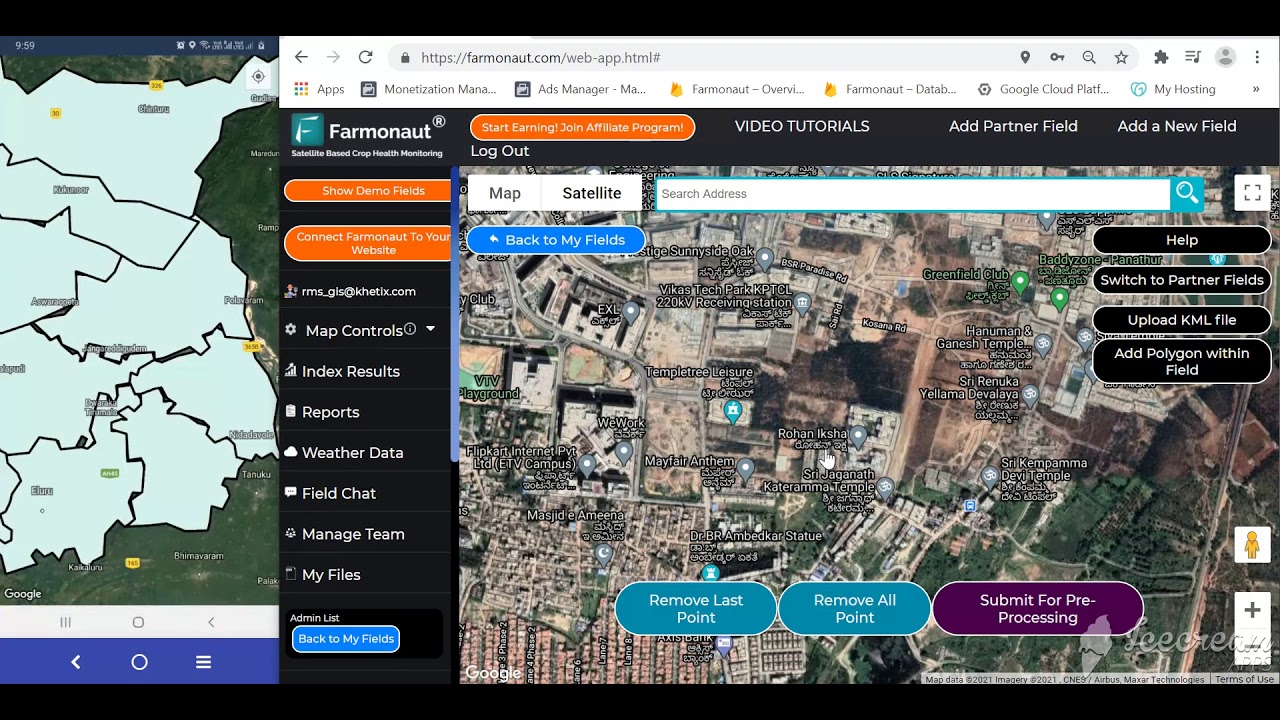
- Satellite Monitoring: Space-based sensors produce high-resolution imaging, supporting exploration and monitoring environmental compliance.

These technologies optimize resource utilization, reduce operational costs, and contribute to sustainable mining practices by supporting real-time decision-making and environmental protection.
For diamond mining operations seeking secure, end-to-end supply chain transparency, Farmonaut’s Blockchain-Based Product Traceability ensures ethical sourcing and fraud reduction across the value chain.
The Role of Synthetic Diamonds and Circular Economy Approaches
As technological capabilities expand, the market reach of synthetic diamonds widens. Industrial demand for those grown in controlled environments continues to rise due to their cost effectiveness and purity—critical for electronics and precision cutting. Natural diamonds still retain unique value, especially in the luxury gemstone segment.
Circular economy principles are also gaining ground, with diamond recycling and resale platforms emerging as sustainable alternatives, minimizing environmental impact and helping to address ethical concerns.
Environmental & Sustainability Challenges and Solutions in Diamond Mine Operations
Historically, diamond mining has posed severe environmental challenges, especially in relation to soil, water, biodiversity, and climate. In 2025, the industry faces increasing pressure to implement sustainable practices—not just for regulatory compliance but also to secure social license and maintain market trust.
Key Environmental Issues and Sustainable Mining Practices
- Land Rehabilitation: Extensive reclamation commitments now restore landscapes post-mining, involving soil restoration, reforestation, and habitat conservation.
- Water Management: Closed-loop water systems, precision irrigation, and treatment reduce pollution and lower water usage by up to 40% in leading African mines, as sustainable practices become the norm.
- Carbon Neutral Operations: Through the integration of renewable energy (solar, wind), carbon footprint monitoring, and emission reduction, the sector aligns with global climate objectives.
- Waste Minimization: Use of AI for targeted extraction, waste sorting, and recycling significantly reduces tailings volumes and associated pollution.
- Real-Time Environmental Monitoring: Satellite and ground-based sensors enable ongoing assessment of ecological impact, compliance, and emergency management.
Those companies that combine sustainability with technology are perceived as leaders and command higher value in the marketplace.
Mining companies can track and minimize their greenhouse gas emissions by leveraging Farmonaut’s Satellite-Based Carbon Footprinting, an essential step for compliance with 2025’s stricter environmental standards.

Community and Social Engagement in Environmental Management
Strong community involvement is now integral. African diamond mines regularly consult with local populations regarding land use, water allocation, and rehabilitation priorities to minimize negative social impacts and optimize benefit sharing.
Social and Ethical Dimensions of Diamond Mining in Africa
Diamond Mine Operations and Community-Centric Ethics in 2025
The ethical dimension of diamond mining is under constant scrutiny—especially regarding labor practices, community benefit, and the enduring issue of conflict diamonds.
- Conflict Diamonds and Transparency: In 2025, protocols like the Kimberley Process Certification Scheme (KPCS) have evolved, supported by blockchain traceability and certified chain-of-custody systems.
- Labor and Human Rights: Best practices now include fair wages, health and safety, gender equity, and respect for indigenous rights. Inspections, third-party audits, and real-time reporting add additional transparency.
- Community Benefit-Sharing: Companies invest in healthcare, education, infrastructure, and microfinance, with locals actively participating in decisions and profit-sharing models.
- Ethical Sourcing: Demand for ethical diamonds continues to rise, with consumers increasingly favoring certified, conflict-free stones from responsibly managed mines.
For mining stakeholders intent on transparency and responsible sourcing, Farmonaut’s Blockchain Traceability Solution provides a tamper-proof record for diamonds from mine to market, enhancing both compliance and brand trust.

The Future of Ethical and Socially Responsible Diamond Mining
The focus on minimizing social tension and maximizing long-term social value will only increase as community voices gain space in project evaluation, benefit distribution, and regulatory oversight.
Comparative Feature & Impact Table:
Diamond Mine Innovations in Africa (2025)
| Technology/Innovation Name | Estimated Adoption Year |
Mines/Regions Implementing | Main Benefits | Sustainability Impact | Ethical Advancements |
|---|---|---|---|---|---|
| AI-Driven Ore Sorting | 2024-2025 | Botswana, South Africa, Angola | Increased yield, reduced waste, enhanced sorting precision | Up to 25% decrease in tailings and waste volumes | Supports fair labor (fewer hazardous manual tasks) |
| Automated Drilling Rigs | 2024 | South Africa, Namibia | Operational efficiency, reduced human risk, lower costs | 15% energy savings (by optimized extraction) | Minimizes on-site safety risks |
| Blockchain Traceability | 2025 | Botswana, Angola, DRC | Transparent diamond sourcing, anti-fraud, market value boost | Improved compliance with sustainability protocols | Eliminates conflict diamonds, enhances transparency |
| Drone & Satellite Surveillance | 2021-2025 | All major African diamond mines | Real-time environmental monitoring, targeted exploration | 40% reduction in water usage; improved reclamation success | Documents land use change, supports community monitoring |
| Closed-Loop Water Systems | 2024-2025 | Angola, Botswana | Reduces contamination risk, conserves water | Up to 40% water savings per mine | Protects community water supplies |
| Renewable Energy Integration | 2023-2025 | South Africa, Botswana | Emission reduction, energy independence | 30%+ drop in carbon footprint per operation | Aligns with global climate ethics |
Future Outlook: Contemporary Insights & Prospects for Diamond Mine 2025+
In 2025 and beyond, a convergence of technological innovation, environmental responsibility, and rapidly evolving ethical standards is reshaping the landscape of diamond mining.
Five Major Trends Shaping the Future of Diamond Mining
- Integration of Smart Technologies: Widespread use of remote sensing, AI analytics, and blockchain as the “digital backbone” of mine management.
- Expansion of Circular Economy Practices: Growth in diamond recycling, recertification, and resale to support sustainability and reduce environmental impact.
- Stricter Environmental and Social Regulations: New benchmarks for emissions, reclamation, labor practices, and social benefit-sharing.
- Rise of Synthetic Diamonds: Continued surge in demand for industrial use; natural diamonds retain their value and luxury market distinctiveness.
- Community Partnership Models: Increasingly, host communities help to shape operational decisions and benefit distribution.
As leading diamond mines continue to adapt, reputations—and access to global markets—will be built on proven compliance with ethical, environmental, and social criteria. Technological, economic, and social development across Africa’s mining sector promises not just profit, but inclusive and sustainable growth for generations.


Farmonaut: Satellite Innovation for Mining Excellence
As a pioneering satellite technology company, we at Farmonaut are deeply committed to supporting sustainable and efficient diamond mining in 2025 and beyond. Our platform delivers key benefits across the industry’s value chain:
- Satellite-Based Monitoring (NDVI, soil condition, structural integrity): Our multispectral imaging offers actionable, real-time data for mine operators, reducing costs and optimizing resource management in even the most remote environments.
- AI-Based Advisory (Jeevn AI System): We provide AI-driven guidance for enhanced productivity, tailored extraction plans, and dynamic risk monitoring—from drillsite to finished product.
- Blockchain-Based Traceability: Our secure, tamper-proof digital ledger enhances transparency and trust throughout the diamond supply chain, directly supporting ethical practices and regulatory compliance.
- Environmental Impact Tracking: We help mines comply with evolving regulations using real-time carbon footprint monitoring, water use assessment, and habitat impact analysis.
- Resource & Fleet Management: Our digital tools for fleet, equipment, and logistics management lead to reduced operational costs and sustainable value creation.
For mine operators seeking robust, scalable logistics solutions, explore Farmonaut’s Fleet Management Platform to optimize vehicle usage and enhance site-wide safety and efficiency.
Our satellite technology and data solutions are transforming not just mining, but setting new standards in transparency, sustainability, and operational excellence worldwide.
- Integrate Farmonaut’s satellite-driven mining insights directly into your operations via our API.
- For developers, access full technical details in our API Developer Documentation.
Access Affordable Mining Intelligence with Farmonaut
Mining organizations with vast or multi-site operations benefit from Farmonaut’s Large Scale Management Tools—for unified decision-making and oversight across assets and resources.

Frequently Asked Questions (FAQ): Diamond Mining 2025
What geological conditions create natural diamond deposits?
Natural diamonds are formed deep within the Earth’s mantle under extreme temperature and pressure. Over billions of years, volcanic activity brings them near the surface, where mining operations target kimberlite pipes, alluvial, or marine sediments.
How is AI transforming diamond mine operations in 2025?
AI is pivotal in ore sorting, predictive maintenance, quality control, and operational efficiency. AI-driven models enhance precision, reduce waste, and optimize extraction in real-time—especially in Africa’s leading mines.
What defines ethical sourcing in the diamond mining industry today?
Ethical sourcing ensures that diamonds are extracted legally, without funding conflict, and with respect for labor, human rights, and environmental standards. Technologies like blockchain provide transparent, irreversible tracking from mine to market.
Why is sustainability so central to diamond mining’s future?
Stringent environmental regulations, market pressure, and stakeholder expectations mean sustainability isn’t optional—it’s crucial for market access, license to operate, and long-term reputation. Practices include land rehabilitation, water management, and renewable energy adoption.
How is satellite technology improving diamond mine management?
Satellite monitoring, as provided by Farmonaut, delivers ongoing data about vegetation, soil, water impact, and operational security. This empowers more informed decisions, enhances compliance, and reduces costs at scale.
Diamond Mine 2025: Contemporary Insights and Future Prospects—A Balanced Outlook
In summary, diamond mining in 2025 stands as one of the most technologically advanced sectors worldwide—driven by AI, satellite, and blockchain innovations. The industry’s future is built upon pillars of sustainability, ethical practices, and social inclusion—characterizing both its contemporary insights and bright future prospects. Whether for luxury gemstones or industrial applications, diamond mines remain an economically significant force within Africa and the global industry. Stakeholders leveraging innovation, transparent practices, and community partnership will thrive, ensuring the enduring value and reputation of natural and synthetic diamonds in the marketplace.

 GemSprout Metals Limited
 Qader Group
 Ileys General Trading
 SG Gold Mining LLC
 VRV Global Pte Ltd
 Omsri International FZE
 G.I.T.T.
 Jaunita Erss Ltd
 Almosi SARL
 SRK Consulting
 Berks Gold Limited
 Mwerezi Minerals Company Limited
 Mining SARL
 SenGold Invest SAS
 Sean Mining Limited
 NTS Group (Pty) Ltd
 Mine4Africa
 Lithspo Minerals Limited
