

Digital Transformation in Copper Mining: 3 Case Studies
Digital Transformation in the Copper Mining Sector: Case Studies illustrates how the industry is harnessing cutting-edge digital technologies to redefine operational efficiency, safety, and environmental sustainability. This article explores three pivotal case studies in 2025, detailing the role of IoT, AI, automation, and digital twins in revolutionizing copper mining operations on a global stage.
“By 2025, over 60% of copper mining operations will deploy AI-driven automation for real-time performance monitoring.”
- Introduction
- Drivers of Digital Transformation in Copper Mining
- Case Study Comparison Table
- 3 Case Studies in Digital Copper Mining Transformation
- Case Study 1: BHP’s Integrated Digital Mine at Escondida, Chile
- Case Study 2: Freeport-McMoRan’s Autonomous Haulage System in Arizona, USA
- Case Study 3: Lundin Mining’s Digital Twin at Candelaria, Chile
- Digital’s Impact on Sustainability and Safety in Copper Mining
- Challenges, Future Outlook, and Best Practices
- How Satellite & AI Technologies Empower Mining Operations
- FAQ: Digital Transformation in Copper Mining Sector
- Conclusion



Introduction: The New Digital Era in Copper Mining
The copper mining sector stands at the forefront of industrial digital transformation in 2025, propelled by soaring global demand for copper—a critical metal in electric vehicles, renewable energy infrastructure, and smart electronics. As copper’s role expands in the decarbonizing economy, digital transformation in the copper mining sector: case studies reveal how leading companies are harnessing advanced technologies—including IoT, AI, automation, and digital twins—to boost efficiency, sustainability, and safety.
Why is this shift so crucial? Traditional mining faces challenges such as fluctuating commodity prices, operational safety concerns, environmental regulations, rapidly evolving customer demands, and rising pressure to reduce carbon emissions. The ability to innovate digitally is not merely an advantage in 2025; it’s a baseline expectation for competitive, responsible, and sustainable operations.

Key Drivers of Digital Transformation in the Copper Mining Sector
The drivers behind digital transformation in copper mining are multi-faceted:
- Efficiency: Data-driven automation enhances extraction and logistics, reducing costs and optimally allocating resources.
- Sustainability: Advanced monitoring, analytics, and precision tools help companies minimize energy, water consumption, and waste—meeting stricter environmental mandates.
- Safety: Automation, digital twins, and real-time monitoring remove personnel from hazardous zones and reduce workplace incidents.
- Regulatory Compliance: Digital systems enable transparent reporting and faster adaptation to stringent regulations.
- Market Volatility: Agile, connected operations buffer against fluctuating commodity prices by improving margins and agility.
Technology pillars reshaping the mining industry include:
- IoT (Internet of Things) sensors for real-time equipment monitoring and predictive maintenance.
- AI (Artificial Intelligence) algorithms that power ore grade predictions, optimize blasting, and automate fleet management.
- Automation and remote operation of vehicles, drilling, and haulage systems.
- Digital twins to simulate, plan, and manage mine infrastructure and extraction processes.
- Advanced analytics and cloud computing for integrating and acting on data from multiple sources.
- Robotics, drone technology for inspection, mapping, and logistics in remote or hazardous areas.
Notably, these new digital technologies are helping the sector address its most pressing challenges—improving every facet from operational efficiency to environmental stewardship.
“Advanced data analytics cut equipment downtime in copper mining by up to 30% according to recent digital transformation case studies.”

Digital Transformation in the Copper Mining Sector: Case Study Comparison Table
Before delving into individual case studies, let’s compare the three leading digital transformation initiatives in copper mining, summarizing their technology adoption, impact, and outcomes in 2025.
| Mine Name | Country/Region | Digital Technologies Implemented | Year of Implementation | Efficiency Improvement (%) | Environmental Impact/Sustainability | Safety Improvements |
|---|---|---|---|---|---|---|
| BHP Escondida | Chile |
IoT sensors, AI ore grade models, Automation, Cloud computing, Advanced analytics |
2023–2025 | 20% reduction in downtime | Reduced energy use & emissions; improved waste minimization | Predictive maintenance improved safety; fewer incidents in extraction |
| Freeport-McMoRan Morenci | Arizona, USA |
Autonomous haulage, AI fleet management, Dispatch system integration, Analytics |
2022–2025 | 30% increase in haulage productivity | 15% reduction in fuel consumption; lower carbon output |
Fewer human drivers in hazardous zones; reduced accident rate |
| Lundin Candelaria | Chile |
Digital twin, Big data integration, IoT monitoring, Scenario planning |
2024–2025 | 15–20% operating cost savings (est.) | Optimized resource allocation, lower water/energy use, reduced environmental risk |
Real-time monitoring supports proactive risk mitigation |

Digital Transformation in the Copper Mining Sector: Case Studies in 2025
In 2025, several case studies illustrate the breadth and depth of digital transformation across the copper mining sector, highlighting how digital initiatives create competitive advantage, meet environmental mandates, and reshape operational models for sustainability and safety. Let’s explore three recent case studies that epitomize successful implementation and showcase emerging best practices.
Case Study 1: BHP’s Integrated Digital Mine at Escondida, Chile
BHP, one of the world’s largest copper producers, has pioneered a holistic digital transformation at its Escondida mine in Chile. Here, integrating IoT sensors across every stage—from drilling equipment and conveyor systems to extraction sites—enables continuous monitoring of equipment health and operational parameters.
- Deployment of IoT Sensors: Real-time equipment telemetry supports predictive maintenance, cutting unplanned downtime by 20% and extending equipment lifespan.
- AI and Machine Learning Algorithms: AI-driven ore grade prediction models analyze geological and operation data, empowering BHP to enable more precise blasting and material sorting and minimizing waste extraction.
- Cloud and Advanced Analytics: Processing terabytes of data in the cloud, teams access dashboards visualizing operational trends, bottlenecks, and resource allocation.
- Environmental & Sustainability Outcomes: Integrating energy sensors and environmental intelligence allows BHP to reduce energy consumption and emissions—all supporting their net-zero operations goal by 2040.
- Workforce Impacts: Safety is enhanced by removing technical staff from hazardous maintenance zones and improving hazard notifications with real-time alerts.

Image credit: BHP Escondida, Chile – Leading IoT and AI-Driven Copper Mining Operations
This integrated digital ecosystem at Escondida demonstrates how automation, analytics, and integration deliver measurable efficiency gains, enhanced sustainability, and improved safety.
Curious about satellite-based carbon footprinting and environmental impact solutions for mining or agriculture? Explore how Farmonaut’s Carbon Footprinting product provides precise, real-time emissions and impact tracking—helping businesses meet regulatory and sustainability mandates at scale.

Case Study 2: Freeport-McMoRan’s Autonomous Haulage System at Morenci, Arizona
Freeport-McMoRan’s Morenci mine in Arizona serves as a global benchmark for autonomous vehicles in copper mining. The company’s initiative blends AI-driven fleet management, connected vehicle sensors, and automation to increase haulage productivity and prioritize worker safety.
- Autonomous Haulage Vehicles: Hundreds of interconnected autonomous trucks traverse the open pit, their movements governed by AI-optimized centralized platforms.
- Major Efficiency Gains: The system enables continuous, disruption-free haulage cycles, resulting in a 30% increase in productivity and a 15% reduction in fuel consumption.
- Safety Transformations: Human operators are removed from hazardous frontline mining zones, with monitoring and control shifted to remote operations centers.
- Integrated Technologies: The platform connects with dispatch and fleet management software, leveraging real-time analytics to improve mine responsiveness and resource planning.
- Environmental Outcomes: By optimizing routes and maintaining consistent speeds, the system reduces emissions and supports broader sustainability metrics.
The integration of robotics and digital automation technologies at Morenci showcases mature digital transformation in the copper mining sector and its direct benefits for both efficiency and safety.
Looking to digitally monitor fleets—trucks, machinery, or mining vehicles? Discover Farmonaut’s Fleet Management tools for agriculture, mining, and infrastructure.
Our platform offers real-time satellite tracking and route optimization—helping reduce fuel waste, ensure safety, and maximize equipment ROI.

Case Study 3: Lundin Mining’s Digital Twin at Candelaria, Chile
Lundin Mining’s Candelaria mine (Chile) exemplifies the next level of digital transformation in copper mining through the deployment of a high-fidelity digital twin. This virtual replica enables advanced simulation, planning, and real-time monitoring of all mine operations.
- System Integration: Real-time data from IoT sensors, geological surveys, equipment health monitors, and environmental telemetry feed directly into the digital twin platform.
- Scenario Analysis: Engineering teams use the twin to test production expansions, equipment upgrades, or emergency response protocols—without disrupting ongoing extraction or risking safety.
- Resource Optimization: By forecasting material flow, equipment usage, and energy consumption, Lundin minimizes both waste and environmental footprint.
- Safety Applications: The digital twin simulates risks (e.g., potential wall collapses or flooding) and recommends mitigations before hazardous events can occur.
- Strategic Outcomes: This integrated platform has enabled an estimated 15–20% reduction in operating costs while ensuring improved strategic planning for resource management.
By leveraging digital twin and big data integration, Lundin Mining advances both operational excellence and sustainability—demonstrating best practices within digital transformation in the copper mining sector: case studies.
Want to track resources securely and transparently from mine to market?
See how satellite-driven and blockchain-based traceability on Farmonaut enables mining and agricultural companies to prove supply chain authenticity, reduce fraud, and meet rising transparency mandates for 2025.
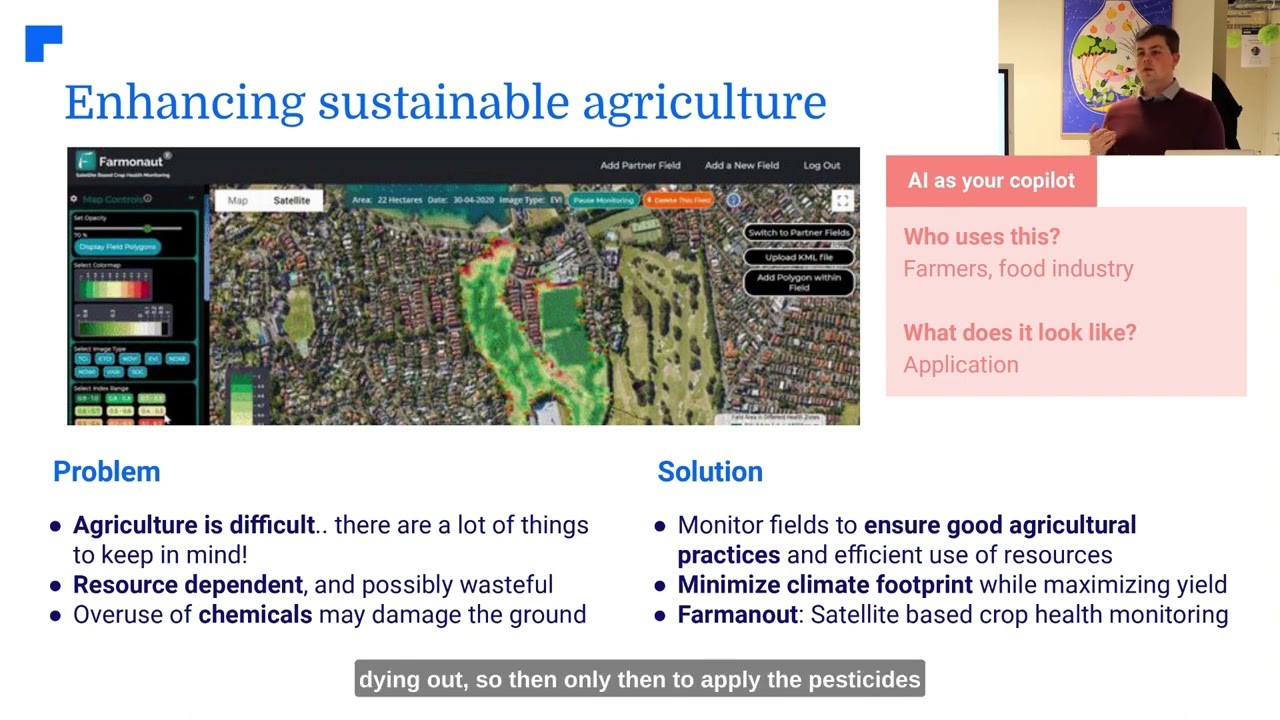
How Digital Transformation Boosts Sustainability and Safety in Mining
A defining advantage of digital transformation in the copper mining sector is its ability to drive sustainability and safety outcomes:
-
Reducing Environmental Impact:
- Precision extraction via AI reduces waste material processed, conserving both energy and water.
- IoT sensors and analytics allow real-time monitoring of emissions, tailings integrity, and water quality.
- Companies adhere to stringent environmental regulations and proactively manage potential risk zones.
-
Minimizing Carbon Footprint:
- Automated haulage and route optimization lower fuel consumption and carbon emissions.
- Optimized processing schedules reduce peak energy demand and greenhouse gas output.
-
Enhancing Safety:
- Autonomous vehicles and robotics decrease workers’ direct exposure to hazardous operations.
- Wearable IoT health sensors track worker vitals, stress, location, and fatigue risks in real time.
- AI-powered computer vision models automatically alert personnel of unsafe conditions or emerging hazards.
-
Supporting Sustainable Resource Management:
- Digital twins and advanced analytics plan for efficient site development, helping companies use resources sustainably, minimize land disturbance, and extend mine life.
Together, these tools and practices deliver on the copper industry’s vision of zero-harm workplaces and carbon-neutral operations by 2040—and are increasingly demanded by investors, regulators, and global customers.

Challenges, Future Outlook, and Best Practices for Digital Copper Mining
Despite digital transformation’s vast potential, several strategic challenges accompany its adoption in the mining sector:
- Legacy Infrastructure: Integrating IoT, AI, and automation with decades-old systems can cause data silos and operational friction.
- High Capital Expenditure: Upfront investment in sensors, connectivity, cloud, and workforce training requires robust ROI justifications.
- Cybersecurity Risks: The expansion of connected devices and operational networks introduces new cyber vulnerabilities for mining operations.
- Workforce Upskilling: Effective transformation necessitates comprehensive training in data analytics, automation, and digital twin management.
The Future: What’s Next After 2025?
-
Augmented Reality (AR) and Mixed Reality:
Technicians and remote experts will collaborate using AR headsets, improving field problem-solving and reducing site travel. -
Advanced Robotics:
Next-generation mining robots, drones, and automated telerobotics will expand into more hazardous underground operations, managing extraction and site inspections. -
Quantum Computing:
Powerful quantum systems will be increasingly available for mine planning, ore processing simulations, and AI model optimization on massive data sets. -
Edge AI and 5G Connectivity:
Real-time, low-latency decision-making on connected devices—enabling even more autonomous mining zones and adaptive resource allocation. -
Enhanced Environmental Monitoring:
Satellite, drone, and IoT sensor fusion for micro-monitoring emissions, ecosystem changes, and water cycles in mining regions.
Interested in robust, real-time satellite monitoring for mining, infrastructure, or agriculture?
Explore the Farmonaut API for developers, or check our detailed API documentation. For region-wide operations, large-scale management tools are available to monitor 1000s of fields or sites simultaneously with AI-driven insights.
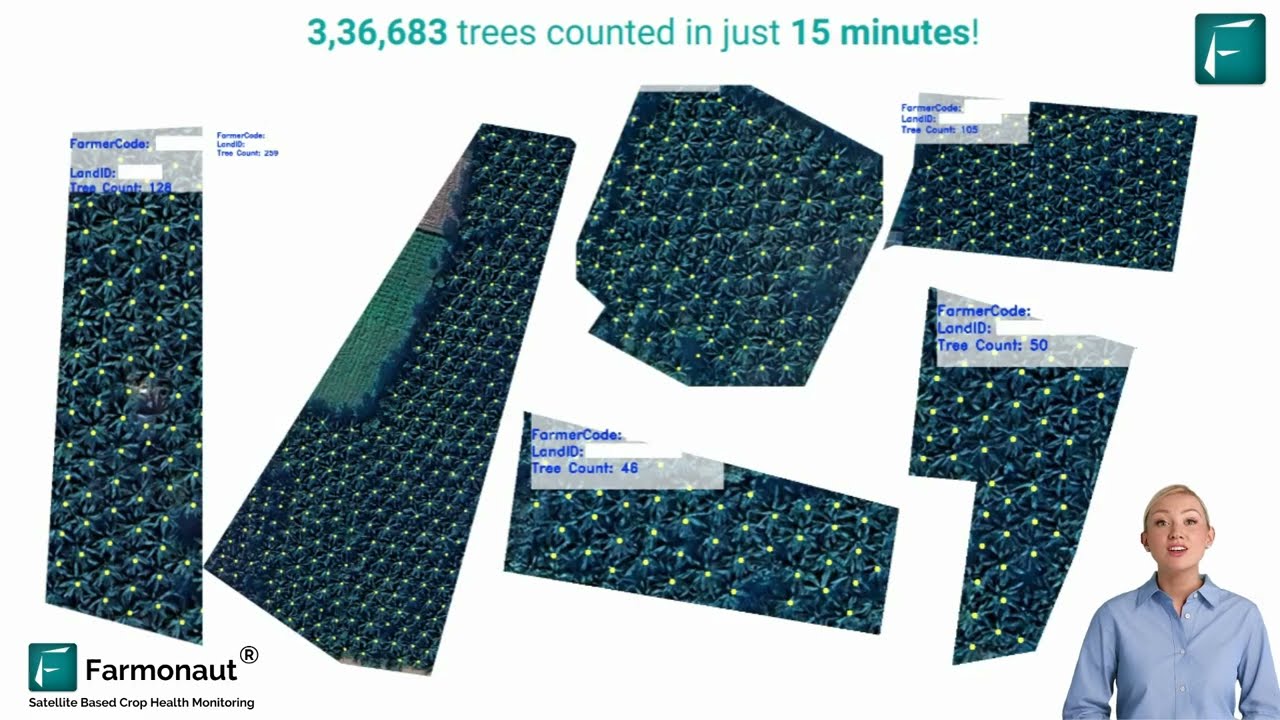
Digital Transformation Best Practices for Copper Mining Companies
- Leverage predictive analytics and automation first on high-impact equipment/electrical systems to prove ROI and build team digital fluency.
- Conduct in-depth security audits for new IoT/adaptive networks; adopt best cybersecurity standards industry-wide.
- Develop a digital, data-driven culture—engage frontline workers in solution adoption, and prioritize ongoing upskilling.
- Collaborate across disciplines to break down data silos and support integrated digital twins and operational models.
- Continuously monitor environmental and safety indicators using sensor fusion and actionable dashboards.
How Satellite & AI Technologies Empower Mining Operations
Satellite monitoring, artificial intelligence, and blockchain traceability are now cornerstones of modern digital mining and infrastructure management. At Farmonaut, we aim to make advanced satellite insights accessible and affordable for users globally—ensuring digital transformation is not just for industry giants, but for all stakeholders seeking data-driven sustainability, operational efficiency, and transparent supply chains.
- Satellite-Based Monitoring: Real-time tracking of mining operations, equipment status, and environmental health using multispectral imagery, supporting regulatory compliance and resource optimization.
- Jeevn AI Advisory System: AI-driven recommendations and risk alerts utilizing satellite & ground data for proactive operational management.
- Blockchain Traceability: Supply chain visibility for raw materials, reducing fraud and meeting regulatory and customer traceability mandates.
- Fleet Management Tools: Satellite-based fleet analytics to reduce costs and fuel consumption for haulage vehicles.
- Environmental Risk Monitoring: Actionable insights on emissions, land disturbance, and impact—helping users adopt responsible mining practices.
Fast-track loan approvals and reduce insurance fraud in mining and agriculture. Learn how satellite-based verification via Farmonaut speeds up financing and claims—trusted by financial institutions worldwide.
Whether managing a single extraction site or coordinating national-scale operations, our platform scales to your digital transformation goals. Discover our subscription options and unlock full-stack digital mining management with remote, mobile-friendly access anytime, anywhere.
FAQ: Digital Transformation in the Copper Mining Sector
Q1: How does digital transformation benefit copper mining operations in 2025?
The core benefits are increased efficiency (reducing operational costs and downtime), improved sustainability (lower energy and water usage, reduced emissions), and enhanced safety (automation removes people from hazardous environments). Real-time monitoring enables rapid decision-making and compliance with environmental regulations.
Q2: What are the most transformative technologies being adopted?
Core technologies include IoT sensors, AI-powered analytics, digital twins, automated haulage/robotic vehicles, advanced cloud computing, and blockchain-based traceability for resource and workflow management.
Q3: What are common challenges in implementing digital transformation in the mining sector?
Integration of new technologies with legacy infrastructure, securing upfront investment, addressing cybersecurity risks, and upskilling the workforce to use digital tools are among the key challenges.
Q4: How do digital twins and AI models specifically reduce environmental impact?
Digital twins enable simulation of mining scenarios for optimal resource use and emergency response, while AI models provide precision in ore extraction, reducing waste and associated emissions/water use.
Q5: Can smaller operations benefit from digital mining tools?
Absolutely! With cloud-based platforms and affordable satellite monitoring (such as those provided by Farmonaut), both small and large mining operations can adopt digital transformation solutions tailored to their scale—improving ROI, compliance, and safety.
Conclusion: Redefining Copper Mining with Digital Innovation
As illustrated by the world’s leading case studies—namely BHP’s Escondida (Chile), Freeport-McMoRan’s Morenci (Arizona), and Lundin’s Candelaria (Chile)—digital transformation in the copper mining sector is a strategic imperative for 2025 and beyond. Seamless integration of IoT, AI, automation, robotics, digital twins, analytics, and blockchain is not just delivering incremental gains but fundamentally reshaping the industry.
Companies adopting digital technologies are boosting efficiency, slashing operational costs, setting new standards for sustainability, and delivering on zero-harm safety ambitions. As global demand for smart, sustainable copper rises with the electric and renewable revolution, those who embrace digital transformation will maintain a competitive advantage and meet ever-stricter environmental and regulatory mandates.
The mining industry stands poised to enter an era of resilient, transparent, and socially responsible operations. The digital tools, practices, and case studies highlighted in this article chart the future for copper mining worldwide. The journey is ongoing—powered by innovation, guided by data, and inspired by a vision for sustainable progress.
Ready to drive digital transformation in your mining operations? Start with Farmonaut’s real-time satellite insights, digital twins, and AI-driven advisory today.

 SG Gold Mining LLC
 VRV Global Pte Ltd
 Omsri International FZE
 G.I.T.T.
 Jaunita Erss Ltd
 Almosi SARL
 SRK Consulting
 Berks Gold Limited
 Mwerezi Minerals Company Limited
 Mining SARL
 SenGold Invest SAS
 Sean Mining Limited
 NTS Group (Pty) Ltd
 Mine4Africa
 Lithspo Minerals Limited
 Tintina Mining Group
