

Dust Control Mining: 7 Innovations for Dust Extraction in 2025
Table of Contents
- Introduction: The Critical Imperative of Dust Control Mining
- Understanding Dust Generation in Mining Operations
- Foundation of Dust Control Measures in Mines
- Dust Control Mining: 7 Innovations for Dust Extraction in 2025
- Comparative Innovations Overview Table
- The Role of the Mining Control Center
- Environmental Sustainability and Responsible Dust Suppression in Mining
- Real-Time Monitoring and Satellite-Driven Solutions by Farmonaut
- Frequently Asked Questions (FAQ)
- Conclusion: The Future of Dust Control Mining in 2025 & Beyond
Introduction: The Critical Imperative of Dust Control Mining
Dust control mining has become an essential component of the modern mining industry, directly impacting worker health, operational efficiency, and environmental sustainability. With the rising global demand for minerals and resources, mining activities are intensifying in 2025—amplifying the critical need for effective dust control measures in mines. Without the implementation of advanced dust extraction and suppression systems, mining companies face heightened risks: regulatory non-compliance, health crises among workers, and long-term damage to local ecosystems.
In this article, we explore the state of dust control mining in 2025, reviewing the science of dust generation, traditional and modern dust control measures, and the latest innovations that are transforming mining dust extraction. We’ll highlight the role of the mining control center, the integration of environmental and occupational safety monitoring, and the significance of sustainable suppression measures. This overview aims to provide comprehensive strategies and technological insights for stakeholders invested in safer, more efficient, and responsible mining operations.
Understanding Dust Generation in Mining Operations
To appreciate the complexities of dust control mining, it’s important to first understand how dust is generated within mining activities. Whether a site is operating at the surface or deep underground, mining inherently generates large amounts of dust through key processes:
- Drilling: Piercing rock and ore with mechanized drills generates finely particulate matter.
- Blasting: The use of explosives in both surface and underground mining releases shockwaves that disintegrate rock, expelling dust clouds into the air.
- Hauling and Transportation: Movement of mineral ores and overburden along unpaved haul roads kicks up dust, as do vehicle operations within and between sites.
- Crushing and Processing: Mechanical crushers pulverize ores, generating airborne mineral dust at transfer and feed points.
The particulate matter produced includes a variety of hazardous components:
- Silica Dust: Common in quarries and hard rock mines, inhalation of silica dust poses severe respiratory risks, including silicosis.
- Coal Dust: Predominant in coal mining, responsible for pneumoconiosis or “black lung disease.”
- Other Mineral Fines: Such as heavy metals or crystalline particles, which can contaminate the surrounding soil and water.
The critical hazards of mining dust are multifaceted:
- Serious Respiratory Risks: Chronic exposure to airborne dust leads to occupational lung diseases.
- Operational Hazards: Reduced visibility and machine clogging undermine operational efficiency and increase accident risks.
- Environmental Contamination: Fugitive dust can drift, contaminating soil, water, and even entering the food chain, creating long-term ecological harm.
Controlling dust emissions is not merely a regulatory checkbox; it is a moral imperative, ensuring mining is safe for workers, communities, and the environment.
Dust limits US mines must meet
Dust control in US mines is measured against limits set by the Mine Safety and Health Administration (MSHA).
| Dust | Limit | Status (Sept 2026) |
|---|---|---|
| Respirable coal mine dust, underground and surface coal mines | 1.5 mg/m³ | In force since 1 Aug 2016 under the 2014 rule; 0.5 mg/m³ for intake air and Part 90 miners (Federal Register) |
| Respirable crystalline silica, all mines (2024 rule) | 50 µg/m³ (action level 25 µg/m³) | Rule effective 17 June 2024. The Eighth Circuit stayed its compliance deadlines on 11 April 2025, so the April 2025 (coal) and April 2026 (metal/nonmetal) dates are on hold. MSHA still enforces its older silica standards (MSHA; MSHA PIB P26-01) |
For a site choosing dust controls, the 50 µg/m³ silica figure is the one to design for, since the rule remains on the books while the court case continues.
Foundation of Dust Control Measures in Mines
The foundation of dust control mining lies in a multi-pronged, integrated approach—no single measure suffices in the face of continuous, evolving dust generation. Instead, dust control measures in mines incorporate traditional techniques alongside cutting-edge innovations to maximize suppression and extraction efficiency.
Common Dust Control Techniques in 2025
-
Water Sprays and Misting Systems:
- This traditional method leverages water to bind dust particles and reduce airborne hazards. However, in 2025, computer-controlled misting systems employ dust sensors to dynamically adjust water flow and droplet size, ensuring targeted suppression with minimal water use. These systems are crucial for minimizing resource consumption while maximizing control effectiveness.
-
Chemical Dust Suppressants and Soil Binders:
- Chemical agents, including environmentally safe binders, are applied to haul roads, access routes, and work areas. Newer suppressant products are marketed on lower toxicity and biodegradability; check each product’s safety data before use.
-
Enclosures and Barriers within Mining Sites:
- By housing dust-generating equipment—such as ore crushers and conveyor transfer points—within specialized enclosures fitted with high-efficiency dust extraction systems, companies can capture pollutants at the source. This method sharply reduces the escape of airborne dust into workspaces and the environment.
Integrated application of these measures—tailored to each mining process, location, and regulatory context—is essential for ensuring compliance, protecting health, and optimizing operational efficiency.

What haul-road watering and suppressants actually achieve
Haul roads raise dust every time a truck passes. A field study that measured controls side by side is a NIOSH-published study of unpaved haul roads by Rosbury and Zimmer (NIOSH, 1983):
- Watering once an hour cut total suspended particulate by about 40%.
- Chemical suppressants mostly achieved 40 to 60% control in the first two weeks after application, then lost effect over time.
- The best result was 82% for calcium chloride two weeks after it was applied.
- Salts and lignin products could be more cost-effective than water under some conditions.
The study is old, but the lesson still guides practice. Water works only while the surface stays damp, so frequency matters more than volume. Suppressants cost more up front but last longer between treatments. For drilling, crushing, conveyors and loadout, the NIOSH Dust Control Handbook for Industrial Minerals Mining and Processing (2nd edition, 2019) sets out controls process by process.
Dust Control Mining: 7 Innovations for Dust Extraction in 2025
The drive for safer, more sustainable, and cost-efficient mining has spurred a wave of advanced technologies in dust extraction and suppression. Below, we detail seven leading innovations in dust control mining set to define the industry landscape in 2025 and beyond.
-
AI-Controlled Automated Dust Extraction Units
- Powered by real-time sensors and advanced machine learning, these systems continuously monitor dust levels and adapt extraction intensity on-the-fly. By automatically adjusting suction power based on particulate spikes, they ensure continuous evacuation, optimize energy consumption, and keep operational costs in check.
-
Hybrid Filtration Systems (Mechanical + Electrostatic)
- Hybrid filtration combines HEPA or mechanical filters with electrostatic precipitators to capture fine particles that single-stage filters miss. Maintenance demands decrease, equipment downtime is cut, and air quality across mine sites is drastically improved.
-
Dynamic Water Misting Robots
- Mobile misting units, such as trailer- or truck-mounted mist cannons, can be moved to dusty zones and aimed or adjusted as work shifts across the site. They enable pinpoint suppression with minimal wasted water and can be programmed for specific high-risk activities, like blasting or crushing events.
-
Next-Generation Chemical Suppressants
- These environmentally friendly suppressants harness advanced polymer binders and biodegradable surfactants, forming a durable crust that seals surface dust. Their effect fades over time, so they need reapplication; NIOSH haul-road tests found suppressant control declined after the first two weeks.
-
Centralized Real-Time Dust Monitoring Networks
- Using IoT-enabled dust sensors deployed across mines, all air quality and particulate data is channeled into a centralized mining control center. Here, analytic dashboards enable rapid response to hazardous conditions, keep operators compliant with regulatory dust limits, and ensure safer environments for workers.
-
Modular Enclosure and Barrier Systems
- Modular, rapidly deployable barriers and enclosures contain dust at the source, particularly at crushers, conveyor junctions, and transfer points. They are typically paired with dust extraction units inside the enclosure.
-
Satellite-Based Air Quality and Dust Dispersion Analysis
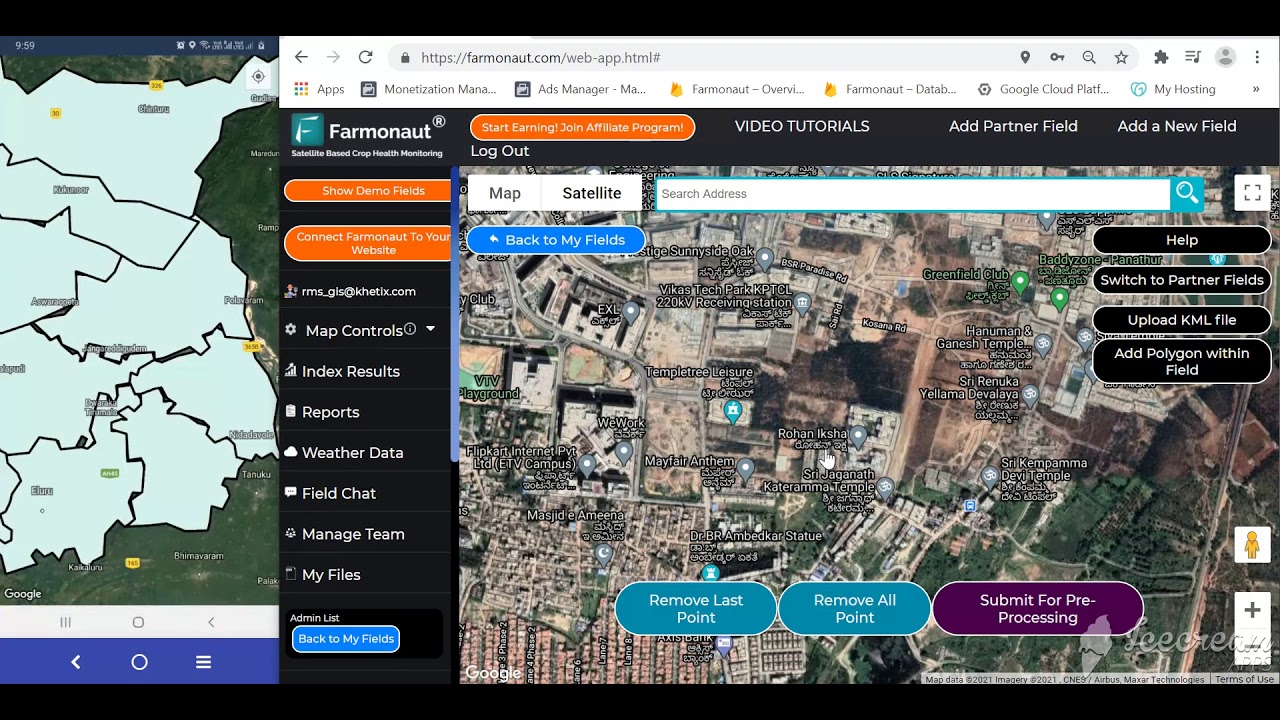
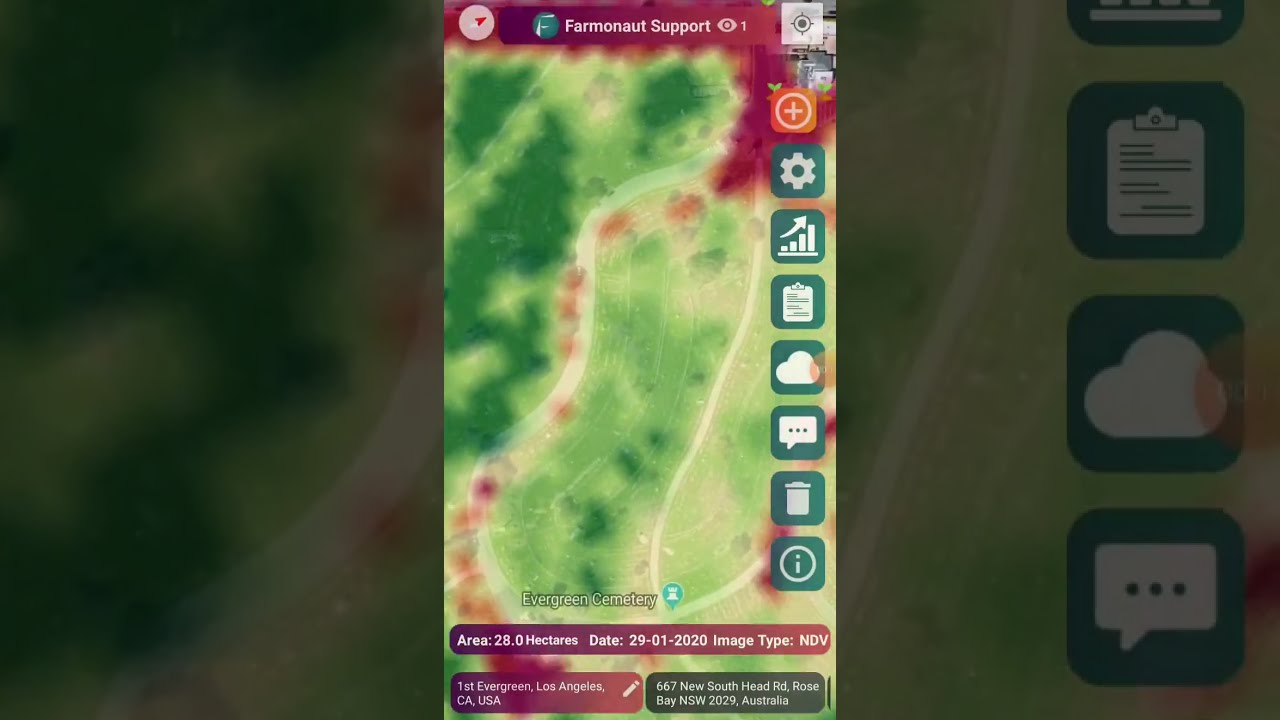
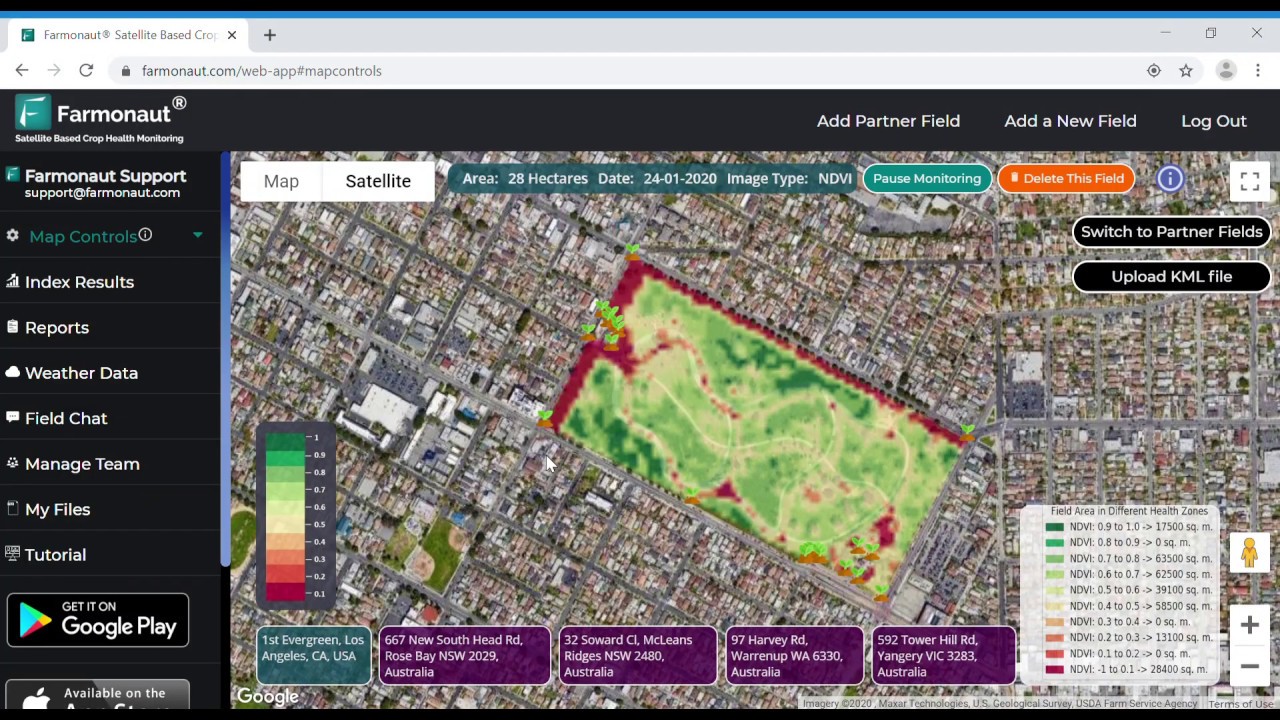
- Advanced satellite-based monitoring systems (such as those provided by Farmonaut) deliver site-wide particulate mapping, using multispectral and thermal imagery to track dust plumes, soil contamination, and air dispersion patterns across hundreds of kilometers. This delivers a macro-level view vital for regulatory compliance—while providing actionable intelligence for ground-based suppression and control strategies.


Comparative Innovations Overview Table
The Role of the Mining Control Center in Dust Control Mining
The advent and evolution of the centralized mining control center has been a game-changer for the dust control mining industry in 2025. By integrating real-time environmental, production, and safety data, these hubs are essential for intelligent decision-making and proactive risk mitigation.
How Mining Control Centers Enhance Dust Management
- Continuous Monitoring: IoT-enabled air quality sensors and particulate counters transmit dust concentration data from strategic locations across the mine.
- Centralized Analytics: High-performance dashboards within the mining control center aggregate, visualize, and analyze real-time dust and air quality data alongside operational and meteorological inputs.
- Automated Alerts & Suppression Triggers: If critical dust thresholds are exceeded, automated suppression actions—such as activating additional water misting, adjusting ventilation, or increasing extraction system output—are instantly deployed.
- Regulatory Compliance Tracking: All dust control measures are logged and auditable, greatly simplifying compliance audits and government reporting for mining companies.
Integrated mining control centers not only enhance safety, but also improve site-wide operational efficiency by enabling precise allocation of dust suppression resources, reducing worker exposure, and minimizing production downtime caused by dusty conditions or health incidents.




For real-time, satellite-based dust dispersion analysis and mapping, as well as large-scale site environmental monitoring, explore our carbon footprint monitoring product. This solution empowers mining companies to measure, analyze, and manage airborne particle emissions with regulatory-grade accuracy, supporting both compliance and sustainability goals.
Efficient mining also depends on optimal logistics. Our fleet management solution enables seamless tracking and management of haul trucks, water tankers, and equipment in mining, reducing unnecessary vehicle-induced dust.
For transparent, tamper-proof tracking of mineral supply chain movements— from extraction to processing and distribution—see our blockchain-based traceability platform. It provides full-chain visibility while enhancing consumer and regulator trust.
Environmental Sustainability and Responsible Dust Suppression in Mining
The pursuit of sustainable mining is fundamentally tied to how effectively dust and airborne particulate pollution are managed. The environmental and social stakes are high:
- Health and Livelihoods: Communities living near mines are particularly vulnerable to the long-term effects of fugitive dust, including increased rates of asthma and reduced crop productivity due to soil contamination.
- Regulatory Landscape: Stringent international and national environmental health standards require extensive, continuous dust monitoring and transparent emissions reporting—pushing mining companies to adopt the most effective extraction and suppression strategies.
- Mine Rehabilitation and Closure: Environmentally safe suppressants, bio-friendly binders, and advanced enclosure designs not only reduce dust during operations, but support site remediation and ecological restoration during the post-mining phase.
The new gold standard is a holistic dust control strategy: one that integrates physical, chemical, and digital control measures, reinforced by transparent data reporting and stakeholder engagement.

Mining companies and operators in 2025 who prioritize comprehensive, environmentally responsible dust control measures are not only ensuring compliance—they are future-proofing their operations against reputational, legal, and financial risks.
Real-Time Monitoring and Satellite-Driven Solutions by Farmonaut
We at Farmonaut recognize the imperative of real-time, comprehensive dust monitoring and environmental impact analysis in the dust control mining industry. Our platform leverages satellite-based multispectral imaging, AI-driven analytics, and advanced data integration to address the evolving challenges faced by mining operators, governments, and communities.
- Site-Wide Dust Dispersion Mapping: Our satellite technology delivers large-scale analysis of dust plumes, enabling end-to-end management of emissions across both surface and underground mining operations.
- AI Advisory and Environmental Alerts: The Jeevn AI system provides real-time notifications of dangerous dust spikes, supporting site managers in rapid response and continuous compliance.
-
API Access for Custom Integration: Businesses and developers can access our environmental monitoring and dust data through the Farmonaut API.
For guidance on implementing satellite-powered dust analysis and site monitoring, explore the API Developer Documentation. - Full Transparency via Blockchain-Based Traceability: Trust and verify every stage of the mineral extraction supply chain with satellite, AI, and blockchain-powered traceability.
- Resource Optimization: Monitor haul roads, vehicle routes, and soil conditions to pinpoint and minimize vehicle-induced dust creation, improving operational efficiency.
Frequently Asked Questions (FAQ)
What is dust control mining and why is it essential in 2025?
Dust control mining refers to the collection of measures, technologies, and strategies aimed at reducing and managing airborne dust in mining sites. In 2025, it’s essential due to intensified mining operations, stricter regulatory standards, growing awareness about worker health impacts like silicosis, and the pressing need for environmental sustainability.
Which dust control measures in mines are most effective?
A multi-layered approach is best—combining water misting, advanced chemical suppressants, modular enclosures, hybrid dust extraction systems, and real-time dust monitoring via mining control centers. Satellite-based monitoring brings additional site-wide insights.
How can mining control centers help with dust suppression?
Centralized mining control centers integrate data from air quality sensors across the site, enabling dynamic responses to dust spikes. They also automate suppression system activation, optimize resource allocation, and ensure compliance with regulatory standards.
What is the environmental benefit of next-generation chemical dust suppressants?
Many newer suppressants use lower-toxicity, biodegradable binders, which reduces the risk to nearby soil and water compared with older products. Effects vary by product, so check the safety data and local rules before application.
What technological trends will define dust control mining beyond 2025?
Growth in AI-driven extraction systems, adoption of drone and robotic misting, wider use of IoT air quality sensor networks, modular enclosure deployment, and new advances in satellite-empowered site monitoring will increasingly define dust control mining.
Where can I learn more about satellite-based dust and environmental monitoring?
Visit our detailed overview at Farmonaut Carbon Footprinting or access our developer documentation for API integration at Farmonaut API Docs.
Conclusion: The Future of Dust Control Mining in 2025 & Beyond
Dust control in the mining industry is at the epicenter of the movement towards safe, efficient, and sustainable mineral resource development. In 2025, the incorporation of advanced dust extraction systems, centralized mining control center technology, and real-time environmental monitoring set a new standard for health and operational excellence.
The significance of dust control mining extends beyond compliance—it is intrinsic to corporate responsibility, public health, and ecological stewardship. Successful mining companies are those who embrace comprehensive, innovation-driven strategies and continually adapt to new technological advancements as demand for minerals intensifies.
We at Farmonaut are dedicated to supporting the global mining industry through efficient, cost-effective, and scalable satellite-powered insights that promote safer environments, enhance productivity, and ensure sustainability. Discover more, and take advantage of real-time dust monitoring by accessing our web or mobile platforms today.
Discussion
Questions, corrections or field experience? Share them below. First-time comments are reviewed before they appear, and your email is never published.
No comments yet. Be the first to add a question or your experience.

 Mineral Gulf Transhipment DMCC
 G.I.T.T.
 Jaunita Erss Ltd
 Almosi SARL
 SRK Consulting
 Berks Gold Limited
 Mwerezi Minerals Company Limited
 Mining SARL
 SenGold Invest SAS
 Sean Mining Limited
 NTS Group (Pty) Ltd
 Mine4Africa
 Lithspo Minerals Limited
 Tintina Mining Group
 Dalgety Minerals Pty Ltd
 Vortex Minerals Pty Ltd
