

Table of Contents
- Introduction
- Electrical Systems for Minerals Industry: The Backbone of Modern Mining
- 2025 Trends Comparison Table
- 7 Key Electrical Systems Trends in the Minerals Industry for 2025
- How Satellite Technology Supports Electrical Systems & Mining in 2025
- Operational Benefits: Optimization, Safety & Sustainability
- Challenges, Costs, and Future Directions
- FAQ: Electrical Systems for Minerals Industry (2025)
- Conclusion
Electrical Systems for Minerals Industry: 7 Trends Shaping 2025 Energy, Safety & Sustainability
The global minerals industry, encompassing the extraction and processing of metals and other valuable geological materials, is at the heart of our modern infrastructure and technology supply chains. Essential advancements in electrical systems for minerals industry are redefining how mining, mineral extraction, and processing are conducted in 2025. These systems optimize operational efficiency, boost energy management, and support sustainable, safe electrification, in a sector increasingly driven by technology, data, and environmental responsibility.
Electrical Systems for Minerals Industry: The Backbone of Modern Mining Operations
Electrical systems for minerals industry are the backbone of modern mining activities. They power everything: from heavy machinery and conveyor belts to ventilation, lighting, water treatment facilities, and intricate automation control systems. In both open-pit and underground mining environments, reliable electrical infrastructure ensures uninterrupted operations, meeting production targets and maintaining stringent safety standards.
As the minerals sector moves firmly into 2025, next-generation electrical systems for the minerals industry have become increasingly sophisticated. These advancements are driven by the rising demand for electrification, energy efficiency, automation, and sustainability. In this blog, we explore the top 7 trends in electrical systems for minerals industry for 2025, showcasing how these innovations optimize mining operations, enhance safety, and reduce environmental impact.

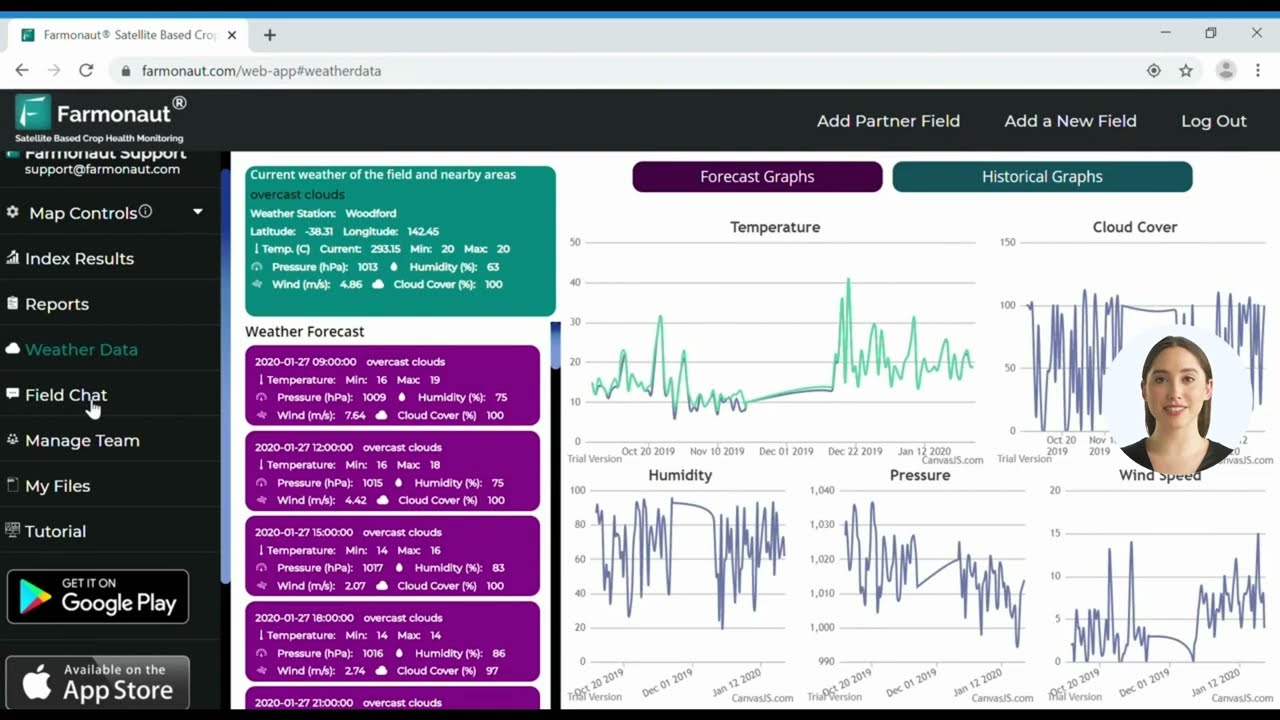
Experience real-time satellite monitoring of mining operations with Farmonaut’s Web App

2025 Trends Comparison Table: Electrical Systems for Minerals Industry
7 Key Electrical Systems Trends in the Minerals Industry for 2025
The ever-evolving landscape of mining electrical systems in 2025 is marked by major technological advancements. Below, we detail seven pivotal trends that optimize operations, reduce emissions, enhance safety, and support sustainable growth in mineral extraction and processing.
1. Smart Grids & Microgrids: Reliable Power for Remote Mining Sites
- Role in Mining: Many mining sites are located in remote areas far from the main electrical grids. Smart grids and microgrids provide localized, resilient power by combining renewable sources such as solar and wind with battery storage and backup generation.
- Key Impact: These systems enable real-time energy management, load balancing, and higher reliability—reducing reliance on costly diesel generators and decreasing greenhouse carbon footprints.
- Technology: Automated grid control allows dynamic adaptation to mining demand spikes, while advanced monitoring ensures optimal power flow and rapid fault detection.
- Sustainability: Significantly reduce emissions and operational costs by integrating clean energy.
Smart grid solutions are a crucial step for the minerals industry to meet increasingly stringent environmental regulations and support resilient growth in 2025.



2. Electrification of Heavy Mining Equipment: Cutting Costs and Emissions
- Trend: The transition from diesel-powered to electric equipment is accelerating. Mining trucks, drills, loaders and conveyors are increasingly being electrified.
- Benefits: Electric vehicles (EVs) in mining reduce greenhouse gas emissions and noise pollution, and lower underground ventilation costs due to less exhaust heat.
- Technological Advances: Batteries with longer life, fast-charging stations, and more reliable power infrastructure ensure heavy EVs can operate efficiently even at remote mines.
- ROI & Regulatory Impact: By moving away from diesel, mines not only save on fuel and maintenance costs but also become compliant with stringent emissions standards.
Electrified mining equipment is foundational for the industry’s ongoing sustainability journey in 2025 and beyond.

Curious how digital tracking and traceability work?
Check out Farmonaut’s Traceability Solution for enhanced supply chain transparency and regulatory compliance in minerals and mining.
3. Automation and Electrification Integration: Towards Autonomous Mining
- Integration Benefits: Electrical control systems now integrate seamlessly with automated operations, including autonomous vehicles (trucks, drills, loaders) and robotic process equipment.
- Precision and Safety: This integration ensures real-time diagnostics, remote supervision, and predictive maintenance, minimizing human exposure to hazardous environments.
- Advanced Monitoring: Automated electrical networks enable data-driven decisions—from adjusting conveyor speeds to rapidly detecting failing components.
Automation supported by robust electrical systems for mining is fundamentally changing the sector, enabling higher efficiency and unmatched operational safety.

4. Energy Efficiency and Advanced Power Management
- Smart Energy Solutions: Companies use variable frequency drives (VFDs), high-efficiency transformers, and sophisticated motor control systems to maximize energy efficiency in mining.
- Data-Driven Optimization: Real-time monitoring software analyzes energy usage patterns and recommends optimization or conservation strategies.
- Results: These improvements reduce energy costs, cut emissions, and enable production targets to be met in a more sustainable manner.
- Integration: Energy management systems can be deployed across processing plants, underground and remote sites—allowing universal optimization.
For advanced resource and fleet optimization, discover Farmonaut’s Fleet & Resource Management Tools—optimized for mining machinery, vehicles, equipment tracking, and logistics.
Where a Mine’s Energy Goes and Which Electrical Systems Cut It
Energy-efficient mining electrical systems start with knowing where the power goes. A 2021 study for the Weir Group by engeco, published by the Coalition for Eco-Efficient Comminution, estimated the average split of final energy at a mine site as below.
| Use | Share of site energy | Electrical measures that reduce it |
|---|---|---|
| Diesel in mobile equipment | 46% | Trolley assist on haul ramps, battery-electric loaders and trucks, conveyors in place of trucks |
| Comminution (crushing and grinding) | 25% | High-efficiency mill motors and drives, better blasting and crushing to cut grinding load, energy-efficient grinding circuits |
| Ventilation (electricity) | 15% | Variable speed drives on fans, ventilation on demand that sends air only where people and machines are working |
| Other electricity | 14% | Efficient pumps and motors, power-factor correction, metering by area |
The US Department of Energy’s mining bandwidth study reached a similar conclusion: grinding and diesel equipment for material handling offer the largest savings potential (OSTI.gov).
Two examples show the scale. Boliden’s Aitik copper mine in Sweden converted four Cat 795F trucks to run on a 700 m electric trolley line, and planned a further 3 km and ten more trucks, which it expected to cut diesel use by 5,500 cubic metres a year (International Mining). Underground, research on fan speed control linked to ventilation demand and time-of-use tariffs shows sizeable savings from running fans below full speed when parts of the mine are idle (Applied Energy).
5. Enhanced Electrical Safety Systems: Meeting Stringent 2025 Standards
- Hazard Mitigation: Electrical faults, fires, and explosions continue to be key risks in underground and hazardous mining environments.
- Safety Innovations: Intrinsically Safe (IS) equipment, explosion-proof enclosures, real-time arc flash detection, and rapid isolation switches reduce danger for workers and facilities.
- Predictive Protection: AI-powered fault detection pinpoints risks proactively. Automation in safety systems enables fast, coordinated emergency response.
- Compliance: Next-gen systems meet ever more stringent international and local electrical safety standards for the minerals industry.
Safety innovations are essential for reliable and uninterrupted operation of electrical systems in all mining industries.
6. Digital Infrastructure and IoT Integration: Unlocking Mining Intelligence
- Data Revolution: The minerals industry is embracing the integration of Internet of Things (IoT)—from sensors that monitor geotechnical risk to telemetry on vehicles.
- Electrical Foundations: Modern electrical networks are being designed to reliably power and securely connect thousands of active devices onsite.
- Cybersecurity: With increased digitalization comes greater risk of cyber attack. Electrical system security and encrypted control networks are now standard.
- Continuous Data Flow: These initiatives underpin real-time operational intelligence—supporting compliance, resource optimization, and supply chain traceability.
Leverage Farmonaut’s API (API Access & Developer Docs) to integrate real-time satellite intelligence into your mining and minerals management systems for ultimate digital transformation.
7. Predictive Maintenance & AI-based Monitoring: Maximizing Asset Reliability
- Trend: AI-based monitoring analyzes real-time sensor data from critical electrical equipment to predict failures or maintenance needs before a breakdown occurs.
- Efficiency Benefits: Unplanned downtime is cut, asset life is extended, and repair costs minimized by shifting maintenance from reactive to proactive.
- Data Integration: Predictive platforms tie into broader site data—including environmental and operational parameters—for comprehensive risk management.
- Optimization: AI-led preventive strategies can cut unplanned maintenance and strengthen incident response.
Predictive maintenance is a vital part of next-gen electrical systems for minerals industry—supporting continuous, cost-effective operations.
For organizations seeking to document and reduce their environmental impact, Farmonaut provides robust Carbon Footprinting Tools—enabling real-time monitoring and compliance for the minerals industry.
How Satellite Technology Supports Electrical Systems & Mining in 2025
Electrical systems for minerals industry rely on accurate, timely data and sophisticated control for optimal operation. At Farmonaut, we enable mining businesses and authorities to leverage satellite-driven insights, real-time monitoring, and AI-based advisory systems to further optimize electrical, equipment, and process management.
- Satellite-Based Monitoring: We use multispectral satellite imagery to monitor mining sites for energy consumption, operational infrastructure integrity, and environmental compliance.
- AI Advisory Systems (Jeevn AI): Our proprietary AI system analyzes satellite and site data to recommend tailored efficiency strategies in energy use, fleet operations, and resource allocation.
-
Blockchain Traceability: Embedded into our satellite platform is blockchain-based traceability;
this ensures that mineral extraction and movement meet stringent regulatory standards and consumer trust benchmarks. - Fleet and Resource Management: With our system, mining operators can optimize equipment deployment, monitor vehicle/equipment utilization, and lower operational costs.
- Environmental Impact Tracking: We offer real-time carbon and emissions footprint monitoring to enable sustainable practice and compliance with international standards.

Scalability and accessibility are core to our mission—our solutions are available to individual operators, large mining enterprises, and governments worldwide, via web, Android, iOS, and API integrations.
To stay ahead in the digital era of mining, deploy Farmonaut’s tools for Large-Scale Resource Management & Mapping—designed to deliver accurate spatial, equipment, and environmental data in real time.
Operational Benefits of Advanced Electrical Systems for Minerals Industry
- Uninterrupted Operations: Smart electrical grids and real-time monitoring ensure continuous power, directly impacting business continuity and output.
- Cost Savings: Energy-efficient equipment, predictive maintenance, and automated load management help lower both direct and indirect operational costs.
- Scalable Infrastructure: Modular grid and control systems scale from small remote operations to mega-mines.
- Reduced Carbon Footprints: Onsite renewables and electrification of vehicles cut emissions dramatically.
- Enhanced Worker Safety: Modern safety circuits, monitoring, and emergency control systems protect personnel and assets in all mining environments.
- Compliance and Competitive Advantage: Next-gen electrical systems support not only stringent environmental standards but also offer faster, data-backed decision-making.
Businesses looking to facilitate hassle-free claims and loan approval in mining can use Farmonaut’s Satellite-Based Loan & Insurance Verification.
Challenges, Costs, and Future Directions for Electrical Systems in Mining
Deployment Challenges (2025 & Beyond)
- High Upfront Costs: Initial investment in next-generation electrical infrastructure, equipment, and control systems can be substantial.
- Retrofitting Legacy Systems: Integrating advanced electrical and digital technologies into older mines requires significant planning and skilled labor.
- Remote Site Constraints: Ensuring consistent, high-quality power in harsh or isolated environments remains a challenge due to rugged terrain and lack of connectivity.
- Workforce Skill Gaps: As systems become more sophisticated, the need for highly trained engineers and technicians increases.
- Cybersecurity Risks: Interconnected electrical and control systems require robust physical and digital security strategies.
Strategies to Overcome Challenges
- Adopt modular systems for flexibility and scalability
- Use digital twins and simulation for planning new or retrofit projects
- Leverage data-driven management to optimize energy consumption and scheduling
- Enhance operator and technician training in smart electrical systems
Emerging Innovations on the Horizon
- Breakthroughs in Battery Storage: Enable longer-duration energy supply and further integration of solar/wind at mining sites.
- Wireless Power Transmission: May soon eliminate cables in the harshest parts of mine operations.
- AI-Driven Optimization: Artificial intelligence for predictive energy management, resource allocation, and anomaly detection is set to become mainstream.
- Sustainable Mining Tech: Environmental monitoring, emissions tracking, and blockchain-based supply chain verification will continue to grow in importance—learn more with Farmonaut’s carbon footprinting solutions.
With increasing regulatory pressure and market expectation, the future of mining electrical systems depends on innovation, sustainable development, and seamless integration with digital intelligence platforms.
FAQ: Electrical Systems for Minerals Industry 2025
-
What are electrical systems for the minerals industry?
- These are systems of hardware, power management, automation, and digital connectivity designed to safely power and control all operational processes within mining, extraction, and mineral processing environments.
-
Why is electrification important for mining in 2025?
- Electrification reduces diesel dependence, lowers emissions, enhances operational efficiency, and enables integration of renewable energy and automation for safer, cleaner, more economical mining.
-
What are the main safety challenges for electrical systems in mining?
- Key risks include electrical faults, fires, explosions, and cyber and physical security threats. Advanced safety equipment, predictive diagnostics, and compliance with stringent standards help mitigate these hazards.
-
How can digital technologies improve mining sustainability?
- Integrating IoT sensors, real-time monitoring, energy analytics, and AI into electrical systems optimizes resource use, reduces emissions, and supports transparent, sustainable supply chain operations.
-
How does Farmonaut support mining electrical systems?
- Farmonaut’s platform delivers real-time satellite and AI-driven monitoring solutions for mining operations—enabling advanced resource management, emissions tracking, and operational intelligence for the minerals industry.
-
What are the expected cost savings from electrical advancements in mining?
- Savings depend on the site. Grinding and diesel haulage usually offer the most because they use the most energy; the US Department of Energy’s mining bandwidth study named them as the areas with the greatest savings potential (OSTI.gov).
Conclusion: Future-Ready Electrical Systems for Minerals Industry in 2025 & Beyond
As 2025 unfolds, electrical systems for minerals industry are the linchpin for transformation in mining—ushering in greener, smarter, and safer operations. Advanced electrification, digital infrastructure, and integrated power management reimagine efficiency, propel sustainability, and ensure compliance, even in the most demanding mining environments.
Driven by innovation and intelligent strategies—supported by satellite intelligence and AI-powered tools like those developed by Farmonaut—the minerals industry will continue to meet production targets, reduce its environmental impact, and provide safe, uninterrupted operations worldwide.
Investing in next-generation electrical systems and digital integration will not only future-proof mining endeavors but also deliver competitive, regulatory, and reputational advantages for decades to come.
Discover Satellite-Driven Mining Intelligence with Farmonaut
Discussion
Questions, corrections or field experience? Share them below. First-time comments are reviewed before they appear, and your email is never published.
No comments yet. Be the first to add a question or your experience.

 Jaunita Erss Ltd
 Almosi SARL
 SRK Consulting
 Berks Gold Limited
 Mwerezi Minerals Company Limited
 Mining SARL
 SenGold Invest SAS
 Sean Mining Limited
 NTS Group (Pty) Ltd
 Mine4Africa
 Lithspo Minerals Limited
 Tintina Mining Group
 Dalgety Minerals Pty Ltd
 Vortex Minerals Pty Ltd
 Faith At Work (Pty) Ltd
 Licence holder · Nigeria · Gold + lithium










