

Elements of Mining: Rare Earth List & Price Guide 2026
The Critical Role of Rare Earth Elements in Modern Mining and Industry in 2025
“The global rare earth market is projected to reach $17.8 billion by 2026, up from $10.6 billion in 2020.”
Introduction: Rare Earth Elements at the Forefront of Modern Mining
In 2025 and beyond, rare earth elements (REEs) have firmly established themselves as the backbone of numerous advanced industries spanning technology, defence, energy, and infrastructure. The critical and strategic importance of these elements can’t be overstated, as they fuel
technological innovation, support national security, and enable the global energy transition to cleaner sources. Despite their name, these earths are relatively abundant in the earth’s crust, but are rarely found in economically viable concentrations, making their mining and processing a complex task fraught with environmental, geopolitical, and economic challenges.
This comprehensive guide will empower stakeholders with a complete understanding of the elements of mining rare earths: from the 2025 list of rare elements, the latest price benchmarks, technological hurdles, extraction methods, to the indispensable role they play across multiple industries. For those invested in mining, defence, or future-focused infrastructure, this is your essential reference for staying at the cutting edge as we move into 2026 and beyond.



“China supplies over 60% of rare earth elements critical for advanced tech, defence, and clean energy industries worldwide.”
Watch: The global rare earth boom & critical mineral strategies in 2025

Elements of Mining: Processes and Critical Considerations
Fundamentals of Rare Earth Exploration
The elements of mining rare earths are intricate, involving a series of critical steps — from the identification of suitable ore deposits all the way to the refinement of individual elements and final market application.
- Identification of Ore Deposits: Mining operations begin with geologists searching for minerals like bastnäsite, monazite, and xenotime that harbor high concentrations of rare earth elements. These minerals are predominantly found in countries like China, United States, Australia, and India. Locations with historic mineral richness, favorable geology, and existing infrastructure get priority.
- Mining Operations: Extraction follows established mining techniques — open-pit or underground approaches — depending on ore body size, depth, and grade. However, rare earths usually exist at lower grades, making their mining more challenging compared to other metals.
- Beneficiation: The next step is beneficiation, wherein physical separation methods (magnetic, gravity, flotation) concentrate the valuable minerals. For instance, bastnäsite can be separated using magnetic and flotation techniques, capitalizing on its chemical and physical properties.
- Chemical Processing: In this critical phase, rare earth minerals are treated with acid or alkali solutions to dissolve them, followed by separation using solvent extraction and ion exchange techniques. This is often the most energy-intensive and technologically sophisticated step.
- Separation of Individual Elements: Advanced processing distinguishes individual elements from mixtures, yielding pure forms ready for application in defense and technology sectors.
Environmental and Regulatory Considerations
Rare earth extraction is often met with unique environmental challenges, due in part to the presence of radioactive thorium/uranium in the ores, and the use of harsh chemicals in processing. Stringent regulations, especially in regions like Australia, United States, and EU, require mining companies to mitigate environmental impacts and invest in remediation.
Key Takeaway: The elements of mining rare earths require specialized knowledge across geology, chemistry, engineering, and environmental science, making the process far more complex than many other minerals.
In-Depth Video: Modern Rare Earth Mineral Discovery & Extraction Strategies

2025 List of Rare Earth Elements: Properties, Demand & Strategic Role
At the core of every critical mineral supply chain is the 2025 list of rare earth elements. This list consists of 17 chemically similar elements—the 15 lanthanides plus scandium and yttrium. Each element has unique properties, but their similarities allow mining and processing via related techniques.
All 17 elements are defined in plain terms in what rare earth elements are.
Full Rare Earth Elements List & Key Information
- Scandium (Sc, 21) – Offers strength to alloys; used in aerospace, and fuel cell tech
- Yttrium (Y, 39) – Used in LEDs, lasers, superconductors
- Lanthanum (La, 57) – Key for camera lenses, batteries, catalyst production
- Cerium (Ce, 58) – Polishing powders, catalytic converters, glass manufacturing
- Praseodymium (Pr, 59) – Essential in magnets, lasers, colorants
- Neodymium (Nd, 60) – Main ingredient for high-strength permanent magnets used in wind turbines and EVs
- Promethium (Pm, 61) – Radioactive, rare; used in nuclear batteries
- Samarium (Sm, 62) – Magnets, reactor control rods
- Europium (Eu, 63) – Phosphors in screens/LED displays
- Gadolinium (Gd, 64) – Contrast agents in MRI, data storage, neutron capture
- Terbium (Tb, 65) – Phosphors, magnets, sonar transducers
- Dysprosium (Dy, 66) – High-temp magnets, nuclear reactors, EVs
- Holmium (Ho, 67) – Magnets, nuclear control rods
- Erbium (Er, 68) – Laser materials, fiber optics
- Thulium (Tm, 69) – X-rays, lasers
- Ytterbium (Yb, 70) – Lasers, electronic devices, earthquake sensors
- Lutetium (Lu, 71) – PET scan detectors, catalysts
Fun Fact: Some of these—especially neodymium, praseodymium, dysprosium, terbium, and europium—are in exceptionally high demand for their critical role in next-gen technology, ranging from smartphones and display screens to wind turbines and advanced defence systems.
Learn More: AI, Drones & Hyperspectral Technology in Mining Exploration (2025 Case Study)

Price of Rare Earth Elements 2025–2026: Trends, Factors & Forecast
The price of rare earth elements in 2025 reflects a mix of extreme volatility, supply chain pressures, and increasing demand tied to the global technology and energy transition. Prices vary dramatically between light rare earths (such as cerium and lanthanum) and heavy rare earths (notably dysprosium and terbium), mainly due to scarcity and extraction difficulty.
Critical Price Trends in 2025
- Heavy Rare Earth Elements (Dysprosium, Terbium): Characterized by high price per kilogram owing to limited supply and rising strategic demand in EVs and defence. In 2025, dysprosium oxide is trading around $350-$400/kg, while terbium oxide often exceeds $600/kg.
- Light Rare Earth Elements (Cerium, Lanthanum): More abundant and with lower price volatility. Cerium and lanthanum current prices hover between $5–$10 per kilogram.
- Influencing Factors: Key factors shaping 2025–2026 price trends include Chinese export controls, US/EU resource policies, extraction technology advances, green energy infrastructure buildouts, and defence sector priorities.
- Long-term Projection: As demand for EV motors, wind turbines, battery technology, and national defence accelerates, price of rare earth elements is expected to trend upward for strategic elements through 2026.
Video Deep Dive: Satellite & AI in Global Mineral Supply Chain

Applications & Strategic Importance Across Industries
The role of rare earth elements in modern industry is nothing short of essential. They underpin sectors with global significance:
- Defence: Critical to advanced missile guidance, radar, stealth systems, and powerful permanent magnets for servomotors.
- Technology: Present in smartphones, laptops, fiber optics, data storage, laser systems, and cutting-edge displays.
- Energy Transition: Form the backbone of EV motors, wind turbine generators, and next-gen batteries for cleaner, sustainable power.
- Infrastructure: Used in catalysts for refineries, LEDs for efficient lighting, and components in MRI and nuclear reactors.
The strategic importance of rare earth supply chains is leading countries like the United States, Australia, and India to invest in domestic mining, recycling, and technological innovation to reduce dependency and ensure national security.
Phosphors, Magnets, and Defence: Elements Behind the Revolution
- Dysprosium: Enables high-heat resistant magnets in EVs and jets
- Neodymium, Praseodymium: Essential in strong, compact magnets for wind and EVs
- Terbium, Europium: Vital in energy-efficient LEDs, displays, and defence sensors
Smart Mining Feature: Satellite-Driven Mineral Discovery

Extraction Challenges: Environmental, Technical & Regulatory Factors
Mining and extraction of rare earths are marked by multiple challenges:
- Environmental: Unavoidable release of radioactive isotopes (thorium/uranium), tailings management, and acid/alkali byproducts necessitate strict environmental controls.
- Technical: Separation of chemically similar elements requires sophisticated solvent extraction processes and precise engineering.
- Economic: High cost of processing for heavy rare earths and fluctuating prices make project financing risky, particularly in markets dominated by China.
- Social: Community impacts, land disputes, and expectation of sustainable practices increasingly shape project timelines.
- Regulatory: Evolving regulations across United States, Australia, EU, and India aim at reducing pollution, ensuring rehabilitation, and promoting technology transfer and resource efficiency.
Environmental Impact Monitoring: Technology’s Role
Innovative satellite-powered platforms such as Farmonaut are enhancing how operators monitor and manage environmental impact. This includes real-time monitoring of mineral sites, detection of illegal operations, and supporting compliance with carbon footprinting and sustainable mining requirements.
Supply Chain, Geopolitical Landscape, and Global Infrastructure
The global supply chain for rare earths is highly concentrated. With China supplying over 60%, the rest is split among United States, Australia, India, Canada, and emerging African markets.
- Geopolitical Risks: Trade restrictions, export quotas, and strategic stockpiling disrupt global supply and impact price trends.
- Downstream Infrastructure: Most chemical processing is centralized in China, increasing global vulnerability and prompting investments in alternative refining and recycling technologies.
- Technological Response: Satellite and AI-driven logistics platforms help monitor global supply chains for resilience, with fleet and resource management tools playing a crucial role in optimizing movement and ensuring safety.
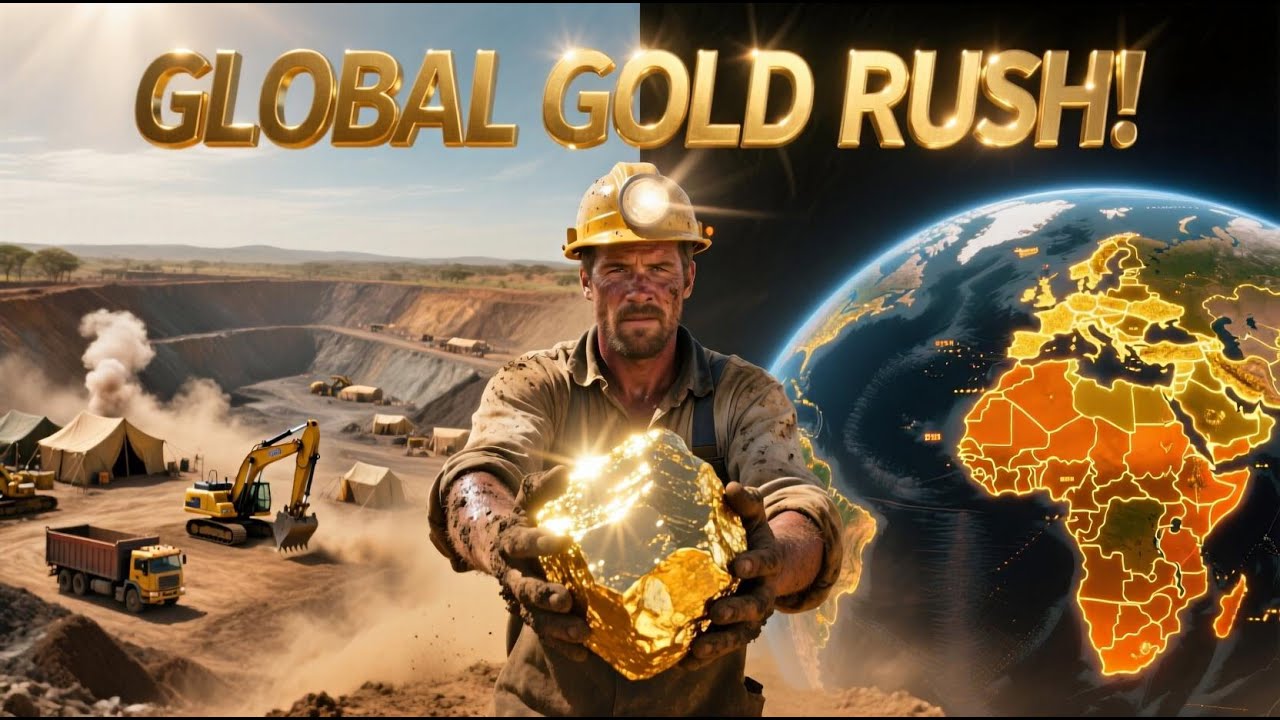
Watch a Global Perspective:
Future Trends: Sustainability, Innovation & Technological Evolution
- Recycling Growth: Major economies are establishing REE recycling plants, especially for permanent magnets in e-waste, reducing dependency on mining fresh ore.
- AI and Satellite Technology: Satellite-based early warning, monitoring, and resource management pioneer new levels of operational efficiency.
- Blockchain Traceability: Blockchain platforms enable secure and transparent tracking of REEs from mine to market, proving ‘ethically mined’ claims and preventing supply chain fraud.
- Sustainable Mining: Demand for carbon footprinting and environmental compliance grows, with innovative monitoring tools such as Farmonaut’s environmental impact features playing a prominent role.
Industry Evolution: From Old Challenges to Next-Gen Innovation

How Farmonaut Empowers the Rare Earth Industry with Satellite Technology
As mining and processing rare earths become increasingly sophisticated and regulated, technology solutions powered by satellites, AI, and blockchain are transforming the extraction and supply chain landscape. Farmonaut stands at this technological frontier by:
- Providing real-time, multispectral satellite imagery to monitor mining sites, spot environmental risks, and optimize resource allocation.
- Delivering AI-driven insights and custom advisories— via our Jeevn AI — to support compliance, risk assessment, and productivity.
- Enabling secure blockchain-based traceability, ensuring end-to-end supply chain transparency for mining products.
- Facilitating carbon footprint compliance with advanced environmental monitoring and reporting tools.
- Optimizing fleet management in mining logistics for improved cost control and safety using Farmonaut fleet management solutions.
Our mission is to democratize satellite-driven insights, helping the mining sector transition into a more efficient, transparent, and sustainable era.

Rare Earth Elements Price & Application Overview Table
| Element Name | Estimated 2025 Price (USD/kg) | Extraction Difficulty | Major Applications | Strategic Importance (1–5) |
|---|---|---|---|---|
| Scandium (Sc) | $3,700 | Hard | Aerospace alloys, SOFCs | 4 |
| Yttrium (Y) | $35 | Moderate | LEDs, lasers, ceramics | 4 |
| Lanthanum (La) | $6 | Easy | Batteries, optics, catalysts | 3 |
| Cerium (Ce) | $7 | Easy | Glass, polishing, catalysts | 3 |
| Praseodymium (Pr) | $100 | Moderate | Magnets, lasers | 5 |
| Neodymium (Nd) | $110 | Moderate | Magnets, motors (EVs, wind), audio | 5 |
| Promethium (Pm) | $4,000 | Very Hard (synthetic) | Nuclear batteries | 1 |
| Samarium (Sm) | $120 | Moderate | Magnets, electronics, rods | 4 |
| Europium (Eu) | $250 | Moderate | LEDs, displays, lasers | 4 |
| Gadolinium (Gd) | $45 | Moderate | MRI contrast, nuclear reactors | 4 |
| Terbium (Tb) | $630 | Hard | Magnets, LEDs, sonar | 5 |
| Dysprosium (Dy) | $375 | Hard | High-temp magnets, defence | 5 |
| Holmium (Ho) | $80 | Hard | Magnets, medical, lasers | 2 |
| Erbium (Er) | $65 | Moderate | Fiber optics, nuclear tech | 3 |
| Thulium (Tm) | $2,700 | Hard | Medical imaging, lasers | 1 |
| Ytterbium (Yb) | $120 | Hard | Lasers, seismic sensors | 2 |
| Lutetium (Lu) | $6,000 | Hard | PET scans, catalysts | 1 |
Key: 1 = Low strategic importance, 5 = Critical/Strategic for key sectors
“Always check for the latest data, as rare earth prices may fluctuate with global supply chain or geopolitical changes.”
Farmonaut Product Solutions Relevant to Mining Sector
- Carbon Footprinting for Mining and Extraction Operations: Track and reduce your operation’s carbon emissions, ensuring compliance with global standards and supporting your transition to sustainable mining.
- Product Traceability Solutions: Leverage blockchain-based tracking to guarantee supply chain integrity from mine to market, critical for ethical mining and transparency.
- Fleet Management Solutions: Monitor and optimize deployment of vehicles, equipment, and fleets for cost-effective, safe, and productive mining logistics.
- Satellite-Supported Verification for Mining Financing: For financial institutions, use satellite-based site monitoring for due diligence on mining loans and insurance products.
Access Farmonaut’s Mining, Environmental, and Resource APIs:
Farmonaut Satellite API |
Developer Documentation
FAQ: Rare Earth Elements in Mining 2026
-
What are the most critical rare earth elements for defence and green energy?
Neodymium, praseodymium, dysprosium, and terbium are considered most critical due to their crucial role in permanent magnets, used in defence systems, EVs, and wind turbines. -
Why is China the dominant supplier of rare earths?
China has abundant deposits, mature processing infrastructure, and less restrictive environmental policies than many other countries. They control both extraction and the downstream chemical processing capacity. -
How are rare earth prices determined?
Prices depend on supply-demand dynamics, extraction/processing costs, export controls, technological advances, and global strategic stockpiling policies. -
What new technologies are impacting rare earth mining?
Advances in satellite-based monitoring, AI-driven resource modeling, blockchain supply chain tracking, and green processing chemistry are making mining more sustainable and supply chains more transparent. -
Can rare earth mining be done sustainably?
Yes, new environmental impact tracking, emissions monitoring, waste remediation, and responsible sourcing policies are improving sustainability, especially with the help of technology platforms such as Farmonaut. -
What is Farmonaut’s role in the rare earth sector?
We offer real-time satellite monitoring, AI-and blockchain-powered traceability, and custom analytics to help mining companies and governments maximize efficiency, compliance, and sustainability in rare earth extraction and supply chains. -
Are alternative supplies for rare earths being developed?
Yes, the United States, Australia, Canada, and others are investing in new mining projects, recycling, and technology to diversify supply away from China. -
Where can I access Farmonaut’s mining-focused features or learn more?
Access our full feature set via our web and mobile apps, or integrate our capabilities through our satellite API and developer tools.
Explore More: Gold & Critical Minerals – Satellite Discovery in Africa
Conclusion: Securing the Future of Rare Earth Elements
The elements of mining rare earth elements are undeniably central to the world’s economic, technological, and defence ambitions as we approach 2026 and beyond. From the full 2025 list to price dynamics and evolving strategic importance, a clear understanding of these elements is vital for mining operators, investors, policymakers, and advanced industries worldwide.
As global demand stretches REE supply chains, new mineral discoveries, advanced technology like satellite monitoring, AI, and blockchain, and responsible mining strategies will shape the next chapter for rare earths—paving the way for a sustainable, secure, and technologically advanced future.
Explore the most advanced solutions for monitoring, compliance, traceability, and operational efficiency by leveraging Farmonaut’s platform — your partner in data-driven mining, defence, and resource management.
Get Started with Farmonaut Now
|
Integrate API Solutions
Discussion
Questions, corrections or field experience? Share them below. First-time comments are reviewed before they appear, and your email is never published.
No comments yet. Be the first to add a question or your experience.

 Imperial Impex FZE
 Congo Mining Solutions
 Mining SARL
 SenGold Invest SAS
 Sania Corporation
 Sean Mining Limited
 NTS Group (Pty) Ltd
 Mine4Africa
 Lithspo Minerals Limited
 Tintina Mining Group
 Dalgety Minerals Pty Ltd
 Vortex Minerals Pty Ltd
 Faith At Work (Pty) Ltd
 Geotech Mining Solutions plc
 Vulcan International Limited
 Kidepo Associates
 GKY Mining
 Alkimy SARL
 Double A Trading
 GemSprout Metals Limited
 Qader Group
 Ileys General Trading
 SG Gold Mining LLC
