

Explosives Handling in Copper Operations: 2025 Safety
“In 2025, copper mining uses over 70% automated explosives systems to enhance operational safety and precision.”
Introduction: The Essential Role of Explosives in Copper Mining
Copper remains not only a cornerstone of the global industry but also essential for the ongoing energy transition and global infrastructure development. As the demand for this critical metal grows due to the revamp in renewable energy, e-mobility, and electronics, the extraction processes must become more efficient, safe, and environmentally responsible than ever before.
One of the most integral yet high-risk parts of copper operations is explosives handling. Explosives are used primarily to fragment hard rock bodies deep underground, enabling access to valuable ore deposits. Proper blasting with advanced technologies ensures operational efficiency, extraction precision, and safety for workers and communities alike.

By 2025, explosives handling in copper operations has advanced with increased automation, sensor integration, and digital control. Stringent safety protocols and real-time environmental monitoring are not just standards—they’re the new norm to prevent incidents, reduce hazards, and boost efficiency.
Why Focus on Explosives?
- Optimizes Ore Recovery: Precision in explosive use is vital for maximum ore extraction with minimal loss to fragmentation or fly rock.
- Ensures Worker Safety: The hazardous nature of explosives necessitates advanced training, regulations, and technological aids.
- Reduces Environmental Impact: Smart detonation and monitoring systems minimize dust, noise, vibration, and pollution to protect local ecosystems and communities.
- Maintains Operational Continuity: Stringent adherence to safety protocols and regulatory compliance is key to uninterrupted business.
Explosives Handling in Copper Operations: Our 2025 Focus
The role of explosives handling in copper operations is foundational to mining efficiency, resource recovery, and workplace safety. Let’s break down the process and highlight why 2025 marks a transition era for the industry.
From Rock to Ore: How Explosives Are Used in Copper Mining
- Drilling: Large diameter blast holes are drilled into the hard rock to enable deep penetration of explosives.
- Charge & Handling: Explosives like emulsions, ANFO (ammonium nitrate fuel oil), and boosters are delivered and safely stored.
- Detonation & Blasting: With programmable digital detonators and timing control, the ore body is fragmented with minimal impacts on nearby environments.
- Recovery: Heavy machinery is used to collect and transport the fragmented rock for further processing.
Inadequate explosives handling can lead to excessive fragmentation, hazardous fly rock, insufficient breakage, lowered productivity, or increased operational hazards—each impacting cost, safety, and output rates.

Advancements in Explosives Types and Handling Technologies
As copper mining evolves in 2025, we see significant advancements toward safer, more efficient, and environmental explosives handling. Let’s explore the cutting-edge technologies shaping today’s operations.
Types of Explosives: From ANFO to Smart Emulsions
-
Emulsions:
- Remain the preferred option for bulk delivery; offer high stability and energy output over diverse conditions.
- Enhanced with additives for improved stability, moisture resistance, and predictable performance.
-
ANFO (Ammonium Nitrate Fuel Oil):
- Still prevalent due to cost-effectiveness, straightforward handling, excellent energy output, and ease of storage.
-
Smart Explosives Systems:
- Integrated with digital detonators for programmable sequencing. This control minimizes issues such as poor breakage, excessive vibration, and unwanted impacts (dust, noise, pollution).
How Did Explosives Handling Evolve for Safety and Efficiency?
- Precision Timing with digital controllers reduces airblast and ground vibration—avoiding hazards to personnel and limiting negative impacts on nearby communities.
- Remote Handling with robotics and tele-op vehicles minimizes human exposure during hazardous explosive loading and detonation phases.
- Advanced Blast Monitoring Sensors (vibration, seismic, acoustic, and atmospheric) provide real-time data, allowing continual management and adjustments to reduce operational risk.
- Automated Explosives Delivery Systems ensure precision placement of charges, improving safety and recovery rates.

Key Benefits of Advanced Explosives Handling in Copper Mining
- Minimizing Environmental Impact: Reduces dust, noise, toxic effluent, and shock wave propagation.
- Enhancing Community Relations: Data-driven, controlled blast sequencing shows communities that modern mines are safe neighbors.
- Improving Cost Control: Optimized fragmentation reduces overall costs and enhances ore recovery and processing rates.
Did you know? Satellite-driven solutions, such as ours at Farmonaut, support explosives handling by providing real-time, environmental, and structural monitoring—delivering continuous data on vegetation health (to assess explosion impacts) and ensuring compliance with environmental regulations.
Safety Protocols: Minimizing Hazards and Risk Management in Explosives Handling
The hazardous nature of explosives handling in copper operations demands robust safety protocols, adherence to regulations, and an upskilled workforce, particularly in an era of accelerating technological development.
Safety Protocols and Emergency Practices in 2025
-
Comprehensive Safety Management Plans:
- Cover proper storage, controlled transportation, and precision handling of explosives, including strict inventory management and access restrictions.
-
Personnel Training:
- Includes chemical safety, real-world and VR-based drills, emergency response action plans, and refresher courses aligned to global best practices.
-
Sensor-Based Monitoring:
- Environmental sensors track conditions like temperature, pressure, and humidity in storage and blast zones, dramatically reducing the risk of accidental detonation due to unstable conditions.
-
Remote & Automated Handling:
- Reduces direct human exposure to danger during the most hazardous handling and detonating stages.
The Importance of Adherence to Stringent Regulations
Today’s copper mining operations are governed by increasingly stringent regulatory frameworks—requiring management teams to document every aspect of the explosives handling process, monitor outcomes, and report on potential impacts on environmental and human health.
- Global standards ensure that safety regulations are consistently applied throughout multi-jurisdictional operations.
- Failure to observe these practices can result in severe penalties and business interruptions.

Best Practices for Emergency Preparedness
- Well-documented detonation and evacuation protocols
- Clear lines of communication and chain of command during emergencies
- Pre-incident training and field simulations with VR/AR



Environmental Impact and Stringent Regulatory Considerations in 2025
Managing the environmental impact of explosives handling in copper operations is a central concern amid increasingly tough regulations and vocal communities demanding sustainable mining practices.
How Controlled Blasting Minimizes Negative Impacts
- Dust Reduction: Covered blasts and mist systems dramatically lower airborne particles near blast zones.
- Noise & Vibration: Advanced blast optimization (digital sequencing and smart sensors) minimizes shockwaves and noise pollution—even in nearby sensitive ecosystems.
- Groundwater & Soil: Sealed explosives cartridges and precision placement prevent toxic leachate and contamination of water and soil bodies.
Environmental monitoring is not just about compliance. It is a foundation for social license as communities want to see responsible resource extraction, with transparency around impacts and mitigation measures.
For advanced carbon footprinting and real-time environmental impact monitoring, Farms can leverage Farmonaut’s Carbon Footprinting Tool to quantify and reduce emissions across mining operations.
Regulatory Compliance and Public Accountability
- Annual environmental audits and active reporting as part of permitting process
- Community engagement: public meetings, disclosure of blasting schedules and expected impacts
- Blockchain-based data integrity for traceability of operational records and reassurance on compliance
Learn about Farmonaut’s Blockchain Traceability for Mining Operations
Workforce Training, VR & AR, and Safe Explosives Handling in 2025
Modern explosives handling in copper operations is no longer just about following checklists—it’s about immersive workforce training, ongoing competency, and leveraging cutting-edge digital aids.
How is Technology Changing Workforce Training?
-
VR and AR Simulators:
- Allow personnel to experience emergency and routine handling scenarios in safe virtual environments—building muscle memory and preparedness.
-
Continuous Field Training:
- Frequent, practical simulations keep teams ready for the rare but high-consequence incidents unique to explosives handling.
-
Remote Expert Guidance:
- Field teams can access real-time AR guidance from safety experts, improving adherence to procedures even in remote or high-stress environments.
-
Certification and Traceability:
- Blockchain logs track workforce certification, ensuring only current, skilled hands manage hazardous tasks.
In 2025, the mining workforce is also expected to be digitally literate—applying sensor data, analytics, and digital reporting to manage day-to-day explosives handling operations for greater safety and efficiency.

Safe Extraction Methods and the Importance of Ongoing Training
- Regular review and drills of detonation and evacuation protocols
- Keeping safety culture at the forefront, especially as automation is increasingly used, requiring comfort with both mechanical and digital systems
- Use of screening tools (psychological fitness, stress monitoring) for high-risk roles
Comparative Table of Advanced Explosives Handling Technologies in Copper Operations (2025)
| Technology/System Name | Primary Function | Estimated Safety Improvement (%) | Efficiency Gain (%) | Environmental Benefit (Brief Description) | Example Application |
|---|---|---|---|---|---|
| Remote Digital Detonation Controls | Initiate and sequence blasts from a secure remote location | 60 | 25 | Limits human exposure, reduces accidental detonation risk, controls vibration and dust | Deep open-pit copper mines with complex ore bodies |
| Advanced Blast Monitoring Sensors | Real-time vibration, seismic, acoustic, and atmospheric data collection | 50 | 18 | Enables adaptive blast management, minimizes noise and shockwave impact on wildlife | Close-proximity operations near sensitive ecosystems |
| Automated Explosives Delivery Vehicles | Precision placement of bulk explosives in drill holes with minimal human input | 55 | 22 | Reduces fuel usage, avoids soil contamination, prevents handling errors | Large-scale, multi-hole blasting in hard rock pits |
| Smart Emulsion Formulations | Enhanced stability, tailored detonation rates for site-specific needs | 45 | 20 | Less toxic effluent, lower greenhouse gas emissions, cleaner residue | Moist or high-altitude copper ore bodies |
| Programmable Blast Sequencing | Customizable timing and sequencing for multi-stage detonation | 48 | 16 | Prevents excessive ground vibration and fly rock; protects communities | Perimeter blasting near urbanized zones |
| Wearable Smart PPE Integration | Monitors personnel health/position; real-time alerts for risks | 40 | 15 | Minimizes injury, automates emergency shutdowns and evacuation protocols | All operational roles working in explosive zones |
| AI-Driven Blast Simulation Software | Predicts blast outcomes, optimizes charge and sequence | 54 | 23 | Reduces over-blasting, fly rock, and airblast—minimizes ecosystem disturbance | Greenfield exploration and expanding mine sites |
These advanced explosives handling technologies are already revolutionizing safety, efficiency, and environmental protection for copper operations in 2025. Integrating these solutions sets a standard for safe extraction in the modern mining industry.

Farmonaut’s Role in Explosives Handling, Mining Safety, and Environmental Monitoring
At Farmonaut, we don’t manufacture explosives or mining equipment. Instead, our mission is to elevate safety and sustainability in explosives handling in copper operations through pioneering satellite-driven monitoring, AI-based advisories, and digital management tools:
- Satellite-Based Monitoring: We provide near real-time satellite analysis of mining zones for operational risks, environmental impacts, and regulatory compliance using multispectral imagery. This enables mining companies to optimize resource extraction and manage safety/environmental events proactively.
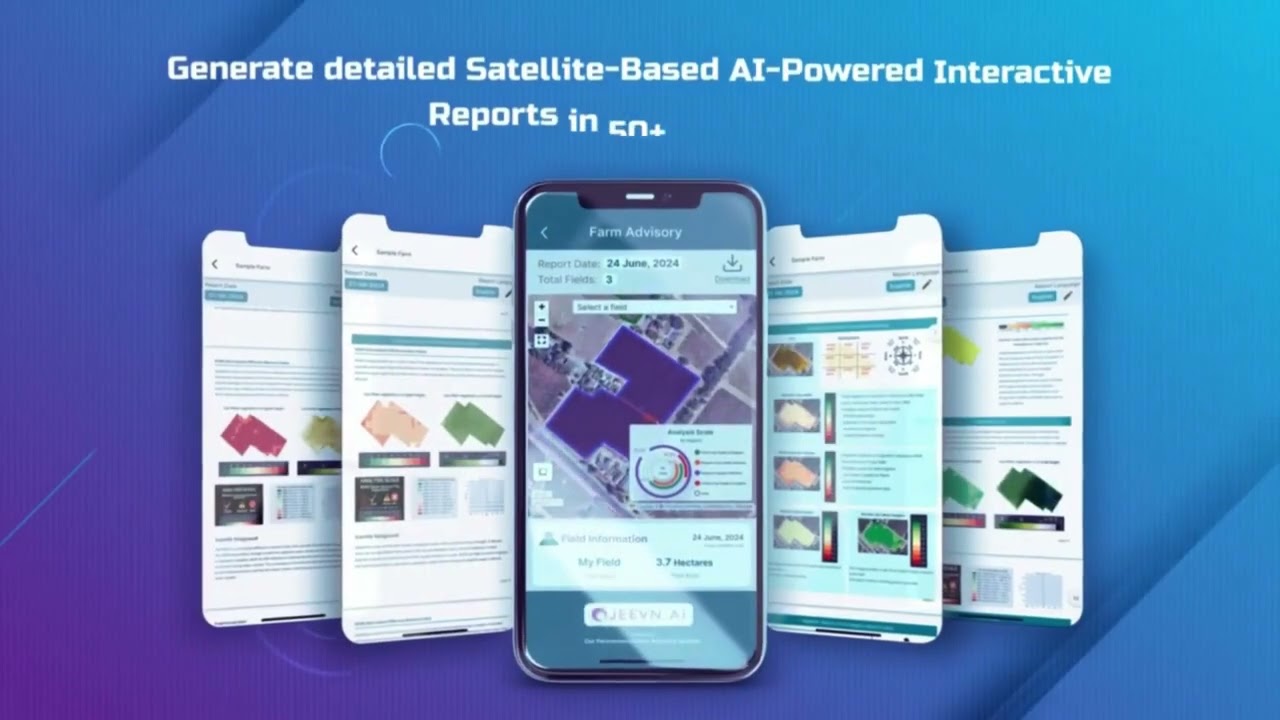
- Jeevn AI Advisory System: Our AI delivers dynamic weather forecasts, blast timing recommendations, and custom operational alerts to ensure blast activities synchronize safely with environmental conditions, boosting operational efficiency while mitigating hazards.
- Traceability Via Blockchain: We equip operators to record and verify every blast, monitoring event, and compliance milestone—building trust with regulators and local communities and securing reputational advantages.
- Fleet Management: Our Fleet Management System helps mining companies track delivery vehicles, equipment, and personnel in real-time—boosting safety, reducing operational costs, and ensuring compliance with blast site movement protocols.
-
Environmental Impact Monitoring: Robust tracking of vegetation health, dust and heat signatures, and water body changes in the blast vicinity. We also offer
carbon footprinting analytics supporting sustainable reporting and emissions targets.

Our flexible mobile and web platforms, plus REST APIs, enable seamless mining site monitoring, explosive event reporting, and efficient resource allocation—helping make copper mining safer, cleaner, and more accountable across the globe.
“Advanced sensors reduce explosive-related accidents in copper operations by nearly 50% compared to traditional methods.”
2025 & Beyond: Future Trends in Explosives Handling and Copper Operations
As we look into the next decade, trends in explosives handling in copper operations reveal an industry fully invested in digital transformation, advanced automation, sustainability, and workforce empowerment. The impact of these developments cannot be overstated:
- Full Automation: We anticipate more than 80% of explosives delivery and detonation will be automated by 2030, further reducing human exposure to hazardous situations.
- AI-Driven Predictive Management: AI and analytics will forecast blast impacts (dust, vibration, rock displacement) for each detonation, enabling precise, risk-averse scheduling and community notifications.
- Data-Driven Environmental Compliance: Continuous monitoring and **blockchain certified traceability** will become standard, proving operational transparency for regulators and stakeholders.
- Universal Workforce Training: With evolving explosives, blending VR/AR training into daily routines will be central to competency and safety culture.
- Integrated Resource and Carbon Management: Mining operations will be expected to not only extract efficiently, but also offset and report the complete environmental and social impact of their activities, including explosives use.
How can copper miners stay ahead?
- Proactively adopt advanced explosives handling systems
- Leverage continuous professional development via VR and digital platforms
- Use satellite- and AI-driven monitoring (such as Farmonaut Large-Scale Monitoring) for compliance and efficiency
Increase Productivity: Farmonaut Tools Supporting Mining Operations
Our Farmonaut platform delivers value to mining operations seeking to optimize explosives handling and site management. Explore the following integrated tools supporting safety, compliance, and productivity across copper mines in 2025 and beyond:
- Advanced Fleet and Machinery Tracking: Farmonaut Fleet Management maximizes vehicle and equipment usage, enhancing operational efficiency and supporting safe logistics for explosives delivery and retrieval.
- Environmental Footprint Analytics: With our real-time Carbon Footprinting Tool, copper mines can monitor and reduce blast-related emissions and easily generate reports for stakeholders and regulators.
- Blockchain-Based Traceability: Our Traceability solution ensures every stage of handling—storage, transport, detonation—is securely logged and verifiable.
All Farmonaut solutions are accessible via web, Android, iOS, and integration-ready APIs—delivering round-the-clock insights for efficient, safe, and environmentally responsible copper mining.
Farmonaut Subscription for Monitoring and Management
To further support mining companies in their drive for safer and smarter explosives handling in copper operations, we offer flexible subscription plans to fit businesses of all sizes:
Frequently Asked Questions: Explosives Handling in Copper Operations
What are the most common types of explosives used in copper mining today?
The most common types include emulsions and ANFO (ammonium nitrate fuel oil). Both remain prevalent for their cost-effectiveness, stability, and energy output under diverse mining conditions. In 2025, these are often enhanced with additives for better safety and performance.
How is safety ensured during explosives handling?
Strict safety protocols overseen by trained personnel, detailed management plans, advanced sensor-based monitoring of storage and handling conditions, and increased use of automated and remote-controlled devices are essential for reducing risks and meeting regulatory standards.
Why is environmental monitoring important in explosives handling?
Explosives impact air (dust, noise), soil, and water. Environmental monitoring minimizes negative impacts, proves compliance to regulators and communities, and supports sustainable mining practices. Tools like Farmonaut’s carbon footprinting and satellite monitoring are crucial here.
How does technology improve the efficiency of copper extraction?
Automation, digital blast sequencing, sensor monitoring, and predictive AI models allow for optimized fragmentation, lower costs, increased recovery rates, and safer operations with less downtime due to accidents or regulatory breaches.
What is the role of workforce training in reducing accidents?
Well-trained personnel using VR/AR simulators and digital continuous learning platforms are key to minimizing mistakes, managing emergencies swiftly, and ensuring strict adherence to safe handling practices.
Conclusion: Ensuring Safe, Efficient Copper Extraction in 2025
Effective explosives handling in copper operations will remain essential to meeting global demand for copper in electronics, renewable energy, and critical infrastructure. The busy 2025 mining landscape demands that companies seamlessly combine the best of advanced explosives technologies, stringent safety management, environmental monitoring, and a digitally empowered workforce.
With satellite-driven platforms like Farmonaut, operators can monitor environmental impacts, optimize operational efficiency, and manage regulatory and community relations with confidence. Embracing these best practices in explosives handling ensures a future of safer, more productive, and sustainable copper mining—delivering resources that power our global transition toward a greener, connected world.

 Critica Metals Limited
 Congo Mining Solutions
 Mining SARL
 SenGold Invest SAS
 Sania Corporation
 Sean Mining Limited
 NTS Group (Pty) Ltd
 Mine4Africa
 Lithspo Minerals Limited
 Tintina Mining Group
 Dalgety Minerals Pty Ltd
 Vortex Minerals Pty Ltd
 Faith At Work (Pty) Ltd
 Geotech Mining Solutions plc
 Vulcan International Limited
 Kidepo Associates
 GKY Mining
 Alkimy SARL
 Double A Trading
 GemSprout Metals Limited
 Qader Group
 Ileys General Trading
