

Grossular Garnet: Value, Properties & Gemstone Trends 2025
“Grossular garnet demand is projected to rise by 18% globally in 2025, reflecting surging interest in unique gemstone varieties.”
Table of Contents
- Introduction to Grossular Garnet
- Grossular Meaning and Mineral Properties
- Grossular Varieties: Hessonite, Tsavorite & Hydrogrossular
- Grossular Color Spectrum and Influencing Factors
- Jewelry Applications and Trends in 2025
- Grossular Garnet Market Overview Table (2025)
- Grossular Price, Value & Market Trends 2025
- Mining Insights: Extraction, Supply, and Environmental Practices
- 2025 Outlook: Industry Growth and Future Directions
- Satellite Technology & Mining: Farmonaut’s Role
- Frequently Asked Questions (FAQ)
Introduction to Grossular Garnet
Grossular garnet stands out as a notable member of the garnet group, with unique properties and a diverse color range that spans from light green to yellow, orange, and brown. As we approach 2025, grossular has secured its position as a key player in the gemstone and mining industries. Its significance goes far beyond aesthetics—the mineral’s versatility in both gemstone applications and industrial settings makes it increasingly valuable within the sector.
Grossular garnet is predominantly found in metamorphic rocks, traced to regions such as Kenya, Tanzania, Canada, and Russia. The vibrancy and durability of grossular make it a favorite among collectors and jewelry designers. With the spotlight on sustainable mining and ethical sourcing, grossular’s appeal only continues to grow, fueled by both consumer trends and industry practices that value transparency, traceability, and environmental stewardship.



Explore satellite-driven insights for mining and gemstone management on the Farmonaut platform through our Agro, Mining & Plantation Apps, available on web, Android, and iOS.

Grossular Meaning and Mineral Properties
Grossular garnet’s meaning traces back to the Greek word “krossos”, signifying “gooseberry”—an ode to the mineral’s light green hues reminiscent of gooseberries. Grossular is scientifically recognized by its chemical formula Ca3Al2(SiO4)3, identifying it as a member of the calcium-aluminum garnet group. This unique crystal structure not only defines grossular’s physical and optical properties but also sets the foundation for its widespread application and appeal.
- Crystalline Structure: Isometric/cubic, common in well-developed dodecahedrons.
- Mohs Hardness: Ranges from 6.5 to 7.5, offering both resilience and durability in jewelry use.
- Luster: Vitreous (glass-like appearance).
- Cleavage & Fracture: Good cleavage with a conchoidal fracture, making it desirable for collectors and lapidaries.
- Transparency: Ranges from transparent to nearly opaque, impacting both grossular value and chosen applications.
One defining feature of grossular garnet is its extraordinary color variability. This mineral’s spectrum, though often labeled “grossular green,” also extends to yellow, orange, brown, and colorless forms. This color diversity predominantly results from trace impurities like chromium, iron, and vanadium within the crystal lattice, each influencing the hue and intensity of the stone. The presence of specific elements determines whether a particular specimen appears as the coveted grossular mint or its vivid orange-brown variant, hessonite.

Grossular Varieties: Hessonite, Tsavorite & Hydrogrossular
Grossular garnet is celebrated in gemstone markets for its unique varieties, with grossular hessonite and grossular tsavorite leading both collector interest and commercial demand. Understanding the distinguishing characteristics and market position of each variety enhances appreciation for grossular’s diverse potential in the jewelry sector and beyond.
1. Grossular Tsavorite
Perhaps the most highly prized grossular variety, tsavorite dazzles with a vivid, emerald-like green hue attributed to trace vanadium and chromium. This gemstone was first discovered in Kenya’s Tsavo region, giving it its name. Tsavorite’s aesthetic appeal—combining brilliance, durability, and rarity—has propelled it to the forefront of premium gemstone trends, rivaling even the finest emeralds among both designers and consumers.
- Color: Intense green, ranging from grassy to bluish-green shades.
- Transparency: Transparent stones are most valuable.
- Notable Source Regions: Kenya, Tanzania, Madagascar.
- Market Use: High-end jewelry, luxury collections, engagement rings, and exclusive designer pieces.
2. Grossular Hessonite
Grossular hessonite is famous for its warm, cinnamon to orange-brown color. Often called the “cinnamon stone,” hessonite displays a distinctive glow, and its affordability compared to tsavorite makes it immensely popular among a wider audience. Hessonite’s unique coloring arises from increased manganese and iron content, contributing to its characteristic appearance.
- Color: Orange, reddish-brown, to honey/cinnamon.
- Transparency: Usually transparent to translucent.
- Major Producers: Sri Lanka, India, Tanzania.
- Market Use: Culturally significant in South Asia, used in rings, pendants, and astrology-based jewelry.
3. Hydrogrossular
Less known but increasingly recognized is hydrogrossular, a variety containing hydroxide (OH) ions that replace some silica in the structure. This replacement gives rise to opaque, pastel-shaded stones in colors from green to pink, commonly cut as cabochons for ornamentation or carvings.
- Color: Pale green, pinkish, sometimes white or gray.
- Transparency: Opaque to semi-translucent.
- Source Regions: South Africa, Burma (Myanmar), China.
- Market Use: Cabochons for beads and decorative carvings, trending in artistic and bohemian jewelry.
“Kenya’s grossular garnet production accounted for over 42% of global supply in 2024, driving industry pricing trends.”

Grossular Color Spectrum and Influencing Factors
Grossular garnet stands apart in the gemstone arena due to its remarkable color spectrum. While it’s best known for dazzling grossular green or mint shades, this gemstone is also available in an array of beautiful pigments, offering range and flexibility to jewelry designers and collectors alike.
Key grossular colors include:
- Fresh Green/Mint Green (Tsavorite & Mint Grossular): Caused by vanadium and chromium substitutions, these varieties deliver the bright, high-brilliance appearance highly valued in today’s gemstone markets.
- Yellow: Trace amounts of iron can impart soft, lemon tones—ideal for those seeking alternatives to more common yellow gems.
- Orange/Cinnamon (Hessonite): Manganese and iron predominance encourage warmer hues, producing stones with a honey to deep orange-brown coloration.
- Brown: A further increase in iron content results in richer brown stones, adding depth to the spectrum of grossular varieties.
- Colorless: While rare, pure forms devoid of impurities can appear nearly colorless, appealing to niche collector interests.
The interplay of impurities in the crystal lattice is the primary determining factor of grossular’s coloring:
- Chromium & Vanadium: Foster intense greens, lending tsavorite its signature look.
- Iron: Boosts orange, yellow, and brown hues.
- Manganese: Supports deeper oranges, especially in hessonite.
Understanding these mineralogical mechanisms clarifies why grossular is so often requested by those seeking a unique, vibrant, and dynamic gemstone.
Jewelry Applications and Market Trends for Grossular Garnet in 2025
The 2025 outlook for grossular garnet in the jewelry market is exceedingly bright. Designers and consumers are increasingly drawn to colored gemstone alternatives, seeking out grossular green and other rare varieties for their combination of durability, affordability, and aesthetic brilliance.
Key trends shaping grossular jewelry demand in 2025 include:
- Sustainable and Ethical Gemstone Sourcing: Modern consumers want transparency in mining and sourcing—grossular garnet fits this trend due to emerging traceability initiatives. Farmonaut’s blockchain-based product traceability services empower stakeholders to track gemstones from mine to market, supporting both ethical practices and consumer confidence.
- Mint Grossular & Tsavorite Popularity: The quest for unique bridal and designer jewelry fuels robust demand for mint and tsavorite stone pieces.
- Customization & Bespoke Builds: Grossular’s range of sizes, cuts, and colors allows for artistically diversified rings, earrings, and statement bracelets.
- Affordability: Hessonite and less saturated green varieties remain affordable, providing a wide “entry point” for buyers drawn by grossular meaning and beauty, without premium price barriers.

Grossular Garnet Market Overview Table (2025)
As the global grossular garnet market continues to evolve into 2025, it’s crucial to compare the prominent varieties based on their color, transparency, estimated price, major producing countries, and their demand trends. The following table summarizes the most important grossular types for industry professionals, jewelers, and gemstone collectors alike.
| Variety | Color | Transparency | Estimated 2025 Price per Carat (USD) | Major Producing Countries | Demand Trend (2025) |
|---|---|---|---|---|---|
| Tsavorite | Vibrant green, mint green | Transparent | $400 – $2,000+ | Kenya, Tanzania, Madagascar | Rising |
| Hessonite | Orange, cinnamon, brown | Transparent to translucent | $30 – $200 | Sri Lanka, India, Tanzania | Rising |
| Hydrogrossular | Pale green, pink, white | Opaque to semi-translucent | $10 – $80 | South Africa, China, Burma | Stable |
| Mint Grossular | Mint green, light yellow-green | Transparent to translucent | $120 – $750 | Kenya, Tanzania | Rising |
Table: Comparative overview of grossular garnet varieties, their 2025 pricing, and sourcing.

Grossular Price, Value & Market Trends 2025
The grossular price in the 2025 gemstone market reflects a dynamic interplay between rarity, color, quality, and origin. As colored gemstone enthusiasts increasingly appreciate grossular’s unique value, the premium commanded by top-quality green specimens (especially tsavorite) continues to climb. Meanwhile, varieties like hessonite and hydrogrossular remain more accessible, aligning value with broader market reach.
Factors impacting grossular gemstone price:
- Color & Saturation: Bright, vivid greens and mints (with even saturation) command the highest prices—these include tsavorite and high-end mint grossulars.
- Clarity: Transparent stones devoid of inclusions fetch premium prices; nearly opaque or heavily included stones are valued less outside of artistic carvings.
- Cut & Size: Larger, well-cut stones with symmetrical proportions and maximum brilliance (high refractive index) are especially sought after.
- Origin: Stones from verified, ethical, and sustainable sources (notably Kenya and Tanzania) are rising in prominence, sometimes impacting price by 20–30% compared to stones from less traceable origins.
- Demand Surge: Consumer preference for “eco-conscious” jewelry and sourcing transparency further increases grossular value for ethically certified gems.
Price Ranges (2025, per carat, retail):
- Tsavorite: $400 (commercial grade) up to $2,000+ (exceptional, large stones)
- Mint Grossular: $120 – $750
- Hessonite: $30 – $200
- Hydrogrossular: $10 – $80
The grossular market outlook for 2025 is shaped by an anticipated 18% global demand increase, especially for green varieties. Tight supply chains—due to region-specific mining and geopolitical shifts—have made the market more sensitive to regulatory and environmental changes, pushing the need for adaptive strategies in sourcing and trade.

Mining Insights: Extraction, Supply & Environmental Practices
Mining grossular garnet hinges on understanding geological formations and adapting to new environmental practices. The highest concentrations of gem-quality grossular are typically found in metamorphic rocks—notably contact-metamorphosed limestones and skarns—across mining hubs like Kenya, Tanzania, and Madagascar.
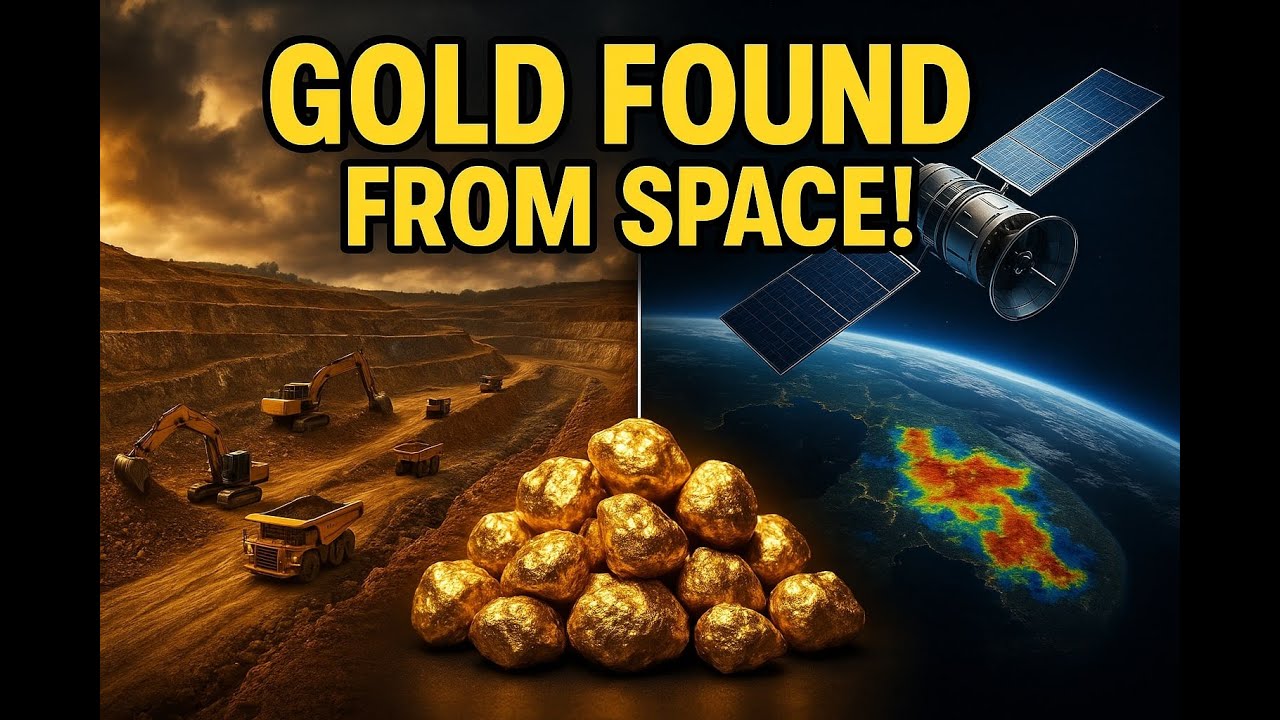
- Primary Extraction: Grossular garnet is generally extracted as a byproduct during quarrying and metamorphic host rock mining. Modern exploration techniques, such as geochemical soil analyses, satellite surveying, and structural mapping, help pinpoint locations with high gemstone potential.
- Improved Yield & Reduced Impact: The adoption of satellite-driven monitoring—used for mapping, surface changes, and resource estimate validation—has improved yield and limited ecological disturbance. Farmonaut’s platform offers mining professionals real-time satellite data for streamlined site management, operational efficiency, and resource optimization.
- Industrial Applications: In addition to gemstones, grossular (as part of the broader garnet family) finds industrial use in abrasives and waterjet cutting media, thanks to its hardness, grain structure, and stability under pressure. This dual market (jewelry and industry) increases mining profitability and resource utilization.
- Regulatory and Ethical Compliance: As environmental and social responsibility trends accelerate, grossular mining operations are compelled to adopt sustainable extraction protocols and transparent supply chains, especially in Africa where most of the world’s tsavorite is sourced.
Our carbon footprinting solutions assist mining companies in tracking and minimizing emissions, supporting global sustainability reporting and best practices.
Supply Chain Transparency & Blockchain Traceability
Increasingly, gemstone industry leaders leverage technology such as blockchain for full traceability from mine to market, providing consumers with proof of gem provenance and ethical practices in mine management. Our traceability platform enables this high-level transparency for both gemstone and industrial mining sectors.
The emergence of satellite verification (for loan and insurance applications) further supports miners and investors in securing financing, minimizing fraud, and enhancing trust across the grossular garnet market.
For companies ready to integrate environmental monitoring into their grossular supply chains, we recommend Fleet & Resource Management Tools, combining real-time vehicle and equipment tracking with satellite imagery for enhanced efficiency and compliance.

2025 Outlook: Industry Growth and Future Directions
Industry analysts forecast robust growth for grossular garnet through 2025 and beyond, mirroring broader trends for colored gemstones. Several factors drive this positive outlook:
- Rising Global Demand: Greater consumer awareness of unique, colored gemstones supports a diverse jewelry market. Grossular’s range encourages creative expression while meeting durability and ethical sourcing standards.
- Sustainability Requirements: More brands are integrating blockchain and environmental monitoring tools, ensuring traceability and reducing the carbon footprint of mining and logistics.
- Technological Advances: Satellite-driven exploration and AI-based mineral advisory systems (like ours at Farmonaut) are reshaping how high-potential sites are discovered and evaluated, reducing both cost and impact.
- Supply Challenges & Opportunities: While African deposits (especially in Kenya and Tanzania) continue to dominate production, sector stability depends on political, regulatory, and weather factors. New sources in Russia and Canada may come online but will require ethical validation and sustainable extraction methods to gain acceptance in premium markets.
- Synthetic Competition: Lab-grown grossulars may influence the market, but natural stones—due to their unique geological origin—will retain a substantial value advantage for collectors and luxury buyers.
Satellite Technology & Mining: Farmonaut’s Role
At Farmonaut, we recognize the value of real-time, actionable data for efficient and sustainable mining management—crucial for grossular garnet and other mineral resources. Our solutions include:
- Satellite Data Monitoring: Multispectral imaging to assess vegetation, surface changes, and potential mining zones.
- AI-Based Advisory: Our Jeevn system evaluates climate, terrain, and operational parameters, helping mining operations optimize resource extraction and minimize environmental impact.
- Blockchain-Driven Traceability: End-to-end supply chain tracking ensures authenticity and builds consumer trust in ethically sourced gems.
- Environmental Impact Tools: Automated carbon footprint tracking and reporting to aid enterprises in meeting compliance and market expectations.
- Fleet and Resource Management: Real-time tracking of ground fleets and equipment, streamlining logistics and reducing costs.
- Satellite-Based Financing Tools: Our platform aids lenders and insurers with satellite verifications for mining loans and insurance, reducing risks and accelerating decisions.
Learn more on our crop loan and insurance solutions.
For developers and larger enterprises, our open API suite and API documentation provide easy integration with your existing systems—opening up innovative capabilities for mining, mapping, and resource management.
Our platform is designed for scalability, making advanced satellite and AI-driven mining solutions accessible for everyone—from small quarries and artisanal miners to enterprise-scale industry leaders and government institutions.
Frequently Asked Questions (FAQ)
What is grossular garnet and why is it valuable?
Grossular garnet is a calcium-aluminum silicate mineral from the garnet group, chemically denoted as Ca3Al2(SiO4)3. Its value comes from a wide range of vibrant colors (green, mint, yellow, orange), resilience (Mohs 6.5–7.5), and versatility in both gemstone and industrial applications. As demand for unique, traceable gemstones grows, grossular garnet’s appeal and price continues to rise.
Which grossular garnet variety is most highly prized in 2025?
Tsavorite, known for its intense green color and brilliance, is the most sought-after grossular variety in 2025. Its rarity, ethical sourcing in East Africa (mainly Kenya and Tanzania), and superb durability rival the finest emeralds and command a premium price.
How is grossular garnet mined and where is it found?
Grossular garnet is found in metamorphic rocks such as skarns and contact-metamorphosed limestones. Main sources are Kenya, Tanzania, Canada, Russia, Sri Lanka, and India. Mining often involves quarry extraction, careful sorting for gemstone quality, and greater focus on sustainable and transparent practices to meet environmental guidelines.
What impacts grossular garnet prices?
Factors include color intensity and saturation, clarity, cut, size, and origin. Stones with verified ethical provenance and top-tier transparency (especially green tsavorites) fetch the highest prices—sometimes over $2,000 per carat.
What jewelry trends are shaping grossular garnet demand in 2025?
Trends include:
- Eco-conscious, traceable gemstones using tools like blockchain-based certification.
- Artistic designs featuring mint and light green grossular for bespoke and luxury pieces.
- Broader adoption of affordable orange hessonite for mainstream jewelry markets.
How does satellite technology support the grossular garnet industry?
Satellite imagery enables real-time monitoring of mining sites, improves resource discovery, tracks environmental impact, and supports transparent supply chains. Our Farmonaut platform delivers affordable, scalable, and customizable solutions for industry stakeholders, enhancing decision-making and compliance.
Summary: Grossular Garnet in Mining and Gemstone Industry — Properties, Value, and Market Outlook for 2025
Grossular garnet—denoted by its vibrant color palette, resilient properties, and unique varieties such as tsavorite and hessonite—is poised for sustained growth through 2025. It is prized for its beauty and versatility in both jewelry and industrial markets, with demand accelerating due to industry trends favoring colored, ethical, and sustainable gemstones.
The market continues to be shaped by geopolitical and environmental shifts, with Kenya’s prominence in supply directly affecting grossular price dynamics. The integration of advanced technologies—from satellite monitoring to blockchain traceability—supports efficient, transparent, and responsible mining.
At Farmonaut, we empower businesses, miners, and gem traders with data-driven solutions for satellite-based monitoring, blockchain-enabled transparency, and environmental compliance. Our platform is accessible via web, Android, iOS, and API, helping all industry participants adapt to the challenges and opportunities that 2025 will bring.
Explore the full potential of satellite-driven monitoring for mining and gemstone management with our platform and stay ahead of trends shaping the global grossular garnet industry in 2025 and beyond.
Discussion
Questions, corrections or field experience? Share them below. First-time comments are reviewed before they appear, and your email is never published.
No comments yet. Be the first to add a question or your experience.

 NTS Group (Pty) Ltd
 Mine4Africa
 Lithspo Minerals Limited
 Tintina Mining Group
 Dalgety Minerals Pty Ltd
 Vortex Minerals Pty Ltd
 Faith At Work (Pty) Ltd
 Geotech Mining Solutions plc
 Vulcan International Limited
 Kidepo Associates
 GKY Mining
 Alkimy SARL
 Double A Trading
 GemSprout Metals Limited
 Qader Group
 Ileys General Trading
 SG Gold Mining LLC
 VRV Global Pte Ltd
 Omsri International FZE
 G.I.T.T.
 Jaunita Erss Ltd
 Almosi SARL
 SRK Consulting
 Berks Gold Limited
 Mwerezi Minerals Company Limited










