

Selling mining property · Seller's guide
How to Sell a Mine: Valuation, Buyers, Deal Types
Prove title, assemble assay and permit data, value the asset with at least two methods for its stage, then match it to the right buyer and deal structure. An option or earn-in with a listed buyer took about three and a half months in one 2026 example.
Key takeaways
- VALMIN (2015) says a valuation should use at least two of the market, income and cost approaches, and its guide table rules the income approach out for exploration projects.
- CIMVal requires a valuation to be reported as a range, with a stated valuation date (CIM, 2008).
- In SRK’s database of 130 documented deals from 2020 to 2025, 55 were company takeovers, 25 were asset or project sales, 25 were royalty or stream deals and 10 were farm-ins or earn-ins (SRK, February 2026).
- A Nevada option accepted by the TSX Venture Exchange on 27 January 2026 requires US$900,000 in cash payments over five years and leaves a 2% NSR royalty with the vendor.
- Transferring a US unpatented claim needs a deed recorded at the county plus a BLM filing at $15 per claim per grantee; state law sets when the transfer takes effect (BLM).
In this article
- How to sell a mine in seven steps
- Prepare the data room before you contact buyers
- How much should I sell my mine for? Valuation by stage
- Who buys mines, claims and licences
- Where to find buyers
- Deal structures: outright sale, option, earn-in and retained royalty
- Selling unpatented US claims: title and transfer
- Due diligence: what buyers will check
- Negotiating and closing the sale
- How long does it take to sell a mine?
- Common mistakes that lower the price
- Frequently asked questions
To sell a mine, claim or licence you need three things in order: proof that you own it and can transfer it, technical data a buyer can check, and a price anchored in a recognised valuation method rather than a hunch. A property with drill results and a resource estimate is priced by comparable deals and cash-flow models, while grassroots ground with no drilling is priced mostly on what has been spent on it and what similar ground has changed hands for. This guide walks through each step for claim and licence owners: preparing the data, valuing the asset, finding buyers, choosing a deal structure, passing due diligence and closing.
It is written for owners of anything from a handful of unpatented claims to a permitted underground mine. Where the rules differ, the text says whether it is talking about the United States, Canada or Australia. Everything here is general information; a mining lawyer and a qualified valuator should review your actual deal.
How to sell a mine in seven steps
Most sales, large or small, follow the same sequence. The time each step takes depends on how clean your title and data are, which is why the first two steps decide most of the outcome.
Infographic
Selling a mining property in seven steps
- 1Check titleConfirm ownership, fees paid and any burdens.
- 2Build the data roomMaps, assays, reports and permits.
- 3Value itUse at least two approaches for your stage.
- 4Pick a structureSale, option, earn-in or retained royalty.
- 5Find buyersNeighbours, juniors, royalty firms, brokers.
- 6Run diligenceTitle, technical, permits, finance.
- 7Close and recordSign, then register the transfer.
- Confirm title and transferability. Check who owns the tenure, whether fees are paid up, and whether any royalty, lien or earlier option burdens it.
- Assemble the data room. Maps, assays, drill logs, technical reports, permits and a clear list of costs and obligations.
- Get a valuation range. Use at least two valuation approaches, matched to your stage of development.
- Choose the structure. Outright sale, option, earn-in or sale with a retained royalty.
- Find and screen buyers. Sign a confidentiality agreement before sharing sensitive data.
- Negotiate terms and run due diligence. Expect the buyer to test title, geology, permits, environmental liabilities and the numbers.
- Close and transfer. Sign the agreement, record the transfer with the regulator and the local registry, and hand over the data.
Prepare the data room before you contact buyers
Buyers decide quickly whether a property is worth a call, and they judge it on what you can show. Build the package before you approach anyone.
Title and permits
Start with documents that prove you can sell. For US unpatented claims this means the recorded location notices, the BLM serial numbers, proof that annual maintenance fees were paid, and any prior transfers. BLM’s training material notes that the Supreme Court has treated unpatented claims as real property that can be bought, sold and inherited, and defines a transfer of interest as covering any sale, assignment or conveyance of total or partial ownership (BLM, Transfers of Interest). In many countries outside the US, such as Canada and Australia, the equivalent is the tenure certificate or licence from the mines ministry, plus a list of conditions, expenditure commitments and expiry dates. The next step is to list every permit: exploration, water, discharge, land access, and any environmental approval. If your tenure is a concession granted by a state, our guide on what a mining concession is and what it costs explains the rights and terms a buyer will ask about.
Technical data
Gather the raw and interpreted data: geological maps, geochemical and geophysical surveys, drill collar tables, logs, assay certificates with quality control results, and any metallurgical tests. Assays are the part buyers distrust most, so include the laboratory certificates and the sampling method, not just a summary table. Our guide to core samples, logging and assay shows what a clean sample record looks like. If the core is still stored, say where it is and in what condition, because buyers often want to re-inspect or re-assay it.
Technical report and resource estimate
For companies listed in Canada, public disclosure of scientific or technical information must be based on material prepared or approved by a qualified person, and the Canadian Securities Administrators proposed in June 2025 to replace National Instrument 43-101 with a streamlined instrument while keeping that requirement (CSA notice, June 2025). A qualified person is a registered geologist or engineer with relevant experience. In practice this means a listed buyer will need a report signed by such a person before it can talk publicly about your property, so a report that already exists makes you easier to buy. Australian buyers work to the JORC Code in the same way. If you have no resource estimate, say so plainly and present what you do have: an exploration target described as a range, clearly labelled as not a resource.
Costs, liabilities and a clean story
Write down what it costs to hold the ground each year, the work already done, outstanding rehabilitation obligations, and any disputes with neighbours or communities. On unpatented US claims, the BLM schedule updated in February 2026 lists an annual maintenance fee of $200 per lode claim, and $200 per 20 acres or part of a placer claim (BLM, mining claim fees). A buyer will add up those holding costs across your claim block, so put the number in your summary. Hiding a liability costs more than disclosing one, because it surfaces in due diligence and weakens trust in everything else.
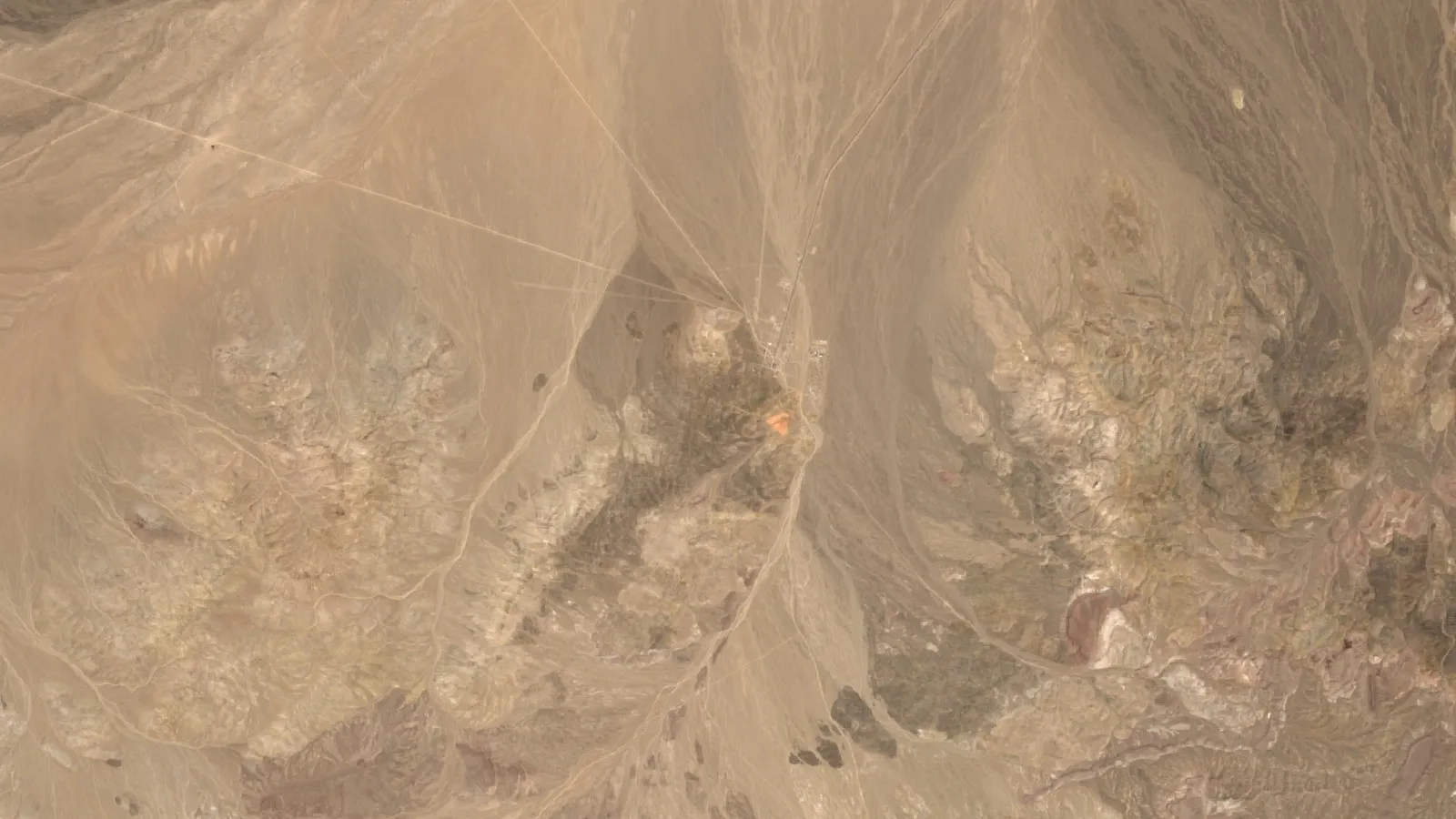
A practical addition is a one-page satellite and terrain summary of the licence: alteration zones, structures, access roads, drainage and nearby disturbance. Remote sensing can screen ground for targets before drilling and shows a buyer what the property looks like without a site visit, though it does not replace sampling or a resource estimate.
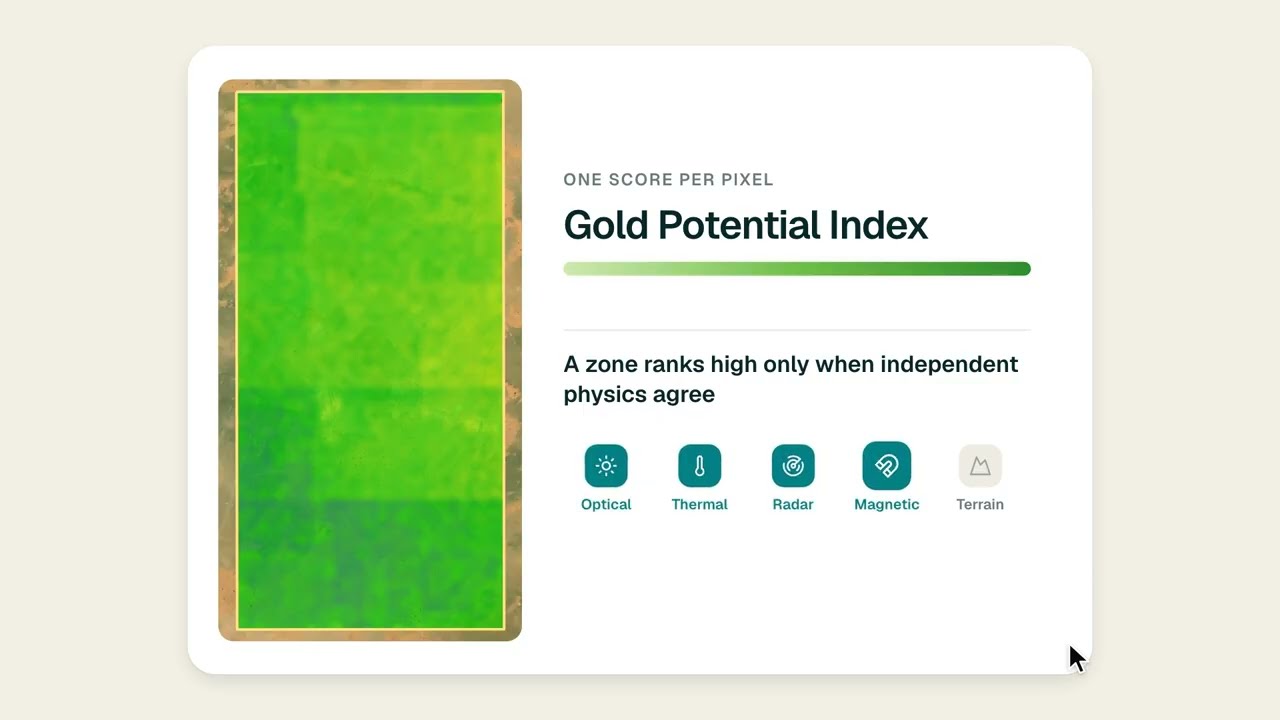
▶ Shows how Farmonaut Mining Pro screens a licence area from satellite data before any drilling. · 1:46
How much should I sell my mine for? Valuation by stage
There is no single price list for mines. The accepted way to put a number on a mineral asset is to use recognised valuation standards, and the two best known are the Canadian CIMVal standards and the Australasian VALMIN Code. Both describe the same three families of method.
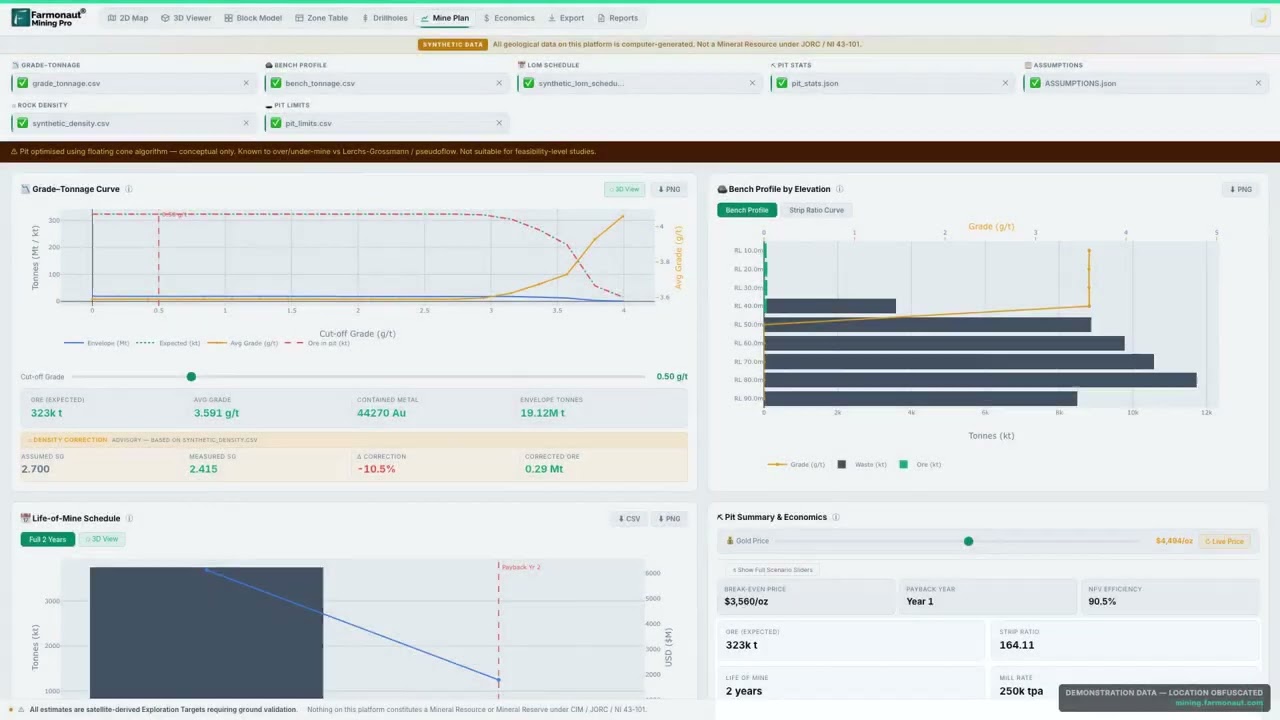
▶ Walks through all-in sustaining cost, break-even price, net present value and payback on a mine plan. · 14:58
- Market approach: compare your property with the transaction price of similar assets sold under similar conditions. VALMIN names comparable sales and joint venture terms as methods under it (VALMIN Code, 2015 edition).
- Income approach: estimate the cash the mine would generate and discount it to today. Methods include discounted cash flow and multiples of earnings.
- Cost approach: value the asset from the money spent on it, using sunk costs or current replacement cost.
Which approach is acceptable depends on stage. VALMIN’s guide table marks the market approach as usable at every stage, the income approach as not suitable for exploration projects, possible in some cases before development, and suitable for development and production projects, and the cost approach as suitable for exploration projects, possible in some cases before development, and not suitable once a project is in development or production (VALMIN Code, 2015 edition, Table 1). The Code also says a valuation report should use at least two approaches and explain how the results compare.
| Stage of your property | Market | Income (cash flow) | Cost | What usually carries the price |
|---|---|---|---|---|
| Exploration, no resource | Yes | No | Yes | Comparable property sales and money spent on the ground |
| Pre-development, resource defined | Yes | In some cases | In some cases | Value per unit of resource in similar deals, tested against a scoping model |
| Development, study complete | Yes | Yes | No | Discounted cash flow of the project plan |
| Producing mine | Yes | Yes | No | Cash flow and earnings multiples, plus reserves |
Source for the Yes, No and In some cases entries: VALMIN Code, 2015 edition, Table 1. The last column is a plain-English reading of those methods, not a rule in the Code.
What the Canadian standards add
The CIMVal standards cover mineral properties but not corporations, and value means primarily fair market value. A qualified valuator decides which approaches to use; the three methods of income, market and cost must be considered, and the market approach plus one other should be used. The result must be reported as a range, not a single figure, and the valuation date must be stated (CIM, Canadian standards for valuation of mineral properties, 2008). The committee that wrote them was created in 1999 after the Bre-X gold fraud (CIM Mineral Economics Society, CIMVal). For an owner, the practical lesson is to expect a range, and to treat any single confident number from a broker with caution.
Stage matters more than metal price
Two properties with the same gold grade can differ greatly in value because one has permits, a defined resource and road access, and the other does not. In the SRK Consulting review of more than 130 documented mining transactions from 2020 to 2025, Canadian and US assets increasingly commanded premium valuations, especially fully permitted assets already through regulatory hurdles (SRK Consulting, M&A Trends 2020 to 2025, February 2026). Every permit you already hold, every month of studies already done and every unresolved title question moves your number up or down.
The calculator below compares the cash in an option deal with the value of a retained royalty, which helps when you must decide between a lower price now and a share of future production. Treat its output as a way to compare offers, not as a valuation.
Cash-flow models and unit costs
If your project is advanced enough for an income approach, the buyer will build a pit or stope plan, a cost model and a cash-flow forecast. Seeing how those models work helps you challenge a low offer. The Farmonaut course chapter below walks through all-in sustaining cost, break-even price, net present value and payback on a mine plan.
Calculator
Option cash or retained royalty: which adds up to more?
Enter your own offer and production guess to compare cash now with a share of future revenue.
- Option cash payments: $900,000
- Royalty revenue if the mine is built: $8,000,000
- Cash plus expected royalty: $1,700,000
- Claim fees paid while you wait: $12,800
Example values only, not a forecast or valuation. Prices are inputs: example, use today’s price. The royalty value is undiscounted and simplified (gross revenue, no deductions). Option cash is counted in full; if the buyer drops out you receive only the payments made to date. The $200 fee per claim is the BLM annual maintenance fee for lode claims from the BLM fee schedule updated February 2026; it can change.
Who buys mines, claims and licences
Buyers fall into groups with different budgets and different tolerance for risk. Matching your property to the right group matters more than approaching all of them.
Chart
Most documented deals are priced well above claim-sale size
Share of 130 documented deals by disclosed value band, percent
- Junior exploration companies. Small listed explorers buy or option early-stage and mid-stage ground to drill. Option deals with juniors often combine shares, cash payments and committed work, as in the Scorpio Gold example below. In SRK’s database, 12 of 130 documented deals were under US$25 million and 18 were between US$25 million and US$100 million, and the database may undercount smaller private sales and farm-ins.
- Mid-tier and major producers. They look for resources that fit existing infrastructure or a growth gap. SRK notes that large mergers almost always lead to selling off non-core assets, creating a second wave of chances for smaller buyers who pick up spin-offs.
- Royalty and streaming companies. They buy a royalty on production or fund a project in return for metal. SRK records 25 royalty and streaming deals among its 130, and notes that Royal Gold’s 2025 acquisitions of Sandstorm Gold and Horizon Copper created an aggregate of 393 streams and royalties. Our guide to selling mineral royalties covers that route in detail, including how they are valued.
- Private investors and individual miners. Small placer and lode claims, patented parcels and historic mines are often sold to private buyers, sometimes with seller financing.
- Strategic and state-linked investors. SRK found that Chinese corporates and state-linked investors were among the most active buyers globally and often invested against the cycle, including in higher-risk countries.
Where to find buyers
There is no central exchange for mines. Owners reach buyers through several routes, and most successful sales use more than one.
- Direct approach to companies that already work nearby. A neighbour with a mill, a pit or an adjoining licence values your ground more than a stranger does. Check which companies hold tenure around yours through the public cadastre or claim records.
- Specialist mining brokers and advisers. They hold buyer lists and run confidential sale processes. Ask what they charge, whether the fee is a retainer, a success fee or both, and which deals they have closed in your size range.
- Corporate finance advisers. For a producing mine or a large project, an investment bank or boutique adviser runs a structured auction.
- Online listings and classified sites. General commercial real estate sites and mining-specific platforms list claims, historic mines and patented land. They suit smaller assets and private buyers. Treat any listing site as a place to attract enquiries, not as a valuation.
- Industry conferences and prospectors’ associations. Juniors and royalty companies attend these to find projects.
- Your own network and technical consultants. The geologist who wrote your report often knows who is looking for similar deposits.
Before sending any data, ask each serious buyer to sign a confidentiality agreement, and share the data room in stages: a short teaser first, then the technical package, then the full set once they show proof of funds or backing.
Deal structures: outright sale, option, earn-in and retained royalty
Not every sale is a single payment for 100 percent of the asset. The structure you choose changes how much money you receive, when you receive it and how much risk you keep. SRK’s database of 130 documented deals shows how common each type is, though its authors note it may undercount small farm-ins, royalty transactions and private sales.
Chart
What kinds of mining deals get done
Number of deals by type, 130 documented transactions, 2020 to 2025
Outright sale
The buyer pays a fixed price and takes the asset. This is the cleanest route if you want to exit. You give up any upside, so it works best when your property is early-stage and the buyer is paying for the data you hold, or when you need cash and certainty. A sale can still include a retained royalty or deferred payments, which move part of the price to later.
Option agreement
The buyer pays for the right to acquire the property later by making payments and doing work over several years. A recent example from Canada’s TSX Venture Exchange: on 27 January 2026 the exchange accepted for filing a property option agreement dated 14 January 2026 under which Scorpio Gold could acquire 100 percent of 32 unpatented lode claims in Nye County, Nevada, by paying US$900,000 in cash, spending US$1 million on exploration and issuing 950,000 shares over five years. The owner keeps a 2 percent net smelter return royalty, and the agreement includes a right to repurchase 1 percent of it for an amount equal to the value of 500 ounces of 0.999 fine gold (Stockwatch, Scorpio Gold property agreement, 27 January 2026). The seller gets staged payments and keeps the ground if the buyer walks away, but must wait.
Earn-in and joint venture
In an earn-in the buyer earns a percentage of the project by spending money on it, often rising in stages. In December 2025 GGL Resources announced that ASX-listed Nelson Resources could earn up to 90 percent of its Gold Point gold-silver project in Nevada’s Walker Lane district; the deal was updated on 16 March 2026 and closed on 24 March 2026 (GGL Resources, closing announcement, 24 March 2026). If Nelson earns the full 90 percent, the owner keeps the remaining 10 percent, so be sure the partner has the means to carry out the programme. VALMIN lists joint venture terms among market-approach methods, so the terms of earn-ins also feed valuation of similar assets.
Retained net smelter return royalty
A net smelter return (NSR) royalty is a percentage of the sale price of the minerals after agreed deductions for transport, treatment, smelting and refining. It has no single prescribed meaning, so the contract wording matters (Clayton Utz, mining royalties, August 2024). The same source notes royalties are often part of the purchase price for a project. In Australia a private royalty is generally a contractual right rather than an interest in the land, so sellers there may need a caveat or a tenement mortgage to protect it. Ask your lawyer how royalties are secured where your property sits, and whether the buyer may buy back part of the royalty.
| Structure | You receive | You keep | Main risk for the seller |
|---|---|---|---|
| Outright sale | Full price at closing, possibly part deferred | Nothing, unless a royalty is retained | Selling too low before drilling or a price rise |
| Option | Staged cash, shares and committed work | The property until the option is exercised | Buyer drops out and the property is tied up for years |
| Earn-in or joint venture | Work spending, then a share of the project | A minority interest and part of future upside | Dilution and dependence on the partner’s funding |
| Sale with NSR royalty | Lower upfront payment plus a share of future revenue | A percentage of production revenue | Revenue only if a mine is built and operates |
Selling unpatented US claims: title and transfer
Most US lode and placer claims on federal land are unpatented, which means the government holds the land and the claimant holds the right to the minerals. They can still be sold. The usual instrument is a quitclaim deed. BLM instructs claimants to file the deed or other legal document with the BLM State Office including the claim name, the BLM serial number if available, the buyer’s name, the seller’s signature, a notary stamp and the buyer’s current mailing address, with a non-refundable processing fee of $15 per claim per grantee (BLM, Transfers of Interest). BLM’s recording page says the transfer deed is filed with both the county office and the BLM, and the transfer guide says state law, not the BLM filing date, decides when the transfer takes effect. BLM adds that it treats the last owner of record as responsible for the claim, so the buyer should file promptly.
One rule trips up sellers of placer claims: if an association placer claim passes to a smaller association or an individual, the buyer must show evidence of a valuable mineral deposit that existed before the transfer, or reduce the acreage to the 20 acres per locator limit (same BLM source). Check that your claims were located correctly in the first place. Our state guides explain the process for California gold claims and for Alaska gold claims, and our page on gold mines for sale in California shows what buyers look at when they browse listings. Patented claims are private land and transfer by ordinary deed.
Recording on time matters before you sell. BLM requires new claims to be recorded with the proper state office within 90 days of location, as well as with the county (BLM, Recording a Mining Claim or Site). A claim with gaps in its filing history will draw questions from any careful buyer.
Due diligence: what buyers will check
Due diligence is the buyer’s chance to test every statement you made. SRK’s review stresses that technical due diligence is essential to understand a mine or development project and supports transaction pricing, and that legal, social, permitting and jurisdictional checks matter as much. Expect these workstreams:
- Legal and title: chain of title back to the original location or grant, current good standing, encumbrances, royalties, liens, option rights and disputes.
- Technical: a review of drilling, sampling and assay quality, site visit, possibly twin holes or re-assay of stored core, and an independent view on the resource or target.
- Permitting and environment: status of each permit, baseline studies, historic disturbance and any closure liability.
- Financial: holding costs, outstanding payments to third parties and tax position of the vendor entity.
- Social and community: relationships with landowners, indigenous groups and local communities. SRK notes ESG factors directly affect valuation and the pool of buyers.
Answer questions fast and in writing. Keep a log of what you have sent, because it protects you if a dispute arises later. If a buyer finds an error in the data, expect them to ask for a price cut or a retained-payment clause, so correct problems before they find them.
Negotiating and closing the sale
Before signing a final agreement, most deals begin with a non-binding term sheet that sets the price, structure, exclusivity period and conditions. The main agreement then sets out representations and warranties about title and data, conditions that must be met before closing, and what happens if one party fails to perform.
Points worth negotiating:
- Payment form. Cash, shares in the buyer, or a mix. Shares from a small listed company can be restricted from resale for a period and can lose value, so ask what you can sell and when.
- Representations and liability caps. Limit how long a buyer can claim against you after closing and the maximum amount.
- Work commitments and deadlines. In options and earn-ins, set what happens if the buyer misses a payment or spending date, and how quickly the property returns to you with its data.
- Royalty terms. Define the royalty base, allowed deductions, buyback rights and any right of first refusal.
- Exchange or regulator approval. A TSX Venture-listed buyer needs exchange acceptance of the agreement, as the Scorpio Gold filing shows. Check whether your jurisdiction needs ministry consent to transfer a licence.
At closing, sign the deed or assignment, pay the stamp duty or transfer fee where it applies, register the transfer with the regulator or recorder and hand over the data and core. Keep copies of everything, including the filed transfer confirmation.
How long does it take to sell a mine?
There is no standard timeline, and any figure that claims otherwise should be doubted. A simple private sale of a few claims has few steps and can be much quicker. Property options and earn-ins between a vendor and a listed junior can take months because of due diligence and exchange approval: the GGL and Nelson deal was announced on 11 December 2025, updated on 16 March 2026 and closed on 24 March 2026, about three and a half months from first announcement to closing. In the Scorpio Gold case the exchange accepted the agreement 13 days after its date. Producing mines sold through an adviser-led process add regulatory approvals and detailed financial diligence, so allow more time.
Chart
Documented mining deals per year
Transactions in SRK’s database, 2020 to 2025
The wider market affects timing too. SRK documented 130 transactions across six years, and the yearly count moved between 14 and 30 in its sample. A seller who prepares well and can wait for an active market has more choice of structure and price.
Common mistakes that lower the price
- Pricing from a metal price alone. A tonne of ore in the ground is not worth its contained metal. Permits, access, grade, recovery and costs decide what a buyer will pay.
- Selling without a data package. Buyers discount what they cannot verify.
- Letting tenure lapse. Unpaid fees can lead to forfeiture. On federal US claims, check your payment record before listing.
- Mixing up resource and target. Calling an exploration target a resource invites a collapse in trust and, for a listed buyer, regulatory problems.
- Granting exclusivity too early. A long lock-up with one buyer removes your use if their funding falls through.
- Ignoring tax and legal advice. The structure that suits you best may differ for tax purposes, and the rules depend on your country.
Frequently asked questions
How do I start selling a mine or mining claim?
Confirm you own the tenure and can transfer it, collect your technical data and permits, get a valuation range, then approach buyers who are active in your commodity and region. Start with a short teaser and share more once a buyer signs a confidentiality agreement.
What price should I ask for my mine?
Use at least two valuation approaches suited to your stage. VALMIN says a report should apply at least two, and the CIMVal standards say the result is a range. Exploration ground leans on comparable sales and costs spent; developed projects lean on discounted cash flow.
What is the difference between CIMVal and VALMIN?
CIMVal is the Canadian set of standards and guidelines for valuing mineral properties, written by a committee of the Canadian Institute of Mining, Metallurgy and Petroleum. VALMIN is the Australasian code for technical assessment and valuation of mineral assets. Both use the market, income and cost approaches.
Which valuation method suits an exploration property with no resource?
Under the VALMIN table, market and cost approaches fit exploration projects and the income approach does not. Market means comparing recent sales of similar ground; cost means looking at what has been spent on the ground.
Do I need a technical report to sell my claims?
A report is not the only thing buyers weigh, but they value one. A Canadian-listed buyer needs technical information to be prepared or approved by a qualified person before it can disclose it, so a report from a qualified person makes your property easier to buy.
Who buys mines and mining claims?
Junior explorers, mid-tier and major producers, royalty and streaming companies, private investors and strategic or state-linked investors. Pick the group that fits your stage, size and metal.
Should I sell outright or keep a royalty?
An outright sale gives certainty and a clean exit. A retained net smelter return royalty gives upside if a mine is built, but pays nothing if it is not. Compare offers using your own estimates of probability, tonnes and price.
What is an option agreement in mining?
The buyer pays for the right to acquire the property later by making payments and doing work on a schedule. If the buyer stops, the property comes back to you. The Scorpio Gold option on 32 Nevada claims, accepted by the TSX Venture Exchange in January 2026, ran over five years.
How do I transfer unpatented mining claims in the United States?
Sign a quitclaim deed, record it in the county where the claims lie, and file the deed with the BLM State Office with the claim names, serial numbers, buyer mailing address and the $15 per claim per grantee fee. State law decides when the transfer takes effect.
How long does a sale take from first offer to closing?
Small private claim sales have fewer steps and are usually quicker. Listed-company deals with approvals took roughly three and a half months from announcement to closing in the GGL and Nelson example. Producing mines take longer because of approvals and diligence.
Can I sell a mine that has not been drilled?
Yes, but expect a lower price, usually an option or earn-in rather than cash, and heavy reliance on your geological data. Satellite and geophysical screening can show what kind of target the ground holds before a buyer commits.
Do I need a broker or lawyer to sell a mine?
A lawyer experienced in mining transactions is advisable for any sale, because title, royalties and transfer rules differ by place. A broker helps with reaching buyers and managing a process, particularly for larger assets, but is not required.
This page is for information only. It is not legal, tax or investment advice, and it is not a valuation. Get a qualified valuator and a mining lawyer, and confirm transfer rules with the regulator, before you sign anything.
Farmonaut mining
Show buyers your ground from space
Request a quote to have your licence screened with satellite data so your sale package includes a clear picture of the ground.

Mining Pro sample view, synthetic data
Keep reading
Sources
- VALMIN Code, 2015 edition (AusIMM and AIG): valmin.org
- CIM Mineral Economics Society, CIMVal standards and guidelines: cimmes.org
- CIM, Canadian standards for valuation of mineral properties (Roscoe and McCombe, 2008): mrmr.cim.org
- SRK Consulting, M&A Trends 2020 to 2025 (February 2026): cdn-web-content.srk.com
- BLM, Transfers of Interest: blm.gov
- BLM, Recording a Mining Claim or Site: blm.gov
- BLM, mining claim fees (updated February 2026): blm.gov
- Canadian Securities Administrators, proposed replacement of NI 43-101 (June 2025): osc.ca
- Stockwatch, Scorpio Gold property agreement (27 January 2026): stockwatch.com
- GGL Resources, closing of Gold Point earn-in (24 March 2026): gglresourcescorp.com
- Clayton Utz, Digging into mining royalties (August 2024): claytonutz.com
Discussion
Questions, corrections or field experience? Share them below. First-time comments are reviewed before they appear, and your email is never published.
No comments yet. Be the first to add a question or your experience.

 Kidepo Associates
 GKY Mining
 Alkimy SARL
 Double A Trading
 GemSprout Metals Limited
 Qader Group
 Ileys General Trading
 SG Gold Mining LLC
 VRV Global Pte Ltd
 Omsri International FZE
 G.I.T.T.
 Jaunita Erss Ltd
 Almosi SARL
 SRK Consulting
 Berks Gold Limited
 Mwerezi Minerals Company Limited
 Mining SARL
 SenGold Invest SAS
 Sean Mining Limited

 Exploration consultancy · South Africa · Gold










