

Largest Ruby & Silver Mines in the World: 2026 Insights – Responsible Mining, Environmental Impact & Market Leaders


Introduction: The Global Quest for Rubies & Silver
The quest for valuable minerals and gemstones has long shaped the economic, cultural, and environmental landscapes of our world. Among these treasures, rubies and silver stand apart. Their impact is felt not only in the realms of luxury and jewelry but also in industries, technology, and even local community development. By 2026, the largest ruby mine in the world and the largest silver mine in the world are more than just sources of wealth – they are symbols of how sustainability, ethical practices, and global market demand are intertwined with mining’s future.
- Rubies: Prized across centuries for striking red hues, cultural symbolism, and as markers of status and passion.
- Silver: Revered for both ornamental and crucial industrial uses, from electronics and solar energy to medical devices.
Let us embark on a comprehensive journey through the world’s leading ruby and silver mines in 2026, exploring their histories, economic significance, environmental challenges, and the shift toward responsible mining practices that serve our planet as well as our economies.
“Kagem mine in Zambia produced over 37% of the world’s rubies by volume in 2025.”

The Largest Ruby Mine in the World: Montepuez, Mozambique
The Montepuez ruby mine in Mozambique stands out as the largest ruby mine in the world by both area and output. Discovered in the late 2000s, Montepuez rapidly gained global prominence due to its exceptionally high-quality rubies and vast reserves. As of 2026, it accounts for over 25% of the world’s ruby supply by volume, solidifying Mozambique as a leading player in the global gemstone market.
- Location: Northern Mozambique, Cabo Delgado Province
- Year Discovered: Late 2000s
- Ownership: Multiple concession holders, including major global mining firms and local artisanal miners
- Ruby Quality: Vivid red color, large stone sizes; rivals the “pigeon blood” rubies of Myanmar
Why Montepuez Rubies?
Montepuez rubies are prized for their deep, vivid red color and are often available in relatively large sizes. These intrinsic qualities have allowed the Montepuez mine to rival traditional ruby sources such as Myanmar, which had historically dominated the global ruby market.

Montepuez Mining Operations and Economic Impact
The Montepuez mine operates primarily as an open-pit operation, with numerous concession holders ranging from major international firms to local artisanal miners. This diverse structure has brought significant economic growth and job opportunities to the region. Montepuez’s influence extends well beyond Mozambique, shaping ruby prices, cutting and processing standards, and community development initiatives worldwide.
- Employment: Thousands of direct and indirect jobs in mining, processing, and logistics
- Local Economic Boost: Infrastructure development, including roads and community projects
- Revenue: Hundreds of millions of USD in annual export revenues
- Challenges: Social impacts, local land rights, and artisanal mining regulation
Sustainability & Environmental Stewardship at Montepuez
Sustainability efforts at Montepuez since 2020 have focused on:
- Minimizing Deforestation: Reducing the mine’s land disturbance and preserving buffer zones around extraction areas
- Managing Water Resources Efficiently: Implementing water recycling and rainwater capture to support both mining and local agriculture
- Community Development: Investing in education, healthcare, and clean water projects for local populations
- Regulatory Frameworks: Working within national and international environmental standards to balance economic benefits against environmental impact
The world continues to scrutinize Montepuez’s practices as regulatory oversight and ethical sourcing certifications become essential to responsible mining and global market access in 2026.
Beyond Montepuez: Ruby Mines in the World & Their Global Significance
While Montepuez remains the world’s largest ruby mine, ruby mines in the world span across diverse geographies, each with unique histories, qualities, and market impacts.
Key Global Ruby-Producing Regions
-
Myanmar (Burma) – Mogok Valley:
- Home to the “Pigeon Blood” ruby, historically the most coveted hue.
- Political instability, sanctions, and conflict have reduced output since 2020, impacting both volume and ethical certification.
-
Thailand – Chanthaburi & Trat Provinces:
- Historically significant centers for mining, processing, and cutting.
- Lower volumes today, but major hubs for gemstone processing industries.
-
Vietnam – Luc Yen Region:
- Increasingly important for high-clarity, pink-red rubies.
- Local communities heavily involved in both mining and processing.
-
Kagem Mine, Zambia:
- As of 2025, produced over 37% of the world’s rubies by volume.
- Demonstrates rapid evolution in African ruby mining.
- Others: Australia, Afghanistan, Pakistan, Madagascar – all notable for unique ruby variants and smaller output.
In the global gemstone market, these mines contribute to competition, innovation in cutting and processing practices, and the ongoing need for transparency, responsible sourcing, and sustainability.

Processing & Cutting Industries: The Backbone of Ruby Value Chain
Thailand and Vietnam, in particular, stand out for their gemstone processing, heat treatment, and cutting industries. Many rubies mined in Africa and Myanmar are sent to these countries for final processing, underlining the complex global journey of each gemstone.

The Largest Silver Mine in the World: Penasquito, Mexico
In stark contrast to the vivid colors of ruby mining, silver extraction is dominated by scale, technology, and industrial demand. As of 2026, the Penasquito mine in Zacatecas, Mexico holds the distinction of being the largest silver mine in the world by output and capacity.
- Operator: Newmont Corporation
- Type: Polymetallic open-pit (Silver, Gold, Lead, Zinc)
- Annual Silver Output: Over 25 million ounces (27 million ounces achieved sustainably in 2025, setting global records)
- Industrial Importance: Supplies critical raw material for electronics, solar panels, and medical device industries worldwide
Located in one of the world’s most precious mineral belts, Penasquito not only exemplifies Mexico’s historic dominance in silver production but also sets new standards for sustainability, automation, and digital monitoring in mining operations as of 2026.

Inside Penasquito: Mining Practices & Technological Advances
- Open-Pit Mining: Large-scale surface mining enables high-volume extraction of low-grade ores with reduced risk to miners compared to underground operations.
- Automation & Digital Monitoring: Extensive use of automated haulage, AI, remote-sensing for operational safety, efficiency, and emission tracking.
- Water Management: Closed-loop systems minimize water use, recycling in ore processing and dust control.
- Community Investment: Infrastructure, health, and education programs for local communities, in line with international ESG benchmarks.
- Sustainability Milestone (2025): Extracted nearly 27 million ounces of silver *sustainably* – setting a new global benchmark.
Penasquito’s example signals a paradigm shift in how large mines globally are integrating environmental stewardship and digital transformation in the drive toward responsible resource extraction in 2026.

Other Major Silver Mines Around the World
While Penasquito may be the largest silver mine in the world, several other notable silver mines underpin global production, especially in regions with long mining histories and strategic reserves:
- Fresnillo, Mexico: Historically the world’s top primary silver mine.
- Dukat, Russia: Major open-pit and underground complex, significant for gold and silver.
- Kongsberg, Norway: (Historic) Birthplace of much European silver mining tradition.
- Cannington, Australia: World’s leading silver-lead-zinc operation for much of the 21st century.
- San Cristobal, Bolivia: Large-scale open pit, integrating modern ESG standards for water and land reclamation.
- Polska Grupa Górnicza (Poland): Major European supplier, leveraging automation and resource recycling in recent years.
These mines individually and collectively influence price discovery, regional economic development, and innovation in sustainable mining practices.
Mining Economics, Social & Environmental Impact
Both the largest ruby mine in the world (Montepuez) and the largest silver mine in the world (Penasquito) demonstrate the dual-edged nature of mining:
- Engines of Economic Growth: Provide jobs, infrastructure, and significant local and national tax revenues.
- Providers of Precious Raw Materials: Supplying industries from jewelry and electronics to renewables and medical technology.
- Environmental and Social Challenges: Land disturbance, water use, pollution, and pressure on traditional local communities. Artisanal mining can exacerbate illegal trade and unregulated practices.
In 2026, ESG (Environmental, Social, and Governance) criteria – alongside ethical certifications and stakeholder transparency – are rapidly shaping mining regulations and operations worldwide.

2026: The Age of Responsible Mining
- Stricter Environmental Regulations: Limits on emissions, land reclamation mandates, and water conservation rules.
- Ethical Sourcing Certifications: Conflict-free rubies, traceable silver, and transparent supply chains are increasingly demanded by consumers and regulations.
- Community Engagement: Social license to operate depends on supporting local development, respecting land rights, and ongoing dialogue with affected populations.
Sustainability, Certification & Ethical Mining 2025–2026
The largest ruby and silver mines in the world in 2026 serve as global benchmarks for integrating sustainability and responsibility into commercial resource extraction. This evolution is essential for long-term economic, social, and environmental stability.
Leading Practices Driving Sustainability
- Waste & Water Management: Recycling systems, tailings dams with leak monitoring, and use of non-toxic processing agents.
- Emissions Reduction: Transition to renewable energy, electrified vehicle fleets, and carbon offsetting to cut overall mining carbon footprints.
- Land Rehabilitation: Replanting native vegetation, topsoil restoration, and biodiversity corridors in post-mining landscapes.
- Traceability & Certification: Blockchain records, artisanal mining regulation, and partnership with international certification bodies.
The ongoing push for transparency, ethical sourcing, and climate alignment will define the mining industry’s leading players in the 2026 global market.
Certified Conflict-Free & Eco-Labeled Rubies and Silver
- Ruby sector: Traceability is key to ensuring rubies do not fund conflicts or contribute to exploitation of local communities.
- Silver sector: Eco-labeling for recycled silver, lower carbon technologies, and transparent origin tracking support both mining companies and end-users in meeting climate and ethical goals.
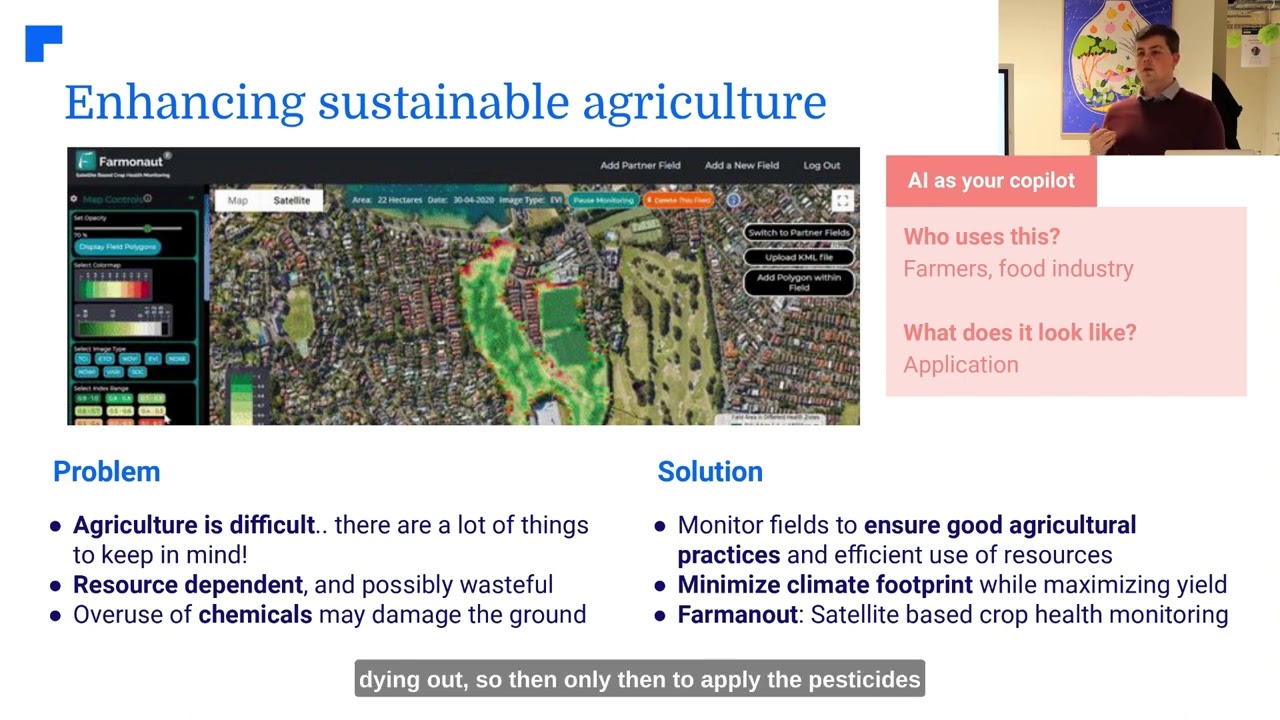
Technology & Responsible Mining: The Farmonaut Perspective
In 2026, mining technology is defined by satellite monitoring, AI-driven resource management, and transparent, blockchain-backed supply chains. This holistic approach is key to meeting future demands for environmental, economic, and ethical accountability.
At Farmonaut, we empower mining operators, businesses, and governments with:
- Real-Time Environmental Monitoring: Leveraging multispectral satellite data to track land use, monitor deforestation, and measure emissions over mining sites and surrounding landscapes.
- Blockchain-Based Resource Traceability: Ensuring gemstones, silver, and other minerals are ethically sourced, tracked, and certified from extraction through processing to final sale.
- AI-Driven Advisory Systems: Jeevn AI provides predictive insights for operational efficiency, reduced environmental impact, and adaptive planning across diverse climates and regulatory environments.
- Fleet & Resource Optimization: Minimize waste and maximize output while supporting community development and job creation.
- Environmental Policy Compliance: Satellite-based tools help users demonstrate compliance with increasingly strict ESG requirements and support sustainable certification audits.
This technology, accessible via web, Android, iOS apps, and API, is scalable for both small-scale artisans and large mining corporates, ensuring the benefits of sustainable and responsible mining are available to all stakeholders.
Comparative Sustainability Audit Table: Major Ruby & Silver Mines (2026)
| Mine Name | Country | Mineral Type | Estimated Annual Output | Mining Method | Estimated Yearly Revenue (USD) | Sustainability Rating (1-5) | Ethical Certification Status |
|---|---|---|---|---|---|---|---|
| Montepuez | Mozambique | Ruby | 13 million carats | Open Pit | $400 million | 4 | Yes |
| Kagem | Zambia | Ruby | 15 million carats | Open Pit | $430 million | 4 | Yes |
| Mogok Valley | Myanmar | Ruby | 2 million carats | Underground, Alluvial | $120 million | 2 | No |
| Chanthaburi & Trat | Thailand | Ruby | 500,000 carats | Open Pit | $20 million | 3 | Yes |
| Luc Yen | Vietnam | Ruby | 300,000 carats | Artisanal & Open Pit | $12 million | 2 | No |
| Penasquito | Mexico | Silver | 27 million oz | Open Pit | $700 million | 5 | Yes |
| Fresnillo | Mexico | Silver | 13 million oz | Underground | $350 million | 4 | Yes |
| Dukat | Russia | Silver | 17 million oz | Open Pit, Underground | $370 million | 3 | No |
| Cannington | Australia | Silver | 7 million oz | Underground | $180 million | 4 | Yes |
| San Cristobal | Bolivia | Silver | 8 million oz | Open Pit | $200 million | 4 | Yes |
*Sustainability rating is an estimate based on water usage, land impact, emissions, and adoption of ethical certification. Output and revenue are based on 2025/2026 industry data and trends.
Mining Trivia Mid-Article
“Mexico’s Penasquito mine extracted nearly 27 million ounces of silver sustainably in 2025, setting global benchmarks.”
Frequently Asked Questions: Largest Ruby & Silver Mines in the World (2026)
Which is the largest ruby mine in the world in 2026?
Montepuez in Mozambique is the world’s largest ruby mine by both output and area, accounting for over 25% of global ruby supply by volume as of 2026.
What makes Montepuez rubies valuable?
Montepuez rubies are prized for their vivid, intense red color and relatively large sizes, making them highly sought-after on the international gemstone market.
Where are other important ruby mines located?
Significant ruby mines in the world also include Myanmar’s Mogok Valley, Thailand’s Chanthaburi and Trat provinces, Vietnam’s Luc Yen, and the Kagem mine in Zambia.
Which is the largest silver mine globally?
Penasquito in Mexico holds the title of the largest silver mine in the world in 2026, with annual output topping 27 million ounces.
How are these mines addressing sustainability in 2026?
Mines like Montepuez and Penasquito focus on waste and water management, carbon emissions reduction, land rehabilitation, and ethical certification to align with global ESG benchmarks.
Why is traceability increasingly important for gemstones and silver?
Traceability ensures rubies and silver are ethically sourced, avoiding conflict funding and supporting consumer trust through blockchain-enabled transparency.
What technological advances are shaping responsible mining now?
Satellite monitoring, AI-driven insights, and blockchain traceability are revolutionizing real-time environmental tracking, process optimization, and ethical certification.
Conclusion: The Evolving Dynamics of the World’s Largest Ruby & Silver Mines
The largest ruby mine in the world and the largest silver mine in the world reflect the broad evolution unfolding in mining industries globally in 2026. As technology, sustainability, and ethical practices become inseparable from economic ambition, the sector is propelled into an era of responsible, transparent, and community-focused operations.
- The Montepuez ruby mine in Mozambique epitomizes Africa’s rising influence in the gemstone market and the urgent need for balance between economic growth and ecological stewardship.
- The Penasquito silver mine in Mexico signals a shift toward large-scale, high-tech, and sustainable mining that supports global industry while investing in local communities and lowering environmental impact.
Around the world, mining companies, communities, and stakeholders are now measured as much by their social and environmental impact as by their production output. The future of prized minerals and gemstones will depend on collaborative governance, advanced technologies, and commitment to global standards.

As the quest for valuable minerals and sustainability continues to shape our world in 2026 and beyond, informed consumers, responsible businesses, and empowered local communities are driving mining toward a future where intrinsic value and environmental ethics truly stand side by side.
If you’re involved in mining, infrastructure, agriculture, or resource management, explore how we at Farmonaut can help you harness satellite-based insights for sustainability, transparency, and efficiency – all accessible via our app or trusted API.
Discussion
Questions, corrections or field experience? Share them below. First-time comments are reviewed before they appear, and your email is never published.
No comments yet. Be the first to add a question or your experience.

 Sean Mining Limited
 NTS Group (Pty) Ltd
 Mine4Africa
 Lithspo Minerals Limited
 Tintina Mining Group
 Dalgety Minerals Pty Ltd
 Vortex Minerals Pty Ltd
 Faith At Work (Pty) Ltd
 Geotech Mining Solutions plc
 Vulcan International Limited
 Kidepo Associates
 GKY Mining
 Alkimy SARL
 Double A Trading
 GemSprout Metals Limited
 Qader Group
 Ileys General Trading
 SG Gold Mining LLC
 VRV Global Pte Ltd
 Omsri International FZE
 G.I.T.T.
 Jaunita Erss Ltd
 Almosi SARL
 SRK Consulting
 Berks Gold Limited










