

Leading Lithium & Nickel Mining Companies: 2026 Innovations
“By 2026, the top 5 lithium producers are projected to supply over 71% of global battery-grade lithium demand.”
As the global economy intensifies its green energy transition, two minerals, lithium and nickel, have emerged as the backbone of the 21st-century energy revolution. With electric vehicle (EV) batteries, energy storage systems, and renewable technologies relying heavily on these critical minerals, lithium and nickel mining companies are not just industrial players—they are powering the shift towards sustainable solutions.
This comprehensive 2026 outlook explores leading lithium companies and major nickel mining companies at the helm of the evolving sustainable battery technology landscape. We’ll analyze technology advancements, environmental sustainability initiatives, and the future supply chains these companies are forging for a decarbonized world—offering valuable insights into the mineral extraction sectors aligned with global green energy goals.
The Strategic Importance of Lithium & Nickel in 2026
The importance of lithium and nickel cannot be overstated in the manufacture of next-generation batteries powering EVs and large-scale grid storage solutions. These elements are the primary charge carriers and performance enhancers in lithium-ion battery technology:
- Lithium is the essential raw material providing energy storage for batteries, serving as the primary charge carrier.
- Nickel is prized for enhancing energy density, cycle longevity, and power output of battery cathodes—directly influencing EV range and performance.
With projections estimating tens of millions of new EVs hitting roads annually by the end of this decade, the strategic significance of lithium and nickel mining companies will only intensify. These elements are indispensable to a world racing towards decarbonization and sustainable energy.
- Lithium demand (2025–2026): Expected to triple versus 2020 levels as EV battery production surges globally.
- Nickel demand: Shifting away from stainless steel towards battery-grade materials, with high-nickel cathodes now the dominant technology for high-performance EVs.
- Supply chain pressure: Unprecedented—industry data suggests even a minor bottleneck could ripple across global green energy ambitions.
In this landscape, major lithium companies and nickel mining firms find themselves at the focal point of energy innovation and resource security—competing to control essential raw materials and set the pace for an evolving industry.

Leading Lithium Companies in 2025 & 2026: Innovations, Global Reach & Market Dynamics
The leading lithium companies of 2026 are shaping the future supply and sustainable extraction of this critical mineral. The industry is largely dominated by a handful of producers with operations spanning Australia, South America (Chile, Argentina), the United States, and China. These companies control both brine and hard rock deposits, integrating vertically to streamline supply chains.
1. Albemarle Corporation (United States)
- Global Reach: Key lithium mining operations in Australia (Greenbushes), Chile (brine projects in Atacama Desert), and the U.S. (Silver Peak mine, Nevada)
- 2026 Innovations: Adopting Direct Lithium Extraction (DLE) for reduced water usage and resource-efficient brine processing.
- Sustainability Initiatives: Accelerating green transition via renewable-powered operations and closed-loop water management systems.
- Market Leadership: Consistently ranked among the world’s largest lithium producers with major supply contracts spanning the global EV market.
2. SQM – Sociedad Química y Minera de Chile (Chile)
- Operations Focus: World leader in low-cost lithium brine extraction from the Atacama—one of the richest known lithium deposits globally.
- 2026 Innovations: Scaling sustainable extraction with solar evaporation ponds, advanced brine processing and real-time aquifer monitoring.
- Sustainability: Recipient of international certifications for environmental stewardship and resource-efficient recovery methods.
- Market Reach: Critical supplier to leading battery manufacturers, heavily integrated into global supply chains.
3. Tianqi Lithium (China)
- Industry Role: Among the largest lithium producers in China, with direct control over resources and downstream processing facilities.
- 2026 Innovations: AI-driven quality control, advanced roasting and refining to enhance lithium yield and battery-grade purity.
- sustainability: Heavy investment in water recycling and minimizing environmental impact of extraction.
- Global Integration: Strategic partnerships in Australia (joint venture in Greenbushes mine), supporting robust vertical integration.
Other Notable Players
- Ganfeng Lithium (China): Embracing closed-loop lithium recycling and urban mining for battery materials.
- Pilbara Minerals (Australia): Leading hard rock lithium mining company investing in downstream lithium hydroxide conversion facilities in Western Australia.
Emerging Trends: Major lithium companies are now investing in:
- New technology (e.g., DLE & hydrometallurgy) to reduce environmental footprint and increase efficiency
- Diversifying raw material sources—including recycling post-consumer batteries
- Adapting to stricter environmental regulations (especially in Chile, Australia, and China)
As the 2025 demand peak approaches, leading lithium companies who master innovation and sustainability will control the pace of the global green energy transition.
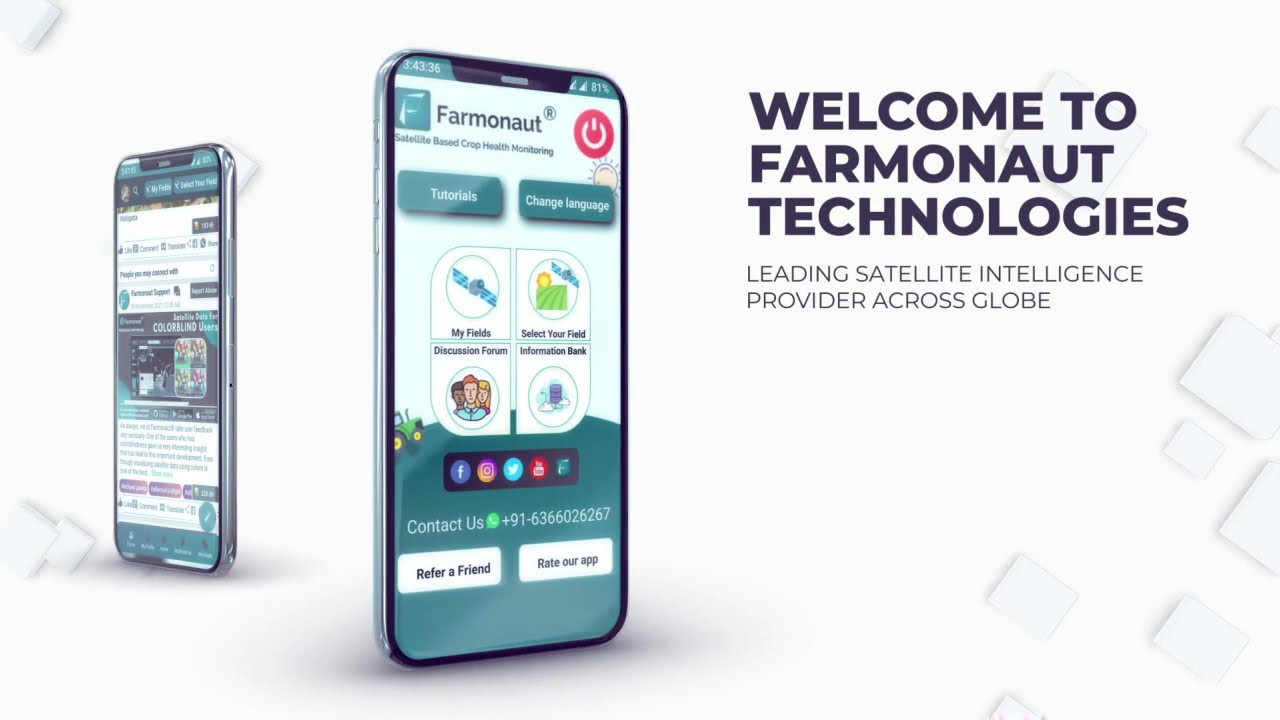
Did you know? By integrating carbon footprinting and environmental impact monitoring solutions, sustainable mining companies are actively tracking their emissions and regulatory compliance, paving the way for transparent and responsible operations.




Major Nickel Mining Companies Reshaping the Industry
As nickel’s pivotal role grows in high-nickel cathode battery chemistries, major nickel mining companies face the challenge of ramping up sustainable, low-carbon supply.
1. Vale SA (Brazil)
- Industry Leadership: Among the world’s largest nickel miners, operating both laterite and sulfide deposits in Brazil, Canada, and New Caledonia.
- 2026 Innovation: Expansion of high-pressure acid leach (HPAL) technology and upgraded refining for battery-grade nickel sulfate production.
- Sustainability Focus: Major efforts to reduce carbon emissions in both mining and refining, integrating renewable energy into process flows.
- Global Supply Chain: Key supplier for worldwide EV and battery markets as demand outpaces traditional uses.
2. BHP Group (Australia)
- Operations: Large-scale nickel mining in Western Australia, with integrated refining and shipping infrastructure supporting rapid export to Asia and Europe.
- 2026 Innovations: Automated fleet management and AI-driven ore grade optimization, pushing efficiency and resource yields.
- Sustainability: BHP’s fleet management solutions and electrification of mining trucks underscore its sustainability push.
- Market Position: Among the leading nickel companies meeting rising battery-grade nickel demand for EVs.
3. Norilsk Nickel (Russia)
- Resources: Controls some of the world’s largest nickel and palladium reserves, essential to the critical mineral supply chain.
- 2026 Innovations: Implementing closed-loop water recycling, advanced smelting for reduced emissions, and increased investment in digital environmental monitoring.
- Global Importance: Leading supplier to both China and Europe, with mining projects stretching across Taimyr Peninsula and Murmansk.
- Sustainability: Progressive transition to cleaner processing technologies amid heightened environmental scrutiny.
Other Emerging Players to Watch
- Sumitomo Metal Mining (Japan): Expanding HPAL projects in the Philippines to supply the surging Asian battery industry.
- Nickel Asia (Philippines): Investing in sustainable laterite mining and next-generation processing facilities.
- Jinchuan Group (China): Integrating nickel supply with downstream battery manufacturing.
“Nickel mining innovations could boost recycled nickel content in batteries by 28% worldwide by 2025, industry data indicates.”
Technology & Sustainability Trends Among Lithium and Nickel Mining Companies
Technological innovation is now the defining feature of lithium and nickel mining companies positioned for 2025, 2026, and beyond. These advances target both environmental resilience and operational efficiency.
-
Direct Lithium Extraction (DLE):
- Allows for higher lithium recovery from brine with reduced water usage
- Decreases footprint compared to conventional evaporation ponds
- Adoption by Albemarle Corporation and SQM sets an industry standard for future projects
-
Digitization, AI & Automation:
- Companies now use satellite-based monitoring, AI-driven ore prediction, and autonomous drilling to optimize both lithium and nickel extraction
-
Environmental Impact Monitoring:
- Enhanced real-time tracking of water, emissions, and biodiversity—vital for regulatory compliance and corporate ESG goals
- Satellite-driven monitoring platforms, such as those offered by us at Farmonaut, are providing affordable, on-demand environmental tracking
-
Circular Economy & Battery Recycling:
- Recycling mined nickel and lithium from used batteries is becoming a major supply strategy, helping reduce mining pressure and close the materials loop
-
Geopolitical Supply Chain Diversification:
- Mining companies are investing in secondary and tertiary sources in Africa, North America, and Europe to create robust, resilient mineral supply chains
-
Blockchain-based Traceability:
- Blockchain-backed systems enhance trust and transparency in mineral supply chains. For further details, explore Farmonaut Traceability Solutions.


Comparative Table: Leading Lithium & Nickel Mining Companies (2026 Projections)
| Company Name | Headquarters | Primary Metal | 2026 Estimated Output (metric tons) | Notable 2026 Innovation / Technology | Sustainability Initiatives | Global Market Share (%) | Strategic Partnerships / Regions Served |
|---|---|---|---|---|---|---|---|
| Albemarle Corporation | United States | Lithium | 125,000* | DLE adoption, AI-powered resource modeling | Renewable energy; closed-loop water management | 20 | Australia, Chile, USA |
| SQM (Sociedad Química y Minera de Chile) | Chile | Lithium | 100,000* | Next-gen brine extraction; real-time aquifer monitoring | Sola-powered ponds; ISO-certified environmental practices | 17 | South America, Global |
| Tianqi Lithium | China | Lithium | 85,000* | AI-enhanced refining; vertical supply integration | Water recycling; low-impact extraction | 13 | China, Australia |
| Vale SA | Brazil | Nickel | 265,000* | HPAL expansion; innovative refining | Renewable energy; carbon reduction targets | 12 | Brazil, Canada, New Caledonia, Asia |
| BHP Group | Australia | Nickel | 230,000* | AI/Automation in mining; fleet electrification | Battery-powered equipment; emission reduction | 11 | Australia, Asia, Europe |
| Norilsk Nickel | Russia | Nickel | 215,000* | Water recycling; digital enviro monitoring | Eco-upgraded smelting; biodiversity focus | 10 | Russia, Europe, China |
| Ganfeng Lithium | China | Lithium | 75,000* | Recycling initiatives; urban battery mining | Closed-loop operations; battery recycling | 8 | China, Argentina, Global |
| Pilbara Minerals | Australia | Lithium | 62,000* | Downstream lithium hydroxide conversion | Low-impact mining; native land partnerships | 6 | Australia, Global |
*Estimated/Projected Output for 2026 (subject to change per market, investments, or regulatory shifts)
The Evolving Future: Green Energy, Batteries, and Raw Material Demand
As sustainable battery technologies take center stage, we are witnessing unprecedented pressure on lithium and nickel supply chains. EV manufacturers and energy storage system suppliers increasingly demand traceable, ethically sourced materials minimizing environmental impacts.
- New battery technologies (solid-state, high-Ni chemistries) are demanding even higher purity and processing capacity from mining companies
- Policy shifts: EU, US, and China mandate stronger ESG (environment, social, governance) compliance, carbon tracking, and resource traceability
- Market integration: Major lithium companies are entering battery recycling, forming ‘mine-to-battery’ closed-loop supply chains
- Geopolitical resilience: Companies are redefining sourcing strategies for supply chain security in light of trade tensions and raw material nationalism

In the next decade, the companies leading in technology, environmental accountability, and circular resource management will define the pace and ethos of global decarbonization.
Farmonaut: Satellite Technology Empowering Mining Innovation
The evolving landscape of lithium and nickel mining companies is deeply influenced by advanced technologies—and this is where satellite-driven insights, like those from our team at Farmonaut, make a real difference.
- Satellite-Based Monitoring: We empower companies with multispectral satellite imagery for mining site analysis. This enhances operational efficiency, identifies anomalies, tracks vegetation health post-extraction, and monitors structural integrity of mining infrastructure.
- AI Advisory Systems: Our Jeevn AI Advisory delivers real-time weather forecasts, extraction optimization, and sustainability compliance advisory based on satellite and geo-data analytics.
- Environmental Impact Monitoring: Farmonaut enables real-time tracking of emissions, carbon footprints, and water usage. Our solutions support mining companies in adhering to global decarbonization goals and regulatory frameworks.
- Resource Management & Digital Logistics: With our fleet management tools, companies optimize logistics, ensure safety, and maximize resource usage—even across vast, remote operations.
- Blockchain Traceability: By leveraging our blockchain-based product traceability, mining companies offer transparent and secure supply chains, building trust with battery and technology manufacturers worldwide.
Whether you’re managing a single site or a global resource network, our affordable, scalable solutions—available on web, Android, and iOS—bring satellite technology within reach for lithium and nickel industry leaders worldwide.

Developers and enterprises: Take advantage of our satellite data API and developer docs to integrate advanced insights into existing mining or logistics software. This opens new possibilities for automation, resource management, and environmental compliance.
Ready to transform your mining insights?
Download our app for seamless mobile monitoring and decision-making—
FAQs: Lithium & Nickel Mining Companies, Innovations, and Supply Chains
Q1. Who are the leading lithium companies in 2026?
Albemarle Corporation (USA), SQM (Chile), Tianqi Lithium (China), Ganfeng Lithium (China), and Pilbara Minerals (Australia) are widely recognized as the leading lithium companies with global reach and innovative manufacturing and extraction technologies.
Q2. Why are lithium and nickel critical for the green transition?
Both lithium and nickel are indispensable minerals for the manufacture of batteries that power electric vehicles and large-scale renewable energy storage systems, making them foundational for global decarbonization goals.
Q3. What sustainability practices are top lithium and nickel mining companies adopting?
They are transitioning to low-impact extraction (like DLE), recycled water systems, renewable-powered mining rigs, and blockchain traceability to minimize environmental harm while increasing transparency.
Q4. What role does technology play in future lithium and nickel supply?
Technology is central—AI, satellite monitoring, automation, and digitized supply chains help companies optimize output, reduce risks, and ensure environmental compliance, keeping pace with growing demand and regulatory pressure.
Q5. How does Farmonaut support the mineral extraction sector?
Farmonaut provides satellite-based mining site monitoring, carbon footprinting, traceability, and resource management tools—all designed to improve efficiency, reduce environmental impact, and enhance transparency for mining companies.
Q6. Where are the richest lithium and nickel deposits located?
The world’s richest lithium deposits are found in Australia (Greenbushes mine), Chile (Atacama), and Argentina for lithium brines. Nickel is primarily mined in Brazil, Russia, Australia, Canada, and the Philippines.
Q7. Are recycled materials impacting primary mining?
Yes. Battery recycling is supplementing raw mineral supply, boosting resource efficiency, and helping the industry move towards a circular, sustainable model.
Conclusion: Leading Lithium Companies Driving the Future of Sustainable Mining
As we enter 2026 and beyond, leading lithium and nickel mining companies—including Albemarle Corporation, SQM, Tianqi Lithium, Vale SA, BHP Group, and Norilsk Nickel—stand at the forefront of supplying essential raw materials for the world’s green transition. Their innovations in extraction technology, sustainability practices, and transparent supply chain management offer hope for an industry that must scale rapidly while facing growing environmental and geopolitical challenges.
The strategic importance of lithium and nickel will only grow as batteries become more prevalent in EVs, renewable energy storage, and global electrification systems. By embracing technology, sustainable practices, and end-to-end accountability, mining companies will shape not just the raw materials supply, but also the pace and ethics of humanity’s decarbonization journey.
For those seeking advanced, affordable solutions to monitor, optimize, and trace every step in mining operations, satellite-driven platforms like those offered by Farmonaut are emerging as key partners in the road to sustainable, data-driven resource management.
Ready to join the future of responsible mineral extraction?
Integrate Farmonaut’s satellite and AI-driven insights into your mining workflows via API & developer tools — and ensure your operations stay ahead in the ever-evolving world of lithium and nickel supply chains.
Discussion
Questions, corrections or field experience? Share them below. First-time comments are reviewed before they appear, and your email is never published.
No comments yet. Be the first to add a question or your experience.

 Jaunita Erss Ltd
 Almosi SARL
 SRK Consulting
 Berks Gold Limited
 Mwerezi Minerals Company Limited
 Mining SARL
 SenGold Invest SAS
 Sean Mining Limited
 NTS Group (Pty) Ltd
 Mine4Africa
 Lithspo Minerals Limited
 Tintina Mining Group
 Dalgety Minerals Pty Ltd
 Vortex Minerals Pty Ltd
 Faith At Work (Pty) Ltd
 Licence holder · Nigeria · Gold + lithium










