

Table of Contents
- Introduction: Rising Lithium Demand & Sustainable Solutions
- What is Lepidolite? Why is It Important?
- Trivia: Lepidolite’s Lithium Content
- Lepidico Mining & Lepidolite Lithium Mining in 2026: The Strategic Shift
- Exploring Mining & Extraction Techniques: 2026 Innovations
- Comparative Sustainability & Production Metrics Table
- Farmonaut Technology: Enabling Sustainable Lithium Mining Operations
- Economic & Strategic Importance in a Changing World
- Trivia: Lepidico Mining’s Waste Reduction
- Processing Advances: From Ore to Battery-Grade Lithium
- Environmental & Social Considerations in Mining
- Policy, Supply Chain, and the 2026 Lithium Landscape
- Outlook: Lepidico & Lepidolite Lithium Mining Beyond 2026
- Farmonaut’s Solutions & App Links
- FAQs
- Farmonaut Subscriptions
Lepidico Mining & Lepidolite Lithium Mining: 2026 Advances
Lepidico mining and lepidolite lithium mining stand at the forefront of the 2026 push towards a sustainable, renewable, and cleaner energy future. As global demand for lithium—the critical mineral powering electric vehicles (EVs), grid storage, and next-generation electronics—accelerates, the need for diversified, low-impact, and advanced extraction techniques becomes paramount.
This article explores the evolving role of lepidico and lepidolite mining in the lithium supply chain, focusing on sustainable mining operations, environmental considerations, and the technological innovations set to define the sector through 2026 and beyond.
What is Lepidolite? Why is It Important?
Lepidolite is a lithium-rich mica mineral commonly found within granite pegmatites and certain metamorphic rocks. Uniquely, lepidolite can contain up to 3.7% lithium (Li) by weight—and up to 4-5% lithium oxide (Li2O), making it a critical and sustainable resource for the future of energy storage and battery manufacturing. The global spotlight on lithium mining traditionally focused on spodumene and lithium-rich brine deposits in South America. However, lepidolite has emerged as a valuable alternative for several reasons:
- Diverse Supply: Lepidolite-bearing deposits are geographically diverse, located in multiple continents, helping to mitigate supply risks and criticality issues tied to limited-resource regions.
- Strategic Lithium Portfolio: With lithium demand forecasted to grow exponentially—driven primarily by EVs, portable electronics, and grid storage—nations seek to diversify lithium sources and reduce dependence on brine or single-region supply chains in 2025 and beyond.
- Eco-Conscious Demand: Growing attention within the sector towards greener, sustainable extraction techniques positions lepidico mining and lepidolite lithium mining as pivotal players in the evolving battery and advanced technology landscape.
Unlocking a Greener Energy Future: The Role of Lepidico & Lepidolite
The importance of lepidolite lithium mining lies in its potential to unlock sustainable resources for a greener future. By offering a stable, local supply of lithium, countries and companies can secure their battery supply chain, make their energy transitions more resilient, and support rural regional development—all while reducing environmental impact compared to some legacy mining methods.

Lepidico Mining & Lepidolite Lithium Mining in 2026: The Strategic Shift
With global electrification and the push towards advanced technologies, lithium is set to remain one of the world’s most sought-after critical minerals well into 2026. Lepidico mining and lepidolite lithium mining are at the center of this transformation, as they address both resource scarcity and geopolitical pressure points in the global lithium supply chain.
- Geopolitical Mitigation: Geographically diverse lepidolite deposits present in Australia, Brazil, Russia, and Africa, help to reduce dependency on brine sources from South America and spodumene in Australia/China, thereby stabilizing global supply.
- 2026 Advances: Companies such as Lepidico Ltd have pioneered new hydrometallurgical processing techniques unlocking lithium extraction from low-grade mica ores like lepidolite, dramatically reducing energy consumption and by-product waste.
- Ecological Imperative: Environmental considerations and sustainable mining practices are now integrated at every stage, further reinforced by stricter regulations and consumer-driven ESG (Environmental, Social, and Governance) standards.
How Lepidico Mining Differs from Traditional Lithium Sources
While spodumene mining and extraction from lithium-rich brine remain dominant, these approaches face hurdles such as water scarcity, high CO2 footprint, and complex waste management. Lepidico mining and the lepidolite lithium mining process, thanks to technological innovations through 2025 and 2026, minimize waste, lower chemical requirements, and delegate production closer to demand centers.

Exploring Mining & Extraction Techniques: 2026 Innovations
Modern lepidico mining and lepidolite lithium mining employ numerous extraction and processing techniques designed to meet both economic and environmental demands. Below, we detail these approaches and highlight the technological progress made toward sustainable lithium extraction through 2026.
1. Mining Methods: Open-Pit & Underground Extraction
- Pegmatite Deposits: Lepidolite is typically found in granite pegmatites—crystalline rocks formed through the cooling of granitic magma. Extraction commonly involves open-pit mining for near-surface deposits and underground methods for deeper veins, depending on depth and deposit configuration.
- Selective Mining: Focused extraction minimizes waste and environmental impacts, while also allowing for more efficient ore recovery and selective targeting of high-grade zones.
2. Processing Methods: Hydrometallurgical & Pyrometallurgical Advances
- Roasting Step: Lepidolite processing typically includes a roasting step where the lithium-mica ore is treated with sulfuric acid. This involves converting lithium aluminosilicates into leachable lithium sulfate, which can then be separated and purified.
- Hydrometallurgical Extraction: Post-roasting, the ore undergoes leaching in water to extract lithium sulfate. Modern plants utilize solvent extraction, ion-exchange resins, and membrane technologies to recover lithium compounds to >99.5% battery-grade purity.
- Direct Purification: Newer technological innovations lower chemical and water consumption in the purification process, curtailing environmental impact while improving lithium recovery rates and consistency.
Key Advantages Over Brine and Spodumene Extraction
- Lower Water Requirements: Unlike brine operations in arid regions (e.g., South America’s “Lithium Triangle”), processing lepidolite in certain regions may require less water, reducing pressure on local aquifers.
- Reduced Chemical Footprint: Advanced lepidolite processing strategies minimize the use of caustic reagents and optimize acid handling, leading to safer waste management and lower emissions.
- 5x Faster Extraction Timeline: Compared to “solar evaporation from brines” (often taking 12–24 months for lithium recovery), lepidolite processing can yield usable lithium compounds in weeks.
- Greater Geographical Diversification: Spodumene and brine extraction are centralized in certain regions. Lepidolite extends the lithium supply chain to new countries and continents, improving resilience to supply shocks.

2026 Technological Innovations in Lepidico Mining
- Integration of AI & Satellite-Based Monitoring: The mining sector in 2026 leverages advanced monitoring tools and remote sensing (see Farmonaut section below) to map ore bodies, monitor resource use, and optimize operational efficiency.
- Automated Mineral Sorting: AI-driven systems and sensor-based sorting reduce human error, increase recovery rates, and lower the environmental impact of waste rock disposal.
- Closed-Loop Water Management: Innovative circuits recycle process water, minimizing water withdrawal and discharge, essential for sustainable operations in water-scarce regions.
- Improved By-product Valorization: Extraction of secondary elements (e.g., potassium, rubidium, tantalum) from lepidolite tailings increases total resource utilization and reduces waste.
Challenges and Limitations
Despite these advances, challenges remain:
- Lower Ore Grades: Lepidolite grades are generally lower than major spodumene deposits, impacting economics and requiring efficient extraction techniques.
- Processing Complexity: Multiple steps for lithium recovery (roasting, leaching, purification) and handling of reagents mean stringent safety protocols are required.
- Waste Management: Careful handling of leach residues and ensuring non-hazardous disposal are key environmental concerns.

Comparative Sustainability & Production Metrics Table
Below is a comparative table showcasing key metrics for different lithium mining and processing methods, emphasizing sustainability, environmental impact, and production efficiency for decision-makers and eco-conscious stakeholders in 2026.
*Estimated values derived from benchmark studies and public sustainability reports. Environmental Impact Score factors water, energy, emissions, and biodiversity risk.
Farmonaut Technology: Enabling Sustainable Lithium Mining Operations
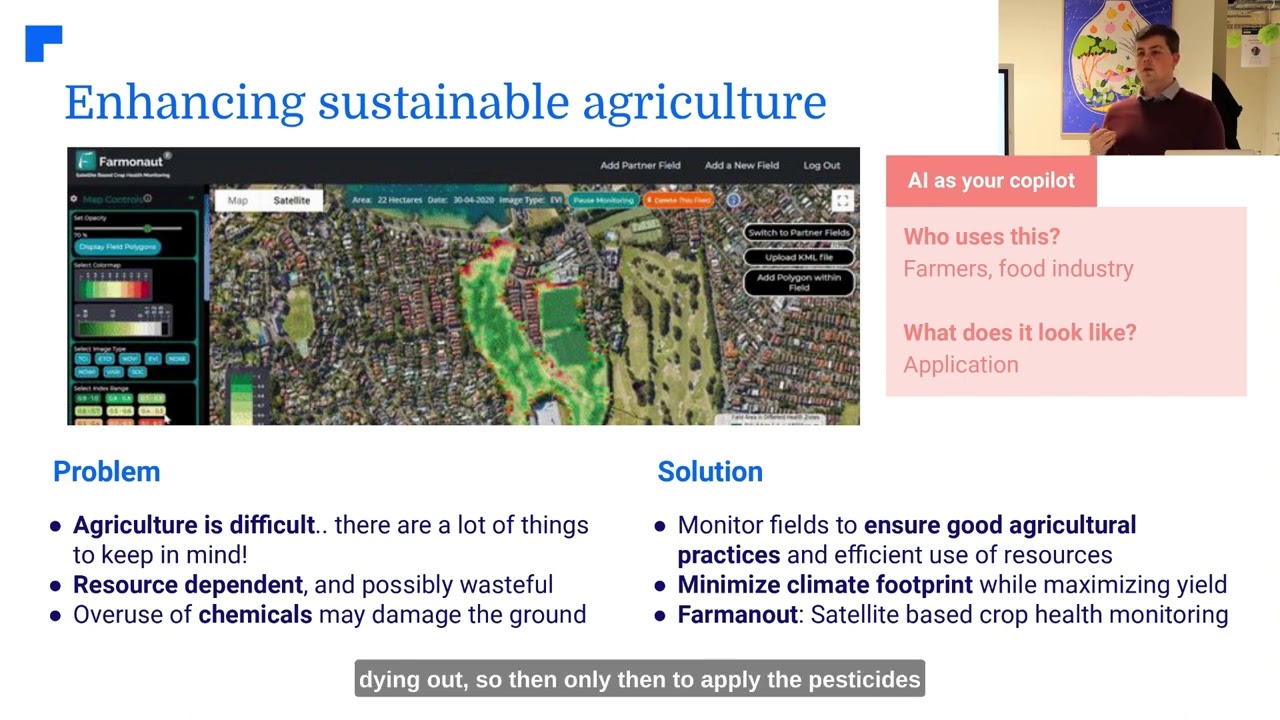
As the mining sector embraces data-driven operations, satellite technology has become indispensable for monitoring, compliance, and planning. We at Farmonaut empower companies engaged in lepidico mining and lepidolite lithium mining with the following sustainable digital solutions:
-
Satellite-Based Monitoring & Mapping:
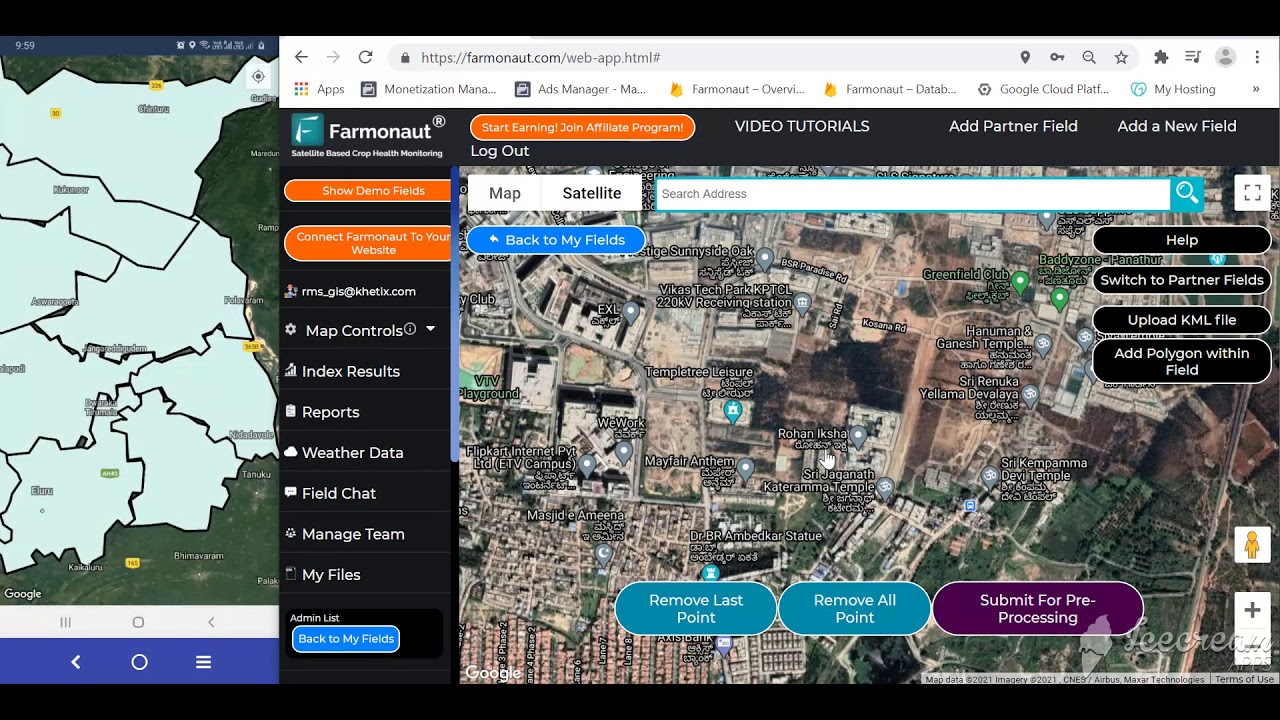
Our platform combines multispectral satellite imagery with AI analytics for real-time analysis of mineral deposits, vegetation health, water use, and structural changes on mining sites—crucial for risk and resource management. -
AI-Driven Advisory Systems:
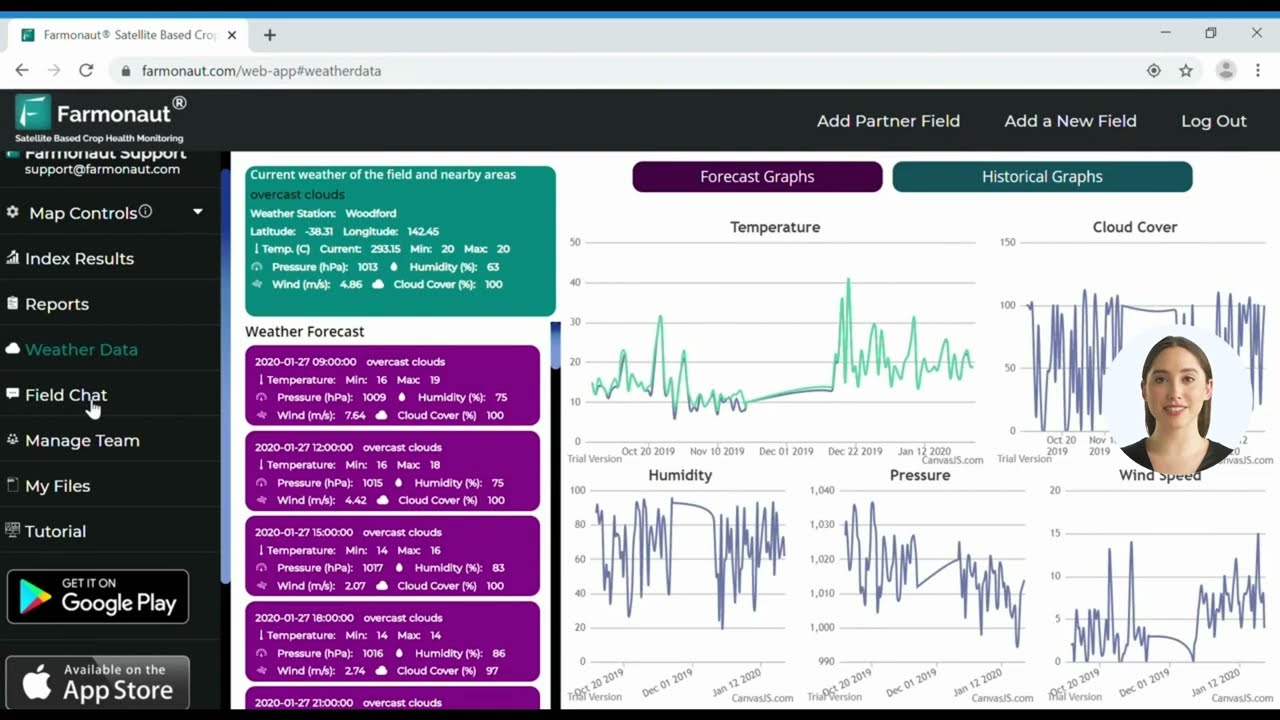
The Jeevn AI tool delivers operational strategies, weather forecasts, and tailored advisories to improve productivity and minimize disruption for lithium mining operations. Automated insights help optimize everything from extraction scheduling to chemical management. -
Blockchain-Based Traceability:
Our blockchain traceability solution guarantees authenticity and supply chain integrity for critical minerals like lithium. Stakeholders can track resources from deposit to end product, supporting sustainability claims and regulatory compliance. -
Fleet & Resource Management:
The Farmonaut Fleet Management suite reduces operational costs by optimizing logistics, vehicle use, and maintenance, ensuring equipment and resource efficiency. -
Environmental Impact Monitoring:
Our carbon footprinting tools allow mining stakeholders to monitor and report on their carbon emissions, resource utilization, and develop actionable strategies for improved sustainability. -
API Integration:
Businesses and developers can integrate Farmonaut’s real-time satellite insights via API for seamless workflow automation, resource management, and operational intelligence. Learn more in our Developer Docs.
Explore how satellite-driven intelligence supports efficient, sustainable mining in the era of evolving lithium technologies.

Economic & Strategic Importance in a Changing World
Lepidico mining and lepidolite lithium mining are not just about raw resource extraction; they’re also about economic opportunity, job creation, and enhancing strategic autonomy in the global chase for critical raw materials. Here’s why their economic potential is so significant in 2026:
- Stimulating Local Economies: Mining operations anchored in regions with abundant pegmatite deposits (like Western Australia, Minas Gerais in Brazil, and Russia’s Ural Mountains) create local employment and lead to infrastructure development.
- Diversifying National Portfolios: By exploiting lepidolite resources, countries can diversify lithium portfolios—reducing reliance on imports from brine-dominated markets and aiding the transition to a lithium-based energy economy.
- Supporting Supply Chain Security: Geopolitical tensions, trade restrictions, and criticality risks in 2025 and beyond make local lithium reserves a strategic asset for battery and electronics manufacturing.
- Driving the Next Generation of Technologies: Battery innovation—be it for EVs, portable electronics, or grid storage systems—depends on reliable access to high-grade lithium. Lepidolite mining, thus, underpins technological progress worldwide.
Key 2026 Trends Boosting Lepidico Mining
- Government Incentives: Policy frameworks increasingly incentivize green mining practices and the development of sustainable lithium extraction operations.
- Increased Investment: Companies and governments alike expand funding for new mines and processing plants (especially those deploying innovative hydrometallurgical processes).
- Integrated ESG Compliance: Investors and OEMs place a premium on traceable, low-impact minerals—putting lepidico mining at the heart of the evolving resource strategy.
Processing Advances: From Ore to Battery-Grade Lithium
Processing lepidolite into battery-grade lithium compounds involves a sophisticated, multi-stage journey that has evolved rapidly up to 2026. Here’s how the process typically unfolds:
- Ore Preparation: Lepidolite-bearing pegmatite is crushed, ground, and concentrated, removing gangue minerals and enhancing lithium feedstock quality.
- Thermal Treatment (Roasting): The concentrate is roasted with sulfuric acid, converting lithium into lithium sulfate (a water-soluble form) and breaking down aluminosilicates within the mica structure.
- Leaching: Roasted ore is leached with water at controlled temperatures and pH, freeing lithium sulfate for downstream recovery.
- Purification & Separation: Chemical and mechanical separation (e.g., solvent extraction, ion-exchange) removes impurities (alkalis, heavy metals) and yields high-purity lithium sulfate.
- Conversion to Usable Compounds: Purified lithium sulfate is processed into lithium carbonate or lithium hydroxide—both required for lithium-ion battery manufacturing.
- Waste & By-Product Management: All waste streams are treated (neutralized, filtered), with modern plants aiming to recycle water, recover secondary elements, and minimize landfill-bound residues.
Technological Breakthroughs in 2026
- Low-Acid Roasting Formulations: Reduced sulfuric acid consumption cuts both costs and chemical hazards during lepidolite processing.
- Direct Lithium Extraction (DLE): Emerging hydrometallurgical strategies selectively extract lithium from leach liquors, improving efficiency and lowering emissions.
- AI-Optimized Plant Operations: Real-time sensors, paired with intelligent software, enhance yield by adjusting process parameters for ore variability.
The net result is increased lithium recovery, lower CO2 emissions per tonne, and superior sustainability scores—key for investors and manufacturers prioritizing ESG criteria.
Environmental & Social Considerations in Lepidolite Lithium Mining
Sustainable development is a cornerstone of modern lithium mining. Lepidico mining and lepidolite lithium mining must confront several environmental challenges, but 2026 heralds positive trends:
- Water Conservation: Greater reliance on closed-loop water recycling and reduced freshwater intake, critical for regions facing drought or already strained aquifers.
- Emissions Management: Lower greenhouse gas emissions are achieved through energy-efficient roasting and cleaner process chemistry.
- Biodiversity Protection: Baseline environmental monitoring and progressive site rehabilitation limit habitat loss and mitigate long-term ecological risks.
- Waste Management: Advanced waste processing (neutralization, encapsulation) ensures safe disposal of tailings and chemicals, minimizing contamination.
- Social License to Operate: Meaningful engagement with local and Indigenous communities enables collaborative management, transparent benefit-sharing, and respect for cultural heritage.
The sector’s shift toward accountability is further strengthened by the use of blockchain-based traceability platforms (see Farmonaut’s Traceability Tools) and rigorous carbon footprint reporting (Farmonaut Carbon Footprinting).
Policy, Supply Chain, and the 2026 Lithium Landscape
Sustainable lithium mining in 2026 is not just about extracting ore—it’s increasingly a function of robust policy, transparent supply chains, and the ability to verify ESG credentials.
- Supply Chain Transparency: Stakeholder pressure—right up to major EV, electronics, and battery manufacturers—mandates verifiable, low-impact lithium sourcing. Digital platforms that integrate blockchain-based product traceability are fundamental for compliance and credibility.
- Regulatory Rigor: Updated mining codes require real-time environmental monitoring, public disclosure of impact metrics, and ongoing reporting of carbon, water, and waste footprints.
- ESG Reporting: Since 2025, most large companies are required to track environmental and social indicators as part of quarterly/annual reporting. Solutions like our carbon footprint management tools make this process seamless and auditable.
- Resilience to Geopolitical Shocks: Increasing local production capacity using lepidolite deposits insulates economies from trade disputes and climate-induced disruptions in traditional resource zones.
Outlook: Lepidico & Lepidolite Lithium Mining Beyond 2026
The next decade will see lepidico mining, lepidolite lithium mining, and allied sustainable extraction technologies play an ever-larger role in global energy security and climate solutions. Key predictions include:
- Exponential Demand Growth: The number of EVs and grid storage installations is expected to triple by 2030, amplifying the need for diversified and sustainable lithium sources.
- Continuous Technological Innovation: Future advances in process chemistry, remote sensing, and digital resource management (such as Farmonaut’s satellite solutions) will further reduce environmental impacts and improve economic viability.
- Sustainability as Standard: ESG-aligned practices—ranging from environmental stewardship to community engagement and digital transparency—will differentiate successful lithium mining operations from laggards.
- Regulatory & Policy Evolution: Increasing regulatory scrutiny and performance standards will drive ongoing process improvements and greater industry accountability.
- Integration with Clean Energy Systems: Lepidico and lepidolite mining will become fundamental links in decarbonized energy, transport, and technology supply chains.
Conclusion: Lepidolite Lithium Mining for a Cleaner Tomorrow
The transformation of lepidico mining and lepidolite lithium mining from niche alternatives into mainstream solutions represents a bold step towards a more sustainable, secure, and technologically advanced future. By harnessing advanced extraction techniques, responsible environmental management, and digital supply chain transparency, these sectors are uniquely positioned to meet global lithium demand—powering the next generation of electric vehicles, grid storage, and portable electronics for decades to come.
Farmonaut’s Solutions & Direct App Access
Access Farmonaut’s suite of satellite-powered solutions for real-time mining insights, resource tracking, and environmental compliance:



Discover features that support sustainable mining, improve environmental oversight, and enable digital traceability on a global scale.
Other Key Product Links
- Carbon Footprinting – Track and reduce your mining operations’ carbon outputs in line with the latest environmental standards.
- Product Traceability – Achieve end-to-end blockchain traceability, proving sustainable sourcing of critical minerals such as lithium in today’s audits.
- Fleet Management Solutions – Ensure logistics and mobile asset tracking for mining and resource extraction entities are optimized and accountable.
- Farmonaut Satellite API – Integrate real-time data streams directly into enterprise mining platforms and supply chain solutions. See our API Developer Docs for more details!
Frequently Asked Questions (FAQ)
What is lepidico mining?
Lepidico mining refers to the extraction of lithium from lepidolite, a lithium-rich mica mineral. The process involves mining, thermal and chemical processing, and purification to produce battery-grade lithium for energy storage and advanced electronics.
Why is lepidolite considered a sustainable resource for lithium?
Lepidolite is globally distributed, reduces reliance on brine and spodumene, and can be processed using advanced hydrometallurgical techniques producing fewer emissions and requiring less water. This sustainability appeal is amplified as technologies continue to evolve through 2026 and beyond.
How do the environmental impacts of lepidiko mining compare to brine and spodumene extraction?
Lepidico and innovative lepidolite mining methods generally use less water and produce lower emissions than traditional brine extraction, especially when employing closed-loop systems and AI-driven process optimization. Advances in waste and water management further minimize long-term environmental harm.
What is the role of satellite technology in modern lithium mining?
Satellite technology (like Farmonaut’s platform) enables real-time monitoring of resource use, environmental impact, site changes, and logistical operations, helping mining companies optimize extraction strategies, comply with regulations, and report on ESG performance.
How are blockchain and digital traceability used in the lithium supply chain?
Blockchain-based traceability tracks lithium from mine to final product, ensuring transparency, authenticity, and compliance with increasingly strict international and corporate ESG standards.
Farmonaut Subscriptions
Summary: Lepidolite Lithium Mining — Unlocking Sustainable Resources for a Greener Future
Lepidolite lithium mining, alongside advanced Lepidico mining processes, is unlocking new, sustainable, and eco-resilient pathways for meeting the world’s surging lithium demands in 2026 and beyond. As nations strive to electrify transport, modernize grids, and power cutting-edge electronics, the diversification and responsible management of lithium resources become increasingly vital. With the aid of satellite-based platforms like Farmonaut, mining companies benefit from real-time resource monitoring, environmental compliance, carbon tracking, and digital traceability—driving both productivity and planetary stewardship. The convergence of innovation, transparency, and sustainability in lepicolite and lepidico mining not only secures a stable lithium supply chain but also upholds the environmental goals integral to a greener, cleaner global economy.
Discussion
Questions, corrections or field experience? Share them below. First-time comments are reviewed before they appear, and your email is never published.
No comments yet. Be the first to add a question or your experience.

 Sahara Mining
 Sean Mining Limited
 NTS Group (Pty) Ltd
 Mine4Africa
 Lithspo Minerals Limited
 Tintina Mining Group
 Dalgety Minerals Pty Ltd
 Vortex Minerals Pty Ltd
 Faith At Work (Pty) Ltd
 Geotech Mining Solutions plc
 Vulcan International Limited
 Kidepo Associates
 GKY Mining
 Alkimy SARL
 Double A Trading
 GemSprout Metals Limited
 Qader Group
 Ileys General Trading
 SG Gold Mining LLC
 VRV Global Pte Ltd
 Omsri International FZE
 G.I.T.T.
 Jaunita Erss Ltd
 SRK Consulting
 Berks Gold Limited
