

Lithium Open Pit Mine 2026: Sustainable Advances
Lithium Open Pit Mining: A Critical Pillar for the Future of Sustainable Energy and Industry
Table of Contents
- Introduction
- Trivia: Recycled Water & Green Innovations
- Lithium Open Pit Mine: An Overview
- Why Lithium Open Pit Mining Is a Cornerstone for Clean Energy Industries
- Traditional vs. Sustainable Lithium Open Pit Mining: A 2026 Comparison
- Operational Aspects and Technological Innovations in Lithium Open Pit Mine
- Environmental and Social Factors in Lithium Open Pit Mining
- Global Regions and Localized Impacts
- Open Pit Diamond Mine vs. Lithium: Methods and Impact
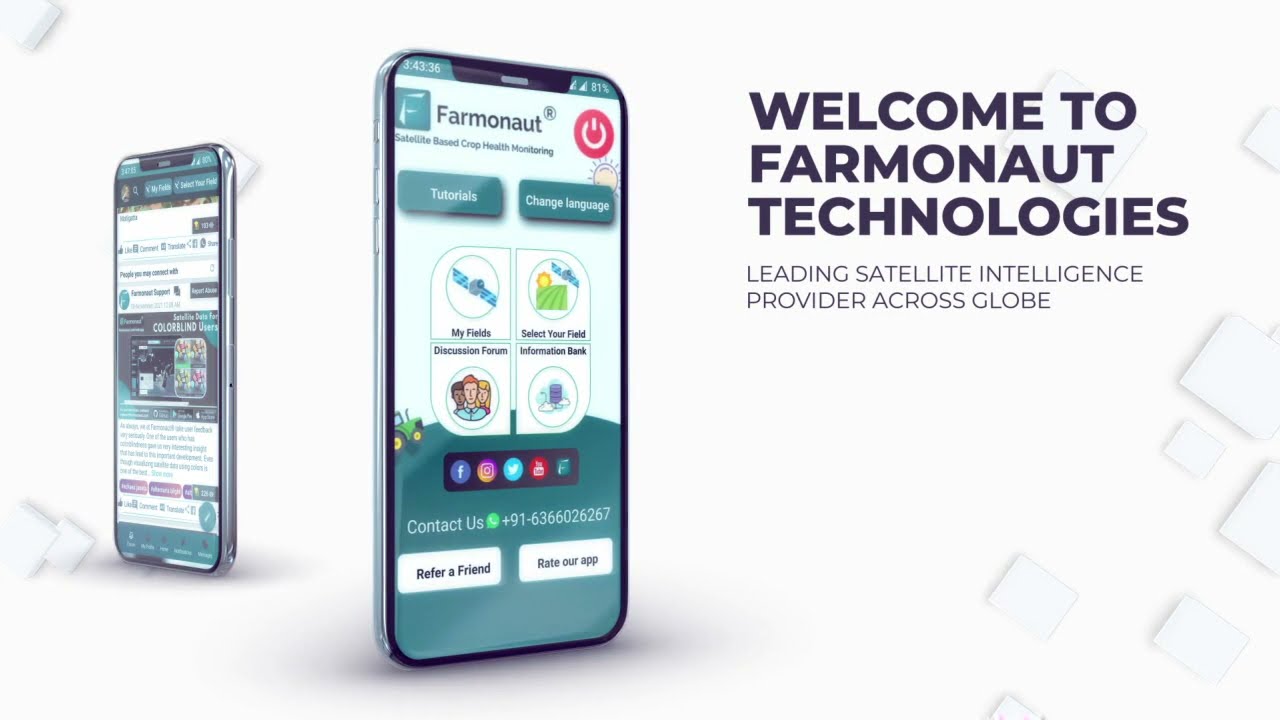
- The Role of Satellite Technology: Farmonaut’s Solutions for Sustainable Mining
- A Look Ahead: The Future of Lithium Open Pit Mining in 2026 & Beyond
- Frequently Asked Questions
Introduction
In the rapidly evolving landscape of sustainable energy, the lithium open pit mine has emerged as an indispensable pillar for the future of clean power and technology. As the global demand for batteries powering electric vehicles (EVs), renewable storage systems, and portable electronic devices accelerates, lithium mining is shaping industries and introducing new challenges that require innovative management and green adoption.
One proposed US project, and what it means for the surrounding state, is examined in the Rhyolite Ridge lithium mine.
2025 and beyond signal an era where lithium open pit mines become the backbone of a sustainable and electrified economy. However, with great opportunities come significant environmental and social challenges that must be balanced through technological innovations, responsible practices, and transparency.
This blog dives deep into the future of lithium open pit mine operations, examining how extraction, environmental impact, and community welfare can intersect favorably for a greener tomorrow.



Lithium Open Pit Mine: An Overview
Lithium extraction is unlike traditional underground mining. An open pit mine involves removing vast amounts of soil and rock to access lithium-rich ore deposits located relatively close to the surface. This method is widely used in regions such as the Lithium Triangle of South America—across Argentina, Bolivia, and Chile—as well as in Australia and the United States.
Most lithium open pit mines in 2025-2026 will focus on hard rock deposits containing spodumene, a lithium-rich mineral essential to the manufacture of batteries used in EVs, grid-scale renewable storage systems, and portable devices.
- Advantages:
- Efficient access to ore bodies and large-scale extraction
- Lower operational costs compared to underground methods
- Key Challenges:
- Significant environmental footprint, including landscape alteration and habitat disruption
- High water consumption and need for effective management
- Requirement for responsible rehabilitation practices
Lithium’s role as a cornerstone mineral in battery technology underscores not just its critical importance, but also the responsibility to mine it sustainably.

Why Lithium Open Pit Mining Is a Cornerstone for Clean Energy Industries
The lithium open pit mine stands at the epicenter of the global shift toward sustainable energy solutions. By 2026, lithium will be even more recognized as:
- A vital enabler of clean energy transitions: It is the primary mineral powering rechargeable batteries, grid storage systems, and the exponential growth in EVs.
- A critical supply chain node: The availability and scalability of lithium extraction directly shape the future of energy industries and multiple sectors worldwide.
- A driver of local and global development: The expansion of lithium open pit mines is influencing infrastructure development, job creation, and innovation in mining regions globally, especially in Argentina, Chile, Bolivia, Australia, and the US.
Yet, this rising demand introduces significant operational and environmental challenges—from water management and habitat disruption to waste recycling and community engagement—necessitating sustainable innovations across the board.
Balanced solutions that combine technological advancement with community involvement and environmental stewardship are indispensable for the sector.
For lithium open pit mines aiming to achieve reduced carbon emissions and environmental compliance, exploring Farmonaut’s Carbon Footprinting Solutions can offer actionable data and real-time monitoring, supporting both operational efficiency and sustainability.
Traditional vs. Sustainable Lithium Open Pit Mining: A 2026 Comparison
To contextualize the evolution of lithium extraction, consider the following table which compares traditional and modern, sustainable mining practices for lithium open pit mines, emphasizing environmental strategies and efficiency.
| Aspect | Traditional Mining | Sustainable Practices (2026) | Potential Environmental Benefit |
|---|---|---|---|
| Water Usage | High consumption (up to 2,500 m³/tonne Li2CO3); minimal recycling | Closed-loop recycling; up to 60% water reuse; smart monitoring | ~30% reduction in water usage; mitigated local water stress |
| Energy Consumption | Fossil fuel-powered machinery; low efficiency | Hybrid/electric fleets; on-site renewables and smart grid integration | 20-25% reduction in energy-related emissions |
| GHG Emissions | High carbon footprint per tonne of lithium produced | Carbon tracking, offsets, electrified processing | Up to 20% lower CO2 equivalent emissions |
| Land Disturbance | Extensive landscape alteration; slow reclamation | Progressive rehabilitation; concurrent reclamation; buffer zones | Faster ecosystem recovery; less biodiversity loss |
| Reclamation Methods | Delayed reclamation; basic soil replacement | AI-driven restoration plans; satellite monitoring; local flora/fauna re-integration | Enhanced restoration quality; community trust |
| Waste Management | Open tailings; low recycling | Dry stacking; filtered tailings; circular processing | Lower leachate risk; minimized waste output |
| Community Involvement | Minimal consultative process | Transparent social license; benefit sharing; local employment | Reduced conflicts; social sustainability |
| Use of Technology | Manual operation; basic GPS tracking | Real-time satellite, AI fleet & resource management Learn about satellite-powered fleet management |
Optimized logistics, safety, reduced operational costs |
| Traceability | Limited; paper-based | Blockchain-based traceability across supply chain Explore traceability solutions here |
Supply chain security; consumer & regulatory trust |
Operational Aspects and Technological Innovations in Lithium Open Pit Mine
Machinery, Automation, and Mineral Extraction
By 2026, operational aspects of lithium open pit mining are characterized by:
- Heavy Machinery: High-capacity hydraulic excavators, haul trucks, and drilling rigs now employ advanced sensors and automated controls for optimized productivity.
- Automation & Remote Operation: The integration of automation—including real-time satellite management and AI advisory systems—reduces risk to human workers while enhancing extraction precision and efficiency.
-
Innovative Ore Processing Techniques:
- Flotation and dense media separation boost recovery rates from lower-grade ores, making more deposits economically viable.
- Hydrometallurgical advances enable cleaner separation and reduced chemical use.
These technological innovations not only maximize ore recovery but also reduce the environmental footprint of the lithium open pit mine.

A strong trend in 2025 and onward is the use of satellite and AI resources for real-time environmental and geological monitoring. This shift enables precise, data-driven decision-making in day-to-day pit operations and long-term planning.
The Role of Fleet and Resource Management in Mining
Optimal fleet and resource management is critical for all modern lithium open pit mines. Satellite-based fleet tracking helps:
- Monitor vehicle movements and optimize extraction logistics
- Minimize idling and reduce energy consumption
- Support safety and ensure best-practices in hazardous work environments
Discover how satellite technology can streamline these processes for lithium mining operations on the Fleet Management product page.

Environmental and Social Factors in Lithium Open Pit Mining
Water Management and Local Impact
In arid mining regions, such as northern Chile and Argentina, water management becomes the most pressing environmental challenge. High volumes of water are required for ore processing and dust suppression in open pit operations. The lithium sector now invests in:
- Water recycling systems capable of achieving up to 60% reuse rates by 2026
- Smart leak detection using AI and satellite data
- Alternative extraction methods, such as brine evaporation (where geology allows), to reduce stress on local water sources
The environmental impact monitoring tools from Farmonaut provide mining operators with real-time data for managing water consumption, carbon emissions, and regulatory compliance—bolstering both operational and social sustainability.
Biodiversity, Land Rehabilitation, and Community Engagement
- Biodiversity and Habitat Restoration: Lithium open pit mines in 2026 are expected to embed detailed environmental impact assessments into project planning. Progressive rehabilitation of mined land, sometimes conducted concurrently with ore extraction, ensures that native flora and fauna are protected and re-integrated post-extraction.
- Land Rehabilitation: Modern mines use AI and satellite monitoring to track land recovery, soil health, and ecosystem dynamics. This ensures responsible project closure and supports future land use.
-
Social Practices and Local Community:
- Obtaining and maintaining a social license to operate is central. Benefit-sharing agreements, open communication, and mutually beneficial projects build trust with indigenous and regional communities.
- Transparency in planning and regular feedback mechanisms keep operations accountable and socially responsible.
Blockchain traceability in lithium mining supply chains, aided by platforms like Farmonaut’s Traceability Solutions, ensures transparency and trust from mine to market, promoting environmental and social credibility.

Global Regions and Localized Impacts in Lithium Open Pit Mines
Some regions have become synonymous with lithium open pit mine activity. The Lithium Triangle in South America (Argentina, Bolivia, and Chile) remains the largest hub for open pit lithium extraction, while Australia and the United States rapidly expand their production.
Each region faces unique environmental and social challenges based on:
- Arid climate, water scarcity, and local community needs (South America)
- Biodiversity hotspots and indigenous land rights (Australia)
- Strict environmental regulations and technology integration (United States)
By adopting modern, sustainable mining practices, global industry leaders seek to minimize their ecological footprint while supporting local economic and social growth.
An important tool for regional adaptation is satellite-driven monitoring. We at Farmonaut provide localized support through satellite & AI-enabled advisory tools for mining resource management and impact tracking, tailored to specific geographies and regulations.
To see how regional data and tailored insights accelerate mining efficiency at scale, explore our large scale field monitoring platform.
Open Pit Diamond Mine vs. Lithium: Methods and Impact
At first glance, both open pit diamond mines and lithium open pit mines may seem alike—they’re both large, surface-based extraction operations. However, their purpose, extraction methods, and environmental impact differ notably:
-
Open Pit Diamond Mine:
- Located in regions such as Russia (Mirny), Canada (Ekati), and southern Africa
- Targets deep-seated kimberlite or lamproite pipes, often leading to deeper pits and more complex underground expansions
- Focuses on precious gemstones rather than industrial minerals
- Challenges in eco-restoration due to significant depth and isolated ecosystem impact
-
Lithium Open Pit Mine:
- Targets widely dispersed, surface or near-surface lithium-rich formations
- Pit design is typically broader but shallower compared to diamond mines
- Driven by escalating global demand for sustainable energy storage rather than rare luxury goods
- Centers sustainability efforts on water conservation, habitat preservation, and rapid land rehabilitation
While the diamond industry’s focus is on value-added processing and brand integrity, lithium mining stands as a keystone in the global transition toward clean energy and electrification—making regulatory scrutiny, sustainability measures, and supply chain transparency even more critical.
Learn more about innovations reducing environmental impact and improving traceability through blockchain-based traceability platforms powering the mineral extraction sector.

The Role of Satellite Technology: Farmonaut’s Solutions for Sustainable Mining
As lithium open pit mine operations accelerate toward sustainability in 2026 and beyond, satellite technology is at the heart of smart, green, and scalable management. We at Farmonaut provide a unique suite of satellite-driven services supporting every aspect of lithium mining:
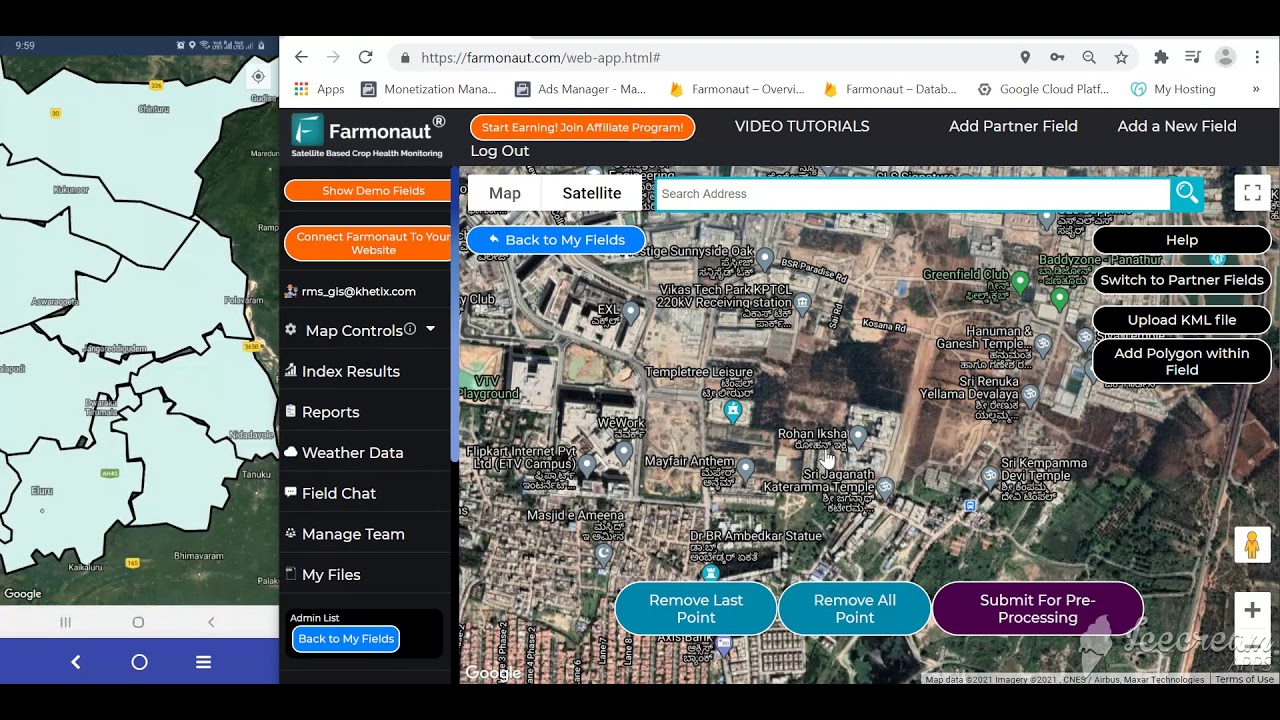
- Resource & Environmental Monitoring: Satellite imagery and AI analytics deliver insights into ore extraction efficiency, vehicle movement, soil conditions, and environmental impact. This empowers mining operators to optimize output and reduce their operational footprint.
- AI Advisory & Automation: Our Jeevn AI Advisory System interprets live data to help miners make smarter, faster decisions—improving productivity while minimizing risk.
- Carbon and Water Impact Tracking: Real-time carbon footprinting and water resource analysis allow full lifecycle compliance tracking and help mines meet regulatory standards for emissions and consumption.
- Supply Chain Traceability: Blockchain-integrated traceability enables end-to-end tracking of lithium from pit to battery, boosting trust and accountability. Learn more at our Product Traceability page.
- Fleet, Resource & Financial Optimization: Satellite-based logistics (fleet management tools) and API integrations (Explore our API, API Docs) mean improved logistics, resource use, and access to mining finance via satellite-driven verification.
- Environmental Compliance: For comprehensive, regional-scale mining oversight, large scale management platforms support regulators and enterprises in tracking reclamation and environmental health.
In the journey toward a sustainable lithium open pit mine industry, our mission is to make real-time data, environmental stewardship, and compliance accessible for businesses, governments, and communities everywhere.

A Look Ahead: The Future of Lithium Open Pit Mining in 2026 & Beyond
The 2026 outlook for lithium open pit mine practices signals continued growth and transformation—driven by worldwide electrification, increasingly stringent regulations, and high expectations for environmental and social equity. Top trends include:
- Expansion of lithium mining in existing and emerging regions in South America (Argentina, Bolivia, Chile), Australia, and North America, shaped by advanced extraction technology and regional sustainability protocols.
- Growing emphasis on green mining protocols—lower carbon emissions, efficient resource use, enhanced recycling, and habitat restoration.
- Integration of circular economy principles—with lithium recycling from spent batteries gradually reducing reliance on primary ore extraction, extending material lifecycle, and supporting closed-loop industries.
- Deepened community engagement and regulatory cooperation—with transparent impact management, community-benefit initiatives, and indigenous rights recognition forming the backbone of sustainable practices.
- Technological acceleration—with digital twins, AI-driven geometallurgy, and satellite integration streamlining mining from pit planning to post-closure monitoring.
Ultimately, the lithium open pit mine sector emphasizes environmental responsibility not just as a regulatory necessity but as a strategic advantage for futureproofing industry growth and regional development.
We at Farmonaut are committed to supporting this transformation—democratizing satellite, AI, and blockchain technologies for mining operators, businesses, governments, and communities, so every lithium mine can become a pillar of clean technology and sustainability.
Ready to take mining management to the next level?
Frequently Asked Questions (FAQ): Lithium Open Pit Mine & Sustainability
-
What is a lithium open pit mine and how does it differ from other mining methods?
A lithium open pit mine involves extracting lithium-bearing ore from near the surface by removing vast amounts of soil and rock. Unlike underground mining, it uses large open pits for efficient access to ore bodies, usually at lower operational costs but with greater surface impact. -
Where are the world’s major lithium open pit mine sites located?
The majority are found in South America’s Lithium Triangle (Argentina, Bolivia, Chile), Australia, and the United States, each facing unique local environmental and social challenges. -
What environmental challenges do lithium open pit mines face?
Main concerns include high water consumption, landscape alteration, habitat disruption, greenhouse gas emissions, and tailings management. Addressing these via sustainable innovations is vital for the industry’s future. -
How are modern lithium open pit mines reducing their environmental impact in 2026?
Through water recycling (up to 60%), hybrid/electric machinery, carbon tracking and offsetting, progressive reclamation, AI-based site monitoring, and community engagement protocols. -
What’s the role of satellite technology in lithium mining?
Satellite-driven insights support operational efficiency, environmental compliance, AI advisory, fleet/resource management, traceability, and regulatory oversight—all essential for sustainable, large-scale mining. -
How can lithium mining operations improve supply chain traceability?
By integrating blockchain platforms for transparent record-keeping from pit to end-user, ensuring regulatory, community, and market trust, as provided by solutions like Farmonaut’s Product Traceability. -
Will lithium recycling lessen the reliance on open pit mining?
Yes. As lithium recycling technology matures, circular economy models are projected to gradually reduce the necessity for new primary mining, extending the resource lifecycle. -
How to access Farmonaut’s mining solutions?
Via web app, Android app, iOS app, and API for integration into existing mining, infrastructure, or sustainability workflows.
For more details, refer to our comprehensive satellite-based mining and sustainability resources.
Discussion
Questions, corrections or field experience? Share them below. First-time comments are reviewed before they appear, and your email is never published.
No comments yet. Be the first to add a question or your experience.

 Sahara Mining
 Sean Mining Limited
 NTS Group (Pty) Ltd
 Mine4Africa
 Lithspo Minerals Limited
 Tintina Mining Group
 Dalgety Minerals Pty Ltd
 Vortex Minerals Pty Ltd
 Faith At Work (Pty) Ltd
 Geotech Mining Solutions plc
 Vulcan International Limited
 Kidepo Associates
 GKY Mining
 Alkimy SARL
 Double A Trading
 GemSprout Metals Limited
 Qader Group
 Ileys General Trading
 SG Gold Mining LLC
 VRV Global Pte Ltd
 Omsri International FZE
 G.I.T.T.
 Jaunita Erss Ltd
 SRK Consulting
 Berks Gold Limited










