

Manganese Mining 2026: Powering Sustainable Global Growth
“Manganese demand for green technologies is projected to rise by 15% annually, driving sustainability in mining by 2026.”
Summary: Manganese Mining in 2026 – A Critical Pillar for Sustainable Industrial Growth
Manganese mining continues to hold paramount importance as the world advances into 2026—serving as a vital component across multiple industrial sectors including steel production, infrastructure, and emerging green technologies. Manganese ore, primarily extracted from specialized manganese ore mines worldwide, remains indispensable due to its unique properties that enhance the strength, durability, and corrosion resistance of steel—a material that forms the backbone of bridges, buildings, and transportation networks. As global focus intensifies on sustainable industrial growth and decarbonized economies, manganese mining companies are evolving to meet these demands while prioritizing environmental stewardship and technological innovation.
Our rapidly evolving industrial landscape calls for companies to leverage sustainable extraction methods, advanced data analytics, and real-time resource monitoring. This comprehensive guide explores the strategic, technological, and environmental dimensions of manganese mining in 2026, highlighting its indispensable role in powering sustainable global growth.
The Strategic Importance of Manganese Ore: Backbone of Industrial Development
Manganese mining stands as a critical pillar supporting the world’s infrastructure and industrial backbone. Manganese is an essential alloying element primarily used in steel production—it serves as a deoxidizer and desulfurizer, improving steel’s strength, durability, and corrosion resistance. Without manganese, steel manufacturing—and by extension, much of modern infrastructure—would lose its resilience.
Key Properties of Manganese That Enhance Industrial Growth
- Unique Strength & Durability: Manganese, when blended with iron, greatly enhances the overall quality and mechanical properties of steel alloys.
- Corrosion Resistance: Steels alloyed with manganese show improved performance in harsh environments, making these materials indispensable for large-scale infrastructure like bridges, transportation networks, and critical defense installations.
- Electrochemical Properties: In addition to steel production, manganese’s characteristics underpin innovations in green technologies, especially as a component of batteries for electric vehicles and renewable energy systems.
With approximately 90% of all extracted manganese ore utilized by the steel industry, the material’s central role in development, manufacturing, and infrastructure remains unchallenged. As countries accelerate efforts in sustainable infrastructure expansion and cleaner energy systems, demand for manganese mining continues to intensify.

Leading Manganese Mining Companies, Countries, and Global Reserves
The manganese mining industry is characterized by a small number of countries and companies that dominate both reserves and output. As of 2026, countries rich in manganese deposits—notably South Africa, Australia, Gabon, and Brazil—anchor the global supply chains.
Key Players in the Global Manganese Mining Sector
- South Africa: Holding the largest global reserves, South Africa is home to world-leading operations and manganese ore mines. Major manganese mining companies like South32 and Assmang play a strategic role in supplying both local and international demand. Their focus on integrating sustainable extraction and community-supported development is setting industry benchmarks.
- Australia: Known for its diversified portfolio, Australia’s companies—especially BHP and Tasmania Mines—consistently supply high-grade manganese ore to global markets. Emphasizing efficiency improvements and environmental impact reduction through innovations.
- Gabon: Gabon dominates the West African manganese supply, with large-scale mines and a government-supported focus on advancing sustainable mining operations.
- Brazil: Brazil’s sizable reserves and developing mining sector ensure it remains a crucial source of manganese, with mining companies investing heavily in advanced processing and logistics to optimize the supply chain.
Global Manganese Ore Mine Locations
- South Africa: Northern Cape (Kalahari Basin)
- Australia: Groote Eylandt, Northern Territory
- Gabon: Moanda region
- Brazil: Pará and Amapá states
Mining companies in these regions are increasingly adapting to trends in automation, real-time resource monitoring, and community-linked development—crucial as sector challenges evolve and the need to balance extraction rates with environmental sustainability grows.

Manganese Mining Methods & Technological Advancements
The adoption of advanced mining methods is a defining feature of leading manganese mining companies in 2026. As demand for high-quality manganese grows, the mining sector is undergoing a technological transformation across ore extraction, processing, and supply chain management.
Modern Manganese Extraction & Processing: Key Innovations
- Autonomous Mining Equipment: The deployment of self-driving extraction vehicles and loaders enables safe, efficient operations, especially in challenging terrains of South Africa and Australia.
- Real-Time Data Analytics: Mining companies increasingly leverage big data to optimize extraction rates, reduce operational costs, and minimize resource wastage. Sensors monitor ore grade and environmental metrics instantly.
- Remote Sensing & Imaging: The integration of satellite-based solutions allows ongoing monitoring of mines, infrastructure development, and environmental impacts. This is essential not only for operational efficiency but for compliance with growing regulatory demands.
- Advanced Processing Methods: New ore beneficiation techniques, including gravity separation, magnetic separation, and hydrometallurgical leaching, improve manganese recovery rates while reducing environmental footprints.
This convergence of technological advancements provides mining companies with the tools needed to lead in sustainability, efficiency, safety, and global competitiveness.



API Integrations: Developers and mining companies can access real-time satellite insights and integrate them into their systems using Farmonaut’s Mining API. Extensive documentation can be found at Farmonaut API Developer Docs.

Sustainability and Environmental Stewardship in Manganese Mining
Environmental responsibility is no longer optional—it is woven into the fabric of successful manganese mining companies worldwide. As regulations sharpen and corporate social expectations grow, companies are investing in sustainability initiatives across mining operations.
Key Sustainability Initiatives in Manganese Mining
- Land Rehabilitation: Mining companies are mandated to restore ecosystems post-extraction. This includes topsoil preservation and replanting native vegetation to reestablish biodiversity.
- Water Usage Reduction: New approaches to water recycling and closed-loop ore processing systems minimize freshwater consumption and contamination.
- Carbon Footprint Monitoring: Adoption of carbon footprinting tools allows companies to track and reduce greenhouse gas emissions, aligning with global climate targets and boosting supply chain transparency.
- Renewable Energy Integration: The use of on-site solar, wind, or hydropower in mining operations reduces reliance on fossil fuels, significantly minimizing direct and indirect operational emissions.
- Blockchain-Backed Traceability: Ensuring accountable sourcing of manganese products, fostering transparency and authenticity throughout the mining supply chain.
Leading mining companies like those in South Africa and Australia are leveraging these practices to establish themselves as true stewards of environmental and social progress.

“Over 60% of manganese mining operations are expected to adopt eco-friendly extraction methods by 2025.”
Comparative Sustainability Practices in Manganese Mining: Traditional vs. Sustainable Techniques (2023-2026)
| Mining Method | Estimated Annual Output (metric tons) |
Estimated Energy Consumption (kWh/ton) |
Estimated Water Use (liters/ton) |
Estimated Greenhouse Gas Emissions (kg CO₂e/ton) |
Environmental Impact Rating |
|---|---|---|---|---|---|
| Conventional Manganese Mining (2023 Baseline) |
19,000,000 | 480 | 2,000 | 860 | High |
| Emerging Sustainable Techniques (2025-2026 Estimate) |
21,500,000 | 340 | 1,200 | 460 | Moderate |
| Global Best Practices (2026 Vision) |
22,000,000 | 220 | 600 | 210 | Low |
Interpretation: Sustainable manganese mining methods are projected to increase annual output while significantly reducing both energy and water use, and greenhouse gas emissions. The trend is toward “Low” environmental impact as best practices become industry standards by 2026, reinforcing mining’s capacity for positive environmental and social contributions.
Economic & Social Impact: Communities and Workforce
Beyond environmental benefits, manganese mining operations have far-reaching social and economic impacts—especially for local communities in mining-rich countries like South Africa, Gabon, and Brazil.
Building Stronger Communities and Workforce Opportunities
- Job Creation: Mining companies are significant employers in regions otherwise lacking in economic opportunities, supporting skilled and semi-skilled jobs across operational, technical, and administrative spheres.
- Education & Training: Investment in education, upskilling, and apprenticeship programs ensures the workforce evolves with advancements in mining technology and sustainability requirements.
- Community Health, Safety & Infrastructure: New standards prioritize workforce safety and operational transparency, while mining companies actively participate in building public infrastructure, schools, and healthcare systems.
- Corporate Social Responsibility (CSR): CSR programs are increasingly integral—focusing on long-term welfare, stakeholder engagement, and transparent communication with local communities.
With these multi-dimensional impacts, manganese mining continues to strengthen resilient economies and help regions transition toward sustainable, future-ready societies.

Enabling Green Technologies & The Future of Energy: Manganese’s Expanding Roles
As the global transition toward green technologies and renewable energy systems accelerates, manganese is emerging as a cornerstone mineral. Its critical role extends far beyond steel manufacturing.
Manganese in the Energy Transition
- Battery Technologies: The electrochemical properties of manganese are essential for lithium-ion, lithium-manganese, and emerging sodium-ion battery chemistries. These technologies are fundamental to electric vehicles (EVs), grid energy storage, and portable electronics.
- Electric Vehicles (EVs): As automakers focus on sustainable, low-carbon mobility, the demand for battery-grade, high-purity manganese is projected to surge well into 2026 and beyond.
- Industrial Decarbonization: Manganese alloys are enabling the manufacture of lighter, stronger, and more durable steels—reducing raw material intensity and enhancing the lifespan of critical infrastructure.
- Catalysts for Clean Energy Systems: Manganese-based catalysts are increasingly employed in renewable hydrogen production and innovative energy storage solutions.
With supply chains pivoting towards “green metals”, mining companies are facing the dual challenge of expanding production while ensuring all operations remain environmentally responsible and socially equitable.

Future Outlook (2026 & Beyond): Challenges & Opportunities in Manganese Mining
Though the outlook for manganese mining remains robust, the sector must address notable challenges to fully realize its potential as a driver for sustainable global growth.
Key Challenges for Manganese Mining Companies
- Commodity Price Volatility: Global fluctuations impact planning, investment, and profitability for mining companies and producing nations.
- Geopolitical Risk: Concentration of reserves in a few countries makes supply chains vulnerable to instability.
- Environmental Regulations: Evolving requirements demand constant adoption of cleaner extraction and processing methods. Non-compliance can result in significant economic and reputational costs, in addition to project delays.
- Technological Adoption: Integrating new mining and processing technologies requires capital, expertise, and robust workforce development.
- Supply Chain Resilience: As the demand for green products, battery-grade minerals, and traceable resources grows, mining companies must innovate to keep pace.
Emerging Opportunities
- Manganese Recycling: Novel recycling methods for extracting manganese from industrial waste and end-of-life products are being developed, promising to close resource loops and reduce virgin extraction.
- Corporate Climate Leadership: Companies investing in advanced carbon footprint monitoring and reduction tools gain a strategic edge as global markets increasingly prefer sustainable suppliers.
- Supply Chain Traceability: Using blockchain-enabled technologies to provide consumer assurance and compliance with international ESG (Environmental, Social, Governance) regulations. Know more about product traceability solutions.
- Financing & Risk Management Tools: Modern satellite data-driven verification solutions reduce fraud and improve funding access for mining operators and miners—see more at satellite-based crop loan and insurance tools.
- Fleet Optimization: Smart fleet management technology cuts operational costs, improves equipment usage, and boosts safety in mining site logistics—vital to modern mining.

Farmonaut: Enabling Smart, Sustainable Mining for 2026 and Beyond
As a satellite technology provider, we at Farmonaut are committed to supporting manganese mining companies and global industry players in their journey toward smarter, more sustainable mining operations.
How Farmonaut Empowers Manganese Mining Sector:
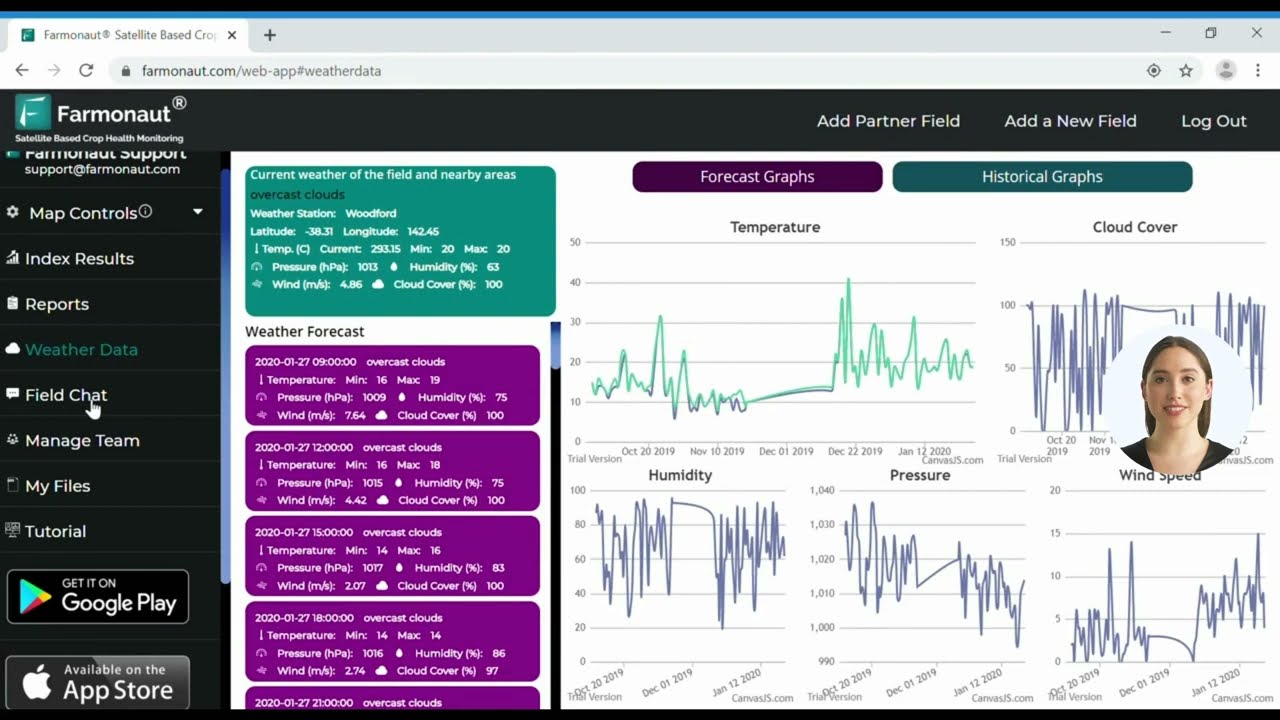
- Satellite-Based Monitoring: Our platform delivers real-time satellite imagery and analytics for continuous monitoring of mining sites, resource conditions, and environmental impacts. This empowers companies to manage extraction rates, reduce operational inefficiency, and anticipate land use changes.
- AI-Driven Advisory Systems: We deploy the Jeevn AI system to provide expert, data-driven recommendations on operational efficiency, environmental compliance, and risk management.
- Blockchain-Enabled Traceability: Our blockchain solutions enable complete supply chain transparency for extracted manganese products, supporting ethical sourcing and regulatory compliance.
- Environmental Impact Tracking: We offer robust carbon footprint tracking tools, allowing companies to assess and continually reduce their operational emissions.
- Resource & Fleet Management: With satellite-powered fleet management, we enable mining operators to optimize logistics, minimize costs, and ensure on-site safety—driving operational efficiency into the future.
Our solutions are delivered on web and mobile platforms, making satellite-powered resource management accessible, affordable, and scalable for manganese mining stakeholders worldwide. We believe informed operations are the heart of future-proof, sustainable mining.
Frequently Asked Questions: Manganese Mining & Sustainability (2026)
What is the primary use of manganese in industry?
Approximately 90% of manganese mining output is utilized in the steel industry. Manganese acts as an essential alloying element, improving strength, durability, and corrosion resistance in steel used for global infrastructure, buildings, transport networks, and defense installations.
Why is sustainable manganese mining crucial for the future?
As the demand for green technologies and renewable energy systems intensifies, sustainable mining practices ensure that increased manganese extraction does not come at the expense of local environments or communities. Sustainability also mitigates operational risks and positions companies competitively on the world stage.
Which countries lead in manganese mining?
South Africa, Australia, Gabon, and Brazil are home to the richest manganese ore deposits and lead in output. These countries’ mining companies are active in adopting innovative, sustainable practices.
How is technology improving manganese mining?
The sector is seeing widespread adoption of autonomous mining equipment, real-time data analytics, satellite-based monitoring, and advanced ore processing. These tools improve extraction efficiency, reduce costs, and minimize environmental footprints.
What role does manganese play in green technology?
Manganese is vital for electric vehicle battery production and renewable energy storage. As the world shifts to electric transportation and decarbonized energy systems, demand for high-purity manganese products will surge.
How can satellite technology help the mining sector?
Satellite-based monitoring, resource tracking, and data analytics allow mining companies to optimize site management, ensure regulatory compliance, evaluate environmental effects, and manage logistics—all in real-time.
Conclusion: Forging a Greener Future with Manganese Mining
As 2026 approaches, manganese mining is at the heart of sustainable industrial growth and global infrastructure expansion. The ongoing transition to greener, more responsible extraction and processing methods—supported by advanced technologies and real-time insights—ensures manganese remains an indispensable resource. Its use in steel, batteries, and renewable energy systems highlights the mineral’s evolving significance.
By aligning with environmental, economic, and social stewardship, manganese mining companies demonstrate their vital role as both industry leaders and champions of sustainability. As demand continues to intensify and new challenges arise, innovation, proactive community engagement, and robust data-driven strategies will be key. We at Farmonaut are dedicated to supporting this evolution, providing transformational technology and solutions for modern mining, resource provenance, and environmental responsibility.
The path toward a cleaner, more resilient future is clear: through the responsible and innovative mining of manganese, we can power a sustainable world—today, in 2026, and beyond.
- Carbon Footprinting Tools – For mining companies reducing emissions and tracking progress toward sustainability goals.
- Blockchain Traceability Solutions – For securing and verifying supply chains.
- Fleet Management Platforms – For smart logistics, reduced costs, and improved site safety.
- Satellite-Based Loan & Insurance Verification – For easier, fraud-resistant financing.
- Large Scale Resource Monitoring Tools – For comprehensive management of mining lands, assets, and environmental impact.

 Berks Gold Limited
 Mwerezi Minerals Company Limited
 Congo Mining Solutions
 Mining SARL
 SenGold Invest SAS
 Sania Corporation
 Sean Mining Limited
 NTS Group (Pty) Ltd
 Mine4Africa
 Lithspo Minerals Limited
 Tintina Mining Group
 Dalgety Minerals Pty Ltd
 Vortex Minerals Pty Ltd
 Faith At Work (Pty) Ltd
 Geotech Mining Solutions plc
 Vulcan International Limited
 Kidepo Associates
 GKY Mining
 Alkimy SARL
 Double A Trading
 GemSprout Metals Limited
 Qader Group
 Ileys General Trading
 SG Gold Mining LLC
 VRV Global Pte Ltd
 Omsri International FZE
 G.I.T.T.
 Jaunita Erss Ltd
