

Mineral Spodumene: Spodumene Mine & Mining Companies 2026
“Global spodumene production is projected to surpass 950,000 metric tons in 2025, powering surging lithium-ion battery demand.”
Introduction: Mineral Spodumene & Lithium’s Outlook for 2026
The mineral spodumene has rapidly emerged as the linchpin in addressing the world’s surging lithium demand, particularly as spodumene mining companies scale up across global regions to support the 2025–2026 energy transition. As the globe advances toward renewable energy dominance and a new era of electric mobility, the significance of spodumene as an essential raw material has never been more critical. Whether powering batteries in electric vehicles or stabilizing vast grids with advanced energy storage systems, spodumene’s importance only continues to soar as we approach 2026.
In this comprehensive article, we explore what makes spodumene unique amongst sources of lithium, the critical role of spodumene mining companies, evolving sustainability practices, future industry trends, and how digital technologies like satellite monitoring are reshaping the sector for a cleaner world.
The urgent need for a reliable and scalable lithium supply—driven by battery megafactories, EV material needs, and worldwide green growth—puts mineral spodumene and top spodumene mining companies at the vanguard of this energy revolution in 2025, 2026, and beyond.
What Is Mineral Spodumene?
Spodumene (LiAlSi2O6) is a lithium-rich pyroxene mineral and the preeminent hard rock ore for extracting lithium globally. Primarily found in pegmatite rock formations, spodumene contains a high concentration of lithium—typically 5–8% lithium oxide (Li2O)—making it a highly attractive, concentrated source for battery and energy applications.
- Chemical Formula: LiAlSi2O6
- Type: Pyroxene group mineral
- Primary Occurrence: Found primarily in spodumene-rich pegmatites, especially in Australia, Canada, Brazil, and southern Africa
The unique oxide content (Li2O) of mineral spodumene means it is a substantially more highly-concentrated source of lithium compared to brine deposits or other ores. Unlike lithium brine resources which depend on evaporation in arid regions and long extraction timelines, spodumene mine operations can be conducted in a broader range of geological settings and can provide improved geographic diversification for global supply.
Why is Spodumene the Essential Feedstock in the Lithium Revolution?
- Its high lithium oxide content (Li2O) ensures greater yield per ton of mined ore compared to other sources.
- Hard rock mining for spodumene provides predictable, scalable, and relatively fast extraction—crucial for rapidly expanding industry demands.
- Spodumene mining companies can operate in various climates and legal frameworks, increasing supply chain resilience and reducing over-concentration risks.
- Its extracted lithium is vital for producing batteries critical to electric vehicles (EVs), portable electronics, and large-scale storage systems.

Spodumene’s robust chemical and geological profile positions it as the beating heart of lithium supply—particularly as we transition to a low-carbon, renewable-powered, electric future by 2026.
The Importance of Spodumene Mining: 2025 & 2026
The production and extraction of lithium from mineral spodumene have a profound critical role in satisfying the global demand for advanced batteries and grid storage. As the world accelerates toward renewable energy and global electric mobility, spodumene mining operations are critical to the success of this transition.
- Fueling Battery Supply: The surge in EV manufacturing and stationary battery storage projects is overwhelmingly driven by lithium supply from spodumene mines, which account for a growing percentage of new supply as we approach and surpass 2026.
- Reducing Supply Chain Risks: The geographic diversification made possible by hard rock spodumene mining helps stabilize the lithium supply chain and reduce region-specific risks, especially when compared to brine extraction.
- Key to Renewable & Electric Mobility: Spodumene-produced lithium is vital in manufacturing the batteries that enable both large-scale renewables and electric transport systems to meet the world’s rising energy needs.
- Continually Improving Sustainability: As sustainability pressures intensify, spodumene mining companies are continuously incorporating environmentally responsible methods, automation, and advanced mineral processing technologies to optimize efficiency and minimize ecological impact.
Spodumene mining involves several steps—from the extraction of ore from open-pit or underground mines, followed by processes such as crushing, thermal treatment, and concentration—to ultimately yield lithium chemicals for battery manufacturing.
Why Spodumene Mines Are More Resilient Than Brine Deposits
- Brine resources are constrained by climate and regional water rights (e.g., South America’s arid “Lithium Triangle”).
- Spodumene mines can be developed in more varied geological settings and close to industrial infrastructure—seen especially in Australia and Canada.
- Shorter mine-to-market timelines thanks to direct mechanical and chemical extraction processes.

“By 2026, over 70% of new lithium supply is expected to come from spodumene mining companies worldwide.”
The Spodumene Mine Lifecycle
Every spodumene mine follows a carefully staged lifecycle, each stage carrying strategic importance for lithium supply, mineral extraction, economic output, and sustainability:
- Exploration & Geological Survey:
- Remote sensing and satellite imagery (such as leveraged by Farmonaut) identify spodumene-rich pegmatite formations globally.
- Geochemical and geophysical surveys pinpoint lithium oxide concentrations.
- Mine Development & Construction:
- Scoping studies, feasibility analysis, and environmental permitting.
- Investment and technological adoption for efficient and responsible extraction/ore handling.
- Extraction & Ore Handling:
- Open-pit or underground mining, depending on geology and orebody depth.
- Ore is crushed, thermally treated (often using methods like calcination), and concentrated before further chemical processing.
- Production of Spodumene Concentrate & Lithium Chemicals:
- Advanced mineral processing techniques convert the ore to high-grade spodumene concentrate.
- The concentrate is further processed at lithium chemical plants into battery-grade products.
- Mine Closure & Rehabilitation:
- Increasingly, sustainable practices are mandated for mine closure, land reclamation, and long-term monitoring.
- Stakeholder engagement and environmental management are essential in the 2026 outlook.

At each stage, adoption of advanced digital, chemical, and geoscientific technologies is key to resource efficiency, emissions reduction, and sustainable production—all vital for modern spodumene mining enterprises.
Spodumene Mining Companies & Key Global Players
As 2026 approaches, multiple spodumene mining companies lead the sector—particularly Australian producers renowned for their high-grade, large-scale operations. Global diversification is accelerating, with significant new mines emerging in Canada, Brazil, and Africa.
- Australia: Greenbushes, Pilgangoora, and Mt Cattlin are industry-leading spodumene mine complexes.
- Canada: Growing spodumene supply from Quebec (e.g., North American Lithium) boosts North American autonomy.
- Africa: Lithium-rich pegmatite belts in Zimbabwe and Ghana are now attracting global investment from mining companies.
- Brazil: Mining companies like Sigma Lithium add crucial South American capacity and strengthen global supply diversification.
Most major spodumene mining companies listed below are also expanding production through partnerships, M&A activity, and greenfield and brownfield development beyond 2026.

Global Spodumene Mining Companies: Production & Lithium Supply (Estimated 2025-2026)
| Company Name | Country/Region | Estimated Spodumene Production (MT, 2025) | Estimated Lithium Yield (LCE, 2025) | Current Key Projects / Mines | Market Share (% of global spodumene supply, 2025–2026) |
|---|---|---|---|---|---|
| Albemarle Corporation | Australia (Greenbushes) | 510,000 | 70,000 | Greenbushes, Wodgina | ~23% |
| Tianqi Lithium | Australia/China | 290,000 | 41,000 | Greenbushes, JV with Albemarle | ~13% |
| Pilbara Minerals | Australia | 625,000 | 90,000 | Pilgangoora | ~15% |
| Mineral Resources Ltd (MinRes) | Australia | 560,000 | 59,000 | Mt Marion, Wodgina | ~11% |
| Allkem (Orocobre + Galaxy Resources) | Australia/Canada | 370,000 | 50,000 | Mt Cattlin, James Bay | ~9% |
| Sigma Lithium | Brazil | 100,000 | 18,000 | Grota do Cirilo | ~3% |
| North American Lithium | Canada | 80,000 | 12,000 | La Corne, Authier | ~2% |
| Chengxin Lithium | Africa (Zimbabwe, Congo, Ghana) | 50,000 | 8,000 | Arcadia (Zimbabwe), Ghana projects | ~1% |
| Others (Combined) | Global | 200,000+ | 42,000 | Multiple emerging/expanding projects | ~13% |
Note: LCE = Lithium Carbonate Equivalent. Data reflects estimated 2025-2026 output. Australian spodumene mining companies currently dominate global production, but diversification is accelerating with new mines in America, Africa, and Brazil.

Distribution, Supply Chain & Global Demand Driven by Energy Transition
The lithium market is experiencing an extraordinary transformation, with demand intensifying due to the global shift to renewable energy and electric mobility. By 2026, spodumene will account for a dominant share of the new lithium supply, as battery gigafactories and automakers secure contracts with spodumene mining companies to meet their growing needs.
- EVs & Transportation: The rapid expansion of EV manufacturing (especially in China, US, Europe) is a direct driver of spodumene-derived lithium demand.
- Energy Storage Systems: Grid-scale lithium batteries—essential for storing wind and solar energy—require reliable spodumene-based lithium supply.
- Portable Electronics & IoT: From smartphones to medical devices, lithium-ion batteries are fueling everything powered in the digital era.
- Battery Gigafactories: Dozens of major new gigafactories projected for 2025–2026 have signed offtake agreements with top spodumene producers.
- Supply Chain Optimization: Companies are increasingly turning to satellite-driven supply chain traceability tools, like those from Farmonaut, to ensure transparency, risk management, and compliance with environmental standards. Learn more about blockchain-based product traceability for mining companies and lithium supply chains.

The Critical Role of Spodumene in the Future of Energy Storage & Mobility
Spodumene is not just a mineral—it is the cornerstone of the world’s lithium-ion battery revolution. Its role in powering electric vehicles (EVs), large-scale energy storage systems, and portable electronics has become absolutely central to the global transition toward clean energy and sustainable development.
Vital Industrial Sectors Powered by Spodumene
- Electric Vehicle Batteries: >90% of new EVs planned for 2026 will depend on lithium-ion cells, with a majority of that lithium sourced directly from spodumene mining companies.
- Renewable Grid Integration: Advanced grid-scale batteries (e.g., Tesla Megapacks) use spodumene-derived lithium to store electricity and balance renewable output.
- Consumer Electronics: The smartphone, tablet, and wearable-device industries all rely on spodumene battery-grade lithium compounds.
- Industrial & Defence Systems: Portable power units, critical infrastructure, and defence mobility platforms now depend on reliable lithium supply.
This criticality means spodumene demand will intensify and outpace supply unless spodumene mining companies continue expanding operations while incorporating sustainable practices.
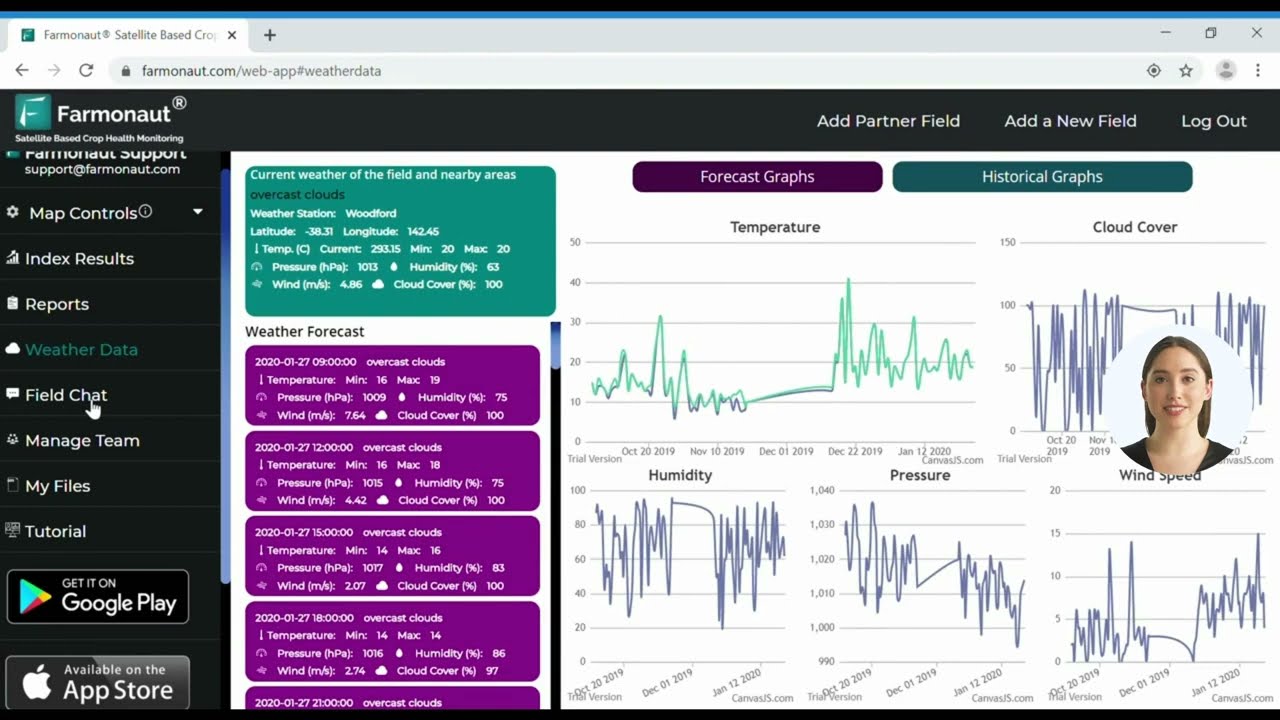
Farmonaut’s carbon footprinting service enables spodumene mining companies to benchmark, track, and certify their climate impact throughout the supply chain, powering progress towards net-zero mining by leveraging real-time satellite data.
Challenges & Sustainability in Modern Spodumene Mines
As spodumene mining companies expand output to meet rising global demand, they must also address a host of challenges associated with environmental, economic, and operational risks. The most progressive mining companies are now prioritizing sustainable development through practical, innovative solutions.
Challenges Facing the Spodumene Mining Sector (2025–2026)
- Environmental Footprint: Land-use change, water consumption, carbon emissions, and biodiversity impacts must be balanced against the imperative for new lithium supply.
- Regulatory Frameworks: Stricter global regulations—especially in Australia, Canada, and Brazil—necessitate greater transparency and compliance efforts from mining companies.
- Community Relations: Ensuring that mining delivers positive economic value to local communities while respecting indigenous rights is pivotal to obtaining and sustaining mining licenses.
- Operational Efficiency: A volatile lithium market, labor shortages, and technical bottlenecks require mining companies to adopt advanced digital and automation tools to optimize productivity.
- Geopolitical Risks: Concentration of lithium refining in certain countries can disrupt supply chains; strategies for diversification and local value-add processing are gaining traction beyond 2026.
Sustainability Practices & Technology Adoption
- Satellite-Based Environmental Monitoring: Mining companies leverage real-time, satellite-driven data from Farmonaut to monitor land health, water resources, and emissions.
- Fleet Management & Resource Optimization: Fleet management tools track and optimize vehicle/machine use, reducing costs and emissions across vast mining operations.
- Traceability & Transparency: Blockchain-based traceability platforms (as championed by Farmonaut) ensure transparent, secure documentation of lithium from ore to end-user, building consumer trust and regulatory compliance.
- Green Chemistry & Closed-Loop Processing: Increasing R&D investments focus on low-impact lithium extraction, recycling, and brine-free chemical processing.

In summary: The outlook for 2026 and beyond is that spodumene mining companies who adopt sustainable technologies and rigorous community engagement will secure the social license and operational performance needed to thrive.
How Farmonaut Satellite Technology Powers Sustainable Spodumene Mining
At Farmonaut, we play a transformative role in the sustainable development of mineral spodumene and global spodumene mines by equipping mining companies, governments, and stakeholders with scalable, satellite-driven intelligence. Our platform supports:
- Real-Time Satellite Monitoring: Multispectral imagery tracks mining sites, land use, and environmental changes, enhancing decision-making and sustainability compliance rates.
- Jeevn AI Advisory Systems: AI-powered, custom recommendations for environmental, operational, and resource management, integrating weather and satellite data for maximum productivity and efficiency.
- Blockchain-Based Traceability: Secure, transparent tracking of spodumene mining, production, and supply, drastically improving chain-of-custody integrity for lithium supply.
- Fleet & Resource Management: Mining companies use our fleet management solution to optimize machinery and logistic efficiency, cutting fuel waste and maintenance costs.
- Environmental Compliance: Our carbon footprinting tools allow spodumene mining companies to track emissions and benchmark reductions, supporting sustainable certification efforts.
- Accessibility via Apps & API: All services are accessible on Android, iOS, web, and via API (developer documentation), empowering digital transformation at every scale of mining operation.
Start managing and monitoring sustainable mining sites with Farmonaut—advance efficiency, ensure compliance, and power a cleaner lithium future.



Outlook for Spodumene Mining Companies: 2026 & Beyond
As we look to 2026 and beyond, it’s clear that spodumene will remain the critical mineral underpinning the lithium-ion battery revolution, global energy transition, and the decarbonization of mobility. Spodumene mining companies that proactively address environmental, social, and technological challenges will continue to lead the sector and secure the long-term supply chains required by automakers, grid operators, and industrial consumers worldwide.
- Rapid Growth & Expansion: The next two years will see unprecedented investments in new spodumene mines, expansion of existing ones, and fast-tracking of projects in Africa, North America, and Brazil.
- Sustainability as Competitive Advantage: Companies demonstrating leadership in sustainable mineral extraction—leveraging satellite monitoring, AI, and ESG reporting—will win market share, regulatory favor, and consumer trust.
- Integration of Digital Technology: Farmonaut’s technology and data management tools will become increasingly integral to economic viability, risk management, and compliance for mining companies of all sizes.
- Diversification & Market Resilience: More geographic diversity and downstream processing capacity will reduce over-concentration and strengthen lithium supply security globally.
- Battery Recycling & Circular Economy: By 2026, synergy between spodumene extraction and large-scale battery recycling will define who leads in low-cost, low-emissions lithium supply.
The future of spodumene mining companies is bright—but only if built on a foundation of technology adoption, environmental responsibility, and resilient, integrated global supply chains.
Frequently Asked Questions – Mineral Spodumene & Lithium Supply
What is mineral spodumene and why is it important?
Mineral spodumene is a lithium-rich pyroxene (LiAlSi2O6) found primarily in pegmatite rocks. It is the world’s most significant hard rock source of lithium, offering a higher lithium content than brine deposits. Spodumene’s abundant supply, high lithium yield, and rapid extraction processes make it critically important for meeting the needs of the battery, electric vehicle, and energy storage sectors.
Which countries and companies are leading spodumene mining as of 2025–2026?
Australia is the global frontrunner, with companies like Pilbara Minerals, Albemarle, MinRes, and Tianqi Lithium operating world-leading spodumene mines (e.g., Greenbushes, Pilgangoora). Major new projects in Canada (North American Lithium), Brazil (Sigma Lithium), and Africa are accelerating diversification of global supply.
How does spodumene mining compare to lithium brine extraction?
Spodumene mining is a hard rock process conducted in diverse geological and climatic settings, with faster mine-to-market timelines and less dependency on arid environments compared to brine extraction. Brine mining, predominantly in South America’s “Lithium Triangle,” involves long evaporation cycles, while spodumene mines offer higher flexibility and supply chain resilience.
What are the main environmental challenges associated with spodumene mining, and how are they being addressed?
Key challenges include habitat disturbance, water and energy usage, and carbon emissions. Mining companies are addressing these issues by adopting satellite-based monitoring (such as Farmonaut’s services), green chemistry, fleet optimization, and blockchain traceability for environmental compliance and transparency.
How is technology improving spodumene mining operations?
Technologies like Farmonaut’s real-time satellite monitoring, AI-based advisory, and blockchain traceability are enabling smarter resource management, sustainability tracking, and safer, more efficient operations across global mining sites.
How can mining companies and stakeholders access Farmonaut’s satellite solutions?
Farmonaut’s solutions—including environmental monitoring, supply chain traceability, and fleet optimization—are accessible via web, Android, and iOS apps, as well as through API integration. Developers can leverage Farmonaut’s API to embed powerful, up-to-date satellite intelligence into custom workflows. For app-based, easy mining resource monitoring, use the Farmonaut Web App.
Conclusion
Spodumene mining is at the forefront of powering the world’s energy transition, underpinning the supply of lithium for batteries, electric vehicles, and renewable storage. Mining companies around the globe are expanding operations, innovating with sustainable, satellite-powered technologies, and rethinking best practices to meet the surging demand responsibly. Spodumene’s critical role ensures it will remain a focus of industrial, regulatory, and technological advancement through 2026 and beyond.
Embracing the future means adopting newer, greener tools and business models that secure both production and sustainability. The world’s energy transition depends on it—one spodumene mine at a time.

 Congo Mining Solutions
 Mining SARL
 SenGold Invest SAS
 Sania Corporation
 Sean Mining Limited
 NTS Group (Pty) Ltd
 Mine4Africa
 Lithspo Minerals Limited
 Tintina Mining Group
 Dalgety Minerals Pty Ltd
 Vortex Minerals Pty Ltd
 Faith At Work (Pty) Ltd
 Geotech Mining Solutions plc
 Vulcan International Limited
 Kidepo Associates
 GKY Mining
 Alkimy SARL
 Double A Trading
 GemSprout Metals Limited
 Qader Group
 Ileys General Trading
 SG Gold Mining LLC
 VRV Global Pte Ltd
