

Most Gold Mines & Deposits in the World 2026: Top 10 | Advancements, Sustainability & Industry Trends
Table of Contents
- Introduction: Gold’s Enduring Reign in 2026
- Trivia: Gold Mining Industry 2026
- Overview: Most Gold Mines in the World Today
- Comparative Table: World’s Top 10 Gold Mines & Deposits
- Detailed Insights: Top 10 Gold Mines & Deposits in 2026
- Innovation & Sustainability in Gold Mining
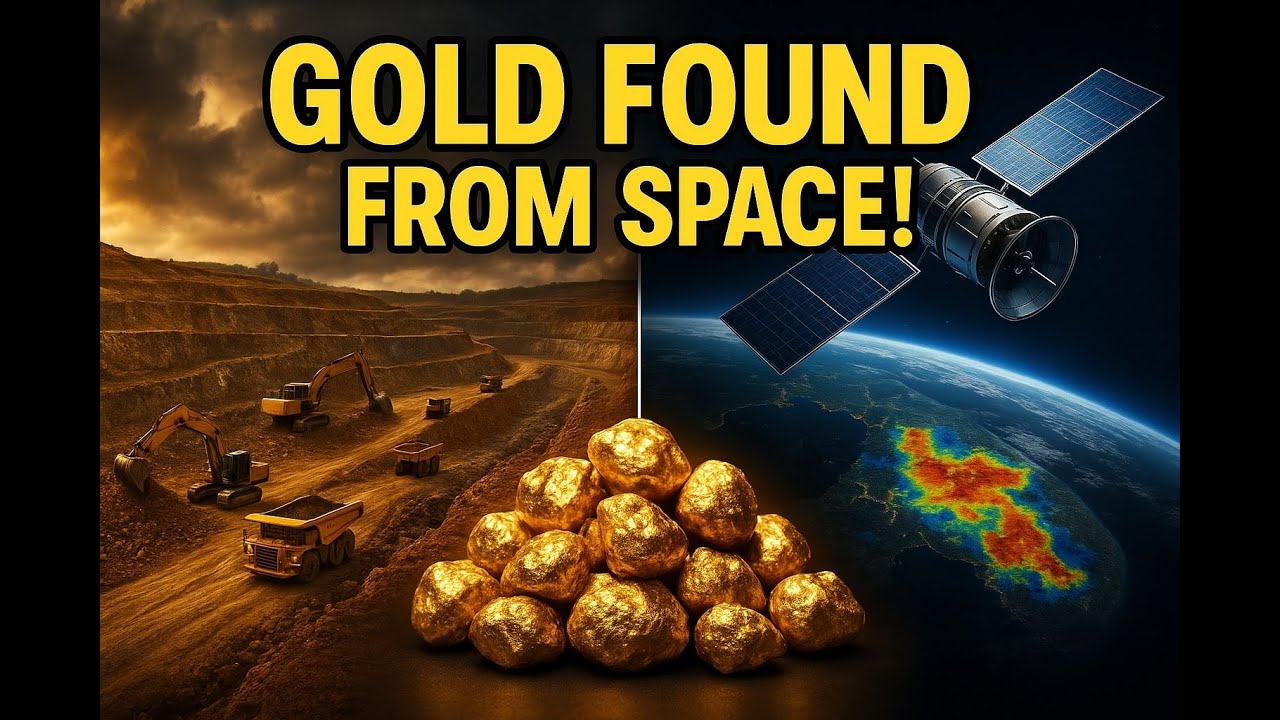
- Next-Gen Exploration: Satellite-Based Mineral Intelligence
- Gold Mining Videos: Extraction, Tech & Global Trends
- Visual Lists: Key Insights & Trends
- FAQ: Most Gold Mines in the World
- Conclusion: Gold Mining in the Future
Introduction: Gold’s Enduring Reign in 2026
Gold remains not only one of the most coveted and valuable minerals on Earth but is also fundamental to finance, jewelry, and a growing array of industrial and tech applications. As of 2026, the global landscape of gold mining is witnessing major advancements with the rise of sustainable mining practices, energy-efficient extraction techniques, and sophisticated exploration enabled by satellite technology.
Multiple countries are boasting some of the most gold mines in the world today, and the top gold deposits are increasingly shaped by innovation, technology, and sustainability imperatives. We explore the largest gold deposits globally, examine their pivotal roles in global supply chains, and share how industry leaders are shaping the future of mining.
For stakeholders—be it investors, mining companies, geologists, or policymakers—understanding the most significant gold mines in the world and their operational trends provides powerful insights into economic, technological, and environmental developments in this sector.
In 2026, innovative satellite-driven exploration and sustainable mining practices are redefining where, how, and how much gold is produced. Companies and investors focusing on green technology and rapid mineral intelligence are gaining significant advantages.
Overview: Most Gold Mines in the World Today
The most gold mines in the world are found in regions with diverse geologic histories and state-of-the-art mining infrastructures. The largest gold deposits in the world vary in size, quality, mining technology, and environmental approach. Countries like China, Australia, Russia, the USA, Canada, South Africa, Indonesia, and Peru are at the forefront, each hosting massive, productive operations and vast gold reserves.
Let’s break down what sets these mines apart in 2026:
- Scale: Some sites, like Muruntau in Uzbekistan and Grasberg in Indonesia, remain among the biggest open-pit gold mines globally.
- Depth: South Africa’s mines, like Mponeng and Driefontein, remain the deepest gold mines in the world, reaching over 3.5 kilometers below the surface.
- Innovation: Global leaders are integrating AI, robotics, and satellite-based mineral detection for early-stage exploration and resource management.
- Sustainability: Australia, Canada, and China lead with low-impact extraction, real-time environmental monitoring, and advanced water recycling.
Stay informed about satellite-driven solutions. They slash exploration timelines and drastically reduce costs—and are non-invasive, preserving local environments during the critical early phase of mining.
World gold reserves were estimated at 66,000 tonnes in the USGS Mineral Commodity Summaries 2026.
Where Most Gold Is Found: Mine Output and Reserves by Country
“Most gold” can mean two things: which countries mine the most each year, and which hold the most gold still in the ground. The answers differ. China mines the most, but Australia and Russia hold the largest reserves.
| Country | Mine production, 2025 (tonnes, est.) | Reserves (tonnes) |
|---|---|---|
| China | 380 | 3,200 |
| Russia | 310 | 12,000 |
| Australia | 280 | 13,000 |
| Canada | 200 | 3,200 |
| United States | 160 | 3,000 |
| Ghana | 150 | 1,000 |
| Mexico | 140 | 1,400 |
| Uzbekistan | 130 | 2,200 |
| Kazakhstan | 130 | 2,300 |
| South Africa | 90 | 5,000 |
| World (rounded) | 3,300 | 66,000 |
Source: USGS Mineral Commodity Summaries 2026. Australia’s figure includes all reported reserves; its JORC-compliant reserves were 4,500 tonnes.
The top five producers, China, Russia, Australia, Canada and the United States, mined about 41% of the world’s gold in 2025. South Africa now mines far less than it once did, yet still holds large reserves in the deep Witwatersrand reefs, where more than 40,000 tonnes have been mined since 1886 (Witwatersrand Basin overview).
Comparative Table: Top 10 Most Gold Mines & Deposits in the World 2026
🌍 Gold Reserves in Selected Countries (USGS 2026 estimates)
- 🇨🇳 China — 57,000 tonnes (sites); 2,000+ tons mined reserves
- 🇷🇺 Russia — 6,800+ tons
- 🇦🇺 Australia — 11,000+ tons
- 🇿🇦 South Africa — 5,000+ tons (declining)
- 🇺🇸 USA — 3,000+ tons (steadily growing at Carlin, other regions)
Mines with leading-edge sustainability—such as AI-driven energy management or zero-discharge water systems—are increasingly favored by global capital markets and ESG investors.
Detailed Insights: Top 10 Most Gold Mines & Deposits in the World 2026
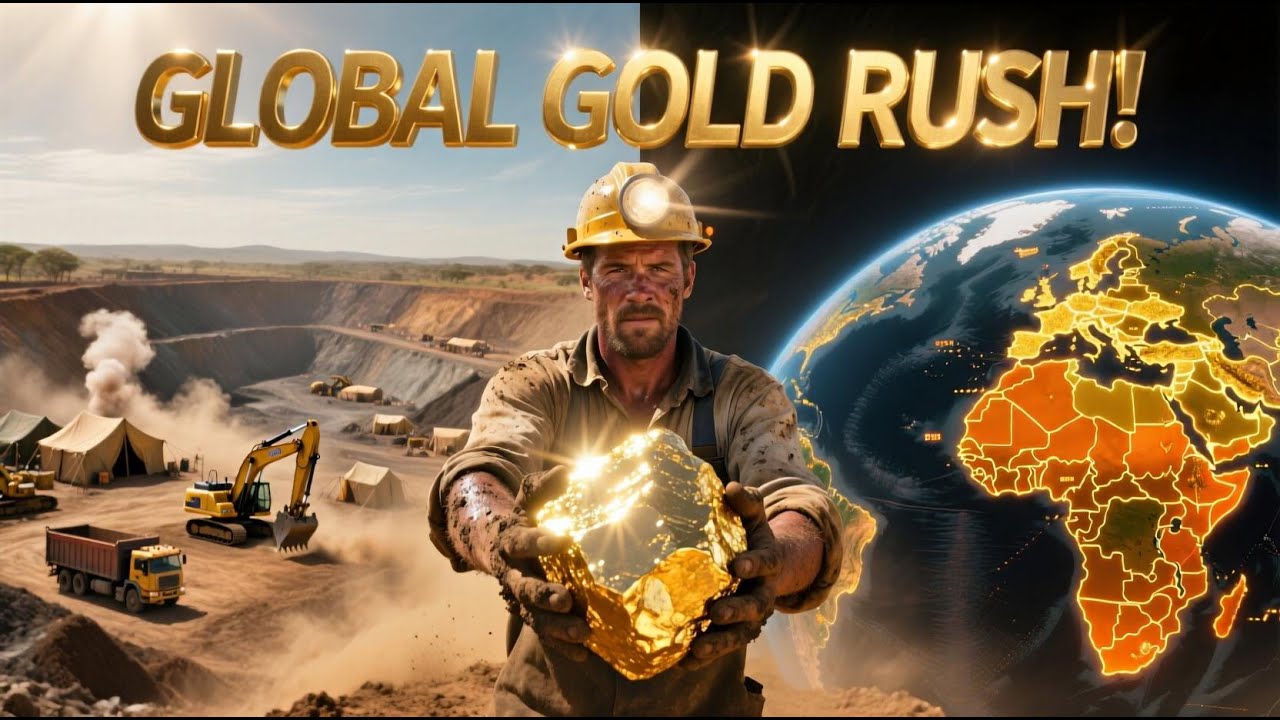
1. Muruntau: The Powerhouse of Uzbekistan
The Muruntau gold deposit in Uzbekistan is often described as the largest open-pit gold mine in the world and has been run by Navoi Mining and Metallurgical Company since the 1960s (Muruntau overview). Innovations in energy-efficient crushing, water reclamation, and digital process automation help Muruntau maintain its status as a top gold mine in the world.
Heap leaching and large-scale conventional processing remain at the core, but with investment in greener, smarter solutions driving productivity as well as sustainability.
2. Witwatersrand Basin: The Historic Giant of South Africa
The Witwatersrand Basin in South Africa is synonymous with the history of gold production globally. More than 40,000 tonnes of gold have been mined here since 1886, about 22% of all gold accounted for today (Witwatersrand Basin overview)—a fact that remains unmatched despite present-day production declines. Deep underground mining underpins ongoing extraction efforts at Mponeng, Driefontein, and other sites.
While reserves are declining, the basin is a marvel of engineering: shafts plummet over 3.5 kilometers, making these among the deepest gold mines in the world.
3. Grasberg: Gold & Copper in Indonesia’s Frontier
The Grasberg mine in Papua, Indonesia stands out for its dual status as a leading source of both copper and gold. Its large reserves and the move from open-pit to underground block-cave mining show modern mining scale. Grasberg is known for its high output and cutting-edge operational technology, including advanced real-time environmental management and autonomous vehicles.
Biodiversity offset programs and stringent digital oversight are hallmarks of its commitment to both productivity and sustainability.

- ⚠ Deeper deposits require more sophisticated and costlier extraction.
- 🌱 Regulatory pressures for water stewardship and biodiversity preservation escalate annual costs.
- 🔎 Exploration complexity increases as high-grade, near-surface deposits become rarer.
- ⚡ Energy demand pushes the adoption of renewables for process power.
- 🌍 Global supply chain risks demand greater transparency and traceability.
Ignoring the influence of technology and sustainability leads to outdated investment theses. Mines with unsustainable practices are increasingly devalued or phased out.
4. Sukhoi Log: Russia’s Untapped Gold Giant
Russia’s Sukhoi Log is one of the largest undeveloped gold deposits in the world. Located in Irkutsk, Siberia, ongoing innovations center on remote satellite-based exploration—anticipating minimal surface disruption and intelligent deposit characterization even before major earthworks begin.
Polyus Gold leverages advanced AI modeling, digital geology, and sustainability frameworks to prepare for the next era of development at Sukhoi Log, which could reshape the world gold supply.

5. Carlin Trend: USA’s Prolific Gold Belt
In Nevada, the Carlin Trend is globally recognized for its extensive low-grade, large-tonnage deposits. It remains the top gold-producing region in the United States as of 2026. Digital ore tracking, automation, and solar-powered processing lines enable sustainably scaled production, while new discoveries continue to expand known reserves.
Ongoing autonomous drilling and spatial AI aid in rapid, efficient expansion into adjacent prospects, bolstering American gold output well into the next decade.
💡 Top Five Innovations in Gold Mining 2026
- AI-driven drilling and autonomous vehicles
- Satellites for early mineral detection (see Farmonaut’s platform)
- Energy management via renewables (solar/wind integration)
- Advanced water recycling and tailings management
- Eco-friendly leaching & reduced chemical usage
6. Yanacocha: Frontier Extraction in Peru
The Yanacocha deposit in Peru remains a titan among gold mines in South America. Its geology is complex, calling for drone-based mapping, cyanide heap leaching, and robust community engagement. Since the 2020s, the site has adopted leading water stewardship and ESG frameworks—pioneering sustainable mining methods in the Andes.
Participating companies invest heavily in minimizing environmental footprint while maintaining output, influencing broader trends across Latin America.

- ✔ Faster mineral detection than traditional field surveys
- 📊 Objective analysis via AI and spectral signature matching
- 🌱 No surface disturbance during early exploration phases
- 💰 Up to 85% cost savings on initial exploration
- 🌍 Scalable to large and remote areas globally
Smart water management and chemical optimization will soon be non-negotiable—both for regulatory approval and access to global markets.
7. Super Pit: Australia’s Open-Pit Innovation at Kalgoorlie
Kalgoorlie’s Super Pit remains Australia’s most iconic gold mine. This massive open-pit site showcases advanced mechanization, autonomous trucks, and renewable-powered processes.
Tailings reuse and progressive rehabilitation plans position it as a model for innovative and sustainable mining practices worldwide.
8. Canada: Malartic & Detour Lake, Quebec/Ontario
Canada’s prominent gold deposits in Quebec and Ontario—notably the Canadian Malartic and Detour Lake operations—demonstrate how sustainable mining and automation can flourish in tandem. These mines apply carbon-efficient processes, biodiversity restoration, and advanced digital safety systems, resulting in strong annual output and ongoing resource expansion.

9. Obuasi: Ghana’s Revived Underground Marvel
Ghana’s Obuasi gold mine is a long-standing player among the most gold deposits in the world. Following its modern restart in 2019, AngloGold Ashanti has deployed automated mining systems, zero-discharge water circuits, and community-driven development projects to consolidate Obuasi’s importance regionally and globally.
The site continues to be a blueprint for safe, sustainable deep underground extraction in Africa and beyond.

10. China: Jiaodong Peninsula’s Cluster Mines
The Jiaodong Peninsula cluster in Shandong Province and sites such as Sanshandao exemplify China’s leadership in both gold output and deposit sustainability. Fully automated underground operations, AI-driven mine management, and extensive environmental restoration programs highlight the next phase of sustainable mining in Asia.
Desertification reversal, renewable integration, and 5G-enabled real-time monitoring allow China to maintain its status at the summit of most gold deposits in the world while pioneering eco-friendly mining technologies.

Satellite-based mineral detection
and
satellite-driven 3D prospectivity mapping
now empower mining companies to pinpoint gold and critical minerals with unprecedented speed and accuracy—minimizing both risks and environmental impacts.
Innovation & Sustainability: Shaping the Gold Mining Landscape
In 2026 and beyond, the intersection of technological advancement and sustainability is transforming how gold is found, mined, and delivered to the global market. Rapid innovation is driven by necessity—deeper, more complex deposits, environmental regulations, and the demand for transparent, ESG-friendly supply chains.
Key Developments in Modern Gold Mining
- 🛰 Satellite-based exploration outpaces ground surveys for both greenfield and brownfield sites.
- ⚙ Automation & robotics improve safety, consistency, and bottom-line efficiency.
- 💧 Advanced water stewardship ensures that sites like Nevada’s Carlin and Yanacocha meet strict environmental benchmarks.
- ♻ Circular tailings strategies enable gold re-extraction and minimize waste.
- 🌍 Carbon offset and biodiversity programs shape mine permitting as well as market positioning.
At Farmonaut, our satellite-based mineral detection platform enables environmentally responsible, ultra-fast gold resource targeting—reducing timelines from months or years to days, with no early ground disturbance.
Gold Mining Videos: Extraction, Technology & Innovation
Satellite-Based Mineral Intelligence: Ushering a New Era in Exploration
The future of gold mining is grounded in data, AI, and Earth observation. Traditional methods—trenching, drilling, and geochemical sampling—are slow, costly, and frequently environmentally disruptive. Now, satellite-driven mineral detection using multispectral and hyperspectral analytics empowers decision-makers to identify mineralized zones over vast, often inaccessible territories without ground impact.
As Farmonaut, we enable mining companies and exploration stakeholders to:
- 🌍 Screen large areas for gold and critical minerals in days, not years
- 💸 Slash exploration costs by up to 85%—no unnecessary preliminary groundwork
- 🌱 Preserve local ecologies by eliminating early surface disturbance
- 🔑 Gain actionable intelligence on fault lines, alteration halos, and high-prospectivity zones
- 📈 Improve investment confidence with data-backed, high-resolution reporting
Our premium intelligence and 3D prospectivity models bridge satellite insights with practical, on-the-ground exploration, reducing risk and maximizing project ROI. Read more about the full process and advantages at our Satellite-Based Mineral Detection page. For advanced 3D prospectivity visualization, visit our 3D Prospectivity Mapping page.
Get your quote today for a satellite-based gold exploration assessment or contact us to discuss your region of interest.
FAQ: Most Gold Mines & Deposits in the World
What country has the most gold mines in the world in 2026?
China is the largest gold producer, at about 380 tonnes in 2025, though Australia and Russia hold larger reserves (USGS Mineral Commodity Summaries 2026).
Which gold mine has the largest reserves globally?
The Muruntau mine in Uzbekistan is usually ranked as the largest single gold mine, while South Africa’s Witwatersrand Basin holds the record for the most gold ever extracted in history.
How are technology and sustainability shaping the future of gold mining?
Trends include increased use of AI, autonomous machinery, satellite-driven mineral detection, and advanced water/energy management. Mines that embrace sustainability attract greater investment and regulatory support.
Why is satellite-based mineral detection becoming so popular?
It’s faster, more cost-effective, scalable, and reduces environmental impact by keeping early exploration off the ground. It’s especially valuable in remote or sensitive ecosystems and can be used to guide high-confidence drilling decisions.
What are the main risks or limitations in modern gold mining?
Resource depletion, deeper and lower-grade ores, regulatory challenges, and investor scrutiny over ESG credentials are key risks. Mines that lag in technology or social responsibility may struggle to remain profitable.
🔒 Five Gold Mining Trends for 2026 & Beyond
- 🛰 Shift to Space: Satellite-based exploration is mainstream, speeding up project lifecycles.
- ♻ Green Mining: ESG, water stewardship, and renewables dictate regulatory approval.
- 🏟 Automation: AI, 5G, and robotics are standard at the world’s largest gold mines.
- 🌎 Diversification: Investment is surging in Africa and South America for untapped gold deposits.
- 🔗 Supply Chain Traceability: From ore to bar, blockchain and real-time monitoring ensure gold is responsibly mined, ethically sourced.
For explorers, service providers, or mineral investors, integrating satellite analytics and 3D prospectivity mapping is now essential for cost control, environmental compliance, and faster time-to-discovery.
Conclusion: The Future of Gold Mining & Exploration
The most gold mines and deposits in the world in 2026 remain pillars of both economic growth and technological progress. Whether located in Uzbekistan, South Africa, Indonesia, Nevada, or the rapidly developing districts of Peru, Ghana, and China, the world’s largest gold mines demonstrate a clear trend—those who innovate, adopt sustainable practices, and leverage data-driven exploration will shape the metal’s future.
At Farmonaut, our satellite-driven mineral intelligence helps mining companies, governments, and investors uncover valuable mineral resources efficiently, economically, and responsibly—directly from space. Gold’s role as a crucial asset in finance, industry, and technology continues, underpinned by a shared commitment to efficient resource use and stewardship of our planet.
Discover more: Explore Farmonaut’s Satellite-Based Gold Exploration Solutions or Contact Us for tailored mineral intelligence.
2026 is the year data, automation, and sustainability become make-or-break for gold mining. Future returns will reward early adopters of these practices and technologies.
Discussion
Questions, corrections or field experience? Share them below. First-time comments are reviewed before they appear, and your email is never published.
No comments yet. Be the first to add a question or your experience.

 Sania Corporation
 Sean Mining Limited
 NTS Group (Pty) Ltd
 Mine4Africa
 Lithspo Minerals Limited
 Tintina Mining Group
 Dalgety Minerals Pty Ltd
 Vortex Minerals Pty Ltd
 Faith At Work (Pty) Ltd
 Geotech Mining Solutions plc
 Vulcan International Limited
 Kidepo Associates
 GKY Mining
 Alkimy SARL
 Double A Trading
 GemSprout Metals Limited
 Qader Group
 Ileys General Trading
 SG Gold Mining LLC
 VRV Global Pte Ltd
 Omsri International FZE
 G.I.T.T.
 Jaunita Erss Ltd
 SRK Consulting










