

Kalgoorlie · Mine facts and costs
Super Pit Gold Mine: Size, Output, Cost and Mine Life
The Super Pit at Kalgoorlie sold 467,642 oz of gold in the year to June 2026 at A$2,495 per oz all-in sustaining cost (Northern Star). This page covers size, owner, reserves, cost per ounce, mine life to 2034 and a cost calculator.
Key takeaways
- KCGM, which includes the Super Pit and two underground mines, sold 467,642 oz in the year to June 2026 at an AISC of A$2,495 per oz (Northern Star, June 2026 report).
- At 31 March 2026 KCGM had 42.2 million oz of Mineral Resources and 15.0 million oz of Ore Reserves; about 15.6 million oz of resources are in Fimiston Underground (Northern Star, June 2026).
- Northern Star has owned 100% since the Newmont and Saracen steps of 2020 and 2021; Barrick and Newmont no longer own it (Northern Star).
- The Fimiston South project is planned to extend the pit’s life to 2034 (KCGM); the mill is being expanded from about 13 to 27 million tonnes a year.
- Australia produced about 280 tonnes of gold in 2025, third behind China and Russia (USGS, 2026); KCGM is roughly 5% of that.
In this article
- Super Pit gold mine facts: location, size and owner
- How much gold does the Super Pit produce
- How much gold is left in the ground at KCGM
- History of the Super Pit: from the gold rush to a single pit
- How the pit is mined and the ore processed
- What an ounce costs to produce at the Super Pit
- Fimiston South and how long the mine can run
- Power and environment at the Super Pit
- Where the Super Pit sits in Australian gold production
- Visiting the Super Pit lookout
- Where satellite images fit around a mine like this
- Frequently asked questions
The Super Pit is the Fimiston open pit at Kalgoorlie, Western Australia, about 600 km east of Perth. Northern Star Resources owns it through Kalgoorlie Consolidated Gold Mines (KCGM). In the year to June 2026 the KCGM operations, which include the pit and two underground mines, sold 467,642 ounces of gold at an all-in sustaining cost (AISC, the full yearly cost of keeping a mine running per ounce sold) of A$2,495 per ounce. At 31 March 2026 the company reported 42.2 million ounces of Mineral Resources and 15.0 million ounces of Ore Reserves at KCGM.
This page gives the facts people search for: the size of the pit, who owns it, how much gold it makes, how much is left, what an ounce costs, when it may close, and how to see it. Every figure carries its source and date. A calculator at the end of the cost section lets you test a mill of your own size with your own grade and price.
Super Pit gold mine facts: location, size and owner
The pit sits on the south-eastern edge of the city of Kalgoorlie-Boulder, next to the Goldfields Highway. It is an open-cut mine, which means ore and waste rock are dug from the surface down in steps called benches, rather than through shafts. Northern Star describes it as one of Australia’s largest open pit gold mines. Wikipedia gives about 3.5 km long, 1.6 km wide and more than 675 m deep. The pit keeps deepening and widening as cutbacks (extra layers of rock removed from the pit walls to reach more ore) are mined, so older figures understate it.
| Item | Fact | Source |
|---|---|---|
| Operator and owner | Northern Star Resources (ASX: NST), through KCGM | Northern Star, KCGM page |
| Location | Next to Kalgoorlie-Boulder, about 600 km east of Perth | Northern Star, KCGM page |
| Mines in KCGM | Fimiston open pit (the Super Pit), Fimiston and Mt Charlotte underground mines, Fimiston and Gidji processing plants | Northern Star, KCGM page |
| Gold production began | 1989 | Northern Star, KCGM page |
| Gold sold, year to June 2026 | 467,642 oz at AISC A$2,495 per oz | Northern Star, June 2026 quarterly report |
| Mineral Resources, 31 March 2026 | 42.2 million oz (includes the Ore Reserves) | Northern Star, 3 June 2026 update |
| Ore Reserves, 31 March 2026 | 15.0 million oz | Northern Star, 3 June 2026 update |
| Planned operating life | To 2034 under the Fimiston South project | superpit.com.au |
The word “pit” can mislead. KCGM is not one hole. It is a gold system called the Golden Mile, mined from the surface and from underground, and processed in a mill that is being doubled in size. The sections below cover each part.
How much gold does the Super Pit produce
Northern Star reports KCGM as a whole, so the figures below cover the open pit plus the Fimiston and Mt Charlotte underground mines. The website lists 468,000 ounces of production for the 2026 financial year, which runs from July 2025 to June 2026. The June 2026 quarterly report gives the detail: 467,642 ounces sold from 10.27 million tonnes of ore milled at an average head grade (the grade of the ore going into the mill) of 1.8 grams of gold per tonne (g/t), with 83% of the gold recovered.
Chart
KCGM gold sold by quarter, year to June 2026
Thousand ounces; Super Pit plus Fimiston and Mt Charlotte underground
The June 2026 quarter was the strongest of the year, at 136,424 ounces sold, which the company put down to higher grades. The mill feed grade rose from 1.4 g/t in the September 2025 quarter to 2.2 g/t in the June 2026 quarter, so most of the rise in ounces came from grade rather than from more tonnes.
| Quarter | Ore milled (tonnes) | Head grade (g/t) | Recovery (%) | Gold sold (oz) |
|---|---|---|---|---|
| Sep 2025 | 2,902,614 | 1.4 | 83 | 103,139 |
| Dec 2025 | 2,634,884 | 1.6 | 82 | 111,135 |
| Mar 2026 | 2,387,478 | 2.0 | 83 | 116,944 |
| Jun 2026 | 2,348,876 | 2.2 | 82 | 136,424 |
| Year to June 2026 | 10,273,852 | 1.8 | 83 | 467,642 |
The pit moves far more rock than it mills. Open pit material moved was 34.8 million bank cubic metres (BCM, rock measured in place before it is broken) in the year, of which 11.0 million tonnes was ore at 1.5 g/t. In the June 2026 quarter the open pit ran at an annualised 88 million tonnes a year and the underground mines at 3.2 million tonnes a year, both records under Northern Star ownership. Most of the rock moved is waste, which is why a low-grade, high-volume pit needs such large trucks and shovels.
For scale, 467,642 ounces is about 14.5 tonnes of gold. The US Geological Survey estimates Australian mine production at 280 tonnes in 2025, so KCGM is roughly 5% of the national total, comparing a July-to-June year with a calendar year.
How much gold is left in the ground at KCGM
A Mineral Resource is the part of a deposit that could be mined at a reasonable cost in future, ranked by confidence as Measured, Indicated or Inferred. An Ore Reserve is the smaller part that has been shown to be economic with current plans and prices, so it carries more weight. Northern Star’s 3 June 2026 statement, for 31 March 2026, puts KCGM Mineral Resources at 42,191 thousand ounces and Ore Reserves at about 15.0 million ounces. The company’s resource ounces include the reserve ounces, so the two figures must not be added. The resource figure also includes 18.4 million ounces in the lowest-confidence Inferred class, which has not yet been proven by enough drilling.
Chart
KCGM Mineral Resources by area, 31 March 2026
Million ounces; Measured, Indicated and Inferred; includes Ore Reserves
The company said the KCGM increase of 3.3 million ounces in resources came mainly from Fimiston Underground, the mine being developed beside and below the pit. It uses a gold price of A$3,700 per ounce for Mineral Resources and A$2,900 per ounce for Ore Reserves, for its Australian assets (the Pogo mine in Alaska uses US$2,600 and US$1,900). A higher price would move some ounces from “not economic” into the reserve, and a lower price would remove some.
The chart below splits the 42.2 million ounces by where they sit. About 16.8 million ounces are in the open pit area of Fimiston and 15.6 million are in underground Fimiston, so most of the remaining gold is not in the open pit that visitors see from the lookout.
History of the Super Pit: from the gold rush to a single pit
The gold rush of 1893 found the Golden Mile. Northern Star says that by 1903 there were 49 operating mines, 100 headframes and more than 3,000 km of underground workings on it. Over the next century the field was worked by many small companies. In the 1980s the Western Australian businessman Alan Bond began buying leases along the Golden Mile to merge them into one company. His company did not finish the takeover, but the whole area was combined in 1989, when KCGM was formed to run the operations for the joint venture partners Normandy Australia and Homestake Gold of Australia. Gold production at KCGM dates from that year.
Ownership then changed in steps. The table follows Northern Star’s own history of the asset.
| When | Event |
|---|---|
| 1989 | Leases combined; KCGM formed for Normandy Australia and Homestake Gold of Australia |
| November 2019 | Barrick sold its 50% interest to Saracen Mineral Holdings |
| January 2020 | Newmont sold its 50% interest to Northern Star; on 3 January 2020 KCGM became 100% Australian-owned for the first time |
| February 2021 | Northern Star and Saracen merged, leaving one owner for the first time in the mine’s history |
Some older web pages still say the Super Pit is owned by Newmont and Barrick. That ended in 2019 and 2020. The Mining Technology project profile gives the same sequence and notes that the KCGM joint venture was dissolved in June 2021.
Production totals need care. Northern Star says the Golden Mile has produced more than 65 million ounces over 130 years, a figure for the whole field including the old underground mines. The Super Pit website uses a lower “more than 60 million ounces” for the same field. Neither number is the output of the pit alone, so treat any “the pit has produced X ounces” claim with caution unless it names its source and period.
The gold sits in lodes, which are mineralised fault zones. Northern Star notes that more than 1,000 individual ore lodes occur within the Golden Mile, mainly in a host rock called the Golden Mile Dolerite, some up to 1,800 m long and 1,200 m deep. The Kalgoorlie goldfield is part of the Norseman-Wiluna greenstone belt, a belt of ancient volcanic and sedimentary rock surrounded by granite. For other gold districts and how they formed, see our guide to gold exploration by state in Australia.
How the pit is mined and the ore processed
Mining at the Super Pit is conventional. Drill rigs make blast holes, explosives break the rock, shovels load it and haul trucks carry ore to the mill and waste to rock dumps. Mining Technology describes the method as drilling, blasting, excavation and hauling with trucks and shovels. Northern Star says total movement is over 80 million tonnes a year with a modern truck and shovel fleet. In 2021 the company began taking delivery of 39 new Caterpillar 793F haul trucks, which, International Mining reported, the company said would improve operator visibility and comfort while supporting mine plans to 2034. Our drilling guide explains how drilling and blasting work in gold mining.
The underground mines are run by Northern Star Mining Services. Mt Charlotte uses long-hole open stoping and sub-level caving, and Fimiston Underground is being developed alongside and below the pit. The big operating change now is in the mill. The existing Fimiston plant treats more than 13 million tonnes a year. A project approved in June 2023 replaces about 85% of that capacity and lifts it to 27 million tonnes a year, which Northern Star expects to reach as a steady rate in the 2029 financial year after about two years of ramp-up.
- Stage 1 of the mill expansion entered commissioning in the June 2026 quarter, and the tie-in of the old and new plants was planned for September 2026 (Northern Star, 29 July 2026 report).
- Stage 2 brings the Gidji plant into the Fimiston site, which the company expects to lift recovery by 1 to 2% and to end the trucking of concentrate between the two sites. It is on track for late in the first half of the 2027 financial year.
- Project spending reached A$1,605 million by the end of June 2026, including A$162 million in that quarter.
Northern Star said the ramp-up would first use lower-grade feed, and that its earlier KCGM production outlook for the 2027 to 2029 financial years would be updated once the new plant produces operating data. Read any longer-range ounce forecast for KCGM with that in mind.
The video below follows a nugget from rock to ring, which helps if the terms crushing, leaching and carbon are new to you.
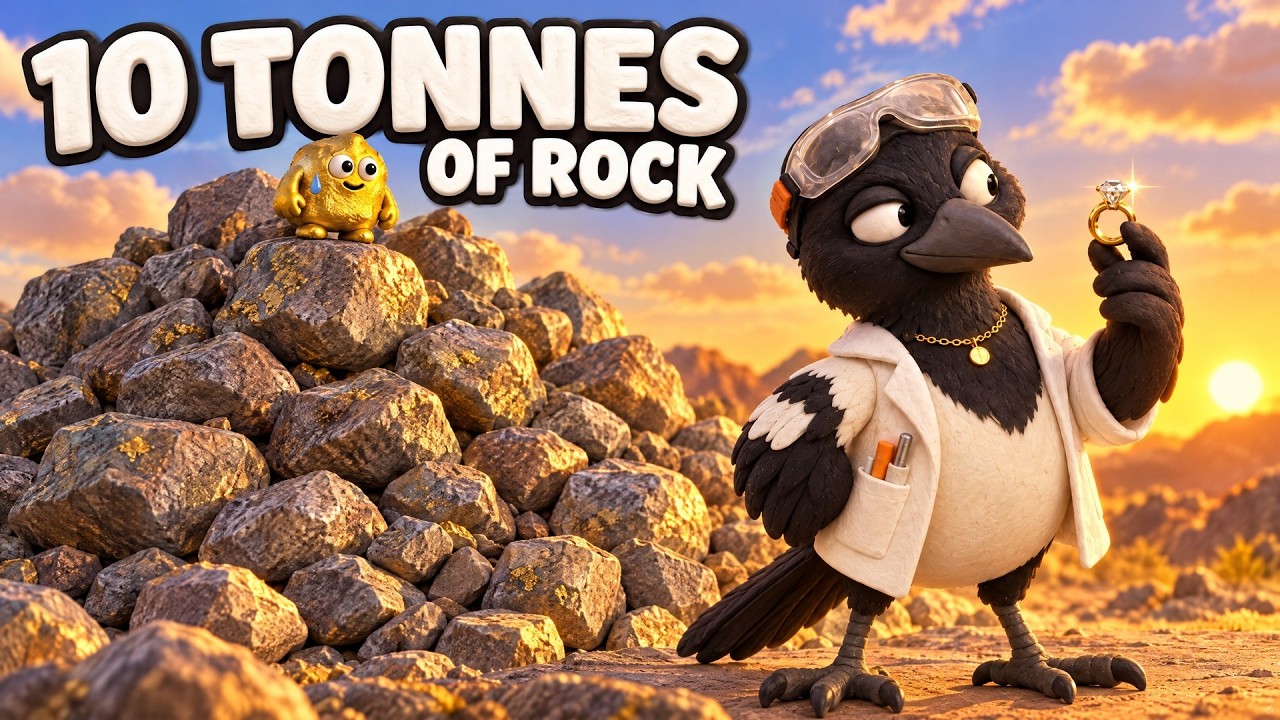
▶ Follows a small clay nugget from rock to ring: drilling, crushing, dissolving, carbon, melting and refining. · 5:27
What an ounce costs to produce at the Super Pit
Costs matter because the pit mines low-grade ore at a huge scale. A margin per ounce is the gold price minus the cost, so a pit like this earns when the price is well above AISC. In the year to June 2026 the cash operating cost at KCGM was A$1,897 per ounce and the all-in sustaining cost A$2,495 per ounce. AISC adds rehabilitation, corporate overheads and the mine development and sustaining capital needed to keep production steady. Growth capital, mainly the mill expansion, is not in AISC: it came to A$3,431 per ounce in the year, which is why Northern Star lists a separate “all-in cost” of A$6,021 per ounce.
Chart
KCGM cost per ounce sold, by quarter
A$ per ounce; cash operating cost and all-in sustaining cost
| Cost line (A$ per oz sold) | Year to June 2026 |
|---|---|
| Open pit mining | 726 |
| Underground mining | 386 |
| Processing | 985 |
| Site services | 79 |
| Ore stock and gold-in-circuit movements | -454 |
| Royalties | 206 |
| By-product credits | -31 |
| Cash operating cost | 1,897 |
| Mine development and sustaining capital | 459 |
| All-in sustaining cost | 2,495 |
The table is as Northern Star reports it. Some lines do not sum to the totals because the company also includes rehabilitation (A$36) and corporate overheads (A$103) in AISC. The negative line for ore stocks means that in the year more costs were put into stockpiles than were taken out. Processing is the biggest single cost, which is one reason the mill expansion matters.
The calculator uses the same logic for a mill of your own. Defaults for tonnes, grade, recovery and cost are round numbers close to the KCGM year; the gold price is an example only. None is a forecast. Enter your own tonnes, grade, recovery, price and cost. AISC is normally stated per ounce sold, so the margin here is a simplification.
Calculator
What is a mill of your size worth per year?
Enter your own tonnes, grade, recovery, price and cost. Results update as you type.
- Revenue at your price (A$): $2,881,990,773
- All-in sustaining cost (A$): $1,200,829,489
- Margin per year (A$): $1,681,161,284
- Margin per ounce (A$): $3,500
Example values only, not a forecast or a benchmark; the tonnes, grade, recovery and cost defaults are round numbers near the KCGM year to June 2026 (Northern Star: 10.27 million tonnes milled, 1.8 g/t, 83% recovery, AISC A$2,495 per oz); the A$6,000 price is only an example. The gold price is an input: use today’s price. One troy ounce is 31.1035 g. AISC is normally stated per ounce sold, so margin here is a simplification. All money in A$.
Fimiston South and how long the mine can run
The Fimiston South project extends the pit at its southern end. KCGM says it will extend the life of the Super Pit to 2034. It has two cutbacks, named Great Boulder and Ivanhoe after leases pegged in 1893. Great Boulder is described as the largest cutback at the Fimiston open pit in more than a decade. The project also needs more room for tailings (the waste slurry left after gold is removed) and waste rock: the Fimiston IIE tailings storage facility gets a third cell and a new Fimiston III facility is built. The June 2026 quarterly report says waste stripping continued at Fimiston South, in the Ivanhoe and Great Boulder cutbacks.
The state regulator’s record shows what the extension involves. The Environmental Protection Authority of Western Australia lists the proposal as widening and deepening the Super Pit through the Ivanhoe cutback, with up to 1,868 hectares of additional clearing, of which 1,580 hectares is native vegetation. The development envelope grows from 5,914 to 7,795 hectares, and the proposed operating life is an additional 12 years, to 2034. The page’s status is “Ministerial Statement published”.
The environmental case was public. KCGM published a Public Environmental Review (EPA assessment 2354) with a public comment period from 25 March to 24 April 2024, and the supporting documents include air quality, noise and vibration, flyrock, flora and fauna, a malleefowl habitat assessment, greenhouse gas and mine closure plans. Ministerial approval was then announced. KCGM notes that during the first 12 months of mining close to the surface, blasting may sometimes close a small section of the Goldfields Highway, and a noise bund between the pit and the city was moved west to make room.
“Life of mine to 2034” is a plan, not a closing date. Reserves and gold price assumptions, new underground drilling and the approvals for more cutbacks can all change it. The 15.0 million ounces of reserves are about 32 years of output at the 2026 rate, but they do not all sit in the open pit, so the pit and the underground mines will not close at the same time.
Power and environment at the Super Pit
Power is the next change. In late 2025 Northern Star announced a Kalgoorlie Regional Renewable Energy Project combining 256 MW of wind, 138 MW of solar and 300 MWh of battery storage. Renew Economy reported that it is designed to meet about 70% of KCGM’s electricity demand. Zenith Energy will build, own and operate it under a 25-year power purchase agreement, and Zenith and Northern Star have a joint venture for 120 MW of thermal generation as backup and for a 132 kV transmission network. The Australian solar maker 5B was chosen to supply the 138 MW of solar. The June 2026 report lists the start of the thermal power plant and renewable infrastructure as remaining work for the 2027 financial year.
Other effects on the surroundings are the usual ones for an open pit next to a city: noise, dust, blast vibration and the footprint of rock dumps and tailings. KCGM manages them through the plans above and a noise bund on the city side. For a plain-language list of what open pits change on the land, the video below covers seven environmental impacts of mining in general; it is not about this site.
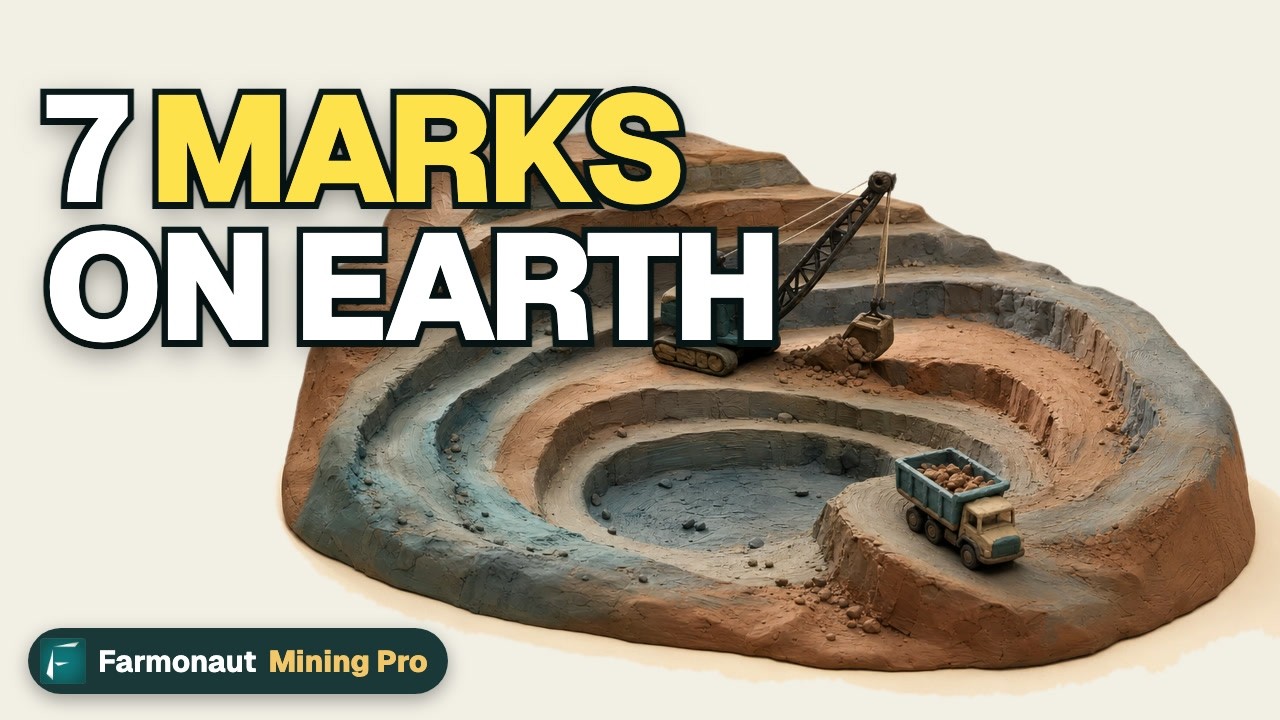
▶ The seven environmental impacts of mining, explained in plain words (general, not about this site). · 2:31
Where the Super Pit sits in Australian gold production
Australia is a major gold producer but not the largest. The USGS Mineral Commodity Summaries 2026 shows China at an estimated 380 tonnes in 2025, Russia at 310 and Australia at 280, out of a world total of about 3,300 tonnes. Australia’s 2024 figure was 284 tonnes. Older pages that call Australia the second-largest producer no longer match this table.
Whether the Super Pit is Australia’s largest open-pit gold mine depends on the source and the year. Northern Star calls it one of the largest, Mining Technology calls it the largest, and Wikipedia says another Western Australian mine, Boddington, overtook it in 2015. For a wider list, see our guide to the largest gold mines in Australia and the largest gold mines in the world.
Visiting the Super Pit lookout
The lookout is open to the public. KCGM says it is open from 7am to 7pm daily, off Mount Monger Road from the Goldfields Highway. Opening arrangements can change, so check the Super Pit website or call the KCGM office on 08 9022 1100 before you go.
Hannans North Tourist Mine, formerly the Mining Hall of Fame, is a short drive away. KCGM describes it as showing blast footage, a decommissioned truck and a scale model of the Fimiston open pit. Do not enter the mine site, climb fences or fly a drone over the pit: it is an active mine and the lookout is the permitted viewing point.
Where satellite images fit around a mine like this
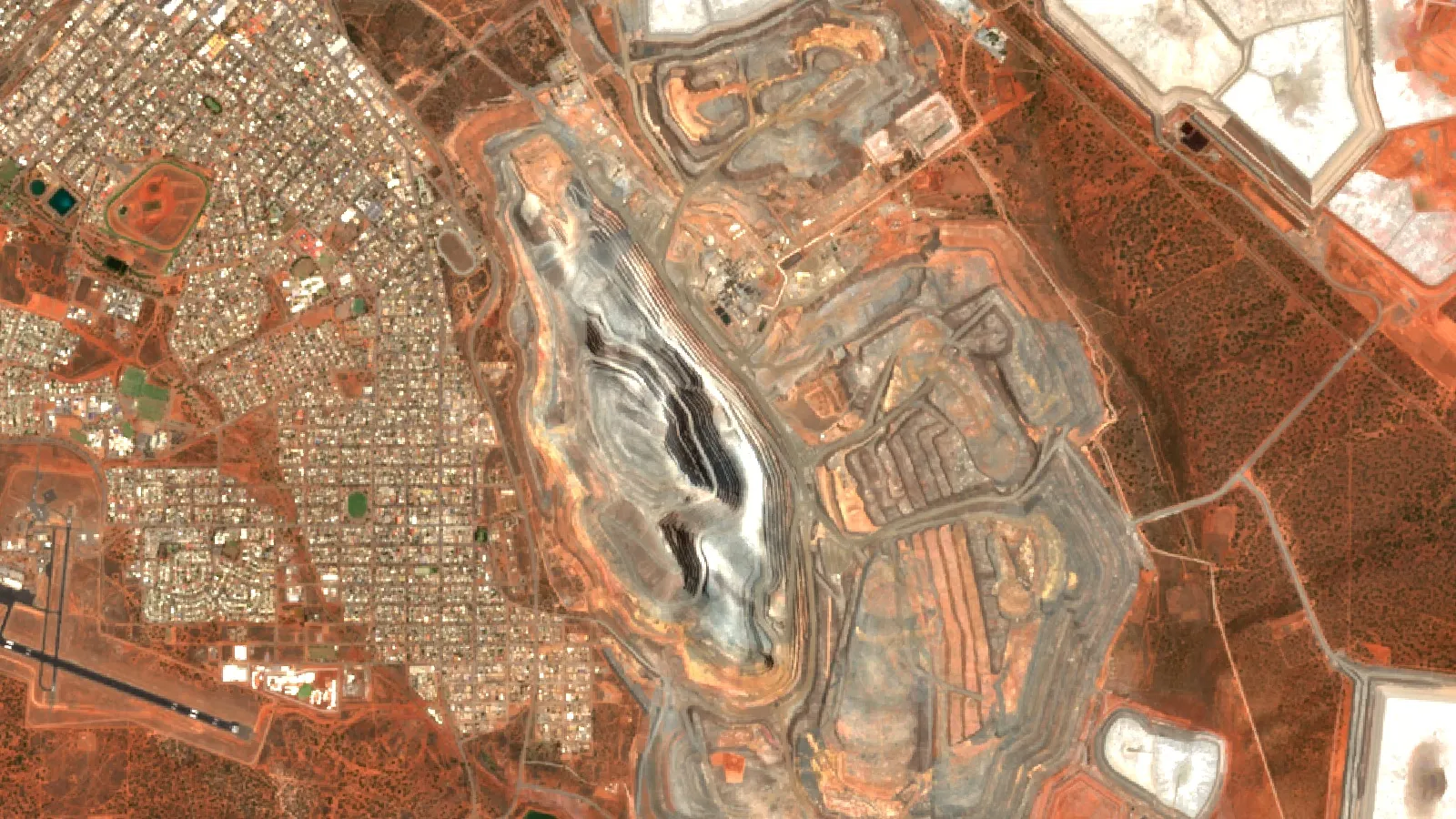
A pit this size is easy to see from space. Public images such as Sentinel-2 show the growth of the pit, rock dumps and tailings from year to year, and the hero image at the top of this page is a Sentinel-2 summer composite of the area. The harder question is where the next ore is. Satellites cannot see gold, but they can map iron-oxide staining, clay minerals and fault patterns that sit around gold systems. Farmonaut turns these patterns into exploration targets for licence areas. They are targets to test with drilling, not a resource estimate.

▶ Why satellites cannot see gold but can map the rock and alteration around it. · 4:25
Related reading on this site: Open Pit Mining Advantages and Disadvantages: Real Costs.
We cover a connected topic in Granny Smith Gold Mine: Output, Costs and Mine Life.
Frequently asked questions
How big is the Super Pit in Kalgoorlie?
About 3.5 km long, 1.6 km wide and more than 675 m deep (Wikipedia). It grows as cutbacks are mined.
Who owns the Super Pit gold mine?
Northern Star Resources owns 100% through KCGM. It bought Newmont’s half in January 2020, Saracen bought Barrick’s half in November 2019, and Northern Star and Saracen merged in February 2021 (Northern Star).
How much gold does the Super Pit produce each year?
KCGM sold 467,642 ounces in the year to June 2026, from the open pit and two underground mines. The company reports one total for all of them (Northern Star, June 2026 report).
How much gold is left at the Super Pit?
KCGM had 42.2 million ounces of Mineral Resources and 15.0 million ounces of Ore Reserves at 31 March 2026. Resources include the reserves, and 18.4 million ounces of the resource is Inferred (Northern Star, 3 June 2026).
When will the Super Pit close?
The Fimiston South project is planned to extend its life to 2034 (KCGM). This is a mine plan, and the date can change with reserves, gold price and approvals. The underground mines may run beyond the open pit.
Is the Super Pit the largest open pit gold mine in Australia?
Sources differ. Northern Star says it is one of Australia’s largest, Mining Technology says the largest, and Wikipedia says Boddington overtook it in 2015.
What is the Golden Mile?
It is the gold field at the centre of the Kalgoorlie goldfield, with more than 1,000 individual ore lodes. Northern Star says it has produced more than 65 million ounces over 130 years. The Super Pit mines part of it.
What does it cost to mine an ounce of gold at the Super Pit?
KCGM reported an all-in sustaining cost of A$2,495 per ounce and a cash operating cost of A$1,897 per ounce for the year to June 2026 (Northern Star). Growth capital for the mill expansion is reported separately.
Can you visit the Super Pit?
Yes, at the lookout, open 7am to 7pm daily. Check with KCGM before you go, as arrangements can change (KCGM).
Does the Super Pit use autonomous trucks?
Northern Star describes a conventional truck and shovel fleet, including 39 Caterpillar 793F trucks delivered from 2021 that the company said would improve operator visibility and comfort (International Mining, 2021).
How is Super Pit ore turned into gold?
Ore is crushed and milled at the Fimiston plant, which processes more than 13 million tonnes a year and is being expanded to 27 million tonnes a year. Recovery was 83% in the year to June 2026 (Northern Star).
This page is for information only. It is not investment advice. Company figures are as reported by Northern Star Resources for the periods stated and may be revised. Respect mine safety rules and do not enter the mine site.
Farmonaut mining
Map your own project area from space
Send a KML, KMZ or polygon and Farmonaut screens your licence area from satellite images to find exploration targets before ground crews go in.
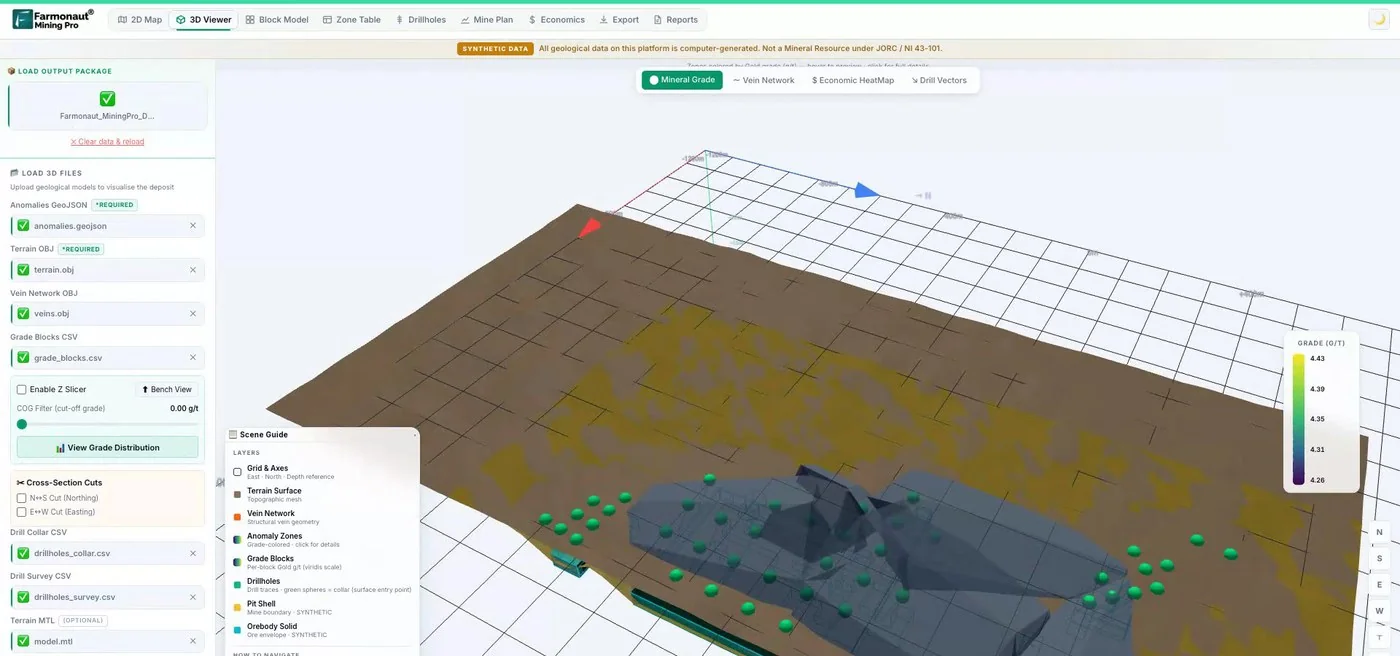
Mining Pro sample view, synthetic data
Keep reading
Sources
- Northern Star Resources, KCGM Operations (asset page): nsrltd.com
- Northern Star Resources, June 2026 Quarterly Activities Report: nsrltd.com
- Northern Star Resources, Resources and Reserves Update, 3 June 2026: nsrltd.com
- KCGM, The Super Pit (home page): superpit.com.au
- KCGM, Super Pit Lookout: superpit.com.au
- KCGM, Fimiston South Project approved: superpit.com.au
- KCGM, Life of Mine (Public Environmental Review documents): superpit.com.au
- EPA Western Australia, Fimiston South Project (assessment 2354): epa.wa.gov.au
- Renew Economy, 5B wins biggest order for Kalgoorlie Super Pit solar (4 December 2025): reneweconomy.com.au
- International Mining, New Cat 793Fs arrive at KCGM (27 October 2021): im-mining.com
- Mining Technology, Fimiston Open Pit Super Pit Gold Mine: mining-technology.com
- USGS, Mineral Commodity Summaries 2026, Gold: pubs.usgs.gov
- Wikipedia, Super Pit gold mine: en.wikipedia.org
Discussion
Questions, corrections or field experience? Share them below. First-time comments are reviewed before they appear, and your email is never published.
No comments yet. Be the first to add a question or your experience.

 VRV Global Pte Ltd
 Omsri International FZE
 G.I.T.T.
 Jaunita Erss Ltd
 Almosi SARL
 SRK Consulting
 Berks Gold Limited
 Mwerezi Minerals Company Limited
 Mining SARL
 SenGold Invest SAS
 Sean Mining Limited
 NTS Group (Pty) Ltd
 Mine4Africa
 Lithspo Minerals Limited
 Tintina Mining Group
 Licence holder · Nigeria · Gold + lithium










