

Pebble Mine 2025: Unveiling Alaska’s Environmental Dilemma
Background and Significance of Pebble Mine
The pebble mine controversy stands at the intersection of economic opportunity and environmental stewardship in 2025. Located in southwestern Alaska’s Bristol Bay region, this massive undeveloped mineral resource has been the subject of ongoing debates for decades. Discovered in the 1980s, the pebble deposit holds estimated reserves worth billions of dollars, containing copper, gold, and molybdenum—critical metals that are essential for used in renewable energy, defense systems, infrastructure development, and domestic production.
Yet, the mine sits atop one of the world’s most productive wild salmon ecosystems, supporting the largest sockeye fishery globally. This ecosystem sustains agricultural and forestry sectors, indigenous communities, and a culture that has lived for millennia, intertwining livelihood with food security, subsistence, and economic stability.
A Resource of Global Significance
- Pebble deposit is among the largest known undeveloped resources of copper, gold, and molybdenum globally.
- Bristol Bay watershed supports nearly 50% of the world’s wild sockeye salmon (see trivia below).
- Local communities depend on healthy water and natural resources for agriculture, forestry, and fishing industries.
Historical Timeline: From Discovery to Controversy
- 1980s: Pebble deposit discovered in Bristol Bay region, Alaska—estimated at billions of dollars in value.
- 1990–2018: Interest in mining and extraction grows alongside vocal debates about environmental concerns.
- 2019–2024: Intense scrutiny, regulatory reviews, and public controversy escalate globally as the scope of the project remains uncertain.
- 2025: With new proposals and technologies, Pebble Mine sits at a critical crossroads for Alaska’s sustainable future.

Economic Potential: The Case for Pebble Mine
The potential economic benefits of the pebble mine project are substantial, particularly for rural Alaska and the united states at large. Mining operations could generate revenues worth billions of dollars, with ripple effects for infrastructure development, jobs, and supply chains in critical metals.
Copper, Gold, and the Strategic Resource Supply Chain
- Copper is essential for electric vehicles (EVs), renewable energy grids, and telecommunications systems.
- Gold and molybdenum play critical roles in technology and defense industries.
- The mineral extraction process strengthens domestic production and resource security for the united states.
Development of the mine could create up to 2,000 direct jobs during construction, with opportunities for ancillary industries such as transportation, manufacturing, logistics, and services. The potential influx of revenues promises tax benefits and community investments that are especially significant for rural areas of Alaska.

Supporting National Security and Clean Energy
The drive for resource security is not limited to economic development. Copper and rare earth minerals are considered “critical minerals” for defense contractors, the renewable sector, and the electronics industries.
- Domestic production reduces dependence on foreign supply chains.
- Accelerated infrastructure development supports the united states’ clean energy transition.
- Mining projects like pebble mine are integral to the future of electric vehicles, grids, and power systems.

Potential Benefits for Rural Alaska
- Job creation in mining and related sectors.
- New or improved infrastructure: roads, energy, and technology hubs.
- Government tax revenues enhance funding for schools, healthcare, and community development.
- Indirect benefits flow to local suppliers, service providers, and forestry equipment industries.
However, these economic benefits are inextricably tied to the potential costs and long-term risks that could arise from environmental disruption and ecosystem degradation.
Environmental Risks: Salmon, Water & Ecosystem Stewardship
No discussion of pebble mine project is complete without examining the primary environmental concerns—the delicate habitat of the Bristol Bay region, potential for water contamination, and the existential threat to the productive wild salmon fisheries.

Water Quality: Acid Mine Drainage and Pollution
Modern mining operations often carry risks of acid mine drainage—a chemical reaction which produces highly acidic water, leaching heavy metals into local rivers and streams.
- Contamination from copper and gold extraction could disrupt the entire aquatic ecosystem feeding into Bristol Bay.
- Heavy metal runoff, such as mercury and arsenic, threatens food safety for agricultural and fishing communities.
- Even with advanced management technologies, risks of long-term pollution and contamination remain unresolved as of 2025.
Salmon Ecosystem Health and Ripple Effects
- Salmon fisheries underpin more than 14,000 jobs and 2,500 businesses, supporting subsistence, commercial, and sport fisheries.
- Predicted decline in salmon populations would disrupt ecosystem productivity and agricultural food chains.
- Salmon management is integral to Alaska’s sustainable future and the global seafood industry.
Forestry & Agriculture: Downstream Impacts
- Changes in water quality and seasonal flow patterns may disrupt forest growth and health, impacting biodiversity and timber yields.
- Downstream agricultural lands may face soil contamination, reduced productivity, and health risks for domestic livestock.
- Cultural and indigenous practices relying on natural resources and subsistence food gathering are under threat from these environmental changes.
Climate Change: Amplifying Existing Risks
As climatic patterns continue to shift, melting permafrost and extreme precipitation can exacerbate pollution risks and challenge sustainable management of the pebble mine site.
Social, Cultural, and Agricultural Implications
The pebble mine proposals have ongoing implications for social structure, indigenous culture, and the economic resilience of rural Alaska.
Indigenous Communities and Cultural Heritage
- Bristol Bay region is home to indigenous communities that have lived in harmony with their environment for millennia.
- Subsistence fishing and foraging form the cultural fabric and identity of local communities.
- Disruption from mining operations could lead to loss of cultural practices and food security reliant on salmon and clean water.
Agricultural and Forestry Sectors: Ripple Effects
- Downstream agricultural lands risk water scarcity and soil contamination, threatening food supply and productivity.
- Forestry in this region is integral to biodiversity, carbon sequestration, and the rural economy. Changes in water patterns disrupt the delicate balance.
- Loss in ecosystem health could push farmers and loggers to migrate, undermining rural livelihoods and community sustainability.
Balancing Social and Economic Opportunity
- Proponents see mining as a pathway to create jobs and diversify the economy away from volatile fishing and forestry sectors.
- Opponents argue that damaging one of the world’s last pristine wild salmon ecosystems will undermine long-term, sustainable economic foundations.
Technological Frontiers in Mining and Sustainability
The pebble mine controversy in 2025 is shaped by the promise and pitfalls of modern mining technologies. Recent advancements may reduce risks, but environmental concerns remain unresolved.
Innovations in Mineral Extraction & Waste Management
- Closed-loop systems, advanced wastewater treatment, and leak detection sensors are at the forefront.
- AI-driven monitoring, drone surveys, and satellite imagery enhance real-time oversight of mining activities.
- Blockchain-based traceability offers new levels of transparency in mineral supply chains for copper, gold, and molybdenum.

Satellite Technology in Environmental Management
Satellite monitoring allows for:
- Detection of vegetation stress and water pollution in real time.
- Assessment of habitat disruption and restoration efforts throughout the mine’s operations.
- Enhanced enforcement of regulatory standards through third-party audits using earth observation data.
Blockchain-based Traceability for Sustainable Mining
Blockchain platforms ensure mineral traceability, enabling buyers and governments to verify the origin of copper, gold, or molybdenum. This can help promote sustainable sourcing in extraction industries.
Farmonaut: Bringing Satellite-Powered Insights to Mining & Environment
At Farmonaut, we offer satellite-powered services designed for mining, agriculture, and infrastructure management. Our mission is to make satellite-driven resource monitoring affordable and accessible for everyone involved in sustainable development.
- Satellite-Based Monitoring: We use multispectral images to track vegetation, detect soil changes, and monitor mine site impacts.
- AI Advisory: Through Jeevn AI, we deliver actionable insights for sustainable mining and agricultural operations—helping balance productivity and environmental management.
- Blockchain Traceability: Our traceability modules ensure integrity and transparency in mining supply chains, reducing fraud and environmental risk.
- Fleet and Resource Management: Our fleet tracking solutions optimize logistics for mining and agricultural sectors—saving fuel, costs, and emissions.
- Environmental Impact Monitoring: We offer carbon footprint monitoring to help operations track and reduce pollution—critical for sustainable mining projects like Pebble.
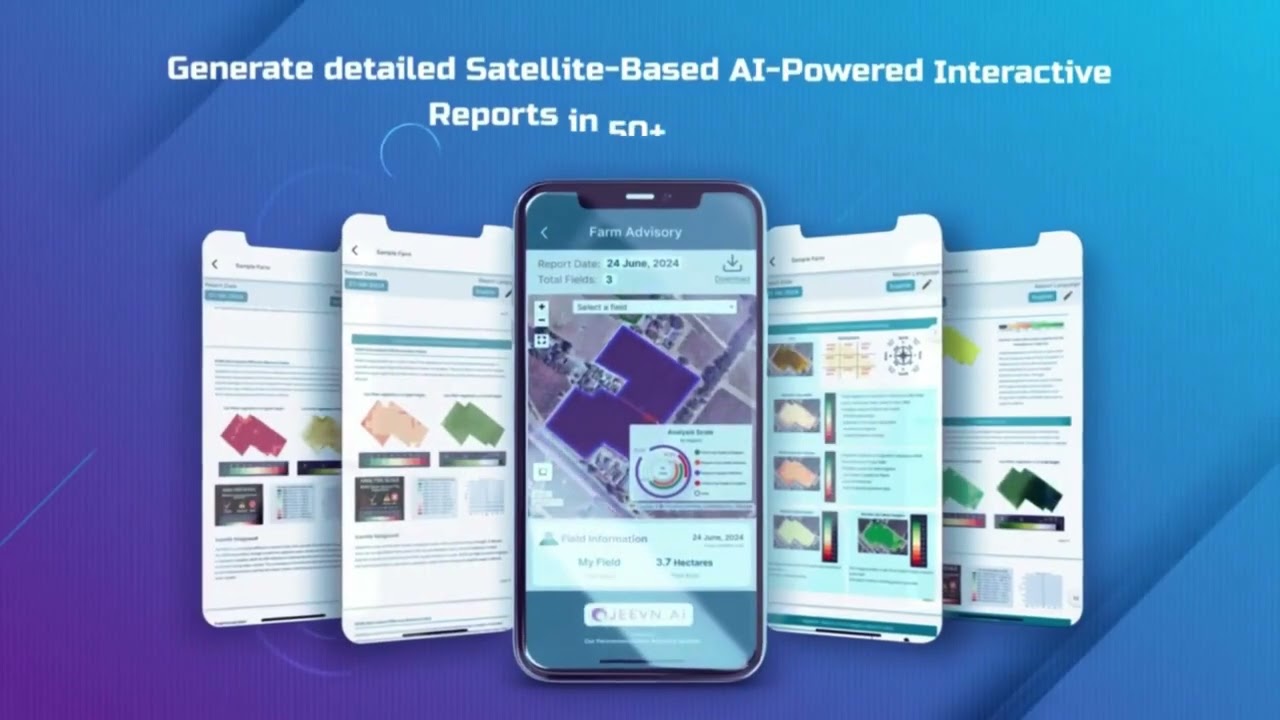
Farmonaut’s technology is accessible for every scale of user—from small farm operators to large mining enterprises—via our intuitive web and mobile apps.



Access Farmonaut API
Businesses and developers can integrate our solutions for mining, forestry, or agricultural automation using:
- Farmonaut Satellite API for development integration
- API Developer Docs for implementation details

Financial Access for Farmers and Miners
Access to credit and insurance enables risk-taking and innovation. Our crop and mining loan/insurance solutions use satellite verification for fast, fraud-free approvals, unlocking finance for sustainable mining and agriculture.
Large Scale Management
Major agricultural and forest plantation projects can utilize our large-scale farm management platform for operational efficiency across vast landscapes.
Estimated Economic vs. Environmental Impacts of Pebble Mine in 2025
| Impact Category | Estimated Economic Benefit | Estimated Environmental Risk | Additional Notes |
|---|---|---|---|
| Local Employment |
– Up to 2,000 direct mine jobs – 1,000–2,000 indirect jobs (services, logistics) |
– Risk to >14,000 fishing & salmon industry jobs – Cultural disruption for indigenous communities |
Balancing short-term employment with long-term sustainability; job losses in fisheries could outweigh gains in mining. |
| Water Quality |
– Mine economic output: $500M+ per year (potential) – Increased tax revenue for water infrastructure |
– Possible remediation costs: $50M–$100M+ if contamination occurs – Irreversible pollution risk to watershed |
Water contamination could demand costly cleanup and threaten drinking/irrigation supplies for the region. |
| Salmon Ecosystem Health |
– Mine revenue supports state budgets and economies – Boost to related mining and service sectors |
– Projected decline: Up to 50% loss in wild salmon runs if ecosystem is disrupted – Biodiversity loss |
Salmon decline would severely harm fisheries, tourism, and traditional lifestyles. |
2025 Regulatory Outlook & The Road Ahead
The regulatory status of pebble mine in 2025 is complex and evolving:
- Federal and Alaska-based agencies have imposed strict conditions, many rooted in recent scientific evidence regarding water quality and ecosystem health.
- Continuous updates to environmental management and remediation technologies are required for ongoing project approval.
- Stakeholder consultations—especially with indigenous communities and local commercial fishing operators—are now mandated for key phases of project development.
- Long-term environmental monitoring and adaptive management plans must be included before permits are issued.
Ultimately, the risk of irreversible environmental damage to the Bristol Bay region and its ecosystems has made regulators cautious and the future of Pebble Mine one of the most contentious proposals worldwide.
FAQ – Pebble Mine 2025
- What is Pebble Mine?
A proposed mining development in southwestern Alaska’s Bristol Bay region, targeting one of the largest undeveloped copper, gold, and molybdenum deposits globally. - Why is it controversial?
Pebble Mine could bring economic opportunity and strategic metals but risks devastating one of the world’s most productive wild salmon ecosystems—endangering jobs, food security, and indigenous culture. - What are the main risks?
Water contamination, habitat destruction, salmon population decline, disruption to forestry and agriculture, cultural loss for indigenous communities, and long-term remediation costs. - What is the economic case for the project?
Billions in mineral value, thousands of mining-sector jobs, expanded infrastructure, and strengthened domestic supply chains for copper and gold. - How can satellite technology help?
Satellite monitoring provides near real-time data on vegetation, water quality, habitat health, and infrastructure—powerful for regulatory compliance, sustainable management, and reducing pollution risks. - What is Farmonaut’s role?
We provide affordable, satellite-based environmental and operations monitoring to support transparency, sustainability, and efficiency for businesses and stakeholders across mining, agriculture, and infrastructure sectors. - What are alternatives to Pebble Mine?
A stronger focus on renewable energy, sustainable fisheries management, job diversification in green industries, and leveraging technology to optimize existing resource sectors. - How does Pebble Mine connect to global supply chains?
Taps into international markets and U.S. demand for critical metals, influencing technology, defense, and clean energy sectors. However, environmental damage could disrupt global seafood supplies, especially for wild salmon. - Where can I learn more about sustainable mining and resource monitoring?
Visit the Farmonaut website for information on patterns monitoring, traceability, carbon footprinting, and satellite-powered farm management.
Conclusion: Balancing Opportunity and Stewardship
Pebble Mine in 2025 mirrors a global dilemma—balancing economic opportunity against environmental stewardship, especially when livelihoods, culture, jobs, and entire ecosystems are inseparably linked. The project remains a flashpoint, reflecting urgent questions:
- How can we develop critical mineral resources while safeguarding water, salmon, and the healthy environment that supports agricultural and forestry sectors?
- What role must regulatory agencies, technology, satellite monitoring, and local stakeholders play in sustainable resource management?
- Can new technologies and management protocols truly mitigate the long-term risks of pollution and habitat disruption?
- Does short-term economic development outweigh the risks to sustainable food systems, indigenous culture, and Alaska’s environment?
The pebble mine controversy is a pivotal case study for balancing resource extraction and environmental integrity not just in Alaska, but worldwide. The outcome will undoubtedly influence the blueprint for managing large-scale mineral development in ecologically sensitive regions across the planet.
At Farmonaut, we are committed to making satellite-based insights affordable and impactful for a sustainable future. Our suite of carbon footprint monitoring, traceability, resource and fleet management, and large-scale management solutions can help stakeholders on all sides make more informed, transparent decisions for the benefit of people, industries, and nature.
Get Started with Farmonaut
Access our powerful satellite insights for mining, farming, forestry, and environmental monitoring—on demand or via API. Explore the future of sustainable management with Farmonaut today.
API Access for Developers: Direct API | Developer Docs
Discussion
Questions, corrections or field experience? Share them below. First-time comments are reviewed before they appear, and your email is never published.
No comments yet. Be the first to add a question or your experience.

 Congo Mining Solutions
 Mining SARL
 SenGold Invest SAS
 Sania Corporation
 Sean Mining Limited
 NTS Group (Pty) Ltd
 Mine4Africa
 Lithspo Minerals Limited
 Tintina Mining Group
 Dalgety Minerals Pty Ltd
 Vortex Minerals Pty Ltd
 Faith At Work (Pty) Ltd
 Geotech Mining Solutions plc
 Vulcan International Limited
 Kidepo Associates
 GKY Mining
 Alkimy SARL
 Double A Trading
 GemSprout Metals Limited
 Qader Group
 Ileys General Trading
 SG Gold Mining LLC
 VRV Global Pte Ltd
