

Periodic Table of Elements Au: Rare Gold Element Facts in 2026
Meta Description: Discover the significance of gold (Au) on the periodic table of elements, its rarity, advanced mining methods, sustainable extraction, and future applications reshaping the global industry in 2026.
“Gold (Au) makes up only 0.00000031% of Earth’s crust—requiring advanced tech for efficient mining.”



The Significance of Au on the Periodic Table of Elements
The periodic table of elements Au, known commonly as gold, occupies a distinct and highly valuable position among all elements. Gold is symbolized as Au (from the Latin aurum), and its unique atomic number 79 firmly places it within the transition metals of Group 11. This group also includes copper (Cu) and silver (Ag). The transition metals are particularly known for outstanding chemical properties, particularly excellent conductivity, malleability, and metallic luster.
Gold’s electron configuration, written as [Xe] 4f14 5d10 6s1, is what grants it a suite of distinctive properties. These properties include:
- Extraordinary resistance to oxidation and corrosion — Gold remains untarnished and brilliant when exposed to air or water, which is why gold artifacts from ancient civilizations have survived millennia.
- High electrical and thermal conductivity — Only a few elements, such as copper and silver, can compete with gold in this domain, making it indispensable in many technological applications.
- Malleability and ductility — Gold can be drawn into incredibly fine wires or hammered into thin sheets measuring only a few atoms thick.
This fascinating placement on the periodic table directly explains why gold has enjoyed sustained valued status throughout history, across civilizations, and why it remains critical for industrial and technological applications in 2026 and the years to come.

Gold’s Rarity and Its Place Among Rare Elements (Rare Elements Periodic Table)
Gold’s rarity on Earth is one of the key factors driving its enduring importance and value. In fact, the abundance of Au on the periodic table of elements is shockingly low—just around 4 parts per billion (ppb) by weight in the planet’s crust. To put this in context, it means that if you mined a billion grams of crustal rock, just four grams of it would be gold.
Despite this scarcity, unique geological formations help concentrate gold into deposits large enough for mining. These include:
- Paleoplacers and alluvial deposits, where gold particles are concentrated by the movement of water in rivers and streams;
- Hydrothermal quartz veins, where gold is trapped within ancient rocks by mineral-rich fluids;
- Sulfide ores, often mixed with other precious or base metals.
On the rare elements periodic table, gold is closely grouped with other precious metals like platinum, palladium, and rhodium. All these elements are crucial for future industries, but their limited global reserves also create a need for advanced exploration, sustainable usage, and conservation practices.
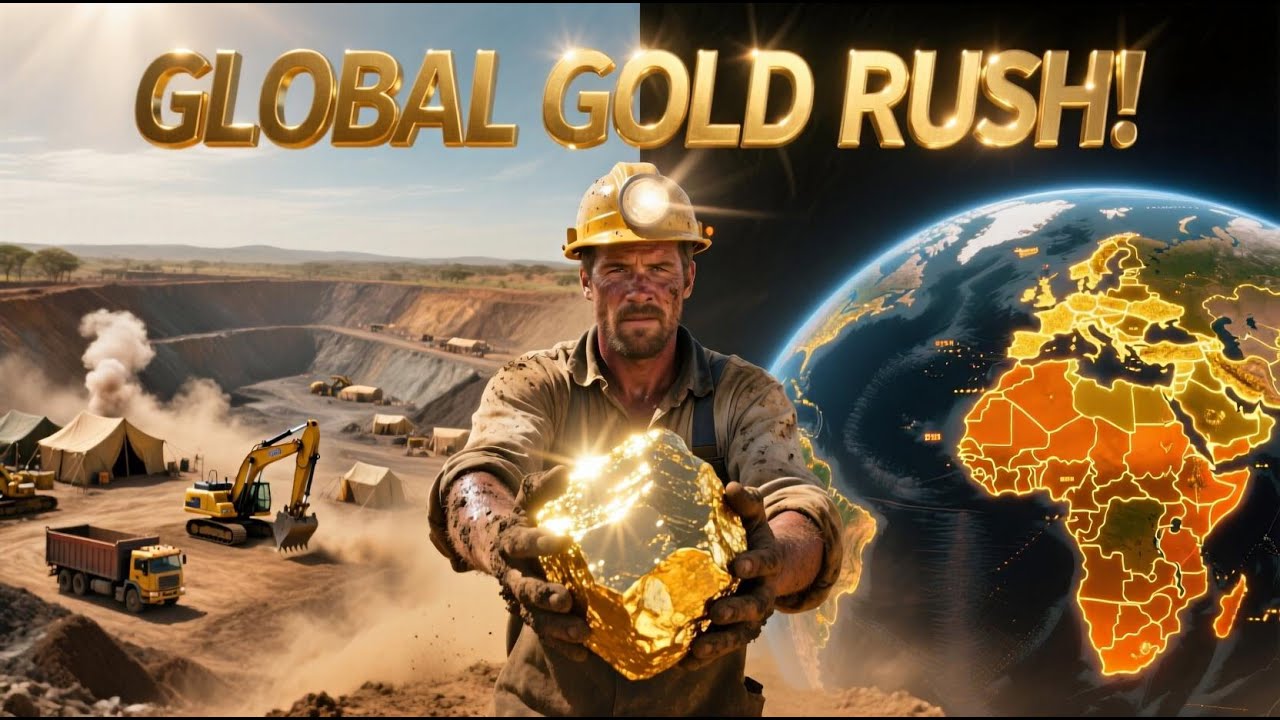
Advanced Mining and Extraction Methods in the Gold Industry
As we approach 2026, the mining sector continues to innovate and evolve. With gold being so rare and often locked within complex ores, it’s no longer enough to rely on basic placer or hard rock mining techniques. Our modern industry demands a combination of advanced methods, precision, and environmental sustainability.
Placer Mining: Tapping Alluvial Gold Deposits
Placer mining targets alluvial deposits. Gold particles separated by water action over millennia are often concentrated in riverbeds and ancient stream channels. Large-scale placer operations use techniques such as:
- Dredging — Mechanically removing sediment from riverbeds while separating gold via gravity concentration.
- Sluices and panning — Lower scale, physical separation methods utilizing gold’s high density compared to surrounding material.
Despite their efficiency, these methods require vigilant environmental practices to avoid disturbing aquatic ecosystems.
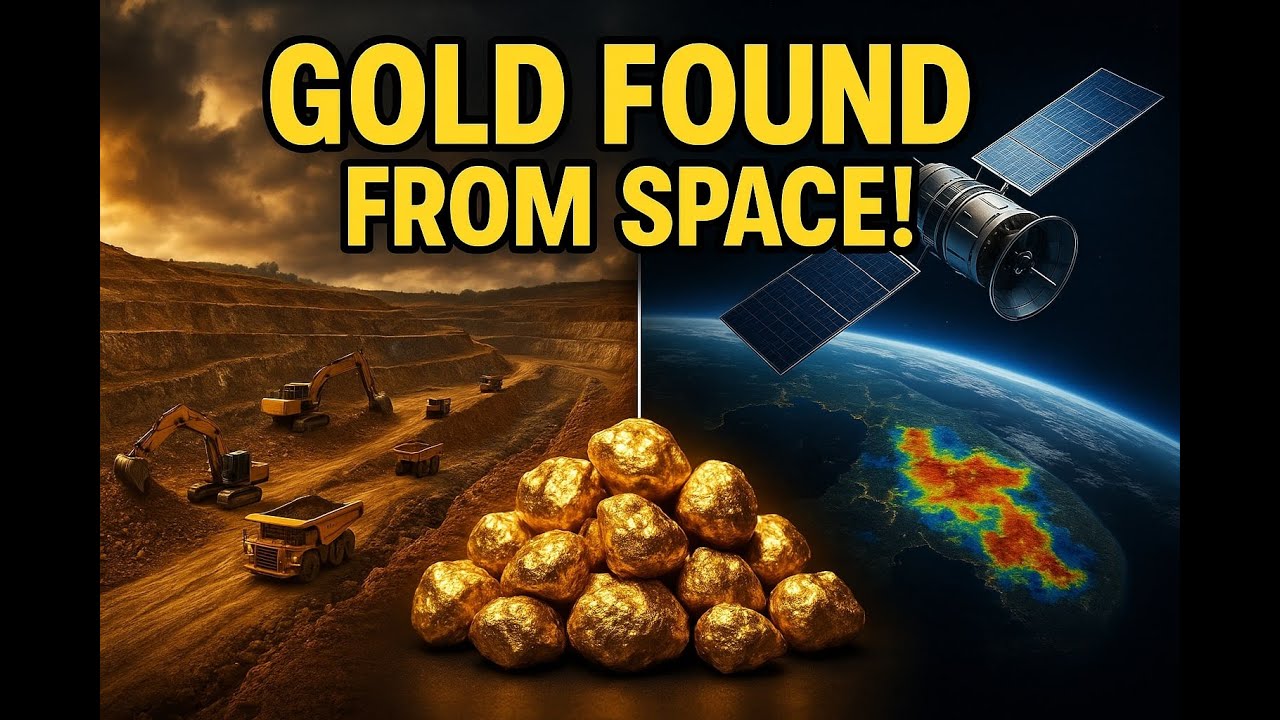
Hard Rock Mining: Extracting Gold Trapped in Veins
Hard rock mining involves extracting gold from quartz veins or within sulfide ores. This is a highly technical method that may include:
- Drilling and blasting tunnels deep into the earth’s crust
- Mechanical and chemical extraction of gold from complex metallic mixtures
Recent advances involve remote sensing, AI-powered geological exploration, and satellite-based resource mapping—techniques that are revolutionizing the mining industry.

In-Situ Leaching & Green Extraction Methods
As responsible mining becomes paramount in 2026 and beyond, in-situ leaching stands out as a primary advanced method for extraction. This technique minimizes environmental disruption by injecting environmentally-friendly leaching solutions to extract gold without major surface disturbance.
Other processing methods include:
- Cyanidation (with green chemistry additives): Still the most-used technique, but with stricter safety and recovery protocols in place.
- Gravity and flotation concentration: Using physical properties of gold to separate it from mixtures—crucial in sustainable extraction.
- Bioleaching: Leveraging microbes that naturally liberate gold, a field growing via ongoing research and development in 2026.
These evolving practices help ensure that the extraction of rare elements like gold aligns with the world’s sustainability goals.

Farmonaut’s Blockchain-Based Traceability brings full transparency to gold supply chains, allowing industries to track gold from mine to market and ensuring ethical and responsible sourcing for global industries.
“Over 60% of newly-mined gold is processed using sustainable, innovative extraction technologies pioneered in the last decade.”
Green Mining Practices: Environmental Sustainability & Innovation
A key trend shaping the industry in 2026 is the integration of sustainable practices into all areas of gold mining and extraction. This involves a holistic approach—technological, regulatory, and operational—to reduce the environmental footprint of gold production. Some of the most impactful green mining practices include:
- Remote Sensing and Satellite Monitoring: Monitoring mining activity, tailings, and land restoration efforts via space-based technology to ensure ecological compliance and optimize resource management.
- Carbon Footprint Tracking: Advanced tools such as Farmonaut Carbon Footprinting help mining companies monitor and manage carbon emissions, supporting greener value chains and compliance with global environmental standards.
- Water Usage Optimization: Modern methods deploy closed-loop systems and advanced filtration to reduce water consumption and eliminate toxic runoff.
- Rehabilitation of Mining Sites: Proactive restoration of ecosystems, soil improvement, and reforestation are core to post-extraction land management in 2026 and beyond.
These practices are crucial for ensuring that gold’s use in future technologies does not come at the expense of the environment.

Modern and Future Gold Applications: Beyond Jewelry
While gold’s storied history as a symbol of wealth and adornment is universally recognized, its applications now extend far into sectors crucial for the modern global economy and technological advancement. Below we explore gold’s current and emerging roles in the industry, as well as its unique properties that drive advanced use cases.
Electronics & Green Energy: Leveraging Conductivity and Stability
Gold’s excellent conductivity and robust corrosion resistance make it ideal for use in:
- Microelectronics and high-reliability connectors: Its non-reactivity and superior electrical characteristics make gold critical in aerospace, computer, and defense circuitry.
- Green power: Gold nanoparticles are increasingly vital in solar panels, fuel cells, and advanced battery designs, where chemical stability and conductivity ensure efficient energy transfer in harsh environments.

Medicine, Nanotechnology, and Agriculture: Gold’s New Frontiers
Modern nanotechnology utilizes gold at the atomic scale, unlocking incredible new applications:
- Medical diagnostics and therapeutics: Gold nanoparticles are used in cancer detection, targeted drug delivery, and as contrast agents in imaging.
- Agriculture & Smart Farming: Gold nanoparticles are now used in controlled-release fertilizers and plant protection agents, boosting crop yield and minimizing environmental impact, illustrated by Farmonaut’s satellite-driven monitoring systems for agricultural optimization.
Farmonaut’s Crop Plantation/Farm Advisory App delivers real-time, AI-driven agricultural monitoring and gold-nanotech adoption strategies for smarter, more sustainable farming.
Infrastructure & Defence: Gold in Critical Components
In infrastructure and defense, gold’s chemical resistance and stability ensure:
- Reliable satellite and defense communications: Used in connectors, switches, and transmission systems for guaranteed uptime in critical operations.
- Space technology: Gold coatings shield satellites and spacecraft against cosmic radiation and harsh atmospheric conditions, improving longevity and reliability.

Farmonaut’s Fleet Management enables mining, agriculture, and infrastructure operators to track and optimize heavy vehicle movement with AI and satellite insights, reducing fuel usage and environmental costs.
Financing, Insurance & Traceability: Reducing Risk with Satellite Data
The changing landscape of finance and insurance in gold mining now leverages advanced verification for improved trust:
- Satellite-based verification: Used by financial institutions to confirm gold reserves and operational activities, speeding up loan approvals and reducing risk.
- Blockchain traceability: Enables transparent, tamper-proof tracking of gold from extraction to end-user, as delivered by Farmonaut’s supply chain solutions.
Farmonaut’s Crop Loan & Mining Insurance Services allow users to validate gold mining operations remotely, cutting fraud and improving access to credit and protection.
Gold Element Applications & Innovations Table
| Application Area | Gold Usage Type | Estimated Annual Gold Demand (t) | Mining/Extraction Method | Sustainability Rating |
|---|---|---|---|---|
| Electronics & Aerospace | Pure Gold, Alloys | 320–350 | Hard Rock Mining, Cyanide Leaching | Medium |
| Green Energy (Solar, Batteries) | Nanoparticles | 40–50 | Bioleaching, Green Chemistry | High |
| Medicine & Diagnostics | Colloidal Nanoparticles | 10–15 | Recycled Gold, Cyanide-Free Extraction | High |
| Agriculture (Nano-fertilizers) | Controlled-release Nanoparticles | 5–10 | Placer, Recycled Gold | Medium |
| Jewelry & Bullion | Pure, Alloyed Gold | 1600–1700 | Placer & Hard Rock Mining | Medium |
| Defence & Secure Communications | Thin Film Coatings, Alloys | 20–30 | Hard Rock Mining, Recycled | High |
The above table showcases how gold’s rare element status, mining/extraction methods, and innovative applications shape modern and future industries worldwide.
Farmonaut: Satellite-Driven Insights Empowering Mining, Defence, and Agriculture
At Farmonaut, we are dedicated to empowering companies and governments to harness the power of satellite technology, AI, and blockchain to unlock the full value of gold mining, defence, and advanced agricultural solutions:
- Satellite-based monitoring provides real-time, multispectral imagery of mining sites, detecting new gold deposits and assessing environmental compliance.
- Our Jeevn AI provides tailored advisories for extraction efficiency and land stewardship, raising operational efficiency while curbing environmental impact.
- Blockchain-backed traceability delivers end-to-end visibility throughout the gold supply chain, ensuring both ethical sourcing and regulatory transparency for industries in 2026.
- Environmental monitoring and carbon footprinting empower mining and agricultural projects to track and minimize emissions—critical for sustainability targets and responsible global practices.
- Fleet and resource management tools centralize vehicle deployment, furthering cost savings and environmental stewardship.
- Explore Farmonaut’s API and Developer Docs to integrate real-time satellite-driven gold mining and monitoring capabilities into your enterprise workflow.
- Large Scale Farm Management leverages satellite intelligence for administrating plantations and resource planning at regional or national scale.
Future Perspectives and Industry Trends
The future of gold on the periodic table of elements Au is defined by the intersection of scarcity, advanced industry innovations, and urgent sustainability needs. Some trends to watch as we move toward 2026 and beyond:
- Rising demand in green technology, aerospace, and secure communications will keep gold at the heart of the rare elements periodic table.
- Expansion of bio-mining and microbe-driven extraction methods are predicted to revolutionize eco-friendly mining around the world.
- Data-driven strategies, including satellite, AI, and blockchain, will bring unprecedented transparency, efficiency, and environmental responsibility.
- Emphasis on circular economy and recycling will reduce dependence on new gold reserves, lowering environmental toll and aligning with global climate targets.
Crucially, the significance of gold as an element will only grow. Its unique properties and future applications will continue to drive transformations in mining, sustainable industry, infrastructure, advanced materials, and much more.
Farmonaut Subscription Options
Gain full access to Farmonaut’s satellite-driven solutions for mining, agriculture, infrastructure, and more. Choose the right subscription for you, your business, or your government institution:
FAQ: Gold (Au), Mining, and the Periodic Table
- Q: What is the atomic number and symbol for gold?
- A: Gold’s atomic number is 79, and its symbol is Au on the periodic table of elements.
- Q: Why is gold considered a rare element?
- A: With an abundance of only ~4 parts per billion by weight in Earth’s crust, gold is among the rarest elements, especially compared to base metals such as copper or iron.
- Q: What are the main methods for extracting gold in 2026?
- A: The primary methods are placer mining (for alluvial riverbed gold), hard rock mining (extracting from quartz veins), and in-situ leaching. New advances involve greener chemistry, bioleaching, and satellite-aided operations.
- Q: Which modern industries rely on gold?
- A: Electronics, medicine, agriculture (via nanotechnology), defense, aerospace, and green energy sectors are all becoming increasingly reliant on gold’s unique chemical and physical properties.
- Q: How does Farmonaut support sustainable gold mining?
- A: We offer satellite-based monitoring, blockchain-powered traceability, carbon footprint tracking, and AI-supported advisories, empowering mining operations with data-driven solutions for efficiency and environmental stewardship.
- Q: What role does gold play in green energy technologies?
- A: Gold nanoparticles are integral to the performance and durability of solar panels, advanced batteries, and hydrogen fuel cells, due to outstanding conductivity and corrosion resistance.
- Q: Can recycled gold meet future demand?
- A: While recycling is vital for sustainability, continued innovation in mining and recovery processes will be pivotal as industry demand for gold grows across sectors.
Summary & Key Takeaways: The Enduring Significance of Gold (Au) and Its Advanced Role
Gold occupies a truly unique position on the periodic table of elements Au—not just because of its atomic structure, but also due to its exceptional properties and centuries-long historical, industrial, and economic importance. As of 2026 and beyond, understanding the placement, chemical stability, rarity, and extraction methods of gold is critical for all stakeholders in mining, technology, and global industry.
With mining and extraction technologies evolving towards sustainability, gold’s future as a rare, precious element looks brighter and more innovative than ever. Its applications are expanding rapidly—reaching far beyond jewelry into medicine, green energy, aerospace, defense, smart agriculture, and infrastructure.
At Farmonaut, we lead the way in delivering satellite-driven insights and blockchain traceability to empower more efficient, transparent, and sustainable gold and mineral resource management. This approach ensures that gold, as a rare element, continues to drive progress responsibly and contribute to a sustainable future for industries worldwide.
Discussion
Questions, corrections or field experience? Share them below. First-time comments are reviewed before they appear, and your email is never published.
No comments yet. Be the first to add a question or your experience.

 Sean Mining Limited
 NTS Group (Pty) Ltd
 Mine4Africa
 Lithspo Minerals Limited
 Tintina Mining Group
 Dalgety Minerals Pty Ltd
 Vortex Minerals Pty Ltd
 Faith At Work (Pty) Ltd
 Geotech Mining Solutions plc
 Vulcan International Limited
 Kidepo Associates
 GKY Mining
 Alkimy SARL
 Double A Trading
 GemSprout Metals Limited
 Qader Group
 Ileys General Trading
 SG Gold Mining LLC
 VRV Global Pte Ltd
 Omsri International FZE
 G.I.T.T.
 Jaunita Erss Ltd
 Almosi SARL
 SRK Consulting
 Berks Gold Limited










