

Pink diamonds · Value guide
Pink Diamond Value: 7 Factors That Set Price per Carat
A natural pink diamond is worth from about US$10,000 per carat for a pale small stone to over US$5 million per carat for a top Fancy Vivid gem at auction. Colour intensity explains most of the gap.
Key takeaways
- Retail stones near 0.6 carat run from US$10,900 (Fancy Light) to US$174,100 (Fancy Vivid) (Diamonds.pro, checked November 2026).
- The 11.15-carat Williamson Pink Star made US$57.7 million in October 2022, about US$5.2 million per carat, the per-carat auction record (National Jeweler, 2022).
- Large but light-coloured pinks sold at Sotheby’s for about US$96,000 to US$109,000 per carat in 2024 to 2026 (Sotheby’s).
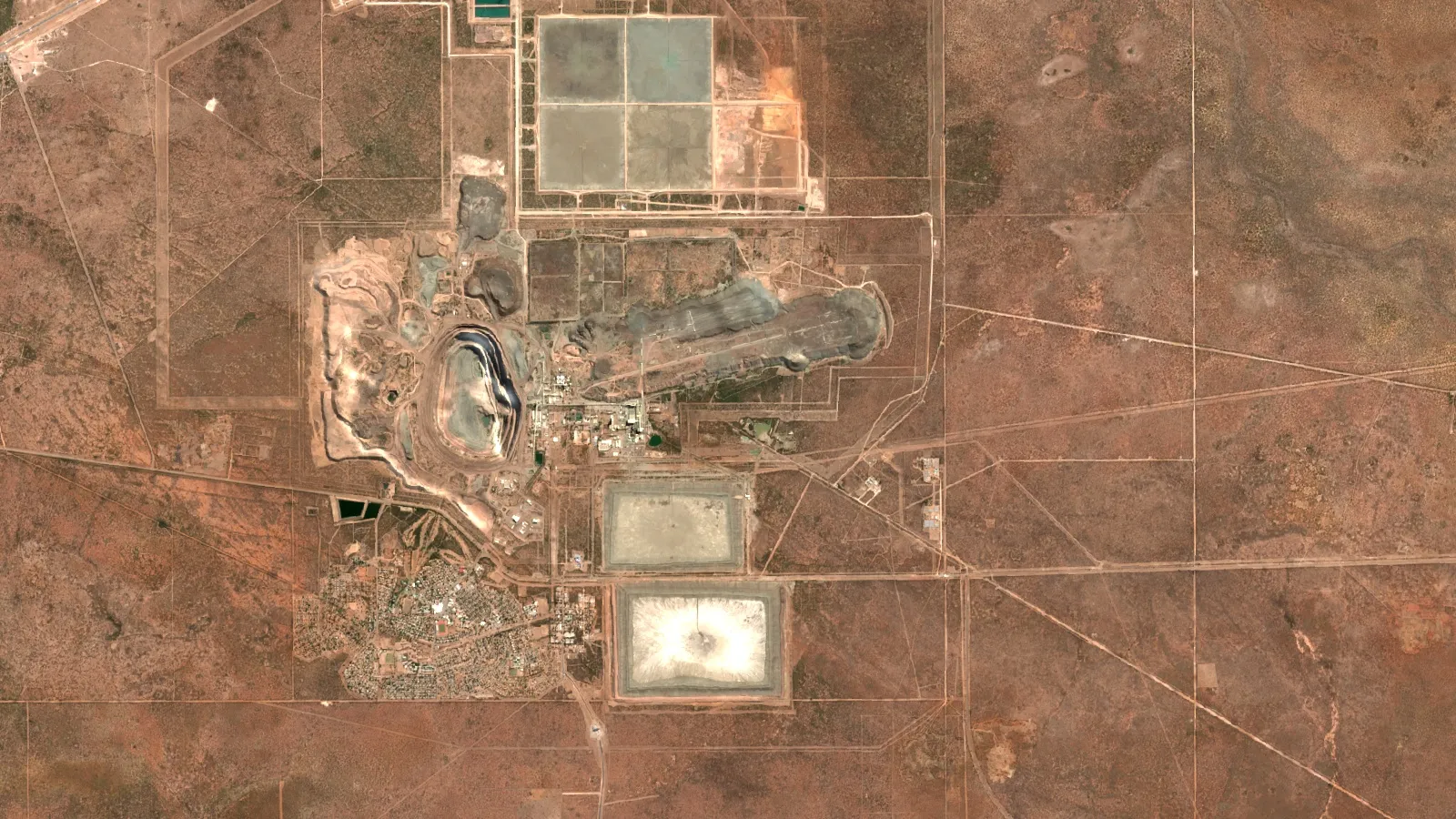
- Argyle supplied over 90% of pink diamonds but stopped mining on 3 November 2020 (Wikipedia, Argyle diamond mine).
- Value a stone by adjusting the closest comparable sale, not by multiplying a table rate.
In this article
- Pink diamond value at a glance
- How pink diamonds are graded
- The 7 factors that set pink diamond value
- Real pink diamond sales and what they show
- Why a 100-carat pink diamond has no price
- Estimate a pink diamond's value from a comparable sale
- Is pink diamond value rising or falling?
- What this means for investors and mine owners
- Due diligence checklist before you buy or sell
- Frequently asked questions
A natural pink diamond is worth anywhere from about US$10,000 per carat for a pale, small stone to more than US$5 million per carat for the finest Fancy Vivid gems at auction. Colour intensity sets most of that gap: Diamonds.pro lists retail stones of about 0.6 carat that run from US$10,900 for a Fancy Light grade to US$174,100 for a Fancy Vivid grade (Diamonds.pro, checked November 2026). Size, clarity, cut, origin, paperwork and the sales channel then move the number up or down. This guide takes each of those seven factors in turn, shows the real sales behind them and gives you a calculator to build an estimate from a comparable sale.
It is written for investors, dealers and mining people who need to know why two stones of the same weight can differ in value by ten times or more. If you want the auction price chart by carat size instead, see our separate pink diamond price chart.
Pink diamond value at a glance
Published figures fall into three bands. They come from different kinds of seller, so they should not be mixed without care.
- Entry level: Sotheby’s buying guide says small natural pinks with lighter colour may start around US$15,000 to US$20,000 per carat (Sotheby’s, checked November 2026).
- Retail across the colour grades: Diamonds.pro gives a span of about US$10,000 per carat for a less intense pink up to about US$700,000 per carat for a deep, intense stone (Diamonds.pro, checked November 2026).
- Top of the auction market: the 11.15-carat Williamson Pink Star sold for US$57.7 million in October 2022, about US$5.2 million per carat, the per-carat auction record for any diamond or gemstone (National Jeweler, 2022).
The bands are wide because “pink diamond” is not one product. It covers everything from a faint blush that barely counts as a coloured diamond to museum-grade Fancy Vivid stones. The sections below explain where a given stone sits.
How pink diamonds are graded
Before the factors, a few terms. A carat is a unit of weight equal to 0.2 grams. Fancy colour means a diamond whose body colour is strong enough to be graded as a colour, rather than as a near-colourless stone with a tint. The Gemological Institute of America (GIA) grades fancy colours on an intensity scale that runs Faint, Very Light, Light, Fancy Light, Fancy, Fancy Intense, Fancy Vivid, plus Fancy Deep and Fancy Dark for darker tones (Wikipedia, Diamond color). A modifier such as “purplish” or “orangy” names a secondary hue next to pink.
Most pink diamonds belong to Type IIa, a group with little or no nitrogen. Their colour comes from distortion of the crystal lattice during growth, not from a chemical impurity. Type IIa stones make up about 1.8% of gem diamonds (Wikipedia, Diamond color). The same lattice strain that makes the colour also makes pink rough prone to fractures and inclusions, which matters for clarity and cutting later on.
The 7 factors that set pink diamond value
Each factor below is ranked by how much it moved price in the sales and dealer lists we checked. Colour comes first by a wide margin; the sales channel comes last but can still change the result by tens of percent.
Chart
Dealer price per carat by colour grade, stones near 0.6 carat
US$ thousand per carat, our division of listed price by weight
1. Colour intensity and hue
Colour is the main driver. Sotheby’s says saturation, hue and how evenly the colour spreads can matter more than carat weight or clarity. Dealer prices show how steep the steps are. In the Diamonds.pro examples, all close to 0.6 carat, a Fancy Light orangy pink costs US$10,900, a Fancy purple-pink US$51,100, a Fancy Intense purplish pink US$59,100 and a Fancy Vivid purplish pink US$174,100 (Diamonds.pro). Moving from Fancy Light to Fancy Vivid at the same size multiplied the price by about 16.
Modifiers move value too. A pure pink or a purplish pink usually sells above an orangy or brownish pink of the same intensity, because the secondary hue dilutes the colour buyers are paying for. Even colour across the face of the stone, with no pale windows, adds a further premium.
- Fancy Vivid and Fancy Intense: the grades behind every record sale in this guide.
- Fancy Light and below: can still reach high totals at large sizes, but at a much lower rate per carat.
2. Carat weight
Size raises value, but not in a straight line. For stones of the same grade, the price per carat usually rises as weight rises, because large pink rough is so rare. Sotheby’s notes that comparable stones become progressively harder to source as size goes up. The reverse is also true: a big stone with weak colour can sell for less per carat than a small Fancy Vivid gem. In November 2024 a 16.73-carat Very Light Pink diamond made US$1.6 million at Sotheby’s, under US$100,000 per carat, while a 7.00-carat Fancy Intense Purplish Pink made US$3.4 million a month later, about US$486,000 per carat (Sotheby’s).
3. Clarity
Clarity describes inclusions (internal features) and blemishes. Grades run from Flawless and Internally Flawless (IF) through VVS, VS and SI to I. In white diamonds clarity is a major price factor; in pinks it ranks below colour, but it still adds a premium at the top. Most of the record stones are Internally Flawless: the Williamson Pink Star is a Fancy Vivid Pink IF stone (Sotheby’s, 2022). Because pink rough forms under strain, high clarity is scarcer in pinks than in white stones of the same size, so an IF or VVS grade narrows the discount a buyer will ask for.
4. Cut and colour orientation
Cutting pink rough is a trade-off between weight and colour. Cutters often give up carat weight to orient the stone so it shows the strongest face-up colour, because a well-placed cut can lift the grade by a full step, for example from Fancy to Fancy Intense. That is why many pinks are cut as cushions, radiants or other mixed shapes that hold colour, rather than as round brilliants that maximise sparkle. The Eternal Pink, for example, took six months to cut into a cushion shape that brought out its colour (National Jeweler, 2023).
- Good colour orientation: raises the face-up grade and the final value.
- Weight loss: is accepted on purpose when it buys a better colour grade.
5. Origin and provenance
Where a stone came from can add its own premium, and the clearest case is Argyle. The Argyle mine in the East Kimberley of Western Australia supplied over 90% of the world’s pink and red diamonds, yet pink and green stones together made up less than 1% of its output; about 80% of Argyle diamonds were brown (Wikipedia, Argyle diamond mine). Geoscience Australia described Argyle production as mostly industrial and low-value diamonds that included high-value rare pinks (Geoscience Australia, 2010). The mine stopped production on 3 November 2020 after 37 years and about 865 million carats. Rio Tinto has since passed the Argyle Pink Diamonds brand and the last remaining inventory to the jeweller Boodles (Rio Tinto).
So an Argyle stone with its original laser inscription and certificate now comes from a closed, finite source, and dealers price that story in. Other famous pinks came from Africa: the Williamson Pink Star from the Williamson mine in Tanzania, the CTF Pink Star (the former Steinmetz Pink) from a De Beers mine in South Africa, and the Eternal Pink from De Beers’ Damtshaa mine in Botswana (Wikipedia, Pink Star; National Jeweler, 2023).
6. Grading report and certification
A grading report from an independent lab such as GIA confirms that the colour is natural, states the intensity grade and clarity, and records the weight. Without it, a seller cannot prove the stone is not treated or lab-grown, and buyers price that risk as a deep discount. For rough diamonds, the Kimberley Process Certification Scheme, launched in 2003, is the system participating countries use to keep conflict diamonds out of the legitimate trade (Kimberley Process). Large buyers such as funds, family offices and big retailers usually will not deal without both a lab report and a clear chain of custody.
- Lab report: shortens the sale and reduces haggling over colour grade.
- Chain-of-custody papers: expected rather than a bonus at the top of the market.
7. Sales channel and liquidity
Pink diamonds trade in a thin market with few buyers at the top. Public price discovery happens mainly at a handful of jewel sales each year at Sotheby’s and Christie’s in Geneva, Hong Kong and New York. The same stone can fetch quite different amounts at a public auction, in a private sale or through a retail jeweller. Auction results include the buyer’s premium, and a seller receives the hammer price less the seller’s commission, so the figure in a headline is not what the consignor banks. Holding periods are long, and a forced sale usually means a discount.
For longer-run price movement, the Fancy Color Research Foundation publishes the Fancy Color Price Index, which tracks fancy-colour diamond prices by colour, intensity and size (Fancy Color Research Foundation). Its detailed data is for members, so check the latest release rather than relying on a quoted figure from an old article.
Real pink diamond sales and what they show
The table lists named sales that you can check. Price per carat is our division of the total price (with buyer’s premium) by the carat weight, rounded.
Chart
Price per carat of record pink diamonds at auction
US$ thousand per carat, total price with premium divided by weight
| Stone | Carats | Colour grade | Total price | About per carat | Sale |
|---|---|---|---|---|---|
| Williamson Pink Star | 11.15 | Fancy Vivid Pink, IF | US$57.7 million | US$5.2 million | Sotheby’s Hong Kong, Oct 2022 |
| Eternal Pink | 10.57 | Fancy Vivid Purplish Pink | US$34.8 million | US$3.3 million | Sotheby’s New York, Jun 2023 |
| Pink Legacy | 18.96 | Fancy Vivid Pink | about US$50 million | US$2.7 million | Christie’s Geneva, Nov 2018 |
| CTF Pink Star | 59.60 | Fancy Vivid Pink | US$71.2 million | US$1.2 million | Sotheby’s Hong Kong, Apr 2017 |
| Emerald-cut pink | 7.00 | Fancy Intense Purplish Pink | US$3.4 million | US$486,000 | Sotheby’s, Dec 2024 |
| Pear-shaped pink ring | 4.12 | Fancy Pink, IF | US$1.4 million | US$340,000 | Sotheby’s, May 2026 |
| Cut-cornered pink ring | 13.77 | Fancy Light Purplish Pink, VS2 | US$1.5 million | US$109,000 | Sotheby’s, Jun 2026 |
| Round brilliant pendant | 16.73 | Very Light Pink, VVS1 | US$1.6 million | US$96,000 | Sotheby’s, Nov 2024 |
Sources: Sotheby’s sale reports and buying guide; National Jeweler (2022, 2023); Wikipedia entries for the Pink Star and the Pink Legacy. The Pink Legacy record of about US$2.7 million per carat stood until the Williamson Pink Star roughly doubled it (National Jeweler, 2022).
Three lessons stand out. First, every sale above US$1 million per carat was a Fancy Vivid stone. Second, the largest stone in the table, the 59.60-carat CTF Pink Star, has the lowest per-carat rate of the four records, which shows that size alone does not lift the rate once a stone is already huge. Third, the 13.77-carat and 16.73-carat stones are bigger than every record holder except the CTF Pink Star, yet sold for a small fraction per carat because their colour is light.
Why a 100-carat pink diamond has no price
People sometimes ask what a 100-carat pink diamond would be worth. No polished natural pink diamond of that size is on public record. The largest Fancy Vivid Pink graded by GIA is the CTF Pink Star at 59.60 carats, cut from rough of about 132.5 carats mined by De Beers in 1999 (Wikipedia, Pink Star). Any figure quoted for a 100-carat pink is a guess, not market data.
If you need to reason about a hypothetical very large stone, do it this way:
- Start from the nearest real sale by colour grade, not by weight. A 59.60-carat Fancy Vivid sold at about US$1.2 million per carat in 2017.
- Do not multiply a small stone’s per-carat rate by 100. Per-carat rates do not scale in a straight line, and at very large sizes the pool of buyers who can pay shrinks.
- For a real large rough recovery, rely on a qualified gemologist’s estimate of the cutting yield, the likely clarity and the likely colour grade after cutting, then compare it with the closest auction sale. No formula replaces that appraisal.
Estimate a pink diamond’s value from a comparable sale
Dealers and appraisers value pink diamonds by comparison. They find the closest recent sale by colour grade, size and clarity, then adjust for the differences. The calculator below follows that method. Enter the per-carat rate of your closest comparable sale (from the table above, a dealer quote or a recent auction result), the weight of your stone and your own adjustments for differences in colour, clarity and paperwork. All default values are examples, not benchmarks.
Some rules of thumb for choosing the adjustments. A full step in colour intensity (for example Fancy to Fancy Intense) usually matters more than any clarity difference, as the dealer prices in the first factor show. A stone without a lab report should take a large discount until it has one. Selling costs depend on the channel: auction houses charge sellers a commission, and private dealers build in a margin.
Calculator
What is my pink diamond worth against a comparable sale?
Enter your closest comparable sale and your own adjustments.
- Implied value per carat (US$): $100,000
- Net to seller after costs (US$): $85,000
Example values only, not a benchmark or an appraisal. The comparable rate is an input: use a recent, dated sale or quote (example, use today’s price). Adjustments are your own judgement.
Is pink diamond value rising or falling?
No public index gives a daily pink diamond price, and anyone who says pink prices only go up is selling something. What the public record shows is this:
Chart
Recent Sotheby’s pink sales: size versus price per carat
Five sales, November 2024 to June 2026
- Supply is tighter. Argyle, the source of over 90% of pinks, stopped mining in November 2020 (Wikipedia, Argyle diamond mine). Its final tender of pink diamonds took place in 2021.
- The very top still sets records. Two of the four highest per-carat pink sales on record took place in 2022 and 2023.
- The middle is selective. Recent Sotheby’s results from 2024 to 2026 show stones of 12 to 17 carats with lighter or orangy colour selling for about US$96,000 to US$288,000 per carat, far below the Fancy Vivid tier (Sotheby’s).
Tight supply and flat prices can coexist: scarcity supports the best stones, while demand for weaker colours depends on the wider luxury market. For a current read, check the latest Fancy Color Price Index release and the most recent Sotheby’s and Christie’s jewel sale results.
What this means for investors and mine owners
For investors, a pink diamond is an illiquid, single-asset holding. Value depends on the seven factors above, on paperwork and on finding the right buyer at the right sale. Holding costs include insurance and secure storage, and the spread between buying at retail and selling at auction can be large. Treat any quoted value as a range, not a number.
For mine owners and explorers, pink diamonds are a low-probability bonus, not a base case. Even at Argyle, the world’s main pink source, pinks were under 1% of output. A diamond project’s economics rest on the grade (carats per hundred tonnes of ore) and the average value per carat of the whole production, not on the rare coloured stone. When a large or coloured stone is recovered, an independent valuation and a well-chosen sales route matter as much as the find. If you are weighing the value of a land position rather than a single stone, our guide to how much mineral rights are worth per acre covers that side.
Diamonds in primary deposits sit in kimberlite or lamproite pipes, columns of volcanic rock that carried the crystals up from the mantle; Argyle is a lamproite. Explorers look for these pipes with geophysics, indicator-mineral sampling and drilling. Satellite imagery can help screen a licence area and pick targets before field crews go out; Farmonaut offers satellite mineral detection for this early stage. For a wider view of who is exploring for diamonds today, see our list of diamond exploration companies, and our guide to exploration targeting explains how targets are ranked before drilling.

▶ How exploration from space narrows down where to drill · 4:26
Due diligence checklist before you buy or sell
- Read the lab report first. Find the colour intensity grade, any modifier, the clarity and the statement that the colour is natural. This one document explains most of the price.
- Verify the report. Check the report number on the lab’s own website and match the laser inscription on the girdle where there is one.
- Match to real sales, not a generic table. Use named auction results at a similar grade and weight, and check the date of each one.
- Check provenance papers. For Argyle stones, look for the Argyle certificate and inscription; for any rough, ask for Kimberley Process documents.
- Compare channels. Get both an auction estimate and a private dealer offer before you sell. Ask what commission and fees come off.
- Be sceptical of extrapolations. Treat any figure for a stone larger than anything sold (such as a 100-carat pink) as a guess.
If you have a mining question rather than a gem question, you can send a project query or contact us.
▶ What satellite exploration can and cannot tell you in due diligence · 2:08
Frequently asked questions
How much is a pink diamond worth per carat?
From roughly US$10,000 per carat for a small stone with light colour to over US$5 million per carat for the best Fancy Vivid stones at auction. Most of the gap comes from colour intensity (Diamonds.pro; National Jeweler, 2022).
What is the most valuable pink diamond per carat?
The Williamson Pink Star, an 11.15-carat Fancy Vivid Pink, sold at Sotheby’s Hong Kong in October 2022 for US$57.7 million, about US$5.2 million per carat. That is the per-carat auction record for any diamond or gemstone.
What is the most expensive pink diamond in total?
The 59.60-carat CTF Pink Star sold for US$71.2 million at Sotheby’s in April 2017, the highest total for a pink diamond at auction.
How much is a 1 carat pink diamond?
It depends on the grade. Dealer listings near 0.6 carat run from about US$11,000 (Fancy Light) to about US$174,000 (Fancy Vivid). A 1-carat stone of the same grades costs more per carat than these, because price per carat rises with size.
Why are pink diamonds so expensive?
They are rare. Even at Argyle, which produced over 90% of the world’s pinks, pink and green stones together were under 1% of output, and the mine closed in 2020.
Does size or colour matter more for a pink diamond?
Colour. A 16.73-carat Very Light Pink sold for under US$100,000 per carat in 2024, while far smaller Fancy Vivid stones have sold for millions per carat.
Are Argyle pink diamonds worth more?
Dealers usually charge a premium for certified Argyle stones because the mine is closed and the supply is finite. The premium depends on the stone’s grade and its papers.
What is a 100 carat pink diamond worth?
No polished natural pink of that size is on public record, so there is no market price. The largest Fancy Vivid Pink graded by GIA is the 59.60-carat CTF Pink Star.
Are pink diamonds a good investment?
That depends on your goals. They are illiquid, have high buying and selling costs and earn no income. Prices for top stones have set records, while lighter grades sell for far less. This page is not investment advice.
Where are pink diamonds mined today?
No single mine has replaced Argyle. Notable pinks have come from mines in Tanzania, South Africa and Botswana, and the Eternal Pink came from De Beers’ Damtshaa mine in Botswana.
More from Farmonaut: pink diamond price 7 key drivers per carat value.
This page is for information only. It is not investment advice and not an appraisal. Get a lab report and an independent valuation before buying or selling.
Farmonaut mining
Screen diamond ground from space
Investors can use satellite mineral exploration to review a licence area and its targets before committing to field work.

Mining Pro sample view, synthetic data
Keep reading
Sources
- Sotheby’s, Prettier in Pink: complete guide to buying pink diamonds: sothebys.com
- Sotheby’s, Williamson Pink Star sale report (October 2022): sothebys.com
- National Jeweler, Williamson Pink Star sets auction record (2022): nationaljeweler.com
- National Jeweler, Estrela de Fura ruby and Eternal Pink sell for over US$30M each (2023): nationaljeweler.com
- Diamonds.pro, Pink diamond buying guide: diamonds.pro
- Wikipedia, Pink Star (diamond): en.wikipedia.org
- Wikipedia, Pink Legacy: en.wikipedia.org
- Wikipedia, Diamond color: en.wikipedia.org
- Wikipedia, Argyle diamond mine: en.wikipedia.org
- Geoscience Australia, Australia’s Identified Mineral Resources 2010: ga.gov.au
- Rio Tinto, Argyle operations page: riotinto.com
- Kimberley Process, What is the KP: kimberleyprocess.com
- Fancy Color Research Foundation, Fancy Color Price Index: fcresearch.org
Discussion
Questions, corrections or field experience? Share them below. First-time comments are reviewed before they appear, and your email is never published.
No comments yet. Be the first to add a question or your experience.

 Kidepo Associates
 GKY Mining
 Alkimy SARL
 Double A Trading
 GemSprout Metals Limited
 Qader Group
 Ileys General Trading
 SG Gold Mining LLC
 VRV Global Pte Ltd
 Omsri International FZE
 G.I.T.T.
 Jaunita Erss Ltd
 Almosi SARL
 SRK Consulting
 Berks Gold Limited
 Mwerezi Minerals Company Limited
 Mining SARL
 SenGold Invest SAS
 Sean Mining Limited

 Client · Oregon, USA · Gold
 Exploration consultancy · South Africa · Gold










