

“By 2025, potash fertilizers are expected to support over 2 billion acres of global crop production for sustainable food security.”
Potash What Is It Used For, Iron Ore What Is It Used For: Critical Minerals Shaping Sustainable Agriculture & Infrastructure by 2025
Potash what is it used for? Iron ore what is it used for? As we progress into 2025 and beyond, these two essential minerals remain at the heart of global sustainability, driving agricultural productivity, industrial advancement, and resilient infrastructure.
With potash supporting vital crop yields to feed a growing population, and iron ore enabling the production of steel – the backbone of modern construction and manufacturing – the demand and strategic significance of these materials continue to grow. This comprehensive guide explores the uses, importance, and sustainability impacts of potash and iron ore, with a vision for a sustainable world supported by technology and responsible resource management.



Summary: Potash and Iron Ore – Their Uses and Importance in 2025
Potash and iron ore are two indispensable minerals, each playing foundational roles in supporting sustainable agriculture and robust infrastructure. Potash, primarily used as a fertilizer, enhances global food security by increasing crop yield and quality. Iron ore is critical in the production of steel, underpinning everything from building climate-resilient structures to transportation and defense. In this blog, we dive deep into what potash is used for, iron ore’s critical role, and how these materials will continue to shape a sustainable, secure future through innovation and responsible resource management.
Potash: What Is It and What Is It Used For?
Potash is a term describing various potassium-containing salts, but most commonly refers to potassium chloride (KCl), the primary source of soluble potassium for use in agriculture. It is a vital mineral required by all plants for healthy growth, development, and productivity. But what exactly is potash used for, and why is its demand increasing as we move into 2026 and beyond?
On the supply side of this fertilizer, potash mining in Canada shows where the major mines are located.
- Vital macronutrient: Potash supplies potassium, one of the three critical macronutrients for crops, alongside nitrogen and phosphorus.
- Primary use: Serving as a fertilizer to boost crop yields, improve food quality, and increase crop resilience.
- Industrial applications: Potash finds roles in glass manufacturing, soap and detergent production, and water treatment.
The application of potash is most extensive in agriculture sectors such as wheat, corn, soybeans, and a variety of fruits, where enhanced yield and disease resistance are particularly critical for meeting rising global food demands.

Potash in Agriculture: Essential for Crop Production and Food Security (2025 and Beyond)
Potash what is it used for in farming? The answer remains agricultural production – potash is used for supplying essential potassium to plants, supporting everything from photosynthesis and enzyme activation to water uptake and disease resistance. These critical processes directly influence food security and yield stability worldwide.
Why Potash Remains Indispensable in Sustainable Agriculture (2025)
- Regulates Water and Nutrient Uptake: Potassium is crucial for efficient water absorption by roots and for managing stomatal opening in leaves, helping plants conserve moisture and bolster drought resistance.
- Enhances Yield and Crop Quality: Potash application leads to higher and more reliable harvests with improved nutritional quality and shelf-life of food crops.
- Strengthens Resistance to Disease: Optimal potassium nutrition allows crops to build robust root systems and resist pathogens, reducing the need for chemical crop protection.
- Supports Global Food Security: With the global population expected to exceed 8 billion by 2026, sustainable food systems rely on consistent potash supply to maximize productivity.
In the context of sustainable farming, potash is used for minimizing crop loss due to drought, boosting resilience against extreme climate events, and restoring soil fertility in over-cultivated lands. Modern precision agriculture solutions, such as those supported by satellite technology, help farmers apply the right dose of potash exactly where needed, minimizing waste and environmental impacts.
“Iron ore accounts for 98% of raw materials in steel, essential for building climate-resilient infrastructure worldwide by 2025.”
Industrial and Environmental Uses of Potash: Beyond Food Production
- Glass Manufacturing: Potash is involved in creating specialty glass with unique properties required for optics, electronics, and chemical industries.
- Soap & Detergent Production: Potassium-based salts enhance the cleaning efficiency and solubility of soaps and detergents.
- Water Treatment: Potash supports water softening and the removal of hardness ions, contributing to industrial water quality management.
Despite these industrial uses, over 90% of global potash consumption in 2025 remains dedicated to agricultural fertilizer application.

Potash’s Impact on Water, Climate, and Sustainable Practices
Potash not only helps increase agricultural productivity but also plays a role in sustainable environmental management:
- Reduces Water Stress: Efficient potash use enables plants to thrive with less water, especially vital in regions affected by climate change.
- Enhances Nutrient Use Efficiency: When used as part of large-scale farm management solutions, potash can be monitored for optimal dosing, reducing runoff and potential freshwater contamination.
- Supports Carbon Sequestration: Healthy, potash-nourished crops enhance organic matter in soils, contributing to long-term carbon sequestration and climate resilience. For advanced carbon impact tracking and sustainability reporting, platforms such as Farmonaut’s Carbon Footprinting offer real-time insights for agriculture and mining sectors.
Iron Ore: What Is It and What Is It Used For?
Iron ore is a naturally occurring mineral from which metallic iron is extracted. In 2025 and beyond, iron ore remains one of the world’s most critical raw materials due to its use in steel production. Understanding iron ore what is it used for is key to appreciating modern development and sustainability trends.
The main end uses, with figures for each, are set out in the uses of iron and steel.
- Primary use: Source of metallic iron for the production of steel, which underpins virtually all infrastructure, transportation networks, buildings, and machinery.
- Industrial uses: Fabrication of tools, vehicles, appliances, medical devices, and energy generation equipment.
- Defense applications: Steel made from iron ore is indispensable in manufacturing robust defense vehicles, protective structures, and military hardware in 2025.
Iron ore is extracted via mining, followed by beneficiation and smelting processes to produce pig iron. This pig iron is then converted into steel through further processing.

Iron Ore and Steel: The Backbone of Modern Infrastructure
Steel, produced primarily from iron ore, is essential for building robust, climate-resilient structures that support modern communities around the world. In 2025:
- 98% of extracted iron ore is used in steelmaking, according to global industry data.
- Steel remains the foundation for buildings, bridges, ports, railways, highways, and urban development.
- The efficiency and properties of steel in 2025 depend heavily on the grade and quality of the underlying iron ore.
The strategic value of iron ore is heightened by the need for resilient infrastructure in a warming climate, as countries invest in flood-proof, earthquake-resistant, and energy-efficient structures.

Iron Ore Applications in Industry, Defense, and Global Development
Iron ore what is it used for in 2026+? Beyond steel for construction, iron ore supports vital manufacturing, defense, and economic activities:
- Manufacturing robust vehicles, machinery, and equipment: Steel ensures heavy-duty performance, durability, and safety across industries.
- Defense and national security: From military vehicles and hardware to fortified defense structures, iron ore-based steel is foundational.
- Transportation networks: Railways, ships, and major roads depend on iron ore-based steel for expansion and maintenance, supporting global trade and mobility.
- Urban expansion and infrastructure modernization: Iron ore underpins large-scale projects that drive economic growth and societal development.
By 2025, the demand for iron ore continues to grow, driven by the global push for infrastructure renewal, industrialization in developing countries, and the shift to sustainable building standards.

Iron Ore, Steel and Climate Goals: Challenges and Opportunities
Steel production is energy-intensive and historically carbon-intensive. However, new technological innovations are making the extraction and production of iron ore more sustainable by 2026, such as:
- Direct reduced iron (DRI) production: Reduces emissions compared to traditional blast furnaces.
- Use of green hydrogen: Projects in Canada, Europe, and Asia test replacing coal with hydrogen as a reducing agent.
- Carbon capture and storage (CCS): Emerging in leading steel foundries to trap and reuse CO2 emissions.
- Digital monitoring for resource efficiency: Advanced tools (like Farmonaut’s environmental monitoring) help track and reduce the carbon impact of iron ore mining.

Comparative Uses and Sustainability Impact Table (2025 Estimates)
| Material | Primary Uses (2025, est.) | Contribution to Sustainability | Estimated Global Demand (2025, Million Tonnes) | Key Environmental Considerations |
|---|---|---|---|---|
| Potash |
|
|
~70 |
|
| Iron Ore |
|
|
~2,400 |
|
Technology, Sustainability, and the Future of Critical Minerals (2026 and Beyond)
The development and demand for potash and iron ore are deeply influenced by emerging technologies and the global push for sustainability. What does the next decade hold for these foundational minerals?
Sustainable Extraction, Efficient Use, and a Circular Economy for Minerals
- Precision Agriculture with Remote Sensing: Satellite-driven crop monitoring allows farmers to optimize which fields receive potash and when. This not only reduces costs but also dramatically mitigates fertilizer runoff, supporting cleaner water systems and efficient large scale farm management.
- Smart Mining: AI, drones, and remote environmental monitoring allow iron ore mining operations to reduce ecological impacts, increase resource efficiency, and meet stricter ESG (environmental, social, and governance) standards.
- Low-Carbon Steel Production: Innovations in smelting processes (such as using green hydrogen) continue to grow, reducing the carbon footprint of infrastructure worldwide.

The circular economy for minerals is becoming a greater priority. This means increased recycling and reuse of both fertilizer and steel. Enhancing traceability using technologies like blockchain, available through Farmonaut’s Product Traceability Solutions, ensures authenticity, sustainability, and transparency across agricultural and mining supply chains.
For industries requiring robust fleet and resource management to optimize logistics and machinery utilization, especially in expanding mining and agricultural operations, platforms such as Farmonaut’s Fleet Management offer cutting-edge solutions for maximizing efficiency, reducing emissions, and ensuring worker safety.
New business models in insurance and financing are also evolving, often relying on satellite-based verification and analytics (see Farmonaut Crop Loan & Insurance Services).
By 2026, industries are expected to rely increasingly on real-time data, AI-driven decision support, and integrated management tools to stay competitive, compliant, and sustainable.
Farmonaut’s Role: Advancing Sustainable Agriculture and Mining with Satellite Intelligence
At Farmonaut, we believe that the future of sustainable resource management, whether in agriculture or mining, depends on affordable, accessible, and data-driven satellite technology. Here’s how our solutions advance the sustainable use of potash, iron ore, and other critical minerals in 2026 and beyond:
- Real-time satellite monitoring for agricultural crops, mining sites, and infrastructure projects – enabling users to optimize potash and iron ore resource use and minimize environmental impacts.
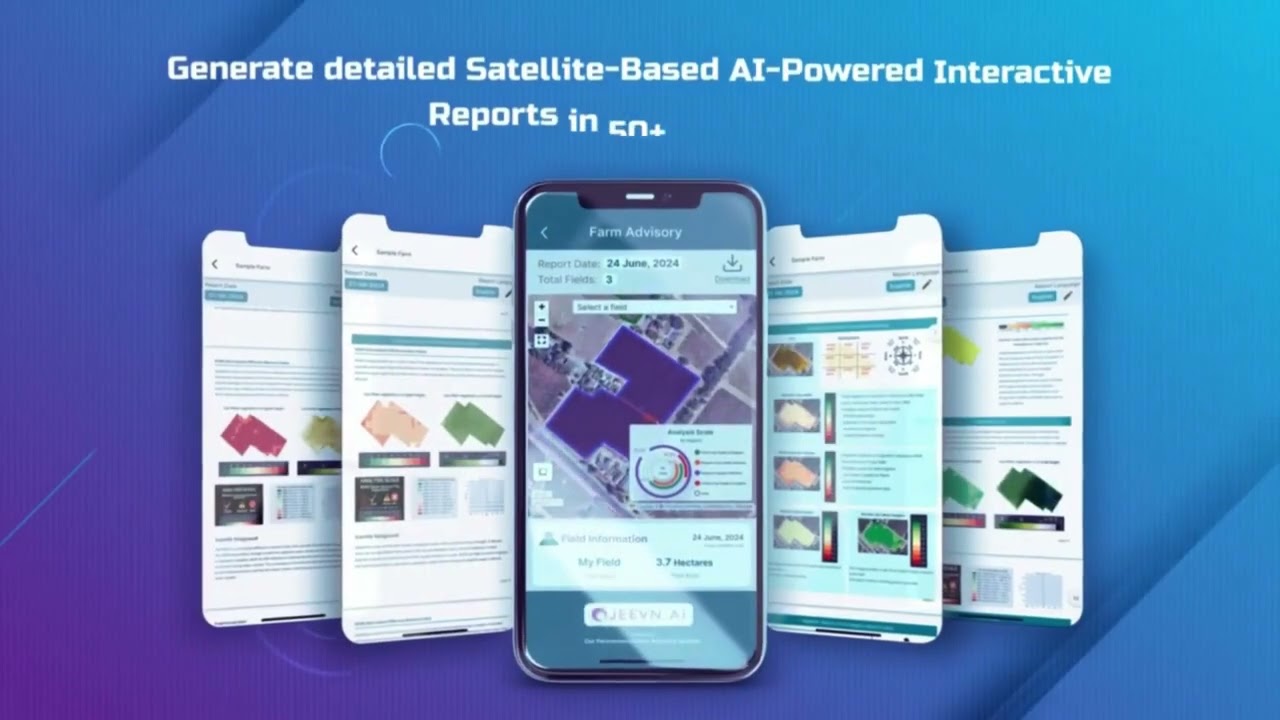
- AI-based advisory (Jeevn AI) supports optimal fertilizer and resource application, weather management, and risk mitigation strategies.
- Blockchain-based traceability for crop and mineral supply chains ensures authenticity, enhances transparency, and builds trust in product origins.
- Fleet and resource management tools help streamline operations across mining, infrastructure, and agriculture – reducing costs, improving utilization, and ensuring safety.
- Environmental impact monitoring for carbon footprint, water use, and sustainability compliance.
Our mission is to make satellite-driven insights available to businesses, users, and governments worldwide, supporting the responsible growth of two foundational sectors: agriculture and industry.
API Integration: For enterprises and independent developers looking to integrate these insights into their own platforms, our API (API Portal, Developer Docs) supports seamless access to satellite data for custom application development in agriculture, mining, infrastructure, and defense.
Frequently Asked Questions About Potash and Iron Ore
Q1. What is potash and what is it used for in 2025?
Potash primarily refers to potassium chloride (KCl), a mineral salt. Potash is used for supplying potassium, an essential macronutrient for plant growth, especially in wheat, corn, soybeans, and fruits. In 2025, its principal role is as a fertilizer supporting global food security and sustainable crop production, with secondary uses in glass and soap manufacturing.
Q2. How does iron ore support infrastructure and economic growth worldwide?
Iron ore is extracted and processed to make steel, which forms the structural basis of modern infrastructure such as buildings, bridges, roads, ports, and railways. It also underpins manufacturing and defense industries, making it critical to economic growth, urbanization, and global development as of 2025 and beyond.
Q3. Are potash fertilizers environmentally sustainable?
When applied using precision agriculture and best management practices, potash fertilizers are a key to sustainable agriculture: they help maximize yields with less water and enable resilience to climate stress. Overapplication of potash, however, can lead to water contamination. Satellite monitoring tools, such as those offered by Farmonaut, promote sustainable, responsible use of potash worldwide.
Q4. What innovations are making iron ore and steel production more eco-friendly in 2026?
New smelting techniques using green hydrogen, direct reduced iron (DRI), and carbon capture are lowering the emissions intensity of steel production. Smart monitoring and resource efficiency, enabled by satellite and AI-powered technologies, are also reducing waste and the environmental footprint of mining and steel manufacturing.
Q5. How does Farmonaut contribute to the responsible use of potash and iron ore?
We provide satellite-based solutions for real-time monitoring, AI-driven resource advice, blockchain-enabled traceability, fleet/resource management, and environmental impact tracking. Our tools empower users to optimize their use of potash fertilizers and iron ore resources, improving yields, sustainability, and compliance in agriculture and industry.
Learn more about our large scale farm management and carbon footprinting solutions.
Conclusion: The Growing Importance of Potash and Iron Ore Beyond 2025
As we look forward to 2026 and beyond, the importance of potash and iron ore is only set to increase. Potash is used for sustaining food security on a global scale, while iron ore is used for building and safeguarding the foundation of modern society through robust infrastructure and defense capabilities.
Technological advancements, from AI-driven satellite monitoring to blockchain-based supply chain traceability, are transforming the extraction and use of these critical minerals, making agriculture and industry more efficient, transparent, and environmentally responsible.
At Farmonaut, our commitment to affordable, accessible, and innovative satellite intelligence delivers real-time, actionable data for decision makers in agriculture, mining, infrastructure, and defense worldwide. By leveraging advanced tools and data, the world can continue to meet the challenges of food security, climate resilience, and sustainable growth for generations to come.

 Sahara Mining
 Sean Mining Limited
 NTS Group (Pty) Ltd
 Mine4Africa
 Lithspo Minerals Limited
 Tintina Mining Group
 Dalgety Minerals Pty Ltd
 Vortex Minerals Pty Ltd
 Faith At Work (Pty) Ltd
 Geotech Mining Solutions plc
 Vulcan International Limited
 Kidepo Associates
 GKY Mining
 Alkimy SARL
 Double A Trading
 GemSprout Metals Limited
 Qader Group
 Ileys General Trading
 SG Gold Mining LLC
 VRV Global Pte Ltd
 Omsri International FZE
 G.I.T.T.
 Jaunita Erss Ltd
 SRK Consulting
 Berks Gold Limited
