

Pyrite Gold Rock, Gold Pyrite: 7 Powerful Mining Trends 2026
Meta Description: Pyrite gold rock, gold pyrite, and gold and pyrite differ greatly in chemistry, appearance, and mining significance. Explore extraction, environmental impact, and 2025’s leading mining technologies for sustainable mineral processing and efficient resource management.



Quick Links:
Top Trivia |
Table of Contents |
Pyrite vs. Gold |
Significance in Mining |
7 Mining Trends for 2026 |
Environmental Impacts |
Comparative Trends Table |
Farmonaut’s Role in Smart Mining |
Videos |
FAQ
“Pyrite extraction is projected to increase by 23% globally by 2026 due to innovative mineral processing technologies.”
Table of Contents
- Summary: Pyrite and Gold in Mining & Exploration (2025–2026)
- Pyrite & Gold: Geological and Chemical Differences
- Visual Appearance & Identification: Pyrite Gold Rock vs Gold Pyrite
- Mining Significance: Economic, Industrial & Geological Context
- Extraction & Processing Technologies in 2025–2026
- 7 Powerful Mining Trends for 2026
- Environmental Impacts & Sustainability: Acid, Waste, Water
- Beyond Fool’s Gold: Pyrite’s Industrial Prospects
- Comparative Trends & Innovations Table 2025–2026
- Farmonaut’s Role: Smart Mining, Real-time Monitoring, Blockchain
- Embedded Videos: Pyrite, Gold & Satellite Mining Innovation
- Frequently Asked Questions
- Conclusion
Summary: Pyrite and Gold in Mining & Mineral Exploration (2025–2026)
Gold and pyrite—though visually similar—represent two distinctly different minerals with profound impacts on mining, economic value, and environmental sustainability. As the global demand for precious minerals and metals grows into 2026, recognizing the distinction, significance, and roles of each mineral is crucial for miners, geologists, and industrial stakeholders. Advances in exploration, processing, and sustainability, propelled by technologies like satellite-based monitoring and AI, shape efficient, responsible mining.
Pyrite & Gold: Geological and Chemical Differences (Pyrite Gold Rock vs. Gold Pyrite)
Mineralogical Standpoint & Chemical Structure
Pyrite (FeS2), often referred to as “fool’s gold”, is a common sulfide mineral composed of iron and sulfur, while native gold (Au) is a precious, elemental metal. Despite their close resemblance, these two minerals are fundamentally different in chemistry, formation, and physical properties.
- Pyrite: FeS2, a sulfide mineral
- Gold: Au, a precious metal
Pyrite crystallizes in the isometric system, forming cubes, octahedra, and pyritohedrons, while gold usually occurs as nuggets, irregular masses, or thin flakes with a malleable, ductile nature.
Physical Characteristics & Differences
- Visual Appearance: Both pyrite gold rock and gold pyrite shine with a metallic luster and pale yellow hue, but gold’s color is richer and deeper.
- Density: Gold has a much higher density (19.3 g/cm3)—compared to pyrite (around 5 g/cm3).
- Hardness & Ductility: Gold is softer but much more malleable and ductile than pyrite, which is brittle.
- Formation: Pyrite occurs commonly in hydrothermal veins, sedimentary exhalative, and metamorphic deposits; gold is typically found in placer, vein, and lode deposits.
Visual Appearance & Field Identification: Pyrite Gold Rock vs Gold Pyrite
Pyrite gold rock can easily confuse untrained eyes due to its striking metallic luster and pale brass-yellow tint. Both miners and geologists have, over centuries, caused numerous misidentifications because of this visual similarity.
Key Field Tests for Differentiation:
- Streak Test: Gold leaves a yellow streak; Pyrite leaves a greenish-black streak.
- Hardness: Pyrite is much harder (6–6.5 Mohs), gold is softer (2.5–3 Mohs).
- Malleability: Gold bends or flattens under pressure; Pyrite shatters.
- Shape: Pyrite forms perfect cubes/octrahedra; gold appears as nuggets or distorted grains.


Why Pyrite Often Gets Confused With Gold
- Bright metallic luster—reflects light like gold.
- Pale yellow hue—sometimes confused for native gold’s color.
- Occurrence together: Both minerals often occur in the same vein or deposit context in mining regions worldwide.
Gold and Pyrite: Mining Significance, Economic & Geological Context (2025–2026)
The presence and association of pyrite and gold within ore deposits are significant for exploration, mining, and global resource management.
Pyrite Gold Rock: Indicator in Mineral Exploration
- Geological Indicator: Pyrite’s occurrence in hydrothermal veins, metamorphic and sedimentary exhalative deposits often signals the potential presence of gold.
- Pathfinder Mineral: Geologists leverage pyrite as a pathfinder — its chemical and mineralogical context indicates a favorable environment for gold accumulation.
Economic Importance & Industrial Value
- Gold remains one of the world’s most valuable precious metals, integral for investments, electronics, jewelry, medical, and industrial applications.
- Pyrite, while not as economically valuable, is important in some industrial processes: sulphuric acid production, semiconductors, and as a potential low-cost catalyst in green chemistry.
- The misidentification of pyrite as gold has historically caused costly mining errors. The growing sophistication in geophysical and geochemical exploration has helped reduce such mistakes.

Watch how satellites revolutionize gold exploration in Alaska’s mining sector.
Extraction & Processing Technologies: Pyrite Gold Rock and Gold Pyrite Ores (2025–2026)
Efficient extraction and mineral processing define the success of modern mining, especially as demand intensifies globally and regulatory scrutiny grows into 2026.
Gold and Pyrite: Extraction Processes
- Gold is typically mined from placer, lode, or vein deposits, using methods like gravity recovery, flotation, and cyanidation.
-
Refractory gold ores contain gold particles locked within pyrite matrix, requiring advanced technologies for liberation and efficient recovery:
- Bio-oxidation (BIOX): Utilizes bacteria to break down pyrite, freeing gold.
- Pressure Oxidation (POX): Applies high temperature and pressure to oxidize pyrite; gold becomes accessible for leaching.
- Roasting: Heats ore to oxidize sulfur, releasing gold for subsequent cyanidation.
- Flotation: Separates pyrite (with gold particles) from gangue minerals.
- Pyrite is typically not mined for gold extraction, though some industrial demand exists for sulfuric acid production and as a raw material for specific chemical processes.

Global gold mining and processing technology documentary, a must-watch for understanding trends.
Mineral Processing: 2025–2026 Tech Innovations
- AI & Machine Learning in Sorting: Automated systems identify gold/pyrite in ore for higher recovery rates and lower waste production.
- Blockchain Traceability: End-to-end traceability now leveraged to ensure transparent supply chains for mined materials and ores.
- Remote Sensing, Hyperspectral & Satellite Imagery: Used to map mineralized zones and optimize exploration.
- Real-time Environmental Monitoring: Advanced systems vigilantly track acid production, waste streams, and water quality—supporting regulation compliance and carbon footprint reduction.
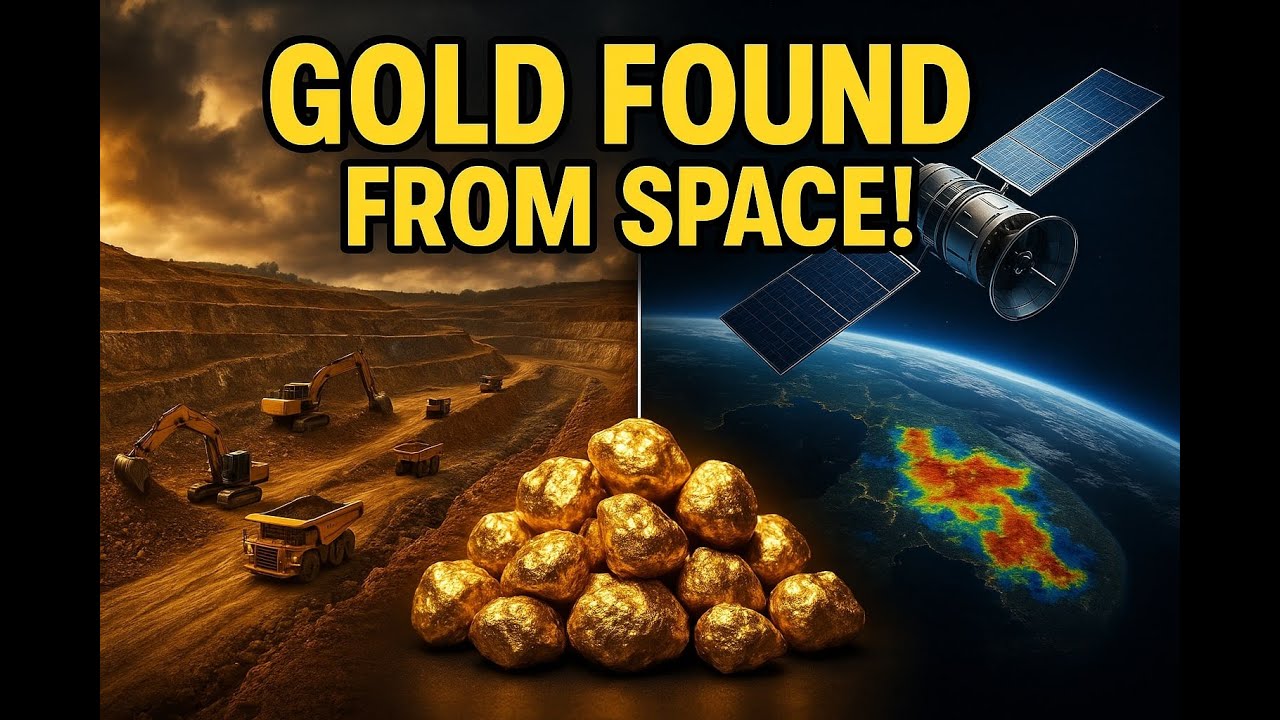
Explore modern gold and pyrite extraction processes in this video guide.
“By 2025, over 60% of gold mining sites will integrate advanced environmental impact monitoring for sustainable operations.”
7 Powerful Mining Trends 2026: Pyrite Gold Rock, Gold Pyrite & Responsible Exploration
As we look toward 2026, mining sectors globally are rapidly evolving. These 7 key trends define the future of gold and pyrite mining and mineral processing:
-
Satellite-Driven Mineral Exploration:
Advances in remote sensing now allow for real-time mapping of pyrite and gold indicator minerals, improving discovery rates and minimizing unnecessary ground disturbance. -
AI-Based Ore Sorting:
Machine learning models sort pyrite-rich ores from economically viable gold ores far more accurately, reducing waste, misidentification, and cost. -
Blockchain Traceability in Mining Supply Chains:
Technologies such as blockchain enable end-to-end accountability in metal extraction and distribution, reducing fraud and ensuring ethical sourcing. -
Automated Environmental Impact Monitoring:
Use of carbon footprinting tools and IoT sensors for efficient water, soil, and waste monitoring at mining sites. -
Bio- and Hydro-Metallurgical Processing:
More pyrite gold ores “locked within” are liberated using biotechnology, decreasing use of hazardous chemicals and supporting sustainability. -
Integration of Multispectral & Hyperspectral Data:
Satellite images and AI models now detect ore bodies and environmental disturbances with high accuracy. -
Fleet & Resource Management Optimization:
Smart tracking for mining vehicles, equipment, and logistics improves safety, reduces downtime, and maximizes extraction rates.

How satellites and remote sensing are transforming gold mining efficiency in Tanzania.
Environmental Impacts & Sustainability: Pyrite Gold Rock, Acid, Waste & Water (2025+)
Modern mining faces increased scrutiny regarding the environmental impacts of pyrite and gold extraction. Pyrite, in particular, poses challenges due to its chemical reactivity with air and water.
Pyrite’s Role in Acid Mine Drainage (AMD)
- When pyrite gold rock is exposed to water (rain, groundwater) and oxygen, it oxidizes to form sulfuric acid.
- This creates acid mine drainage (AMD), which can leach toxic metals like arsenic and lead into streams, rivers, and groundwater.
- AMD is a global environmental hazard affecting water quality, aquatic ecosystems, and agricultural land.
Mitigation Strategies (2025–2026):
- Advanced water treatment facilities neutralize acid and removing pollutants.
- Predictive monitoring of waste and tailings using environmental impact tracking systems.
- Land reclamation and bioremediation restore affected ecosystems as part of sustainable mining mandates.
By 2025, over 60% of major gold mining sites are expected to integrate these advanced monitoring measures.

Uncovering gold deposits and environmental challenges in West Africa with satellites
Sustainability & Responsible Practices
- Resource management tools track emissions and waste, providing actionable insights for miners.
- Transparency in material sourcing is increasingly supported by blockchain-based traceability solutions.
- Stakeholders demand reports on carbon footprint and environmental responsibility from mine to product.
Beyond Fool’s Gold: Pyrite’s Industrial Prospects & Innovations (2025–2026)
The role of pyrite is not limited to its indicator or environmental challenges; recent research (2025+) explores its emerging value in green industrial applications.
Key Applications & Prospects of Pyrite Gold Rock:
- Green Energy: Pyrite-based semiconductors promise affordable photovoltaic/solar cells, as an alternative to rare/expensive metals.
- Catalysis: Used in low-cost catalyst research for sustainable chemical manufacturing.
- Sulfuric Acid Production: Pyrite remains a primary source for sulfuric acid (integral to chemical and fertilizer industries).
Although still in developmental stages, pyrite gold rock’s potential may be realized in new sustainability solutions and industrial processes.

See how hyperspectral satellite data is transforming gold and pyrite exploration in Africa.
Comparative Trends & Innovations Table 2025–2026: Pyrite vs Gold
| Category | Gold | Pyrite |
|---|---|---|
| Mineral Properties | Precious metal (Au); native element; high density (19.3 g/cm3), malleable, bright yellow | Iron sulfide (FeS2); forms cubes, octahedra, pyritohedrons; metallic luster, brittle, density ~5 g/cm3 |
| Extraction Processes (2025) | Cyanidation, flotation, gravity, smelting; advanced POX & BIOX for refractory ores | Typically mined for sulfuric acid; sometimes as pathfinder for gold in complex ores |
| Environmental Impact | Tailings, mercury/cyanide contamination risks; subject to stricter monitoring | Major driver of acid mine drainage (AMD); alters water and soils; remediation costs higher |
| 2025 Mining Technologies | AI-enhanced ore sorting, blockchain traceability, real-time site monitoring via remote sensing, multispectral satellites | Environmental sensors, AI-driven waste management, satellite detection for hydrothermal alterations |
|
Estimated Production 2025 (Worldwide) |
~3,300 metric tons/year (gold); rising slightly due to tech efficiency; ~15% from refractory ores | ~7,500,000 metric tons/year (pyrite mineral rock, sulfuric acid, industrial); projected up 23% to 2026 |
|
Sustainability Score (2025–2026 Est.) |
Improving, with over 60% of mines using carbon monitoring and blockchain transparency | Moderate; environmental risks significant but innovations in waste treatment and reuse for green technology are rising |
| Notes | Gold’s value drives strict regulations and adoption of sustainable best practices in 2025+ | Pyrite is both a pathfinder and a challenge—essential in exploration but a top concern for mining sustainability |
Farmonaut’s Role: Smart, Efficient Mining Powered by Satellite, AI, and Blockchain
At Farmonaut, we believe innovation in mining, environmental management, and industrial mineral processing is most impactful when real-time data and advanced analytics are affordable and accessible for all. Our mission is to empower the future of sustainable mineral exploration and management—transforming the way pyrite, gold, and other minerals are tracked, extracted, and managed worldwide.
- Satellite-Based Monitoring: We utilize advanced multispectral satellite imagery and AI to help operators monitor pyrite and gold mineralization, track ore quality, manage waste and water systems, and optimize resource extraction.
- AI Advisory System (Jeevn): Our platform delivers real-time strategic insights for mining operations—including weather forecasts, environmental risk mitigation, and ore body prediction models.
- Blockchain-Based Traceability: Transparency from mine to market ensures ethical sourcing of both precious and industrial minerals, enhancing stakeholder trust.
- Fleet and Resource Management: We support efficient fleet logistics—minimizing operational cost and improving safety & compliance for mining sites.
- Environmental Impact Monitoring: Our satellite platform allows for easy, cost-effective carbon footprint and emissions tracking for better sustainability planning.
- API Access & Integration: Developers and businesses can integrate our insights into their mining operations with our API (API Docs) for custom solutions.

Witness how AI and multispectral satellite data unlock new mineral discoveries.
We aim to make responsible mining a cornerstone of the industry, supporting efficient large-scale management and compliance with sustainability standards.
Explore our platform and get started today!
For developers and enterprises: Harness Farmonaut’s API and read our API documentation for direct integration!
Frequently Asked Questions (FAQ) – Pyrite Gold Rock, Gold Pyrite & Mining Trends 2026
-
What is the main difference between pyrite gold rock and gold pyrite?
Pyrite (FeS2), called “fool’s gold,” is an iron sulfide mineral, often mistaken for gold due to its luster and color. Gold pyrite is not an accepted mineral term, but refers to ore containing both gold and pyrite. The key distinction remains: gold is a precious metal (Au), while pyrite is a brittle sulfide mineral used mainly as an indicator in exploration.
-
Why do miners and geologists care about pyrite when exploring for gold?
Pyrite often occurs with native gold in the same geological deposits and is a valuable pathfinder mineral for gold exploration because it indicates hydrothermal processes favorable for gold accumulation.
-
What problems does pyrite cause in mining?
When exposed to water and oxygen, pyrite undergoes chemical oxidation and generates sulfuric acid, causing acid mine drainage (AMD). AMD can contaminate water sources and harm ecosystems unless regulated and treated effectively.
-
How do modern mining technologies help in processing pyrite gold ores?
Technologies such as bio-oxidation, pressure oxidation, and AI-driven ore sorting efficiently recover micron-sized gold particles locked within pyrite, improving yield and sustainability.
-
How will mining change by 2026 for gold and pyrite?
Greater integration of satellite monitoring, AI analytics, traceability tools, and environmental impact tracking systems will drive more efficient and sustainable extraction, making mining safer and more accountable globally.
-
How does Farmonaut support sustainable mining?
We offer satellite-based, AI-powered monitoring solutions for real-time ore mapping, tailings management, fleet tracking, carbon impact reporting, and blockchain-based traceability, all tailored to empower smart, sustainable mineral extraction and management.
-
Is there an API or developer access for Farmonaut’s mining data?
Yes! Please visit our API hub and developer documentation for integration details.
Conclusion: Pyrite, Gold, and the Future of Mining Innovation
In the dynamic landscape of mining, exploration, and mineral processing as we approach 2026, understanding the context and significance of pyrite gold rock, gold pyrite, and their roles in mineral deposits is more vital than ever.
- Accurately distinguishing gold from pyrite prevents costly errors and supports precision mining.
- Emerging extraction and processing technologies—from AI to bio-metallurgy and blockchain traceability—minimize waste and maximize recovery, while aiding in environmental protection.
- Pyrite, once dismissed as “fool’s gold,” is now appreciated both as a key indicator in exploration and for its growing industrial potential in green chemistry and renewable energy.
At Farmonaut, we are proud to support the shift toward responsible, data-driven mining, making use of the latest satellite, AI, and blockchain tools so that the resource industries can meet future demand sustainably, efficiently, and transparently.
Ready to harness the power of satellite-driven mining? Get started with Farmonaut today.
Discussion
Questions, corrections or field experience? Share them below. First-time comments are reviewed before they appear, and your email is never published.
No comments yet. Be the first to add a question or your experience.

 Energy and Resources Ltd
 Mwerezi Minerals Company Limited
 Congo Mining Solutions
 Mining SARL
 SenGold Invest SAS
 Sania Corporation
 Sean Mining Limited
 NTS Group (Pty) Ltd
 Mine4Africa
 Lithspo Minerals Limited
 Tintina Mining Group
 Dalgety Minerals Pty Ltd
 Vortex Minerals Pty Ltd
 Faith At Work (Pty) Ltd
 Geotech Mining Solutions plc
 Vulcan International Limited
 Kidepo Associates
 GKY Mining
 Alkimy SARL
 Licence holder · Nigeria · Gold + lithium










