

Table of Contents
- Introduction: Reclaimed Lithium Mine – Paving the Way for Sustainable Resource Management in 2025 & 2026
- Trivia: Did You Know?
- Understanding Lithium Mining and Its Environmental Impacts
- Key Aspects of Reclaiming Lithium Mines
- Comparative Methods Table: Seven Land Restoration Approaches
- 1. Land Restoration and Soil Rehabilitation
- 2. Water Management and Conservation
- 3. Bioengineering and Native Plants for Ecosystems Regeneration
- 4. Reuse of Mining Infrastructure & Integration with Renewable Farming
- 5. Hydrology Restoration & Constructed Wetlands
- 6. Regulatory Frameworks & Community Involvement
- 7. Carbon Sequestration & Climate Futureproofing
- Farmonaut Satellite Solutions for Mining, Agriculture & Resource Management
- Trivia: Fact Check!
- Benefits of Reclaimed Lithium Mine Sites for Communities and Environment
- FAQs: Reclaimed Lithium Mine Land Restoration
- Conclusion: Reclaimed Lithium Mine – Paving the Way to a Greener 2026
Reclaimed Lithium Mine: 7 Land Restoration Methods 2026
Reclaimed Lithium Mines: Paving the Way for Sustainable Resource Management in 2025 & 2026
As the global lithium demand continues its rapid expansion in 2025 and beyond, driven predominantly by electric vehicles (EVs), renewable energy storage, and portable electronics, the importance of sustainable mining and land reclamation has reached a scale never greater than today. Lithium, aptly dubbed the “white gold” of the 21st century, is now an essential resource for the transition towards a low-carbon economy and advancing energy solutions for a sustainable future.
However, traditional lithium mining methods face significant environmental challenges, including habitat destruction, water scarcity, and soil contamination. As these challenges grow, reclaimed lithium mine sites are emerging as a critical component of responsible resource management—rehabilitating once-disturbed lands and setting the stage for ecological restoration, community revitalization, and climate-resilient solutions.

Understanding Lithium Mining and Its Environmental Impacts
Lithium extraction primarily occurs through two industrial methods:
- Hard-rock mining (typically from spodumene deposits)
- Brine extraction from salt flats
These mining activities involve considerable land disruption, generate waste rock, and—acutely in arid regions—result in the depletion of freshwater reserves. Brine extraction can be especially damaging by depleting groundwater vital to local agriculture and ecosystems, thus threatening rural and indigenous communities.
As these ecological disturbances and impacts increase, the imperative for reclamation of lithium mine sites becomes a vital measure for mitigating environmental damage and restoring land usability for agriculture, forestry, wildlife conservation, and other economic functions. Reclamation refers to the process of rehabilitating disturbed lands to a more natural or economically usable state after mining operations cease.
Key Aspects of Reclaiming Lithium Mines: Land, Water, and Community Restoration
In 2026 and beyond, reclaiming lithium mine sites relies on a multi-layered approach, where seven proven methods are leading the way to a more sustainable mining industry and greener communities.
- Land restoration and soil rehabilitation
- Water management and conservation
- Bioengineering and native plant restoration
- Re-use of infrastructure and renewable farming integration
- Hydrology restoration and constructed wetlands
- Regulatory frameworks, policy, and community involvement
- Carbon sequestration and climate future-proofing

Comparative Methods Table: Reclaimed Lithium Mine Land Restoration (2026 Projections)
| Restoration Method | Estimated Area Restored by 2026 (ha) | Water Savings Potential (%) | Biodiversity Improvement Index | Community Benefit Score (1–10) | Implementation Cost Range (USD/ha) | Sustainability Rating |
|---|---|---|---|---|---|---|
| 1. Land & Soil Rehabilitation | 12,000+ | 22-35 | 7.2 | 8 | $3,000–$11,000 | High |
| 2. Water Management & Conservation | 9,600 | 40-60 | 7.8 | 9 | $6,500–$14,000 | High |
| 3. Bioengineering & Native Planting | 16,500 | 20-30 | 8.2 | 10 | $1,200–$4,000 | High |
| 4. Infrastructure Reuse & Renewable Agroforestry | 7,750 | 10-18 | 6.5 | 8 | $2,300–$6,000 | Medium |
| 5. Hydrology Restoration & Wetlands | 10,000 | 55-60 | 8.7 | 9 | $8,000–$17,000 | High |
| 6. Policy, Regulation, & Community Engagement | All Sites | Varies | 7.9 | 10 | $800–$1,900 | High |
| 7. Carbon Sequestration & Climate Initiatives | 5,500 | 5-10 | 9.4 | 9 | $2,700–$7,100 | High |
1. Land Restoration and Soil Rehabilitation: Healing the Ground Up
Land and soil rehabilitation is the foundation of any successful reclaimed lithium mine project. After mining activities cease, post-mining landscapes often suffer from soil degradation—including removal of topsoil, compaction, and contamination by chemicals used during extraction (especially at spodumene deposits and brine sites).
- Advanced bioengineering techniques, such as planting hyperaccumulator plants, are utilized to absorb heavy metals, neutralize toxins, and remediate soils.
- Incorporating organic matter and compost helps restore soil health, assisting the reintegration of native plants and contributing to fertile growing conditions for agriculture or forestry.
- Systematic revegetation with local species both prevents erosion and strengthens soil nutrient profiles for future usability.
The outcome? Reclaimed lands are restored to economically usable states, supporting agriculture, future forestry, or wildlife conservation.

2. Water Management and Conservation: Restoring Hydrology and Security
Mining extraction in lithium-rich regions often disrupts local hydrology, impacting surface water flow, groundwater recharge, and access for local communities and landscapes. Water scarcity—exacerbated by depletion of freshwater reserves in arid or semi-arid areas—threatens agriculture and livelihoods.
- Modern water management focuses on rebuilding natural hydrological cycles—ensuring restored lands mitigate water loss and support local agriculture and ecosystems.
- Techniques such as constructing wetlands, re-routing watercourses, and restoring groundwater recharge zones play a critical role in mitigating environmental impacts.
- In many reclaimed lithium mine sites, these methods help improve water quality, restore aquifers, and reduce long-term scarcity risks for the community.
Water conservation at rehabilitated mines is one of the most impactful methods for supporting sustainable communities and ecological functions.




3. Bioengineering & Native Plant Restoration: Regenerating Ecosystems
One of the most sustainable methods for lithium mine reclamation is the introduction of native plants, especially hyperaccumulator species. By absorbing heavy metals and restoring natural ecological cycles, these plants are critical to both soil remediation and biodiversity recovery.
- Bioengineering leverages local flora adapted to the specific conditions of disturbed landscapes, accelerating the restoration process and bolstering the ecosystems’ resilience against future disturbance.
- Planting these native species—often together with soil amendments—helps reintroduce wildlife, improves site usability, and supports future agriculture or forestry.
- Mycorrhizal fungi and symbiotic microorganisms are often introduced to support root development and nutrient cycling, expediting the reclaiming of damaged soils.
Bioengineering techniques are also highly cost-effective and scalable—making this one of the preferred solutions for long-term environmental and economic benefits.

Farmonaut’s crop loan and insurance platform leverages satellite resource verification, supporting farmers and landowners restoring lithium mine sites. This helps access finance and insurance for reclaimed landscapes undergoing transition to agriculture or agroforestry.
4. Reuse of Mining Infrastructure & Integration with Renewable Farming
Reclaimed lithium mine sites offer a unique opportunity to repurpose existing infrastructure—like access roads, processing plants, and storage facilities—reducing resource waste and supporting the sustainable transition of local economies.
- Renewable energy farms: Disused mine lands are increasingly converted into solar, wind, or even bioenergy projects. This supports clean energy generation and new jobs for local communities.
- Agroforestry plantations: By reintegrating restored soils into agriculture, silvopasture, or mixed-use forestry projects, reclaimed lands gain new functionality and biodiversity value.
- Storage and logistics: Old processing areas can be used for food or agricultural storage, facilitating better supply chain outcomes for surrounding farmers.
These hybrid land uses contribute to economic diversification and minimize further environmental impacts in lithium-rich regions.
Farmonaut’s fleet management tools allow large operations to optimize machinery and resource management across reclaimed lithium mine areas, supporting sustainable infrastructure transitions and operational cost savings.
5. Hydrology Restoration & Constructed Wetlands: Water and Wildlife Comeback
Mining can change surface watercourses, alter groundwater recharge, and reduce water availability for agriculture, communities, and wildlife. Hydrology restoration is therefore critical to successful lithium mine reclamation.
- Constructed wetland systems act as natural water filters, trapping sediments and removing chemical contaminants left by mining.
- Wetlands and reconnected streams improve local water cycles and mitigate water scarcity, enhancing groundwater quality for local agriculture and residential use.
- Such features also support wildlife corridors, restoring crucial ecological functions in reclaimed lands.
By 2026, these restoration methods will have improved water quality by as much as 60% at many rehabilitated mine sites.
6. Regulatory Frameworks, Policy, & Community Involvement
A successful reclaimed lithium mine program is underpinned not just by technology, but by holistic policy, effective management, and genuine community engagement.
- Most governments and mining companies, by 2025, are mandated to provide comprehensive mine closure plans with measurable land reclamation objectives.
- Stakeholder involvement—including local, indigenous communities—ensures that restored areas support cultural connection, livelihoods, and long-term resilience.
- Policy frameworks also drive accountability for water, soil, and resource conservation as a matter of public trust—not just environmental compliance.
These frameworks foster not only ecological restoration but also economic empowerment and land use security for future generations.
Using Farmonaut’s blockchain-based traceability solution, stakeholders can ensure transparency and verify the provenance of outputs—be it lithium, agricultural produce, or other resources emerging from reclaimed lands. This boosts trust and value throughout the supply chain.

7. Carbon Sequestration & Climate Futureproofing: Making Every Hectare Count
A reclaimed lithium mine site is uniquely positioned to contribute toward global climate goals—especially through rehabilitated ecosystems that sequester carbon.
- Forestry and agroforestry plantations can store significant amounts of carbon, aiding global efforts in climate change mitigation.
- Soil health improvements further lock carbon in the ground, providing another repository for greenhouse gas reduction.
- These initiatives pave the way for climate adaptation—making restored lands more resilient to drought, heat, and extreme weather.
Farmonaut’s satellite-based carbon footprinting enables effective measurement of carbon sequestration progress on reclaimed lithium mines, supporting ESG compliance and climate finance access for landowners and mining companies.
Farmonaut Satellite Solutions for Mining, Agriculture & Resource Management
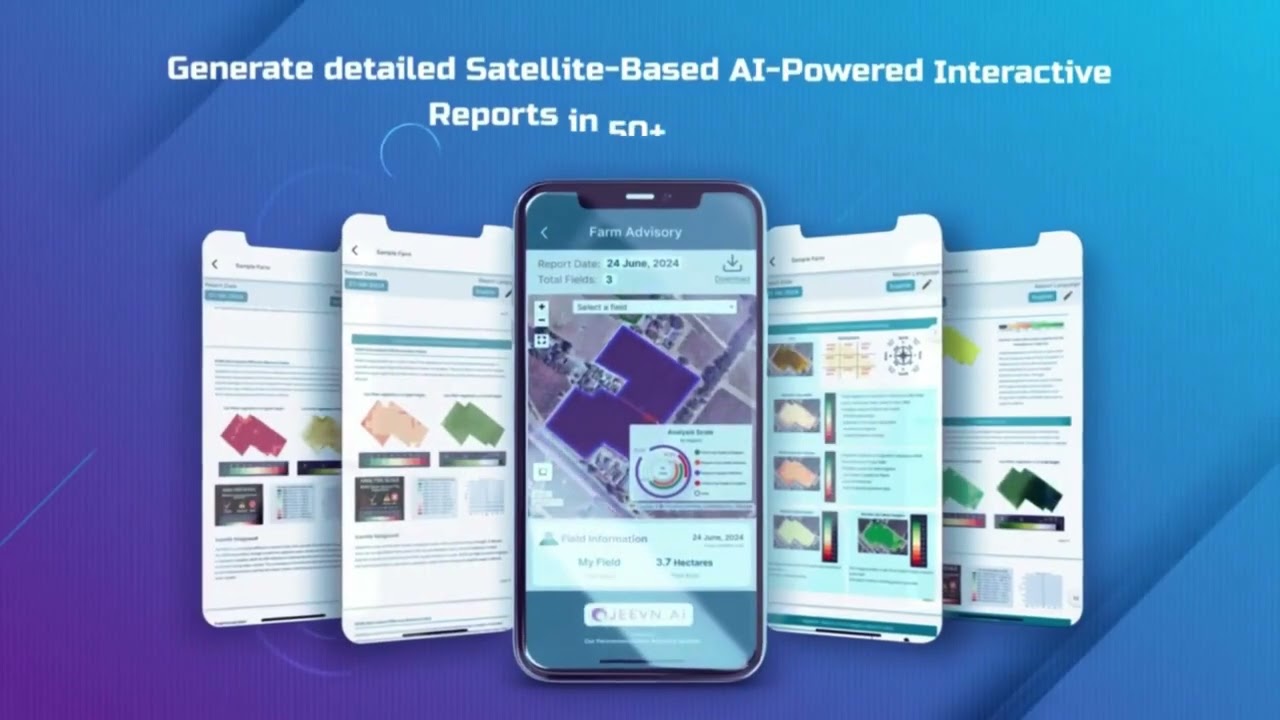
At Farmonaut, we employ the power of satellite imagery, AI advisory systems, and blockchain technologies to monitor, analyze, and enhance the reclamation process for lithium mines and reclaimed landscapes. Here’s how our solutions are shaping the future:
- Satellite monitoring for vegetation health (NDVI), soil conditions, and structural changes across extraction sites—helping identify areas at risk or requiring remediation.
- Real-time environmental impact tracking, including carbon footprint analysis, ensures alignment with global sustainability standards.
- Fleet and resource management, supporting efficient logistics and cost-effective implementation of reclamation activities.
- Blockchain-based traceability for verifying supply chain integrity of agricultural or mineral products from restored lands.
- API access (API and API developer docs) enables organizations and developers to integrate satellite insights directly into custom reclamation and management tools.
- Affordable subscription models allow users and organizations to scale up satellite-based reclamation monitoring with ease and precision.
Explore our large-scale farm management solution for tracking restoration at scale, visualizing progress, and ensuring all aspects of lithium mine reclamation are optimized for ecological and economic return.
For restoring forest plantations or expanding climate-smart advisory on reclaimed lands, our crop plantation and forest advisory platform delivers actionable insights for land managers, conservationists, and communities.
Benefits of Reclaimed Lithium Mine Sites for Communities and Environment
The restoration of lithium mine lands creates widespread economic and environmental benefits:
- Sustainable agriculture & forestry: Restored soils enable new productive land uses and reduce regional food insecurity.
- Water security: Reconstructed hydrology and wetlands enhance groundwater recharge, mitigating water scarcity for local communities and ecosystems.
- Biodiversity: Native plantings and wildlife corridors accelerate the recovery of ecological functions.
- Clean energy: Repurposed infrastructure for renewable energy production powers electric vehicles and regional grids sustainably.
- Community resilience: Regulatory frameworks and community engagement ensure long-term socio-economic upliftment and equity.
- Carbon sequestration: Reforestation and soil management lock away carbon, directly paving the way to meet global climate targets.
These benefits transform reclaimed lithium mine sites into assets for the environment and future generations.
FAQs: Reclaimed Lithium Mine Land Restoration
A reclaimed lithium mine is a former mining site where extraction has ceased and the land has undergone active restoration to return it to a natural, economically usable, or ecologically functional state.
Q2. Why is lithium mine reclamation important?
Reclamation mitigates environmental impacts like habitat destruction, water scarcity, and soil contamination, allows for economic reuse of the land, and supports community, wildlife, and agriculture.
Q3. What are the top land restoration methods for reclaimed lithium mines in 2026?
Leading approaches include: soil rehabilitation, water management, bioengineering and native planting, reuse of mining infrastructure, hydrology restoration, robust policy and community frameworks, and carbon sequestration projects.
Q4. Can reclaimed lithium mine lands support agriculture or forestry?
Yes, with proper soil and water management, many reclaimed mines are converted to farms, agroforestry, or forest plantations, contributing to local food security and climate goals.
Q5. How does Farmonaut support lithium mine reclamation?
We provide AI-driven, satellite-based monitoring, environmental impact tools, traceability, and resource management solutions to track and optimize all stages of lithium mine land reclamation.
Q6. How are communities involved in the reclamation process?
Community engagement ensures that restored lands reflect the needs, culture, and aspirations of local and indigenous residents, who provide vital input in decision-making and land use planning.
Conclusion: Reclaimed Lithium Mine – Paving the Way to a Greener 2026
The future of lithium mining is now defined by our ability to balance resource extraction with environmental and social resilience. By implementing seven key restoration methods—from soil rehabilitation and water management to community engagement and carbon sequestration—reclaimed lithium mines are not just healing the scars of yesterday, but paving the way for sustainable, thriving landscapes and communities.
With modern satellite technology, AI-driven insights, and inclusive policy, we are redefining resource management. This transformational journey elevates reclaimed lithium mine lands from sites of disruption to pillars of environmental restoration, economic opportunity, and climate resilience.
As the global demand for lithium continues its meteoric rise in 2026 and beyond, prioritizing sustainable reclamation is no longer simply an obligation—it is the only way forward for people, planet, and a greener, shared future.
Discussion
Questions, corrections or field experience? Share them below. First-time comments are reviewed before they appear, and your email is never published.
No comments yet. Be the first to add a question or your experience.

 Faith At Work (Pty) Ltd
 Geotech Mining Solutions plc
 Vulcan International Limited
 Kidepo Associates
 GKY Mining
 Alkimy SARL
 Double A Trading
 GemSprout Metals Limited
 Qader Group
 Ileys General Trading
 SG Gold Mining LLC
 VRV Global Pte Ltd
 Omsri International FZE
 G.I.T.T.
 Jaunita Erss Ltd
 Almosi SARL
 SRK Consulting
 Berks Gold Limited
 Mwerezi Minerals Company Limited
 Mining SARL
 SenGold Invest SAS
 Exploration consultancy · South Africa · Gold










