

Rhodium Ore, Raw Rhodium Ore, Rhodium in Gold 2026: Industry Trends, Mining Advances & Strategic Role in Precious Metal Refining
Introduction: The Significance of Rhodium in Mining & Gold Refining
Rhodium, a rare and valuable platinum-group metal (PGM), is drawing global attention for its unique characteristics and the critical role it continues to play across mining and precious metal refining industries—particularly into 2025 and beyond. Sought after for its exceptional resistance to corrosion, high melting point, and reflective brilliance, rhodium is a keystone metal for automotive catalysts, high-tech applications, premium jewelry, and, increasingly, in gold refining and alloy formation.
As raw rhodium ore becomes scarcer, technological breakthroughs, refined extraction techniques, and innovative applications in gold and other precious metals are shifting the landscape for miners, investors, and end-users. Here, we uncover the latest industry trends shaping rhodium ore discovery, mining, processing, its evolving role in gold refining, and how modern advances—including satellite-driven mineral detection—are transforming outcomes for the sector.
- ✔ Rhodium ore supply is dominated by South Africa, accounting for over 80% of global production.
- 📊 Raw rhodium ore purity is typically less than 1%, demanding advanced extraction technologies.
- ⚠ Market volatility characterizes rhodium pricing, with prices exceeding $16,000/oz at times.
- 🔗 Rhodium in gold alloys enhances hardness, brightness, and tarnish resistance in jewelry.
- 💡 Farmonaut’s satellite-based exploration fosters environmentally-friendly, rapid mineral targeting—see details below.
Rhodium Overview: Unique Metal, Valuable Market & Industrial Demand
Within the precious metals sector, rhodium stands out for its rarity, remarkable chemical properties, and versatile applications. It is part of the platinum metal group (PGMs), alongside platinum, palladium, ruthenium, osmium, and iridium. Its atomic number is 45, and it is typically a silvery-white, highly reflective metal with a melting point of 1964°C—making it ideal for high-temperature industrial processes.
Key properties that establish rhodium’s exceptional value:
- ✨ High resistance to corrosion, both at room temperature and in extreme heat.
- 💎 Brilliant white sheen—coveted for jewelry plating and as a visual enhancer in gold alloys.
- ⚡ Outstanding hardness and wear resistance, outperforming other PGMs.
- ⛓ Chemical inertness, which ensures stability in harsh environments (acids, bases, oxidizing atmospheres).
- 🚗 Catalytic activity, especially in automotive emission systems (three-way catalytic converters).
Rhodium’s unique combination of extreme scarcity, chemical stability, and industrial relevance guarantees its continued strategic importance across mining, refining, and advanced alloys—especially as global environmental and technological standards tighten through 2026.
Market context (2025–2026): Rhodium continues to command one of the highest market values among all precious metals. Its role is magnified by limited primary production, concentrated mainly in a handful of countries (South Africa, Russia, Canada, Zimbabwe), and resilient demand from both traditional and emerging sectors. These trends amplify the need for innovative discovery and eco-efficient extraction methods to meet future global demand.

Top Applications of Rhodium in Industry
- 🚗 Automotive catalysts: For reduction of toxic emissions in vehicles
- 💍 Jewelry: Used for high-durability, bright rhodium plating, and in white gold alloys
- 🔬 Electronics: Thin-film conductors, thermocouples, and contact materials
- 🏭 Chemical processing: Crucibles, catalyst gauzes, and heat exchangers
- 💡 Optics/mirrors: Highly reflective, anti-corrosive surfaces
These uses, especially as emission standards increase (notably in the automotive sector), ensure that rhodium’s market value remains exceptional and the focus on raw rhodium ore extraction stays intense.

Sources & Extraction of Rhodium Ore, Raw Rhodium Ore
Global Sources: Where is Rhodium Ore Found?
Rhodium is rarely found as a standalone deposit. Instead, it is mainly obtained as a byproduct from the extraction of other platinum group metals—primarily platinum and palladium—and also from nickel and copper mining activities. The world’s largest rhodium ore deposits are concentrated in:
- 🌍 South Africa: Dominates global production with the Bushveld Igneous Complex.
- ⛏ Russia: Norilsk-Talnakh region yields both nickel and PGMs, including rhodium.
- 🍁 Canada: Sudbury Basin and other nickel-rich zones.
- 🌄 Zimbabwe: The Great Dyke is a significant source for platinum, rhodium, and palladium.
Rhodium Ore Extraction Processes: From Ore to Valuable Metal
Mining for rhodium begins with the extraction of bulk ore containing PGMs. Below are the key stages of raw rhodium ore processing, with innovations ramping up in 2025–2026:
- Bulk mining: Extraction of ore that contains platinum group metals, mainly from layered mafic-ultramafic intrusions.
- Crushing and milling: Mechanical breakdown of bulk ore to expose PGM-bearing minerals.
- Froth flotation: Specialized technique that concentrates PGM sulfide minerals, isolating rhodium along with platinum, palladium, etc.
- Smelting: High-temperature processing separates base metallics from PGM-rich matte.
- Hydrometallurgical extraction: Use of advanced solvents and reagents to separate individual PGMs, including rhodium.
- Electrorefining: Functions to further purify rhodium from PGM concentrates to a commercial-grade product.
In 2025 and beyond, demand for sustainable and low-impact rhodium ore extraction is accelerating. Integrating satellite intelligence (see Farmonaut’s mineral detection platform) can dramatically improve prospecting speed and minimize environmental risks.
Challenges: Scarcity, Complexity & Purity
- 🌑 Very low natural concentrations: Raw rhodium ore typically contains < 1% rhodium.
- 🔬 Complex separation: High-purity separation from platinum, palladium, and other PGMs requires precise chemical and physical processes.
- ⚠️ Economic viability: Affordability depends on efficient recovery rates, resource concentration, and byproduct value recovery.
- 🌱 Environmental impact: Modern hydrometallurgical and solvent-based methods are reducing emissions and tailings, sustaining regulatory compliance into 2026.

Overlooking the economic potential of rhodium often leads miners and refiners to focus solely on platinum or gold recovery. Integrated PGMs extraction can add significant revenue and diversify output risks.
Advancements in accurate mineral targeting are vital. Organizations—whether junior explorers or major mining houses—now rely on geospatial intelligence, like satellite-based mineral detection, to screen large territories efficiently.
For a more advanced visual assessment and 3D prospectivity mapping before drilling ground, explorers can also benefit from satellite-driven 3D mineral prospectivity mapping (high-resolution, subsurface visualizations).
Rhodium in Gold: Refining, Alloys, and Market Relevance in 2025–2026
Rhodium’s presence in gold processing has grown rapidly. Natural gold, especially from alluvial and placer deposits, often contains trace quantities of rhodium (and other PGMs). This makes rhodium in gold both a refining challenge and an economic opportunity.
- 💰 Refining: Trace rhodium is separated out to achieve high-purity gold (24K standards), especially when gold is destined for jewelry or electronics.
- 🤍 Alloying/Plating: Rhodium is intentionally alloyed or surface-plated onto gold (“white gold”) to enhance durability, color, and resistance to tarnish or scratching.
- ⚡ Electronics: Rhodium-tinged gold alloys are highly valued for conductivity and oxidation resistance in extreme environments.
Cutting-edge processes in 2025–2026 leverage eco-friendly solvent extraction and advanced hydrometallurgy during gold refining, boosting recovery rates for both metals while meeting rigorous environmental standards.
How Rhodium Enhances Gold Alloys:
- ✅ Improves hardness and scratch-resistance in jewelry
- ✅ Creates lustrous, reflective white finish on rings, watches, and fine pieces
- ✅ Boosts tarnish and oxidation resistance
- ✅ Extends product durability in high-wear applications
- ✅ Supports high-purity standards for premium electronics
Rhodium-plated white gold remains the preferred finish in premium jewelry markets for 2026, driven by both durability and the brilliant, hypoallergenic surface consumers demand.
Rhodium’s role in the gold value chain is multifaceted. It is an economic enhancer and an indicator of advanced processing standards.
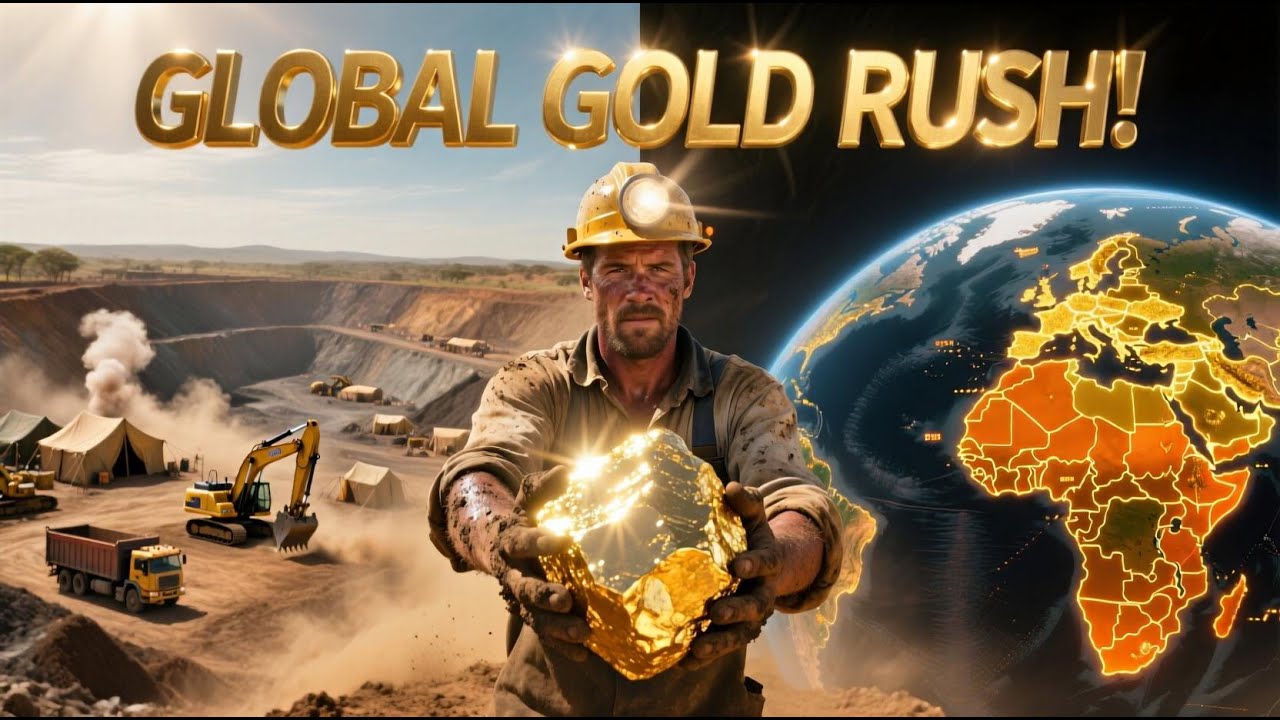
Did you know? Trace rhodium recovery from gold refining not only improves precious metals yields but also makes use of what was once considered a waste byproduct. With market prices this high and projected to remain strong, maximizing rhodium return is now best practice for refiners globally.

Market Dynamics, Industrial Applications & the Future Outlook
Why the Rhodium Market Remains Volatile yet Central to Industry
Rhodium’s market volatility is legendary: limited sources, rapid shifts in auto and tech demand, geopolitical risks (notably in South Africa and Russia), and evolving extraction technology all contribute to dramatic cycles in market price and supply. As of 2026:
- 📈 High price volatility—Shortages can skyrocket pricing; oversupply quickly depresses it.
- 🌱 Environmental regulation—Cleaner emission mandates will continue to drive PGM demand, especially for catalysts in EVs and hybrids.
- 🌍 Demand diversity—Growth in urbanization, wealth, and industrialization (notably in India, China, Africa) invigorates both jewelry and electronics sectors.
- 🔬 Tech innovation—Emergence of new uses in hydrogen fuel cells, renewable energy, aerospace, and medical sector coatings.
With rhodium’s extreme scarcity and booming applications—from automotive to high-tech—long-term supply security and access to new deposits will define strategic winners in the precious metals arena through 2026.
Future Outlook: What to Expect in 2026 and Beyond
- 🔗 Integrated mining: Companies will increasingly co-produce rhodium, platinum, and gold to maximize asset value and reduce waste.
- 🌎 Geostrategic competition: As critical minerals gain importance, access to PGM-rich deposits in Africa, Russia, and North America will be a focus of global economic policy.
- 🚀 Technology-driven exploration: Remote sensing and AI-driven tools enable faster, more accurate, and sustainable mineral discovery.
- 🌿 Sustainability and ESG: Success in the rhodium market will require demonstrating responsible sourcing and minimal environmental footprint.
- 🛡 Risk management: Hedging, supply chain risk reduction, and pricing tools will be key for refiners, jewelers, and tech firms securing future rhodium supply.

High-tech, satellite-driven approaches are rapidly replacing decades-old discovery techniques—empowering companies to map, assess, and value PGM and gold assets across thousands of hectares, all without disturbing the ground.
Farmonaut’s Role: Satellite-Based Exploration and Mining Intelligence
At Farmonaut, we are dedicated to advancing mineral exploration globally—especially for precious and strategic metals such as rhodium, gold, platinum, copper, and nickel. Our satellite-based mineral detection platform employs cutting-edge Earth observation, AI, and spectral analysis to revolutionize the traditional mineral exploration process.
- ✔️ Rapid mineral targeting—Screen vast regions in days, not months.
- 📉 Cost reduction—Up to 85% savings versus conventional ground-based methods.
- 💡 Non-invasive—No environmental impact in the early stages of exploration.
- 🔬 Advanced data—3D subsurface mapping for smarter drilling, risk reduction, and high-probability mineral discovery.
- 🌎 Global reach—Proven across 80,000+ hectares and 18 countries, adaptable to diverse geological settings.
Multispectral and hyperspectral satellite analysis enables us to identify mineralized zones, alteration halos, and structural features crucial for targeting economically viable rhodium and gold deposits—before a single drill enters the ground.
For those who want to bridge remote sensing and drilling execution, our satellite-driven 3D mineral prospectivity mapping provides optimal drilling targets and visualizes subsurface ore bodies for smarter resource planning.
Interested in streamlining exploration or investment in rhodium, gold, or platinum group metals? Get a custom quote for your mineral intelligence needs today, or contact us directly for more details and tailored support.

Rhodium Ore and Application Trends (2024–2026)
| Year | Estimated Rhodium Ore Production (tonnes) | Average Raw Rhodium Purity (%) | Estimated Rhodium Content in Gold Alloys (%) | Average Market Price (USD/oz) | Major Industrial Use Cases |
|---|---|---|---|---|---|
| 2024 | 24.1 | 0.08% | ~0.22% | $13,500 | Catalysts, white gold jewelry, contacts |
| 2025 | 25.4 | 0.09% | ~0.25% | $15,200 | Automotive, alloying, plating, electronics |
| 2026 | 26.5 | 0.1% | ~0.3% | $16,800 (forecast) | Green tech, hydrogen, advanced coatings |
Frequently Asked Questions (FAQ) – Rhodium Ore, Raw Rhodium Ore, Rhodium in Gold 2026
Rhodium is expensive due to extreme rarity, limited natural deposits, and a specialized extraction process. More than 80% of all rhodium ore is mined in South Africa, primarily as a byproduct during platinum extraction.
Raw rhodium ore is processed using flotation, smelting, and cutting-edge solvent extraction methods. These processes separate rhodium from platinum, palladium, nickel, and copper. Final purification creates commercial-grade rhodium required by industrial users.
Not always, but gold from alluvial, placer, and some vein deposits can contain trace quantities of rhodium and other PGMs. In these cases, rhodium is recovered during the refining of gold for jewelry and technology applications.
Global rhodium demand continues to rise—not only in catalytic converters and jewelry but also in clean energy, hydrogen, and tech sectors. As environmental standards grow stricter and new industrial use cases emerge, demand through 2026 is forecasted to remain very strong.
Satellite-based exploration platforms (such as ours at Farmonaut) make it faster, more cost-effective, and drastically more sustainable to screen and prioritize mineral targets—before committing to expensive and high-impact field campaigns.
Conclusion: Rhodium’s Enduring Relevance within Modern Mining & Precious Metal Markets
Rhodium remains one of the world’s most valuable, technically unique, and strategically essential metals. Its rarity, coupled with advanced industrial demand—from automotive catalysts to jewelry and electronics—ensures continued price resilience and focus from mining, refining, and investment sectors.
As market dynamics shift and global environmental standards intensify, competing for the next generation of rhodium ore resources will require not just better extraction, but also cleaner, lower-impact, and faster exploration. Cutting-edge technological solutions—including satellite-based detection and 3D prospectivity mapping—are defining this new era for precious and strategic metals discovery through 2026 and beyond.
By harnessing these advances, practitioners, explorers, and investors can secure a sustainable, profitable future in rhodium mining, gold refining, and advanced metallurgical applications—while minimizing costs and environmental footprint.
For tailored exploration advice, advanced geospatial analytics, or a rapid project quote, reach out today.
- ✔ Rhodium ore and raw rhodium ore remain strategically vital due to scarcity, demand, and high market value.
- 🛠 Modern gold refining maximizes rhodium recovery—enhancing product quality and boosting returns.
- 📊 Year-on-year rhodium metrics (2024–2026) show a steady trend towards higher recovery rates and advanced applications.
- 🚀 Farmonaut’s satellite-based exploration intelligence accelerates project timelines and supports ESG priorities globally.
- 💡 Staying ahead in the rhodium and gold markets requires technology adoption, integrated strategies, and responsive sourcing.
Discussion
Questions, corrections or field experience? Share them below. First-time comments are reviewed before they appear, and your email is never published.
No comments yet. Be the first to add a question or your experience.

 Vulcan International Limited
 Kidepo Associates
 GKY Mining
 Alkimy SARL
 Double A Trading
 GemSprout Metals Limited
 Qader Group
 Ileys General Trading
 SG Gold Mining LLC
 VRV Global Pte Ltd
 Omsri International FZE
 G.I.T.T.
 Jaunita Erss Ltd
 Almosi SARL
 SRK Consulting
 Berks Gold Limited
 Mwerezi Minerals Company Limited
 Mining SARL
 SenGold Invest SAS
 Sean Mining Limited
 Exploration consultancy · South Africa · Gold










