

Robotics in Mineral Extraction: 7 Powerful Advances for 2025
Summary: Robotics in Mineral Extraction—Transforming Mining in 2025
Mining remains the cornerstone of global industrial development, but it’s ever-demanding and hazardous. As the world pushes toward technological advancement and sustainability, the integration of Robotics in Mineral Extraction in 2025 marks a revolutionary change. Advancements in AI, machine learning, autonomous vehicles, and sensors aren’t merely optimizing extraction processes: they’re redefining safety standards, operational efficiency, and sustainable stewardship in the mining industry. This comprehensive guide explores seven powerful innovations propelling mineral extraction in 2025, enhancing safety, productivity, and environmental outcomes worldwide.
Introduction: Robotics in Mineral Extraction—A Global Shift in Mining
The mining sector has always stood as a demanding, hazardous pillar of industrial progress—vital for producing the minerals powering infrastructure, technology, and economies. For decades, extraction processes relied on human labor, heavy machinery, and traditional operational methods rife with risk. However, as we enter 2025, a transformative convergence of technological advancements is accelerating a new era: the rise of robotics in mineral extraction.
The push for smarter, safer, and more sustainable operations is catalyzing investment in AI-driven robots, autonomous equipment, and real-time data integration. These robots, automation solutions, and advanced sensors are not only boosting operational efficiency but also significantly reducing human exposure to dangerous, underground environments. In the context of shrinking ores, increasing demand, and heightened environmental regulations, robotics is redefining global mining.
“By 2025, over 60% of new mining projects will integrate robotics for mineral extraction processes.”
7 Powerful Advances in Robotics in Mineral Extraction (2025)
Let’s explore the seven most powerful advances in robotics in mineral extraction, revolutionizing the mining industry in 2025. Each leap not only enhances operational efficiency and safety but also strengthens our journey toward sustainable development and environmental stewardship.
- Advanced AI and Autonomous Navigation in Mining Robots
- Automated Drilling and Blasting—Precision, Safety, and Productivity
- Robotic Haulage Vehicles and Loaders
- Aerial Drones and Sensor Integration for Mapping and Monitoring
- Predictive Maintenance Robots and AI-Driven Monitoring
- Wearable Exoskeletons & Robotic Assistants for Enhanced Human Safety
- Blockchain and Real-Time Environmental Monitoring
Comparison Table of Robotic Innovations in Mineral Extraction (2025)
| Innovation Name | Primary Function | Estimated Efficiency Improvement (%) | Safety Impact (Incident Reduction %) | Sustainability Benefit (CO₂ Emissions Reduction %) | Adoption by 2025 (Est. % of Mines) | Key Example Technology/Provider |
|---|---|---|---|---|---|---|
| AI & Autonomous Navigation Robots | Continuous unmanned ore extraction/decision making | +35% | -50% | -25% | 47% | Boston Dynamics, Sandvik AutoMine |
| Automated Drilling & Blasting | Precision rock fragmentation, safe remote operation | +28% | -65% | -18% | 52% | Epiroc, Caterpillar Command |
| Robotic Haulage Vehicles & Loaders | Autonomous ore & material transport | +40% | -60% | -22% | 45% | Komatsu AHS, Hitachi Autonomous Haulage |
| Aerial Drones & Sensors | Site mapping, monitoring & data analysis | +18% | -30% | -13% | 68% | DJI, Delair, Farmonaut (Satellite Data) |
| Predictive Maintenance Robots | Continuous machinery health monitoring | +23% | -42% | -15% | 33% | ABB Ability, Hexagon |
| Wearable Exoskeletons & Robotic Assistants | Enhance human worker strength, reduce strain | +12% | -65% | -5% | 21% | Sarcos Robotics, Panasonic |
| Blockchain & Environmental Monitoring (with AI) | Real-time traceability & environmental compliance | +15% | -25% | -35% | 37% | Farmonaut, IBM Blockchain |

1. Advanced AI and Autonomous Navigation in Mining Robots
The heart of Robotics in Mineral Extraction in 2025 is the technological leap made possible by artificial intelligence (AI) and autonomous navigation. Modern mining robots are equipped with advanced algorithms, capable of analyzing geological data in real-time, adapting to changing underground conditions, and making instant decisions to optimize extraction routes. These advancements are transforming previously demanding, hazardous environments into orchestrated, automated operations.
- Smarter decision-making: Mining robots can now adjust their tasks—such as drilling, blasting, and ore handling—with unprecedented precision and autonomy even in complex geological conditions.
- Continuous mining operations: Autonomous vehicles and machines can operate continuously, without intervention, maximizing productivity and yield.
- Reduced human exposure: Automated robots dramatically reduce the need for workers in perilous, underground environments and toxic areas—a giant leap in safety standards.
- Fleet and resource optimization: Precision fleet management is enabled by systems like those found in Farmonaut’s Fleet Management Tools, delivering data-driven resource management to oversee machinery operations, route planning, and equipment usage.
The result? Operational efficiency surges, extraction downtime drops, and resource utilization becomes more sustainable & profitable across the mining industry.

2. Automated Drilling and Blasting—Precision, Safety, and Productivity
Traditional drilling and blasting operations are notoriously dangerous. Risks include tunnel collapses, toxic gas exposure, and machinery accidents. In 2025, automated drilling machines equipped with AI and robotic control are setting new standards for safety, reliability, and operational efficiency.
- Remote operation: Operators can control or oversee multi-rig robotic drilling setups from safe, above-ground hubs, reducing human exposure to underground risks.
- Precision blasting: AI algorithms determine the precise placement and timing of charges, reducing over-excavation, optimizing ore yield, and minimizing waste.
- Environmental stewardship: Controlled, data-driven blasts conserve surrounding land, reduce dust and emissions, and lower carbon footprint. (Discover our Carbon Footprinting Platform for mining and extraction projects.)
- Continuous data integration: Systems monitor blast results, enabling immediate AI-based analysis and adjustment to subsequent operations for optimal outcomes.
Automated drilling and blasting represent a fusion of operational efficiency and safety, while shrinkage of environmental impact primes mines for sustainable development.

3. Robotic Haulage Vehicles and Loaders
Transporting ore and waste across rugged terrains has been a major source of accidents and inefficiency in mining. Robotic haulage vehicles and autonomous loaders change the game by operating continuously without human intervention.
- Precision navigation: Using lidar, infrared sensors, and AI-powered navigation, these machines follow optimal routes, maximizing fuel use and reducing emissions.
- Minimized accidents: Consistent operations with digital monitoring reduce collision rates, loss of material, and operator fatigue.
- Fleet Management benefits: Real-time monitoring, as available through Farmonaut’s Fleet Management platform, ensures vehicles are used at peak efficiency, minimizing operational costs and downtime.
With heavy machinery running on automation, the cost, environmental, and safety improvements for mineral extraction companies are significant.

4. Aerial Drones and Sensor Integration for Mapping and Monitoring
One of the most visually transformative technologies is the deployment of aerial drones and high-resolution sensors to monitor, map, and analyze both surface and underground mining operations.
- LIDAR and multispectral surveys: Drones capture frequent, high-resolution images, mapping mine sites with a detail impossible by traditional methods.
- Infrared and environmental sensors: Early detection of structural integrity issues, tunnel collapses, or hazardous gas leaks.
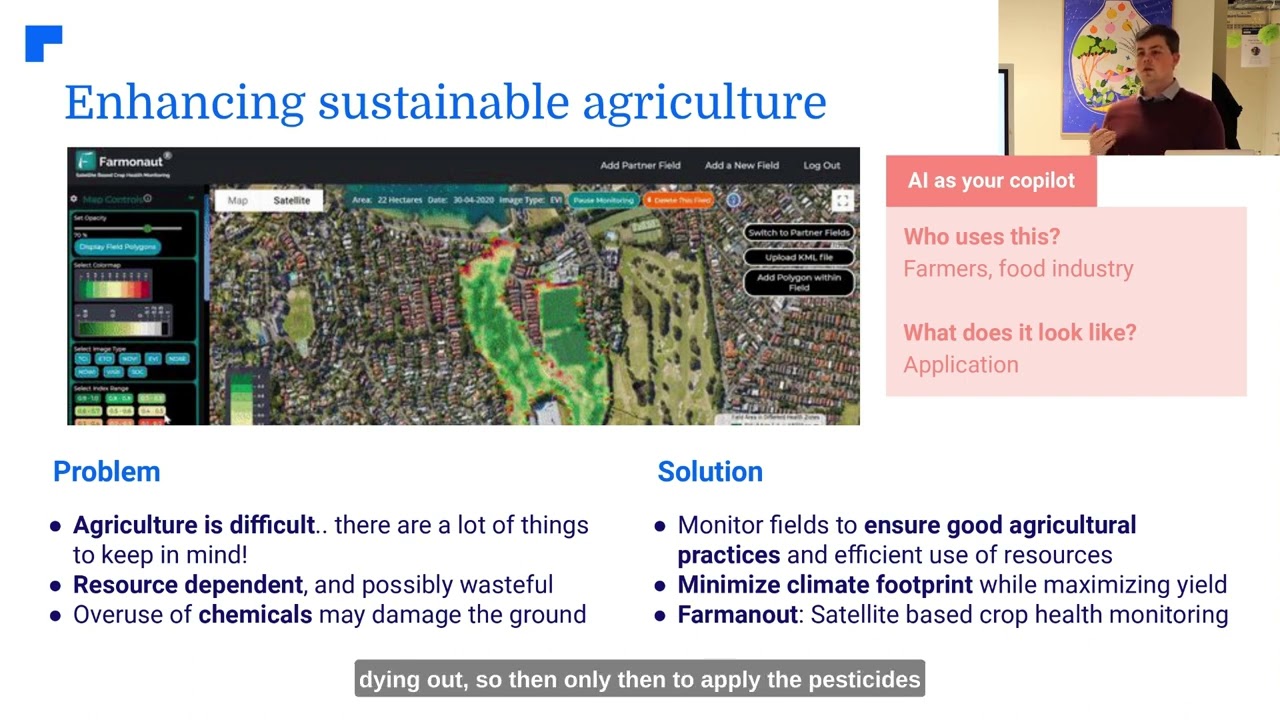
- Resource management and compliance: Integrated platforms like ours at Farmonaut, using API-accessible Satellite and Drone Data APIs, allow companies to monitor vegetation recovery, water tables, and other key environmental variables.
This real-time data environment ensures that managers make evidence-driven decisions to optimize extraction, maintain safety, and uphold regulatory responsibilities.
“Robotic automation in mining is projected to reduce manual labor by 40% in mineral extraction operations by 2025.”

5. Predictive Maintenance Robots and AI-Driven Monitoring
Machine breakdowns are costly, dangerous, and disruptive. Enter predictive maintenance robots—autonomous systems equipped with sensors that continuously monitor machinery health, forecast potential malfunctions, and schedule repairs proactively, long before failures occur.
- Sensor and AI based anomaly detection: Thermographic sensors, vibration detectors, and multilayer AI analyze machine behavior and performance, reducing downtime and catastrophic accidents.
- Enhanced operational efficiency: Scheduling maintenance during non-peak times maximizes continuous production and resource use.
- Safety benefit: By managing wear and tear preemptively, we further reduce human risk by limiting emergency interventions in hazardous environments.
Predictive maintenance not only keeps production lines moving but is essential in the evolution toward fully autonomous mines.

6. Wearable Exoskeletons & Robotic Assistants for Enhanced Human Safety
Not all tasks can be automated—yet. Wearable robotic exoskeletons and robotic assistants are designed to support humans in demanding roles, reducing physical strain and risk of injury in both surface and underground operations.
- Enhanced human capabilities: Exoskeletons multiply the wearer’s strength, making repetitive lifting and tool use far safer and less strenuous.
- Prolonged productivity: Reduced fatigue and musculoskeletal strain extend careers, lower injury rates, and reduce absenteeism.
- Data connectivity: Many exosuits and robotic assistants are equipped with sensors to monitor worker biometrics, ensuring real-time health and safety compliance.
This human-robot partnership ensures that even as automation grows, the mining industry’s most vital asset—its people—are safer than ever before.
7. Blockchain and Real-Time Environmental Monitoring
With sustainability and regulatory compliance in sharp focus, the integration of blockchain and AI-powered environmental monitoring completes the Robotics in Mineral Extraction toolkit of 2025.
- Real-time environmental tracking: Satellite data streams, accessible through tools like Farmonaut’s Carbon Footprinting, monitor emissions, water tables, and vegetation automatically, maximizing environmental stewardship.
- Blockchain-based traceability: Our Product Traceability Systems ensure every step of the mineral extraction process is securely recorded—fraud, losses, and disputes are minimized, and supply chains become trustworthy and transparent.
- Automated reporting and compliance: Live feeds of environmental data simplify regulatory reporting, facilitate ESG audits, and help managers adopt industry-leading standards.
By making environmental monitoring and traceability integral to robotic operations, mining organizations future-proof themselves for upcoming challenges and expectations in the sector.
Key Challenges in Robotics Integration for Mining Operations
While Robotics in Mineral Extraction is redefining the landscape in 2025, several challenges accompany this transformation:
- High initial investment: Advanced robotics, autonomous machines, and sensors require considerable upfront capital—a hurdle especially for smaller operations.
- Workforce reskilling: There’s an urgent need to train and upskill mine workers to operate and maintain these technological systems.
- Cybersecurity risk: As operations get digitally interconnected, ensuring the safety and privacy of data becomes more complex.
- Data reliability: Machines are only as effective as the data informing them. Ensuring reliable, error-free inputs is crucial for maximizing the benefits of robotics.
- Scalability and integration complexity: Uniting robots, drones, and legacy operation systems creates integration complexity, particularly in underground mines and remote environments.
In response, global research efforts and continuous development are underway to overcome these challenges and ensure the mining industry’s smooth journey into the future.
The Role of Farmonaut Technologies in Mineral Extraction
As a satellite technology company with deep expertise in AI, data analytics, blockchain, and machine learning, we at Farmonaut are committed to supporting the next era of robotics in mineral extraction. Here’s how our solutions deliver value in 2025 and beyond:
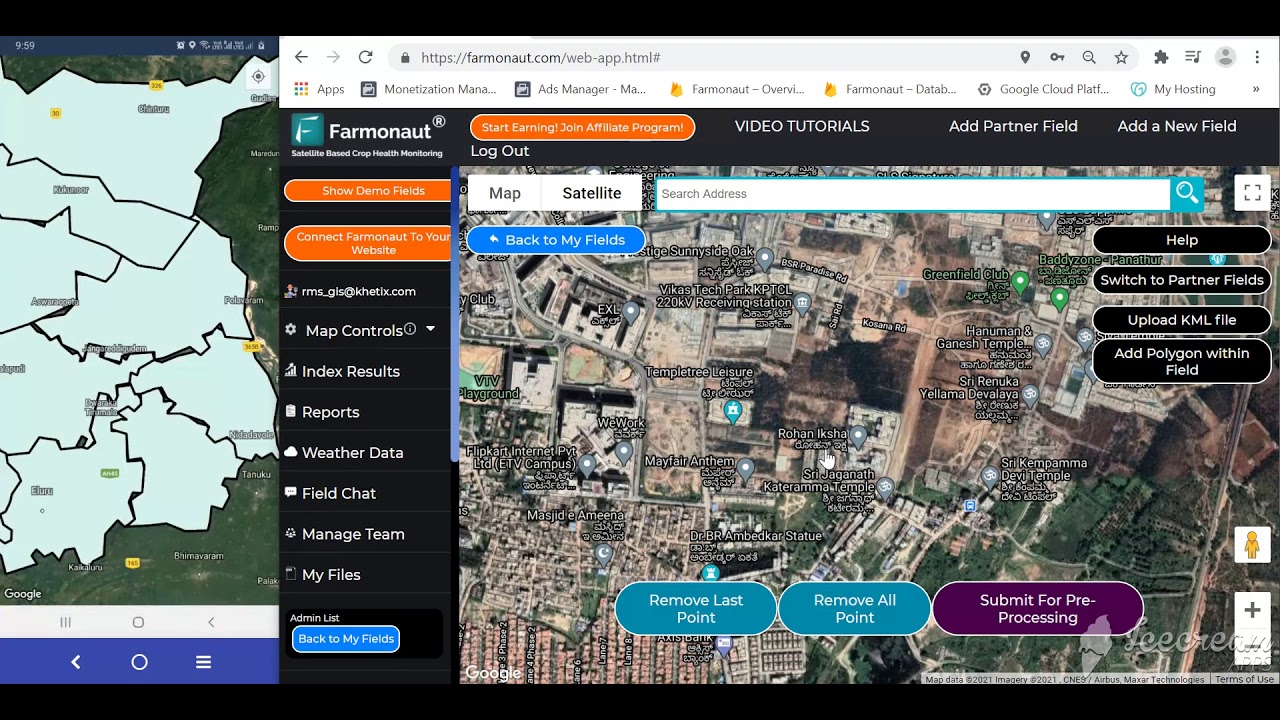
- Satellite-based monitoring: We provide real-time and historical satellite imagery for mining and extraction operations—vital for mapping, monitoring site integrity, and resource planning.
- AI-powered advisory: Our Jeevn AI system analyzes satellite data to optimize mineral extraction routes, detect environmental risks, and improve operational efficiency.
- Carbon and environmental impact tracking: Our Carbon Footprinting platform offers in-depth emissions monitoring to help companies meet regulatory and ESG requirements.
- Blockchain-based traceability: With end-to-end traceability, our tools support secure records across the mining supply chain, enhancing transparency and trust.
- Fleet management and logistics: Companies reduce costs and improve safety by optimizing vehicle, machinery, and resource usage through our Fleet Management app.
-
Flexible access: Our services are available via



- API Integration: Seamlessly connect your operations to Farmonaut’s satellite API for custom solutions and data analytics in mineral extraction. API Developer Docs
In essence, we empower mining organizations with real-time insights, resource management tools, and advanced AI-driven advisory—building a smarter, greener, and safer mineral extraction industry for 2025 and beyond.
What Lies Ahead: The Future of Robotics in Mineral Extraction
With the arrival of these seven advances, Robotics in Mineral Extraction is not just the future—it’s the present reality for the global mining industry. The journey will include:
- Increased autonomy and intelligence: Expect further AI integration, with mining robots making even more complex, independent operational decisions.
- Scalable automation: Flexible robotic ecosystems will adapt to sites small and large, surface and underground, in every region and on every mineral.
- Stronger focus on sustainability: Greater emphasis on environmental monitoring, emissions reduction, and post-extraction land rehabilitation.
- Improved economic access: Expanding platforms and technology democratization will lower cost barriers for small and medium miners globally.
- Ever higher safety standards: With the combination of robotics and human-centric design, accidents will plummet and the number of miners exposed to hazardous environments will continue to reduce.
With each innovation, the extraction sector takes a decisive step toward sustainable development, securing its position as a cornerstone of our industrial world—safe for humans, productive for stakeholders, and responsible toward the environment.
Farmonaut Subscriptions & API for Mining & Mineral Extraction
Unlock the power of satellite-driven insights, real-time mining analytics, and AI advisory—scale your operations with Farmonaut:
FAQ: Robotics in Mineral Extraction
Q1. What are the main benefits of robotics in mineral extraction for safety?
A: Robotics significantly reduces human exposure to hazardous environments—such as deep underground, areas with toxic gases, and unstable terrain. Robotic systems perform high-risk tasks including drilling, blasting, and material handling, dramatically lowering the chances of tunnel collapses, machinery accidents, and exposure injuries.
Q2. How do drones and sensors enhance mineral extraction operations?
A: Drones equipped with LIDAR, infrared, and multispectral sensors provide frequent, accurate mapping and monitoring of mine sites. This real-time data improves extraction route optimization, resource management, environmental compliance, and early incident detection.
Q3. What role does AI play in mining robotics in 2025?
A: AI is the core of mining robotics in 2025. It enables machines to analyze geological data, adapt to changing underground conditions, optimize drilling and blasting, and make complex operational decisions autonomously to improve productivity, safety, and sustainability.
Q4. Can small and medium miners adopt robotics in mineral extraction?
A: Yes, as technology becomes more cost-effective and modular, robotics is increasingly accessible. Tools like Farmonaut’s satellite-driven platform are designed for both small and large-scale operations, making mining automation, environmental monitoring, and AI advisory achievable for a wide range of users.
Q5. How does blockchain help in mineral extraction?
A: Blockchain ensures traceability of minerals across the supply chain—recording every stage in a secure, immutable ledger. This transparency helps reduce fraud, verify origin, and guarantee authenticity, while simplifying regulatory compliance.
Q6. Where can I access Farmonaut’s tools and APIs for mining automation?
A: Farmonaut’s technologies are available via
(web),
(Android),
(iOS), and can be accessed via API with full developer documentation.
Conclusion: Robotics in Mineral Extraction—A Smarter, Safer, and Greener Industry
In summary, 2025 will be remembered as the year Robotics in Mineral Extraction moved from vision to reality—enhancing safety, operational efficiency, and environmental responsibility at an unprecedented scale. The mining sector is now defined by AI-powered automation, precise drilling, autonomous vehicles, drone-enabled data collection, and robust, blockchain-secured supply chains. With each technological advancement, the cornerstone of our global progress—the mining industry—becomes not just more productive, but fundamentally safer and more sustainable for generations to come.
For satellite-driven insights, fleet and resource management, environmental monitoring, traceability, and seamless API integration—explore the Farmonaut suite today.

 Denkyira Nkoranza Concession
 Mwerezi Minerals Company Limited
 Congo Mining Solutions
 Mining SARL
 SenGold Invest SAS
 Sania Corporation
 Sean Mining Limited
 NTS Group (Pty) Ltd
 Mine4Africa
 Lithspo Minerals Limited
 Tintina Mining Group
 Dalgety Minerals Pty Ltd
 Vortex Minerals Pty Ltd
 Faith At Work (Pty) Ltd
 Geotech Mining Solutions plc
 Vulcan International Limited
 Kidepo Associates
 GKY Mining
 Alkimy SARL
 Double A Trading
