

Mine water · Consultant guide
Sources of Water in Mines: 7 Inflows and Reuse Options
Mines draw water from groundwater, surface water, rain and runoff, third-party supply, seawater, the ore itself and recycling. Groundwater supplied 72% of US mining withdrawals (USGS, 2015); recycled water was 71.0% of water used by Chile’s copper mines (Cochilco, 2024).
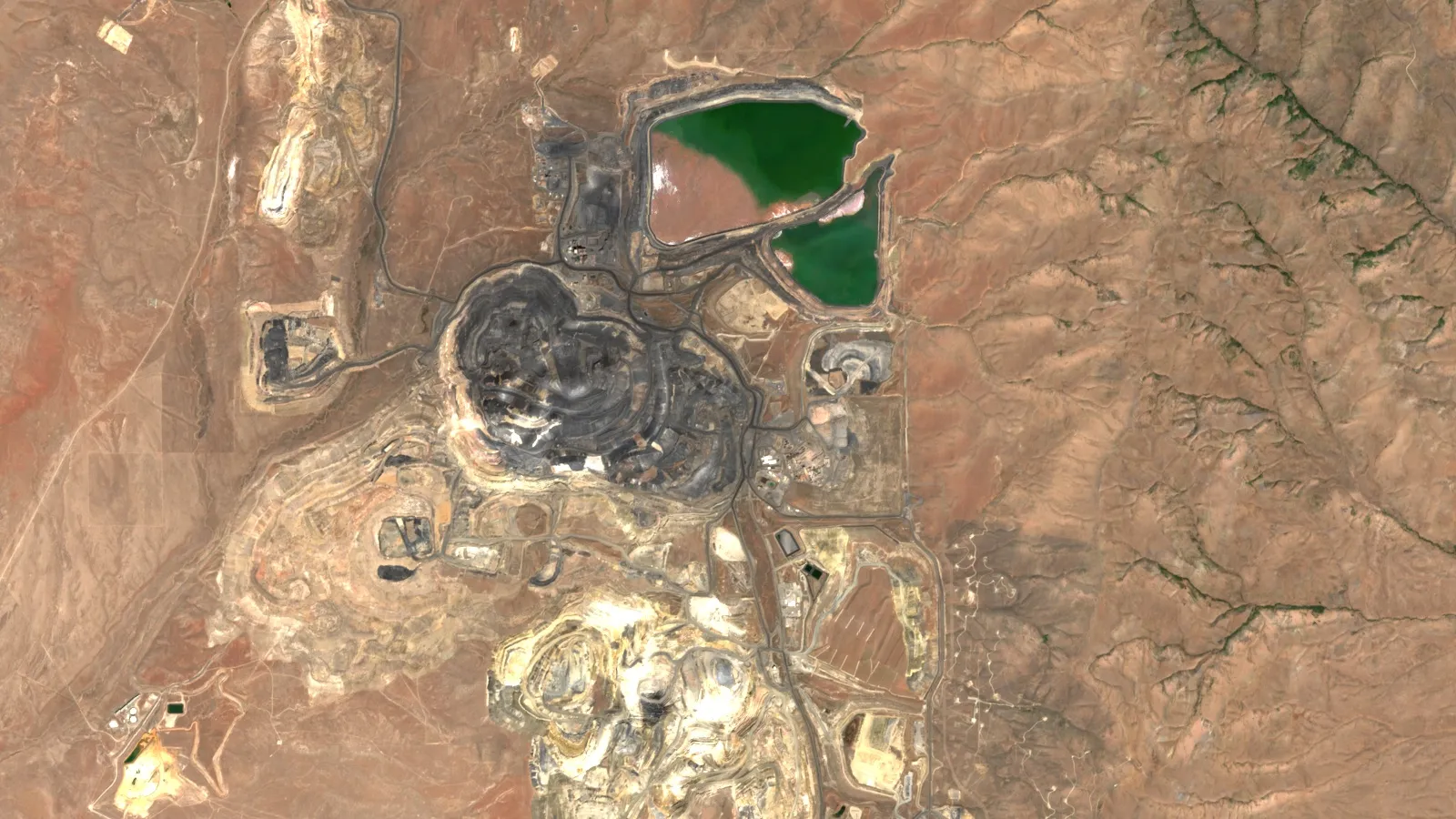
Key takeaways
- US mining withdrew about 4,000 million gallons a day in 2015; 72% was groundwater, mostly saline (USGS Circular 1441).
- Chilean copper mines took 22.74 m³/s of new water in 2024; seawater was the largest source at 7.76 m³/s (Cochilco).
- Recycled water made up 71.0% of all water used by Chilean copper mines in 2024, up from 68.4% in 2014 (Cochilco).
- Rule of thumb for a water balance: 1 mm of rain on 1 hectare is 10 m³ of water.
- Treating acid drainage cost from US$0.003 to US$0.03 per gallon for one passive system, depending on flow (EPA, 2013 dollars).
In this article
- What are the sources of water in mines?
- Where mine water comes from in the United States
- How Chile's copper mines source their water
- Reuse and recycling: the biggest source at most mines
- Mine-influenced water and acid drainage
- How to secure water access for a new mining project
- Comparing the main sources of mine water
- How a site water balance works
- What consultants should check on a site visit
- Frequently asked questions
A mine gets its water from seven places: groundwater that seeps or is pumped from aquifers, surface water from rivers, lakes and dams, rain and runoff caught on site, water bought from third parties such as a town utility, seawater (raw or desalinated), water locked in the ore and tailings, and water recycled inside the plant. In the United States, groundwater supplied 72% of all mining withdrawals in 2015, and most of it was saline, according to the USGS national water-use estimate. In Chile’s copper industry, recycled water made up 71.0% of all water used in 2024 (Cochilco). This guide explains each source, shows how the mix differs between regions, and gives a simple water-balance calculator a consultant can use on a first site visit.
Two words matter from the start. A withdrawal (or extraction) is water taken into the site from outside. Consumption is water that leaves the system for good, mostly by evaporation and by staying trapped in tailings. Good water reporting tracks both, and the industry standard for doing so is the ICMM water reporting guide, which builds on the Minerals Council of Australia’s Water Accounting Framework.
What are the sources of water in mines?
The list below follows the categories that regulators and the ICMM guide use, so a site’s numbers can be compared with published data. Each source has its own cost, its own permit and its own quality problems.
1. Groundwater from aquifers and mine inflow
Groundwater is water held in the pores and fractures of rock and soil. An aquifer is a rock unit that holds and passes enough of it to pump. Mines meet groundwater in two ways. They drill water-supply wells on purpose, and they hit groundwater by accident when a pit or a decline cuts below the water table. Pumping that water out so mining can continue is called dewatering.
Groundwater is often the main supply because it is close and steady through dry seasons. The catch is quality: deep groundwater is often saline (salty), hard or high in dissolved metals. In the 2015 USGS survey, 65% of the groundwater withdrawn for mining in the US was saline.
2. Surface water: rivers, lakes and reservoirs
Surface water is pumped from a river, lake or reservoir under a water right or abstraction licence. It is usually fresher than deep groundwater; 77% of US surface-water withdrawals for mining were freshwater in 2015 (USGS). It is also the source most exposed to drought and to competition with towns and irrigators, which is why permits for new surface-water draws are hard to get in dry basins.
3. Rainfall and stormwater runoff
Rain that falls on pits, haul roads, waste dumps and plant areas is collected in sumps and ponds. Clean runoff from undisturbed ground can be diverted around the site or stored for use. Runoff that touches waste rock or ore becomes contact water and must be treated or kept inside the system. In Chile, rainfall and runoff made up 42% of all surface water taken by copper mines in 2024 (Cochilco).
4. Third-party water
Third-party water is bought from a utility, another company or a municipal treatment plant. Treated sewage effluent is a common example. It costs more per cubic metre than a site’s own wells, but it avoids drawing on local aquifers and can be easier to permit. Chilean copper mines took 2.67 m³/s from third parties in 2024, or 11.7% of their extraction (Cochilco).
5. Seawater, raw or desalinated
Coastal and desert mines pump seawater inland. Some use it raw, mainly for flotation in plants built to tolerate salt. Others remove the salt by reverse osmosis first. Seawater takes pressure off fresh sources but needs long pipelines, pumping and a lot of electricity. Chilean copper mines took 7.76 m³/s of seawater in 2024, 34.1% of their total extraction (Cochilco).
6. Water in the ore and tailings
Ore arrives at the plant with some moisture, and that water joins the circuit. Far more water goes the other way: tailings (the finely ground waste left after processing) leave the plant as a slurry, and part of the water stays locked in the pore spaces of the tailings dam for good. Thickening tailings before they are deposited, or filtering them to a damp cake, returns more of that water to the plant.
7. Recycled and reused water
Recycled water is water recovered inside the site and used again: overflow from thickeners, water returned from the tailings dam, filtrate and treated contact water. It is not a new source, but by volume it is the largest one at most modern concentrators. In Chile’s copper sector, recovered and recirculated water reached 55.75 m³/s in 2024, against 22.74 m³/s of new water taken in (Cochilco).
Where mine water comes from in the United States
The USGS publishes national water-use estimates every five years. Its latest full national report covers 2015. Mining withdrew about 4,000 million gallons a day (Mgal/d), roughly 1% of all US withdrawals. That figure includes coal, metals, industrial minerals, sand and gravel, and also water injected in oil and gas fields. Dewatering water was not counted unless it was put to use, for example to damp haul roads.
Chart
US mining water withdrawals by source
Million gallons per day, 2015
The split by source is unusual compared with other industries. Saline groundwater is the largest single source, at 1,860 Mgal/d, much of it in Texas oil and gas fields. Fresh groundwater supplied 1,010 Mgal/d, fresh surface water 877 Mgal/d and saline surface water 256 Mgal/d. Texas, California, Utah and Nevada were the largest mining water users. Nevada, Texas, Ohio, Florida and Arizona each used more than 50 Mgal/d of fresh groundwater for mining.
For a consultant, the point is that a US mine’s water often comes with a groundwater permit and a dewatering plan rather than a river right. A USGS model of the middle Humboldt River Basin in Nevada found that mine dewatering discharge added as much as 105,000 acre-feet to river flow at the Imlay gauge in water year 1998, and forecast that flow there could fall by up to 1,600 acre-feet a year 30 years after mine pumping stops. Dewatering changes a basin long after a mine closes, and that belongs in closure planning.
How Chile’s copper mines source their water
Chile is the best documented case of a mining sector changing its water mix, because the state copper commission, Cochilco, surveys mines that produce about 98% of the country’s copper every year. Its 2024 water report shows that new water taken in totalled 22.74 m³/s, up 20.8% on 2023. Part of that jump came from new reporting rules that follow the ICMM standard, which now counts rainwater, reuse water and reservoir water as extraction.
Chart
New water taken in by Chilean copper mines
Cubic metres per second, 2024
By source, seawater was the largest at 7.76 m³/s, followed by surface water at 6.45 m³/s, groundwater at 5.87 m³/s and third-party water at 2.67 m³/s. The Antofagasta region alone took 10.69 m³/s, and 58% of that was seawater. Of the seawater, about 70% arrived desalinated and the rest was used raw.
Operational consumption, the water actually used up, was 18.13 m³/s, up 2.7% while copper output rose 4.8%. Water used per tonne of copper therefore fell. A Chatham House study of mineral water footprints notes that Chile had 24 desalination plants in 2024 with capacity of 8,500 litres per second, and that about 75% of desalination operations are funded by mining companies.
Reuse and recycling: the biggest source at most mines
When recycled water is counted alongside new water, it dwarfs everything else. Cochilco puts total water use by Chilean copper mines at 78.49 m³/s in 2024. Of that, 71.0% was reused and recirculated water, 19.1% continental (fresh) water and 9.9% seawater. Ten years earlier, in 2014, the shares were 68.4%, 27.9% and 3.7%. Over the decade, fresh water lost about nine percentage points of share, seawater gained six and recycling gained three.
Chart
Share of all water used by Chilean copper mines
Percent of total water use, 2014 vs 2024
Seven practical ways to raise reuse at a mine site, roughly in order of cost:
- Meter every flow first. A site cannot reuse what it has not measured. Flow meters on bores, pit sumps, plant feed, thickener overflow and tailings return make a monthly water balance possible.
- Separate clean and dirty water. Diversion drains keep clean runoff away from waste dumps, so less water becomes contact water that needs treatment.
- Use pit and bore water before fresh water. Dewatering water that meets the plant’s quality limits can replace make-up water from rivers or utilities.
- Thicken tailings harder. High-rate and paste thickeners return more water to the plant before the slurry reaches the dam.
- Cut evaporation from ponds and dams. Smaller, deeper ponds, fast decant return and covers on small ponds reduce losses in hot, dry climates.
- Match water quality to use. Dust suppression and some flotation circuits can take poorer water; potable and reagent make-up need the best.
- Treat and reuse contact water. Lime neutralisation, wetlands, bioreactors or membranes turn mine-influenced water into a usable supply instead of a discharge.
Mine-influenced water and acid drainage
Mine-influenced water is any water whose quality has changed because of mining. The best known form is acid mine drainage (also called acid rock drainage). It forms when sulfide minerals such as pyrite (iron sulfide) meet water and oxygen in exposed rock, waste dumps or old workings. The reaction makes sulfuric acid, which then dissolves metals such as iron, copper, zinc and arsenic. The US EPA describes abandoned mine drainage as a common form of water pollution in old mining districts, usually tied to coal.
This matters for sourcing because every one of the seven sources can turn into mine-influenced water once it touches sulfide rock. Treatment cost then becomes part of the water’s real price. An EPA reference guide to treatment technologies gives examples: a passive successive alkalinity-producing system was estimated at US$0.03 per gallon for a 5 gallon-per-minute flow and US$0.003 per gallon at 100 gallons per minute, and a bioreactor at the Leviathan Mine in California ran at US$19.51 per 1,000 gallons treated (all in 2013 dollars). Volume drives unit cost down, so the cheapest treated water is usually the water a site already pumps in large amounts.
Mine water researcher Christian Wolkersdorfer’s review of mining effects on surface water lists the main pathways: pumped discharge, seepage from dumps and tailings, and flooding of old workings after pumps stop. A closure plan has to name which of these will carry water off the site and for how long.

▶ The seven environmental impacts of mining, including effects on water, explained in clay. · 2:31
How to secure water access for a new mining project
Water is often the permit that takes longest. The steps below are the usual order for an exploration or development project. Rules differ by country and state, so check with the water regulator before you apply.
Infographic
Securing water for a new mine in 5 steps
- 1BaselineMap streams, springs and bores; start monitoring early.
- 2DemandEstimate plant need from throughput and recycle rate.
- 3InflowModel groundwater the pit or workings will make.
- 4PermitsApply to take and to discharge water.
- 5Water balanceRun a monthly model for wet and dry years.
- Baseline survey. Map streams, springs, bores and existing users. Start water-level and water-quality monitoring early so that later changes can be measured against a real baseline.
- Estimate demand. Plant throughput, ore moisture, tailings method and climate set the make-up water need. A first estimate uses tonnes processed per day and a planned recycle rate.
- Estimate inflow. A hydrogeologist estimates how much groundwater the pit or underground workings will make, using pumping tests and a groundwater model.
- Rank sources. Compare pit water, bores, surface water, third-party water and seawater on volume, quality, cost, permit time and risk to other users.
- Apply for rights and discharge permits. Most jurisdictions need a separate permit to take water and another to release it. The mine’s environmental assessment usually covers both.
- Build the site water balance. A monthly model of every inflow, store and outflow, run for wet and dry years, shows whether the site will run short or have to discharge.
- Report and update. Use the ICMM metrics (withdrawal, discharge, consumption, reuse) so that numbers stay comparable across sites and years.
Satellite imagery helps at the baseline stage: multi-year images show where streams, ponds and green vegetation sit relative to the planned pit and dumps, which helps a consultant plan monitoring points before the first site visit. Satellites map surface and near-surface signatures; field measurements confirm them.
▶ Remote sensing for mining in plain words: what satellites measure and why it helps early site work. · 2:01
Comparing the main sources of mine water
| Source | Typical quality | Main use at site | Main risk |
|---|---|---|---|
| Groundwater and pit inflow | Fresh to saline; may carry metals | Process make-up, dust control | Lowering water tables for neighbours; long-lasting effects after closure |
| Surface water | Usually fresh | Process make-up, potable after treatment | Drought, competition with towns and farms, strict permits |
| Rain and runoff | Clean if diverted; poor if contact water | Storage, dust control | Storm surges, overflow of ponds |
| Third-party water | Set by contract; treated effluent common | Process make-up | Price, supply interruptions |
| Seawater | Saline unless desalinated | Flotation, process water | Energy cost, pipelines, brine disposal |
| Ore and tailings water | Process water quality | Returned to plant | Water lost in tailings pores and to evaporation |
| Recycled water | Builds up salts and reagents | Grinding, flotation, dust control | Scaling and lower recovery if not managed |
How a site water balance works
A water balance is the mine’s water bookkeeping. Inflows (wells, pit inflow, rain, third-party water, seawater, ore moisture) must equal outflows (evaporation, water locked in tailings, seepage, discharge) plus any change in storage in ponds and dams. If the plant needs more water than the site makes, the gap is the make-up water that must be bought or pumped. If the site makes more than it can use, the surplus must be stored, treated or discharged under permit.
A useful rule of thumb: 1 mm of rain on 1 hectare is 10 cubic metres of water. A 50-hectare catchment that receives 400 mm a year collects 200,000 m³ before runoff losses. The share that actually reaches a sump, the runoff coefficient, depends on surface type; compacted haul roads and rock shed far more than vegetated slopes.
Water planning also feeds the project’s economics. Pumping, pipelines and treatment are operating costs that sit inside all-in costs, discussed in our guide to mining margins and AISC by metal. The ore type matters too: sulfide-rich deposits carry more acid drainage risk than oxide or industrial-mineral deposits, as covered in types of ore deposits.
Calculator
How much make-up water will my site need?
Enter your own plant demand, recycle rate, pit inflow and catchment.
- New water needed after recycling (m³/day): 3,000
- Runoff captured (m³/day, annual average): 219
- Surplus to store or treat (m³/day): 0
- Yearly cost to treat the surplus (US$): $0
Example values only, not a benchmark. Constant: 1 mm of rain on 1 ha = 10 m³. Runoff coefficient and recycle rate are your own estimates. The treatment cost is an example input; use your own quote. Annual averages only; a real balance runs monthly for wet and dry years.
What consultants should check on a site visit
- Metered versus estimated flows. Ask which numbers in the water balance come from meters and which are calculated.
- Dewatering rate and trend. Rising pit inflow can change mine costs and permit limits.
- Sulfide content of waste rock. Acid-base accounting results show whether dumps are likely to make acid water.
- Pond freeboard and storm design. Ponds need spare capacity for the design storm; overflows are a common permit breach.
- Tailings water return. Measure how much water comes back from the tailings dam against how much goes out.
- Neighbouring users. Bores, springs and river users downstream are the people most affected by changes in supply.
- Safety around water. Inrushes of water into underground workings and unstable pit walls in wet ground are real hazards; see our overview of mining safety systems.
For early-stage projects, Farmonaut’s satellite mineral detection work maps surface signatures across a licence area, which helps place pits, dumps and water monitoring before drilling starts.
Frequently asked questions
What are the sources of water?
In general, water comes from groundwater, surface water (rivers, lakes, reservoirs), rain, the sea and reused wastewater. Mines draw on the same set, plus water in the ore and water recycled inside the plant.
What is the main source of water for mining in the United States?
Groundwater. It supplied 72% of US mining withdrawals in 2015, and 65% of that groundwater was saline (USGS Circular 1441).
What is mine source water?
Mine source water is any water a mine takes in for use: bores, pit dewatering, rivers, rain and runoff, third-party supply or seawater. Reporting standards treat recycled water separately because it is used again rather than newly taken.
How much water do Chile’s copper mines use?
Cochilco reports operational consumption of 18.13 m³/s and new water extraction of 22.74 m³/s in 2024, with seawater the largest single source at 7.76 m³/s.
What share of mine water can be recycled?
At Chilean copper mines, recycled and recirculated water made up 71.0% of all water used in 2024 (Cochilco). Rates at individual sites vary with climate, ore type and tailings method.
Why do mines use seawater?
In dry regions, seawater reduces demand on scarce fresh water. It can be used raw in some flotation circuits or desalinated by reverse osmosis, at the cost of pipelines, pumping energy and brine disposal.
What is mine dewatering?
Dewatering is pumping groundwater out of a pit or underground workings, or from wells around them, so that mining can continue in dry ground. The water can be used on site, reinjected or discharged under permit.
What is mine-influenced water?
It is any water whose chemistry has changed because of mining, including acid mine drainage, neutral drainage with metals, and saline drainage.
How does mining affect freshwater availability?
Mining can lower water tables through dewatering, take water that others use, and pollute streams through drainage. A USGS study in Nevada forecast that flow in the Humboldt River could fall by up to 1,600 acre-feet a year 30 years after mine pumping and discharge stop.
What is a mine water balance?
It is a model that tracks every inflow, outflow and change in storage at a site, usually monthly, to show whether the mine will run short of water or need to discharge.
Who sets the standard for mine water reporting?
The International Council on Mining and Metals publishes a water reporting good practice guide, based on the Minerals Council of Australia’s Water Accounting Framework, and Cochilco now follows it in Chile.
Farmonaut mining
Map your mining site from space
Consultants can map surface signatures, drainage and disturbance across a licence area before planning monitoring and drilling.

Mining Pro sample view, synthetic data
Keep reading

Sources
- USGS, Circular 1441: Estimated use of water in the United States in 2015: pubs.usgs.gov
- Cochilco, Consumo de agua en la minería del cobre, actualización al año 2024: cochilco.cl
- ICMM, Water Reporting: Good Practice Guide, 2nd edition (2021): icmm.com
- USGS, Professional Paper 1906: Stream capture from groundwater pumping, middle Humboldt River Basin, Nevada: pubs.usgs.gov
- US EPA, Abandoned mine drainage: epa.gov
- US EPA (CLU-IN), Reference guide to treatment technologies for mining-influenced water (2014): clu-in.org
- Chatham House, Water footprints of the global minerals trade (2026): chathamhouse.org
- Wolkersdorfer, Effects of mining on surface water (2021): literature.wolkersdorfer.info
- Wolkersdorfer, Mine-water chemistry: the good, the bad and the ugly: literature.wolkersdorfer.info
- Wolkersdorfer, Mining impacts on the fresh water environment: literature.wolkersdorfer.info
Discussion
Questions, corrections or field experience? Share them below. First-time comments are reviewed before they appear, and your email is never published.
No comments yet. Be the first to add a question or your experience.

 Geotech Mining Solutions plc
 Vulcan International Limited
 Kidepo Associates
 GKY Mining
 Alkimy SARL
 Double A Trading
 GemSprout Metals Limited
 Qader Group
 Ileys General Trading
 SG Gold Mining LLC
 VRV Global Pte Ltd
 Omsri International FZE
 G.I.T.T.
 Jaunita Erss Ltd
 Almosi SARL
 SRK Consulting
 Berks Gold Limited
 Mwerezi Minerals Company Limited
 Mining SARL
 SenGold Invest SAS

 Client · Oregon, USA · Gold
 Exploration consultancy · South Africa · Gold










