

Strip Mining Lithium: Tesla, Zijin Mining & Impacts
Meta Description: Strip mining lithium drives the global clean energy revolution as demand from EVs and batteries soars for 2025. Explore the environmental, social, and industry implications with insights on major players like Tesla and Zijin Mining.
“Global lithium demand is projected to rise over 40% by 2025, intensifying strip mining’s impact on ecosystems and water resources.”
Table of Contents
- Introduction: The Urgency of Lithium Extraction
- What Is Strip Mining Lithium? Methods, Technology, and Trends
- Environmental Impacts of Strip Mining Lithium
- Socio-Economic Effects and Community Impacts
- Major Industry Players: Tesla and Zijin Mining
- Comparative Impact Table: Tesla, Zijin Mining & More
- Safeguarding Sustainability: Innovations & Practices
- The Future of Strip Mining Lithium to 2026 & Beyond
- Farmonaut’s Satellite Solutions for a Sustainable Lithium Future
- Frequently Asked Questions (FAQ)
- Conclusion

Introduction: The Urgency of Lithium Extraction
The world stands on the brink of an energy transformation. As the demand for lithium skyrockets—driven primarily by the accelerating adoption of electric vehicles (EVs), renewable energy storage, and advanced battery technologies for consumer electronics—the spotlight is now firmly fixed on how this critical resource is sourced. By 2025, with projections indicating a dramatic increase in lithium demand, industry, investors, and environmental groups all recognize that the chosen methods of lithium extraction and processing will shape not only our energy future, but also the well-being of our global ecosystems and communities.
Strip mining lithium, a surface mining technique, has emerged as a prominent method, particularly in regions like Australia—which today is the world’s largest lithium producer. Unlike traditional underground mining, strip mining involves removing vast sections of soil, rock, and vegetation, exposing shallow lithium-rich deposits for easy access and extraction. This practice is vital for meeting the pace and scale of demand, but has sparked increasing scrutiny for its far-reaching impacts—from environmental damage to social disruption and indigenous land rights.
This article examines the technological, environmental, and socio-economic implications of strip mining lithium. We’ll explore the role of major industry players like Tesla and Zijin Mining, both instrumental in shaping sustainable futures and influencing global supply chains.

What Is Strip Mining Lithium? Methods, Technology, and Trends
Understanding the Strip Mining Method
Strip mining lithium entails a surface technique where top layers of earth are removed to access lithium-bearing ore deposits located near the surface. The process typically involves blasting, excavation, and transporting ore to specialized processing plants. Here, lithium-rich minerals, including spodumene, lepidolite, and petalite, are concentrated and then purified for commercial use in batteries and other clean energy applications.
- Blasting & Excavation: Heavy machinery removes vast sections of overburden (soil, rock, vegetation).
- Ore Transport: Extracted ore is moved to nearby processing facilities for concentration.
- Lithium Concentration: Processing includes various chemical and physical methods to separate and purify lithium.
- Rehabilitation (Varies): After extraction, some regulations demand land rehabilitation or restoration, though this is inconsistently enforced worldwide.
Countries like Australia, and increasingly regions in North and South America, have emerged as primary locations for this method due to their large, accessible deposits of lithium-bearing minerals. The technique contrasts with underground mining, which involves excavating tunnels or shafts—a more expensive and technically challenging operation for lithium extraction.

Why Has Strip Mining Lithium Become So Prominent?
The reason is clear: due to surging demand for lithium-ion batteries, especially for EVs, grid-scale storage, and consumer electronics. As of 2026 and beyond, the shift to renewable energy is expected to further accelerate, fueling even greater adoption of lithium-based technologies. Strip mining remains vital because:
- It can supply lithium at scale to keep pace with global industrial demand.
- Large near-surface deposits make extraction more economically viable than deeper, harder-to-access resources.
- The process can be more quickly ramped up than traditional underground techniques.
However, this boom comes with an environmental cost, placing the spotlight on both how we extract lithium and who leads these projects.

Focus Keyword: Strip Mining Lithium in Australia
Australia today is the largest lithium producer, with expansive operations using strip mining lithium to tap into rich spodumene ore bodies. These mining regions are often close to farming communities, further raising the need for sustainable practices and advanced remote monitoring.
Fleet Management
– Mining operators in Australia and beyond utilize Farmonaut’s fleet management tools to optimize machinery use, decrease operational costs, and enhance onsite safety. This contributes to more efficient extraction and logistics for large-scale strip mining lithium projects.
Environmental Impacts of Strip Mining Lithium
“Strip mining for lithium can remove up to 10 square kilometers of habitat per project, disrupting local biodiversity and communities.”
Significant Footprint of Lithium Strip Mining
Strip mining lithium is renowned for its substantial environmental footprint. Habitats that previously thrived in mining areas often face destruction, as removal of layers of earth results in landscape alteration, soil erosion, and lasting ecosystem disruption.
- Habitat Destruction: The removal of topsoil, trees, and plants to expose lithium ore devastates local ecosystems, threatening flora and fauna unique to regions like Western Australia and South America.
- Biodiversity Loss: Species lose shelter, food sources, and migration corridors—permanent changes, especially where rehabilitation is minimal.
- Landscape & Soil Erosion: The exposed earth is susceptible to wind and rain erosion, leading to washouts, degraded land quality, and challenges for future land use.
- Water Stress: Processing lithium ore requires vast volumes of water. In arid mining districts (e.g., Western Australia, Atacama in South America), this amplifies competition and threats to local water security.
- Chemical Pollution & Waste: Processing plants generate chemical waste, including heavy metals and reagents. Poor management can lead to spills and groundwater contamination.
- CO₂ Emissions: Heavy machinery, blasting, and chemical refining are all energy-intensive, adding to the sector’s total carbon footprint—even as the resource is harvested for “clean energy” purposes.

Environmental Impact in Latin America & Australia
In Latin America (notably Chile, Argentina, and Bolivia—“the lithium triangle”), as well as Australia, strip mining remains a major concern for local communities and indigenous populations. The extraction and processing practices put immense pressure on finite water resources, resulting in clashes and calls for stricter government oversight.
Carbon Footprinting Solutions — Mining companies in Australia and America can track and reduce their environmental impacts using Farmonaut’s carbon footprinting tools. These allow real-time monitoring, emissions calculation, and compliance with evolving ESG standards directly from satellite data.
Toxic Legacy and Rehabilitation Challenges
- Long-term Land Alteration: Many former strip mine sites remain barren decades after closure due to soil depletion and contamination.
- Rehabilitation Uncertainty: While some mining jurisdictions mandate rehabilitation, many sites worldwide fail to restore biodiversity or productive land.
- Changing Climate Risks: The impacts of mining are further magnified by a warming climate, increasing erosion, wildfires, and water scarcity in vulnerable regions by 2026.
Large-Scale Monitoring Solutions
– Satellite-based environmental monitoring by Farmonaut helps governments and mining enterprises track landscape changes, soil health, and compliance with sustainability protocols, supporting smarter and more accountable resource management.
Socio-Economic Effects and Community Impacts
The social repercussions of strip mining lithium include both opportunities and significant risks for local communities—especially indigenous populations. As mining projects expand to meet rising global demand, the sector must address:
- Indigenous Land Rights & Social Consent: Mining activities often encroach upon traditional lands, displacing local people and sparking disputes over resource ownership, compensation, and stewardship of cultural heritage.
- Job Creation vs. Displacement: On one hand, new mines fuel job creation in economically depressed regions. On the other hand, environmental degradation and water insecurity can force out traditional livelihoods, such as agriculture and fishing, leading to social tension.
- Infrastructure Pressures: The influx of workers, building of new roads, and chemical handling facilities can strain rural or remote locales, sometimes overwhelming inadequate healthcare and municipal services.
- Public Health Concerns: Exposure to chemical waste and dust from blasting can cause health issues for miners and residents alike.
- Social License to Operate: As mining giants like Tesla and Zijin Mining stake out new projects, community opposition can delay or halt extraction—especially as the world’s attention to ESG (Environmental, Social, Governance) practices grows.

Global Regulatory Trends and the Move toward Stricter Mining Practices
To reduce environmental and social costs, world governments and institutions are introducing stricter mining guidelines ahead of 2026. Priorities include
- Mandating consultation with affected communities and indigenous groups.
- Requiring environmental impact assessments before licensing new projects.
- Enforcing land rehabilitation and post-mining restoration plans.
- Encouraging use of sustainable technologies and advanced environmental monitoring.
Crop Loan and Insurance Verification
– Farmonaut’s satellite-based verification supports insurance and bank loans in mining-affected communities, providing accurate assessments of land condition and reducing fraud.
Major Industry Players: Tesla and Zijin Mining
Tesla and Lithium Mining: Securing Sustainable Supply Chains
As a leader in electric vehicles and battery technologies, Tesla is uniquely sensitive to lithium availability, quality, and the sustainability of extraction methods. In recent years, and looking ahead to 2026, Tesla and lithium mining initiatives have included:
- Investing directly in lithium mining projects across Australia and the Americas to secure supply.
- Promoting ethical supply chain practices by demanding verification of ESG compliance from lithium producers.
- Developing cutting-edge lithium battery recycling capabilities to reduce dependence on new strip-mined resources.
- Leveraging advanced monitoring technologies to improve water stewardship, reduce chemical use, and support site rehabilitation.
Tesla’s influence as a major buyer shapes industry standards, pushing mining partners toward responsible resource management and driving adoption of traceability technologies for improved transparency.
Traceability Solutions
– By integrating Farmonaut’s blockchain-based traceability tools, companies in the lithium sector ensure every step, from ore extraction to finished battery, is securely documented for ESG compliance, fighting greenwashing and increasing consumer trust.
Zijin Mining Lithium: Diversifying Global Production
Zijin Mining, historically a major gold and copper producer, has aggressively invested in lithium since 2023, expanding both by acquisition and by launching new projects on large, high-grade deposits. For Zijin Mining lithium, priorities include:
- Scaling production to become a central player in the global lithium supply chain.
- Reducing cost structure and optimizing output through advanced surface mining and ore processing techniques.
- Responding to environmental scrutiny and raising the bar for sustainability, though critics point to ongoing gaps in water governance and rehabilitation outcomes.
- Expanding operations in diverse geographies (Latin America, Africa, and Australia), helping stabilize global supply and reduce geopolitical risk.
Zijin’s aggressive expansion highlights the intersection between global resource race and the demand for responsible mining as we move deeper into the green transition.
Comparative Impact Table: Tesla, Zijin Mining & More
Comparing the environmental and socio-economic impact of strip mining lithium by major industry players:
| Company/Project | Est. Annual Lithium Production (tons) |
Strip Mining Area (hectares) |
Estimated Water Usage (million L/yr) |
CO₂ Emissions (tons/year) |
Ecosystem Disruption | Socio-economic Impact (Jobs Created/Affected) |
|---|---|---|---|---|---|---|
| Tesla-Backed Pilbara Project (Australia) | 65,000 | 1,200 | 13,000 | 150,000 | Severe (native flora/fauna displacement) | ~800 jobs created; significant impact on Indigenous activity |
| Zijin Mining Kamoa-Kakula (Africa) | 35,000 | 900 | 11,000 | 90,000 | High (wetlands and local biodiversity loss) | ~600 local jobs; displacement and land rights tension |
| SQM/Albemarle Salar de Atacama (Chile) | 40,000 | 1,600 | 17,000 | 170,000 | Very High (salt flats, endemic species affected) | 1,000 jobs; community criticism regarding water use |
| Tianqi Lithium Greenbushes (Australia) | 54,000 | 1,100 | 12,000 | 120,000 | Moderate to High (eucalyptus/forest loss) | ~750 jobs; moderate social impacts, better rehabilitation |
Note: Data are approximate, based on industry reporting through 2025. Actual environmental footprint depends on local conditions, restoration success, and regulatory compliance.
Safeguarding Sustainability: Innovations & Practices
How Can We Reduce the Impact of Strip Mining Lithium?
As 2026 approaches, a global consensus is taking shape—sustainable mining practices are necessary to balance growing demand with environmental and social responsibility.
Key approaches include:
- Technological Innovation—The industry leverages advanced mining machinery, AI-based monitoring (including satellite-based solutions), and cleaner processing methods to reduce waste and resource inputs.
- Water Recycling & Conservation—Water-intensive processing can be mitigated with closed loop recycling, improved filtration, and selection of arid-adapted technologies.
- Rehabilitation & Reforestation—Current trends emphasize systematic planning for post-extraction restoration, including replanting native species and restoring natural land contours.
- Battery Recycling—Industry leaders push for large-scale lithium battery recycling to reduce the burden on new extraction and minimize lifecycle emissions.
- Supply Chain Transparency—Blockchain and satellite monitoring help enforce ESG criteria at every step from resource extraction to battery assembly.

Sustainable Mining and the Future of Resource Extraction
Stricter regulations, improved satellite surveillance, and market pressures for clean energy sourcing mean future strip mining lithium projects will need to prioritize sustainability from licensing to closure and beyond, especially in regions like Australia and America.
Agro-Admin for Large-Scale Land Monitoring
– For regional mining authorities and environmental agencies, Farmonaut’s dashboard enables efficient, scalable landscape monitoring to track mining, reclamation, and ecosystem health at the field to regional level.


The Future of Strip Mining Lithium to 2026 & Beyond
Shaping a Sustainable Resource Future
As we look ahead toward 2026 and beyond, the future of strip mining lithium hangs in the balance between ever-increasing global demand and the imperative for ethical stewardship.
- Demand Trajectory: The relentless pace of EVs, clean energy technologies, and grid-scale battery storage promises that lithium demand will only rise, intensifying pressure on large, accessible deposits.
- Diversification & Geopolitics: Zijin Mining lithium and similar players diversify supply chains, investing in multiple regions to buffer against single-source disruptions and geopolitical volatility.
- Regulatory Innovation: Expect continued evolution of ESG standards and legal frameworks, driving stricter enforcement around water use, waste disposal, and indigenous rights in all mining jurisdictions.
- Technology Leadership: As industry leaders embrace advanced monitoring, AI, and traceability, less responsible producers may be edged out of lucrative international supply chains.
- Recycling Revolution: Large-scale lithium battery recycling could reduce pressure on pristine ecosystems while supporting circular economy ambitions.
What remains clear is that the extraction method itself—especially surface mining—must evolve in lockstep with new technology, policy, and social expectations, aiming squarely for a net-positive environmental and social impact.
Farmonaut’s Satellite Solutions for a Sustainable Lithium Future
As sustainability and innovation take center stage in the lithium industry, Farmonaut offers advanced satellite technology tools that empower businesses, governments, and communities to tackle the challenges of strip mining lithium head-on.
- Real-time Monitoring: Our satellite platform delivers near real-time landscape, crop, and environmental condition insights to support responsible resource management for mining operations worldwide.
- AI Advisory with Jeevn: The Jeevn AI Advisory system provides tailored, data-driven recommendations for mining efficiency, environmental best practices, and risk mitigation.
- Blockchain Traceability: Farmonaut’s platform leverages blockchain to securely track lithium from mine to market, supporting transparency, compliance, and consumer trust in the supply chain.
- Fleet and Resource Management: Satellite-driven fleet management tools help mining and infrastructure users maximize machinery and equipment utilization, improving extraction efficiency while reducing operational waste and carbon impact.
- Environmental Impact Tracking: Carbon footprinting and environmental monitoring features enable mining companies to monitor, report, and reduce emissions and waste in alignment with regulatory and market expectations.
- API Integration: Developers and partners can directly integrate Farmonaut data and advisories via our API and API Developer Docs for custom applications in mining, supply chain, and more.

By providing cost-effective satellite solutions—not just to mining, but also agriculture and infrastructure—Farmonaut aims to make advanced, data-driven sustainability attainable for all stakeholders across industries and geographies.
Frequently Asked Questions (FAQ)
Strip mining lithium enables rapid extraction of large, near-surface deposits, meeting the surging demand for lithium-ion batteries. These batteries power electric vehicles, renewable energy grids, and advanced electronics, driving the global shift toward clean energy in 2026 and beyond.
Q2: What are the key environmental risks of strip mining lithium?
Key risks include habitat destruction, soil erosion, water resource depletion, chemical pollution, high CO₂ emissions, and permanent ecosystem alteration. Large-scale strip mining can lead to significant loss of biodiversity if not managed sustainably.
Q3: How do companies like Tesla and Zijin Mining influence sustainable mining practices?
By investing directly in mining projects, demanding supply chain transparency, and adopting or encouraging advanced environmental monitoring, Tesla and Zijin Mining influence industry standards and push for responsible resource management in the lithium sector.
Q4: Can strip mining lithium be made sustainable?
Yes—through stricter regulations, environmental monitoring, technological innovation, water and waste recycling, and robust rehabilitation plans, the impacts of strip mining lithium can be reduced. Integration of satellite-enabled monitoring also aids sustained compliance and adaptive management.
Q5: What role does Farmonaut play in the mining sector?
Farmonaut provides satellite-driven solutions for real-time environmental monitoring, traceability, carbon footprint tracking, resource management, and AI-driven mining advisories. This supports sustainable decision-making, regulatory compliance, and operational efficiency in the mining industry.
Q6: Are there alternatives to strip mining for lithium extraction?
Other methods include brine extraction and underground mining. Brine extraction, common in South America, carries its own environmental risks chiefly related to water depletion and slow ecosystem recovery. The future may also see expanded lithium recovery from recycled batteries.
Q7: What technology trends will impact the lithium sector most by 2026?
Key trends include adoption of AI and satellite monitoring for ESG compliance, expansion of blockchain traceability, water-efficient processing, battery recycling at scale, and persistent push for regulatory innovation and community engagement.
Conclusion: The Road Ahead
Strip mining lithium is at the crossroads of a sustainable future, balancing our planet’s urgent clean energy needs with the real risks of environmental and social disruption. The environmental footprint is significant, but so is the potential for improvement through technology, data-driven management, and rigorous ESG standards.
Tesla and Zijin Mining play pivotal roles as industry leaders—driving innovation, shaping global supply chains, and setting new benchmarks for sustainability in the sector. Advanced monitoring tools and blockchain-based traceability systems are helping major producers meet their environmental obligations and consumer expectations.
As we approach 2026 and beyond, technologies such as Farmonaut’s satellite-based solutions empower all stakeholders to monitor, document, and continuously improve the practices that will define the lithium sector. Only by aligning economic growth, environmental stewardship, and social responsibility can we ensure a truly sustainable future for clean energy and the communities that depend on it.
Explore Farmonaut’s Carbon Footprinting Solutions
Further Reading:
- Blockchain Traceability for Secure Mining Supply Chains
- Fleet Management Solutions for Mining Operators
- Large-Scale Land & Environmental Monitoring
- Insurance and Loan Verification in Mining Areas
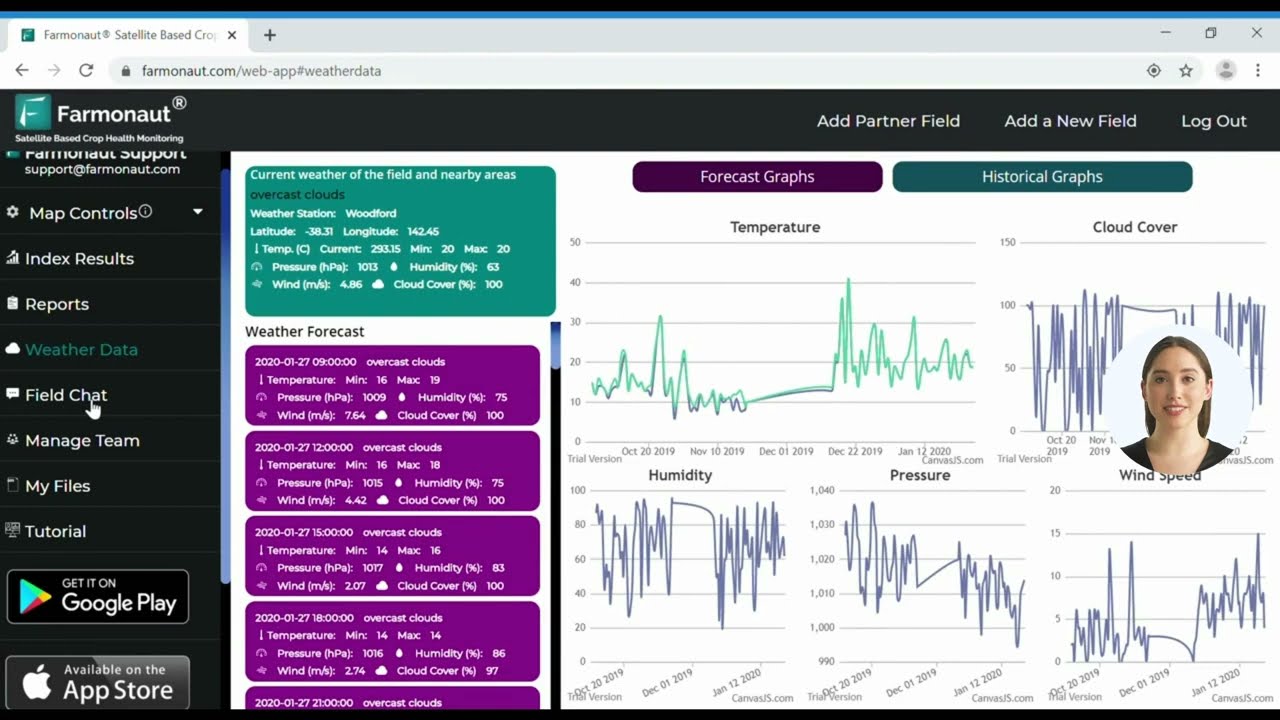
For more information, or to start optimizing your mining or environmental projects with cutting-edge satellite intelligence, visit the Farmonaut App or download the Android and iOS apps today.
Discussion
Questions, corrections or field experience? Share them below. First-time comments are reviewed before they appear, and your email is never published.
No comments yet. Be the first to add a question or your experience.

 Omsri International FZE
 G.I.T.T.
 Jaunita Erss Ltd
 Almosi SARL
 SRK Consulting
 Berks Gold Limited
 Mwerezi Minerals Company Limited
 Mining SARL
 SenGold Invest SAS
 Sean Mining Limited
 NTS Group (Pty) Ltd
 Mine4Africa
 Lithspo Minerals Limited
 Tintina Mining Group
 Dalgety Minerals Pty Ltd
