

Uranium Energy in 2025: Powering Sustainable Global Futures
Introduction: The 2025 Landscape for Uranium Energy
As the global urgency for clean, reliable energy intensifies, the role of uranium energy has become ever more pivotal in 2025 and beyond. This article explores uranium energy‘s expanding relevance in driving the transition toward sustainable power, particularly through mining innovations, low-carbon production, and support for vital industries like agriculture and infrastructure.
Uranium, a heavy metal known for its unique nuclear properties, stands at the forefront of the world’s efforts to achieve energy security, reduce carbon footprints, and support environmental goals. With increasing global demand for sustainable power sources and heightened climate change concerns, the consistent, low-emission electricity generated from uranium-based nuclear reactors remains a critical solution embraced by countries worldwide.
Throughout this comprehensive guide, we will:
- Explore the importance and future role of uranium in energy production and infrastructure
- Examine the latest mining innovations—including ISR and digital technologies—in leading countries and companies
- Compare the environmental impact and sustainability of uranium versus other major energy sources
- Showcase how tools like Farmonaut’s satellite-driven services support responsible resource monitoring and sustainability in the uranium sector
- Address current challenges, public concerns, and the exciting outlook for uranium energy in the post-2025 era
By understanding uranium’s central place in the 2025 global energy landscape, stakeholders from government, business, and civil society can make informed decisions pivotal to a sustainable future.
Uranium Energy: Its Growing Significance in 2025
Uranium energy is increasingly recognized as a cornerstone for both sustainable energy production and environmental responsibility. Let’s break down the reasons why:
What Makes Uranium Unique for Energy Production?
- Nuclear Fuel Properties: Uranium’s isotope U-235 is particularly valuable because it releases significant heat when split inside a reactor, making it an optimal fuel for large-scale electricity generation.
- Clean Operations: Unlike coal, oil, or natural gas, uranium-based nuclear plants do not emit greenhouse gases during operation. This enables countries to generate high-output, reliable electricity with minimal contribution to climate change.
- BaseLoad & Consistency: Unlike variable sources like solar or wind, uranium-powered magnetic reactors produce a consistent power supply, essential for grid stability and industrial operations.
- Long-Term Viability: With advances in breeding new isotopes and reprocessing spent fuel, uranium reserves are expected to support nuclear energy needs for decades to come.
Alt Text: uranium energy, global energy map with uranium reactors.
Why 2025 Is a Defining Year for Uranium Energy
- Climate Goals: As more countries formalize commitments to achieve carbon neutrality by 2050 or earlier, the urgency for low-carbon, high-output power escalates. In 2025, uranium energy is a critical component in national energy portfolios, reinforcing its relevance.
- Global Expansion: Over 30 countries operate nuclear power plants, and in 2025, several—including Kazakhstan, Canada, Australia, and emerging regions like Africa and South America—continue expanding their uranium mining and energy production capacity.
- Technology Innovations: Investment in more advanced nuclear reactors—particularly Small Modular Reactors (SMRs)—further enhances the role of uranium. These reactors are safer, easier to deploy, and can be incorporated into existing grids or off-grid communities.

In 2025, uranium for energy not only strengthens national grids but also advances clean technologies, supports green infrastructure, and powers modern agriculture, underscoring its status as a multi-sector powerhouse.
Global Demand, Mining Innovations, and Supply Chains in Uranium Energy (2025)
The Surging Global Demand for Uranium
The demand for uranium energy is directly tied to the worldwide expansion of nuclear power infrastructure. This rising trend is particularly evident as:
- Countries announce new nuclear reactor projects or plan to extend the life of existing plants, especially across North America, Asia, and Europe
- Emerging deposits in Africa and South America transform the supply landscape, making these regions increasingly relevant in the uranium supply chain
- Corporate investment surges, revitalizing mining operations and enabling new extraction and processing technologies
Miners and companies are responding vigorously by increasing exploration and extraction activities to meet projected uranium needs for global electricity generation through 2025 and well beyond.
Uranium Mining: From Earth to Energy
Uranium mining involves:
- Extracting ore from underground or open-pit mines
- Processing the ore to concentrate uranium content for efficient use in reactors
- Distributing processed uranium to nuclear plants globally, directly linking mining regions to energy production centers
Key uranium-producing countries include:
- Kazakhstan: The world’s top uranium producer, continually ramping up output to supply global markets
- Canada: Home to some of the highest-grade uranium mines, particularly in Saskatchewan’s Athabasca Basin
- Australia: A leader in uranium reserves, with major developments in mines like Olympic Dam and Ranger
- Africa (Niger, Namibia) and South America (Brazil, Argentina): Emerging as competitive players with significant new deposits
Alt Text: uranium mining map, 2025 global suppliers highlighted.

Sustainable Supply Chains & Modern Distribution
Uranium’s supply chain now faces intense scrutiny for environmental and social responsibility. Leading companies and regions are:
- Implementing traceability systems (such as blockchain) to guarantee safe, ethical mining and transportation
- Using remote sensing and satellite technology to monitor mining impacts, track shipments, and ensure compliance
- Innovating in waste management and water use reduction
To modernize the uranium sector, companies are leveraging digital platforms and real-time analytics (including solutions like Farmonaut—more on this later) for true end-to-end oversight, boosting global supply chain security and transparency.

Mining Innovations: Safety, Sustainability, and ISR in Uranium Extraction
The 2025 uranium energy sector is rapidly innovating mining processes to reduce environmental footprint and boost efficiency.
Key Innovations in Uranium Mining
- In-Situ Recovery (ISR): This method minimizes surface disturbance by circulating fluids directly into underground ore bodies, extracting uranium without conventional excavation. ISR is now widely used in Kazakhstan, parts of North America, and Australia.
- AI & Satellite Data: Real-time satellite-based monitoring and artificial intelligence help identify rich deposits, monitor ecological impacts, and optimize active mining operations.
- Automation & Remote Operations: Remotely-operated machinery, drones, and robotics increase safety by reducing human exposure to hazardous conditions underground.
- Water Conservation: New water recycling practices in processing help reduce total water usage, a critical issue in regions facing scarcity.

It’s projected that these ongoing innovations—especially ISR—will substantially reduce carbon emissions, land disruption, and ecological impacts. This is essential for the uranium sector to be in line with 2025 environmental standards and global decarbonization goals.
ISR Mining Explained: Efficiency & Environmental Benefits
- Drill Injection Wells: Fluids are pumped underground to dissolve uranium directly within ore deposits.
- Pumping & Extraction: The uranium-laden solution is brought to the surface via recovery wells.
- Processing: Extracted uranium is concentrated, converted for reactor use, and residual solutions are treated or recycled.
- Benefits of ISR:
- Minimal landscape disturbance
- Less waste and tailings
- Reduced water contamination risks
- Lower total carbon footprint vs. traditional mining

With ISR and responsible water/resource management at the forefront, uranium extraction in 2025 is heavily focused on sustainability, safety, and limiting waste, perfectly aligning with the world’s climate goals.
Farmonaut’s Carbon Footprinting Solutions
We at Farmonaut empower mining and agriculture companies with real-time, satellite-driven carbon footprint monitoring solutions. By instantly visualizing and quantifying emissions across vast landscapes, users can set, track, and achieve rigorous environmental targets—critical in mining sectors working to reduce operational emissions.




Uranium Energy Corp: Innovation and Responsible Mining Practices
As a key player in North America‘s uranium mining sector, Uranium Energy Corp has come to exemplify the intersection of innovation and sustainability in 2025.
- Adopting ISR at Scale: Uranium Energy Corp’s implementation of ISR at its Texas and Wyoming projects demonstrates industry leadership in minimizing environmental disturbance.
- Integrating Digital and AI Technologies: The company utilizes advanced AI, remote sensing, and real-time monitoring—often enabled by satellite solutions—to optimize exploration, yield forecasting, and compliance oversight.
- Water & Waste Reduction: Through water recycling systems and improved waste handling, Uranium Energy Corp directly advances sector-wide best practices, ensuring that uranium mining in North America remains environmentally responsible and globally competitive.
Blockchain and Traceability in Modern Uranium Mining
To address demands for ethical sourcing, regulatory compliance, and public trust, innovating companies are investing in blockchain-based traceability. If your operation manages resources or is part of the uranium energy supply chain, consider exploring Farmonaut’s supply chain traceability service to ensure transparency and verifiable source-to-reactor journeys—building confidence with customers, regulatory agencies, and the public.
Nuclear Power & Sustainable Infrastructure in 2025
The Role of Uranium in Agricultural and Industrial Development
Uranium energy offers far-reaching benefits that go beyond power plants. Nuclear’s stable, high-output electricity is vital for:
- Irrigation and Water Management: Reliable power ensures pumps and irrigation systems maintain food production even in drought-prone regions.
- Food Processing and Storage: Consistent refrigeration and processing capacity prevent spoilage and support food security for millions worldwide.
- Industrial Processes: Heavy manufacturing, water desalination, and other energy-hungry industries depend on stable baseload power to operate efficiently and sustainably.
Supporting Agriculture and Rural Infrastructure
In regions where grid stability is a challenge, nuclear energy—driven by uranium—provides the backbone needed for agricultural growth, rural electrification, and cold-chain development. This energy supports economic development while reducing the carbon footprint commonly associated with diesel generators or less efficient fuels.
Farmonaut’s Large Scale Farm Management Tools
We offer a comprehensive farm management system that leverages satellite intelligence for crop monitoring, irrigation planning, and resource optimization. These technologies play a transformative role in leveraging reliable, uranium-supplied power for efficient, sustainable agriculture. Learn more about our solution at Farmonaut Large Scale Farm Management.

Quick Links for Sustainable Development & Compliance
-
Fleet Management Tools by Farmonaut—Optimize vehicle usage and emissions tracking across mining and agriculture fleets for reduced operational costs and environmental impact.
-
Crop Loan & Insurance Verification—Enable faster financing with satellite-verified documentation, useful for energy-intensive sectors supporting agriculture.
Comparative Impact Table on Global Energy Sources in 2025
To understand uranium’s distinctive advantages, the table below compares major global energy sources in 2025. Pay close attention to uranium’s low-carbon footprint, moderate water use, relatively low waste, and high production efficiency compared to coal, natural gas, solar, wind, and hydro.
| Energy Source | Estimated Global Production (TWh, 2025) | Estimated Carbon Emissions (gCO2e/kWh) | Estimated Land Use (km²/TWh) | Water Usage (L/kWh) | Waste Generation (kg/MWh) |
|---|---|---|---|---|---|
| Uranium Energy (Nuclear) | ~2,900 | 10 – 15 | 0.1 | 2 – 3 | 0.007 (high-level waste; isolated) |
| Coal | ~8,000 | 820 – 1,000 | 0.5 | 1.5 – 2.0 | 100 – 200 (ash, hazardous) |
| Natural Gas | ~6,000 | 450 – 500 | 0.1 | 1.0 – 1.5 | 1 – 5 (fly ash, slurry) |
| Solar | ~1,800 | 30 – 50 | 2.0 – 3.5 | 0.1 | 0.04 (PV waste) |
| Wind | ~2,500 | 5 – 15 | 1.0 – 1.5 | 0.04 | 0.005 (blade waste) |
| Hydro | ~4,000 | 3 – 10 | 3.0+ | 10 – 50 | 0.1 (sludge, sediment) |
Source: Estimates based on published energy agency data, 2023–2024 projections for 2025. “Uranium energy” compares favorably due to strict waste isolation, low emissions, and high reliability—key for sustainable energy transition.
Challenges & The Future of Uranium Energy (2025 and Beyond)
Ongoing Challenges
Despite its benefits, the uranium sector faces several critical challenges:
- Public Concerns on Safety: Historic accidents and long-lived waste storage worries persist in the public mind, requiring robust safety and communications initiatives from industry and government.
- Waste Management: Nuclear waste must be securely isolated for centuries. Though modern practice ensures this, innovations in recycling and geological storage continue to be priorities.
- Lengthy Approval & Build Times: Regulatory complexities and extensive construction cycles for new reactors slow down deployment, even with advances in modular reactor technologies.
- Geopolitical Risk: The concentration of uranium resources and nuclear technologies in a limited number of countries can lead to market volatility, supply constraints, and political negotiation challenges.
Innovation as the Path Forward
- Next-generation Small Modular Reactors (SMRs) and even thorium reactors promise greater safety, faster deployment, and potentially less waste generation
- Blockchain, AI, and satellite monitoring significantly enhance risk mitigation, supply chain oversight, and resource stewardship
- Companies at the forefront (like Uranium Energy Corp) are re-investing in R&D and cross-sector collaborations for breakthroughs in sustainable uranium utilization
The Public Image: Transparency & Knowledge
A critical element in the future success of uranium energy is engaging with the public honestly:
- Promoting transparency in operations and environmental impact reporting
- Educating communities about reactor safety advancements and actual risk levels
- Showcasing clear benefits in employment, clean energy, and economic development
How Farmonaut Supports Sustainable Mining & Agriculture
We at Farmonaut are committed to making satellite-driven insights accessible and affordable for all sectors, including uranium mining, energy infrastructure, and agriculture. Our core offerings empower businesses, users, and regulators to:
- Monitor mining sites in real time for vegetation, soil, and environmental compliance using multispectral satellite imagery
- Track fleet and resource usage across mining and agricultural operations, optimizing efficiency with our Fleet Management system
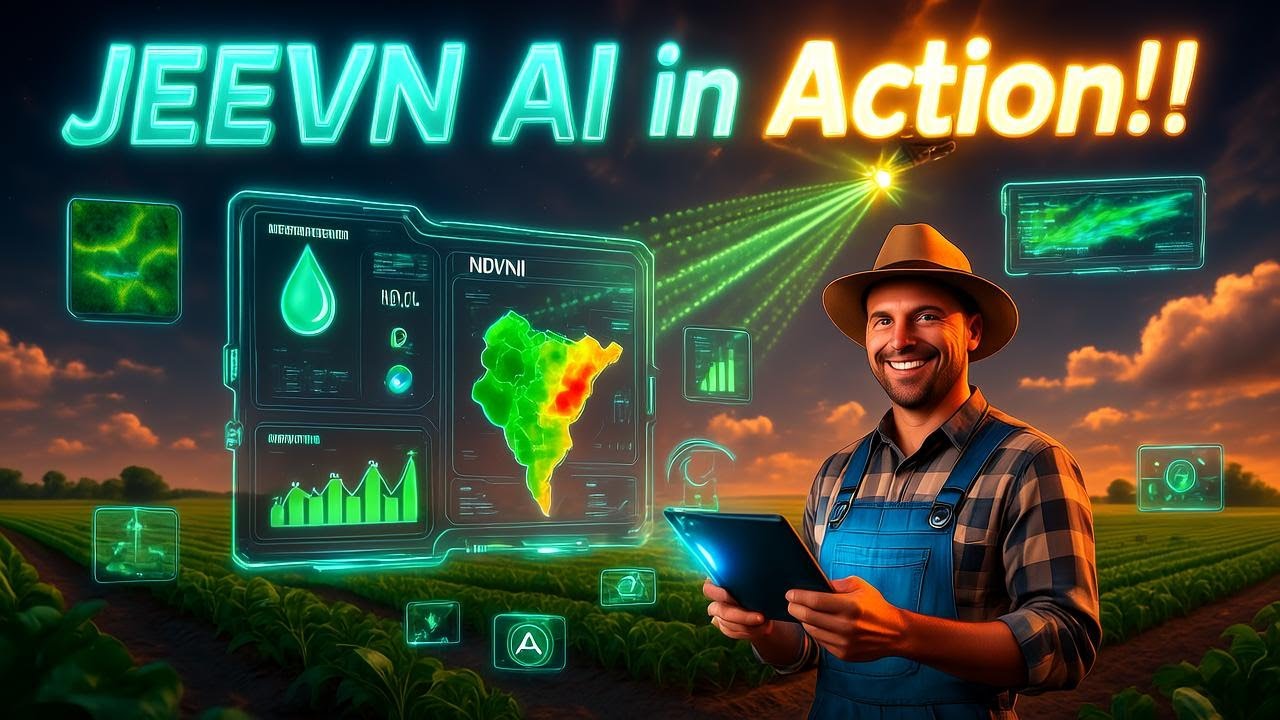
- Utilize AI-driven advisory tools (Jeevn AI) to make smarter, environmentally-sound decisions
- Implement traceability and resource authenticity in mining/agriculture with blockchain traceability solutions
- Quantify, report, and reduce carbon emissions and land-use change via our Carbon Footprinting platform
- Access satellite-verified data for loan and insurance processing using Crop Loan & Insurance solutions
Our web and app platforms—see the Farmonaut App—enable you to manage portfolios, resources, and compliance from anywhere. For businesses and developers, our API and Developer Docs integrate satellite insights directly into your own platforms.
Frequently Asked Questions (FAQ) — Uranium Energy in 2025
What is uranium energy?
Uranium energy refers to electricity and heat produced by nuclear reactors that use uranium (primarily U-235 isotope) as fuel. It is a low-carbon, high-output power source foundational to the world’s nuclear energy sector.
Why is uranium energy considered sustainable?
Unlike fossil fuels, uranium-based nuclear power does not emit greenhouse gases during operation. With innovations in extraction, waste management, and reactor technology, it offers clean, reliable energy to help meet global climate and sustainability goals.
Which countries lead in uranium production?
- Kazakhstan: The largest supplier, utilizing ISR technology extensively
- Canada: Home to the world’s richest uranium ore deposits
- Australia: Holds vast, high-quality uranium reserves
- Emerging regions: Niger, Namibia, Brazil, and Argentina are increasing their share
How is mining becoming more responsible in 2025?
Modern mining practices use technologies such as satellite monitoring, blockchain for traceability, remote operations, and ISR. These innovations improve safety, reduce land and water impact, and lower total carbon emissions per unit of uranium extracted.
What major challenges does the uranium sector face?
Challenges include public perception, nuclear waste management, regulatory complexities, and ensuring uranium is sourced, transported, and used responsibly and transparently.
What role does Farmonaut play for uranium, mining, and agriculture?
We provide satellite and AI-driven insights for real-time monitoring, environmental compliance, fleet and resource management, carbon footprinting, and blockchain-backed traceability—addressing sustainability, efficiency, and regulatory needs in mining, uranium, and agriculture industries.
Conclusion: Powering a Sustainable Global Future with Uranium
In 2025, uranium energy is more than just nuclear power—it represents a critical enabler for carbon neutrality, a pillar for industrial development, and an engine of agricultural and rural advancement amid escalating energy demand and climate concerns. With rigorous environmental practices, responsible mining innovations, and rapidly advancing reactor and supply chain technology, uranium’s role as the cornerstone of the clean energy transition is clear.
The future outlook for uranium energy remains exceedingly bright—driven by ongoing global investments, robust public policy, and enhanced traceability and transparency. Whether you are a policymaker, investor, miner, farmer, or energy stakeholder, understanding and embracing this evolution will be crucial in building a cleaner, safer, and more secure world.
Explore Further
- Ready to optimize your operations or track your environmental performance? Discover our Farmonaut solutions for mining, agriculture, and infrastructure. Get started with Farmonaut App
- Are you a developer or corporate client? Access real-time data for your systems using the Farmonaut API and consult the Developer Documentation.
In this pivotal decade, let’s ensure uranium helps us power not only the planet, but also progress, prosperity, and planetary health—today and for generations to come.
Discussion
Questions, corrections or field experience? Share them below. First-time comments are reviewed before they appear, and your email is never published.
No comments yet. Be the first to add a question or your experience.

 SenGold Invest SAS
 Sania Corporation
 Sean Mining Limited
 NTS Group (Pty) Ltd
 Mine4Africa
 Lithspo Minerals Limited
 Tintina Mining Group
 Dalgety Minerals Pty Ltd
 Vortex Minerals Pty Ltd
 Faith At Work (Pty) Ltd
 Geotech Mining Solutions plc
 Vulcan International Limited
 Kidepo Associates
 GKY Mining
 Alkimy SARL
 Double A Trading
 GemSprout Metals Limited
 Qader Group
 Ileys General Trading
 SG Gold Mining LLC
 VRV Global Pte Ltd
 Omsri International FZE
 G.I.T.T.
 Jaunita Erss Ltd










